Explore our elite selection of modified epoxy acrylates, polyurethane acrylates, and specialty UV-curable products engineered for demanding industrial processes.
The modern polymer marketplace is experiencing a tectonic transition toward environmentally safe, energy-efficient chemical formulations. Historically dominated by solvent-borne systems, modern coatings, inks, and adhesives are shifting to UV (Ultraviolet) Curing Technologies. This transformation is accelerated by stringent international volatile organic compound (VOC) emissions laws, such as the EU's REACH regulation, the EPA's Clean Air Act in the US, and China's environmental action plans.
Under the canopy of radiation curing, Epoxy Acrylate Resins serve as the indispensable workhorse. Synthesized through the esterification of epoxy resins with acrylic acid, these oligomers combine the high toughness, solvent resistance, and mechanical resilience of classical epoxy backbones with the rapid cure response of radical polymerization. In heavy industries, electronic assembly, and sustainable consumer packaging, the demand for high-purity, low-shrinkage oligomers is at an all-time high.
For B2B procurement managers, sourcing directly from a vertically integrated, certified manufacturer ensures chemical batch uniformity, custom formulation support, and a stable supply chain amidst volatile raw material conditions.
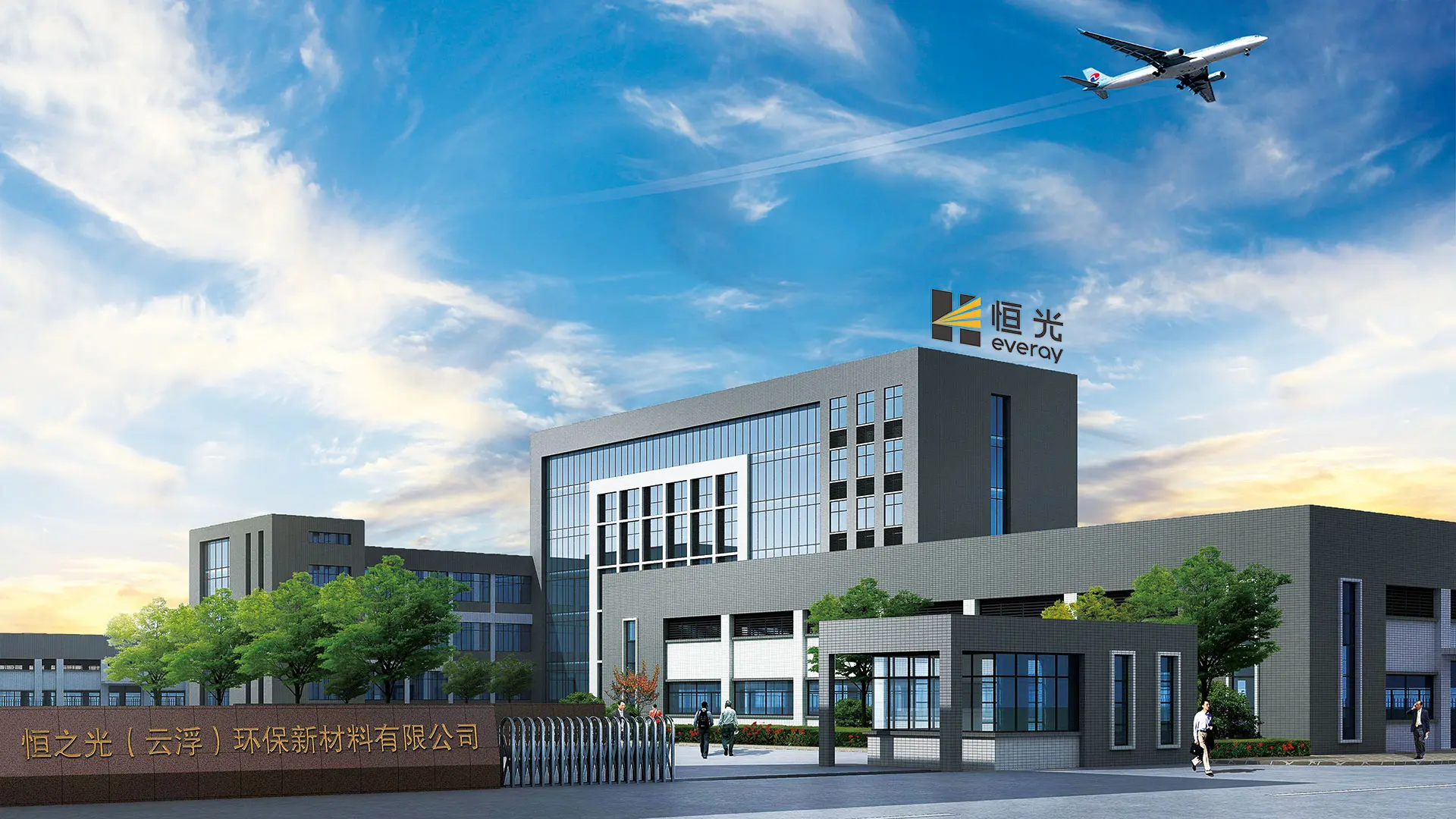
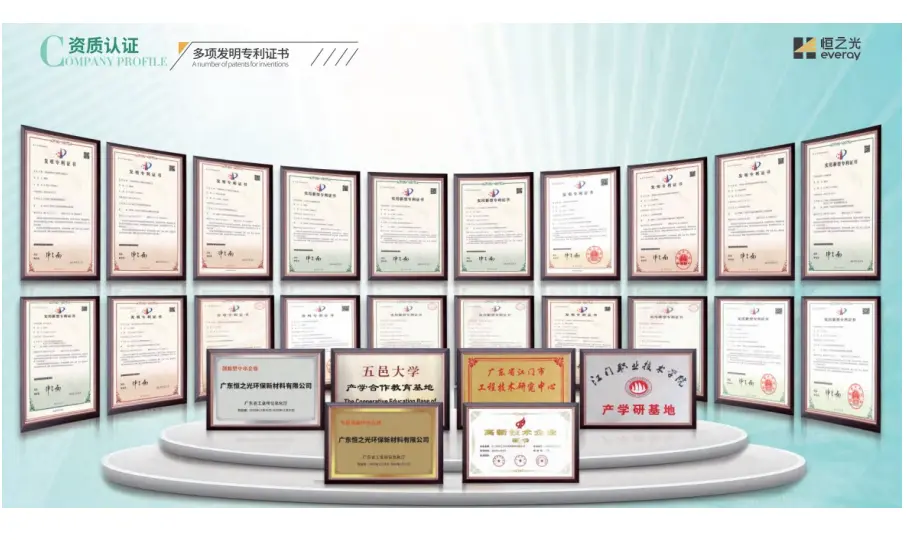
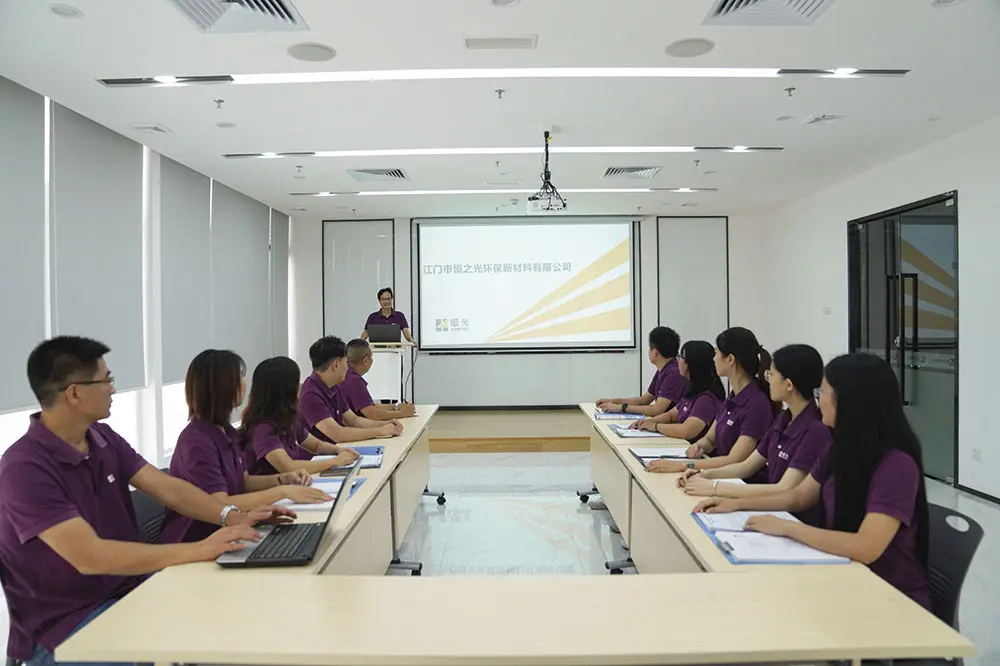
Established in 2006, Guangdong Ever Ray Environmental Material Co., Ltd. is a national high-tech enterprise focusing on the R&D and manufacturing of high-performance oligomers for UV curable resin. We synthesize a comprehensive range of oligomers including epoxy acrylate, polyurethane acrylate (waterborne, aliphatic urethane, aromatic urethane), polyester acrylate, pure acrylate, and other custom functional modified acrylate oligomers.
Operating on a dual-base manufacturing strategy in Guangdong, China, our facilities total over 50,000 square meters of production space. We strive for a balance between cutting-edge technology and environmental protection, using science and green chemistry to fuel the next generation of industrial coatings.
Our dual-base layout in Guangdong allows us to balance specialized small-batch synthesis with high-volume industrial supply.
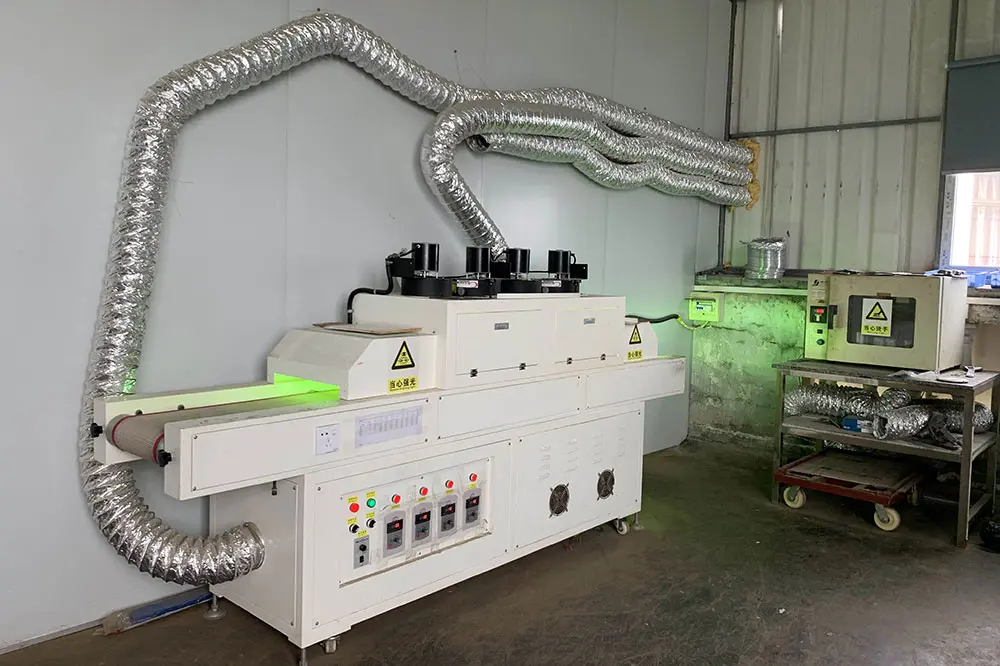
Our primary facility in Jiangmen, Guangdong spans approximately 10,000 square meters, focusing on custom formulations, synthesis testing, and high-specification specialty acrylates. Our primary scaling facility in Yunfu, Guangdong spans over 40,000 square meters. Complete with advanced quality control labs, environmental protection stations, and integrated logistics infrastructure, the Yunfu facility operates over 10 automated lines, pushing our annual production capacity past 20,000 tons.
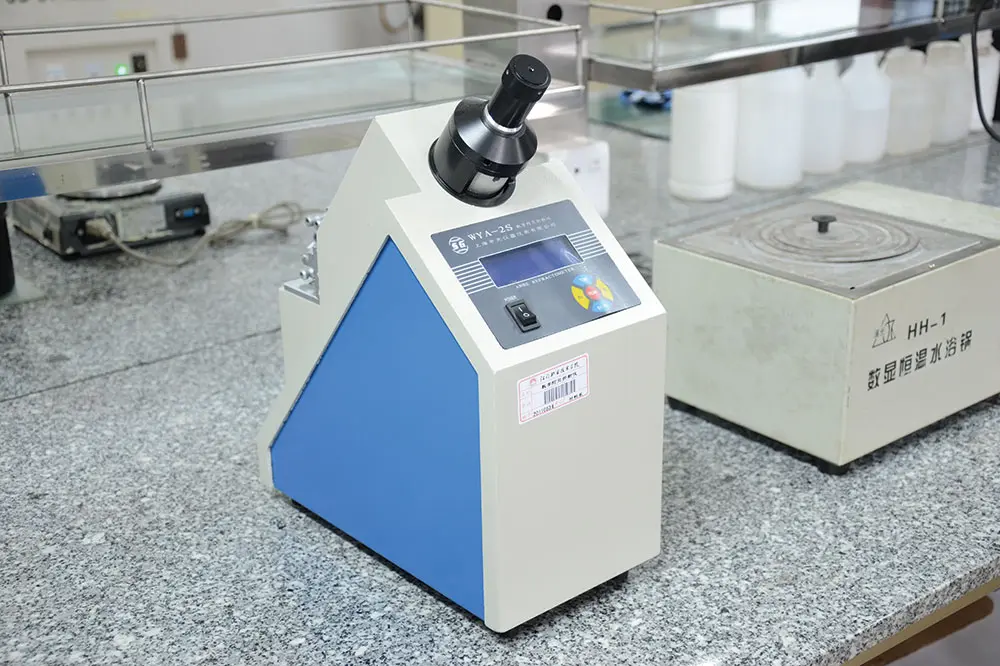
To ensure high quality control, our chemical reactors are operated via a central DCS (Distributed Control System). Fully computerized monitoring regulates temperature gradients, pressure levels, feeding rates, and reaction times. This minimizes batch-to-batch deviations and produces consistent oligomers. Our operations are fully certified under the ISO9001 Quality Management System and ISO14001 Environmental Management System.
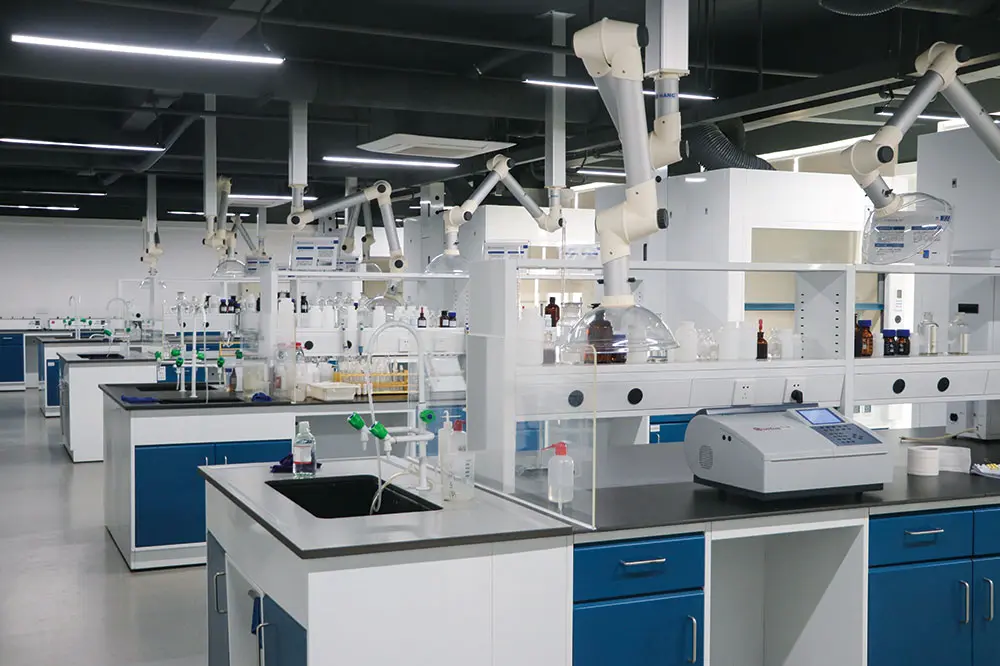
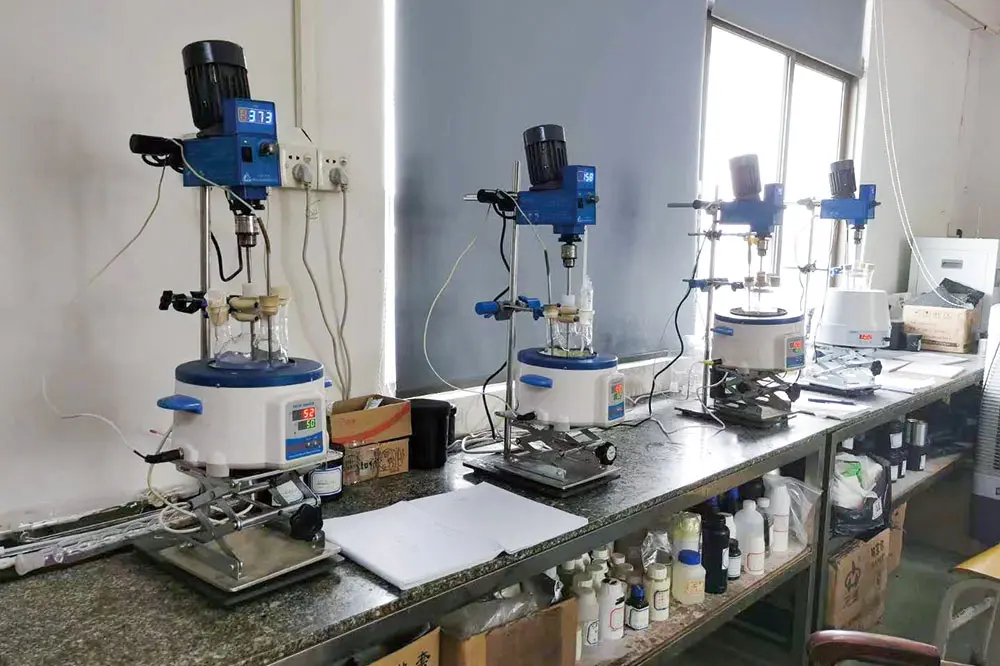
Our oligomers are chemically optimized to meet the technical and cost requirements of various manufacturing industries.
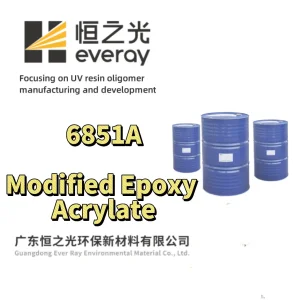
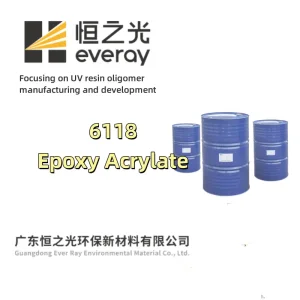
Industrial wood finishing lines require rapid cure speeds for fast handling, along with good hardness and scratch resistance. Epoxy acrylates such as our 6118 and 6851A provide high surface hardness, gloss retention, and resistance to household chemicals and cleaning agents.
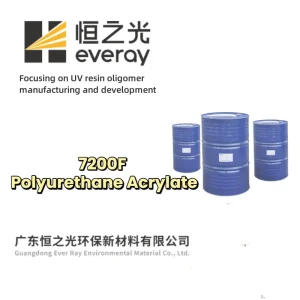
Plastic substrates (ABS, polycarbonate, PMMA) are sensitive to heat and require coatings with low volume shrinkage to prevent adhesion failure. Polyurethane acrylates like our 7200F offer flexibility, low shrinkage, and cold/heat resistance for automotive parts and consumer electronic casings.
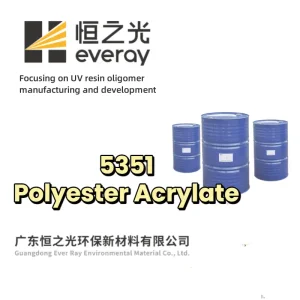
Packaging industries demand low-viscosity, low-odor resins with pigment wetting characteristics. Polyester acrylates (such as 5351, 5026F, 5377A) allow for highly pigmented formulations that cure instantly on high-speed press runs without sacrificing runnability or ink transfer.
Resins used in SLA, DLP, and LCD 3D printing require low viscosity for printing resolution, fast photopolymerization kinetics, and good dimensional stability. Our specialized 70250 UV-Resin is designed for stereolithographic printing, yielding high green strength and thermal stability.
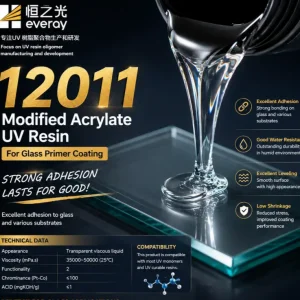
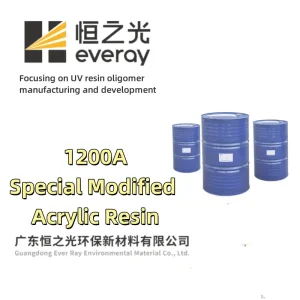
Inorganic substrates like glass, aluminum, and sheet metals are difficult for standard acrylates to wet and bond. Modified acrylates like our 12011 (for glass) and 1200A (for density-board and metal substrates) are formulated with functional groups that establish chemical bonds with inorganic oxides.
For processing electronic displays, optics, and automotive windows, temporary peelable coatings are used to protect surfaces from scratches during assembly. Polyurethane acrylate 72923 is designed for fast curing and residue-free peeling from delicate surfaces.
When sourcing UV-curable oligomers internationally, technical procurement officers must look beyond simple price points. Industrial stability relies on minimizing variations in incoming raw materials. Key parameters that demand strict compliance include:
By providing complete technical documentation, including safety data sheets (MSDS), certificates of analysis (COA) for every batch, and technical data sheets (TDS), Guangdong Ever Ray supports procurement integration for clients in Europe, North America, and Southeast Asia.
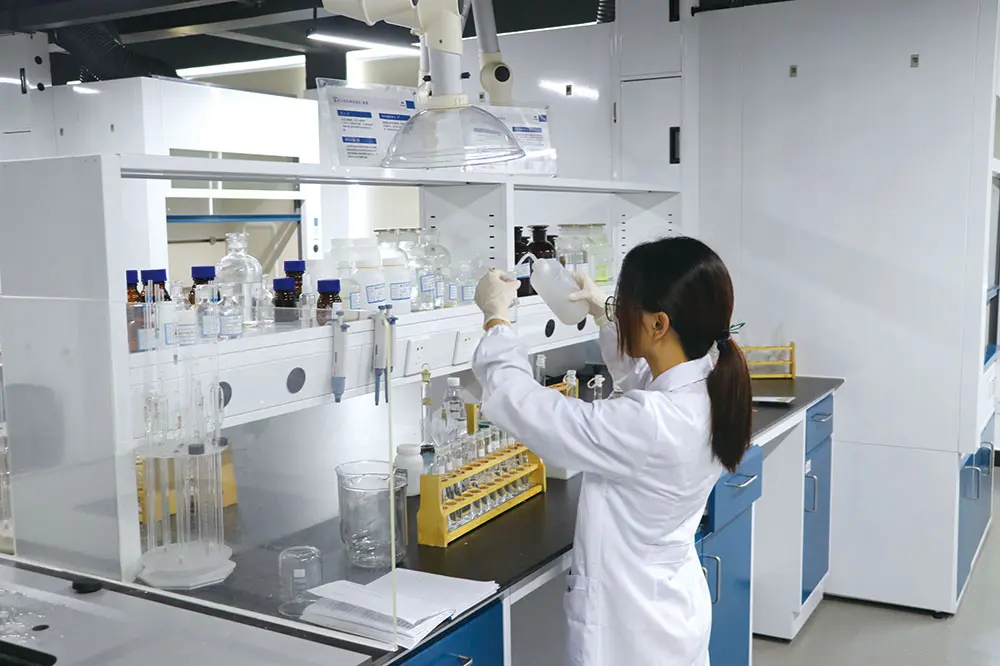
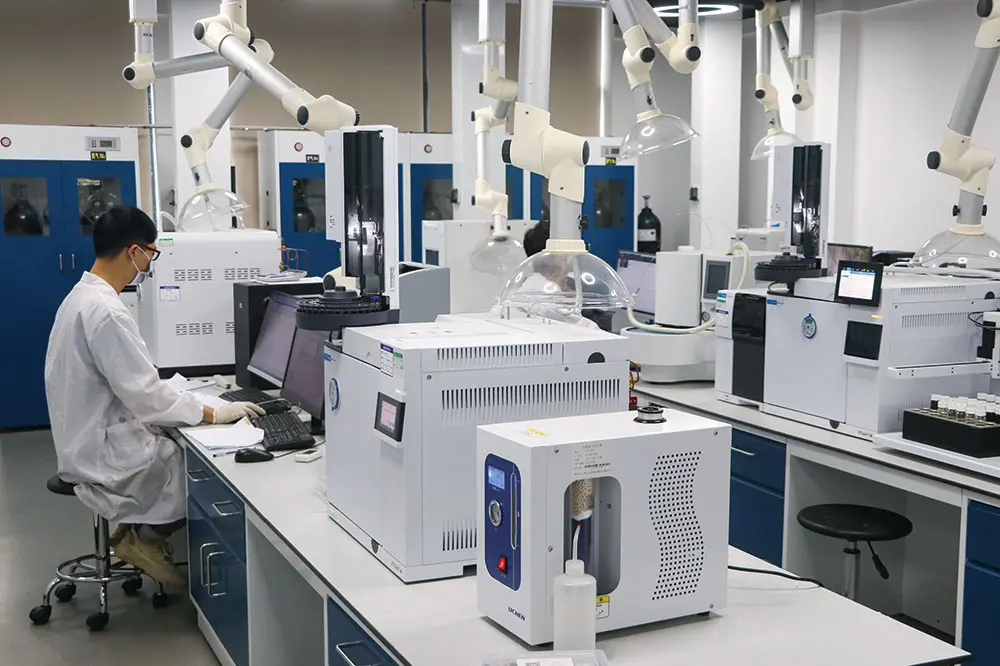
Our R&D department features over 15 full-time technicians and chemists. Working in our analysis laboratory, this team has developed over 10 patents for inventions and utility models.
Our research focuses on:
Find answers to common technical inquiries regarding the synthesis, application, and storage of UV curable epoxy and acrylate resins.
Standard Bisphenol A epoxy acrylates offer fast cure speeds, high gloss, and high hardness, but they are characterized by high viscosity, low flexibility, and high shrinkage. Modified epoxy acrylates are chemically altered (often via urethane, aliphatic polyester, or fatty acid chain insertion) to reduce viscosity, decrease volume shrinkage, and improve substrate adhesion, making them more versatile for demanding coating and ink formulations.
We operate under a computerized DCS (Distributed Control System) across our Jiangmen and Yunfu factories. The system automates feed rates, reaction temperatures, and pressure thresholds. Every batch is analyzed via gel permeation chromatography (GPC) and rheology testing to verify molecular weight distribution and viscosity compliance before shipment.
Glass and metal are non-porous with high surface energy, making mechanical interlocking difficult. Shrinkage of standard acrylates during curing can pull the film off the surface. This is solved by using modified acrylates (e.g., 12011 and 1200A) containing carboxyl, phosphate, or silane groups. These groups form chemical bonds (hydrogen or covalent) with the substrate oxides to resist delamination.
Aliphatic polyurethane acrylates (like our 7200F and 72923) are the industry standard for outdoor weatherability. Unlike aromatic polyurethanes or Bisphenol A epoxy acrylates, aliphatic oligomers contain no benzene rings, which degrade and yellow under solar ultraviolet radiation.
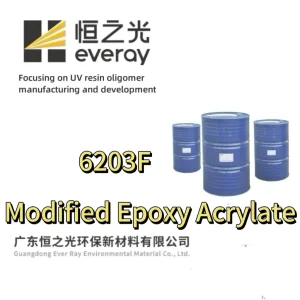
Volume shrinkage is caused by the transition of inter-molecular distances from van der Waals forces in liquid state to shorter covalent bonds (C-C bonds) in the cross-linked solid polymer. Shrinkage can be controlled by using high molecular weight oligomers, selecting low-shrinkage acrylates (like 6203F or 5026F), and using specialized mono-functional monomers as diluents to reduce cross-linking density.
UV oligomers should be stored in opaque, light-resistant HDPE or lined steel drums at temperatures below 35°C, away from direct sunlight, heat, and moisture. Air (oxygen) headspace must be maintained in the container, as dissolved oxygen acts as a natural stabilizer to prevent radical polymerization.
Yes. Our oligomers conform to major chemical regulations, including REACH pre-registration, RoHS directives, and VOC limitation standards. We provide material safety data sheets (MSDS) and analysis certificates to support customs clearing and compliance for global shipping.
Our 15+ chemists can adjust oligomer synthesis properties to meet targeted specifications. We can modify the backbone chain length, change the degree of acrylation to alter reactivity, or blend specific reactive diluents to meet viscosity requirements for unique industrial processes.
Polyester acrylates (such as 5377A and 5351) offer a balance of low viscosity, pigment wetting, and good adhesion to plastic packaging films. They have a lower odor profile than standard epoxy acrylates, which is a key requirement for food packaging print lines.
With our Yunfu facility running over 10 production lines and maintaining an annual capacity of 20,000 tons, standard catalog oligomers are typically dispatched from the factory within 7 to 14 days. Custom synthesis or specific chemical modifications may take 3 to 4 weeks for laboratory validation, scaling, and quality clearance before transport.
A second collection of high-performance oligomers, featuring scratch-resistant, fast-curing, and low-shrinkage acrylates for specialized industrial coatings.
 Ever Ray