The transition from traditional slow-curing thermosetting epoxies to ultraviolet (UV) and rapid-cure formulations represents a major leap in modern industrial manufacturing. Fast-drying epoxy resins and modified acrylates eliminate long bake times, reduce volatile organic compounds (VOCs), and significantly boost throughput in assembly lines, coatings, and packaging processes worldwide.
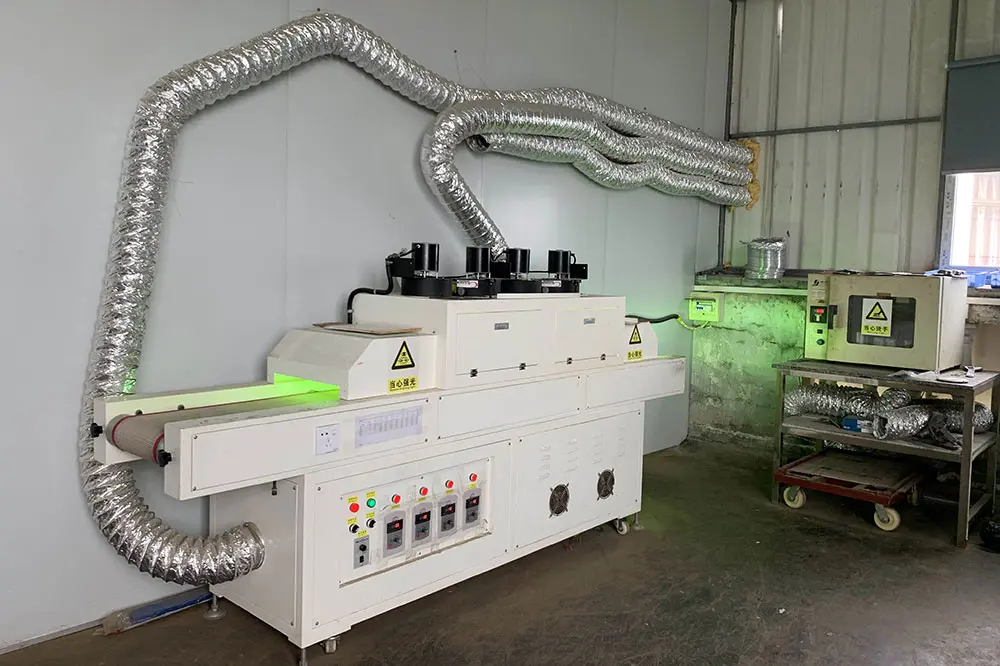
Unlike standard ambient-temperature cure systems that rely on slow amine-glycidyl ether reactions, UV-curable oligomers utilize high-energy radiation (typically UV light at 365–405 nm) to trigger radical polymerization. This photochemical reaction completes within seconds, resulting in immediate structural integrity, chemical resistance, and high hardness on the substrate.
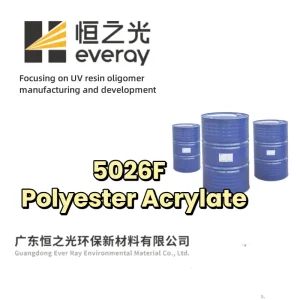
A primary challenge with ultra-fast curing is volume shrinkage, which can cause adhesion loss and substrate warping. Modern formulation strategies rely on blending high-performance epoxy acrylates, aliphatic/aromatic polyurethane acrylates (PUA), and specialized active diluents (like 5338 and 5026F) to balance cure speed with flexibility and adhesion.
The progression of UV curable technology centers on addressing the performance limits of traditional bisphenol-A epoxy acrylates. While standard epoxy acrylates provide outstanding surface hardness, chemical resistance, and high speed, they can lack flexibility and have a tendency to yellow over time. Our R&D division focuses on several technical paths to resolve these limitations:
How different oligomer chemistries compare across key industrial requirements:
| Chemistry | Cure Speed | Flexibility | Hardness |
|---|---|---|---|
| Epoxy Acrylate | Excellent | Poor | Outstanding |
| Urethane Acrylate (PUA) | Good | Excellent | Moderate |
| Polyester Acrylate | Good | Moderate | Good |
Established in 2006, Guangdong Ever Ray Environmental Material Co., Ltd. is a high-tech enterprise specializing in the R&D and manufacturing of high-performance oligomers for UV-curable resins.
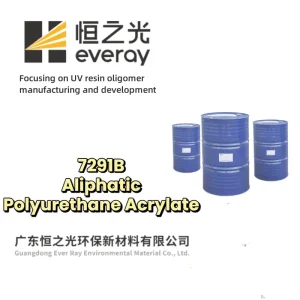
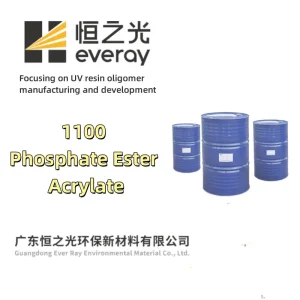
Our comprehensive portfolio includes epoxy acrylates, polyurethane acrylates (waterborne, aliphatic urethane, and aromatic urethane), polyester acrylates, pure acrylates, and other custom-modified acrylate oligomers designed for demanding industrial environments.
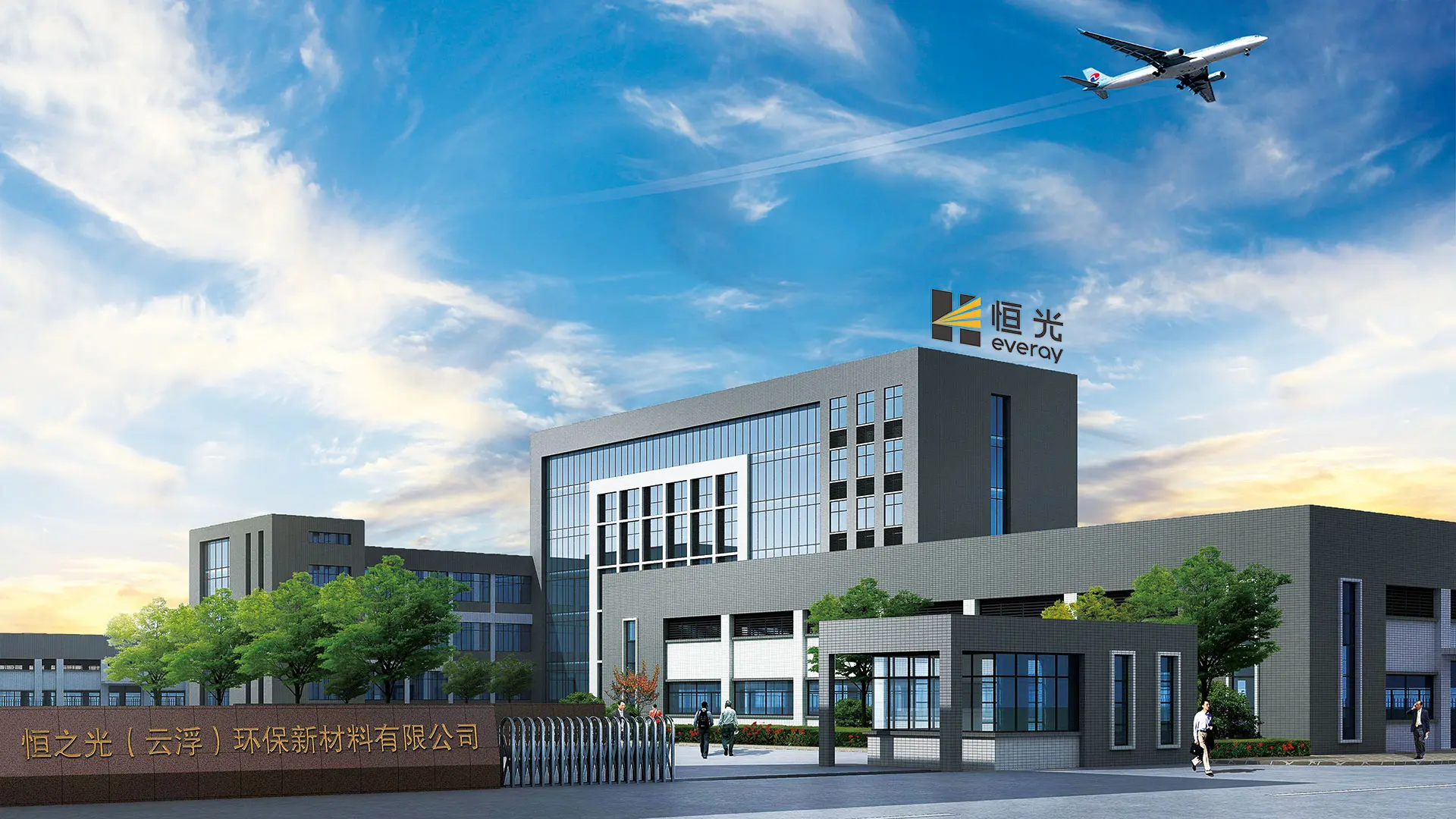
We operate two production bases in Guangdong province. Our Jiangmen base spans 10,000 square meters, while our larger Yunfu base covers 40,000 square meters. Both facilities feature quality control, storage, and logistics infrastructure, with an annual capacity exceeding 20,000 tons across more than 10 production lines.
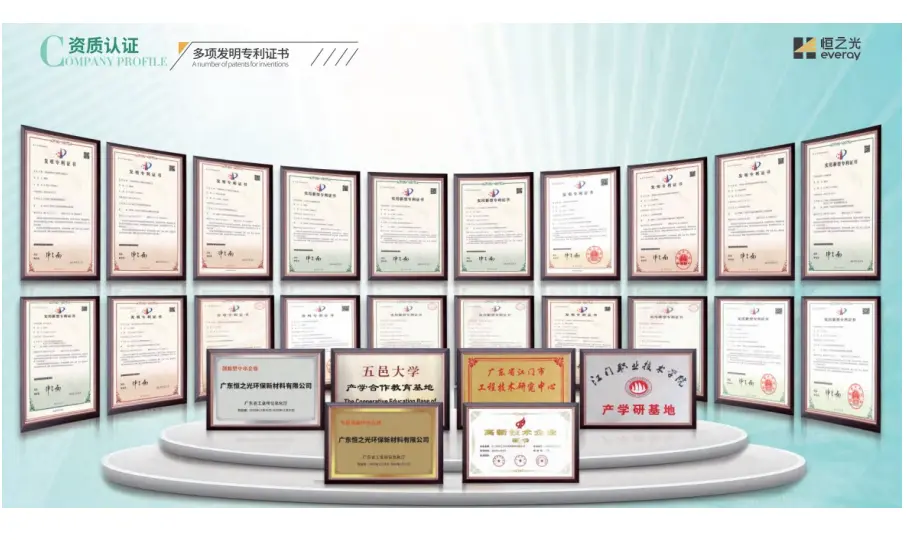
Production is managed using a fully computerized DCS control system, and operations are certified under the ISO9001 Quality Management System and ISO14001 Environmental Management System. We source premium domestic and international raw materials, and collaborate with polymer experts to ensure product consistency and process safety.
UV-cured fast-drying epoxy resins are tailored to meet localized coating demands, substrate properties, and environmental conditions across global markets:
In highly industrialized automotive regions, rapid curing of basecoats and clearcoats on plastics (ABS, PC, PP) is essential. Our aromatic PA UV-resin (e.g., 7162) offers rapid surface cure and high adhesion, minimizing cycle times on automotive paint lines.
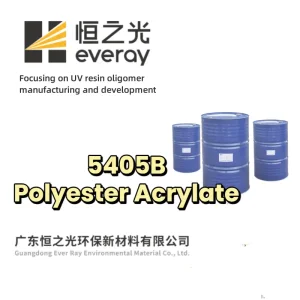
Large-scale furniture export centers utilize automated roller-coating and UV-curing tunnels. Fast-drying, low-shrinkage polyester acrylates (such as 5405B) enable processing speeds exceeding 80 meters per minute without compromising coating hardness or clarity.
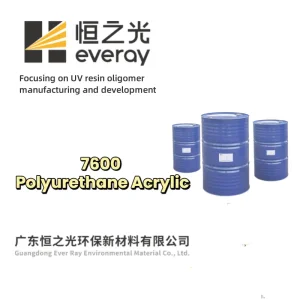
Modern packaging lines demand compliance with low-VOC and low-odor standards. Specialized oligomers like the multifunctional polyurethane acrylate 7600 and epoxidized soybean oil acrylate 6710B provide the necessary pigment wetting, scratch resistance, and speed for flexographic inks.
Sourcing UV-curable raw materials globally requires a supplier that offers both chemical consistency and reliable logistical execution. Our operations leverage China's integrated chemical supply chain to deliver distinct advantages:
Guangdong Ever Ray maintains direct supplier networks for essential monomers (epichlorohydrin, acrylic acid, TDI, MDI, polyols) within the South China Chemical Zone. This local access ensures stable production planning, even during global raw material shortages.
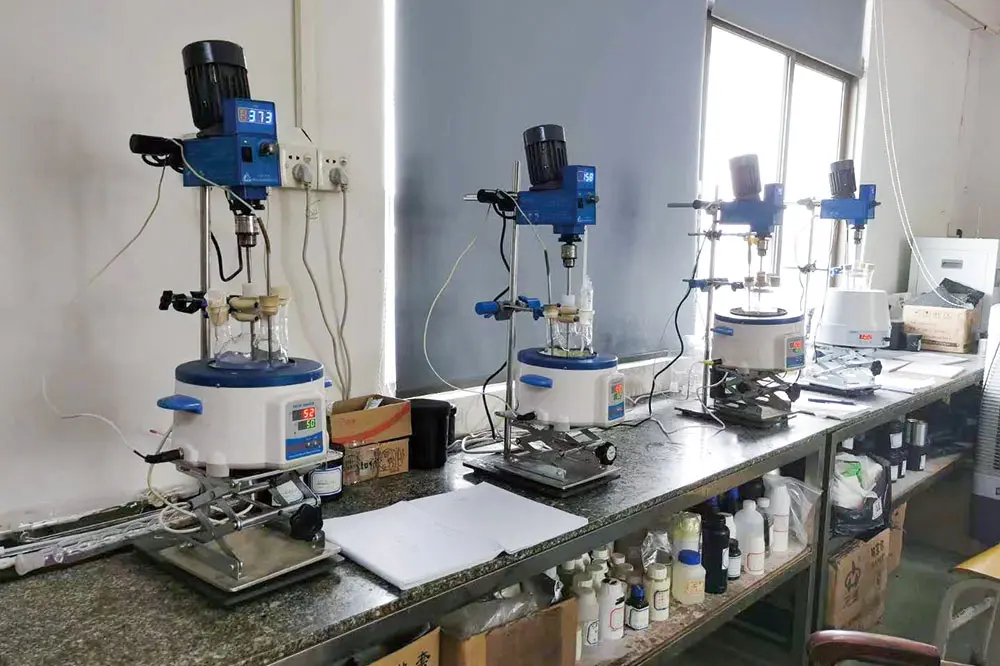
Both our Yunfu and Jiangmen bases utilize DCS (Distributed Control System) computerized automation. Automated control of feed rates, reactor temperatures, and reaction times minimizes batch-to-batch variance and ensures consistent viscosity and curing performance.
Our facilities are situated near key international container ports, including Guangzhou, Shenzhen, and Nansha. This geographic proximity simplifies sea freight logistics, reduces handling time, and lowers shipping costs for our global customers.
We provide global chemical regulatory compliance and technical support to ensure our products integrate smoothly into your localized manufacturing formulations.
All oligomers undergo testing for SVHCs (Substances of Very High Concern) under EU REACH guidelines, and conform to RoHS and halogen-free directives. We prioritize developing low-volatility, low-odor monomers and oligomers to support clean working environments.
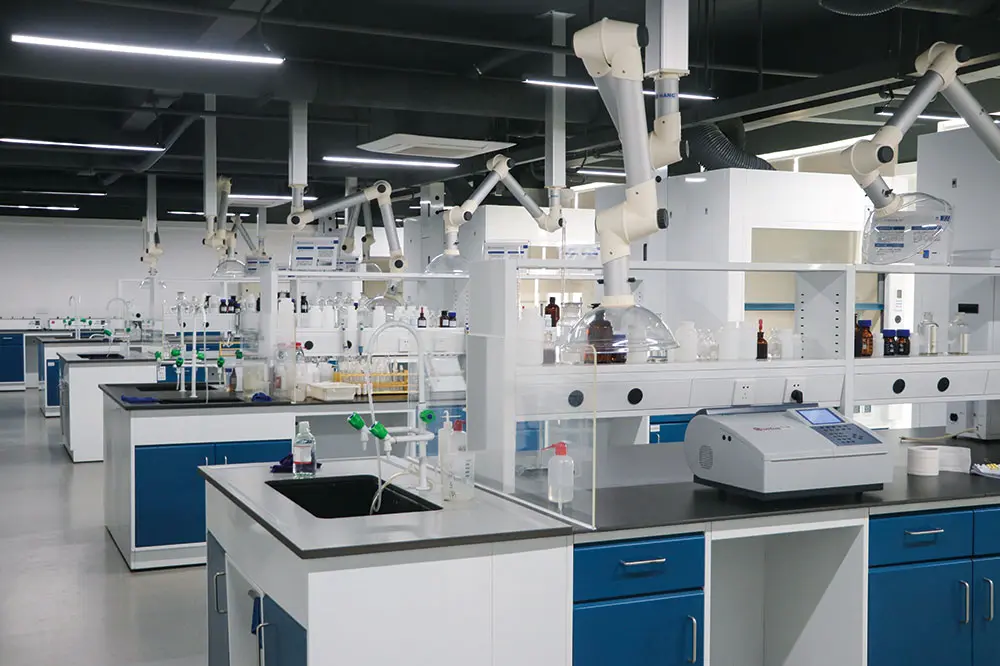
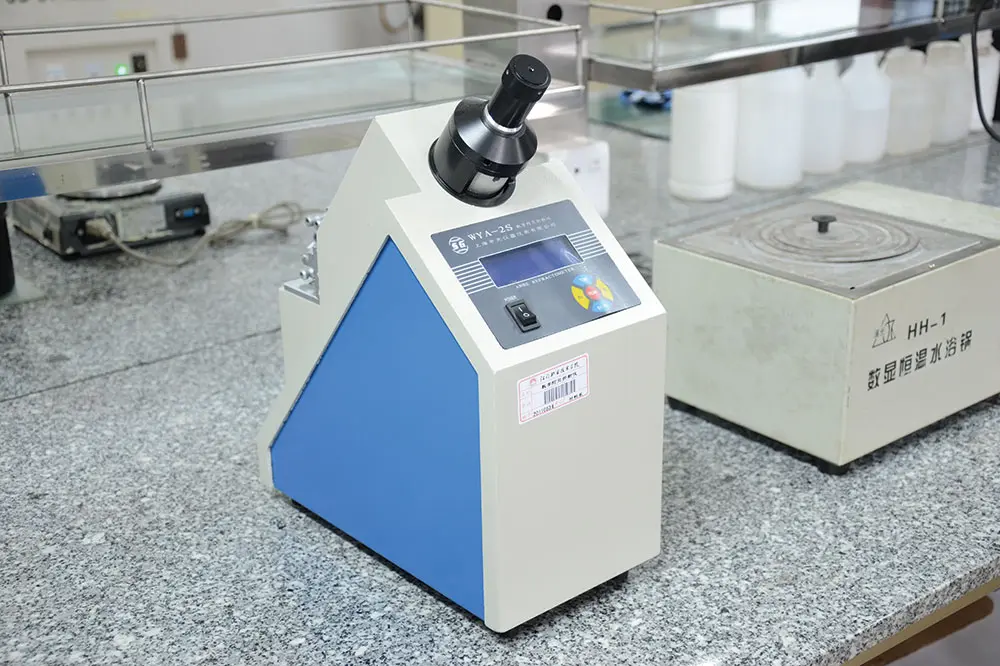
Our quality control labs monitor each production batch using gel permeation chromatography (GPC) to verify molecular weight distribution, and evaluate viscosity, acid value, and color index against established specifications.
Our technical service team assists customers with localized formulation optimization. We help balance dilution efficiency, adjust curing speeds, and design photoinitiator packages tailored to your specific UV lamps (Mercury Arc, LED 365nm, or LED 395nm).
 Ever Ray