Explore our high-activity monomers and specialized resins engineered for rapid cross-linking and supreme structural resilience.
How high-reactivity modified oligomers drive modern industrial coating productivity, compliance, and material performance.
In the contemporary manufacturing landscape, processing throughput and carbon footprint reduction are the twin pillars of competitive survival. This dynamic has accelerated the global transition from traditional thermal-cured systems to UV-curing photopolymer technologies. When engineers seek to buy fast epoxy and high-performance acrylates, they are not merely purchasing raw chemical components; they are investing in cure kinetics, cross-linking density, and substrate-specific adhesion profiles that directly govern the operational efficiency of production lines.
“The optimization of UV-curable formulations requires balancing the fast-cure properties of epoxy acrylates with the flexibility of polyurethane acrylates and the wetting capabilities of polyester acrylates. Precision in oligomer modification is key to avoiding issues like high shrinkage and surface wrinkling.”
Industrial demand for fast-curing epoxy resin and acrylated oligomers spans a wide array of application vectors. Procurement departments face challenges in sourcing materials that meet strict technical parameters while adhering to international environmental mandates. With the tightening of volatile organic compound (VOC) regulations worldwide, solvent-free coatings are no longer optional—they are mandatory.
The decision to procure from specialized manufacturers involves analyzing factors such as viscosity profiles, pigment wetting capabilities, and long-term chemical resistance. Our comprehensive portfolio addresses these demands by offering modified epoxy acrylates and polyurethane acrylates engineered to cross-link instantly under specific UV wavelengths (typically 200–400 nm), minimizing energy expenditure and speeding up assembly lines.
Modified epoxy acrylate oligomers (such as 6805A-1) are synthesized to maximize double-bond conversion rates, achieving dry-to-touch status in milliseconds under typical industrial UV mercury lamps or LED arrays.
Our formulas resolve shrinkage stresses through molecular design, incorporating high-performance active diluents that promote physical and chemical bonding to challenging substrates like treated plastics, wood veneers, and sheet metals.
In the chemical synthesis sector, supply chain continuity is determined by raw material security, digital manufacturing control, and logistics infrastructure. Guangdong Ever Ray Environmental Material Co., Ltd. leverages Industry 4.0 protocols across our specialized manufacturing locations to deliver reliable, consistent output.
Our production sites utilize advanced DCS (Distributed Control System) technology, allowing real-time regulation of reaction temperatures, polymerization rates, and monomer dosing. This computerized setup minimizes batch-to-batch variance, which is crucial for customers running automated high-speed coating lines where even slight deviations in viscosity or cure speed can halt operations.
Guangdong Ever Ray Environmental Material Co., Ltd.
Guangdong Ever Ray Environmental Material Co., Ltd., established in 2006, is a high-tech enterprise focusing on the R&D and manufacturing of oligomers for UV curable resins. Our expertise encompasses epoxy acrylate, polyurethane acrylate (water-borne, aliphatic urethane, aromatic urethane), polyester acrylate, pure acrylate, and other special functional modified acrylate oligomers.
We operate two modern production bases: one in Jiangmen, Guangdong, with a production area of approximately 10,000 square meters, and another in Yunfu, Guangdong, covering around 40,000 square meters. Both facilities feature quality control, storage, and logistics supporting systems, with an annual production capacity exceeding 20,000 tons across more than 10 dedicated production lines.
To ensure rigorous quality control, our factories operate under the ISO9001 quality management system and the ISO14001 environmental management system, coupled with a flexible, advanced DCS fully computerized control system. We select domestic and foreign raw materials, apply modern scientific management practices, and collaborate with industry experts to maintain production safety and product stability.
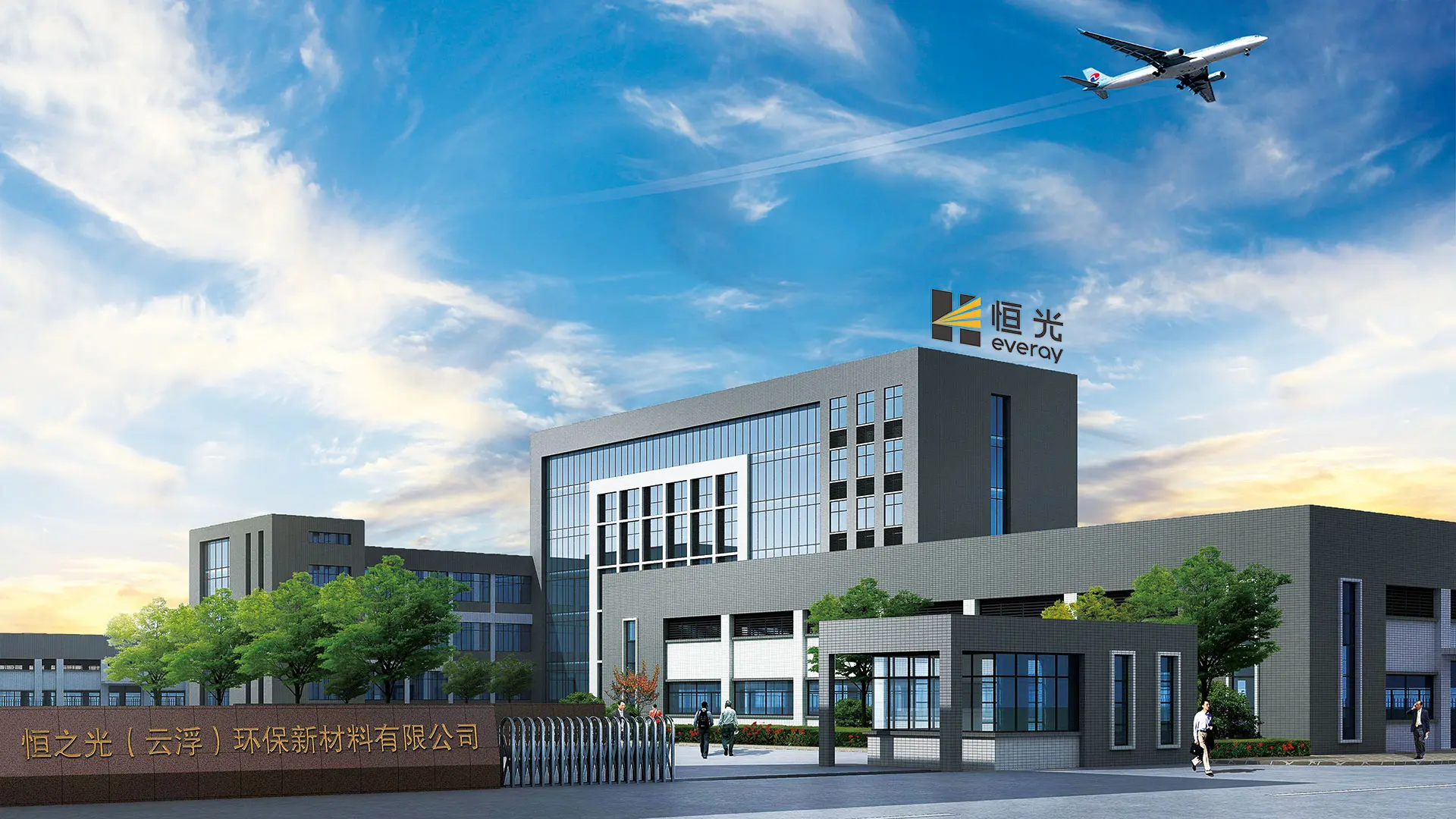
Our dual-base layout ensures supply security. By utilizing DCS-controlled automated reactors, we run complex polymerizations safely while keeping emissions and waste levels low, aligning with eco-conscious chemical manufacturing standards.
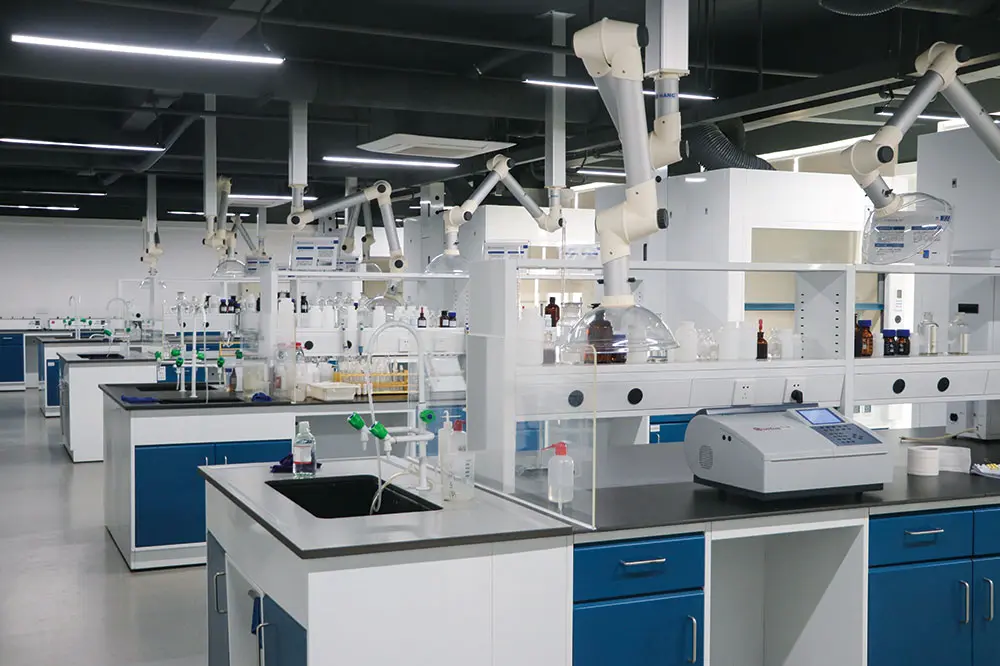
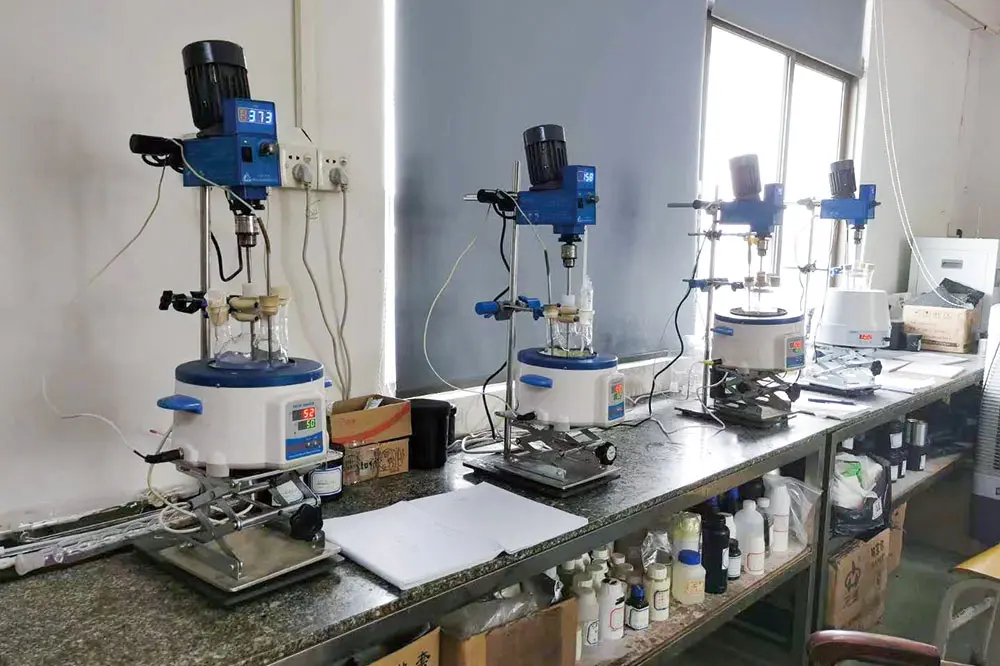
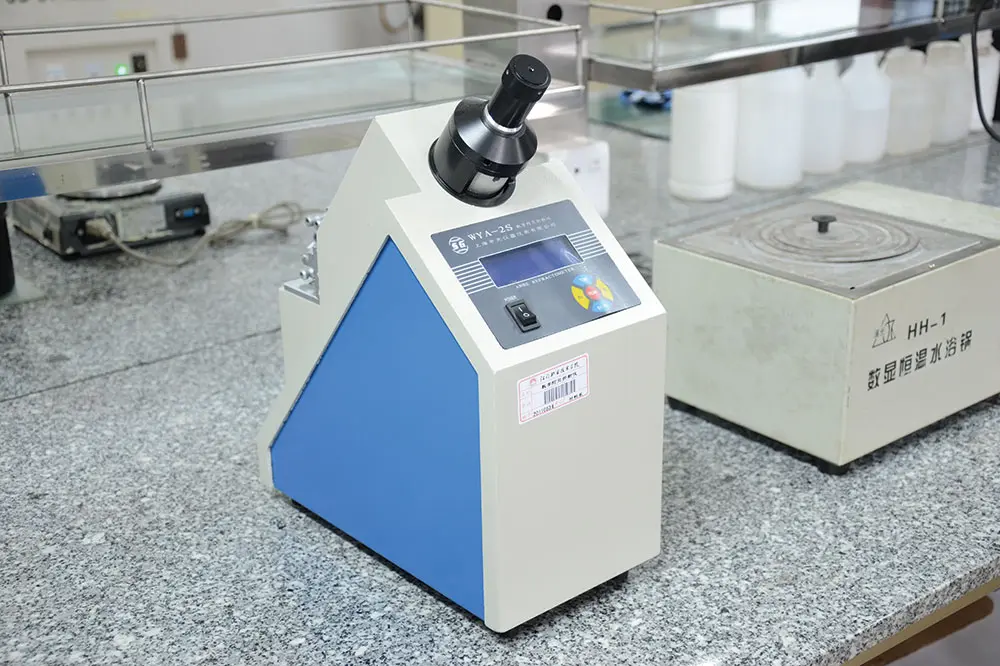
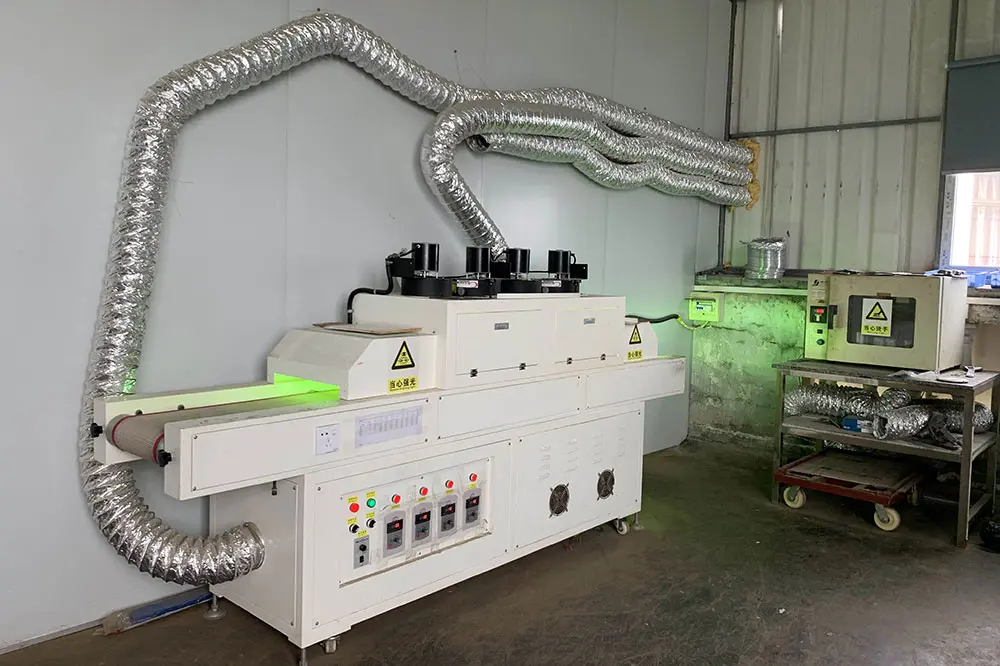
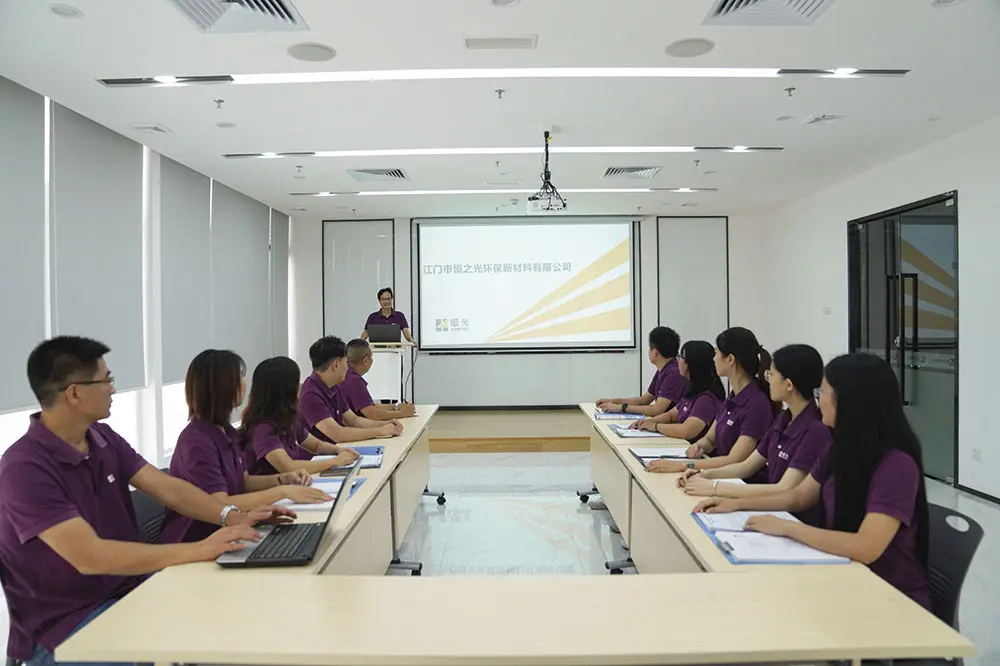
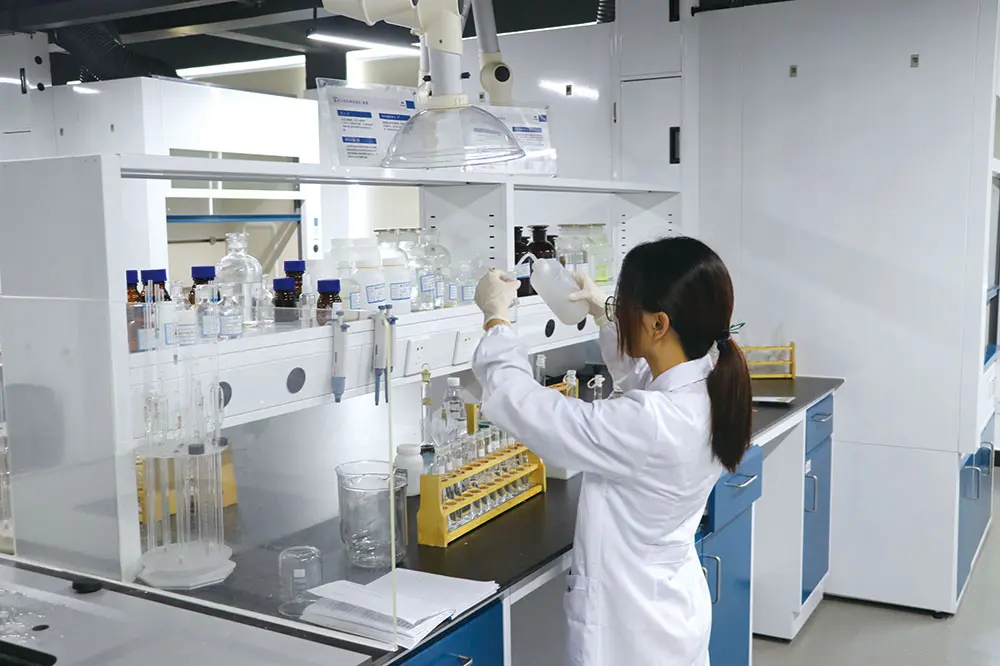
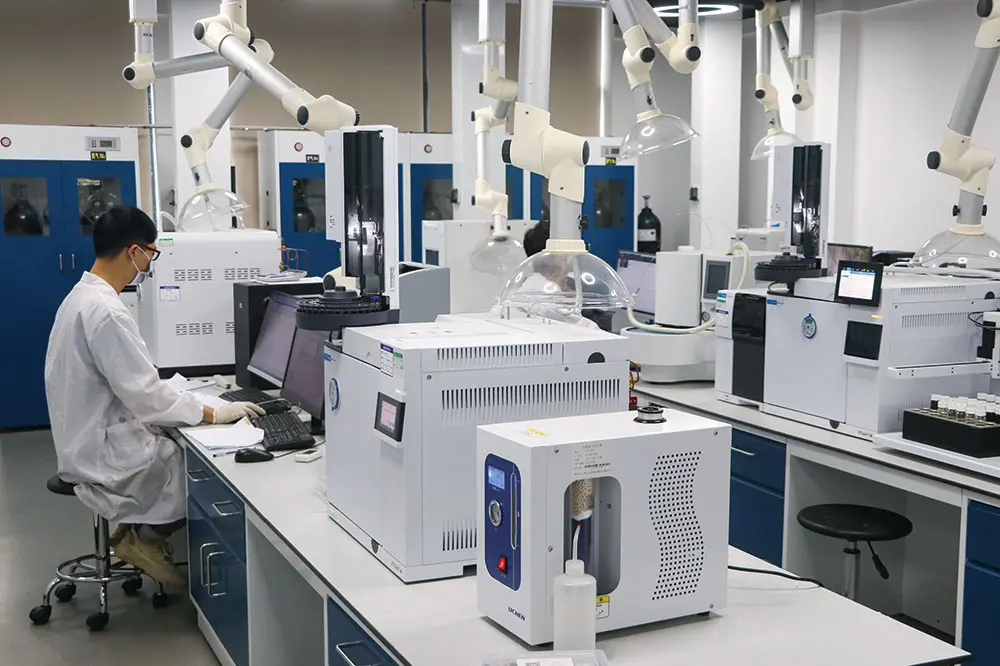
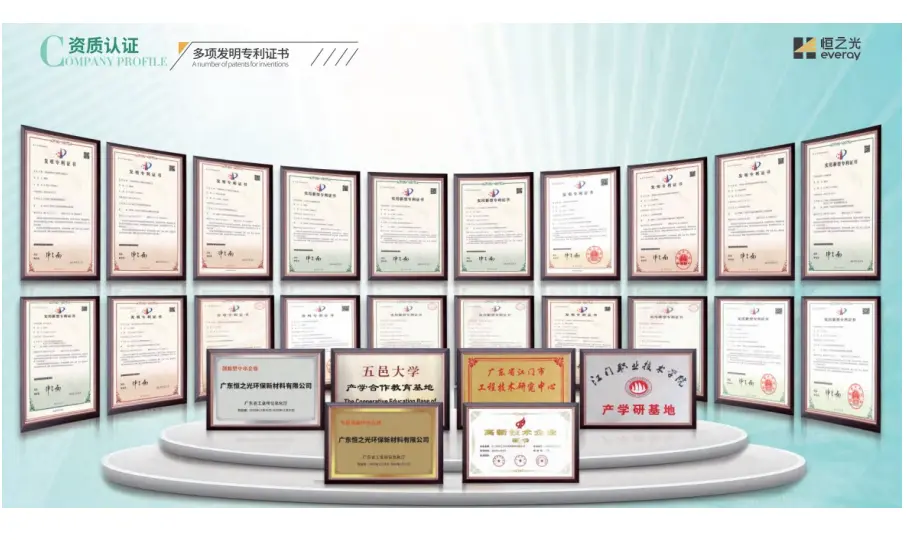
Holding more than 10 invention and practical utility patents, our R&D department houses over 15 technicians who continuously optimize formulations for high reactivity, chemical resistance, and high gloss. We serve applications including wood coatings, plastics, inks, and adhesives, tailoring formulations to achieve both performance targets and cost-efficiency.
Tailoring specific chemical architectures to meet the physical performance and cure profile requirements of diverse industrial surfaces.
Our epoxy acrylates, like the 6102 and 6100D-85, deliver low curing shrinkage and excellent wood grain wetting. Formulators can adjust cross-linking density to match the flexibility of softwoods or the scratch resistance needed for heavy-duty parquet flooring, reducing the risk of edge curling and surface embrittlement.
High-gloss oligomers like 6805A-1 and modified epoxy acrylates like 6231 are engineered for rapid pigment wetting, chemical resistance, and high-gloss transfer. Their chemical structures support pigment dispersion and reliable cure rates in high-speed package printing.
Formulations using 6203F and 5052B-2 target challenging non-porous substrates, including PET, polycarbonate, and galvanized sheet metal. They balance curing speed with adhesion promoter compatibility, ensuring resistance to impact and thermal cycling.
In-depth chemical answers addressing common inquiries from B2B buyers and chemical formulators.
Examine our technical grade resins tailored for scratch resistance, dual-curing configurations, and specialized substrates.
 Ever Ray