Explore our top-tier selection of industrial-grade functional UV resins designed for superior chemical resistance, speed, and low-viscosity requirements.
Understanding the transition toward energy-efficient, fast-curing, and low-VOC functional parts resin technologies across global manufacturing sectors.
The global functional parts resin market is experiencing a profound technological shift. Standard thermal curing lines are rapidly being retrofitted or replaced by radiation cure technology (UV/LED-UV). This shift is driven by the industry's need for higher throughput, reduced footprint, and adherence to international environmental protection guidelines (such as REACH and the Clean Air Act).
Functional resins, particularly modified epoxy acrylates, polyurethane acrylates (PUA), and polyester acrylates, form the chemical backbone of these advanced material formulations. As the demand for precision component manufacturing in sectors like electronics, packaging, and automotive coatings increases, the chemical composition of these oligomers must be tuned to provide specific mechanical properties, including high toughness, minimal volume shrinkage, and superior substrate adhesion.
Analyzing molecular architectures to align coating properties with specialized application substrates.
In radiation-curable coatings, formulation success relies on balancing viscosity, double-bond density, and volumetric shrinkage. High-functionality acrylates (such as hyperbranched types) provide rapid cure times and extreme surface hardness, but they can suffer from curing shrinkage which compromises adhesion on non-porous substrates like plastics and metals. Conversely, modified polyester or aromatic epoxy acrylates offer improved flexibility and cost-effectiveness but require specialized formulation parameters to control curing speed and yellowing tendencies.
| Oligomer Type | Key Advantages | Typical Applications | Viscosity Range (mPa.s/25°C) |
|---|---|---|---|
| Epoxy Acrylate | High hardness, fast curing speed, chemical resistance, high gloss | Wood finishes, paper varnish, offset printing inks | 10,000 - 100,000 |
| Polyurethane Acrylate (PUA) | Exceptional flexibility, non-yellowing (aliphatic), impact resistance | Plastic spray coatings, automotive coatings, optical films | 2,000 - 80,000 |
| Polyester Acrylate | Low viscosity, excellent pigment wetting, economical cost structure | LED-UV wood primers, gravure flexo inks, offset inks | 500 - 15,000 |
| Waterborne UV Resin | VOC-free, thin film capability, easily adjustable viscosity with water | Eco-friendly 3D printing, clean wood varnishes | 100 - 2,000 |
Incorporates modified monomeric pathways within the backbone structure to minimize internal stress and micro-cracking upon photo-polymerization.
Enables ultra-low viscosity properties without requiring large additions of reactive diluents, preserving mechanical strength and minimizing odor.
Specially modified functional resins are chemically designed with carboxyl, phosphate, or epoxy functional groups to bond effectively to challenging substrates.
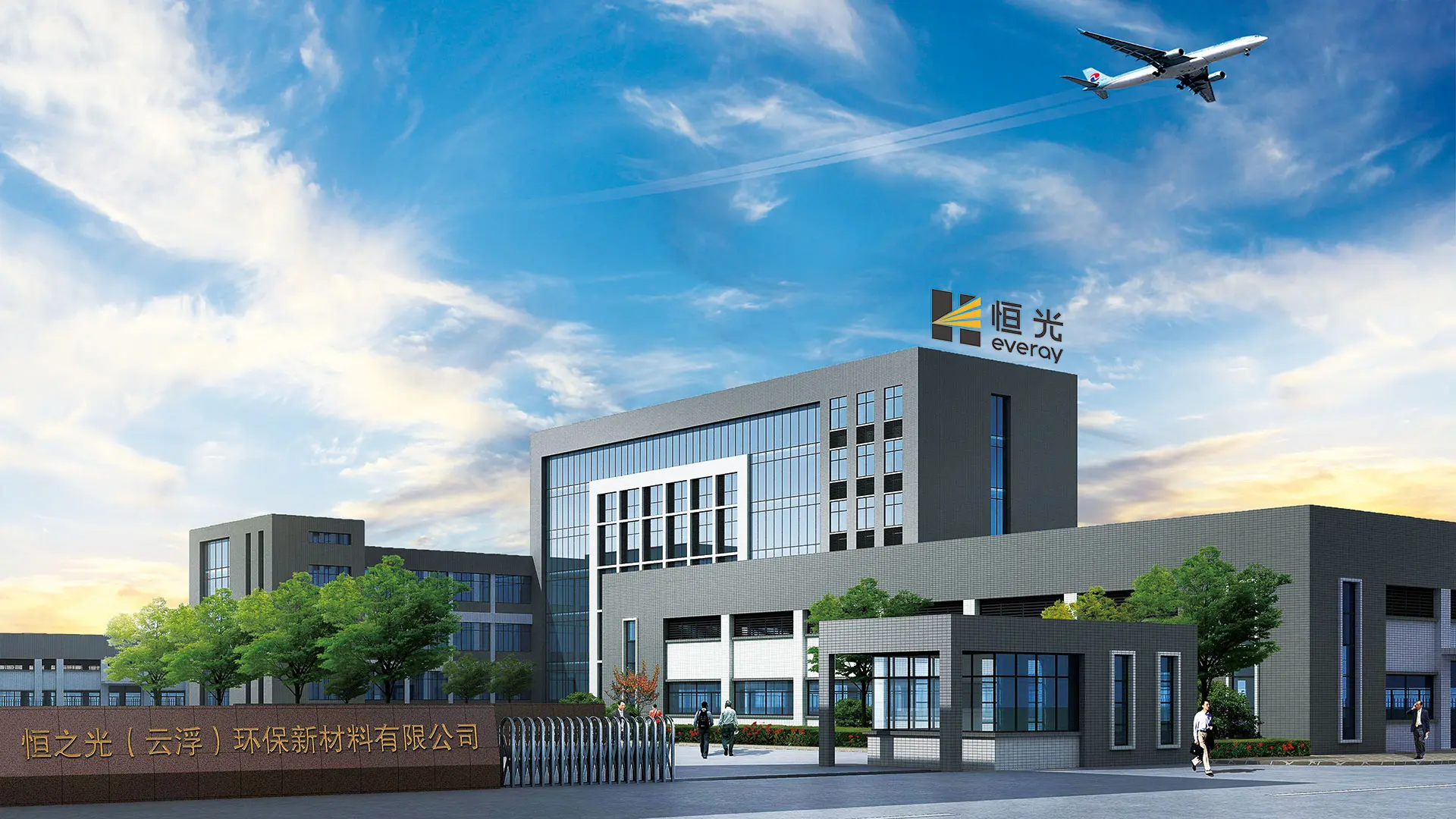
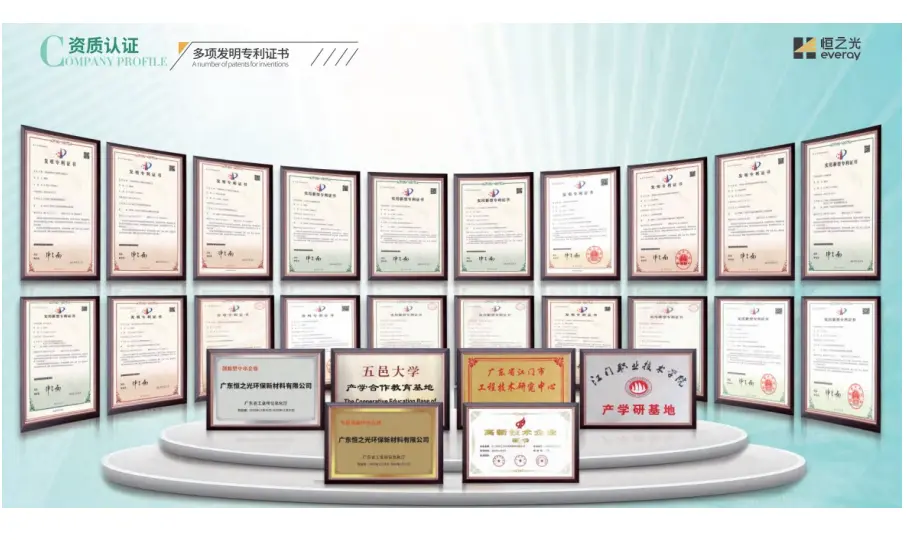
Established in 2006, leading the synthesis of high-quality UV-curable oligomers and environment-friendly resins.
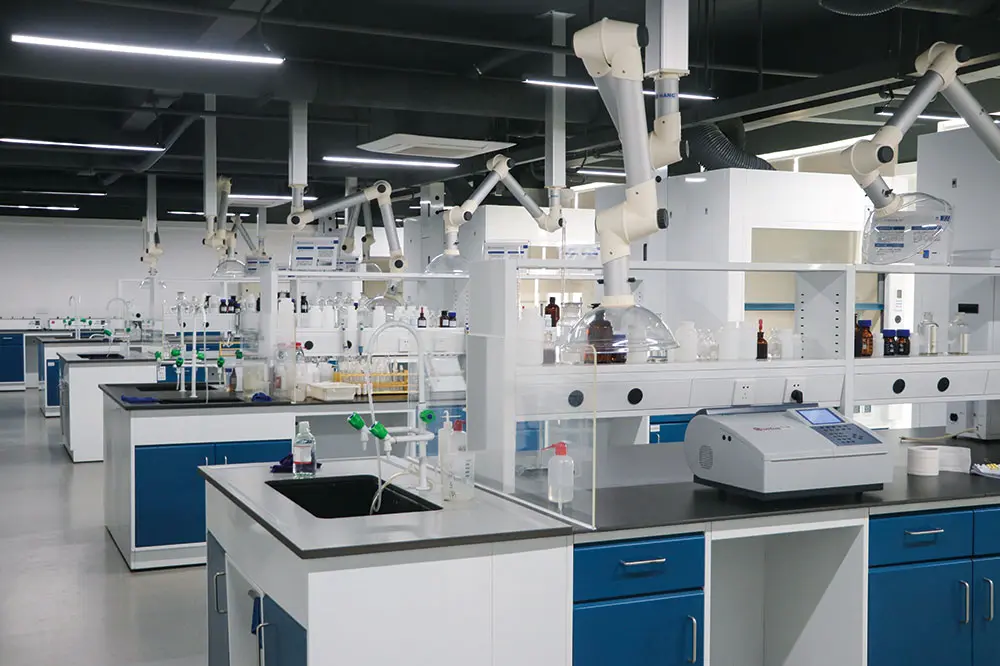
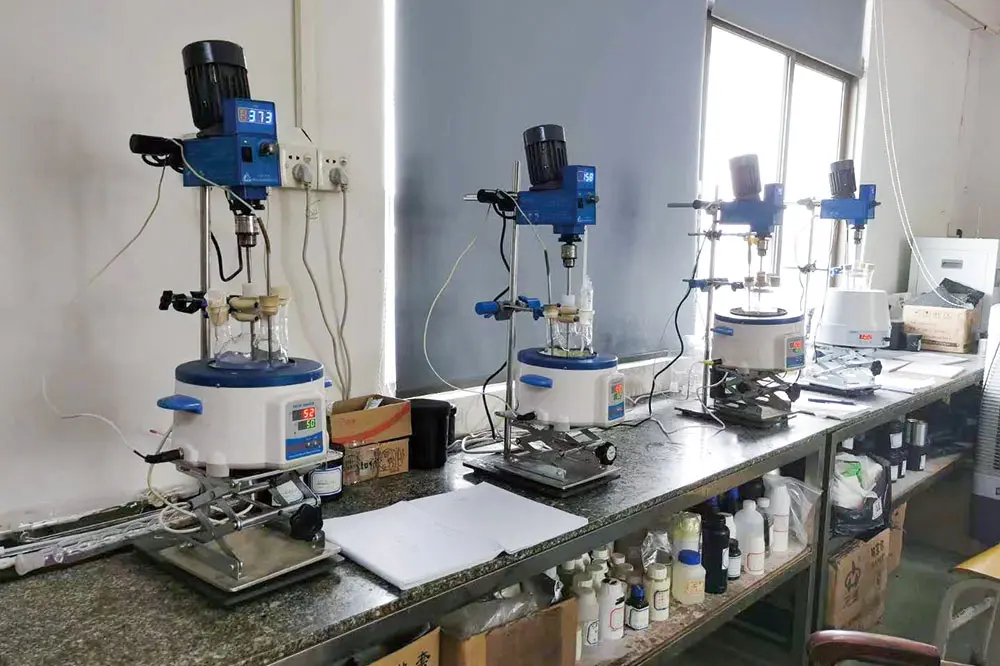
Guangdong Ever Ray Environmental Material Co., Ltd. is a high-tech enterprise focusing on the R&D and manufacturing of oligomers for UV curable resin such as epoxy acrylate, polyurethane acrylate (water-borne, aliphatic urethane, aromatic urethane), polyester acrylate, pure acrylate, and other special functional modified acrylate oligomers.
Our production facilities are split between two major bases to optimize output and logistical operations:
Our combined annual production capacity exceeds 20,000 tons across more than 10 production lines. The factories operate under the ISO9001 Quality Management System and ISO14001 Environmental Management System. Processes are managed through a flexible DCS fully computerized control system to ensure batch-to-batch consistency and process safety.
Evaluating raw material transitions and curing mechanism developments toward sustainable and efficient performance resin chemistries.
Due to rising petrochemical costs and global sustainability mandates, our R&D roadmap focuses on synthesizing UV-curable oligomers from renewable resources (such as epoxidized soybean oil, itaconic acid, and bio-based succinic acid). These developments aim to maintain performance levels comparable to petroleum-derived equivalents.
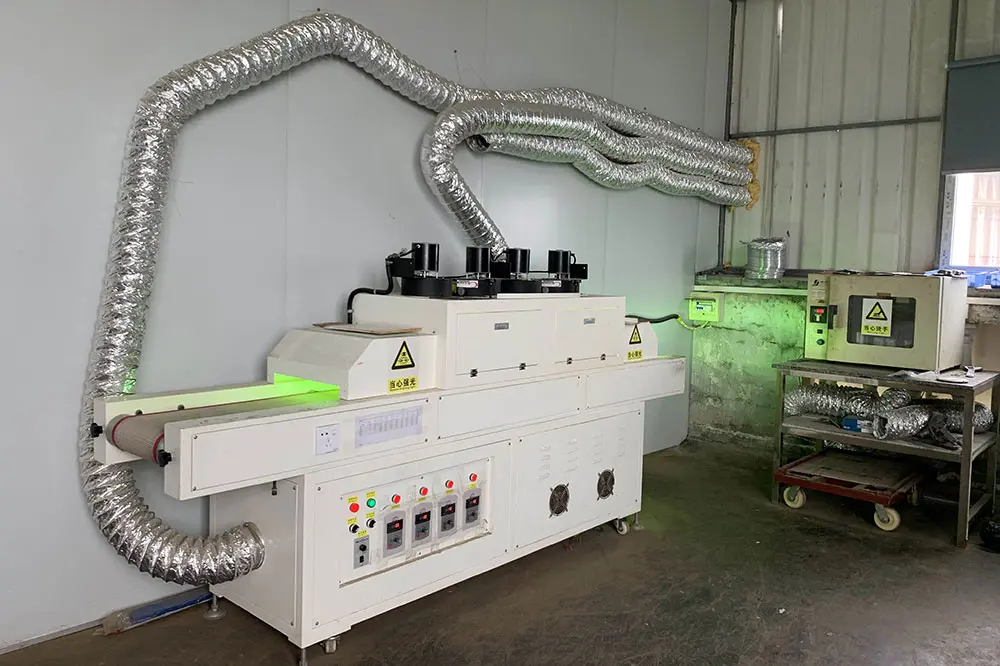
Industrial lines are transitioning from high-temperature mercury vapor arc lamps to monochromatic UV-LED light sources (365nm, 395nm, 405nm). Curing at these wavelengths requires photoinitiator systems and oligomers designed with high reactivity to overcome oxygen inhibition, particularly in thin-film ink applications.
For applications involving opaque substrates, complex 3D shapes, or deep shadows, we design resins utilizing dual-cure mechanisms (e.g., UV + moisture cure, or UV + thermal cure). This approach helps ensure complete polymerization throughout the film thickness, helping prevent adhesive failure in structural bonds.
We work to enhance mechanical performance through chemical modification, introducing functional groups such as hyperbranched structures, fluorinated chains, and silicone elements to achieve scratch-resistant, anti-fouling, and self-cleaning surface properties.
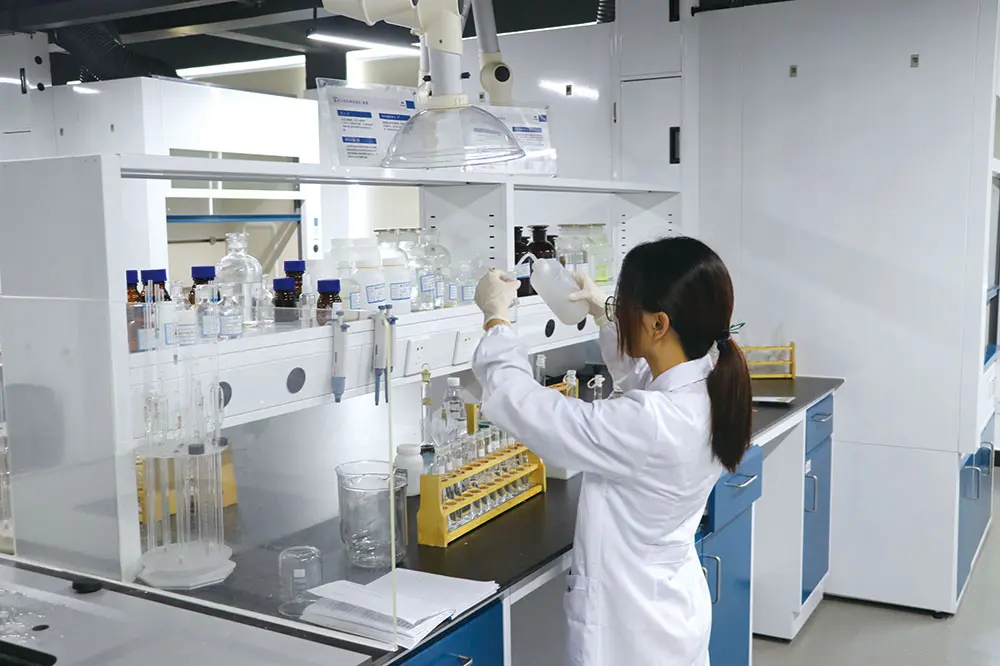
Technical guidance from our R&D chemists to help optimize formulation parameters and troubleshoot process issues.
Aliphatic polyurethane acrylates (PUA) utilize non-aromatic diisocyanates, providing high clarity and resistance to yellowing upon outdoor UV exposure. This makes them suitable for automotive clear coats and optical films. Aromatic polyurethane acrylates are typically more cost-effective and cure quickly, but they tend to yellow under UV exposure. This limits their use primarily to indoor applications, primers, and industrial wood finishes.
To reduce curing shrinkage, you can formulate with lower-shrinkage modified oligomers, incorporate high-molecular-weight monofunctional or difunctional monomers (such as IBOA or cyclic trimethylolpropane formal acrylate), or add functional fillers. Modifying the base epoxy structure to incorporate flexible polyether segments also helps reduce volume contraction during rapid radical crosslinking.
Waterborne UV resins (like 70601) utilize water as a viscosity modifier instead of low-molecular-weight reactive monomers. This formulation strategy allows for ultra-low viscosity coatings without high volatile organic content (VOC) or strong odor. It also supports thin-film applications on heat-sensitive substrates, as the water is evaporated before the final UV curing step.
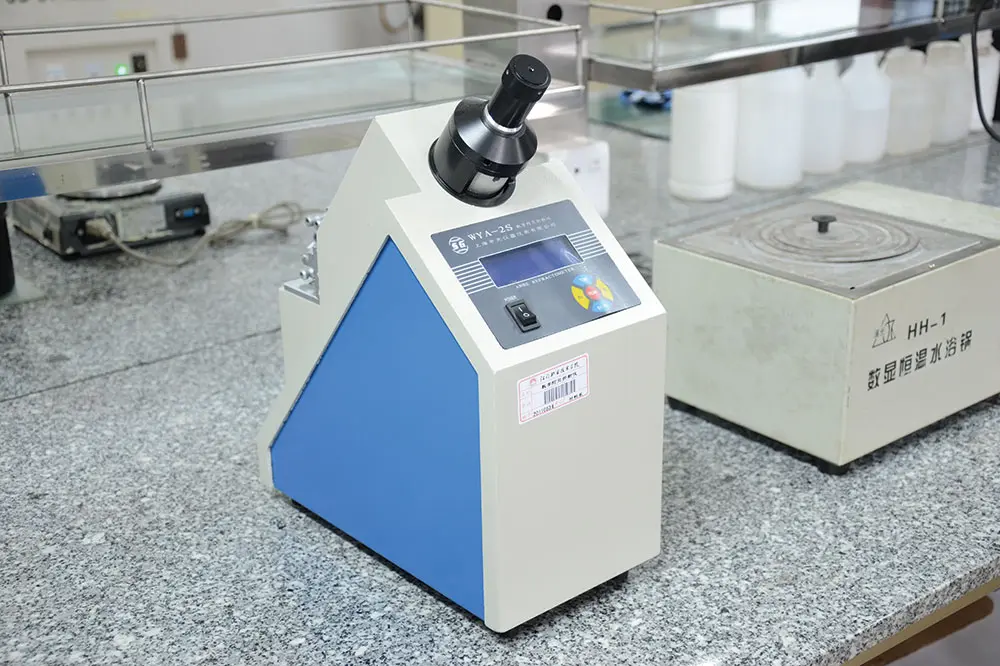
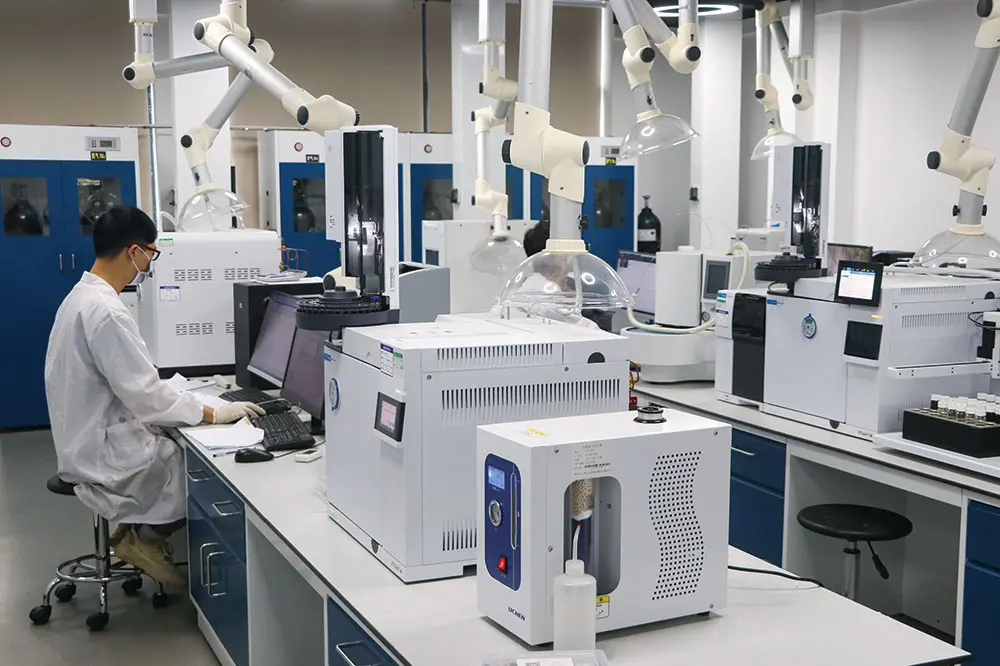
Consistency is managed through our fully computerized DCS (Distributed Control System), which regulates reactor temperatures, feed rates, and raw material dosing. In addition, every production batch undergoes quality control testing (checking viscosity, acid value, color, solid content, and double-bond density) to verify alignment with standard specifications before packaging and shipping.
Choose from our specialized resin grades for multi-substrate bonding, offset printing, and high-durability coatings.
 Ever Ray