Explore our premium grade epoxy acrylates, polyurethane acrylates, and specialty oligomers engineered for robust industrial performance and fast curing rates.
Guangdong Ever Ray Environmental Material Co., Ltd., established in 2006, is a premier high-tech enterprise specializing in the research, development, synthesis, and industrial manufacturing of high-performance oligomers for UV-curable systems. Our product suite comprises critical formulations including epoxy acrylate, polyurethane acrylates (ranging from waterborne to aliphatic and aromatic urethanes), polyester acrylates, pure acrylates, and specialty functional modified acrylate oligomers.
Over the past decades, we have focused heavily on balancing technological innovation with environmental harmony. Firmly taking scientific research as our driving force, we aim to deliver next-generation formulations that offer optimal curing speeds, exceptional physical properties, and targeted cost efficiencies.
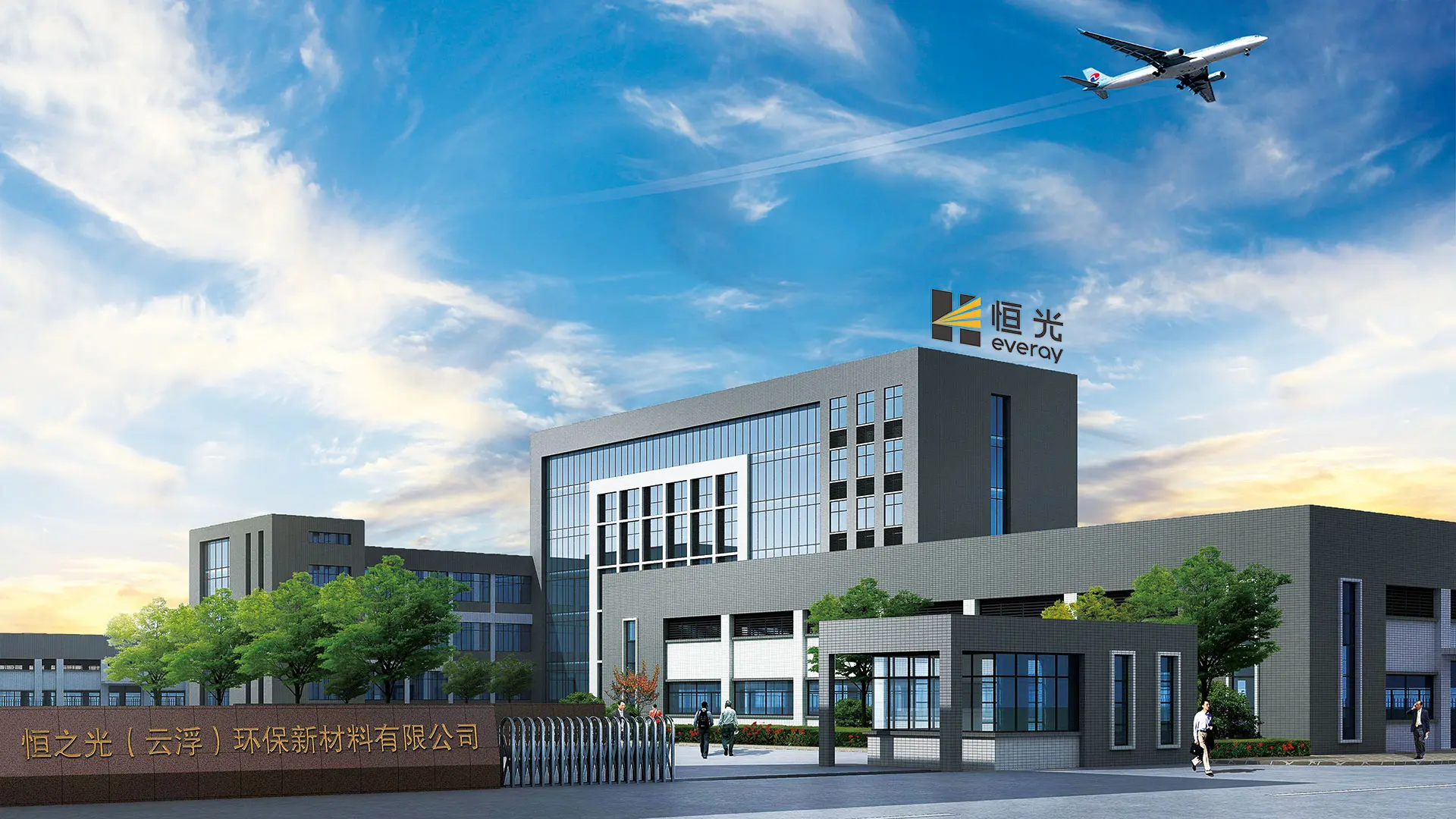
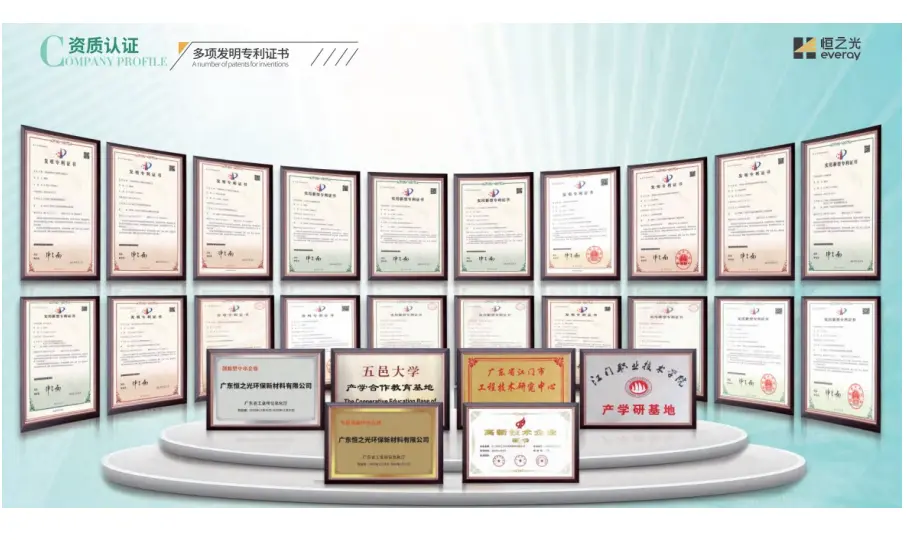
To support global supply chains, Ever Ray operates two advanced production bases in Guangdong province. Our primary facility in Jiangmen spans over 10,000 square meters, while our high-volume production base in Yunfu covers 40,000 square meters. Together, these facilities provide a total production area of 50,000 square meters, featuring modern storage, logistics, and quality control systems.
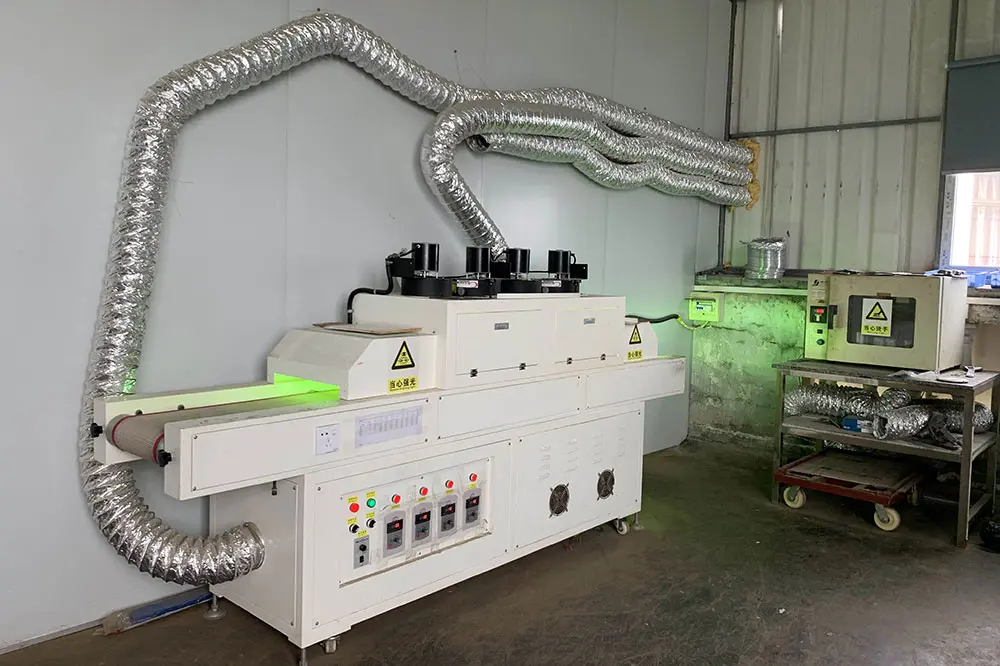
Equipped with more than 10 advanced production lines and powered by a centralized DCS (Distributed Control System) computerized process system, our annual manufacturing capacity exceeds 20,000 tons. Operating strictly under the ISO9001 Quality Management System and ISO14001 Environmental Management System, we implement precise control over raw material sourcing, intermediate synthesis, and final product packaging.
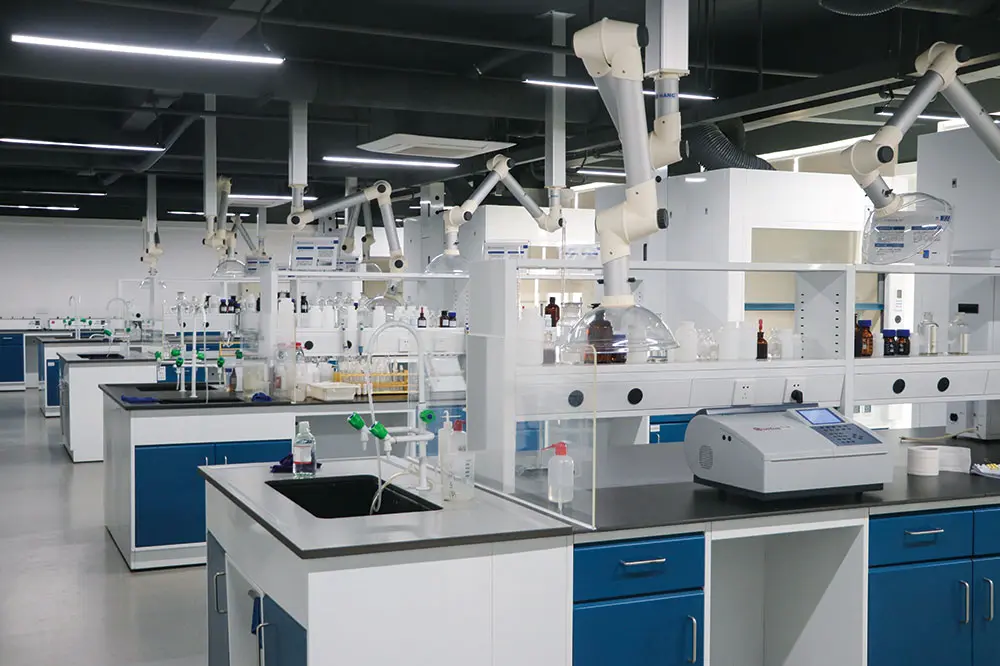
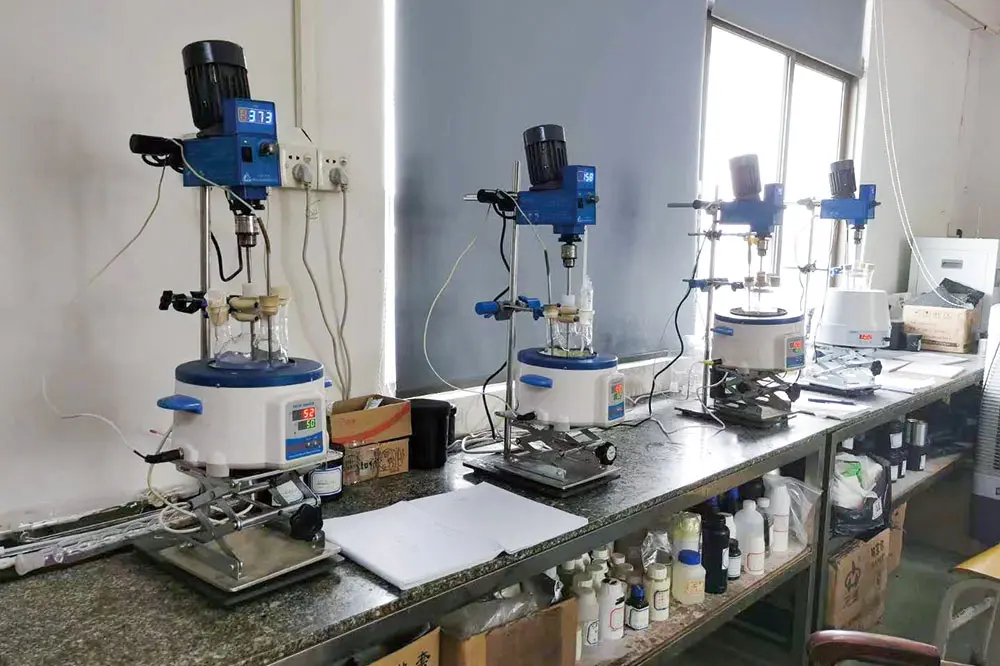
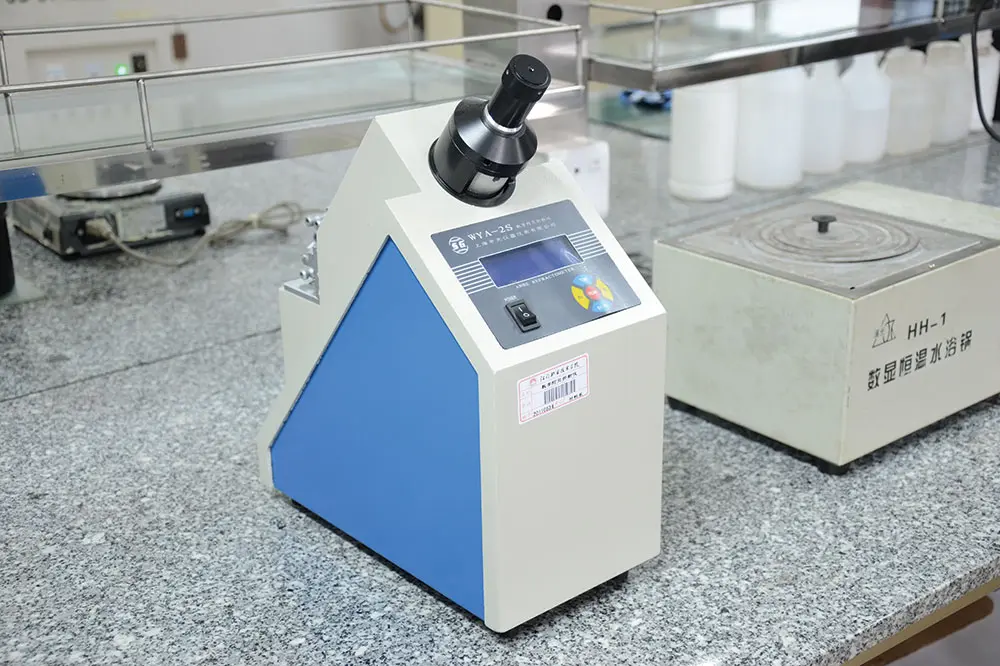
The industrial landscape for UV-curable resins is undergoing a massive paradigm shift. As 3D printing transitions from rapid prototyping to end-use mass production, the demand for specialized, high-performance oligomers is surging globally.
Additive manufacturing systems (SLA, DLP, LCD) now require photopolymers that mimic engineering plastics. Standard monomer/oligomer configurations are no longer sufficient. Modern formulations require high glass transition temperatures (Tg), impact resistance, and long-term UV stability.
Major automotive, aerospace, and medical component manufacturers are localizing their additive production lines. To minimize lead times, companies seek raw material chemical factories capable of providing bulk, consistent oligomers certified under ISO systems to maintain strict mechanical tolerances.
Regulatory frameworks, such as REACH in Europe and similar EPA guidelines in North America, are driving the transition toward low-VOC, waterborne polyurethane acrylates (WPUs), and bio-based monomers that minimize ecological impact without sacrificing mechanical performance.
Developing high-strength photopolymers requires careful selection and modification of base oligomers. Our R&D team works with specific polymer backbones to optimize performance properties:
We work closely with chemical engineers to adjust specific physical properties for targeted industrial printing and coating needs:
Industrial photopolymer resins are utilized across multiple high-tech manufacturing fields. Here is how our oligomers address challenges in specific markets:
Scenario: High-precision diagnostic, crown, and aligner models require fast printing speeds, low toxicity, and high dimensional accuracy.
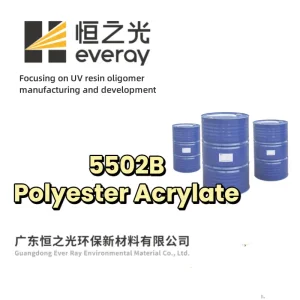
Solution: Formulations based on our low-odor polyester acrylates (e.g., 5502B) provide sharp detail definition, low volumetric shrinkage, and rapid curing at 385nm and 405nm light source wavelengths.
Scenario: Aerodynamic wind tunnel parts and under-the-hood engine prototypes require high heat-deflection temperatures (HDT) and structural strength.
Solution: Integrating Bisphenol A Epoxy Acrylates (e.g., 9104) with modified urethane acrylates creates functional resins that resist thermal degradation and structural fatigue under stress.
Scenario: Hard protective outer casings and cosmetic metallic finishes on plastics require high scratch resistance and strong chemical adhesion.
Solution: Polyurethane acrylates, like 7230E, are optimized for vacuum plating, providing high surface gloss, impact resistance, and durable adhesion on ABS, PC, and PMMA substrates.
Find technical answers on resin chemistry, oligomer performance, processing techniques, and custom formulation options.
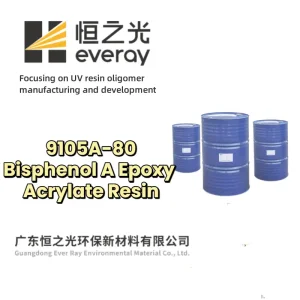
Epoxy acrylates (such as our 9104 and 9105A-80) feature a rigid aromatic backbone, delivering high tensile strength, surface hardness, chemical resistance, and fast curing rates. However, they can exhibit low impact resistance. Polyurethane acrylates (such as 7230E) incorporate flexible urethane linkages (aliphatic or aromatic), which improve toughness, elongation at break, and weathering resistance, though typically with higher viscosity.
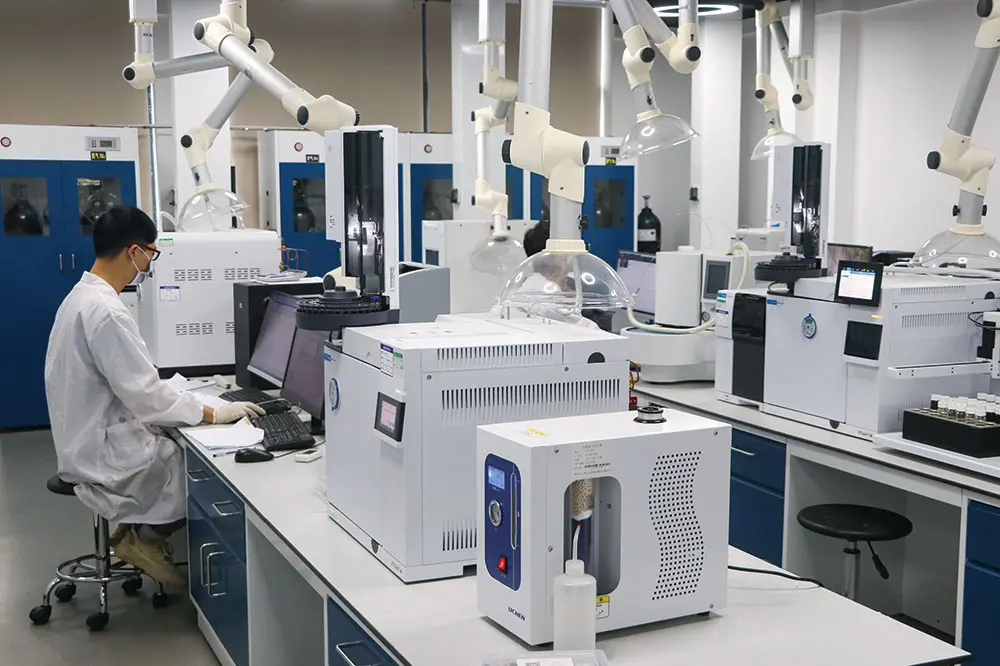
Our factories in Yunfu (40,000 sqm) and Jiangmen (10,000 sqm) use a computerized DCS (Distributed Control System). This automated system monitors reaction parameters (temperature, pressure, feed rate) in real time to ensure batch-to-batch consistency. All products undergo testing for viscosity, acid value, color, and curing speed before shipment to ensure they meet ISO9001 quality standards.
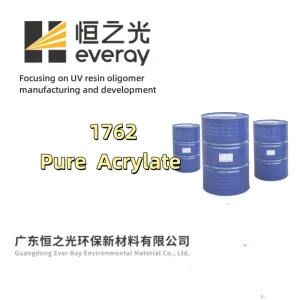
Aliphatic urethane acrylates do not contain benzene rings, making them highly resistant to ultraviolet radiation. Unlike aromatic systems, which can yellow when exposed to UV light, aliphatic systems like our 1762 UV adhesive resin maintain optical clarity, long-term anti-yellowing performance, and high bonding strength under outdoor conditions.
Volumetric shrinkage is caused by the close packing of monomer molecules as they transition from Van der Waals forces to covalent bonds. To minimize this, formulators can increase the proportion of high-molecular-weight oligomers (like our polyurethane and polyester acrylates) or incorporate low-shrinkage functional monomers. This approach reduces the concentration of highly reactive double bonds while maintaining dimensional accuracy.
Waterborne UV-curable resins use water as a viscosity-reducing diluent instead of reactive monomers. This formulation significantly reduces VOC emissions and odor, and allows for thin-film applications. However, they require a thermal drying step to evaporate the water before UV exposure, whereas traditional 100% active UV systems cure instantly without drying.
Our 5338 UV resin is a multifunctional, low-viscosity reactive oligomer. It reduces formulation viscosity to improve flow in SLA/DLP printing vats, while participating in crosslinking during cure to maintain mechanical strength, chemical resistance, and curing speed.
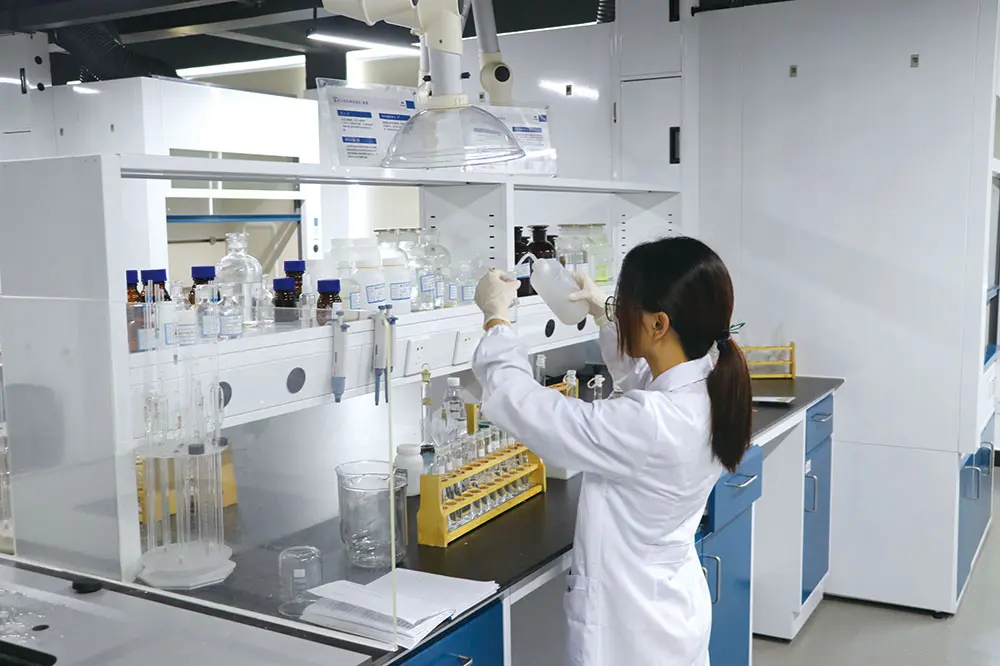
Yes. With over 15 chemists in our R&D department, we customize oligomers to target specific cure speeds, viscosity ranges, heat resistance, and flexibility requirements. We help clients balance functional performance with raw material cost-efficiency.
We offer industrial packaging options, including 20 kg pails, 200 kg steel/plastic drums, and 1000 kg IBC totes. All packaging is sealed to prevent moisture ingress and light-induced polymerization during shipping, ensuring material stability.
Discover our range of industrial oligomers designed for flexographic inks, vacuum plating, electronic encapsulation, and specialized coatings.
 Ever Ray