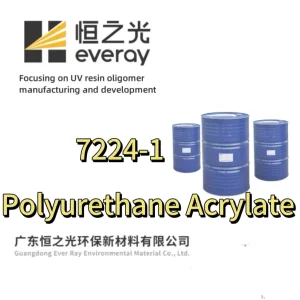
Within the spectrum of advanced polymer systems, low viscosity epoxy resins represent an essential pillar for high-performance industrial applications. Characterized by their exceptional fluidity, these systems allow for rapid wet-out of reinforcement fibers, complete filling of complex micro-molds, and superior air release, eliminating voids that compromise structural integrity.
Global procurement teams prioritize parameters such as heat deflection temperature (HDT), mechanical toughness, and chemical resistance. Traditionally, achieving low viscosity required adding reactive diluents, which often caused a drop in thermal stability and tensile strength. Modern engineering demands advanced, inherently low viscosity oligomers and epoxy acrylates that maintain optimal cross-linking density without mechanical compromises.
Designed for Vacuum Infusion Processing (VIP) and Resin Transfer Molding (RTM) within aerospace and wind turbine blade production. Provides ultra-low viscosity to fully impregnate carbon and glass fiber structures without voids.
Exceptional dielectric properties combined with low viscosity allow the resin to seal delicate microelectronic arrays. Protects against thermal shock, ingress of moisture, and mechanical vibration stress.
High-gloss, scratch-resistant, and low-shrinkage wood and metal coatings. Utilizing advanced UV-curable epoxy acrylates, our formulations deliver rapid processing speeds and reliable durability.
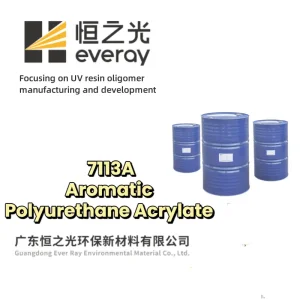
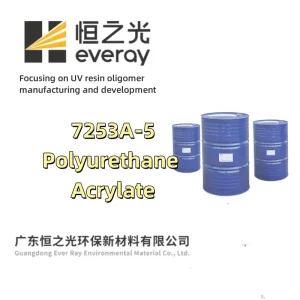
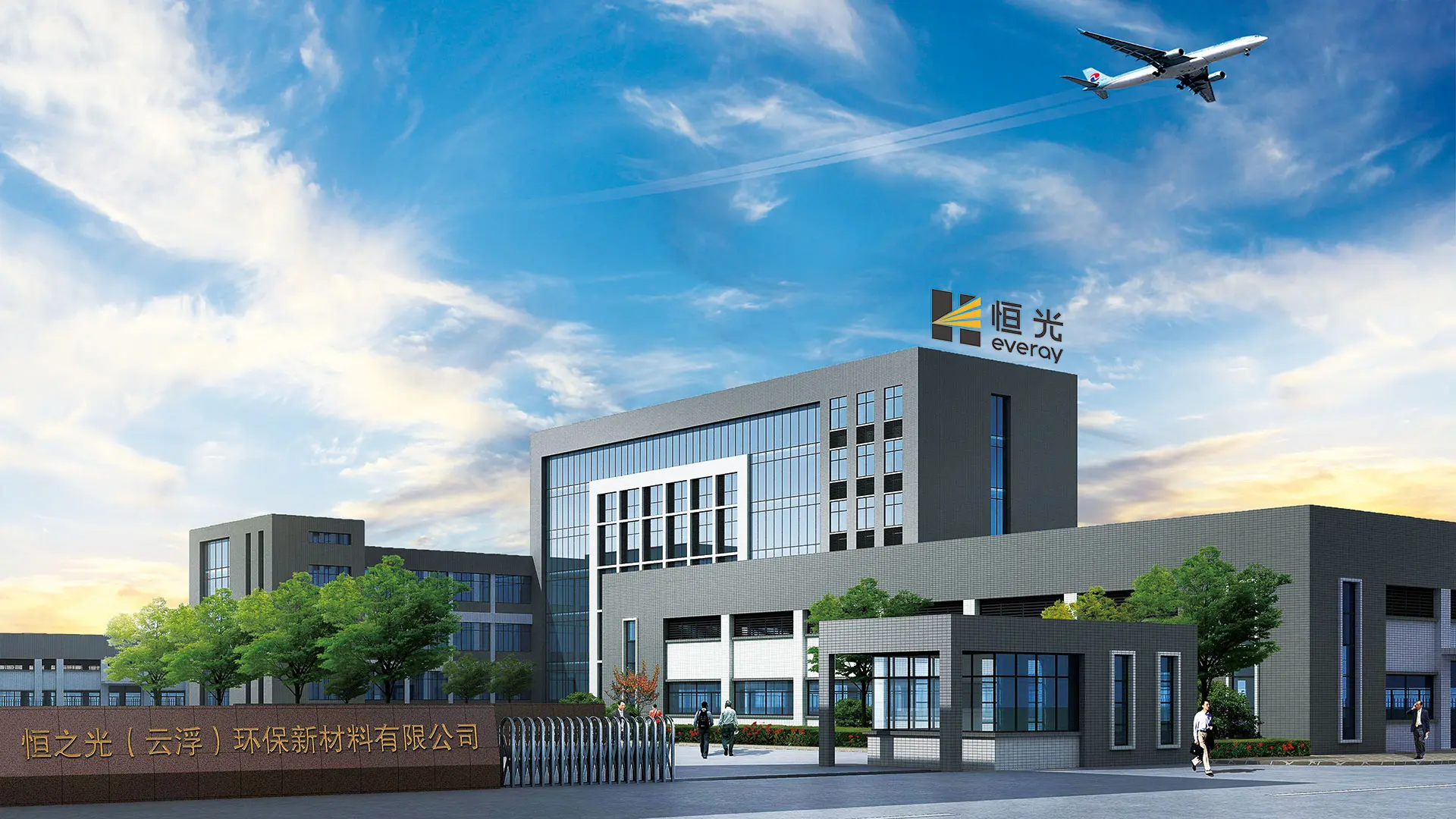
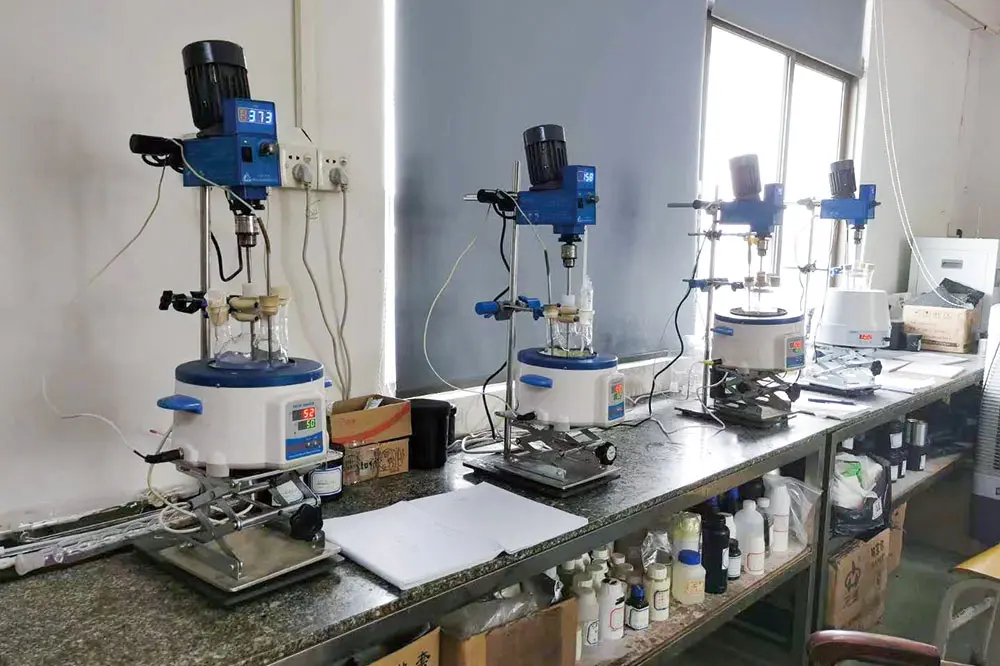
Guangdong Ever Ray Environmental Material Co., Ltd., established in 2006, is a high-tech enterprise focusing on the R&D and manufacturing of oligomers for UV curable resin such as epoxy acrylate, polyurethane acrylate (water-borne, aliphatic urethane, aromatic urethane), polyester acrylate, pure acrylate, and other special functional modified acrylate oligomers.
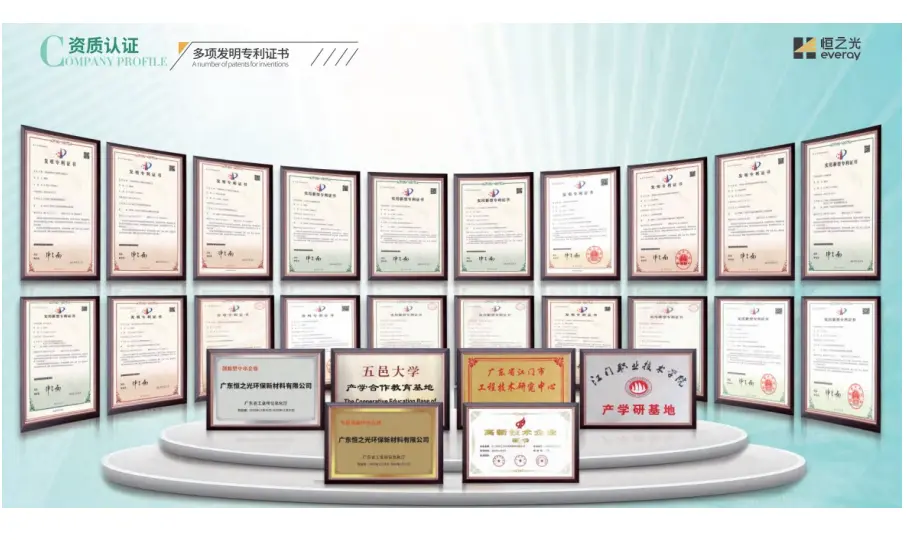
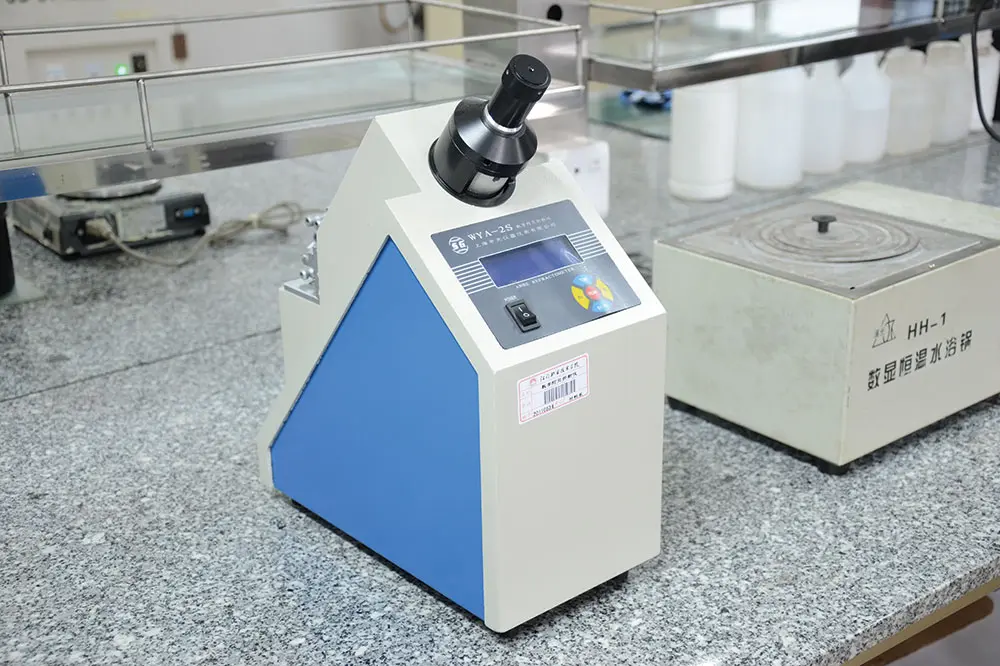
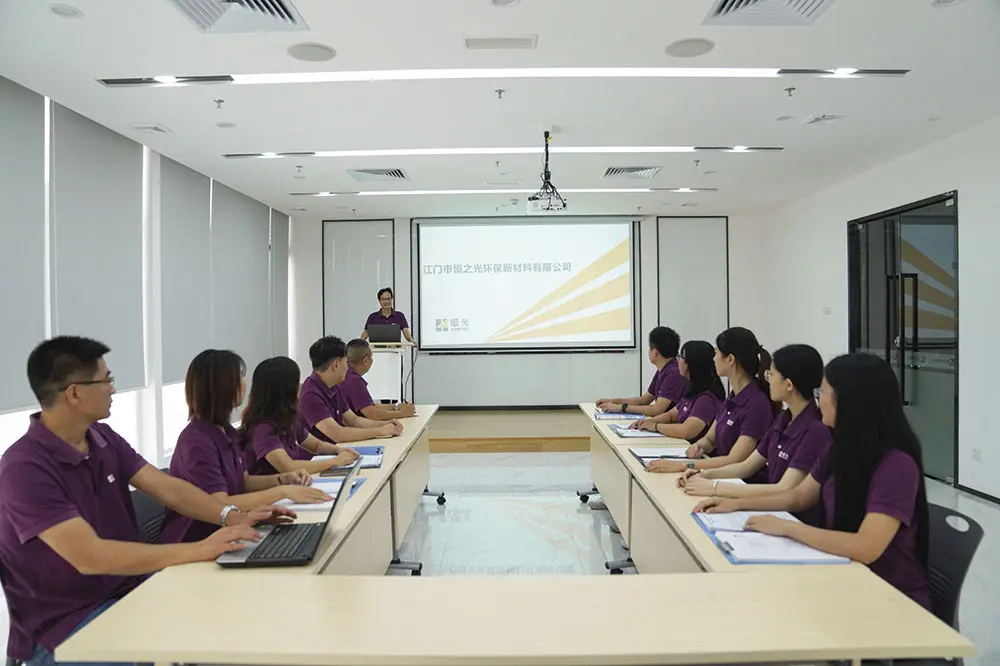
Our commitment to tech innovation and chemical safety has positioned us as a trusted partner for global manufacturers seeking tailored performance profiles. We maintain a strong R&D team with over 15 dedicated technicians holding more than 10 patents, focused on balancing functional capability with cost efficiency.
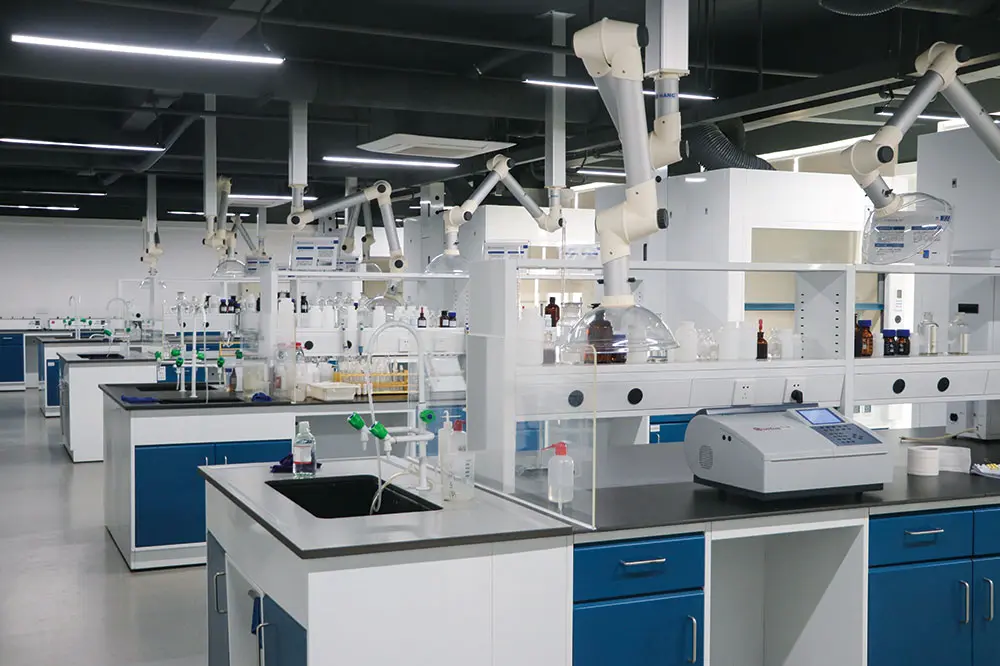
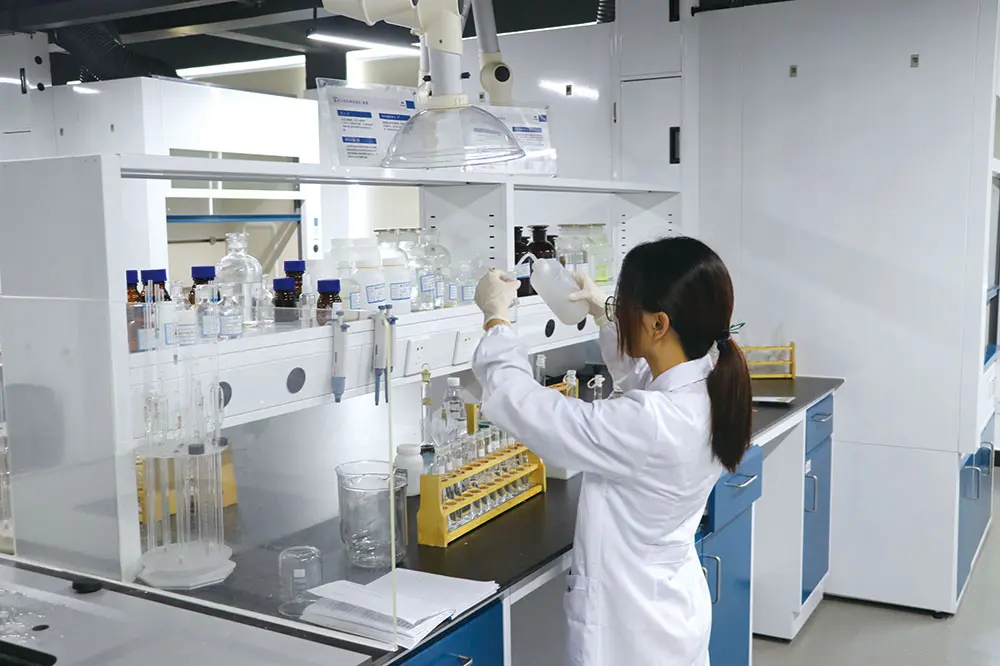
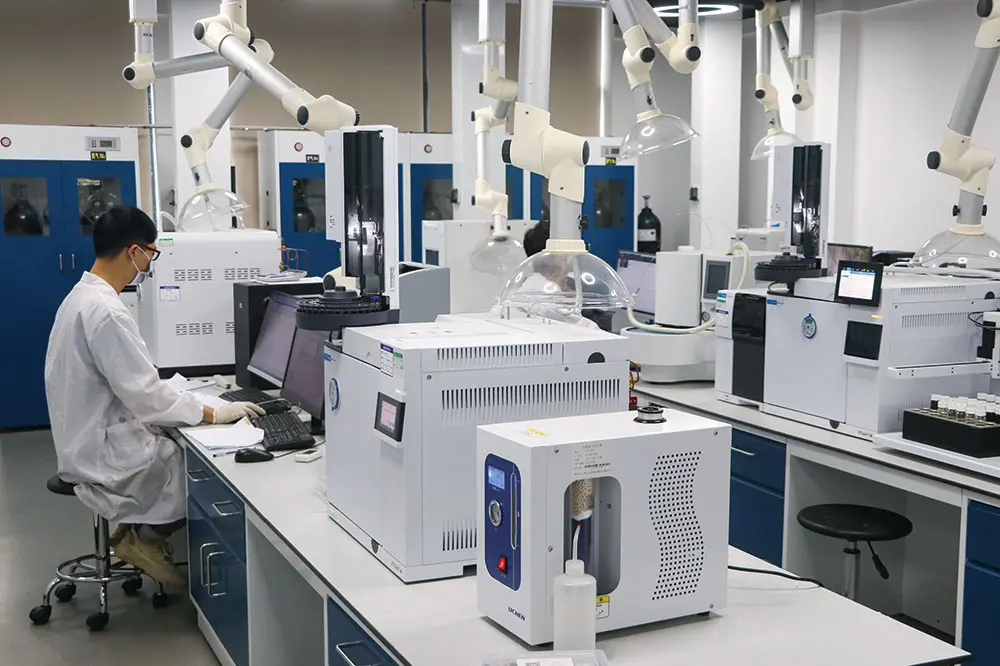
To ensure high quality control, our production bases operate under the ISO9001 quality management system and the ISO14001 environmental management system, managed by a DCS computerized control system. This ensures that every batch meets standard chemical tolerances for global distribution.
Advocating for zero-VOC emissions by developing low-viscosity liquid monomers that react completely into the cured network, replacing volatile organic solvents.
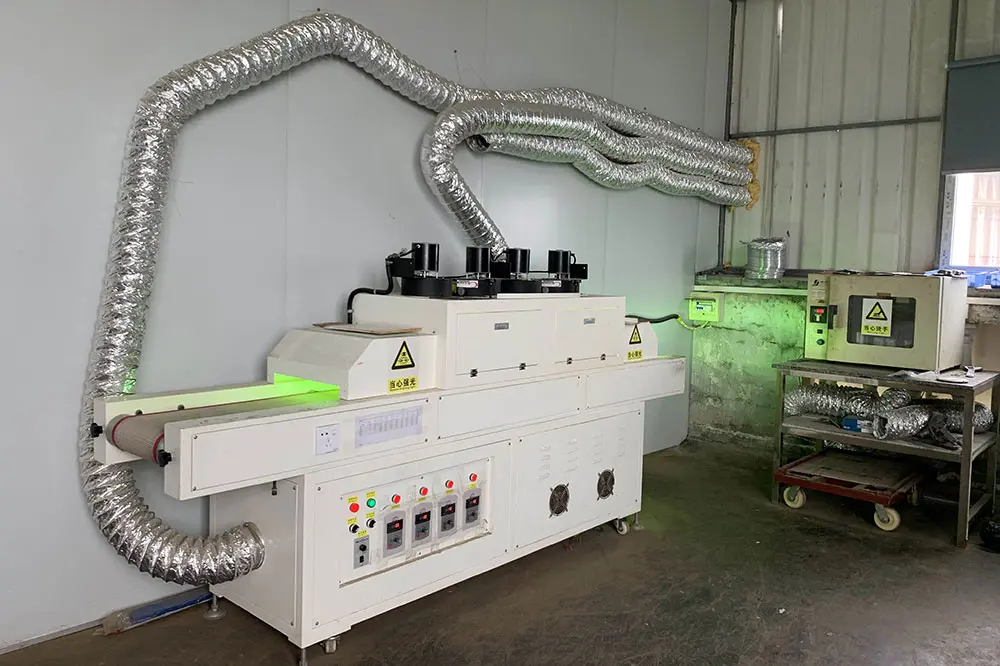
Combining UV-radiation cure and shadow/thermal cure pathways (such as our 72017A-8 product) to guarantee complete cross-linking in complex geometries and shadowed zones.
Transitioning toward renewable feedstocks to synthesize epoxy and acrylate oligomers, reducing carbon footprint while maintaining industrial performance.
Operating in global industrial markets requires strict adherence to international environmental and safety regulations. Guangdong Ever Ray ensures that its products comply with standard regulatory frameworks worldwide:
Our logistical network ensures secure, dry, and temperature-controlled shipping of resins to prevent premature gelation or degradation. With our dual production facilities in Jiangmen (10,000 sqm) and Yunfu (40,000 sqm), we mitigate supply chain disruptions, offering localized technical support, custom packaging, and formulation adjustment services for key accounts globally.
Low viscosity epoxy resins (typically below 500 mPa·s) possess high fluidity. This allows them to wet out carbon, glass, or aramid fibers quickly and fill fine details in molds. This property minimizes air bubbles and voids, ensuring structural integrity in applications like composite manufacturing, vacuum infusion, and electronic encapsulation.
We design specialized oligomers and use precise chemical backbones (such as modified epoxy acrylates and polyester acrylates). These maintain a low molecular weight and fluid state before curing, but crosslink into a dense, high-performance network under UV light or curing agent action, preventing the loss of tensile and thermal strength typical of simple reactive diluent additives.
Free-radical UV resins cure very fast when exposed to specific UV wavelengths, making them ideal for inks, varnishes, and protective wood coatings. Cationic UV curing systems exhibit lower shrinkage and better adhesion to metals and plastic substrates, but cure slightly slower and are sensitive to ambient moisture.
Yes. Products like our 72017A-8 Dual-Curing UV Resin are designed with secondary cure mechanisms (such as thermal or moisture cure). This ensures that sections shadowed from direct UV exposure still reach full cure and design strength over time.
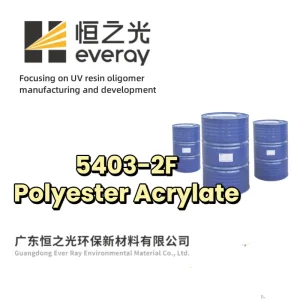
Our oligomers, including polyester acrylates (like 5403-2F) and aliphatic urethanes, exhibit pigment-wetting characteristics. This makes them highly compatible with standard carbon black, organic pigments, and inorganic fillers without causing phase separation or curing inhibition.
When stored in original, unopened containers in cool, dry conditions (typically below 25°C) away from direct sunlight, our resins maintain their specification properties for at least 12 months. Some formulations are packed with trace polymerization inhibitors to ensure stability during transport and storage.
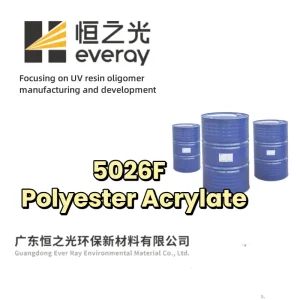
High shrinkage can cause substrate warping, coating cracking, and loss of adhesion. For applications like vacuum plating, glass coatings, or wood varnishes, we offer specialized low-shrinkage resins (like 5026F and 6102) to maintain adhesion and dimensional stability.
Yes, our R&D and manufacturing processes comply with REACH regulations. We source clean chemical intermediates to ensure our products meet EU RoHS standards for electronic coatings and hazardous substances controls.
Our technical team of over 15 researchers can adjust oligomer properties, such as viscosity profiles, curing speed, hardness, and elasticity, to meet specific manufacturing needs and processing equipment requirements.
Our DCS (Distributed Control System) monitors parameters like temperature, pressure, reaction speed, and raw material feeds. This computerized system ensures consistent batch quality, preventing variations between production lots.
 Ever Ray