Explore our leading commercial-grade modified epoxy resins, polyester acrylates, and specialty oligomers engineered for extreme durability, low shrinkage, and exceptional surface adhesion.
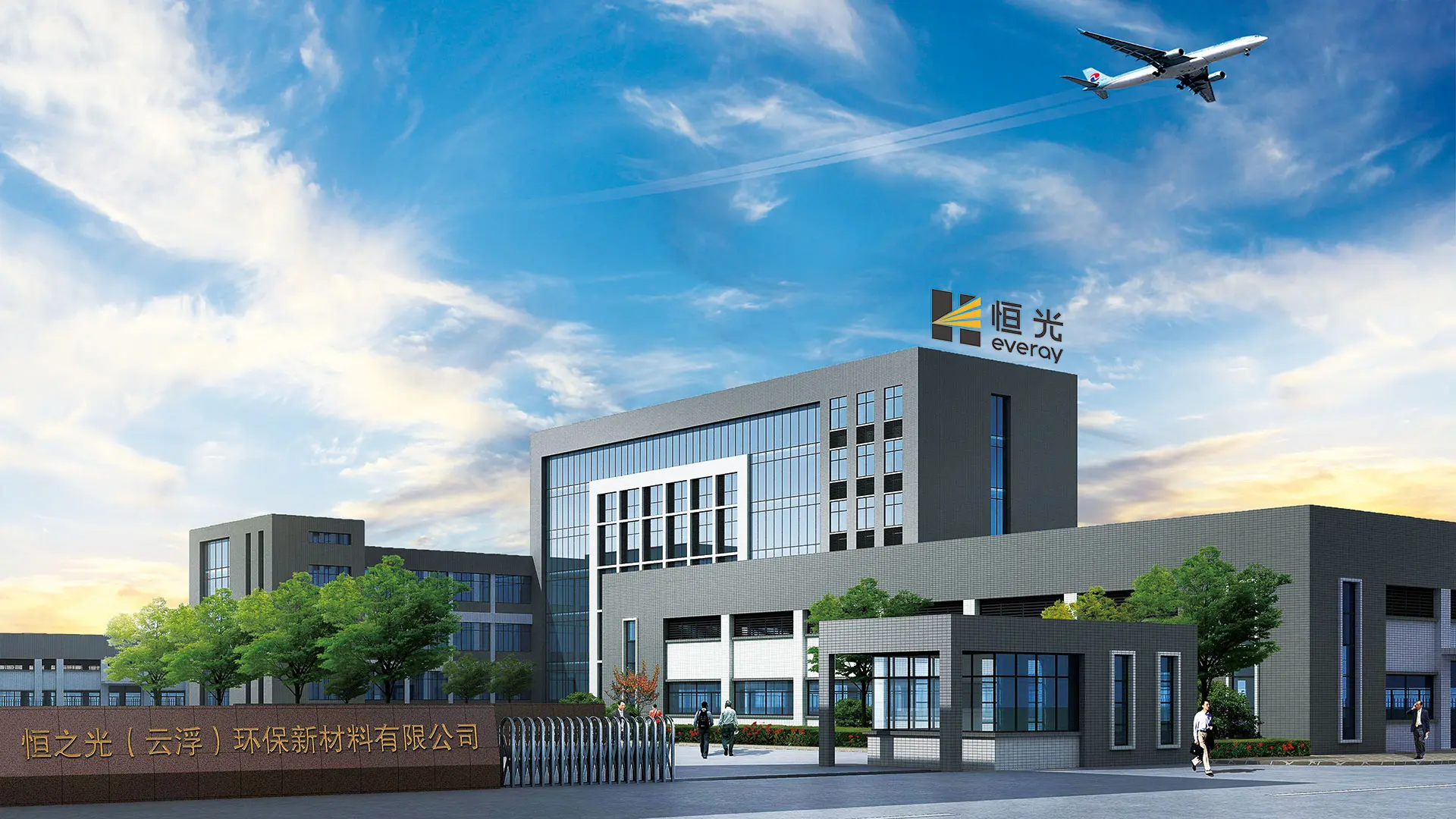
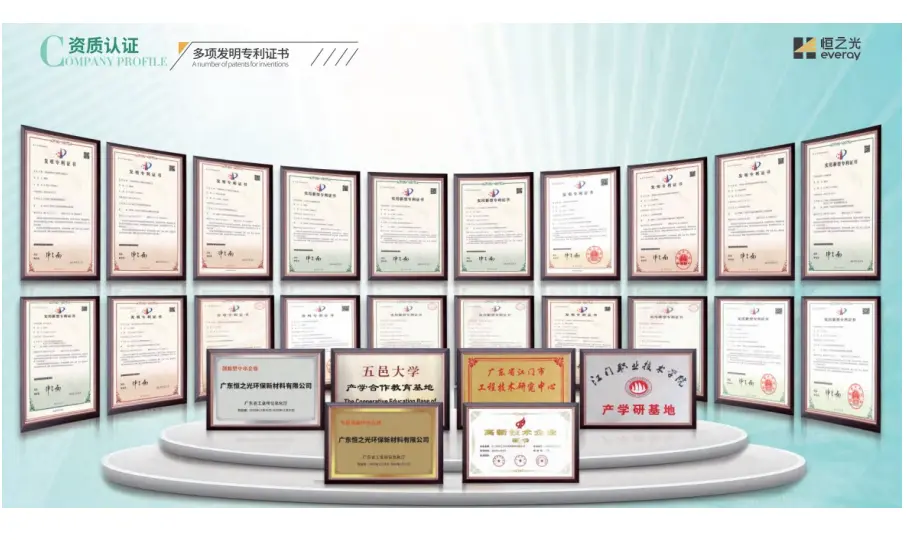
Guangdong Ever Ray Environmental Material Co., Ltd., established in 2006, is a prominent national high-tech enterprise dedicated to the research, development, synthesis, and manufacturing of high-performance oligomers for UV-curable systems. Our extensive portfolio specializes in epoxy acrylate, polyurethane acrylate (including waterborne, aliphatic urethane, and aromatic urethane), polyester acrylate, pure acrylate, and a variety of functional modified acrylate oligomers.
Over nearly two decades, we have focused on bridging the gap between green chemistry and industrial durability. By understanding molecular structures and modifying chemical backbones, our research team delivers materials with high reactivity, exceptional chemical resistance, robust adhesion profile, and outstanding optics. We enable downstream formulators to achieve superior performance metrics while optimizing raw material efficiency.
In modern industrial applications, standard bisphenol-A type epoxy resins face limitations in flexibility, curing rates, and weather resistance. As a leading modified epoxy resin supplier, Guangdong Ever Ray addresses these limits through advanced chemical modification. Chemically grafting acrylic acid onto the oxirane rings of epoxy backbones yields epoxy acrylate oligomers. These resins combine the robust chemical resistance, corrosion protection, and mechanical strength of epoxy with the rapid, free-radical cure speed of acrylates.
Standard epoxy acrylates can suffer from brittleness and high shrinkage during crosslinking. By modifying the polymeric backbone with aliphatic segments, polyesters, or urethanes, we mitigate these issues. The structural modification offers several key advantages:
Guangdong Ever Ray runs two state-of-the-art production sites in Guangdong province to maintain a secure supply chain:
The manufacturing process uses a fully computerized DCS (Distributed Control System). This digital oversight ensures precise reaction temperatures, raw material feeding rates, and batch consistency. These facilities are certified to ISO9001 quality management and ISO14001 environmental management systems, guaranteeing international standards of reliability and compliance.
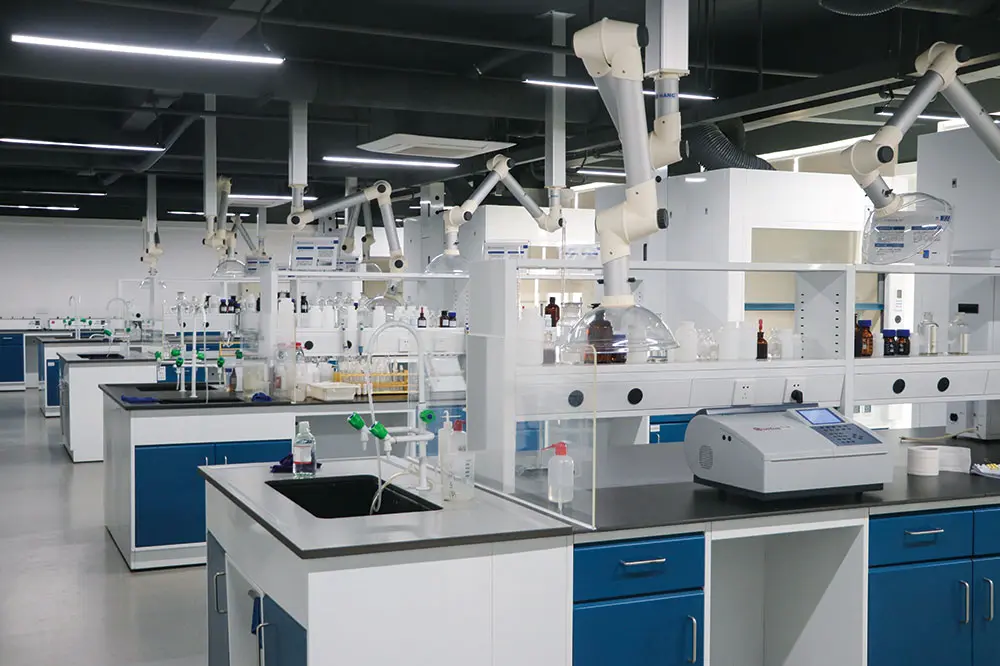
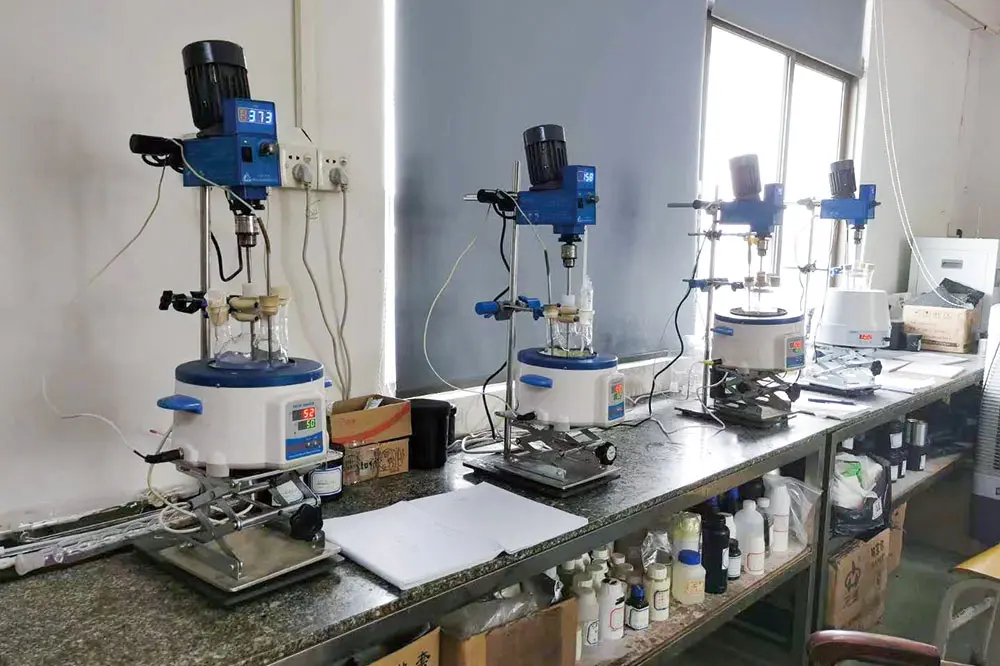
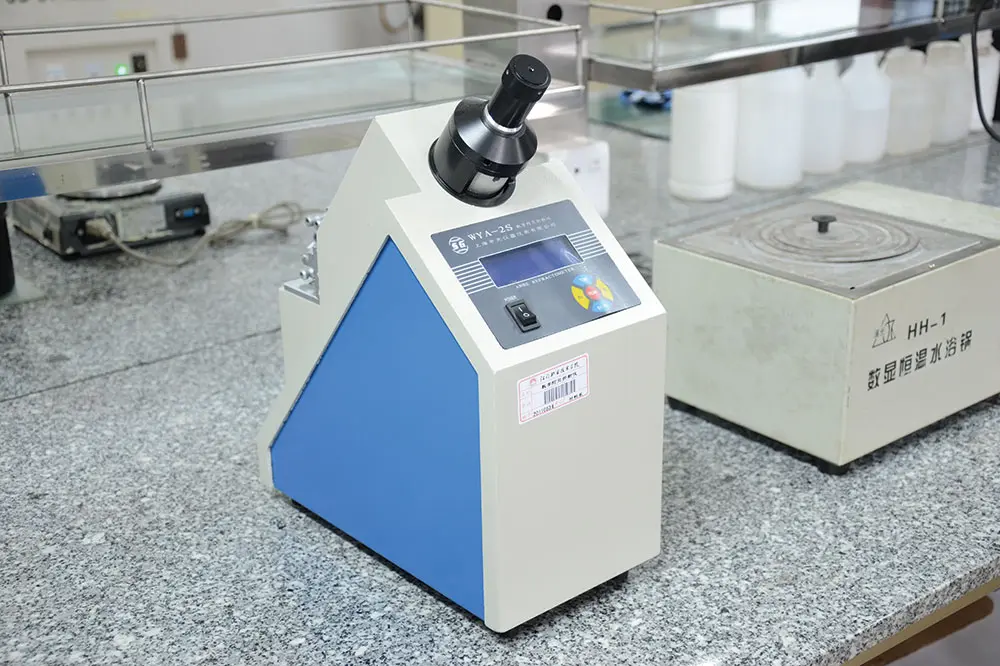
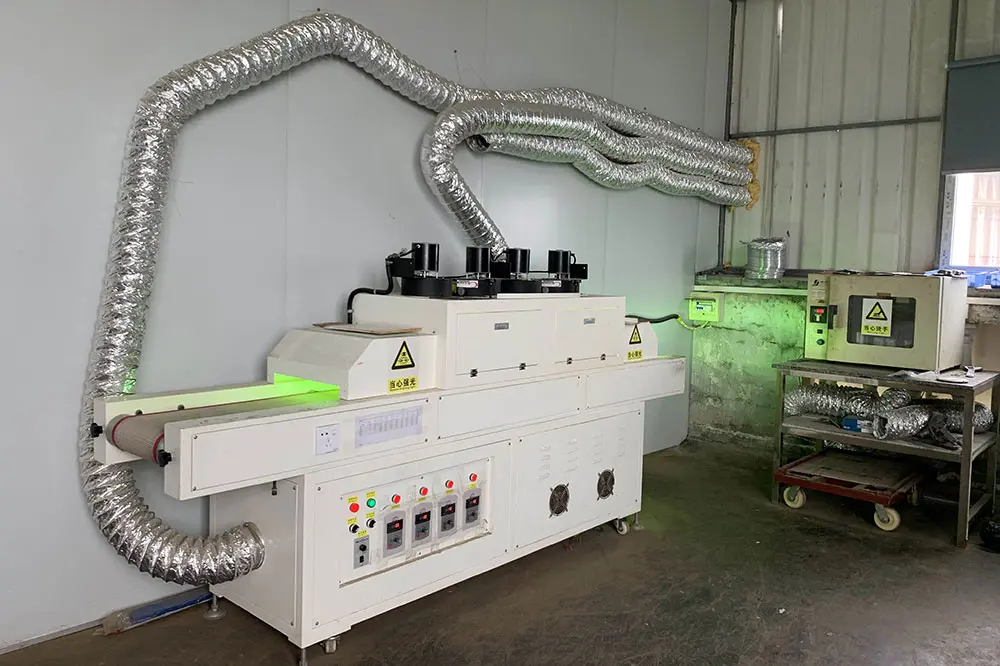
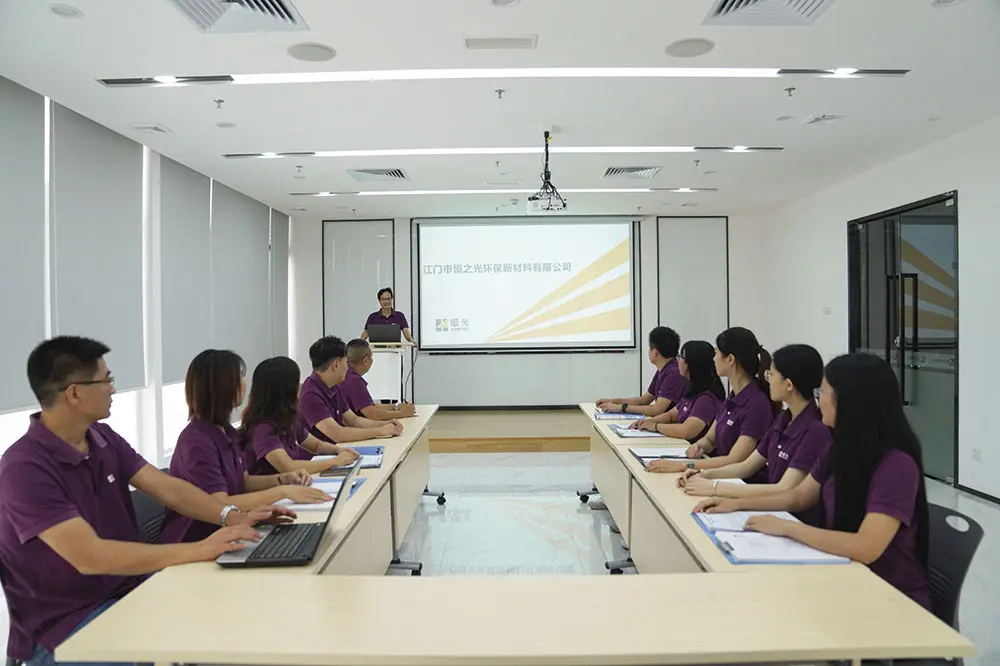
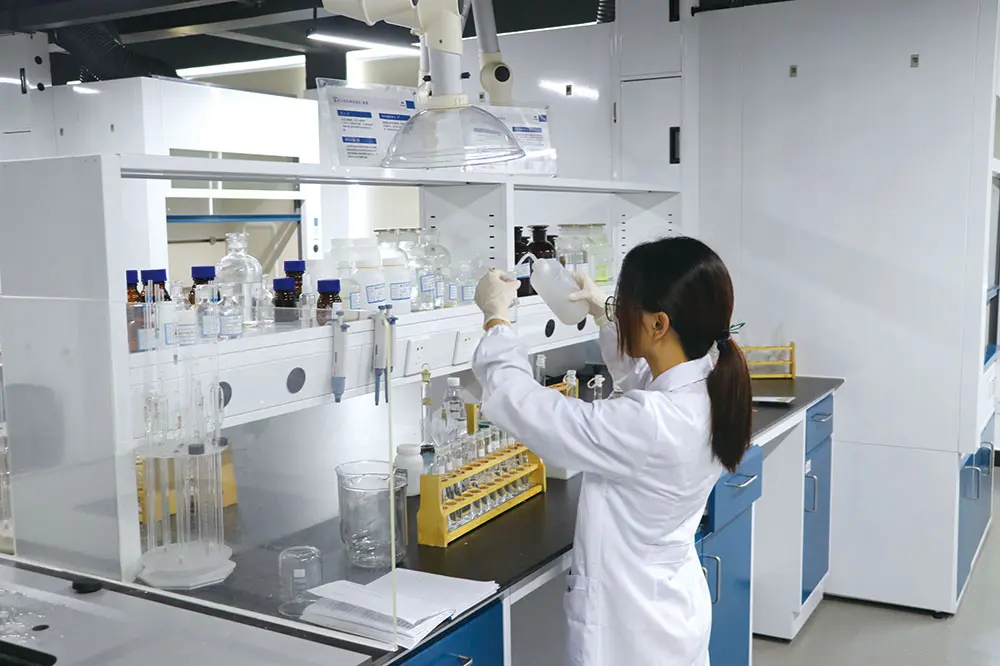
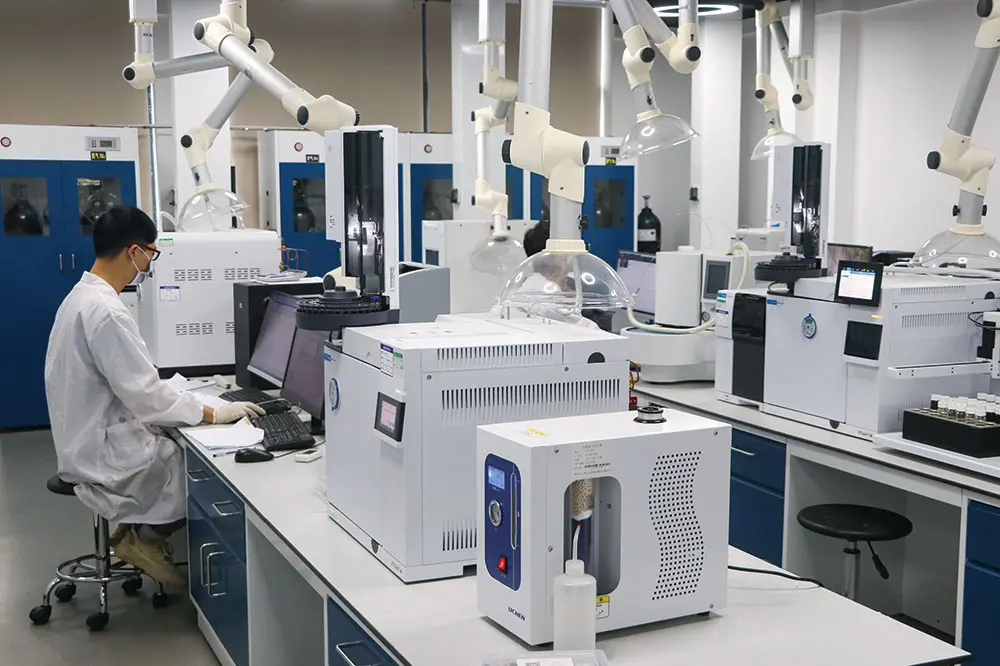
How our custom formulation designs and volume-scale supply fulfill international industrial demands, ensuring efficiency, low VOC emissions, and compliance.
Developing low-outgassing, optical-grade shadowless glues and adhesives (e.g. 6200D) that safeguard delicate semiconductor arrays and display panels while curing in seconds under UV LEDs.
For demanding metal surface prep and printing inks, our modified oligomers (like 6203F) offer high scratch resistance, salt-spray durability, and strong crosslinking density.
Sourcing and manufacturing high-compatibility resins (such as 61003A) optimized for LED-UV curing wavelengths, enabling rapid ink drying, low migration, and food-safe paperboard applications.
Use our technical selection guide to compare chemical categories, matching your cure speed, adhesion, and flexibility requirements to the ideal polymer backbone.
| Oligomer Category | Cure Speed | Shrinkage Rate | Adhesion Profile | Chemical Resistance | Primary Industrial Applications |
|---|---|---|---|---|---|
| Modified Epoxy Acrylate | Very High | Moderate (3-6%) | Excellent on Metal & Glass | Outstanding | Overprint Varnishes, Metal Coatings, Soldermask Inks |
| Aliphatic Urethane Acrylate | Medium to High | Low (2-4%) | Excellent on PC, ABS, PVC | High (Weather Resistant) | Automotive Parts, Optical Films, Vacuum Plating Topcoats |
| Polyester Acrylate | High | Moderate (4-7%) | Good on Paper & Wood | Moderate | Lithographic Inks, UV Wood Paints, Paper Varnishes |
| Waterborne UV Resin | Medium (Post-evap) | Very Low (<2%) | Multi-substrate Adhesion | High | Eco-friendly 3D Printing, Matte Wood Finishes, Spray Coatings |
When selecting raw materials from a modified epoxy resin manufacturer, design parameters must extend beyond cost-per-kilogram metrics. True cost efficiency lies in performance optimization. Key factors that dictate the reliability of UV coatings, printing inks, and structural adhesives include:
During free-radical polymerization initiated by UV light, the rapid conversion of double bonds into single covalent bonds causes volumetric contraction. This contraction creates internal stresses that lead to warping, micro-cracks, and loss of substrate adhesion. By incorporating oligomers like our Special Modified Acrylate Resin, formulators introduce steric hindrance and flexible molecular linkages. This structural design slows stress development and preserves interfacial bonding, which is crucial for applications like water transfer printing on delicate glassware.
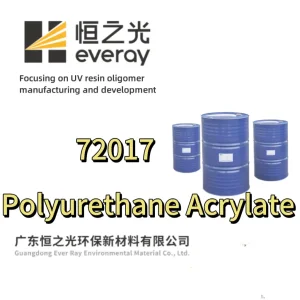
Traditional photo-curing relies on direct line-of-sight exposure. For complex 3D shapes or opaque layers, shadowed areas often remain under-cured, leaving sticky surfaces or compromised structural integrity. To address this, Guangdong Ever Ray developed dual-curing systems, such as 72017 Photo-Thermal Dual-Curing Polyurethane Acrylate Resin. This resin initiates polymerization through UV radiation and continues curing in shadowed areas via moderate thermal exposure, ensuring uniform hardness across complex assemblies.
Modern raw material sourcing requires compliance with strict environmental standards. Our chemical syntheses adhere to global regulations, including Europe's REACH, the US TSCA, and international RoHS guidelines. By replacing heavy solvents and hazardous monomers with waterborne technologies (such as our Waterborne 70601 UV-resin), we help customers comply with volatile organic compound (VOC) emissions limits, supporting a safer workplace and a greener environment.
Explore detailed answers from our expert R&D department on processing, application, and quality control of modified epoxy resins.
Standard epoxy acrylates shrink rapidly, creating internal stresses that peel the resin from non-porous surfaces. Grafting polar groups (like carboxyl, hydroxyl, or phosphate esters) onto the polymer backbone enables hydrogen bonding and chemical coordination with metal oxides and silanol groups on glass. This chemical modification, combined with lower volumetric shrinkage, ensures long-term adhesion under environmental stress.
The Distributed Control System (DCS) regulates monomer feed rates, reaction temperatures, and esterification pressures. Controlling these variables prevents runaway reactions and maintains a narrow molecular weight distribution. For formulators, this means consistent viscosity, predictable cure speeds, and reliable performance from batch to batch.
Dual-cure systems, like 72017, contain both acrylate double bonds and reactive thermal groups (such as blocked isocyanates or epoxies). The initial UV exposure triggers a rapid free-radical cure for instant green strength. The component then undergoes thermal baking, activating the secondary chemical crosslinking in shadowed or hard-to-reach areas to ensure a complete cure.
Yes. Products like 61003A are designed for LED-UV packaging applications. They offer high reactivity under 385–395nm wavelengths and low migratory potential when combined with appropriate photoinitiators. This setup makes them ideal for paperboard varnishes, plastic films, and decorative labels.
Explore the remainder of our technical product line, featuring specialized solutions for vacuum plating, 3D printing, and high-strength adhesive bonding.
 Ever Ray