In the chemistry of radiation curable polymers, polyester urethane acrylates (commonly classified under polyurethane acrylates or PUA) represent a pinnacle of versatility, offering balanced mechanics that neither pure epoxies nor simple polyesters can match. By coupling the chemical resilience and hardness of polyester backbones with the elastic, abrasion-resistant urethane linkages (-NH-CO-O-), these oligomers form the mechanical backbone of advanced coatings, graphic arts, functional electronics potting, and additive manufacturing.
When sourcing polyester urethane oligomers, industrial chemical formulators must reconcile two opposing forces: viscosity control and cured performance. The crosslink density, polymer chain flexibility, and molecular weight distribution determine key mechanical parameters including tensile strength, elongation at break, scratch resistance, and adhesion to low-surface-energy substrates such as polycarbonate (PC), ABS, glass, and metals. Polyester urethane structures are synthesized by reacting polyester polyols with diisocyanates (such as IPDI, HDI, or HMDI) and capping them with hydroxyl-functional acrylates (such as HEA or HPA). The choice of aliphatic versus aromatic backbones governs the resistance of the final cured matrix to ultraviolet (UV) degradation and yellowing.
Aliphatic Polyester Urethanes: Utilizing aliphatic diisocyanates (e.g., Isophorone Diisocyanate - IPDI or Hexamethylene Diisocyanate - HDI), these oligomers boast superior weatherability, high clarity, and absolute resistance to yellowing. They are highly sought after for outdoor applications, automotive protective topcoats, optical films, and high-end consumer electronic housings.
Aromatic Polyester Urethanes: Synthesized with aromatic components (e.g., Toluene Diisocyanate - TDI or Methylene Diphenyl Diisocyanate - MDI), these compounds deliver exceptional tensile strength, fast curing kinetics, and high surface hardness at a lower cost threshold. However, they are prone to UV-induced discoloration (yellowing) due to photo-oxidation of the aromatic rings, making them ideal for primer coatings, indoor wood varnishes, vacuum metallization basecoats, and structural adhesives.
Established in 2006, Guangdong Ever Ray Environmental Material Co., Ltd. is a premier national high-tech enterprise focusing on the R&D, manufacturing, and global supply of oligomers for UV curable resin. Our comprehensive product portfolio includes epoxy acrylate, polyurethane acrylate (waterborne, aliphatic urethane, aromatic urethane), polyester acrylate, pure acrylate, and specialized functional modified acrylate oligomers designed to solve formulation challenges across diverse industries.
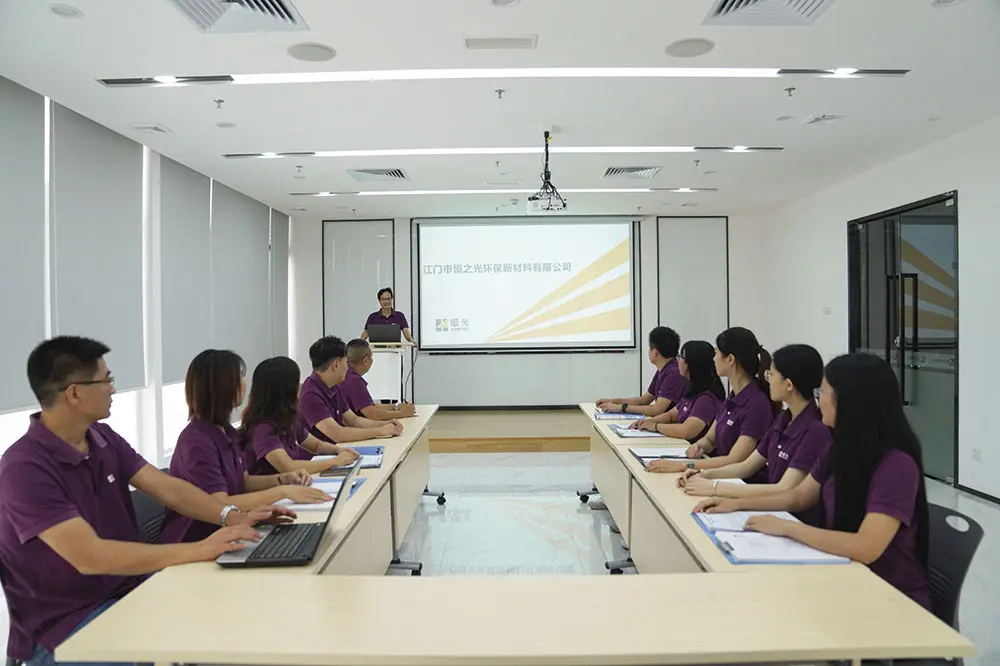
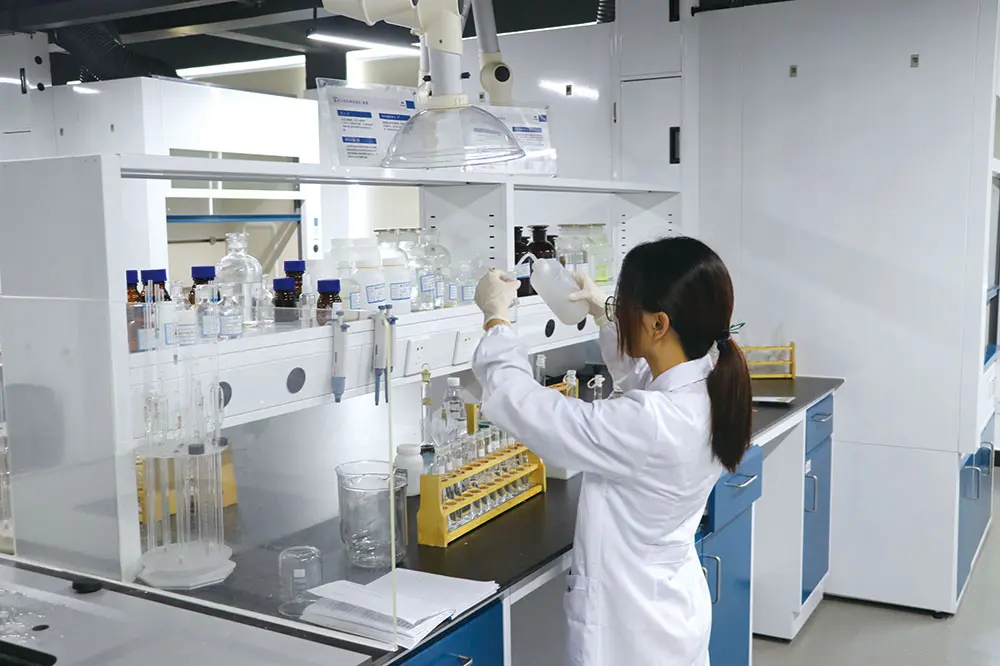
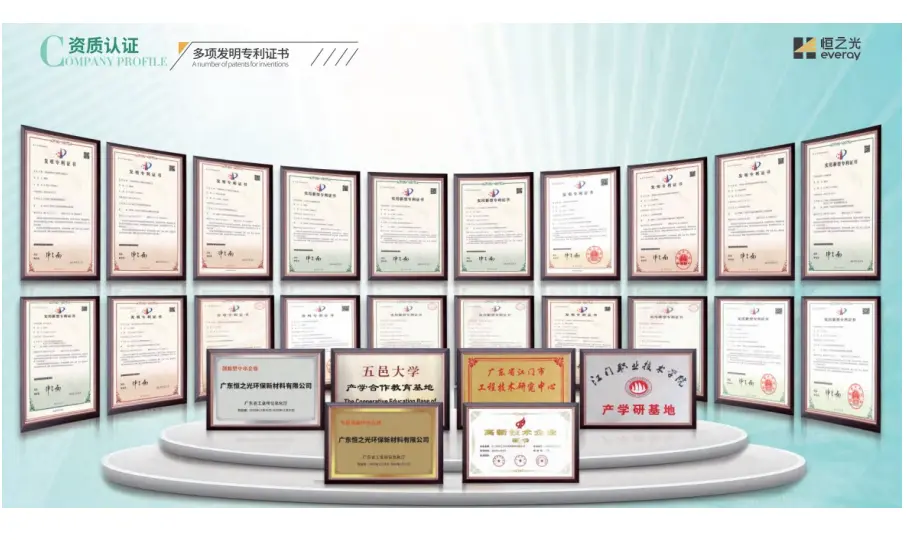
Guided by the core philosophy that technology and environmental protection must coexist in harmony, Ever Ray leverages cutting-edge polymer science to drive industrial green transformation. With more than 15 dedicated research technicians in our R&D department and holding more than 10 invention and practical patents, we provide advanced solutions that enhance cure speed, chemical resistance, surface hardness, and mechanical flexibility.
We operate two production bases in Guangdong province: a 10,000 square meter plant in Jiangmen and a state-of-the-art 40,000 square meter facility in Yunfu. Equipped with a fully computerized Distributed Control System (DCS), our manufacturing lines guarantee safety, efficiency, and batch-to-batch product consistency.
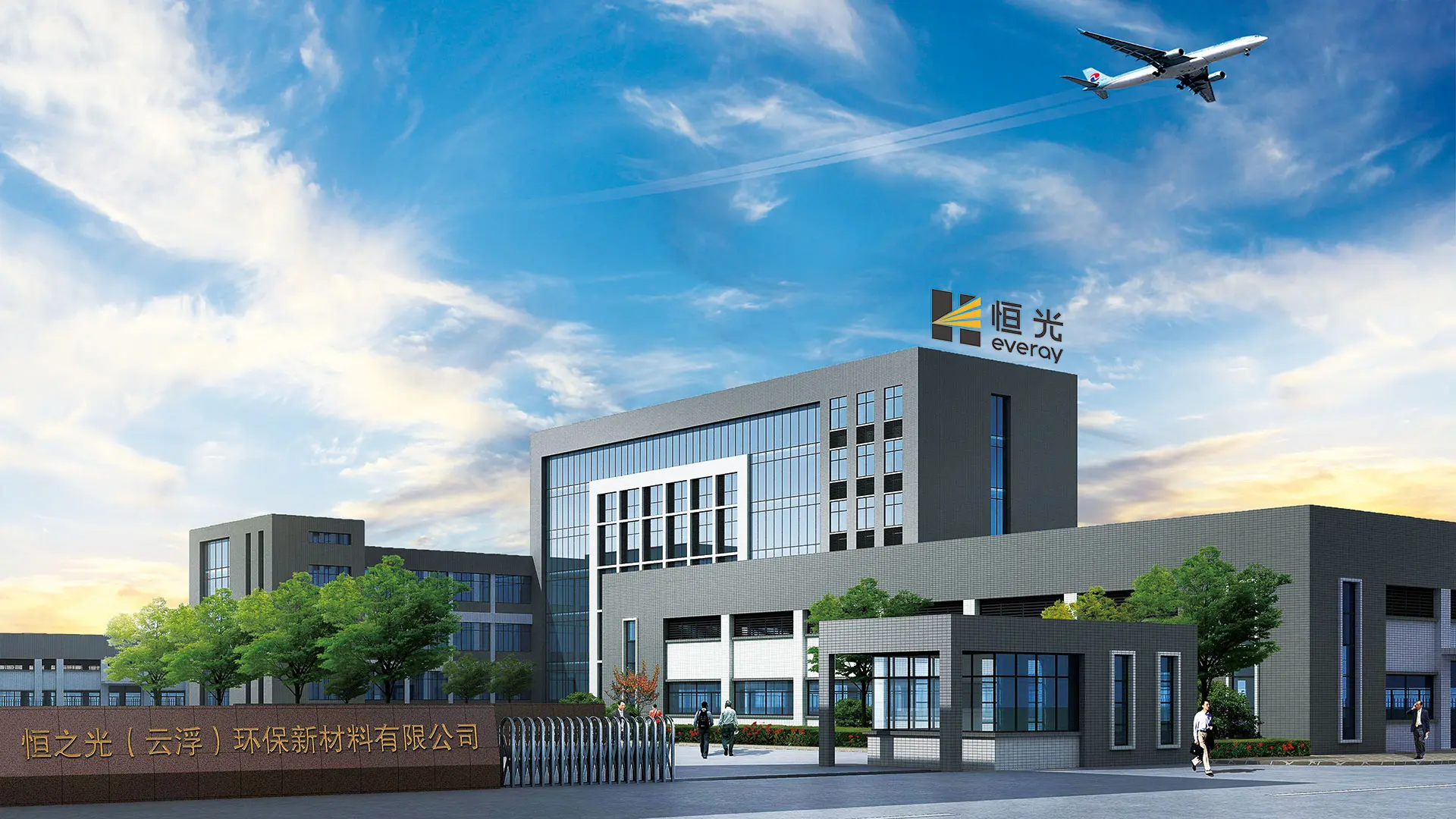
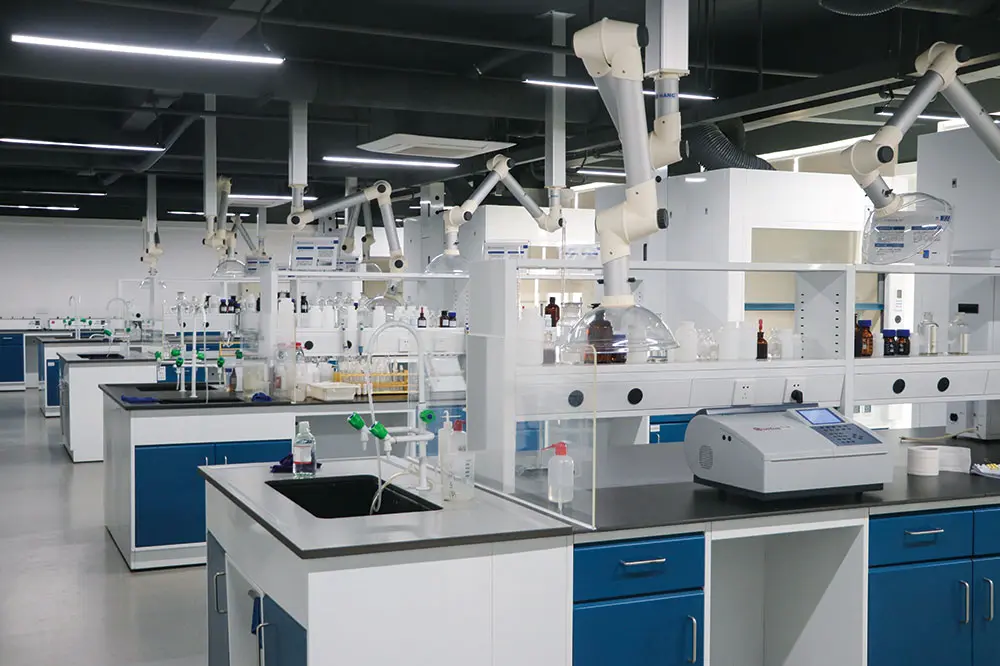
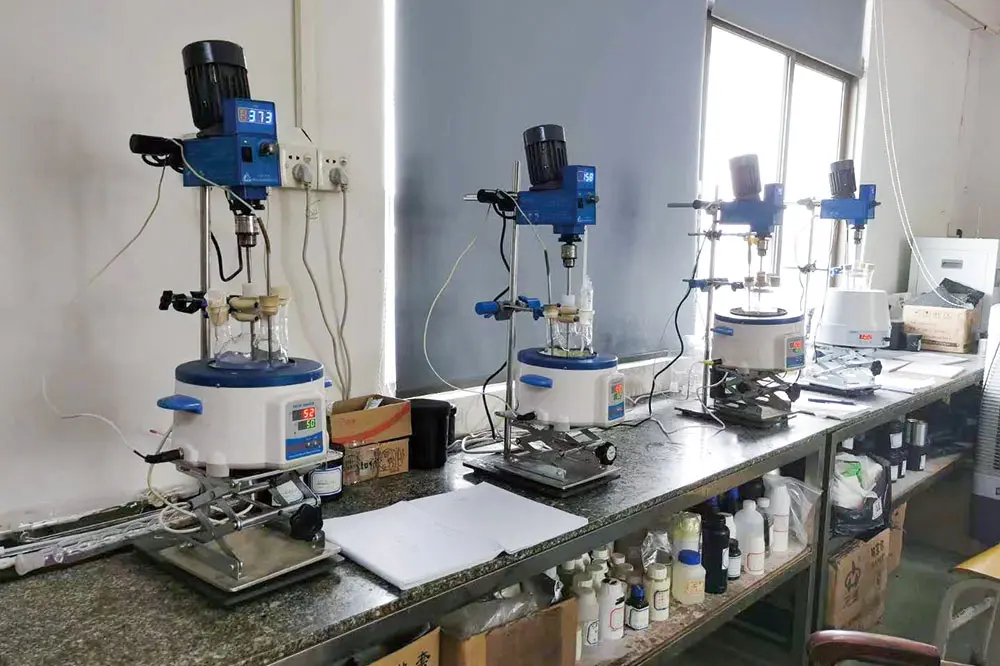
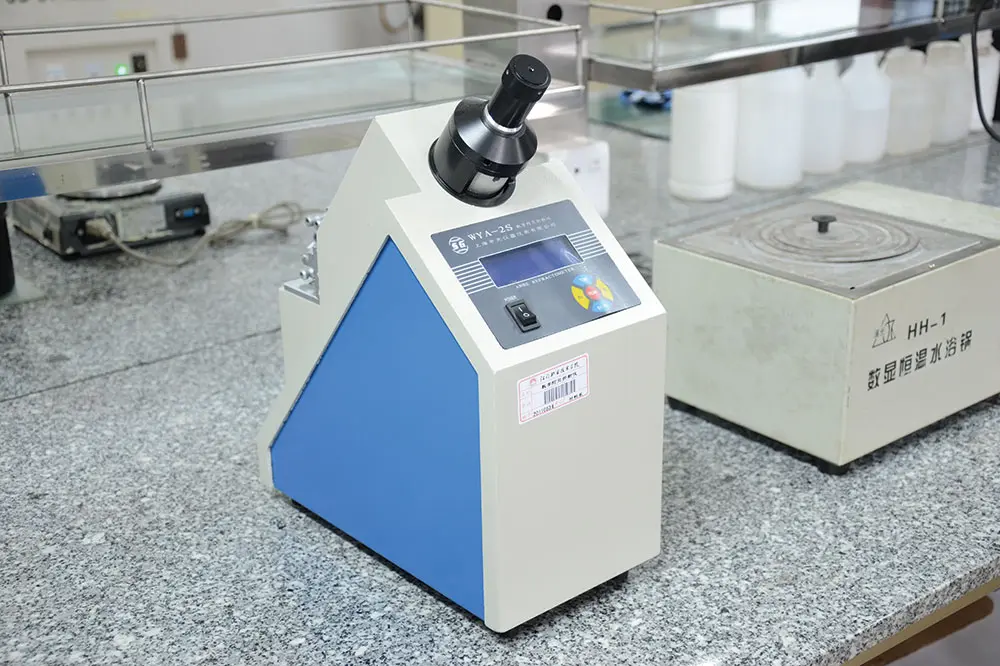
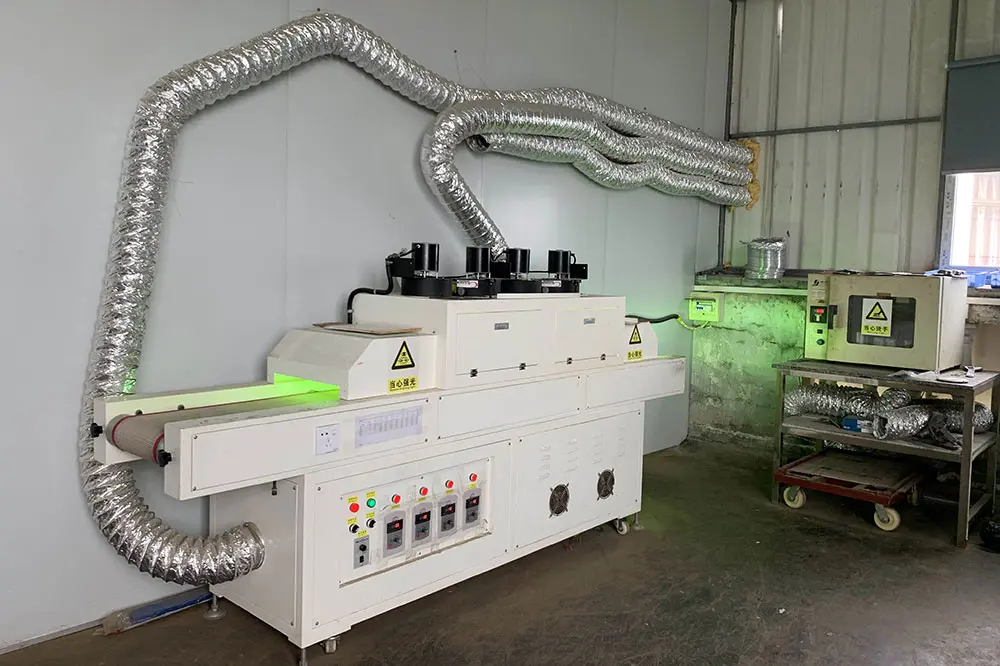
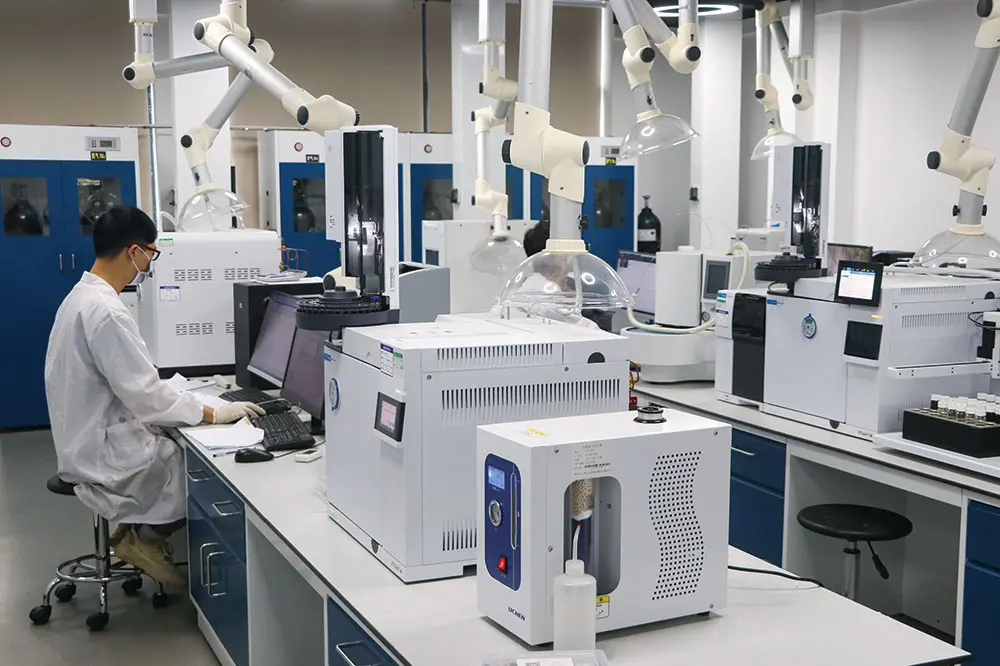
Ever Ray operates strictly under the ISO9001 Quality Management System and ISO14001 Environmental Management System. By selecting premium raw materials from vetted global suppliers and managing real-time polymerization steps via computerized DCS, we maintain an annual production capacity exceeding 20,000 tons across more than 10 advanced reaction lines.
Chinese chemical parks offer unparalleled proximity to raw materials, including adipic acid, standard glycols, IPDI, and acrylic acid monomers. This tight supply chain integration cushions overseas buyers against global price shocks and logistics bottlenecks.
Transitioning from manually monitored kettles to automated DCS platforms (like those used at our Yunfu plant) guarantees precise control over polycondensation temperature, polymer distribution index (PDI), and acid value, ensuring batch consistency.
With 15+ in-house formulation chemists, we design custom systems featuring targeted molecular weights and custom dilution profiles to optimize mechanical flexibility, adhesion, reactivity, and cost structure for OEM specifications.
UV curing oligomers are the structural foundations of high-tech manufacturing, playing a key role in energy conservation and emissions reduction. Ever Ray's polyester urethane and epoxy acrylate solutions target several core industries:
Modern electronics assemblies demand protective coatings that withstand thermal cycling and moisture intrusion without yellowing or mechanical failure. Products like 6200D UV-resin are engineered for shadowless glass/metal adhesive applications, offering optimal optical clarity and structural bond strength. Concurrently, 73008 Low-Shrinkage Polyurethane Acrylate provides potting compounds with low volume shrinkage and excellent thermal stability, protecting fragile microelectronics from mechanical stresses.
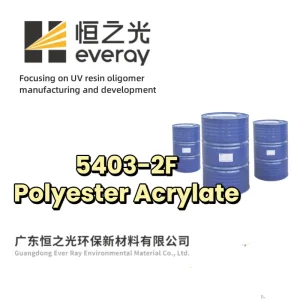
For flexographic, screen, and offset printing, ink formulations require fast curing kinetics, excellent pigment wetting, and high dilution responsiveness. Our Polyester Acrylate 5403-2F and 5016 Resin are designed specifically for high-speed printing presses, maintaining high gloss and abrasion resistance on paper, cardboard, and synthetic foils. Additionally, the 6300 modified epoxy acrylate provides a low-viscosity, fast-curing option for high-gloss paper varnishes.
Industrial wood and leather substrates require flexible, scratch-resistant coatings that accommodate natural thermal expansion. Aliphatic polyurethane acrylates (such as our Low Shrinkage High Flexibility UV Curing Polyurethane Acrylate Resin) form flexible cured films that resist cracking, grease, and household chemicals. For high-wear plastic automotive parts (ABS/PC), our Aromatic Polyurethane Acrylate Oligomers deliver exceptional adhesion during vacuum metallization and topcoat application.
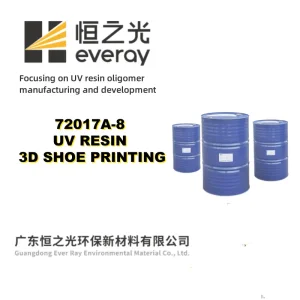
The additive manufacturing industry requires resins that combine low shrinkage with high elasticity. Ever Ray's 72017A-8 Dual-Curing UV Resin is tailored for 3D printed footwear, elastomeric components, and functional prototypes, delivering excellent dimensional stability and dynamic energy return.
The global UV curable coatings market is undergoing a significant transition driven by environmental regulations and technological upgrades. Key developmental roadmaps include:
1. Waterborne UV Polyurethane Dispersions (UV-PUDs): Combining the low viscosity of waterborne formulations with the rapid drying of UV curing, UV-PUDs eliminate the need for reactive monomer diluents. This reduces overall volatile organic compound (VOC) emissions, makes them safer to handle, and allows for thin-film applications on heat-sensitive substrates.
2. LED-UV Curing Adaptability: As traditional mercury arc lamps are replaced by energy-efficient LED-UV curing systems (typically operating at 365nm, 385nm, or 395nm), oligomer chemistry must adapt. This requires the development of highly reactive polyester and polyurethane acrylates that cure efficiently under narrow-wavelength, lower-energy LED emission spectrums.
3. Matte Finishes and Excimer Laser Curing: Soft-touch, super-matte coatings are increasingly popular in premium automotive interiors and consumer electronics. Our 53036 Polyester Acrylate UV resin is optimized for 172nm excimer laser curing systems, generating micro-folded surface structures that provide a matte finish and a pleasant, tactile feel without relying on silica matting agents.
 Ever Ray