Buy Polyurethane Polymer Suppliers & Products

Secure global supplies of high-performance UV-curable oligomers, polyurethane acrylates, and custom chemical solutions from China's leading ISO-certified manufacturing facility.

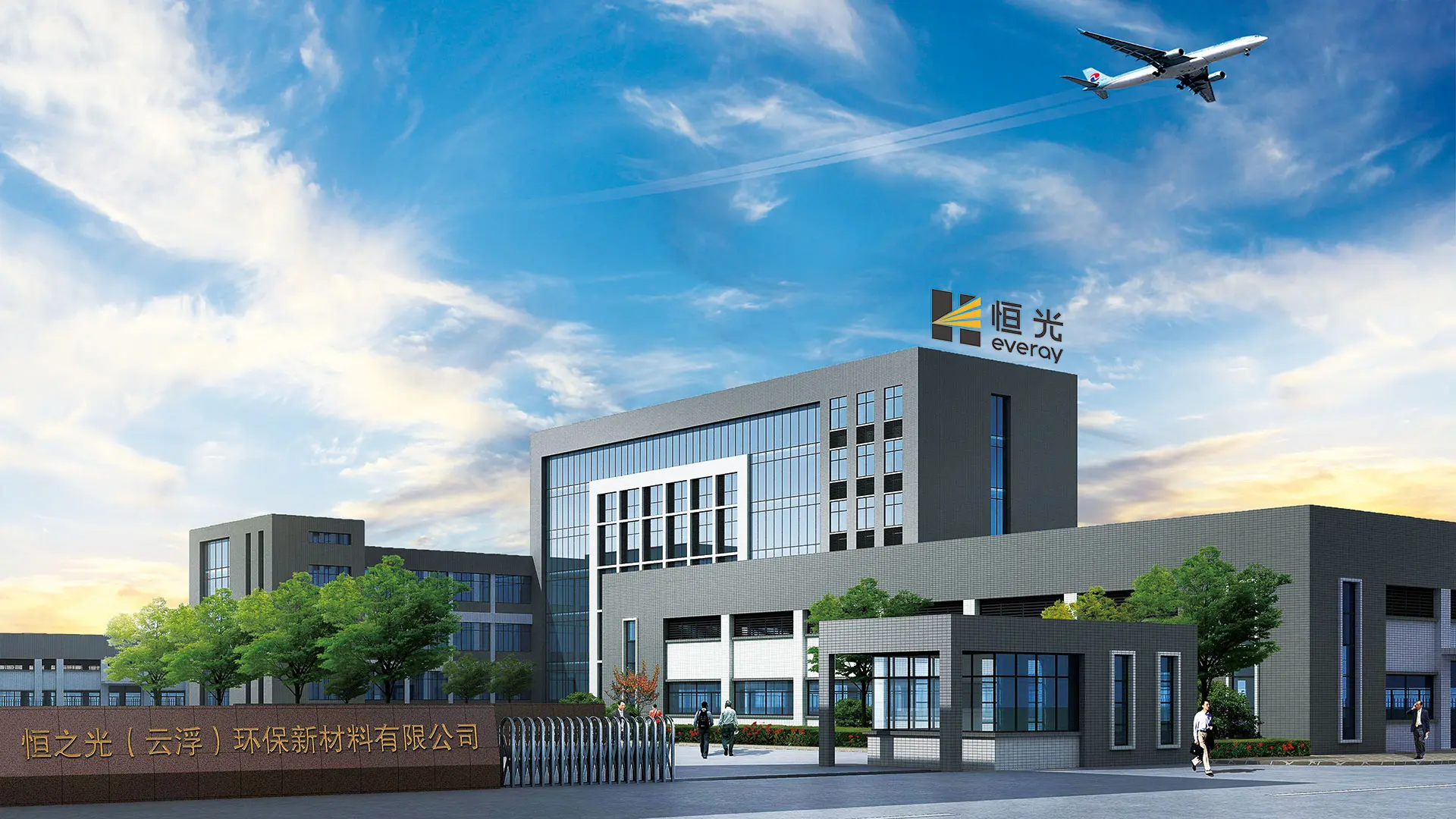
Ever Ray Production Base Overview

Understanding Polyurethane Polymers in Advanced Curing Systems

Polyurethane polymers, specifically modified urethane acrylates, are key components in modern UV curing technologies. When selecting a polyurethane polymer supplier, chemical engineering groups assess critical properties like crosslinking density, yellowing resistance, shear stability, and viscosity metrics.

As a global supplier, Guangdong Ever Ray Environmental Material Co., Ltd. develops high-grade aliphatic and aromatic polyurethane acrylates. These materials are engineered to improve durability, flexibility, and chemical resistance in coatings, inks, adhesives, and electronics potting resins.

Aliphatic Polyurethanes Aromatic Polyurethanes Water-borne Systems

China-Based Manufacturing Advantages

How Guangdong Ever Ray combines large-scale output, automated process control, and cost efficiencies for global supply chains.

Scale and Capacity

We operate two production bases: our 10,000 m² Jiangmen facility and our 40,000 m² Yunfu plant. With over 10 production lines, we deliver a stable annual output exceeding 20,000 tons to prevent global supply interruptions.

DCS Computerized Control

Our plants run fully computerized DCS (Distributed Control Systems) to manage pressure, temperature, and material feeds. This automation minimizes variation between production batches and ensures consistent resin performance.

Strict ISO Compliance

Our manufacturing sites operate under ISO9001 and ISO14001 certification frameworks. By combining advanced domestic and international raw materials with expert oversight, we ensure safe operations and consistent product quality.

50,000㎡+

Total Production Footprint

20,000T+

Annual Supply Capacity

10+

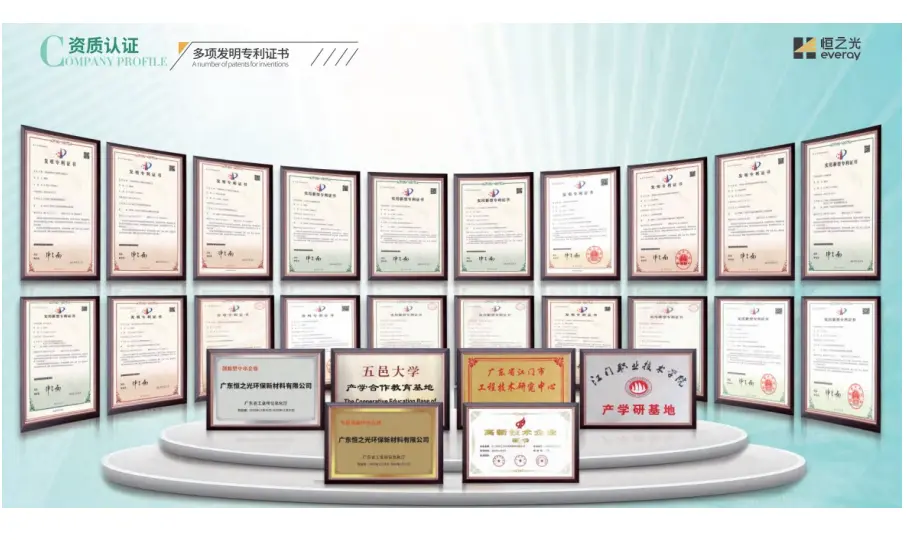
Invention & Utility Patents

15+

Dedicated R&D Chemists

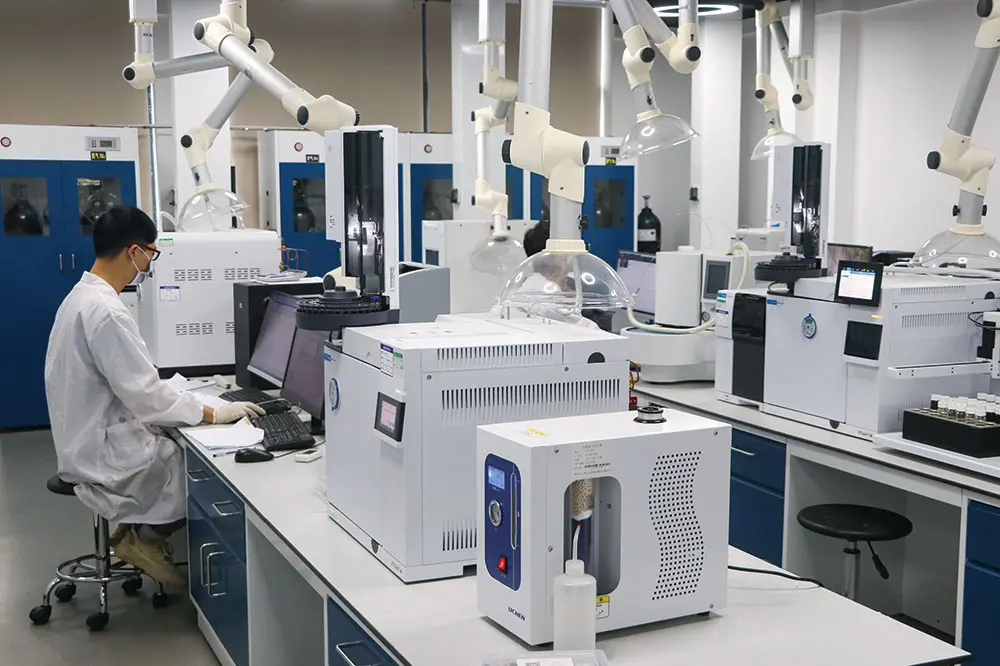
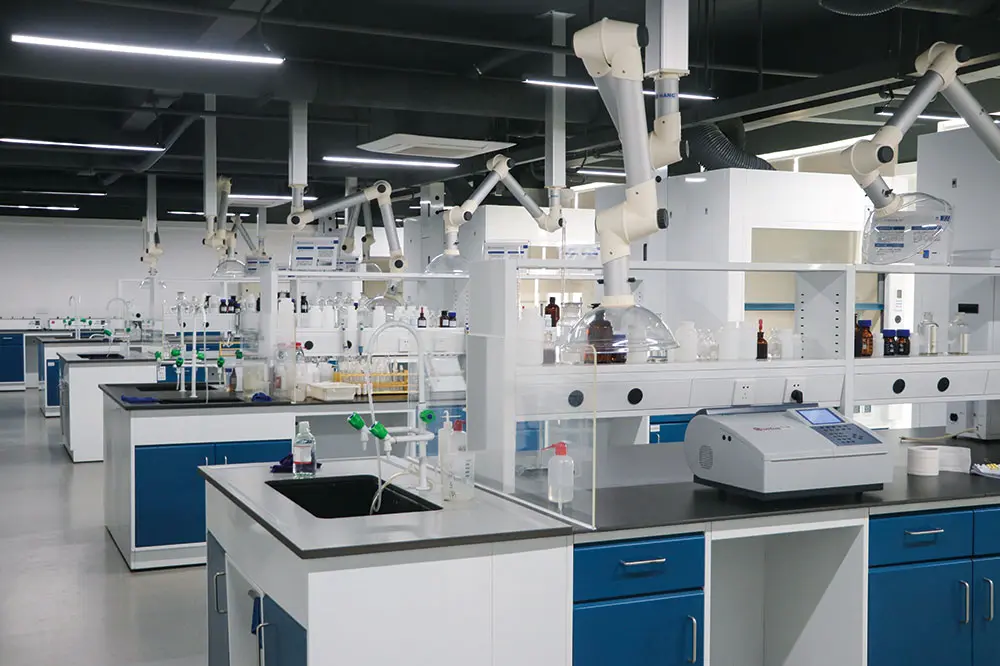
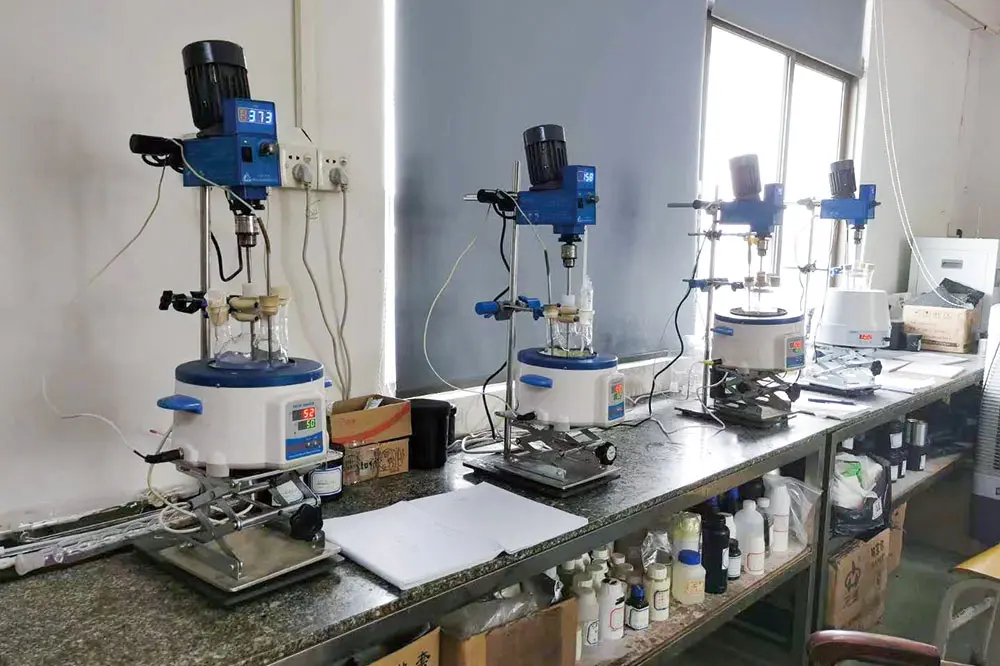
Inside Our Production and R&D Bases

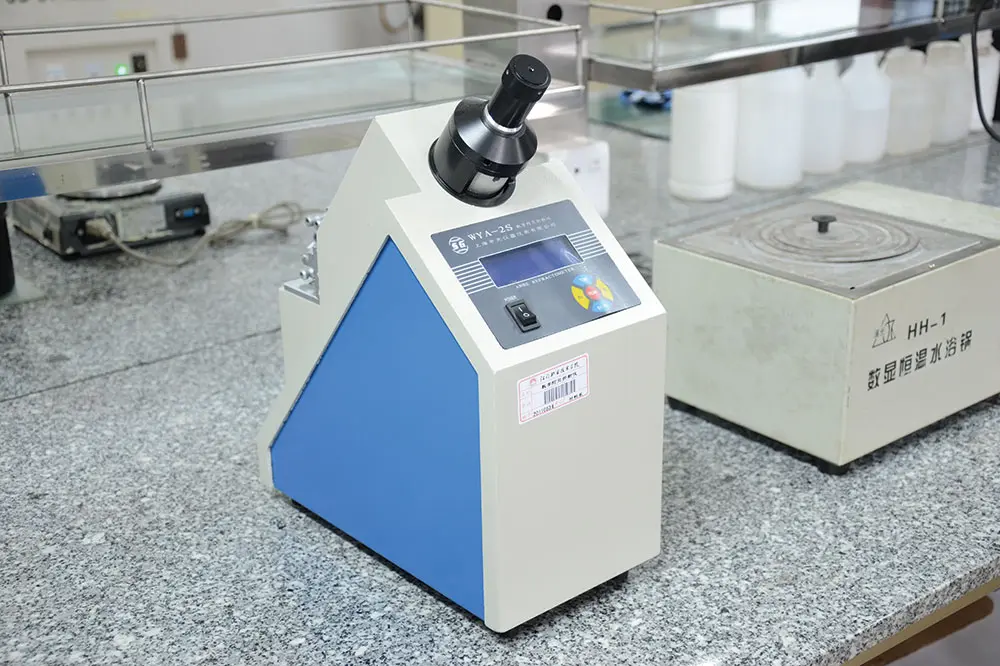
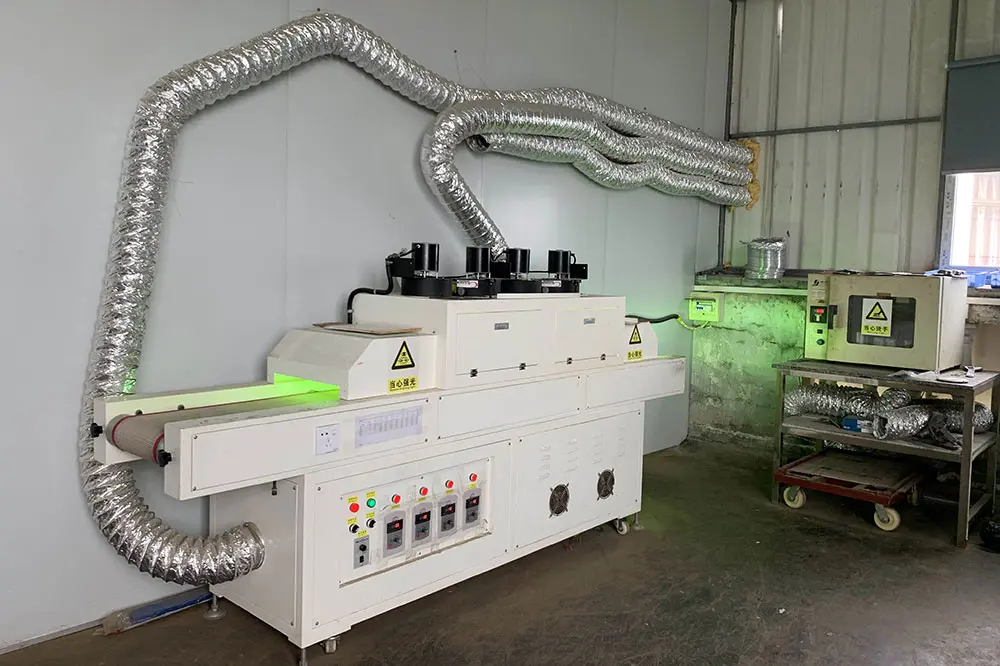
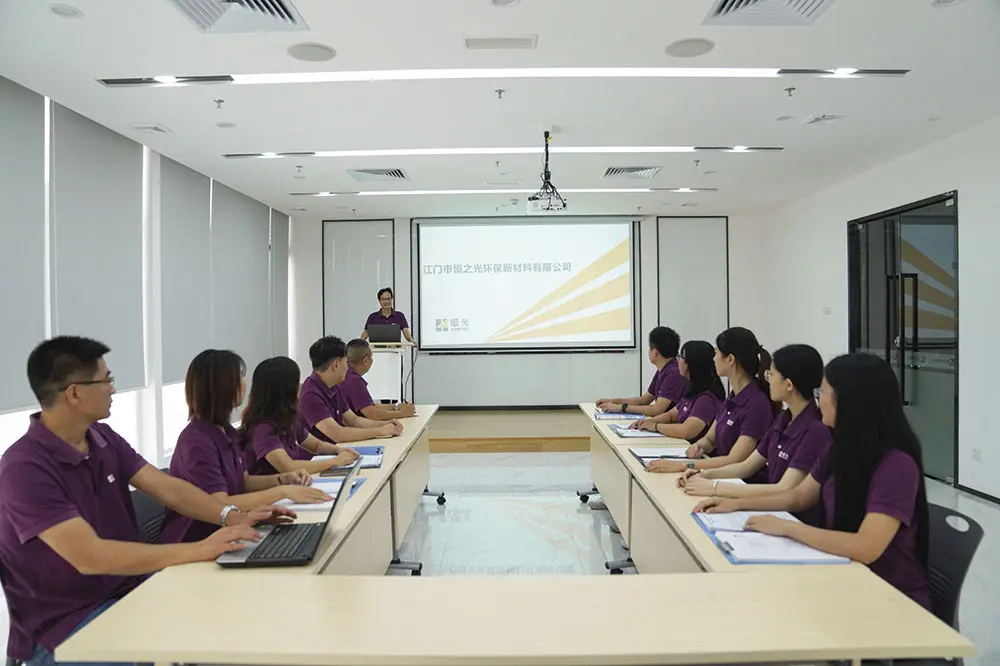
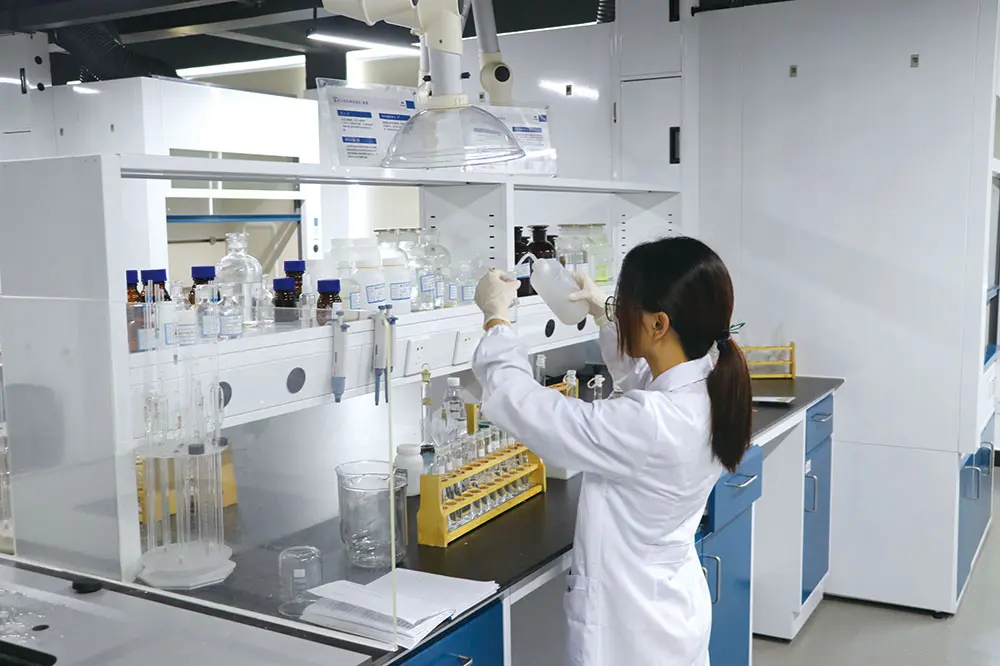
A transparent look at our specialized manufacturing spaces, storage areas, and testing facilities in Guangdong, China.
Industrial Solutions for Global Applications

How our polyurethane polymer range is used in specialized industrial coating and curing sectors.

UV-Curable Offset & Flexographic Inks

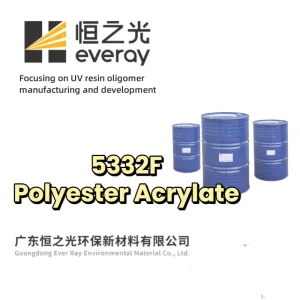
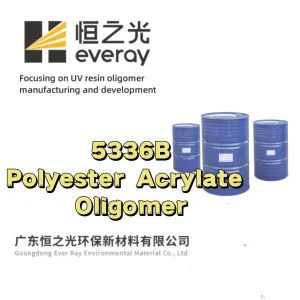
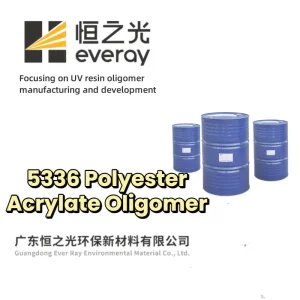
In modern commercial printing, inks must cure quickly and balance water-ink interaction effectively. Products like our 5336B and 5332F are designed for UV flexo and offset inks, helping operators maintain print resolution at high run speeds.

Specialized Wood and Nail Polish Coatings

Wood finishes and cosmetic nail polishes require high gloss, impact resistance, and durability. Using oligomers like our 7296C ensures coatings resist household cleaners, acetone, scratch damage, and weather wear.

Industrial Metal & Plastic Substrate Adhesion

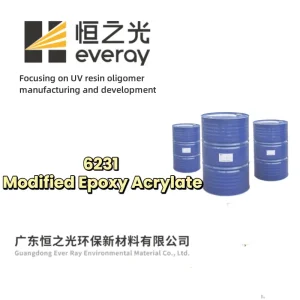
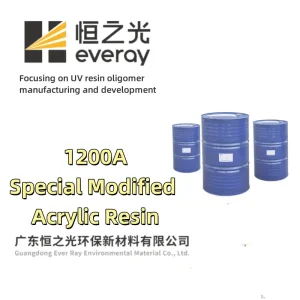
Adhering coatings to non-porous surfaces like aluminum, copper, and polycarbonate is a common challenge. Our modified epoxy acrylates and 1200A UV resin provide strong mechanical adhesion and chemical resistance for metal primer applications.

Precision 3D Printing & Additive Manufacturing

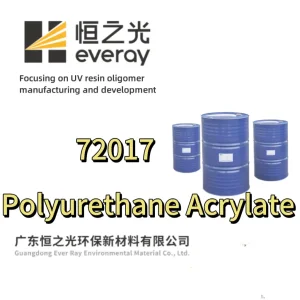
Our photo-thermal dual-curing resins (such as the 72017 range) are designed for SLA and DLP 3D printing. They help reduce volumetric shrinkage during curing and improve mechanical toughness in finished prints.

Technology Evolution in the Global Polyurethane Polymer Sector

The global polyurethane polymer market is shifting due to stricter environmental regulations on VOC emissions, driving the adoption of waterborne and UV-curable chemistries. Key developments in our sector include:

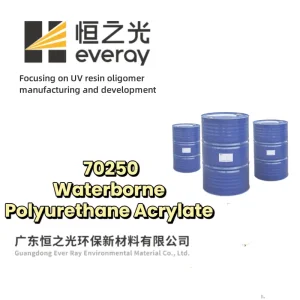
  • Transition to Waterborne Urethane Acrylate Oligomers: Manufacturers are moving away from traditional solvent-based formulations. Water-dispersible UV resins provide high durability with lower organic solvent content, aligning with global green initiative goals.
  • Adoption of UV-LED Curing Systems: Curing systems are moving from mercury vapor bulbs to energy-efficient UV-LED setups. This requires photo-reactive oligomers that cure reliably under narrow wavelengths (typically 385nm to 395nm) without surface tackiness.
  • Dual-Curing (Photo-Thermal) Chemistry: For complex shapes where UV light cannot reach shadowed areas, dual-curing systems ensure secondary thermal cure reactions run to completion. This secures consistent crosslinking density across the entire part.
Supplier Customization Advantage: Every application has unique viscosity, flexibility, and curing requirements. Our team of 15+ chemists designs custom oligomer formulations to optimize performance and material costs for client operations.

Quality Control & Procurement Guidelines

How we ensure quality consistency and streamline logistics for our B2B partners worldwide.

Technical Data & COA

Every shipment is delivered with a Certificate of Analysis (COA). We document viscosity (measured by Brookfield viscometers), acid value, color scale (Gardner), and solid content to ensure specifications match target standards.

Secure Logistics

Operating near major logistics hubs in Guangdong allows us to arrange efficient sea freight container transport. We utilize specialized drums and IBC tanks to protect material integrity during transit.

Custom R&D Partnerships

We work directly with industrial buyers to adjust glass transition temperatures (Tg), cure speeds, and color stability, ensuring the final formulation integrates cleanly into their current setup.

Technical Q&A: Urethane Acrylates & UV Curing Resins

Common technical questions answered by our laboratory team to assist with design and selection.

What are the core differences between aliphatic and aromatic urethane acrylates?
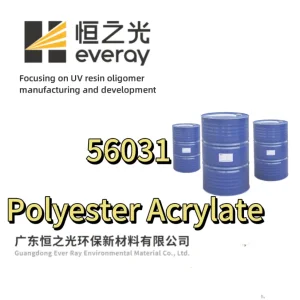
Aliphatic urethane acrylates are formulated without benzene ring structures in their backbone. This molecular structure gives them high UV stability and resistance to yellowing, making them suitable for outdoor applications, automotive parts, and protective clear coats. Aromatic urethane acrylates contain benzene rings, which offer higher cure speeds, excellent surface hardness, and a competitive cost structure. However, they are prone to yellowing when exposed to UV light, so they are typically recommended for indoor use, dark-colored inks, or primer coats.
How do polyester acrylates like the 5332F or 5336B improve offset and flexo ink performance?
Our polyester acrylate resins are developed to optimize water-ink balance in lithographic offset printing. In flexo systems, they help maintain low formulation viscosity and fast cure response, preventing smudging or tracking at high printing speeds. They also display excellent pigment wetting properties, resulting in high color density, gloss, and dispersion stability during ink storage.
How does a photo-thermal dual-curing resin work in 3D printing applications?
Dual-curing resins (like the 72017 grade) cure in two stages. The first stage uses UV light (photo-curing) to define the part's shape and gel the resin. The second stage uses heat (thermal-curing) to run secondary crosslinking reactions in shaded or shadowed areas. This process reduces volumetric shrinkage and improves final tensile strength and impact resistance.
How does Guangdong Ever Ray manage batch-to-batch consistency in large orders?
We use a fully computerized DCS (Distributed Control System) to monitor process parameters in real-time, such as heating profiles, raw material additions, and vacuum distillation. This automation reduces human error. Additionally, we check every production batch against standard reference materials using gel permeation chromatography (GPC) and viscometry before packaging.
What is the standard lead time for global shipping from your Chinese factories?
For standard formulations, the production lead time is typically 10 to 15 days from order confirmation. Custom modifications or large bulk orders (>50 tons) may require 20 to 30 days. Located in Guangdong, we have direct access to Shenzhen and Guangzhou ports, offering reliable container shipping schedules worldwide.