Explore our industrial-grade, fast-curing resin products engineered for optimal cross-linking density and surface hardness.
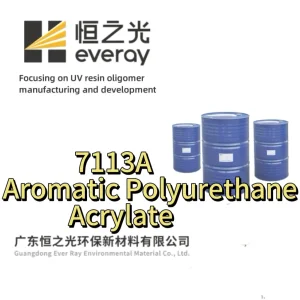
The industrial coatings, adhesives, and printing ink landscapes are undergoing an unprecedented phase of chemical evolutionary progress. Driven by stringent environmental legislation globally (such as the reduction of Volatile Organic Compounds - VOCs) and the relentless pursuit of thermal efficiency, photopolymerization technologies have emerged as the gold standard. Under this dynamic, Quick Curing Resins act as the molecular backbone of ultra-fast manufacturing lines.
Traditional thermal ovens require long curing cycles, high carbon footprints, and vast plant footprints. In contrast, UV and LED-UV light-curing systems initiate polymerization in mere seconds. Oligomers and monomers are cross-linked into a durable polymer matrix almost instantaneously when exposed to specific wavelengths. This quantum leap in process speed directly translates to reduced energy consumption, high throughput, and lower labor cost vectors for industrial production lines across the globe.
Moreover, the technological shift from traditional mercury arc lamps to modern UV LED arrays has redefined the requirements for photo-initiator chemistry and oligomer sensitivity. LED-UV curing operates at tight wavelengths (predominantly 365nm, 385nm, 395nm, and 405nm), demanding resins with exceptional reactivity, low oxygen inhibition sensitivity, and high molecular alignment capabilities. As global supply chains prioritize energy conservation, partnering with an agile, high-capacity chemical manufacturer is vital.
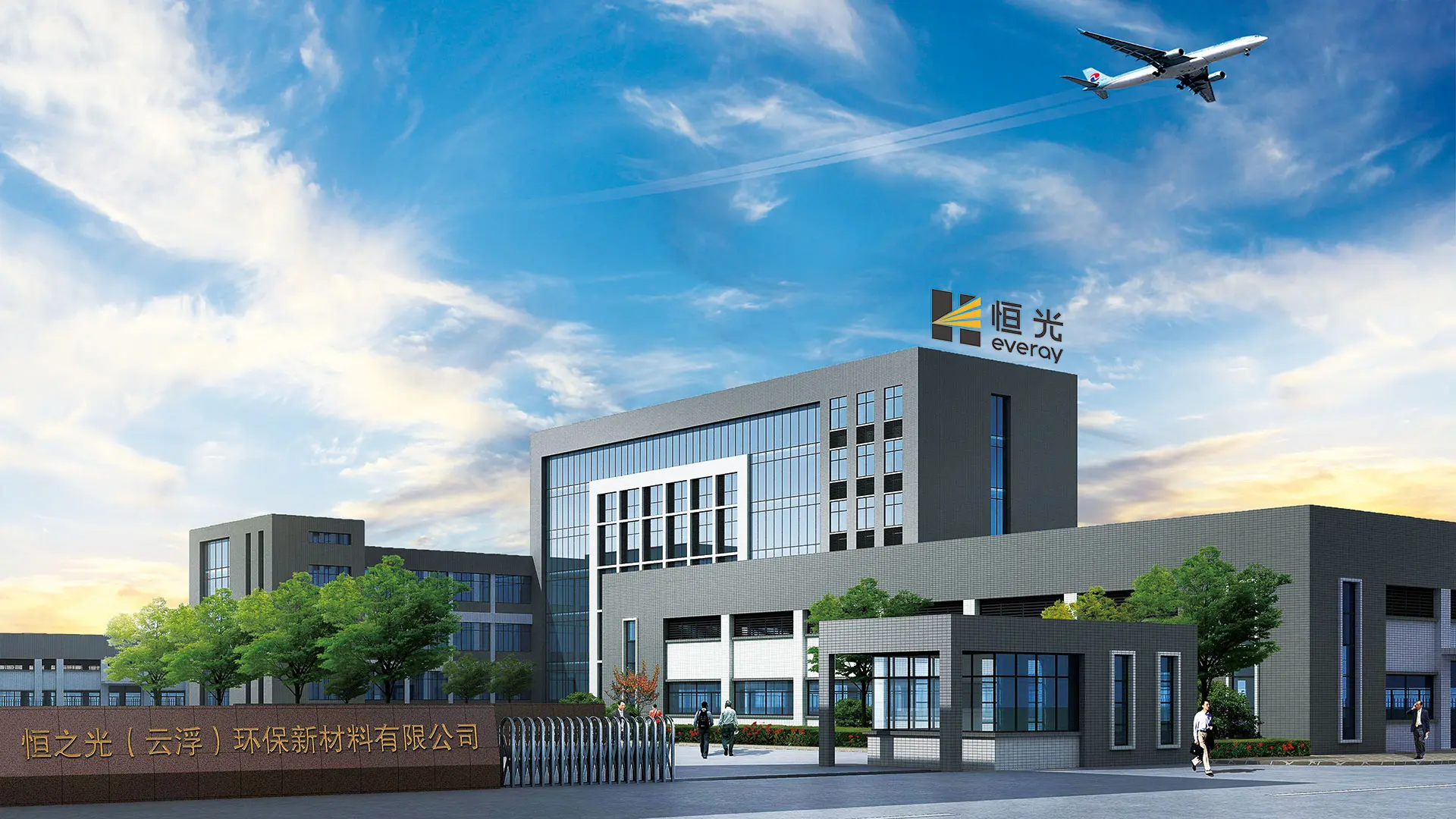
A global pioneer in UV and LED-UV curable oligomer research, development, and mass-scale synthesis.
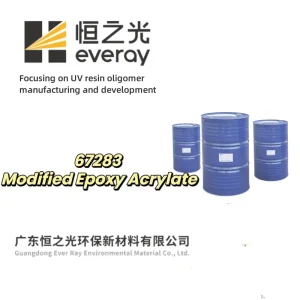
Guangdong Ever Ray Environmental Material Co., Ltd., established in 2006, is a high-tech enterprise focusing on the R&D and manufacturing of oligomers for UV curable resin such as epoxy acrylate, polyurethane acrylate (water-borne, aliphatic urethane, aromatic urethane), polyester acrylate, pure acrylate, and other special functional modified acrylate oligomers.
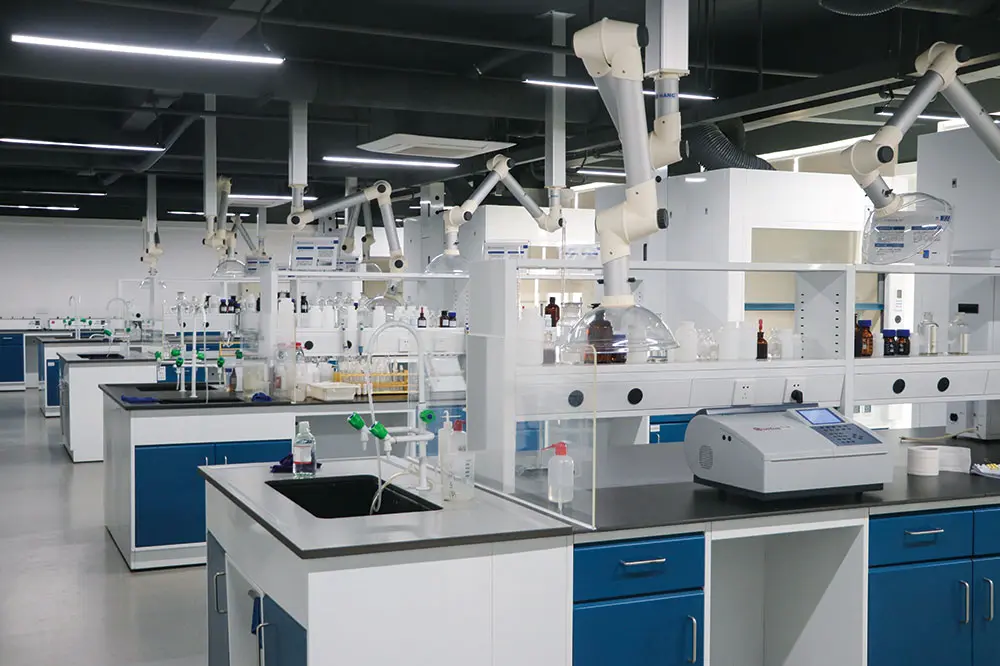
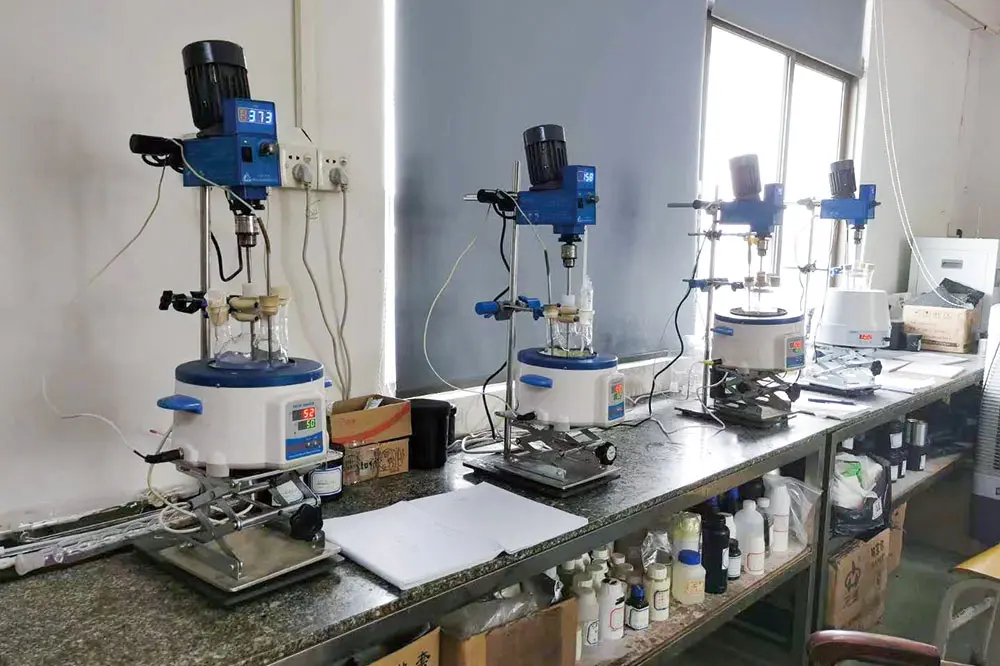
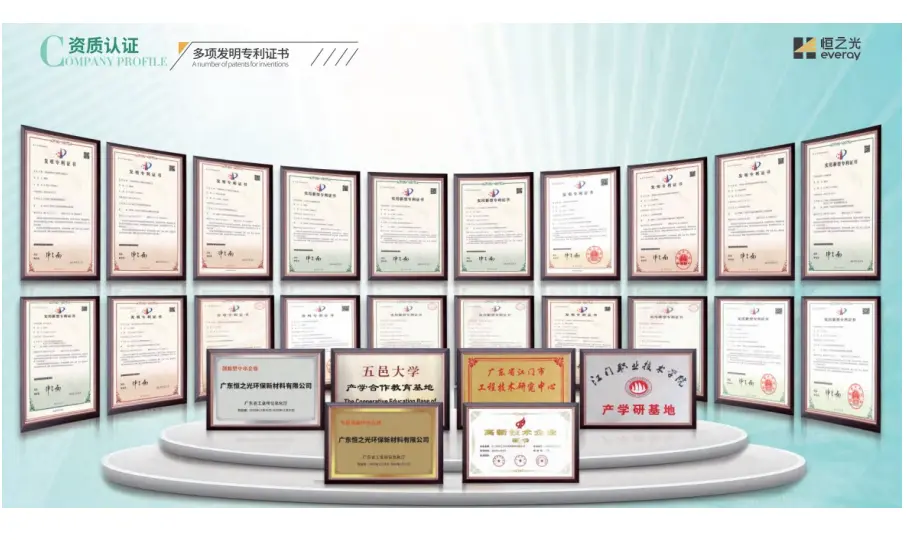
With over 15 dedicated research technicians and chemical engineers in our state-of-the-art laboratory, we hold more than 10 invention and utility patents. We design custom formulas targeting high reactivity, superior chemical resistance, and high gloss finish across varied substrates.
Our infrastructure encompasses two strategic manufacturing nodes in China: a 10,000 m² facility in Jiangmen, Guangdong, and an expansive 40,000 m² modern park in Yunfu, Guangdong. Fully integrated with automated logistics and high-capacity storage lines.
Our plants operate under ISO9001 Quality Management and ISO14001 Environmental Management certification. We implement DCS (Distributed Control Systems) to monitor every step of the chemical reaction in real-time, ensuring absolute quality consistency.
A glance inside our ISO-certified manufacturing workshops and sophisticated quality control departments.
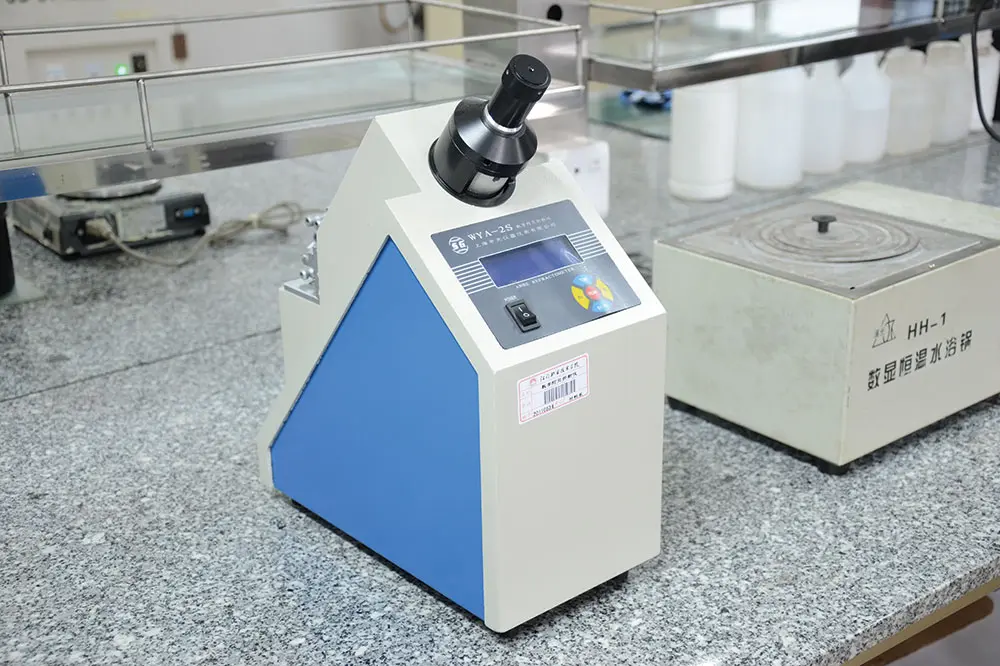
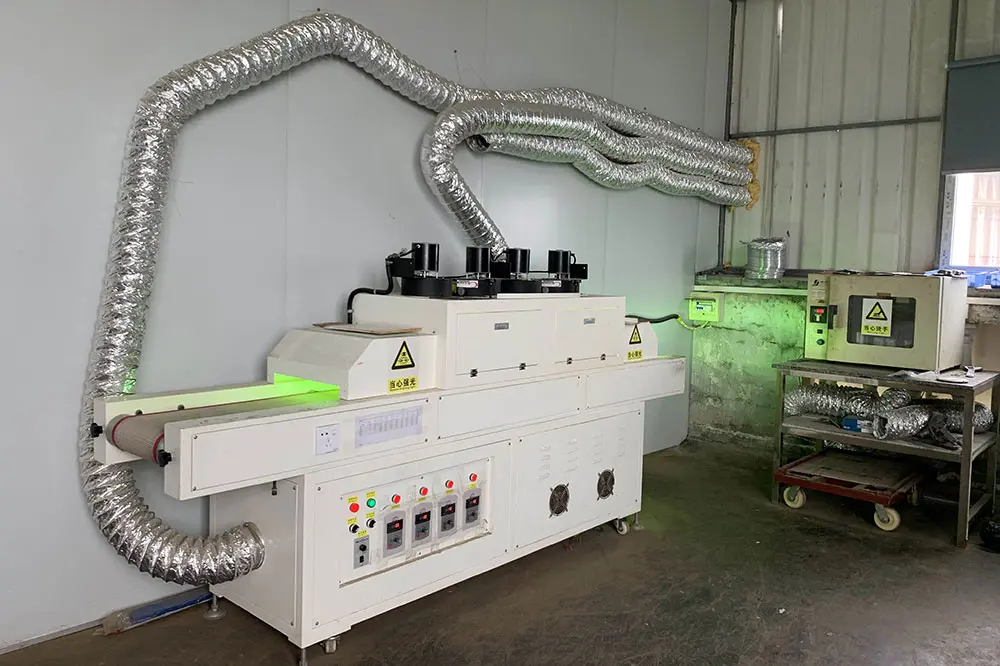
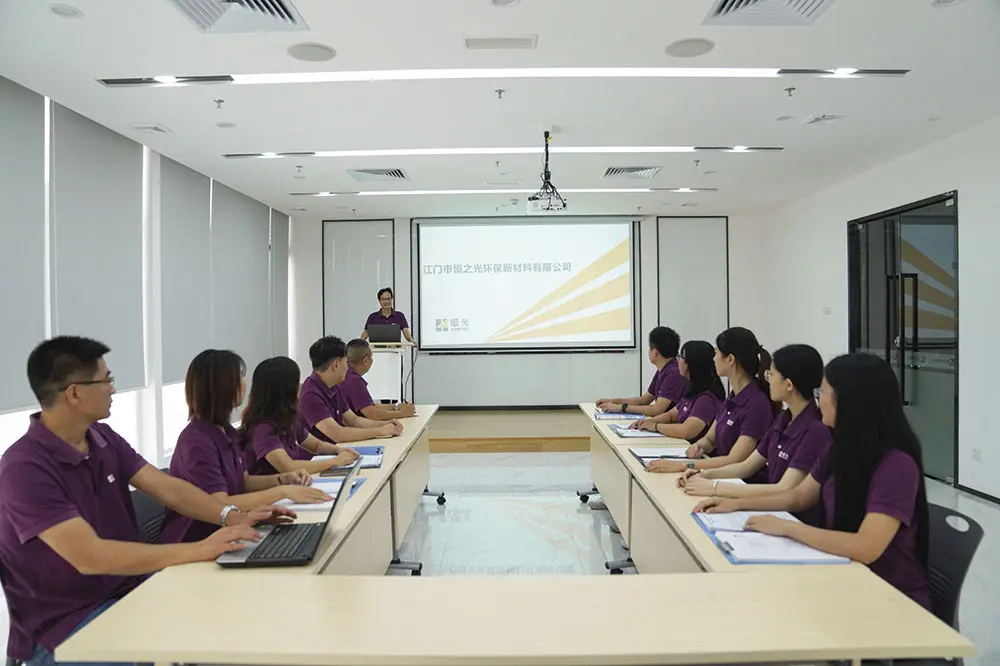
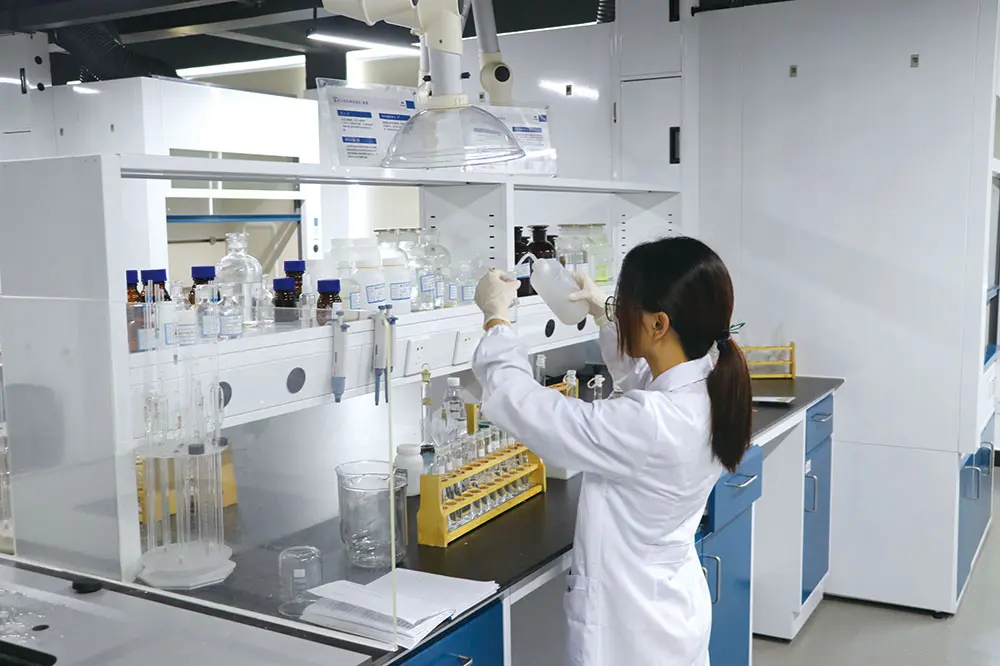
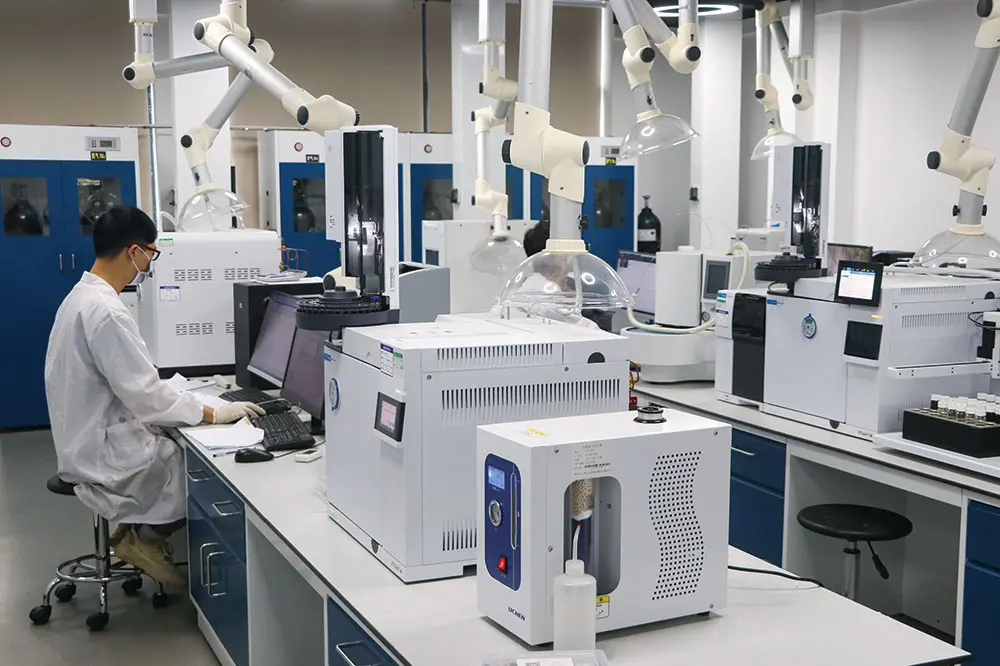
For international buyers, securing high-volume chemicals requires a manufacturer that guarantees not only bulk capacity but also chemical stability. At Ever Ray, we operate under the China Factory 4.0 framework, blending automated physical manufacturing with computational precision.
Our DCS fully computerized control system ensures that reaction variables—temperature, monomer injection rates, agitation speed, and vacuum pressure—are monitored continuously. This eliminates human error, ensuring that every batch of epoxy acrylate or polyurethane acrylate oligomer is identical in molecular weight distribution and viscosity index.
In addition, our strategic location in Guangdong provides access to premier domestic and global petrochemical raw materials. This proximity, coupled with our 20,000-ton annual output and massive bulk storage facility, allows us to mitigate price volatility. As a result, we offer international distributors and formulation houses stable pricing, shortened lead times, and continuous product availability, even during global supply chain disruptions.
A comparative breakdown of photopolymerizable oligomer classes and their ideal operational profiles.
| Oligomer Type | Key Properties | Primary Industrial Applications | Cure Response & Speed |
|---|---|---|---|
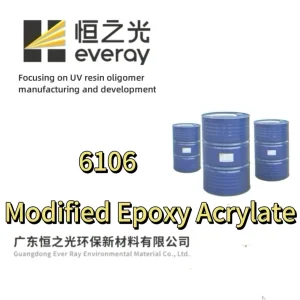
| Epoxy Acrylate (e.g., Everay 6118, 6106, 61003A) | Highest surface hardness, fast cure response, excellent chemical/solvent resistance, high gloss. | Overprint varnishes for paper/plastic, UV inks, wood furniture sealants, PCB etch resists. | Ultra-Fast (radical polymerization initiated under high-power UV/LED sources). |
| Aliphatic Polyurethane Acrylate | Exceptional yellowing resistance, elasticity, weathering resilience, strong adhesion to non-polar substrates. | Automotive topcoats, optical lenses, high-end nail gel polishes, outdoor protective films. | Fast to Moderate (highly controlled cross-linking density). |
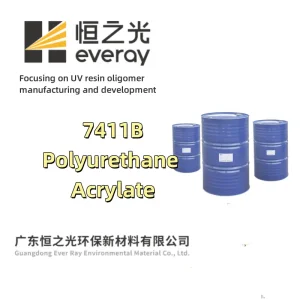
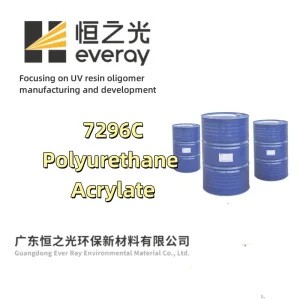
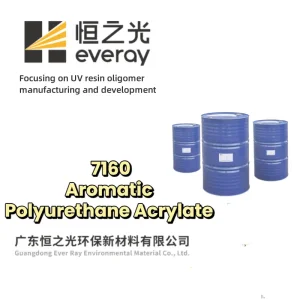
| Aromatic Polyurethane Acrylate (e.g., Everay 7402, 7411B) | Superior tensile strength, impact toughness, high adhesion values on challenging plastics (ABS, PC). | Vacuum metallizing primers, mobile electronic housings, plastic spray-coatings. | Fast curing, optimized for complex geometries. |
| Polyester Acrylate & Specialty Oligomers | Low viscosity profile, excellent pigment wetting properties, balanced flexibility and hardness. | High-speed lithographic and flexographic inks, spray-applied wood varnishes. | High curing speed, balanced shrinkage properties. |
The speed of a quick curing resin is determined by the reaction rate of its acrylic double bonds ($C=C$). When exposed to UV radiation, photoinitiators split into free radicals that attack these double bonds, initiating a cascade of chain-propagation reactions. In seconds, liquid oligomers and diluting monomers convert into a solid three-dimensional thermoset polymer network.
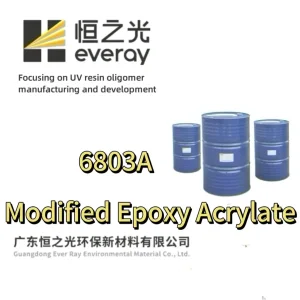
For formulations requiring high durability and quick line speeds (exceeding 50 meters/minute on industrial printing or coating lines), modified epoxy acrylates like the 6106 and 6803A are preferred. These oligomers balance fast radical propagation with excellent surface curing, reducing the limiting effects of oxygen inhibition. On the other hand, polyurethane acrylates offer structural toughness. By introducing urethane linkages ($NH-CO-O$) into the backbone, they dissipate mechanical stress and resist impact, making them ideal for protective layers on mobile electronics and automotive components.
How our quick curing resins are deployed across diverse global manufacturing sectors.
High-efficiency UV coatings for wood flooring and furniture require exceptional scratch protection and rapid sanding capabilities. Our oligomers deliver high cross-linking density, allowing panels to be cured, stacked, and packaged seconds after application, reducing warehousing space requirements.
For high-speed LED-UV offset and flexographic printing on consumer packaging, our low-viscosity, low-odor monomers and oligomers (such as 5650F and 2406) guarantee crisp definition, excellent pigment dispersion, and rapid curing without migration risks.
Applying metallic coatings to plastic substrates (ABS/PC) in electronics or automotive trim requires a primer and topcoat with outstanding adhesion and moisture resistance. Our aromatic polyurethane acrylates provide the required anchoring chemistry for long-term durability.
Expert answers to critical engineering questions about photopolymerization and quick curing resins.
Select from our specialty formulations designed to meet specific regulatory, aesthetic, and adhesion demands.
 Ever Ray