Explore our industrial-grade UV-curing monomers, specialty oligomers, and customized formulations designed for exceptional adhesion, chemical resistance, and high-speed processing.
The international resin market is currently undergoing a massive structural shift. Traditional thermal-curing systems are steadily being replaced by advanced UV (Ultraviolet) and EB (Electron Beam) photopolymerization technologies. Driven by stringent global environmental regulations, such as the EU's REACH regulation and the EPA's VOC emissions limits, chemical engineers and procurement officers are prioritizing materials that minimize energy footprints while maximizing manufacturing output speeds.
In this transition, Epoxy Acrylates and Polyurethane Acrylates (PUAs) have emerged as the dual pillars of modern surface technology. Epoxy Acrylate oligomers offer unmatched hardness, chemical resistance, and cost-efficiency, making them the preferred base for industrial wood varnishes and structural overprint varnishes. Conversely, Polyurethane Acrylate oligomers introduce critical properties like high flexibility, weather resistance, and substrate adhesion (especially for plastics and multi-substrate materials) that allow coatings to survive extreme thermal expansion cycles.
| Resin Type / Subtype | Primary Physical Advantages | Critical Target Industrial Scenarios |
|---|---|---|
| Modified Epoxy Acrylates | Ultrafast cure rates, exceptional surface hardness, high gloss profile. | Industrial wood coatings, overprint varnishes, high-speed offset inks. |
| Aliphatic Polyurethane Acrylates | Non-yellowing, excellent weatherability, balanced toughness/elongation. | Automotive clear coats, outdoor protective films, flexible packaging. |
| Waterborne UV Oligomers | Zero-VOC potential, low viscosity without active diluents. | Eco-friendly wood furniture, sprayable plastic coatings. |
| Dual-Curing Systems (Photo-Thermal) | Cures shadowed areas via thermal activation; ensures 100% conversion. | Complex 3D printed geometries, electronic component encapsulation. |
Established in 2006, Guangdong Ever Ray Environmental Material Co., Ltd. is a premier high-tech enterprise dedicated to the research, development, and high-capacity manufacturing of high-performance oligomers for UV curable resins. Over nearly two decades of focus, we have optimized our product portfolio to cover epoxy acrylates, polyurethane acrylates (waterborne, aliphatic, and aromatic urethane), polyester acrylates, pure acrylates, and customized specialty functional modified acrylate oligomers.
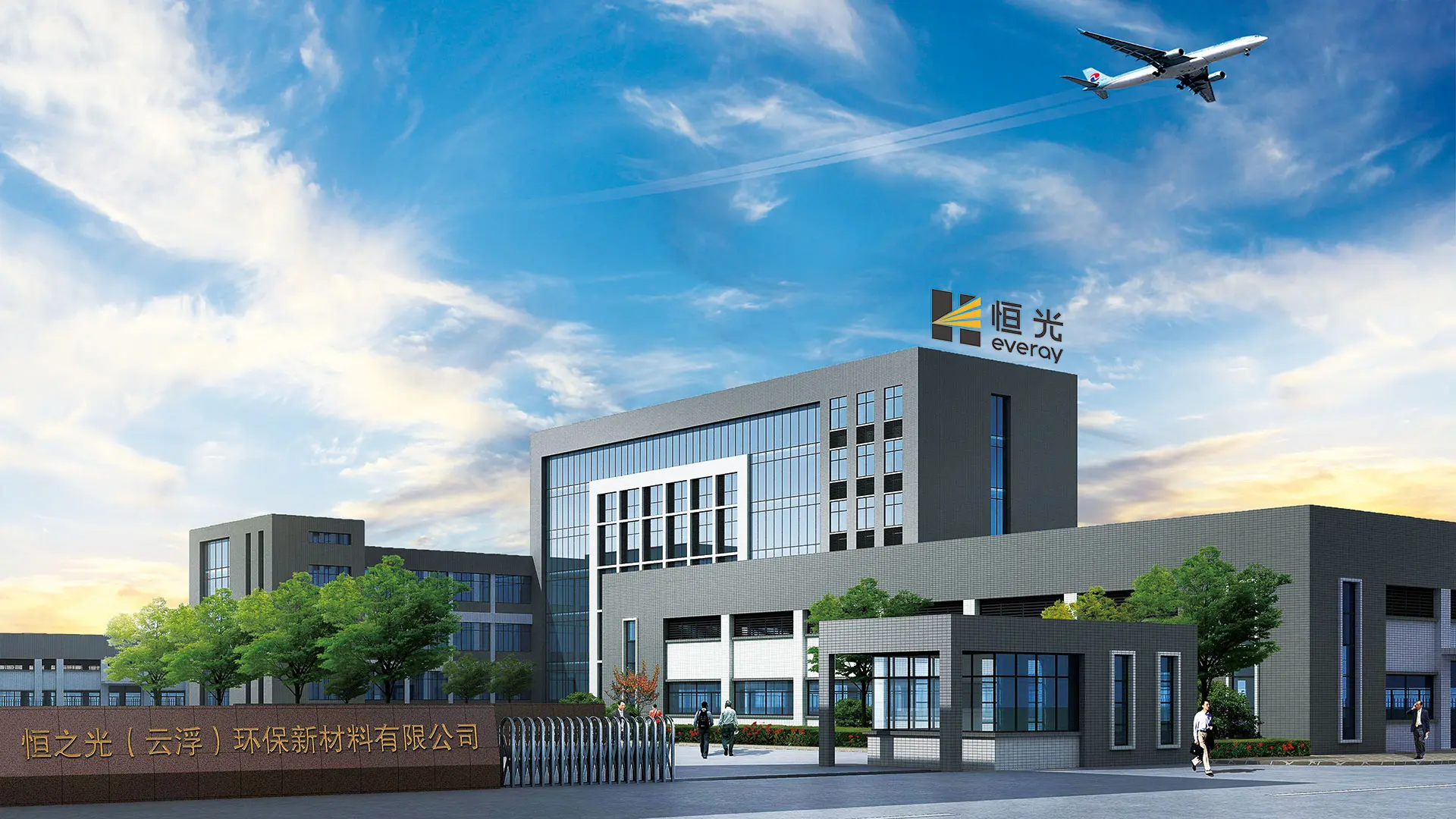
We run two strategic production hubs in Southern China. Our primary facility in Jiangmen, Guangdong, encompasses 10,000 square meters of production space. To scale alongside growing international demand, we constructed a state-of-the-art Yunfu, Guangdong base spanning approximately 40,000 square meters. Both facilities feature comprehensive quality control departments, automated storage structures, and high-efficiency logistics interfaces.
Equipped with over 10 modern production lines, our annual output capacity exceeds 20,000 tons. Our production floors operate under the ISO9001 Quality Management System and the ISO14001 Environmental Management System. Precision and quality consistency are guaranteed by a fully computerized, automated DCS control system, mitigating human error during chemical synthesis.
A photographic tour across our raw material storage, reactor systems, automated packaging bays, and R&D laboratories.
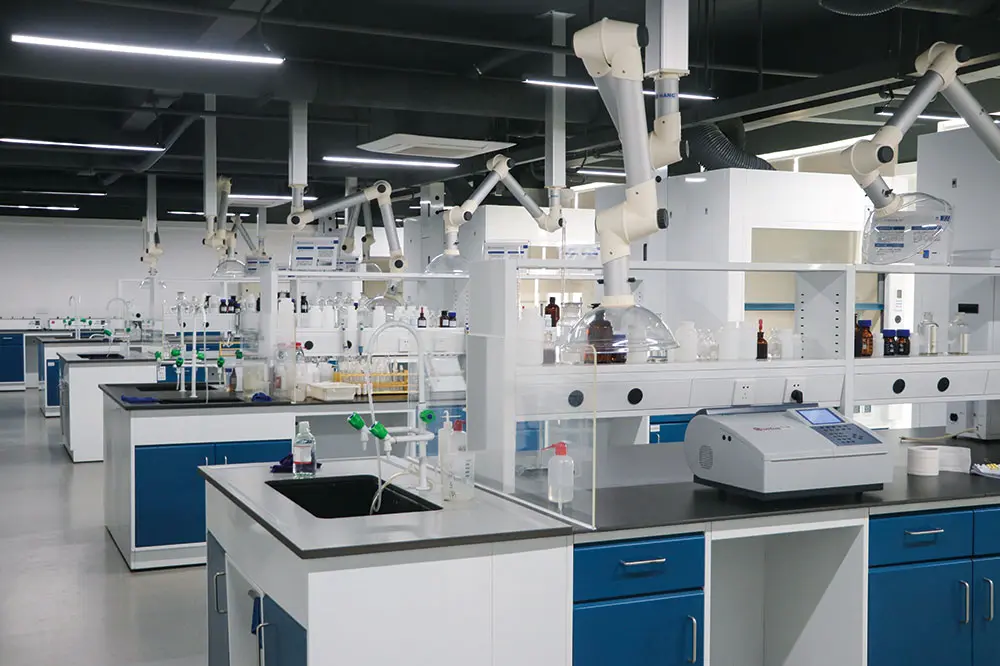
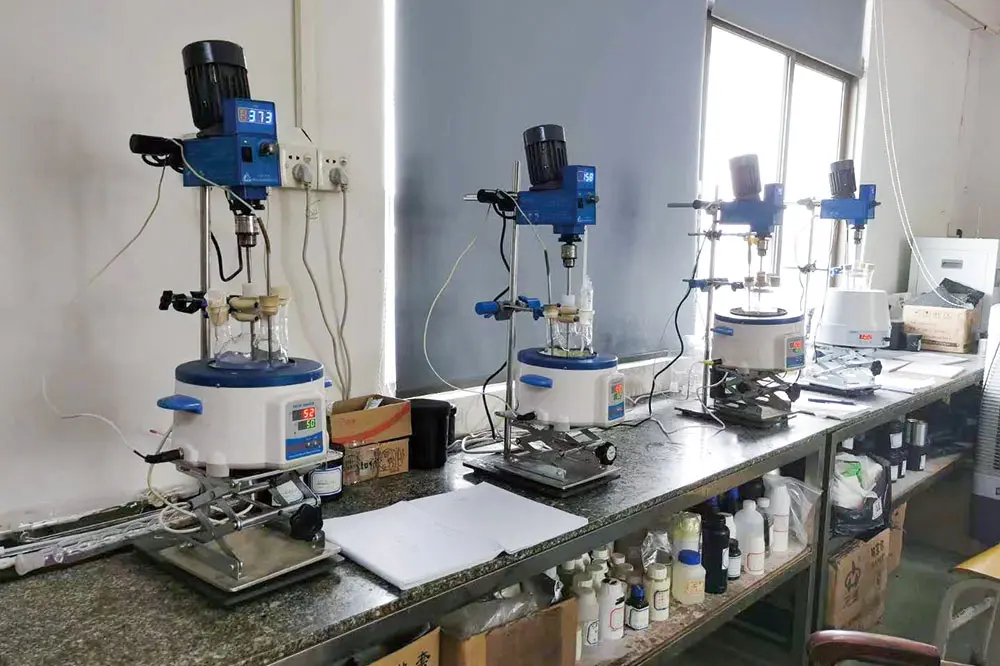
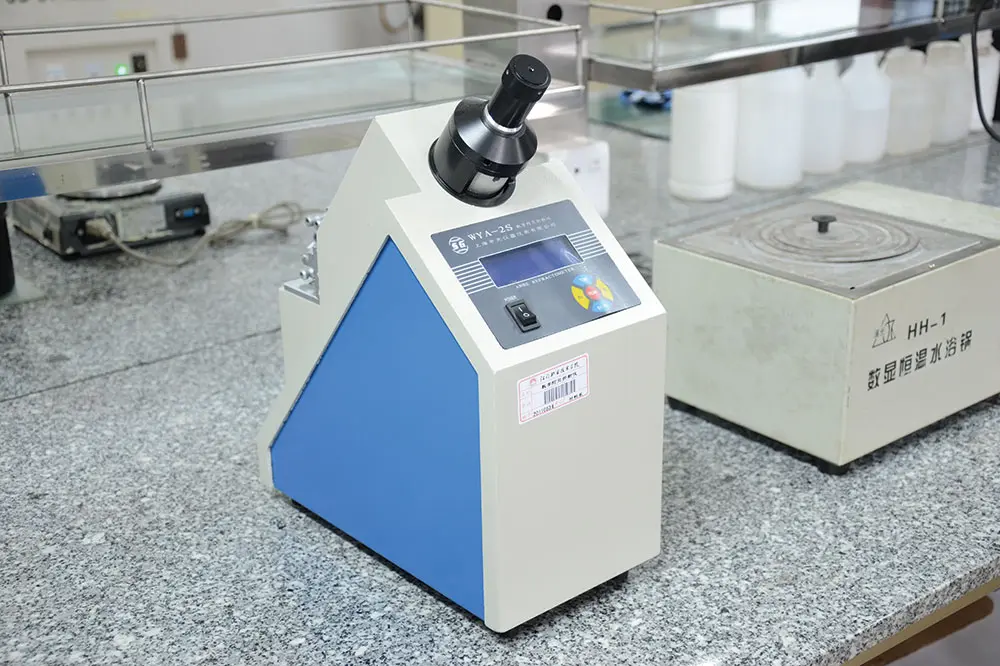
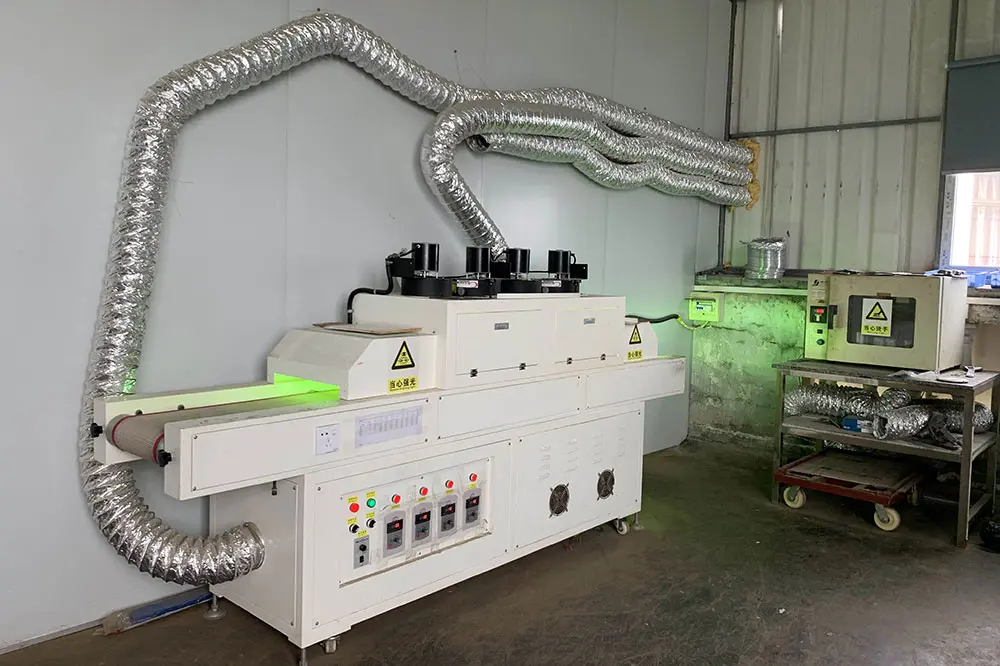
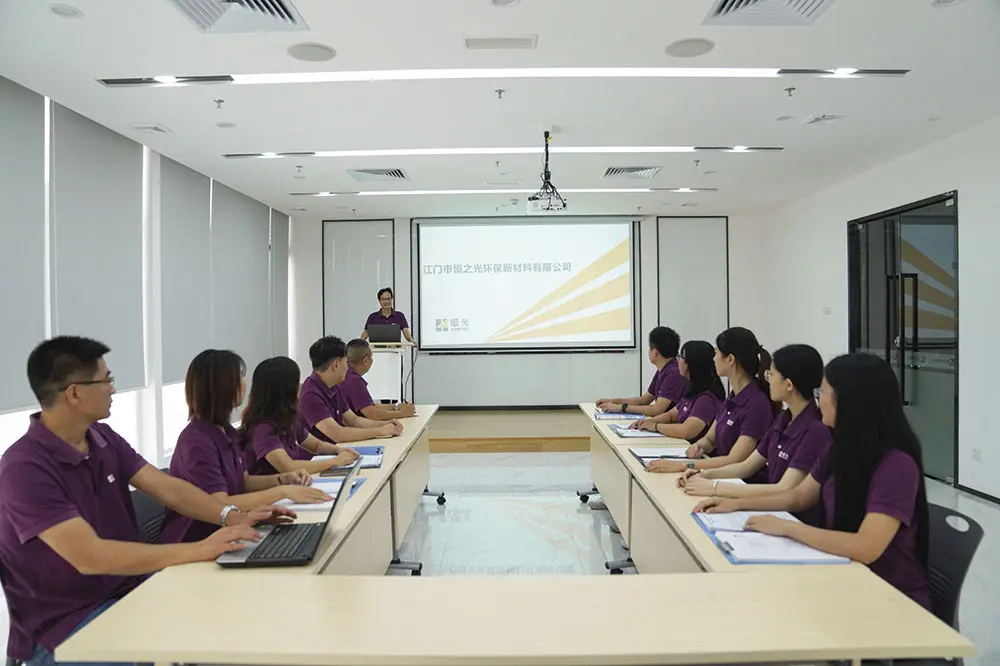
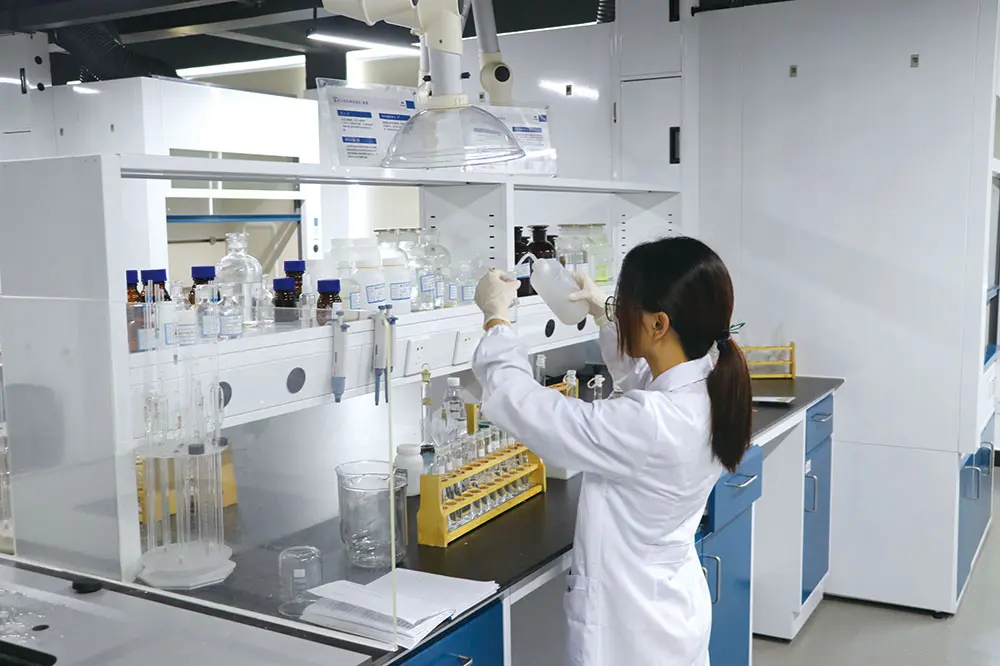
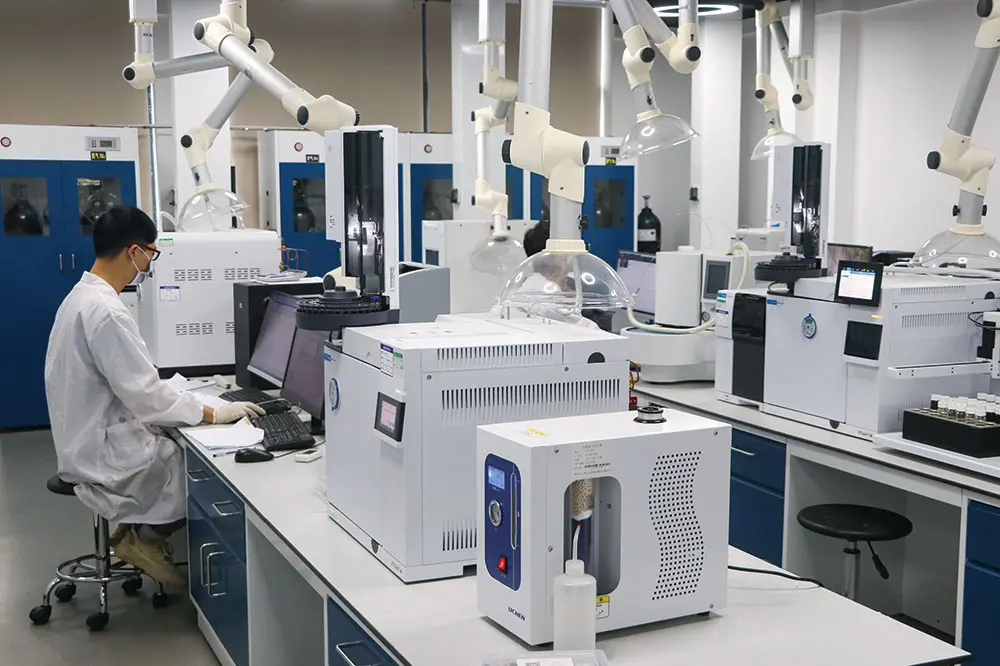
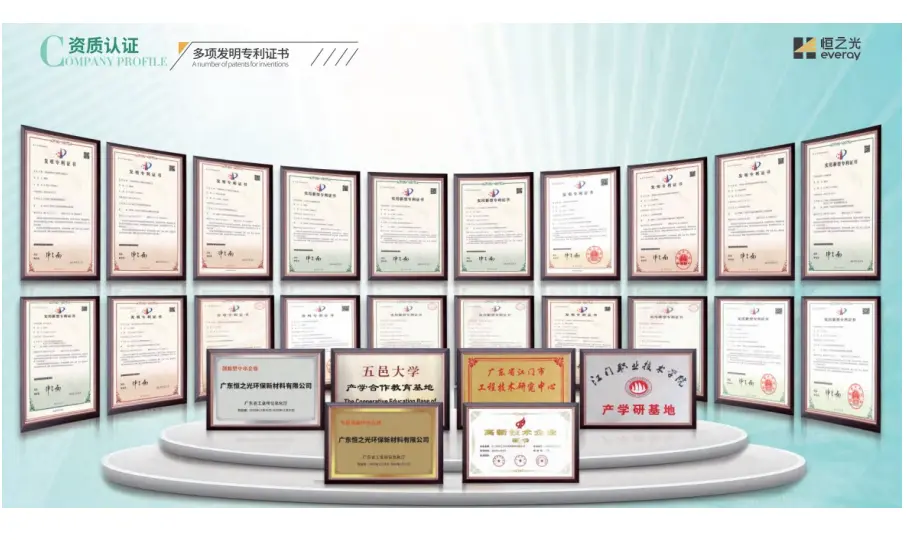
With more than 10 invention patents and practical utility patents and a dedicated team of 15+ professional R&D chemists and technicians, our laboratory is constantly tailoring resin parameters. We fine-tune reactivity profiles, double-bond density, cross-linking configurations, and curing behaviors to solve real-world problems. Whether the challenge is developing high gloss varnishes, creating flexible adhesives for multi-substrate plastics, or optimizing cost structures, we work directly with customers to formulate optimized solutions.
We are committed to the harmony of technology and environmental protection, driving sustainability through the development of waterborne systems and zero-VOC options.
When chemical formulators search for UV resins, they often evaluate three core physical parameters: double bond density (reactivity), viscosity, and backbone composition.
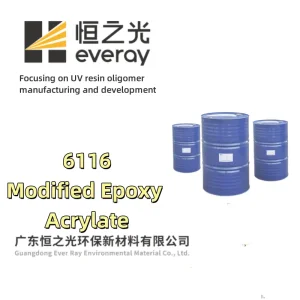
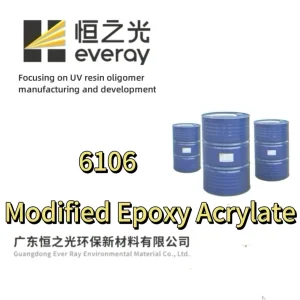
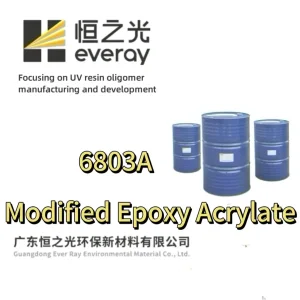
1. Reactivity Profile: High double bond density provides rapid curing and hard surfaces, but it also increases polymerization shrinkage. For applications like thin film coating or screen ink, selecting a modified epoxy acrylate (like 6106 or 6803A) balances rapid curing with strong adhesion.
2. Tackling Polymerization Shrinkage: Shrinkage is the primary cause of adhesion failure on non-porous surfaces like plastics and metals. By incorporating low-shrinkage monomers and polyurethane acrylates (such as the 72021E for multi-substrate bonding), formulators can create stress-relieving matrices that maintain adhesion even under fluctuating environmental conditions.
3. Viscosity Profiles: Viscosity dictates application methods, whether spray, roller, or curtain coating. Incorporating low-viscosity oligomers like the 1262B reduces the need for large quantities of volatile monomers, protecting the structural integrity and safety of the formulation.
Discover more specialty resins, from low-shrinkage acrylates to dual-cure polyurethane systems, designed to meet strict industrial specifications.
 Ever Ray