Direct-from-factory technical grade resins, engineered for optimized polymerization kinetics, extreme adhesion, and minimal shrinkage.
The global demand for industrial-grade epoxy resins and radiation-curable (UV/EB) oligomers is undergoing a massive transformation. Historically driven by traditional solvent-based systems, global manufacturing sectors are transitioning at pace toward 100% solids, zero-VOC (Volatile Organic Compound) formulations. This shift is mandated not only by stringent regional environmental compliance frameworks such as EU REACH, EPA regulations, and China's VOC taxation, but also by efficiency demands of smart factories.
Modern industrial operations require photopolymer chemistry that balances extreme reactivity with physical performance stability. As production speeds accelerate, manufacturers require oligomers with tailored molecular weights, controllable cross-linking density, and consistent viscosity profiles. The intersection of green chemistry and high-performance manufacturing has positioned epoxy acrylates, polyurethane acrylates (aliphatic and aromatic), polyester acrylates, and pure acrylates at the core of the global industrial supply chain.
Procuring industrial resins at scale demands stringent evaluation methodologies. Global buyers prioritize reliability, chemical consistency, and supply chain transparency.
Even minor fluctuations in viscosity or reactivity index can disrupt automated UV coating lines. Global enterprises seek suppliers utilizing DCS (Distributed Control Systems) to monitor and adjust synthetic processes in real time, ensuring steady quality standards across tons of volume.
From ABS, PC, and PET plastics to untreated metals and dense hardwoods, modern formulations require precise adhesion promoters. Aliphatic polyurethane acrylates and modified epoxy acrylates must be custom-formulated to maximize interfacial binding.
For high-throughput applications like flexo packaging inks, wood veneer lines, and optical coatings, fast cure speeds are essential. The material design must balance cross-linking speed with minimal shrinkage to prevent surface distortion or warping.
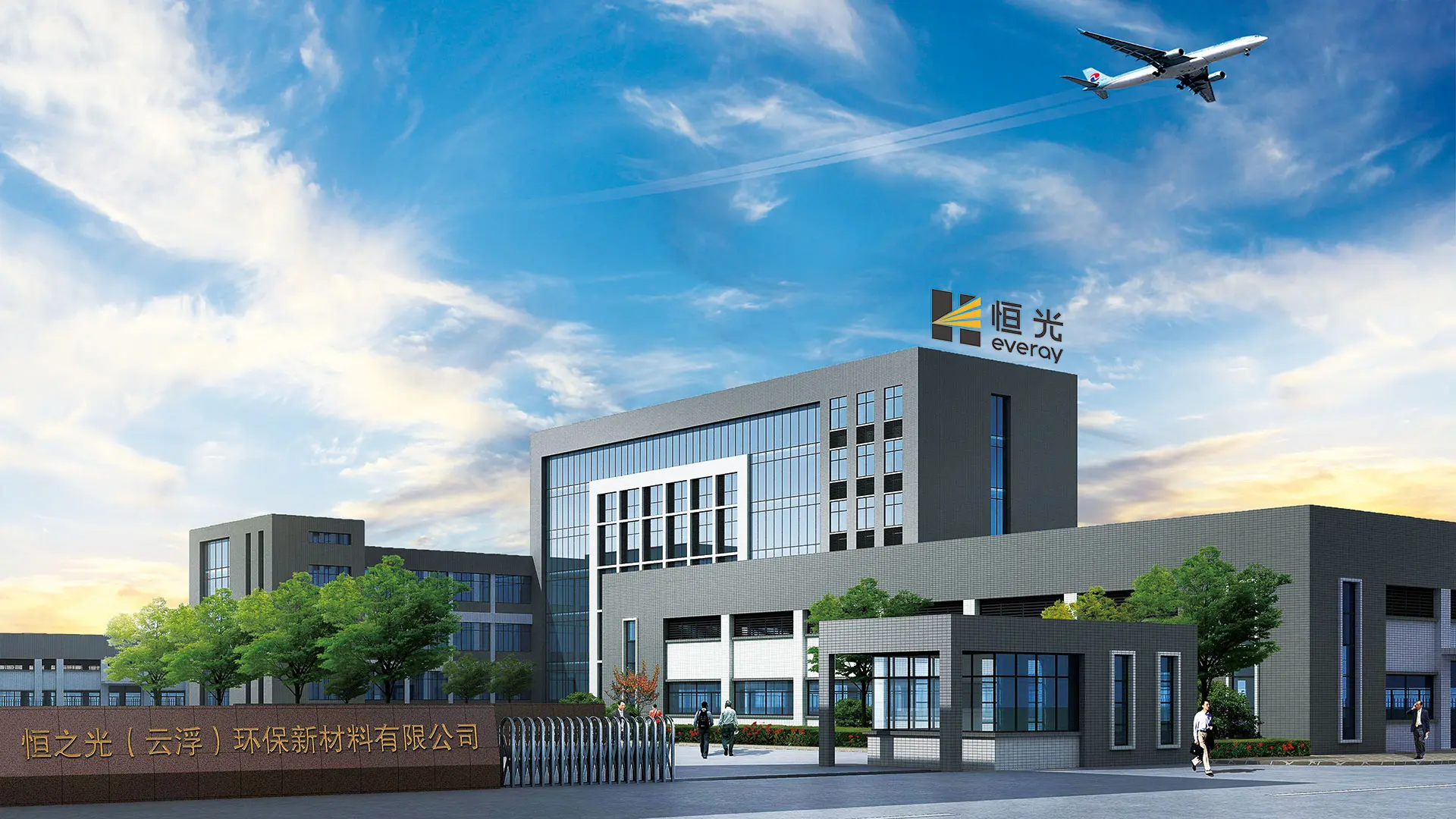
Established in 2006, Guangdong Ever Ray Environmental Material Co., Ltd. represents the cutting edge of industrial photopolymer R&D. We specialize in synthesizing high-performance oligomers designed for high-end industrial application scenarios.
We operate two chemical synthesis hubs. Our Jiangmen plant (10,000 sqm) drives rapid prototyping, custom formulation adjustments, and specialized oligomer production. Our Yunfu production base (40,000 sqm) is optimized for automated bulk volume synthesis. Both facilities are managed under rigorous ISO9001 quality management systems and ISO14001 environmental frameworks.
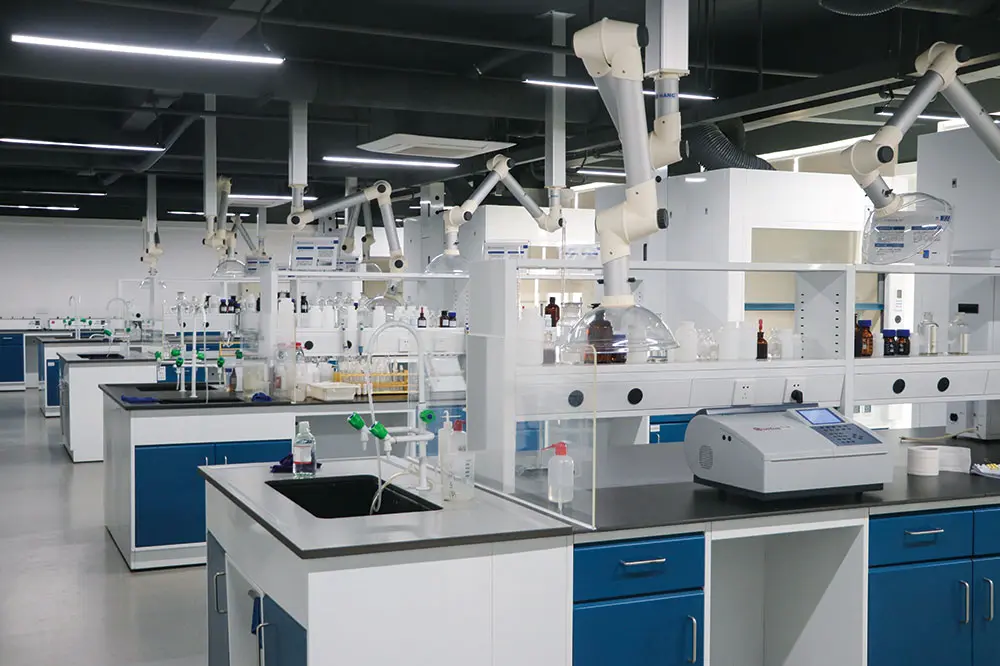
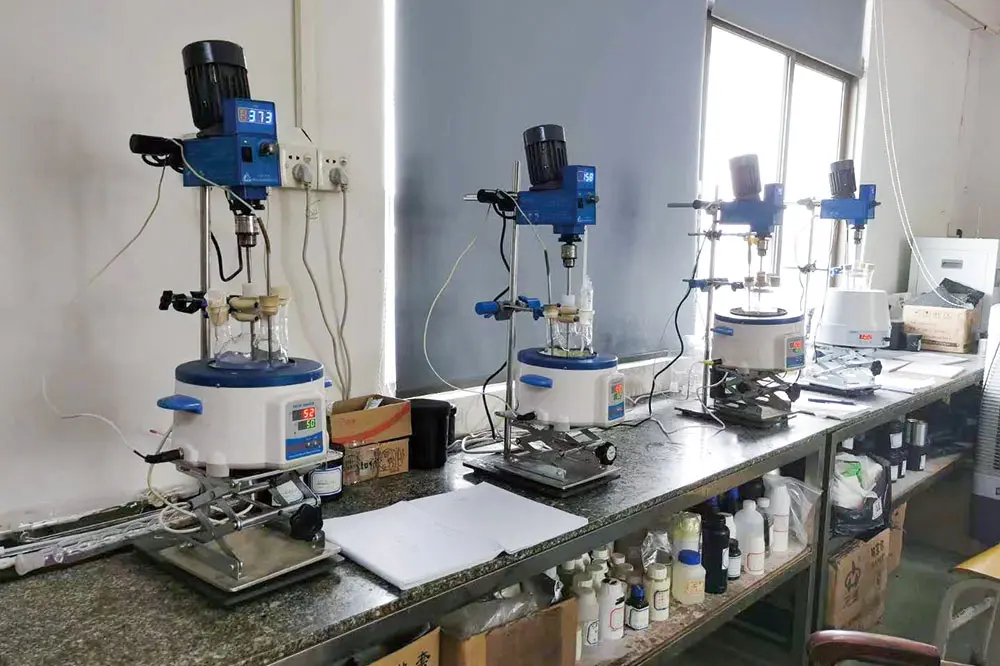
Equipped with high-precision, DCS fully computerized control systems, we automate feed rates, temperature parameters, and esterification cycles. By selecting high-purity domestic and global raw materials and collaborating with senior industrial UV curing experts, we deliver highly stable chemical outputs.
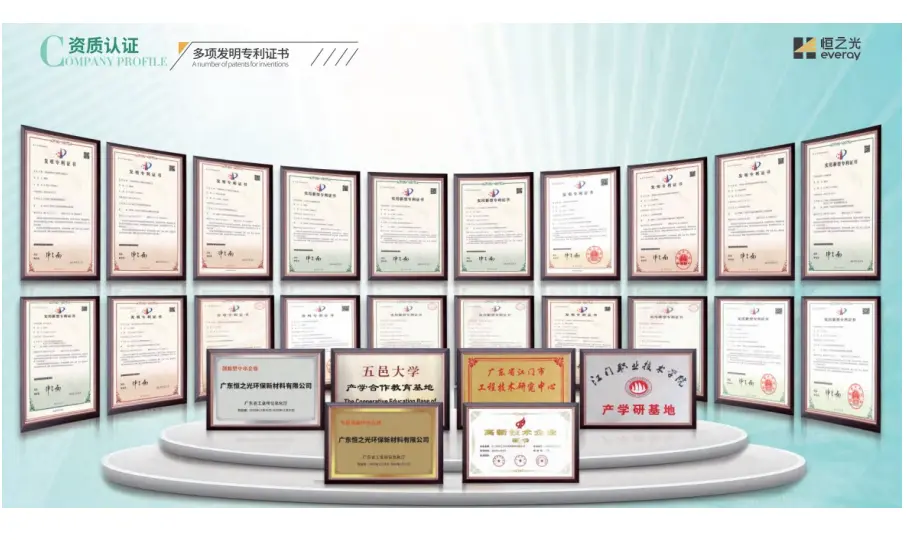
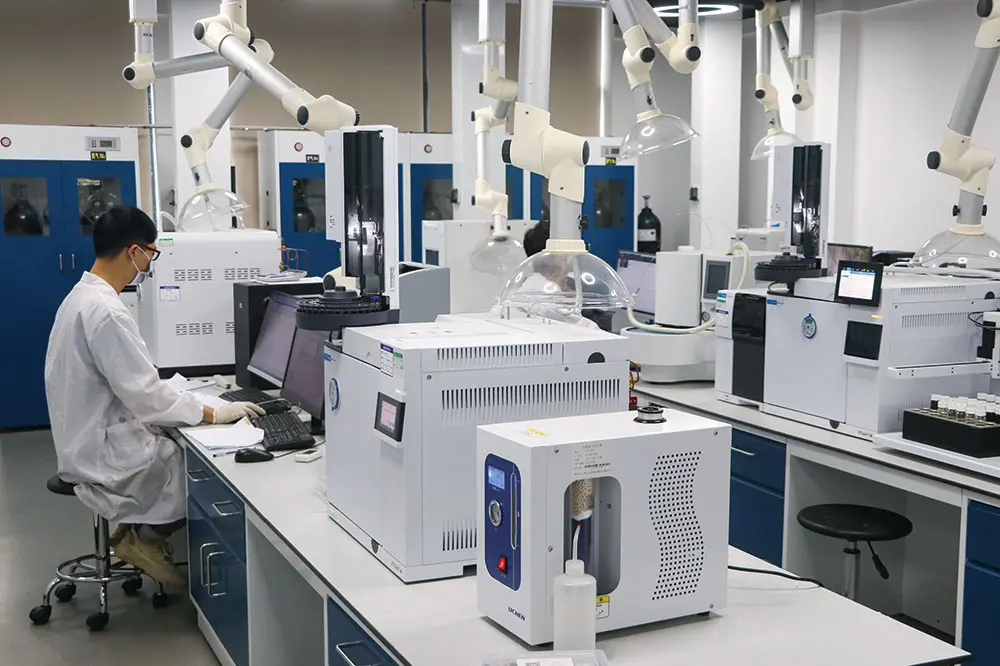
Visualizing our smart logistics, advanced analytical testing labs, and state-of-the-art reaction vessels.
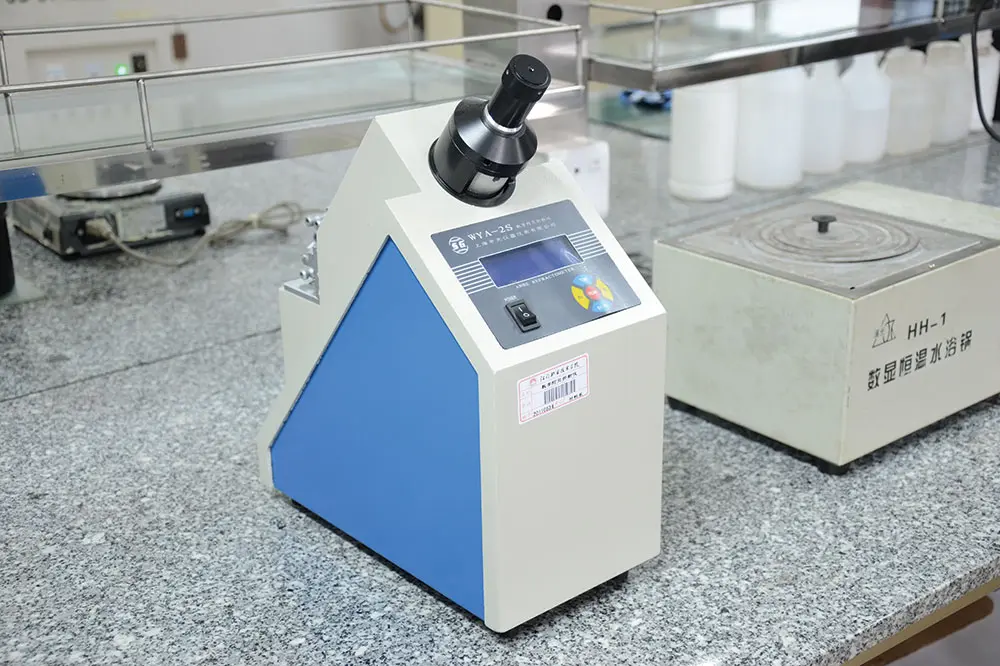
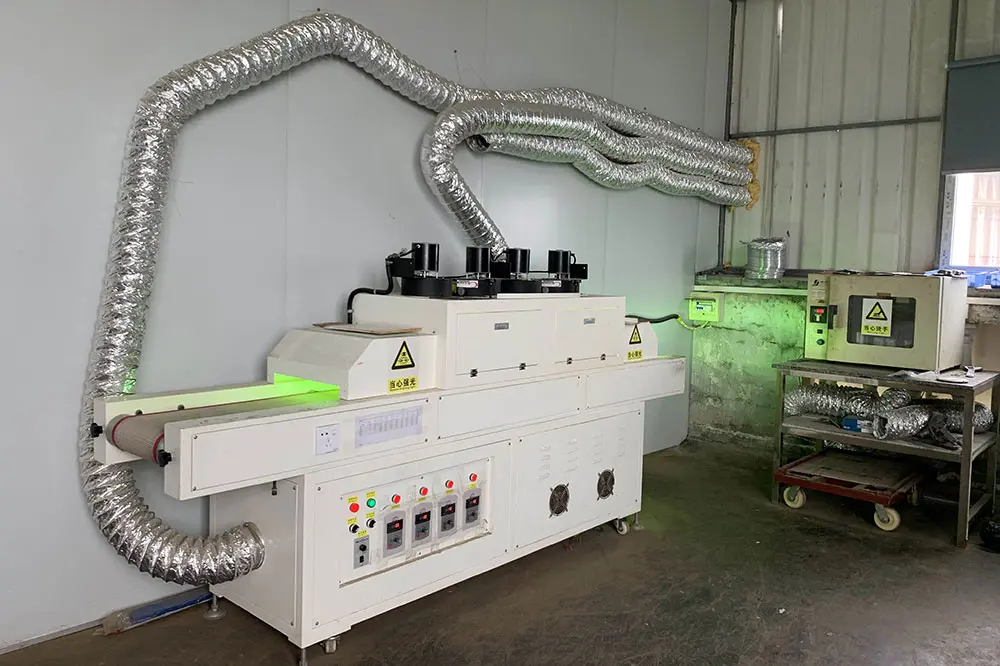
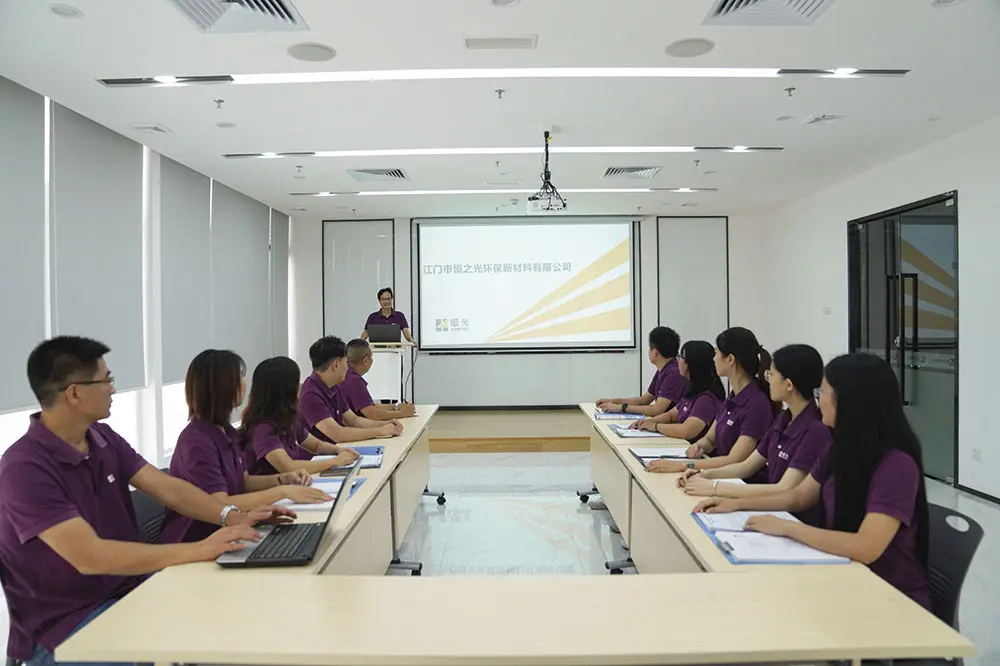
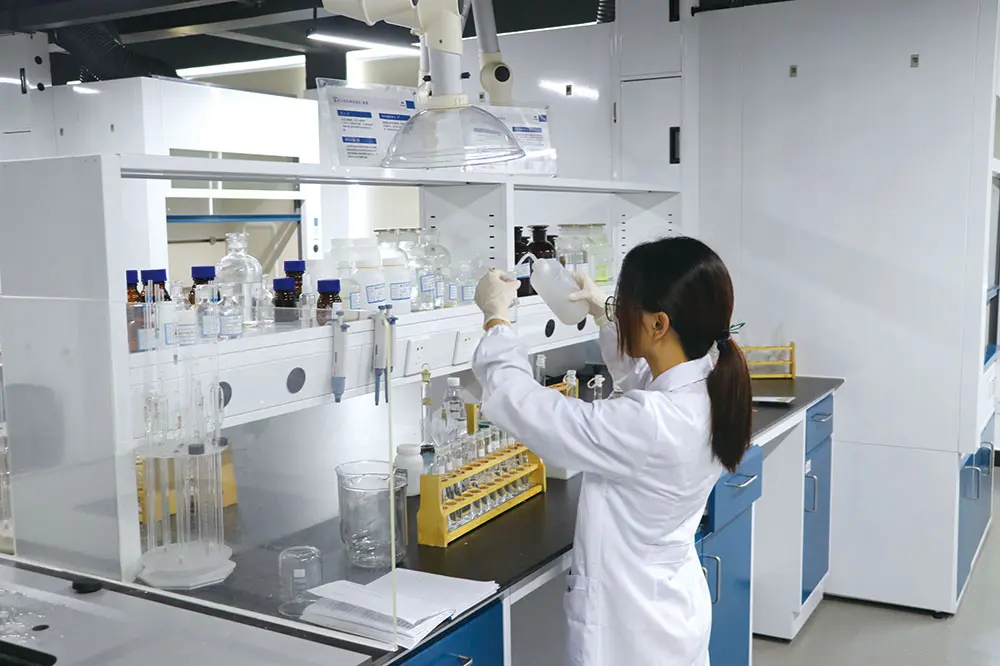
Delivering specialized performance profiles across primary industries, from high-fidelity 3D manufacturing to protective metal finishes.
Modern 3D printing requires elastomeric lattices with high energy return and zero structural sagging under load. Products like 72017A-8 Dual-Curing UV Resin are custom-developed for additive footwear production, providing low shrinkage, high tensile elasticity, and high tear-propagation resistance.
For metallized automotive trims, cosmetics caps, and high-gloss consumer electronics casings, the primer and topcoat require exceptional intercoat adhesion. Formulations containing 7620 UV-curing Resin and 1730 UV resin guarantee stable adhesion to aluminum-deposited layers while resisting degradation under chemical and thermal exposure.
Our aliphatic and aromatic urethane acrylates, including waterborne variants, offer superior surface hardness, excellent anti-yellowing performance, and high scratch resistance for natural wood grain and veneer. Formulations scale from high-gloss varnishes to matte applications utilizing low-viscosity systems like 7411B.
Choosing the correct chemical backbone is critical to achieving specific end-use physical properties. Here is how chemistry dictates performance:
Generally synthesized from bisphenol-A epoxy resins, epoxy acrylates represent the industry workhorse for rigid coatings, high-speed inks, and paper varnishes. They are characterized by rapid curing rates, high surface hardness, excellent chemical resistance, and high gloss. However, their highly cross-linked networks can exhibit rigidity and susceptibility to shrinkage. Our R&D department addresses this by incorporating modifiers (such as in product 61003A) to introduce toughness and yellowing resistance while retaining rapid curing speeds.
Polyurethane acrylates combine the chemical resistance of polyurethanes with the cure kinetics of acrylates. They are split into two sub-categories:
Offering low melt viscosity and excellent dilution capacity, polyester acrylates serve as versatile formulation vehicles. They are widely utilized in lithographic, offset, and flexographic packaging inks. Products like 56031 and 5351 provide low viscosity alongside high pigment wetting capability, which is essential for ensuring sharp color definition and high-speed film deposition on automated lines.
Waterborne UV oligomers (such as 70251) leverage water as a temporary carrier, allowing viscosity adjustment without the addition of monomeric diluents. Once the water is flashed off, the film is UV-cured to form a fully cross-linked network. This eliminates VOC emission entirely, simplifies equipment wash-downs, and allows for ultra-thin coatings on complex 3D substrates, wood composites, and plastic films.
Addressing the most common technical, logistical, and design-related inquiries from global chemical procurers.
Select from our specialized line of polyurethane acrylates, modified epoxy acrylates, and low-viscosity resins.
 Ever Ray