Explore our highly reactive, chemical-resistant, and low-shrinkage chemical agents engineered for industrial packaging, flooring, and electronics.
Established in 2006, Guangdong Ever Ray Environmental Material Co., Ltd. is a nationally recognized high-tech enterprise focusing on the intensive research, development, and high-capacity manufacturing of high-performance oligomers for UV curable resin. Our core product portfolio includes epoxy acrylate, polyurethane acrylate (water-borne, aliphatic urethane, aromatic urethane), polyester acrylate, pure acrylate, and specialized modified functional monomers.
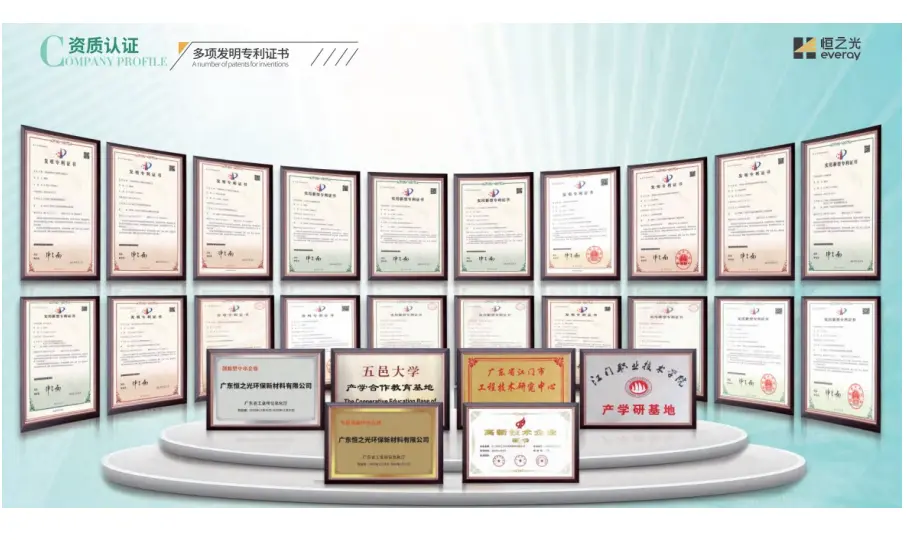
By focusing on technology and harmonious environmental co-existence, we employ more than 15 chemical synthesis engineers and technical specialists in our R&D center. With over 10 invention patents and practical patents, we actively work with international formulators to customize product physical attributes—offering custom-tuned curing speeds, superior leveling properties, targeted viscosity ranges, and optimal costs.
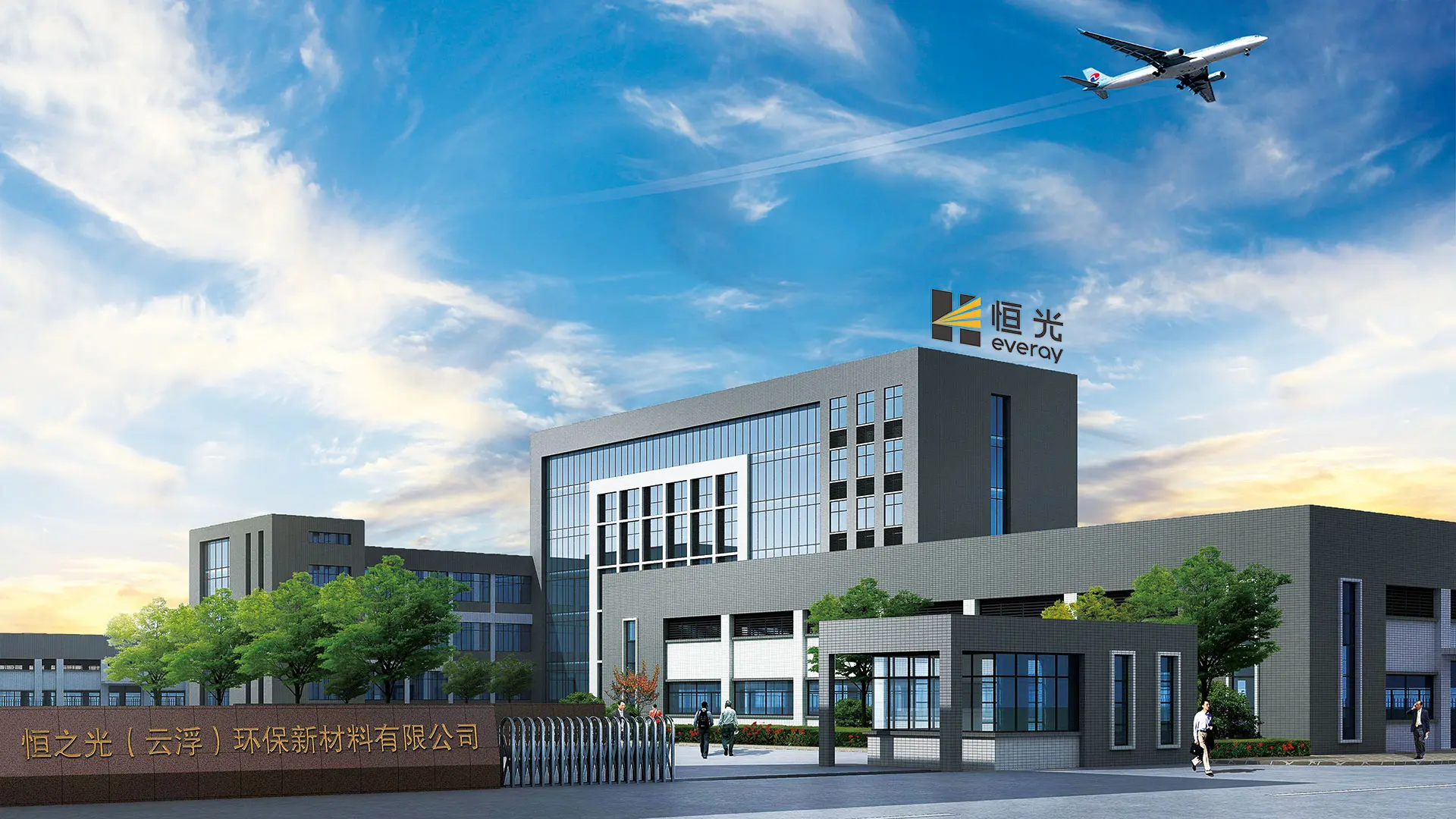
To fulfill complex B2B global supply demands, we operate two chemical production bases in Guangdong Province, China:
Both factories run under structured ISO9001 Quality Management and ISO14001 Environmental Management Systems. To guarantee perfect batch-to-batch chemical stability, we use a fully computerized, flexible DCS (Distributed Control System) automation control panel. By carefully selecting verified domestic and international raw materials and cooperating with industry-leading UV material scientists, we achieve consistent molecular weights and curing properties across our annual output capacity of over 20,000 tons.
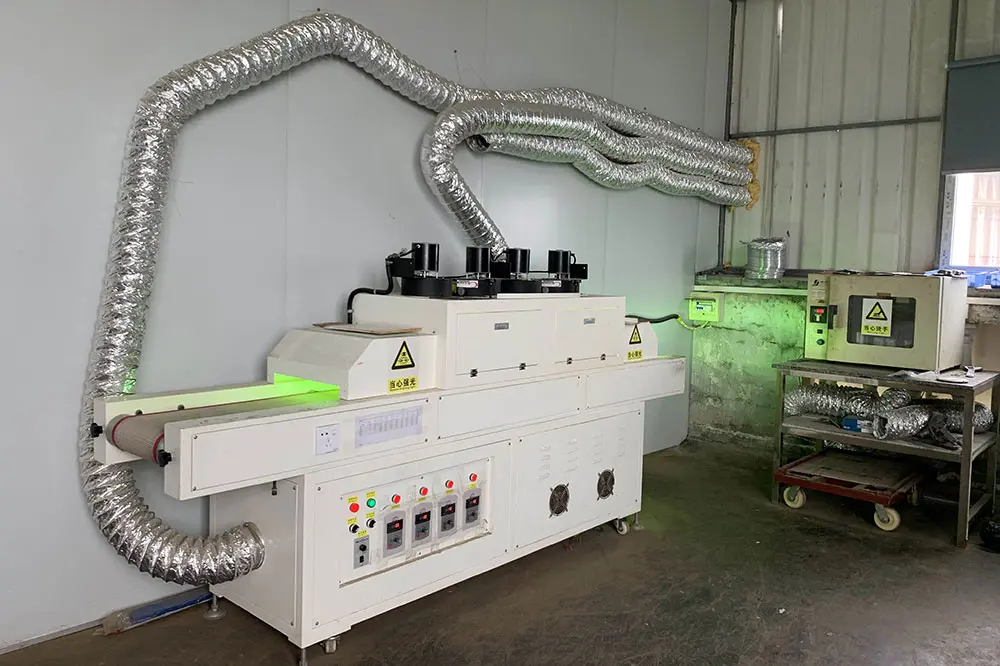
Understanding the transition from traditional thermal curing systems to highly efficient photo-polymerization technologies.
Globally, environmental regulators are clamping down on solvent-based finishes. UV oligomers contain 100% active solids, eliminating hazardous air pollutants (HAPs) and helping factories comply with stringent VOC laws.
Traditional thermal drying tunnels consume massive amounts of floor space and electricity. Photo-curable lines cure instantaneously using UV-LED sources, reducing overall power consumption by up to 70%.
UV curable coatings provide high cross-linking density. This ensures incredible resistance to chemical degradation, surface micro-scratches, and high temperatures on PVC, wood, PMMA, and metallic surfaces.
To formulate an effective UV curable system, you must balance three primary raw material categories: oligomers, monomers (reactive diluents), and photoinitiators. The oligomer acts as the primary molecular backbone, defining the film's structural characteristics, such as toughness, flexibility, and weathering resistance.
Epoxy Acrylates (e.g., 6100D, 6231): Renowned for their fast curing speed, high gloss, and exceptional hardness. These polymers are highly suited for paper overprint varnishes (OPV), plastic protective coatings, and wood sealants where high scratch resistance is key.
Polyester Acrylates (e.g., 5311A, 5218): Offer a balanced performance profile, combining excellent pigment wetting properties with low viscosity. Formulators select these resins to achieve uniform dispersion in heavily pigmented inks and primers.
Polyurethane Acrylates (Aliphatic/Aromatic): Aliphatic urethane acrylates provide premium outdoor durability and resistance to yellowing, making them the industry standard for automotive clear coats and exterior architectural films. Aromatic variations offer cost-effective, high-toughness coatings for indoor applications.
Sourcing direct from high-capacity Chinese chemical zones offers critical strategic benefits for global chemical procurement networks:
By operating within major industrial parks in Guangdong, Ever Ray enjoys direct access to key bulk chemical feedstocks (acrylic acid, polyols, isocyanates, and epoxies). This limits exposure to raw material price volatility.
Human error is the leading cause of chemical batch variations. By utilizing fully computerized Distributed Control Systems (DCS), our synthesis process accurately maintains reactor temperatures, pressure cycles, and feed times within margins of ±0.5%.
Proximity to major deep-water ports, such as Shenzhen, Nansha, and Guangzhou, ensures rapid port transit, simplified hazardous goods export handling, and containerized chemical logistics management.
Customizing physical and chemical performance profiles to match localized regional needs.
In North America and Europe, luxury vinyl tile (LVT) and stone plastic composite (SPC) flooring demand high scratch resistance. Using low-shrinkage oligomers like 1290H prevents board warping during high-speed production, creating a durable barrier against heavy foot traffic.
Food and cosmetic packaging require strict odor control. Our low-odor resins (such as 2406 and 5017) allow converter facilities to formulate high-speed UV flexo and offset inks that cure completely, eliminating chemical migration risks.
For elastomer applications like 3D-printed shoe midsoles, dual-curing resins (such as 72017A-8) provide excellent tensile strength and high flexibility, allowing rapid printing times without compromising physical properties.
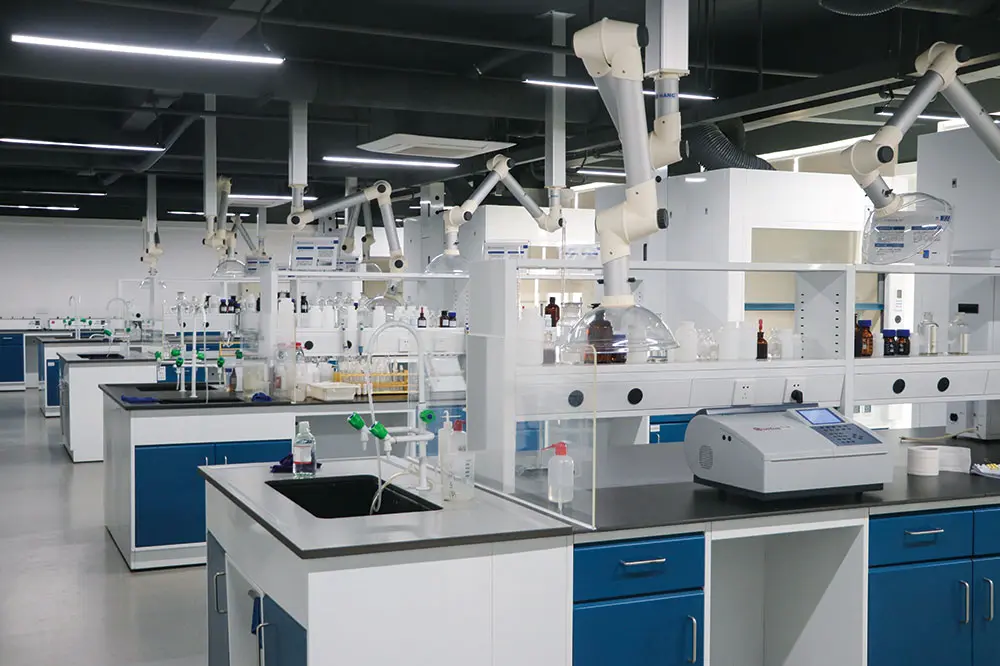
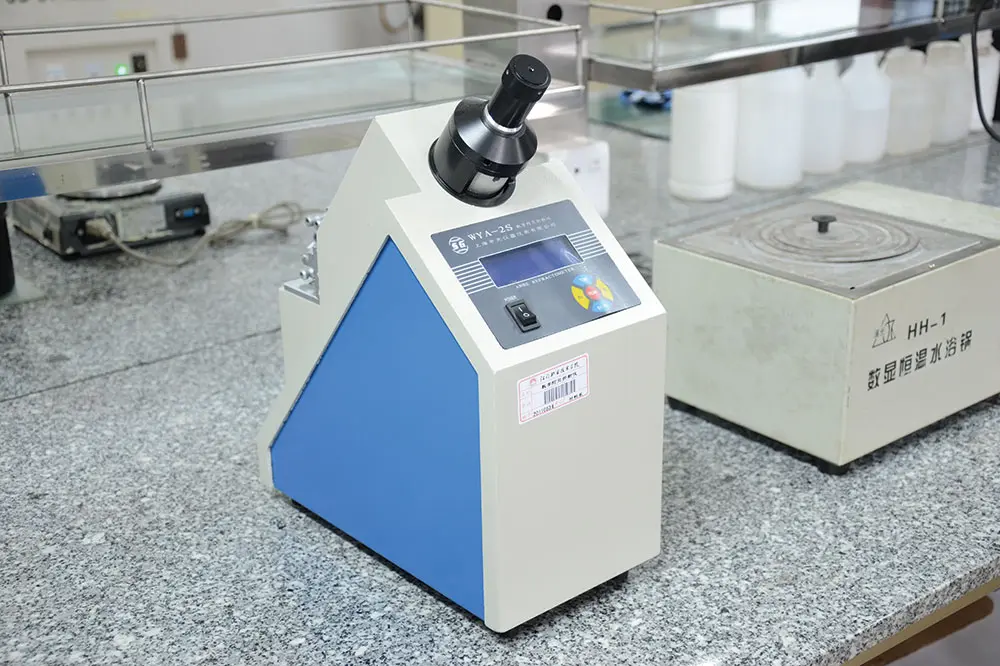
To maintain product quality, our testing facilities check all outgoing batches against strict parameters:
Adapting to shifts in photo-cure technologies, bio-derived feedstocks, and environmentally friendly chemistry.
Traditional mercury arc lamps produce significant heat and ozone, requiring expensive exhaust systems. The industry is rapidly shifting toward UV-LED light sources. However, LED emitters work within narrow wavelengths (often 395nm), which requires highly reactive oligomers. Our Polyester Acrylate 5501 is optimized for these narrow wavelengths, providing rapid cure rates under low-energy LED light systems.
To lower carbon footprints, we are researching bio-derived raw materials, including modified soybean, castor, and cardanol-based epoxies. These sustainable oligomers maintain the physical performance of traditional petroleum-based resins while increasing green carbon content in final formulations.
Waterborne UV polyurethane dispersions (UV-PUDs) combine the low-viscosity benefits of water-based systems with the rapid curing speeds of UV technology. This technology is highly suited for wood stains and thin plastic coatings, providing excellent film build, low VOCs, and minimal film thickness.
For complex 3D structures or shaded areas where UV light cannot reach, dual-cure systems combine UV curing with secondary thermal or moisture cure mechanisms. This ensures complete chemical cross-linking throughout the substrate, improving bond strength and reliability.
Meeting environmental, health, and safety (EHS) standards worldwide.
We help clients navigate chemicals regulation, including REACH registration in the EU and TSCA inventory compliance in the US, ensuring smooth customs clearance and import logistics.
Every resin batch includes Globally Harmonized System (GHS) compliant Safety Data Sheets (SDS) and technical datasheets (TDS) in English, clarifying proper storage, handling, and PPE requirements.
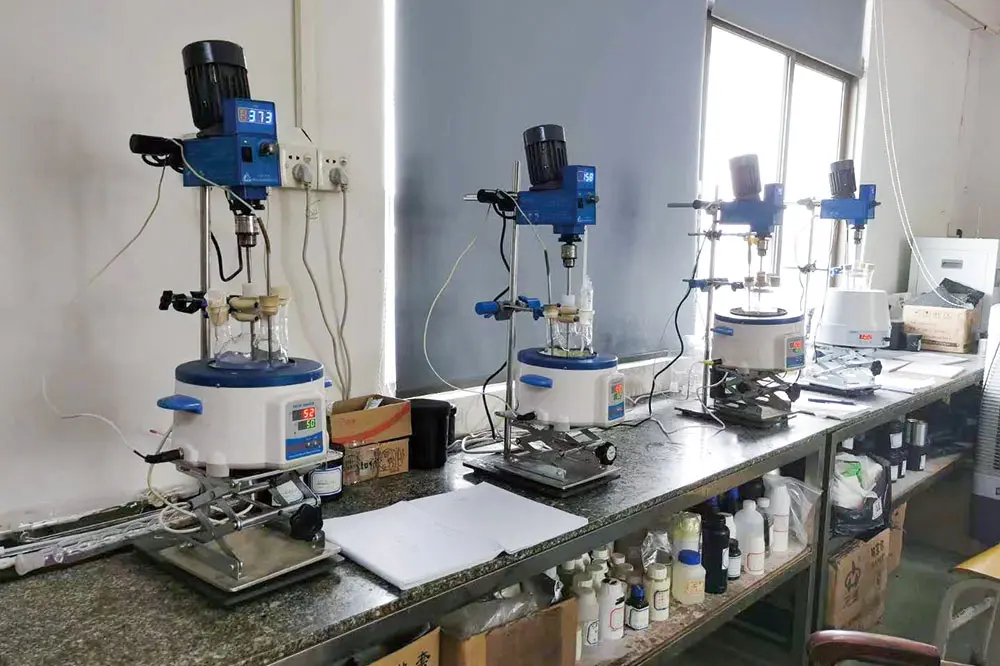
Our R&D application laboratory assists with troubleshooting, helps adjust photoinitiator ratios, resolves surface wrinkling issues, and optimizes adhesion properties for target substrates.
Answers to common chemistry, formulation, and shipping questions.
Adhesion issues on plastics are often caused by volumetric shrinkage during polymerization. When monomers and oligomers cure quickly, they shrink, creating stress at the interface between the substrate and the coating. To resolve this, use low-shrinkage oligomers like 1290H or 5017, or blend in adhesion-promoting polyester acrylates like 5218 to relieve mechanical stress and improve adhesion.
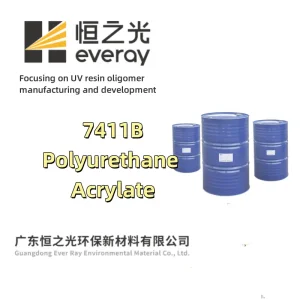
Viscosity can be lowered by adding monofunctional or difunctional monomers. However, too much monomer can slow down the curing rate and reduce cross-linking density. To maintain high curing speeds at low viscosity, we recommend using low-viscosity, high-activity oligomers like 7411B combined with fast-curing epoxy acrylates like 6100D.
Our ISO9001-certified factories manage chemical feeding, temperature profiles, and reaction timing using a fully automated DCS system. We test every batch for key parameters like viscosity, acid value, color, and curing speed, ensuring all parameters stay within strict tolerances before shipment.
Yes, many of our oligomers, such as the Polyester Acrylate 5501, are designed for LED-UV applications. Since LED lights emit in a narrow range, we optimize these resins to work efficiently with modern photoinitiator packages (like TPO or DETX), ensuring complete surface curing.
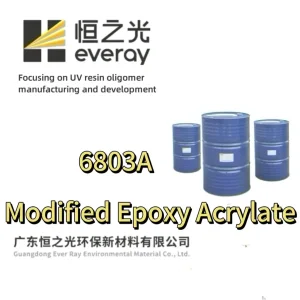
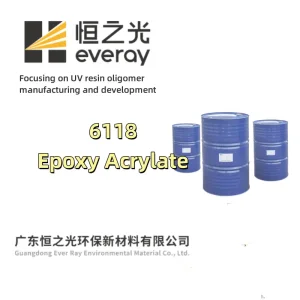
Our liquid UV resins are packaged in heavy-duty, light-blocking steel drums (200kg) or intermediate bulk containers (IBC drums, 1000kg) to prevent exposure to light and heat. All export shipments comply with GHS labelling and international maritime hazardous goods regulations.
Yes. Our R&D team, consisting of over 15 specialists, can adjust parameters like molecular weight, acrylic functionality, and viscosity to match your manufacturing process, helping you optimize performance and control costs.
High-purity resins engineered for wood topcoats, plastic varnishes, packaging inks, and 3D elastomer footwear.
 Ever Ray