Explore our premium grade functional oligomers engineered to optimize cure speeds, cross-linking density, and substrate adhesion for commercial UV inks.
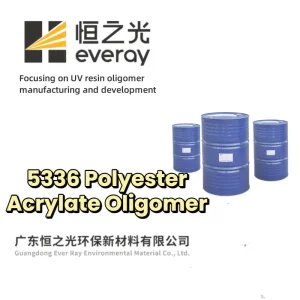
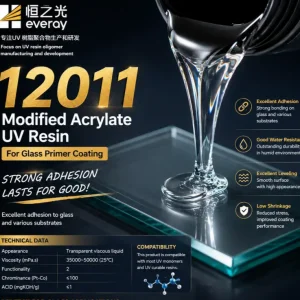
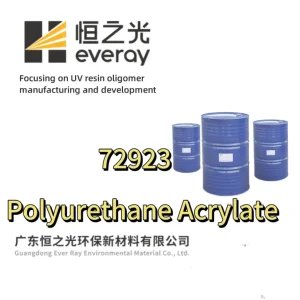
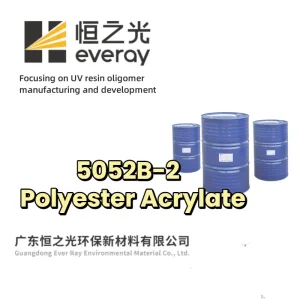
Founded in 2006, Guangdong Ever Ray Environmental Material Co., Ltd. is a premier national high-tech enterprise dedicated to the R&D and precision synthesis of premium oligomers for UV-curable systems. Our polymer engineering capabilities focus on delivering key functional intermediates, including epoxy acrylates, polyurethane acrylates (waterborne, aliphatic urethane, and aromatic urethane), polyester acrylates, pure acrylates, and specialty modified acrylate oligomers designed to optimize curable printing inks, industrial coatings, and performance adhesives.
As a key supplier in the global photopolymer chain, we formulate materials that strike a balance between high reactivity, superior chemical resistance, thermal stability, and cost-effectiveness. In an era where VOC regulations and energy-efficient LED curing processes drive industrial design, Ever Ray serves as an essential partner for chemical formulators, ink manufacturers, and industrial OEMs worldwide.
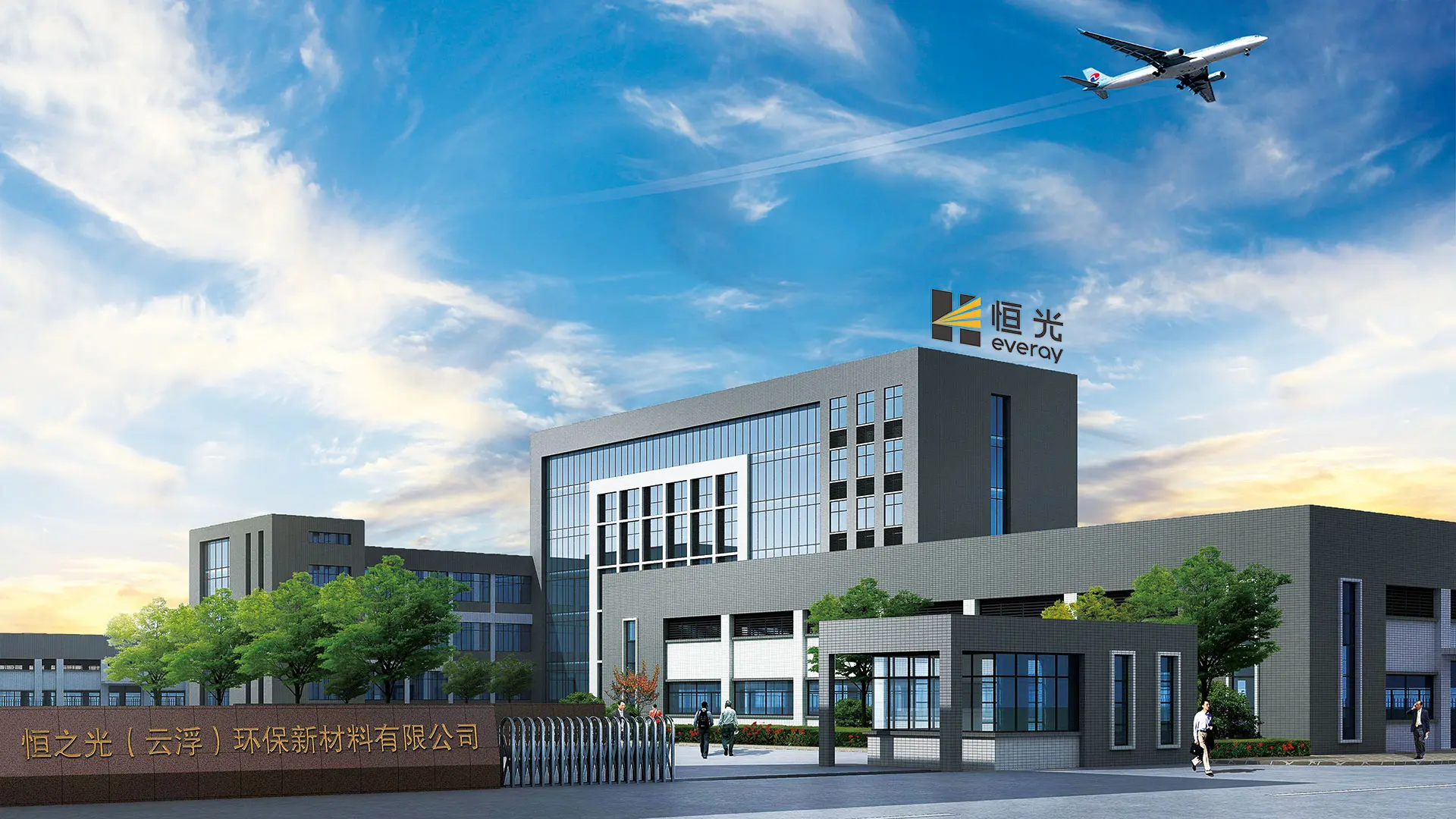
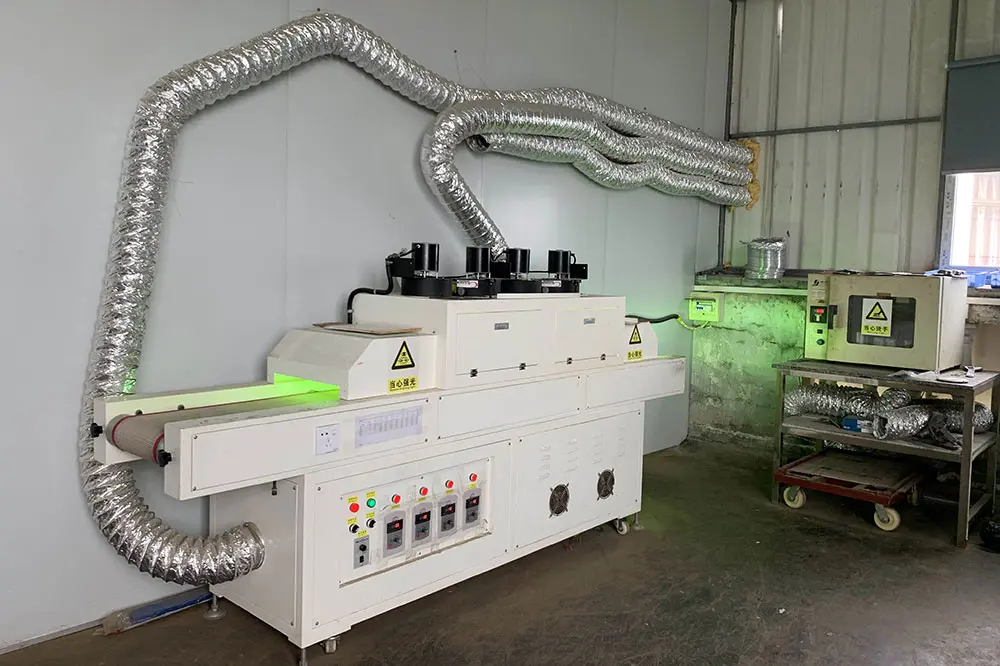
Operating with two advanced manufacturing facilities in Guangdong Province, we guarantee supply chain continuity and scale to meet global industrial demands.
Our manufacturing matrix consists of two primary production bases designed for chemical synthesis, purification, and packaging:
Equipped with more than 10 fully operational production lines, our aggregate annual capacity exceeds 20,000 metric tons. To achieve precise batch-to-batch consistency, both bases operate under a fully computerized DCS (Distributed Control System). This digital oversight controls reaction temperatures, pressure thresholds, and feed rates in real time, minimizing human error and stabilizing molecular weight distributions.
Both plants are certified to ISO9001 Quality Management Systems and ISO14001 Environmental Management Systems. We source raw materials from vetted multinational chemical suppliers and employ top domestic UV materials experts to ensure compliance with strict environmental, health, and safety standards.
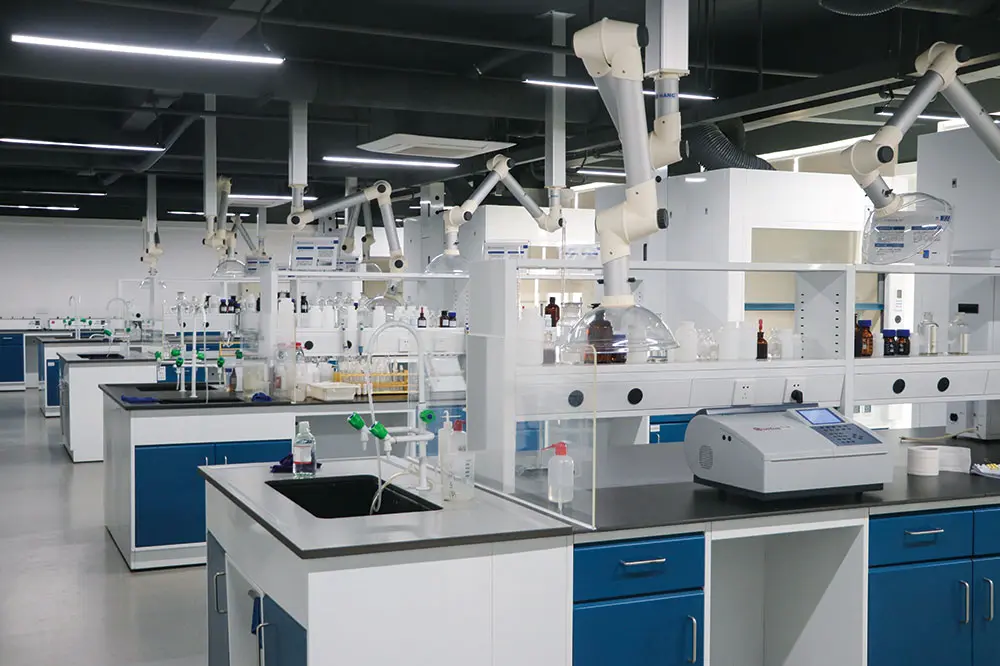
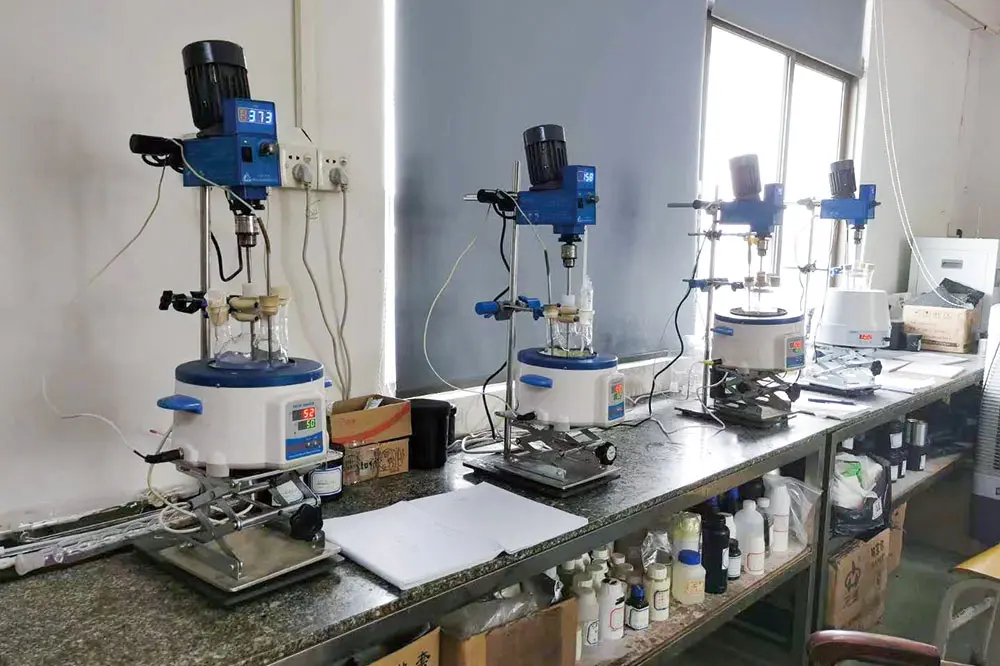
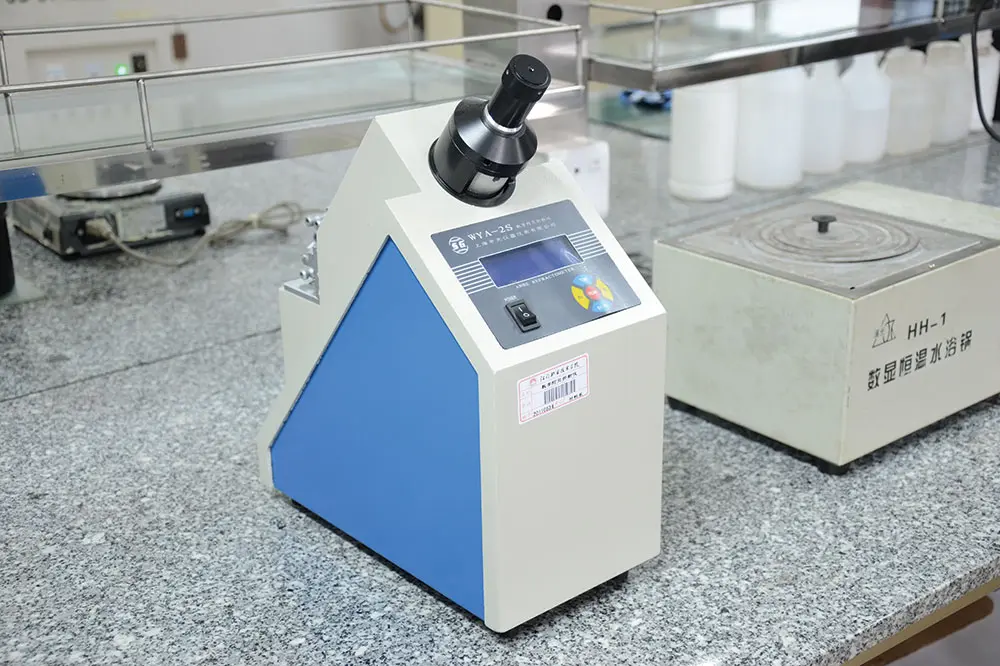
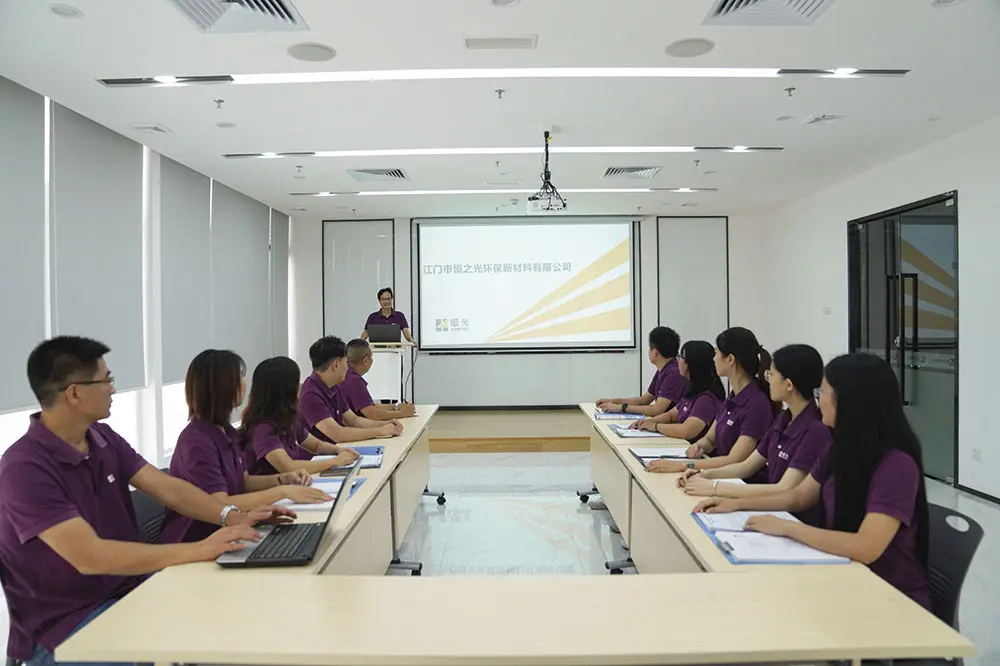
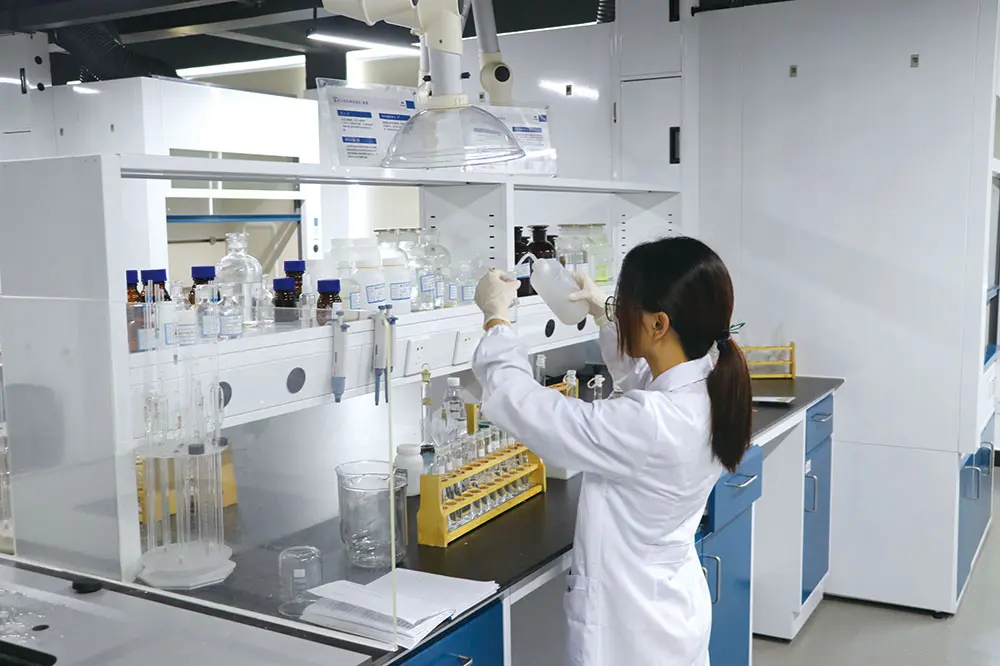
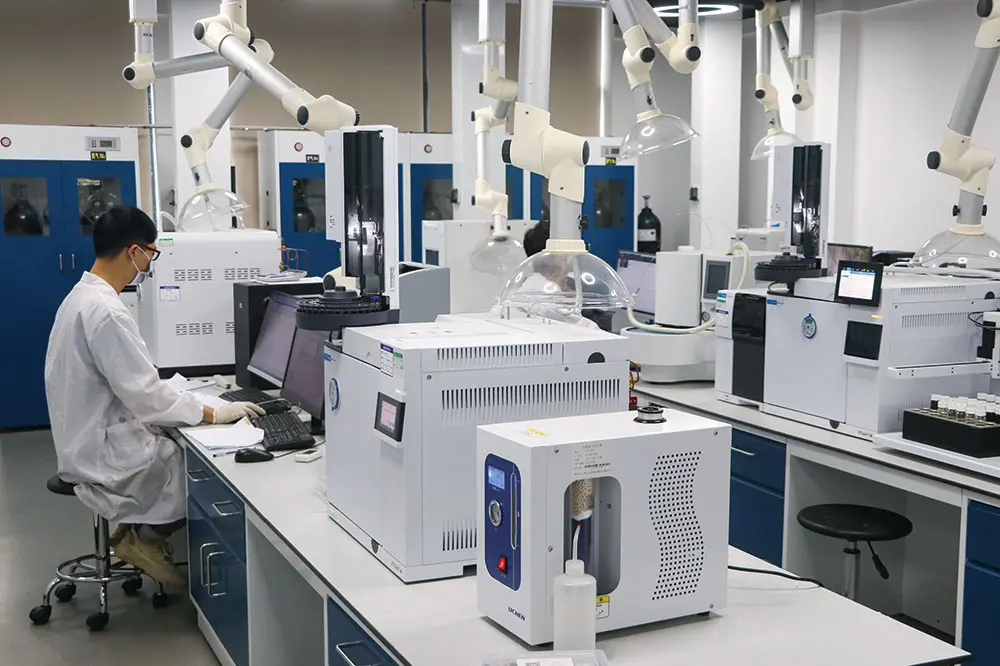
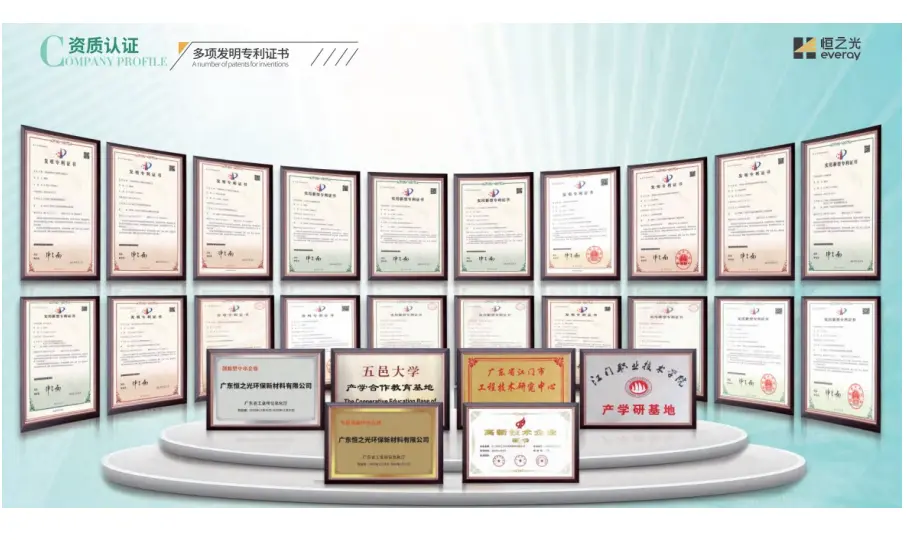
Innovation at Ever Ray is driven by our dedicated R&D division, staffed by over 15 senior polymer synthesis technicians and chemists. We hold more than 10 utility and invention patents that cover novel oligomer structures with high reactivity, scratch resistance, and low shrinkage profile.
Our laboratory is fully equipped with advanced diagnostic equipment, including Gel Permeation Chromatography (GPC) for molecular weight distribution analysis, Fourier-Transform Infrared Spectroscopy (FTIR) for monitoring real-time curing rates, and universal mechanical testers to measure adhesion, flexibility, and tensile strength. We don't just sell resins; we deliver custom formulations that solve specific problems like shrinkage, adhesion to difficult substrates (plastics, glass), and yellowing under high-UV exposure.
Selecting the right oligomer is critical for ink and coating performance. Here is a breakdown of our four primary resin classes and their characteristics.
Known for exceptionally high reactivity, surface hardness, high gloss, and chemical resistance. Excellent for rigid substrates. Featured products: 6118 and 6100D, widely used in overprint varnishes (OPV) and offset packaging inks.
Striking the ideal balance between flexibility and hardness. Available in aliphatic (non-yellowing, excellent weatherability) and aromatic versions. Featured products: 72923 and our wholesale range for flexible packaging and electronics.
Low viscosity, excellent pigment wetting properties, and balanced flexibility. Essential for high-pigment-load flexographic and inkjet formulations. Featured products: 5336, 5052B-2, and 5377A.
Sourcing UV oligomers and resins from Ever Ray’s manufacturing hub in Guangdong offers major strategic advantages for global buyers:
Every single batch of UV resin undergoes rigorous testing prior to departure. We issue standard Certificate of Analysis (COA) documents reporting exact viscosity values, acid value tolerances, chromaticity, and curing speed margins to match your specific production requirements.
We ensure smooth custom clearance and environmental compliance by meeting all major international chemical regulations.
We actively comply with the European Union's REACH regulations and the United States' TSCA inventory, enabling legal import and distribution of our acrylates across key markets.
Our oligomers are formulated to meet EU RoHS Directive 2011/65/EU and its amendments. We focus on zero-solvent, 100% solid systems to help clients minimize VOC emissions.
We provide localized Globally Harmonized System (GHS) compliant Safety Data Sheets (SDS) in multiple languages, ensuring proper transport safety, storage class alignment, and worker safety.
Our oligomers are engineered to meet the demanding requirements of various coating and printing methods.
Flexographic printing demands low viscosity and high pigment load wetting capability. Resins like Polyester Acrylate 5377A and 5336 provide fast cure responses and excellent rheology. This prevents ink misting at speeds exceeding 300m/min and ensures high print fidelity.
Non-porous surfaces like glass and vacuum-metallized plastics present adhesion challenges. Our 12011 Modified Acrylate and 7113A Aromatic PA Resin are specifically designed to provide high adhesion, chemical resistance, and withstand boiling water tests without peeling.
For temporary surface protection in electronics and display panels, our 72923 Fast-Cure Polyurethane Acrylate delivers the cross-linking density required for clean peelability without leaving residue on sensitive substrates.
To resist scratches and impact, wood floor and plastic automotive interior coatings require durable matrices. 6118 Epoxy Acrylate and 5830A Polyester Acrylate provide high surface hardness, gloss retention, and protection against chemical cleaners.
Get answers to common technical, logistics, and procurement questions regarding our UV-curable oligomers.
Explore our specialized acrylates designed for low odor, minimal shrinkage, and boiling water resistance.
 Ever Ray