"As modern infrastructure accelerates, the demands on concrete protective coatings transition from basic aesthetic sealing to molecular-level resistance against dynamic loading, UV yellowing, chemical corrosion, and rapid thermal cycles."
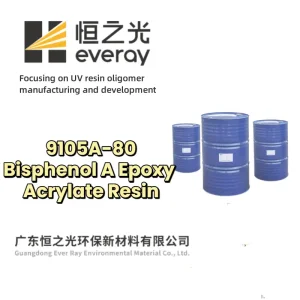
Concrete is inherently porous, hydrophilic, and susceptible to carbonation, chemical attack, and mechanical wear. Standard sealers offer temporary surface barriers, but industrial-grade concrete epoxy coatings formulated with advanced UV-curable oligomers modify the concrete substrate interface. The integration of Bisphenol A epoxy acrylate resins (such as Ever Ray's 9105A-80) delivers superior crosslinking density, high hardness, and outstanding chemical resistance.
By utilizing modified epoxy acrylate resins, formulators can engineer systems with optimal concrete substrate wetting. This allows the resin to penetrate deep into the concrete capillaries, establishing micro-mechanical interlocking. Once exposed to ultraviolet light or thermal initiator systems, rapid polymerization creates an impermeable, highly crosslinked polymer matrix that prevents the ingress of water, chlorides, and industrial solvents.
Two major engineering challenges in the concrete epoxy industry are cure shrinkage and UV degradation (yellowing).
| Resin Type | Key Performance Indicators (KPIs) | Primary Concrete Application | Key Advantage |
|---|---|---|---|
| Modified Epoxy Acrylate (6851A / 6271) | Extreme hardness, low yellowing, high transparency | Topcoats, protective clear sealers, industrial floors | Long-term aesthetic clarity & wear resistance |
| Low Shrinkage Acrylate Oligomer (17701) | High flexibility, low shrinkage, premium adhesion | Self-leveling underlayment primer, crack fillers | Eliminates interfacial delamination |
| Polyester Acrylate (5502B) | Fast reactivity, high hardness, low odor | Heavy-duty machinery factory floors, loading docks | Minimal production downtime due to fast cure |
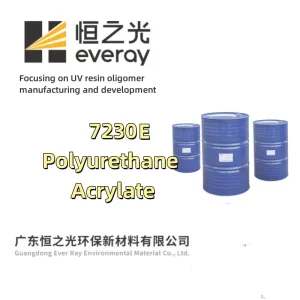
| Polyurethane Acrylate (7230E) | Excellent adhesion, elasticity, weatherability | Outdoor pathways, bridges, parking structures | Handles thermal expansion and contraction |
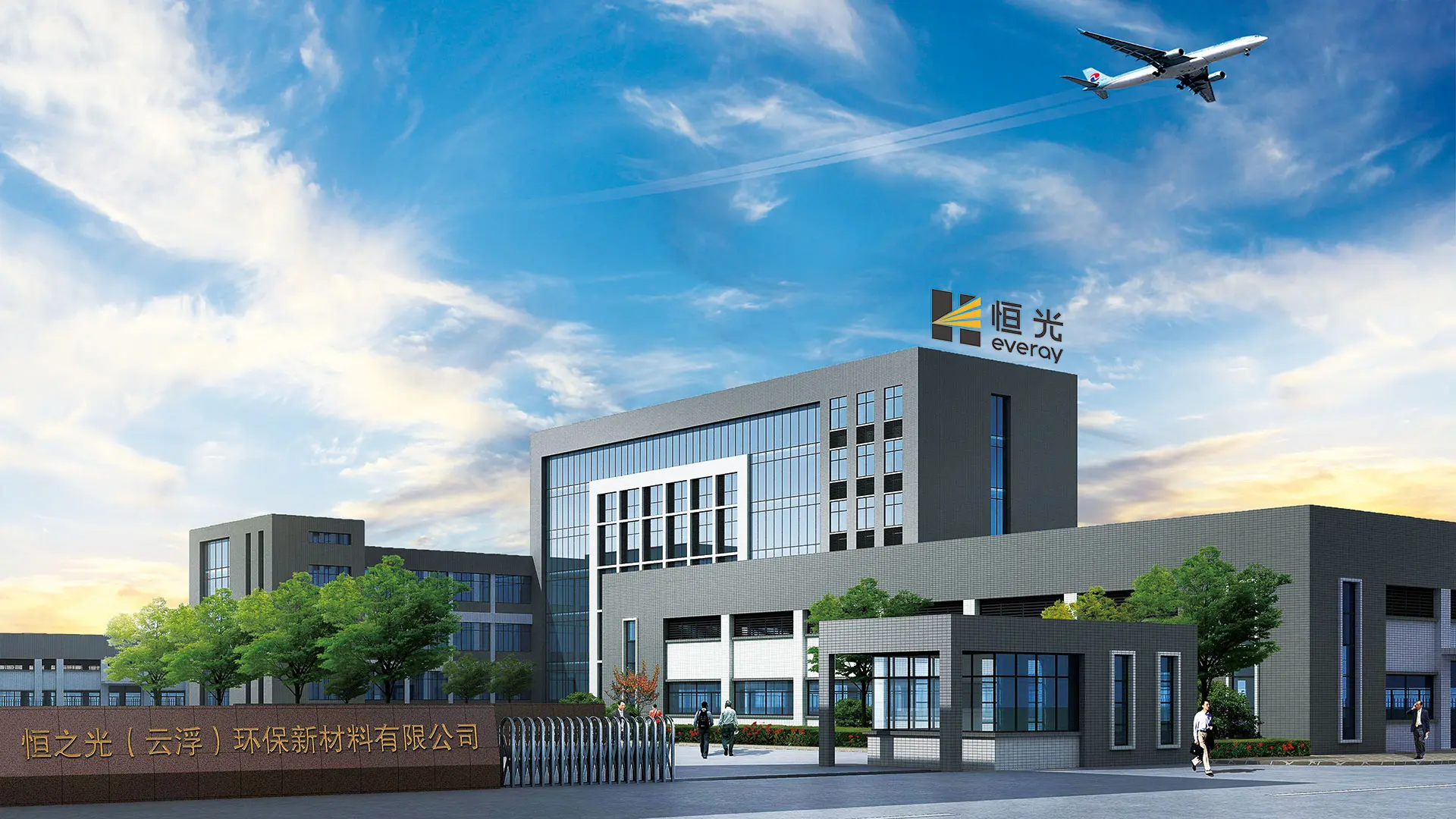
Guangdong Ever Ray Environmental Material Co., Ltd., established in 2006, is a high-tech enterprise focusing on the R&D and manufacturing of oligomers for UV curable resins. Our product catalog features epoxy acrylate, polyurethane acrylate (waterborne, aliphatic urethane, aromatic urethane), polyester acrylate, pure acrylate, and specialized functional modified acrylate oligomers designed for high-performance applications.
We operate two production bases in Guangdong province: Jiangmen (approx. 10,000 sqm) and Yunfu (approx. 40,000 sqm). Both facilities are fully equipped with advanced quality control, storage, and logistics systems.
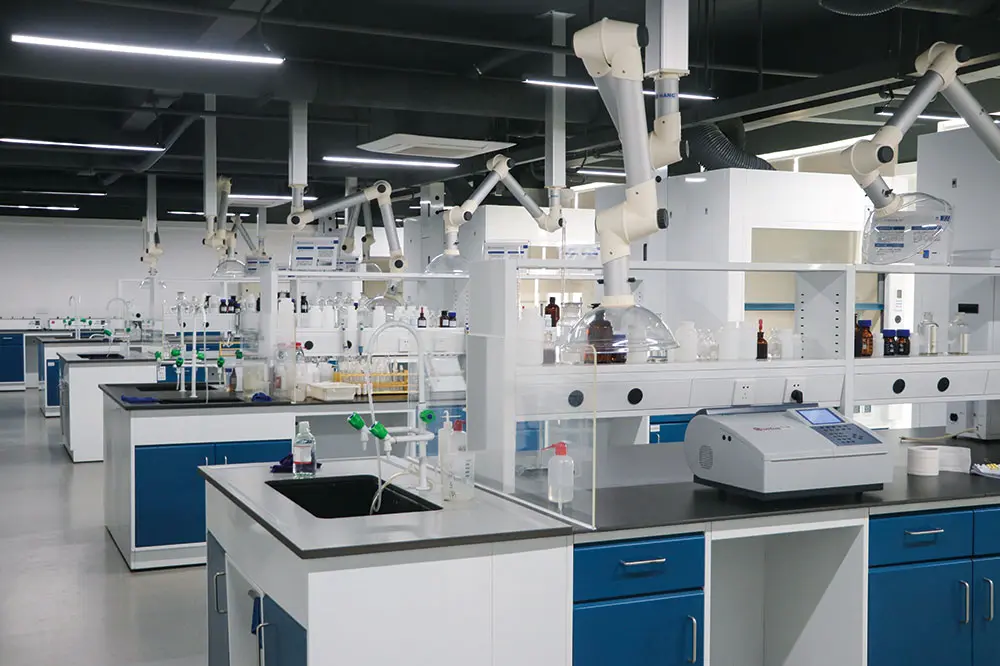
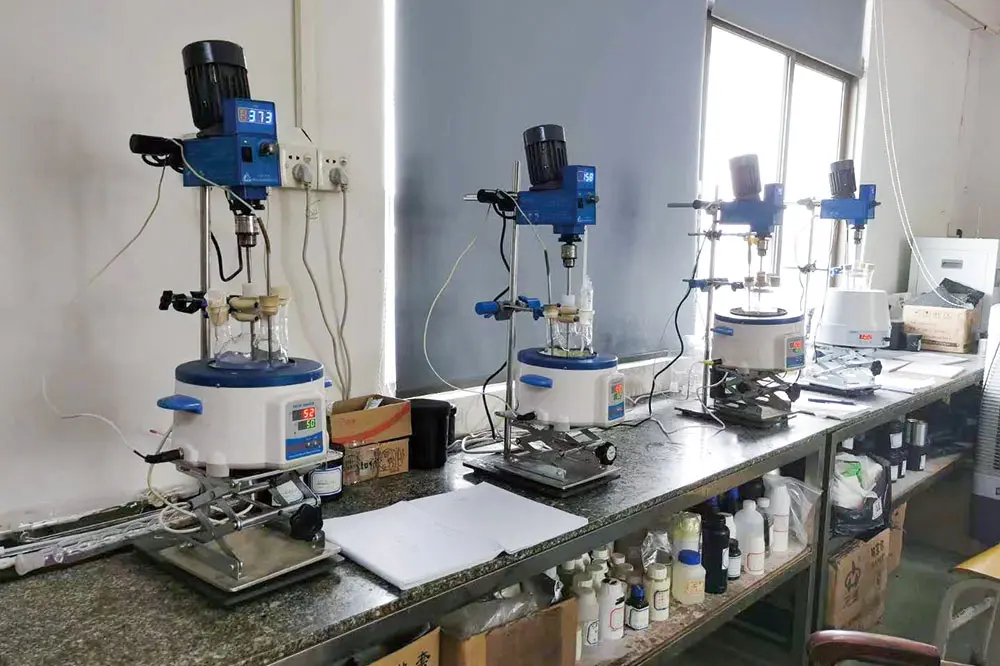
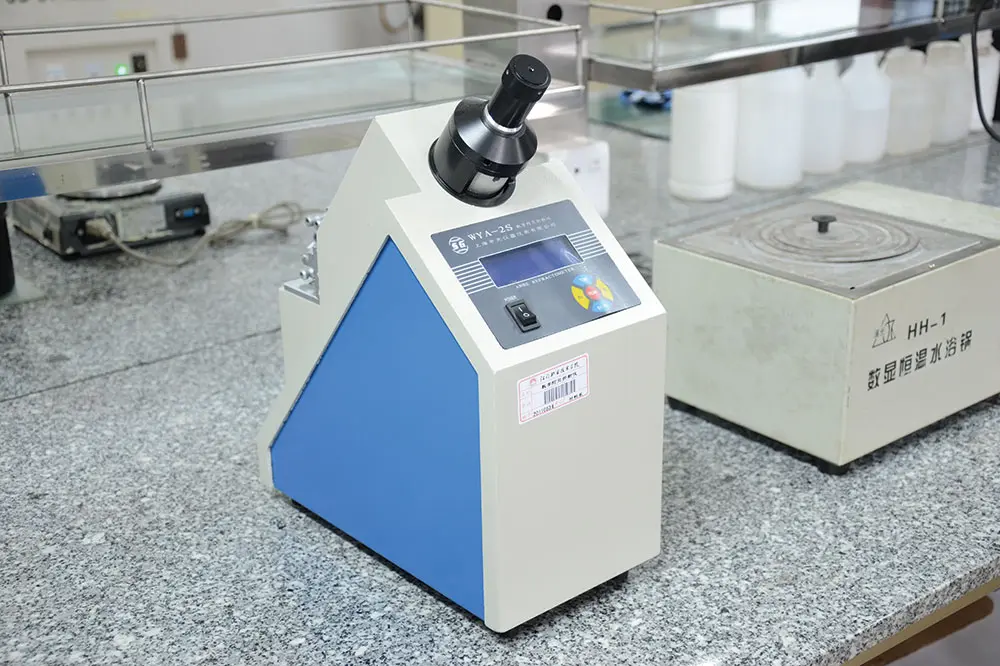
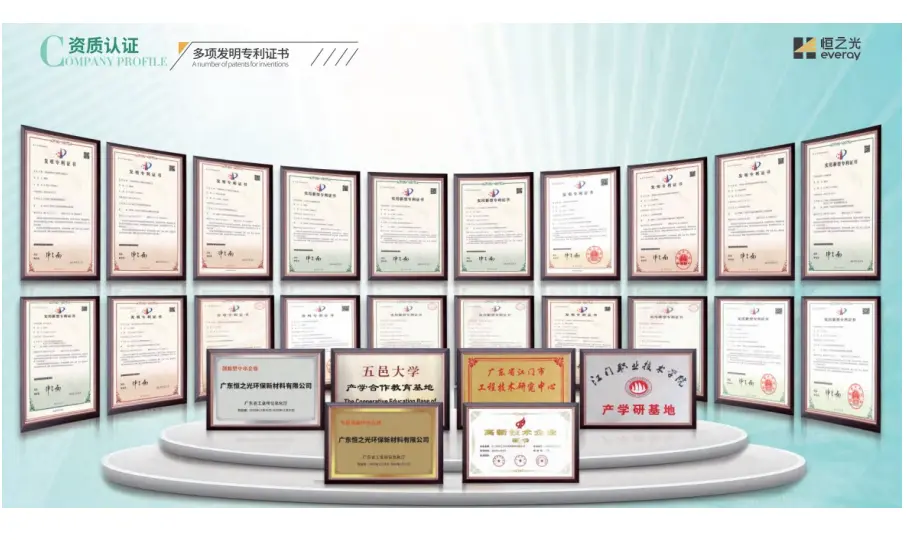
To ensure consistent quality, our factories run under the ISO9001 Quality Management System and ISO14001 Environmental Management System. We deploy a flexible, advanced DCS fully computerized control system to monitor polymerization parameters in real-time, eliminating human error and ensuring stable batch-to-batch production.
We select premium domestic and foreign raw materials, adopting advanced scientific management methods and cooperating with leading UV material experts to ensure safety, efficiency, and high purity.
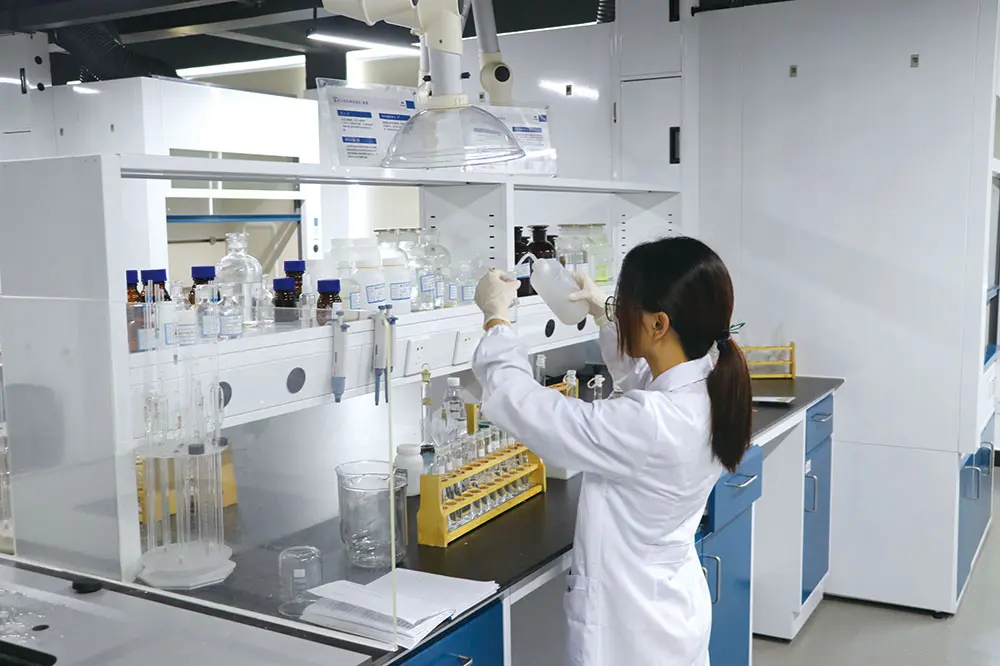
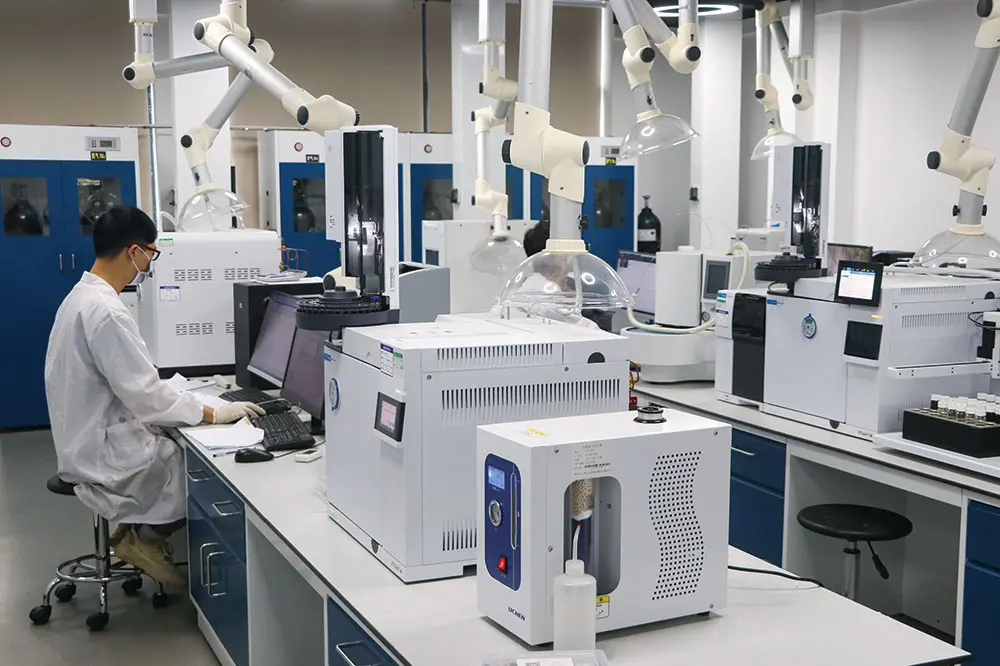
Based in the industrial manufacturing hub of Guangdong, we source key petrochemical feedstocks locally. This proximity minimizes raw material logistics costs, allowing us to offer highly competitive pricing for high-performance resins like bisphenol A epoxy acrylate and polyester acrylates.
Our Yunfu and Jiangmen factories operate fully automated DCS computerized control systems. This ensures precise polymerization reaction temperatures, pressure controls, and dosing ratios, resulting in batch-to-batch consistency for all UV curable oligomers.
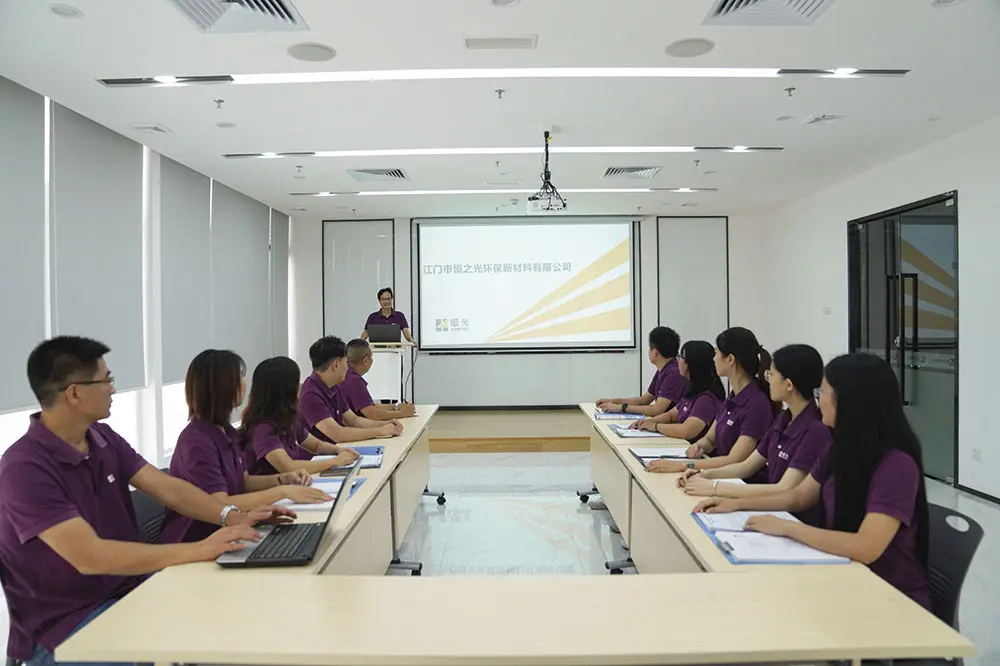
With 15+ in-house technicians, we specialize in customizing oligomers for specific concrete environments. Whether you require low yellowing, rapid UV curing, lower viscosity, or superior chemical resistance, we can tailor custom formulations to meet your application needs.
Guangdong Ever Ray complies with ISO9001 and ISO14001 standards. We actively develop low-odor, low-VOC, and bio-based modified acrylates, supporting global initiatives for safe, green, and sustainable building materials.
The global resin industry is transitioning toward fast-curing, low-VOC, and heavy-duty protective systems. Concrete coatings are no longer limited to simple commercial paint; they are engineered systems operating under challenging mechanical and thermal environments.
1. Ultra-Low VOC Regulations: Global environmental bodies (such as EPA and REACH) are enforcing strict limits on Volatile Organic Compounds (VOCs). Formulators are shifting away from solvent-based epoxies toward 100% solids UV-curable systems and waterborne polyurethane systems.
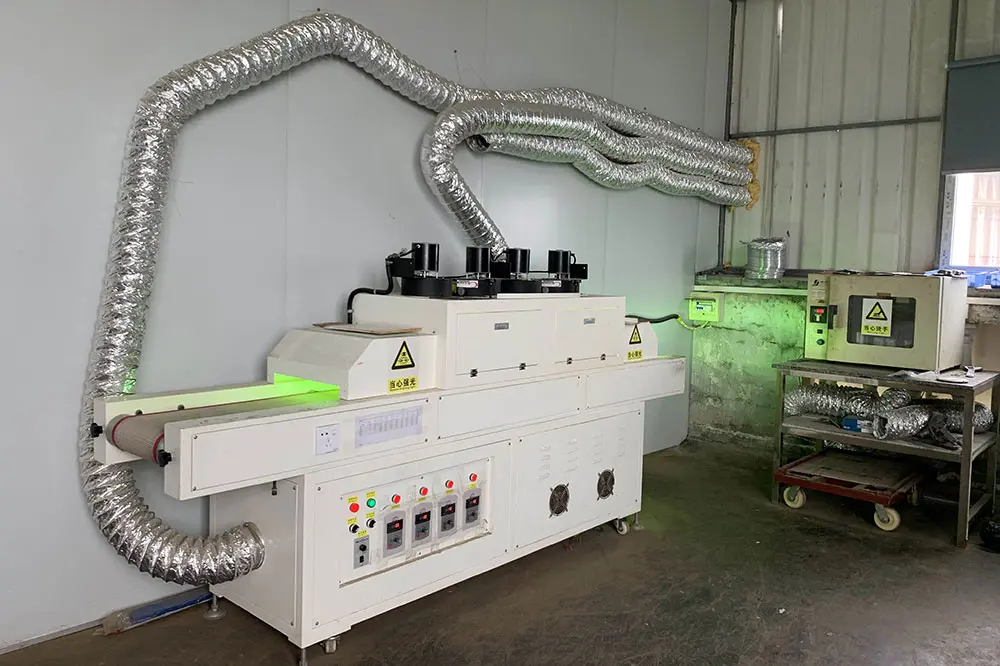
2. Hybrid UV-Thermal Curing Systems: To address shadow areas in complex architectural concrete where UV light cannot reach directly, the industry is adopting hybrid dual-cure systems. These systems combine UV radical polymerization with secondary moisture or thermal curing mechanisms, ensuring a complete cure.
3. Functional Customization: Industrial consumers are demanding specialized properties like anti-static flooring for electronics assembly plants, anti-slip textures for wet environments, and anti-microbial coatings for medical facilities. These requirements necessitate high compatibility between base oligomers, pigments, and functional additives.
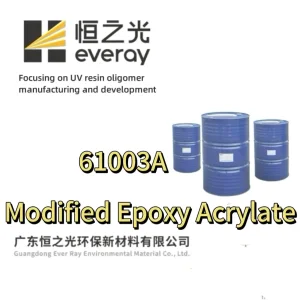
 Ever Ray