Explore our cutting-edge engineered UV-curable oligomers and resins, developed for high performance, rapid curing times, and environmental compliance.
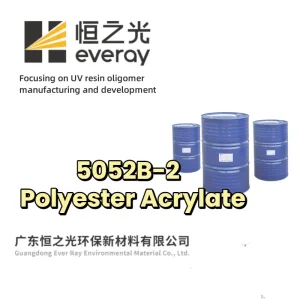
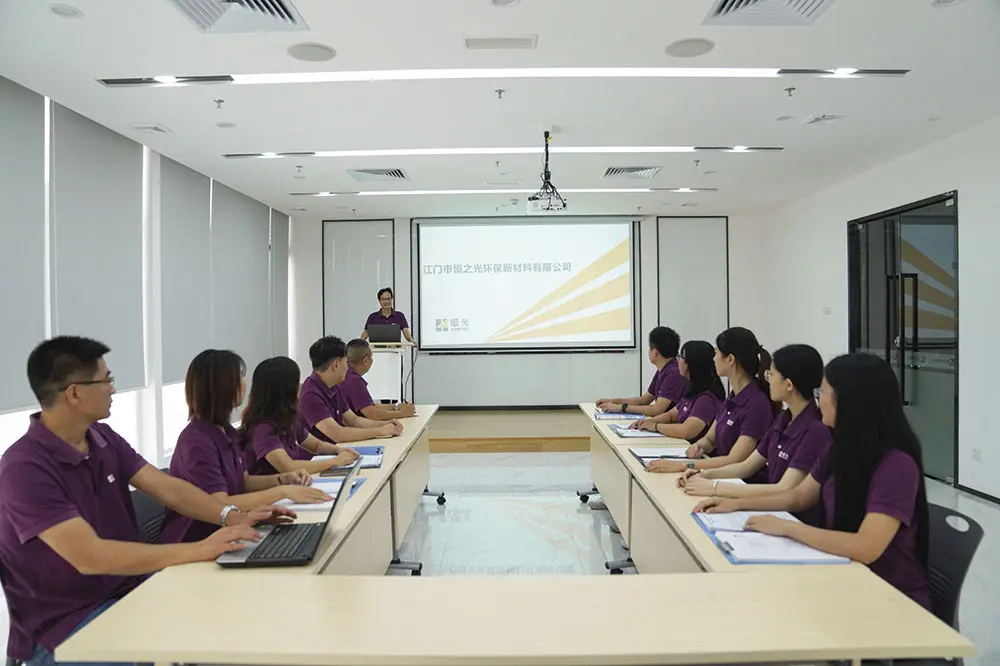
Guangdong Ever Ray Environmental Material Co., Ltd. is a premier high-tech enterprise dedicated to advanced R&D and precision manufacturing of specialty oligomers.
We specialized in a broad range of high-performance materials, including epoxy acrylate, polyurethane acrylate (waterborne, aliphatic urethane, and aromatic urethane), polyester acrylate, pure acrylate, and various customized functional modified acrylate oligomers. Driven by technology and a commitment to green chemical alternatives, we focus on engineering materials that elevate durability, efficiency, and environmental compliance.
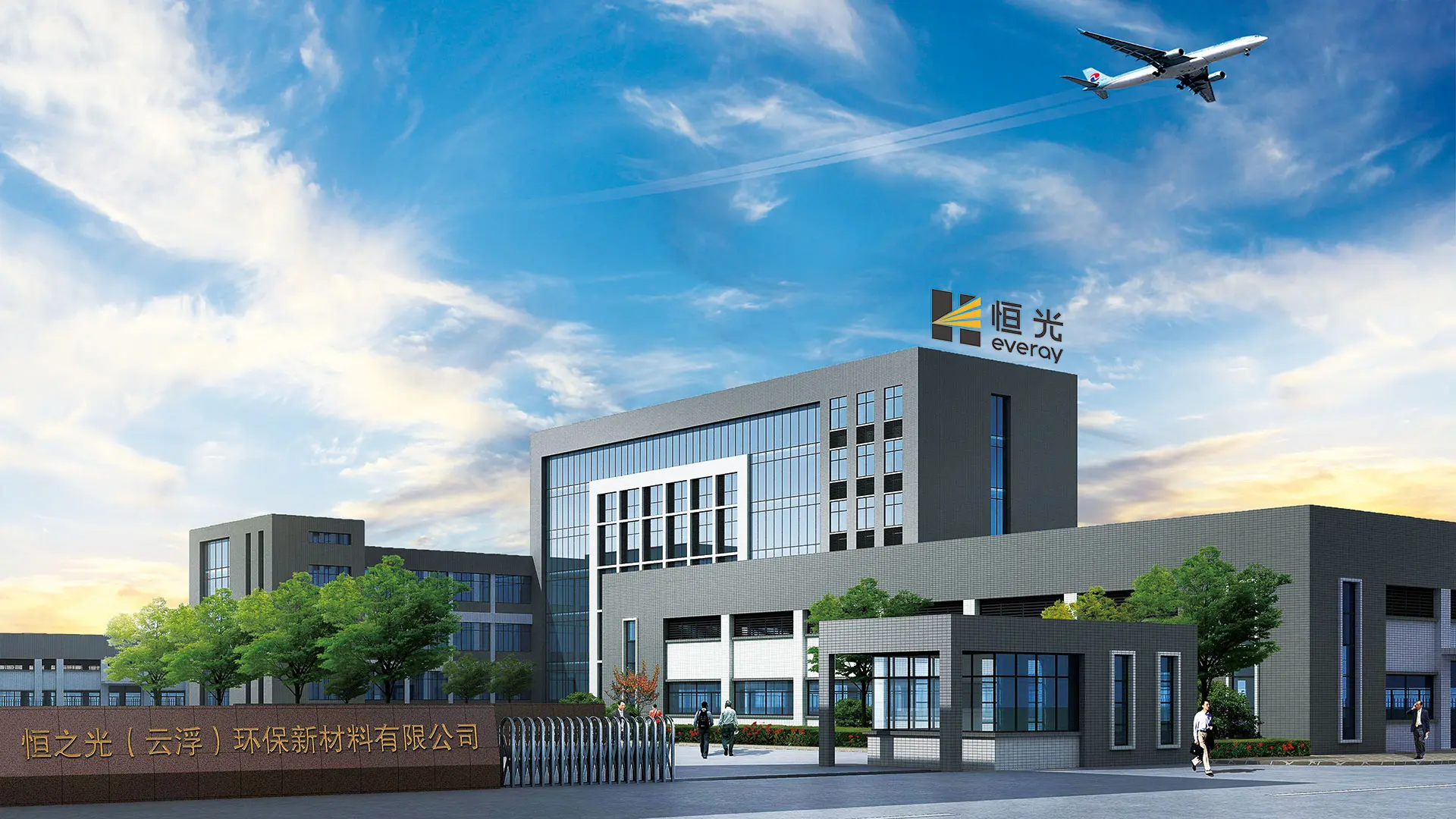
Operating dual modern production bases equipped with state-of-the-art automated systems to guarantee reliable global supply lines.
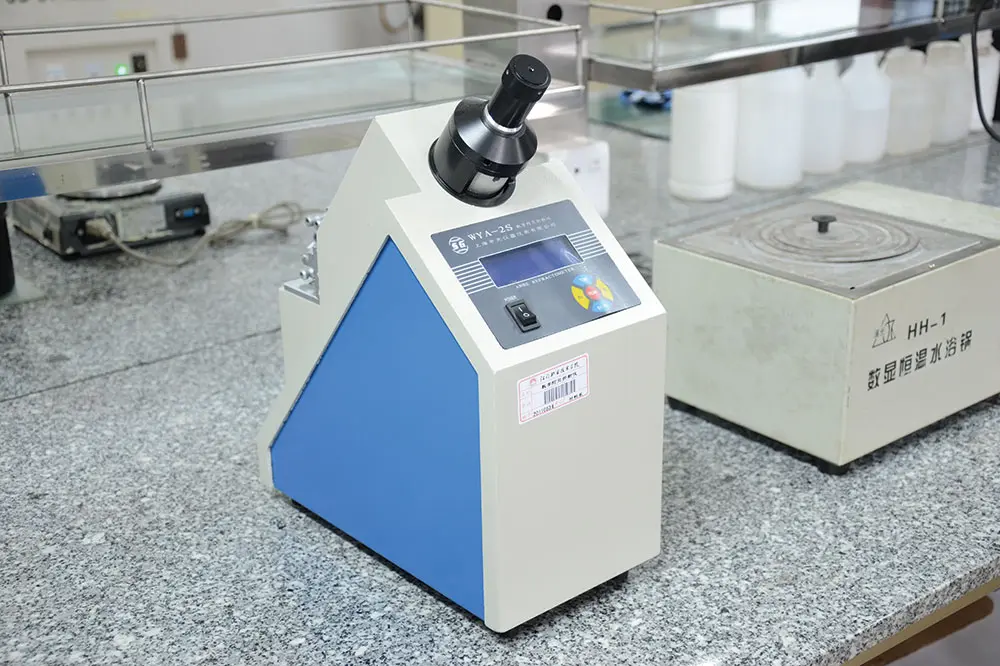
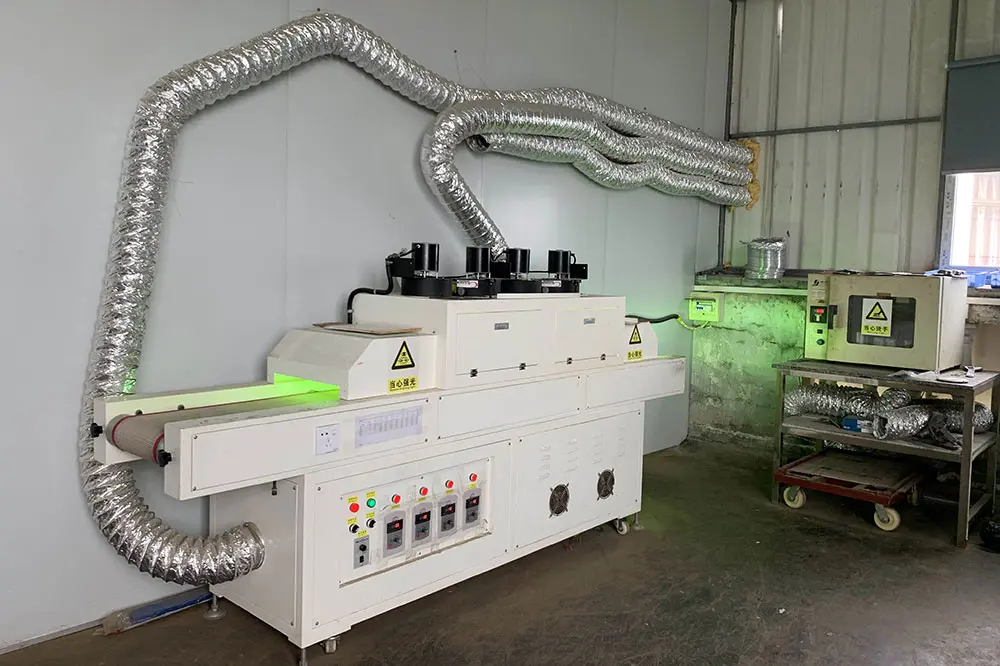
To support massive global procurement requirements, Ever Ray manages two production hubs. The Jiangmen production base covers 10,000 square meters, while our Yunfu production hub extends across 40,000 square meters. Both facilities feature advanced logistics, secure storage, and strict quality control nodes. The total manufacturing capacity exceeds 20,000 tons annually across 10 specialized production lines controlled by advanced DCS fully computerized control networks.
Our operations are fully certified under the ISO9001 Quality Management System and ISO14001 Environmental Management System, ensuring that safety, consistency, and clean production are unified seamlessly.
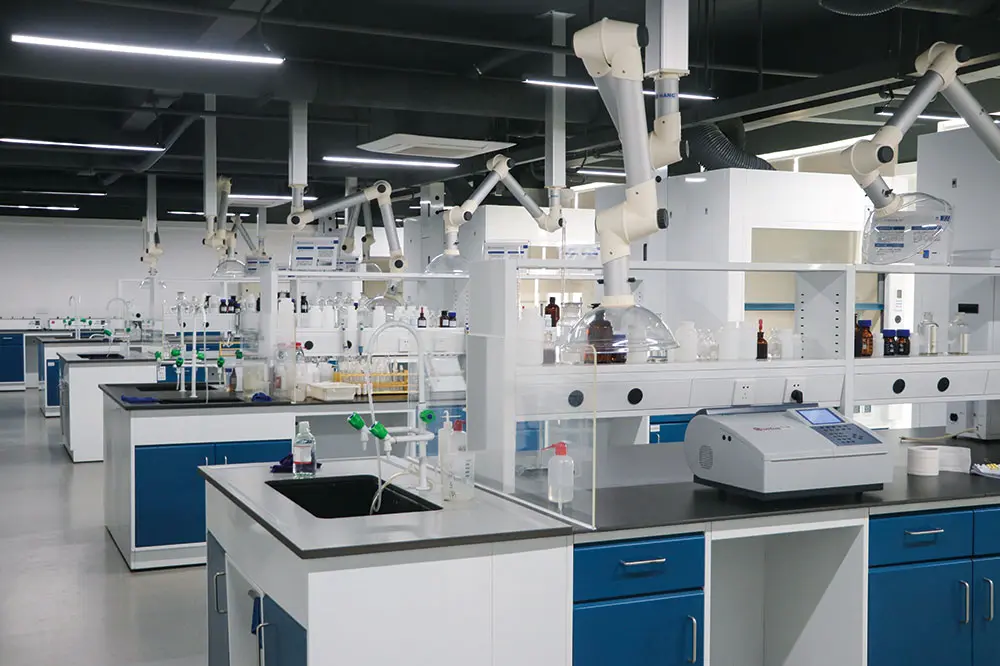
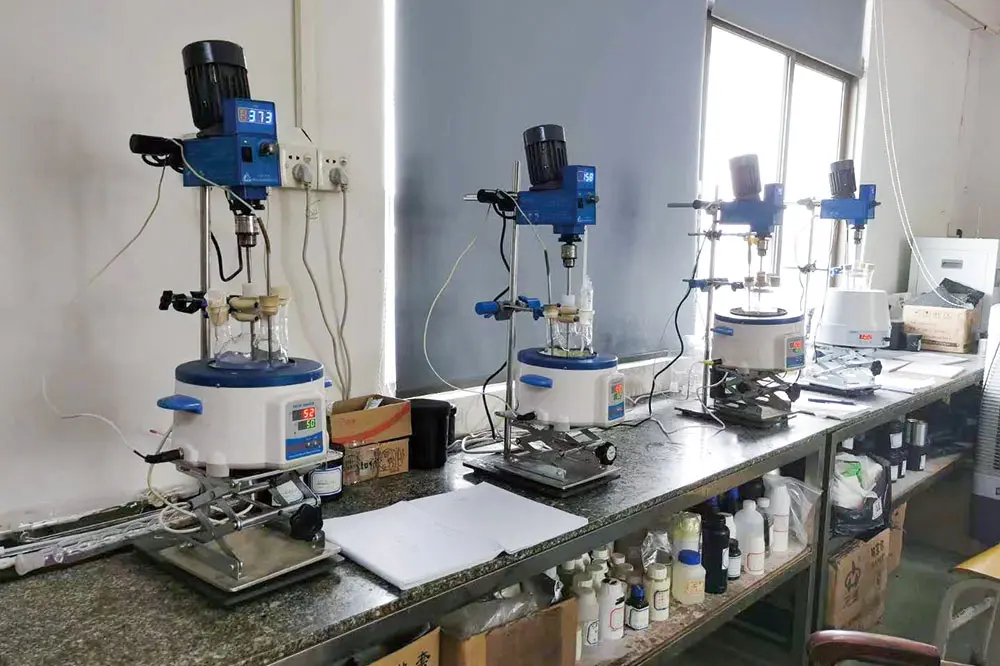
Annual output capability supporting high-volume, multi-national logistics and procurement.
A comprehensive technical exploration of modern curing chemistries, dual-cure mechanism developments, and supply chain demands.
Industrial curing processes have transitioned rapidly from traditional thermal, energy-intensive ovens toward radiation and dual-cure mechanisms. Epoxy acrylates and polyurethane acrylates (PUA) provide a chemical bridge, incorporating the robust adhesion, mechanical strength, and chemical durability of epoxy backbones with the instant cure speed of free-radical acrylic polymerizations.
Furthermore, dual-curing UV systems (such as our 72017A-8 UV Resin) utilize a secondary curing stage (via thermal energy or ambient moisture activation) to address the shadow-curing limitations inherent in traditional light-based mechanisms. This allows deep structures—such as advanced 3D-printed footwear components—to achieve optimal material conversion rates and mechanical integrity even in dense, UV-blocked areas.
Global procurement teams in the coatings, adhesive, and electronics sectors encounter strict requirements regarding VOC reduction and safety handling. Key engineering hurdles include managing the high intrinsic viscosity of standard Bisphenol A epoxy acrylates without relying heavily on monomer diluents that increase VOC content and skin irritation hazards.
Ever Ray addresses these requirements by developing hyperbranched oligomers (e.g., 4600 hyperbranched acrylic UV resin) and polyester acrylates with exceptional low viscosity (e.g., 5052B-2). These chemistry paths enable formulators to maximize solids content, reduce toxic monomer dependence, and meet international directives like REACH, RoHS, and TSCA.
Selecting the correct oligomer matrix varies significantly by final application:
Requires low-shrinkage, tough coatings with excellent chemical resistance. Bisphenol A Epoxy Acrylates (such as 9105A-80) offer high glass transition temperatures (Tg) and high surface hardness for potting, electronic varnishes, and functional adhesives.
Prone to intercoat adhesion failure. Incorporating specialized polyurethane acrylate (such as 7230E) provides the flexural relief and surface energy matching required to adhere to non-polar plastics (PP, ABS, PC).
Flexographic UV inks demand rapid radical cure response under low energy and excellent pigment wetting. Polyester acrylates like 5377A allow high pigment loading while maintaining low viscosity for high-speed printing presses.
As the regulatory landscape tightens, the UV oligomer sector is heading towards bio-renewable raw materials and ultra-low energy LED curing compatibilities. Ever Ray's R&D pipeline is targeted at developing bio-based carbon oligomers that maintain identical performance metrics to petroleum-based analogues.
In addition, our research in waterborne UV polyurethane acrylates (UV-PUDs) provides new pathways for the wood and industrial coating markets, eliminating hazardous solvents and minimizing organic emissions entirely.
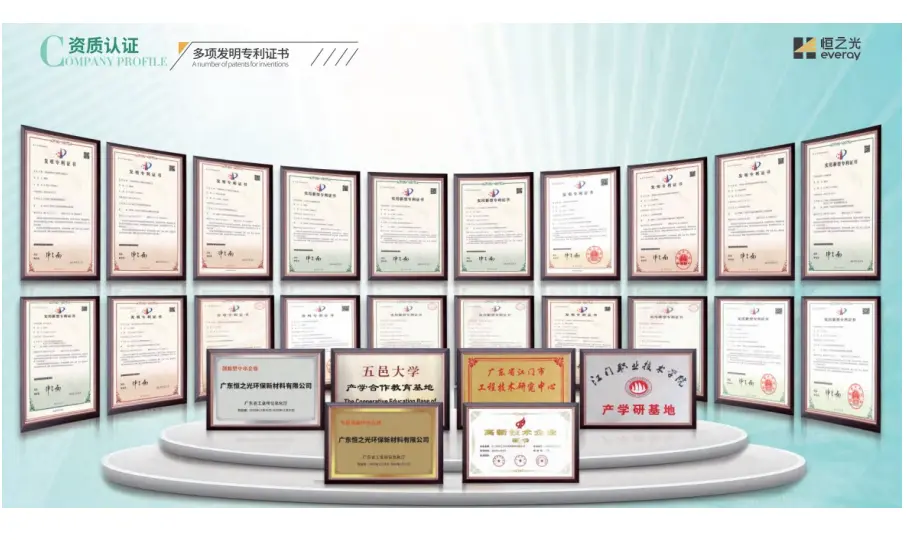
Direct technical answers from our R&D chemists to address formulation and performance issues in UV curing applications.
Our dual-curing resin (such as 72017A-8) is formulated for 3D-printed footwear where shadow-zones are common. The initial UV-exposure solidifies the intricate lattice structure. Following this, a secondary thermal bake ensures complete polymerization. This dual mechanism delivers high elasticity, excellent tensile strength, and minimal shrinkage, resolving the classic problem of low fatigue resistance in UV-only prints.
Standard Bisphenol A epoxy acrylates can yellow over time when exposed to UV light due to the photo-oxidation of the aromatic rings. Our modified epoxy acrylate resin (like 61003A) incorporates aliphatic chains or specialized stabilizers that resist discoloration. This makes it an ideal option for varnishes, electronics coatings, and clear finishes where lasting optical clarity is required.
We recommend our 7230E polyurethane acrylate. Vacuum plating basecoats demand excellent adhesion to plastic substrates (ABS, PC, etc.), while the topcoat must exhibit high hardness, scratch resistance, and chemical durability. 7230E provides the flexibility needed to withstand thermal cycling without cracking, ensuring optimal adhesion between the metal layer and plastic substrate.
Hyperbranched oligomers, such as our 4600, feature a highly branched, three-dimensional spherical structure. This architecture provides low viscosity even at high molecular weights, along with high crosslinking density. For inks and varnishes, this yields rapid cure response, low shrinkage, exceptional scratch resistance, and reduced monomer additions, resolving VOC and odor challenges.
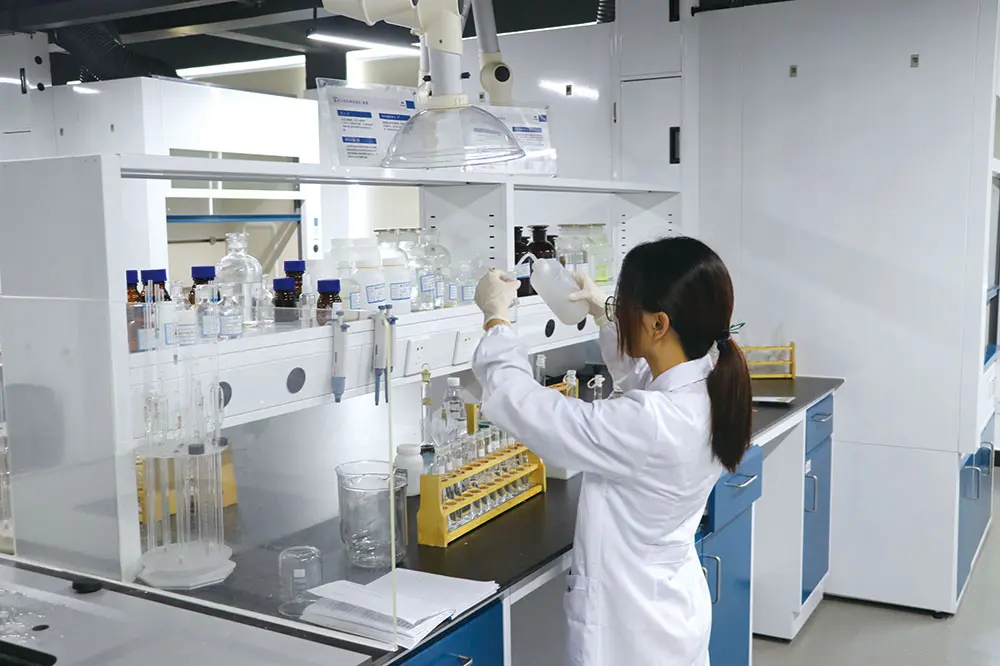
Ever Ray operates two production bases under ISO9001 and ISO14001 certification. Chemical synthesis is monitored by a computerized DCS control system, tracking temperature, addition rates, and pressure in real-time. In addition, every batch undergoes strict QC evaluation, testing critical metrics including viscosity, acid value, color value, and curing performance, ensuring consistent quality for global buyers.
Explore our additional high-performance oligomers designed for flexographic inks, peelable adhesives, and extreme-wear varnishes.
 Ever Ray