Explore our elite selection of epoxy acrylates, polyurethane acrylates, and special functional oligomers engineered for demanding industrial coatings and adhesives.
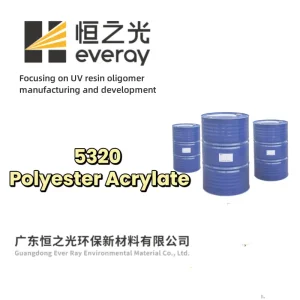
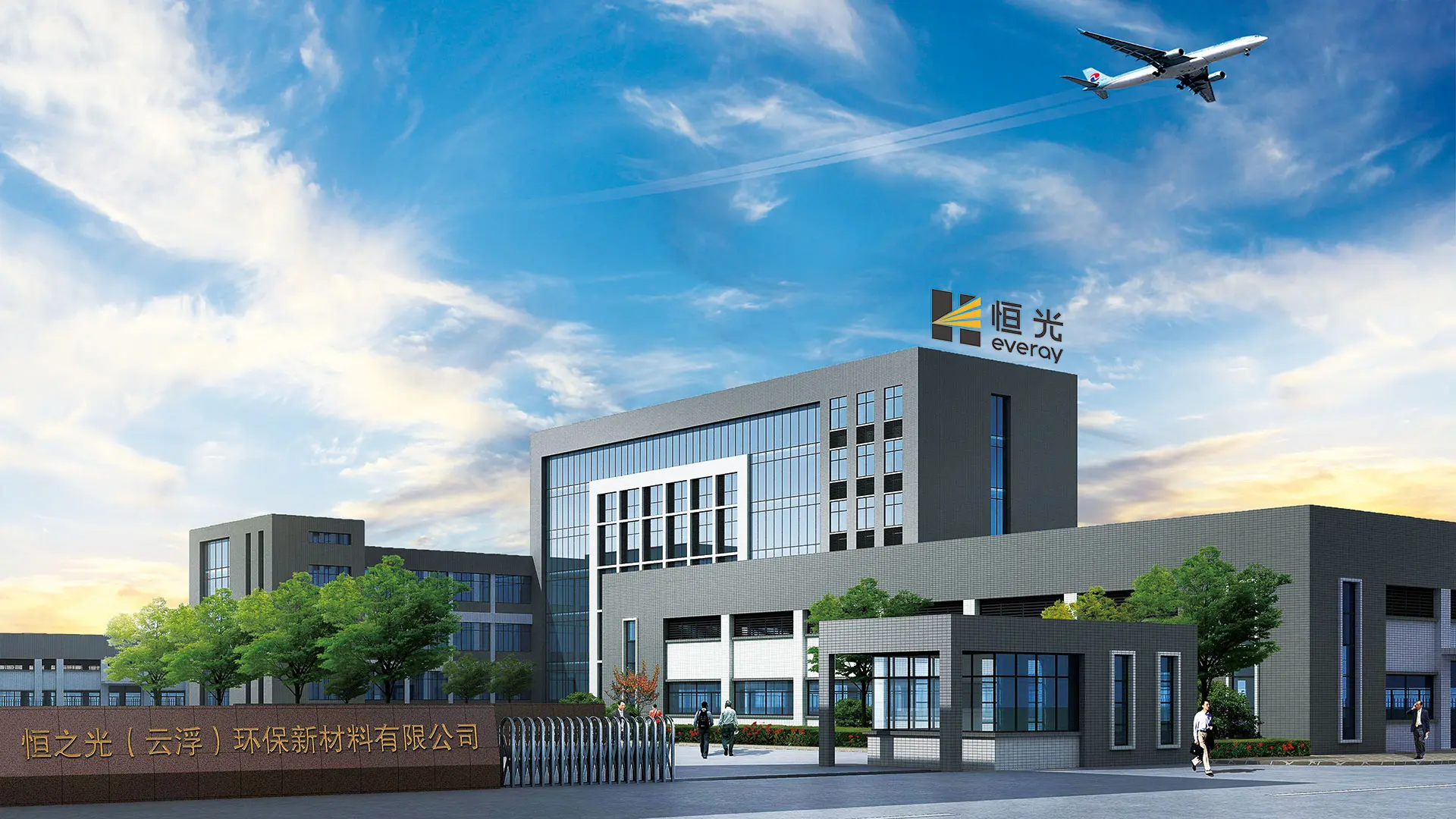
Established in 2006, Guangdong Ever Ray Environmental Material Co., Ltd. is a premier high-tech enterprise dedicated to the research, development, and high-volume manufacture of state-of-the-art oligomers for UV and radiation-curable resins. Our diverse chemical portfolio is custom-engineered to meet structural and performance criteria in modern manufacturing, specializing in modified epoxy acrylate, polyurethane acrylates (including waterborne, aliphatic, and aromatic urethane varieties), high-functionality polyester acrylates, pure acrylates, and specialty modified functional oligomers.
By integrating molecular architecture design with highly precise chemical process controls, we solve industrial coating, ink, and adhesive problems. We operate with a strict environmental ethos, positioning ourselves as the backbone supplier of eco-friendly green UV resins for Fortune 500 chemical brands and localized industrial end-users globally.
An authoritative whitepaper insight into molecular chemistry, market drivers, and green industrial integration.
The global industrial landscape for radiation-curable materials, specifically epoxy acrylate and polyurethane acrylate oligomers, is undergoing a rapid evolution. Driven by stringent international VOC emission standards, such as the EU's REACH regulation and regional environmental inspection requirements, the demand for 100% solid, waterborne, and LED-UV curing systems has transitioned from optional to essential.
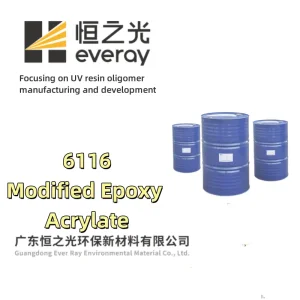
Modified epoxy acrylates stand at the center of this transformation. Traditionally prized for their rapid cure rates, high hardness, and unmatched chemical resistance, conventional epoxy acrylates suffered from yellowing tendencies and high viscosities that required significant monomer dilution. Ever Ray's modern synthesis solutions, such as our 61163 High Solid Low Viscosity Anti-Yellowing Modified Epoxy Acrylate Resin, directly resolve these historical design limitations. By chemically inserting cycloaliphatic blocks or modifying terminal acrylic acid groups, we decouple the high-viscosity-to-hardness trade-off, lowering monomer demands and preserving the film's structural integrity.
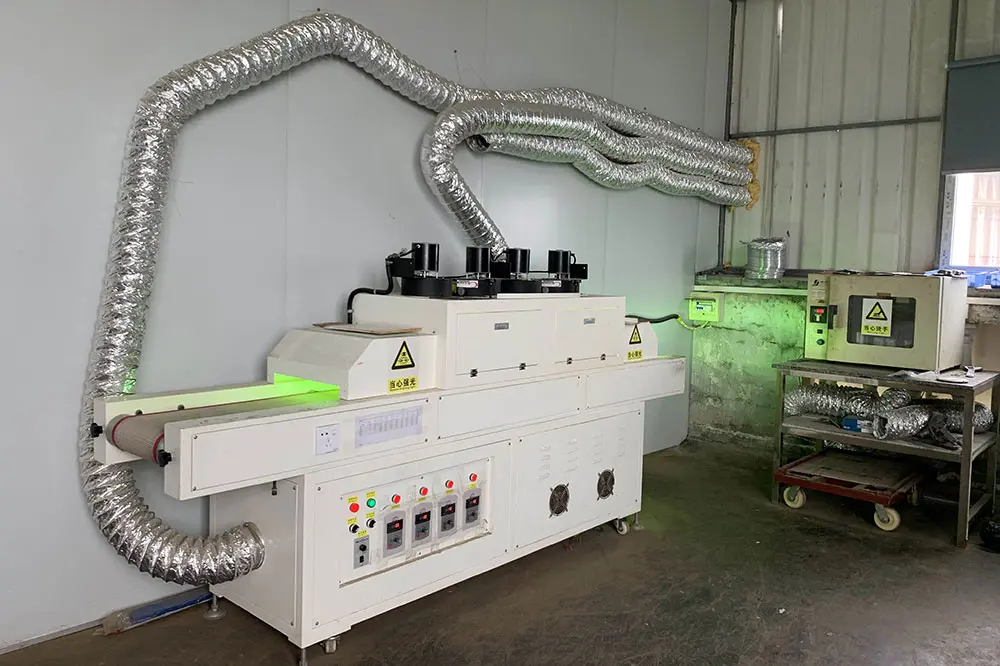
Simultaneously, the industry is witnessing a massive migration toward LED-UV curing systems. Traditional mercury lamps emit wide spectral wavelengths, generating excessive heat and high energy demands. In contrast, LED-UV systems operate at narrow spectral peaks (365nm, 385nm, 395nm), demanding highly reactive oligomers to achieve superficial and deep curing without surface tackiness. Our polyester acrylate formulations, specifically developed for LED-UV wood coating configurations, utilize internal amine synergists and optimal molecular branching to ensure high reactivity even under low-power LED exposure.
Looking forward, advanced technologies such as photo-thermal dual-curing are defining the frontiers of industrial performance. In 3D printing and deep-trench microelectronics, UV radiation often fails to penetrate shadowed regions. By incorporating secondary thermal-curing mechanisms within the oligomer chain (such as in our 72017 series), manufacturers ensure comprehensive cross-linking, providing maximum structural density and toughness across complex geometry parts.
Our modified epoxy oligomers deliver maximum chemical crosslink density. This translates directly to exceptional scratch resistance, chemical barrier performance, and surface hardness for industrial wood, glass, and metal substrates.
By engineering the backbone of our polyurethane acrylates (such as the 72017 and 7200F series), we distribute tensile stress evenly, achieving negligible shrinkage rates in 3D printing resins, structural adhesives, and protective topcoats.
Through precise control of molecular weight distributions (MWD), we minimize structural entanglement, allowing high solid coatings to flow smoothly with minimal VOC solvent usage, maximizing application efficiency.
Operational excellence driven by DCS automation, rigorous ISO standards, and dual-base manufacturing redundancy.
To guarantee absolute supply security and scale for international industrial conglomerates, Guangdong Ever Ray operates two state-of-the-art production bases. Our primary facility in Jiangmen, Guangdong spans approximately 10,000 square meters, serving as our agility center for specialized batches, custom oligomer synthesis, and rapid prototyping.
Our second facility in Yunfu, Guangdong encompasses a massive 40,000 square meter footprint designed for heavy industrial outputs. Operating more than 10 fully integrated, DCS (Distributed Control System) computerized production lines, the combined annual manufacturing capacity exceeds 20,000 tons of oligomers.
Quality control is integrated directly into the manufacturing process loop. Every synthesis run is monitored under strict ISO9001 quality management systems and ISO14001 environmental management protocols. Our DCS infrastructure regulates temperature curves within ±0.5°C and manages chemical addition rates down to the milliliter, ensuring batch-to-batch consistency that matches the requirements of precision electronic and automotive coating lines.
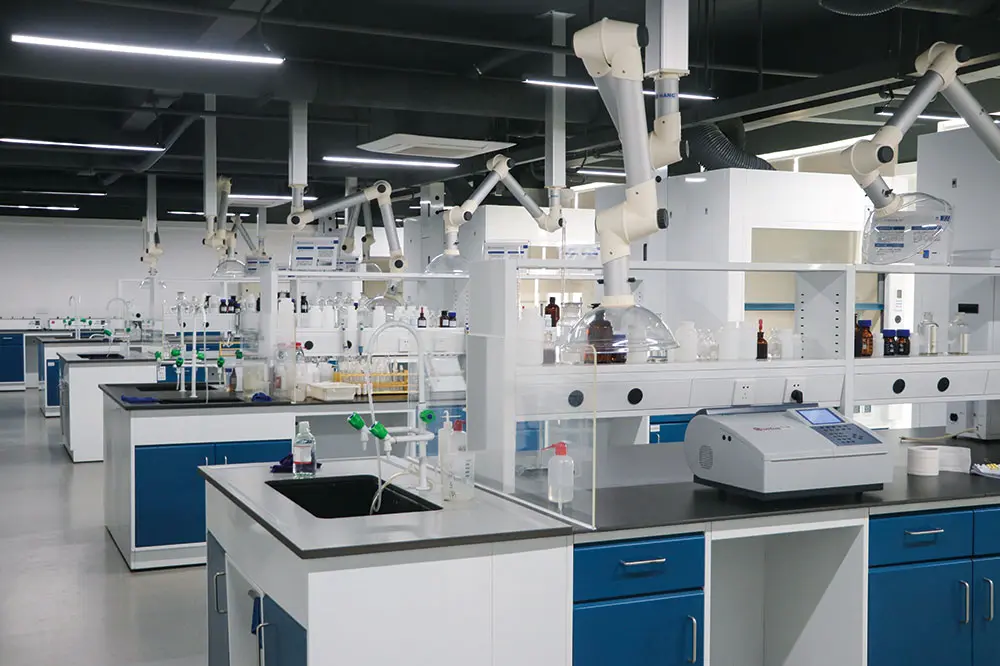
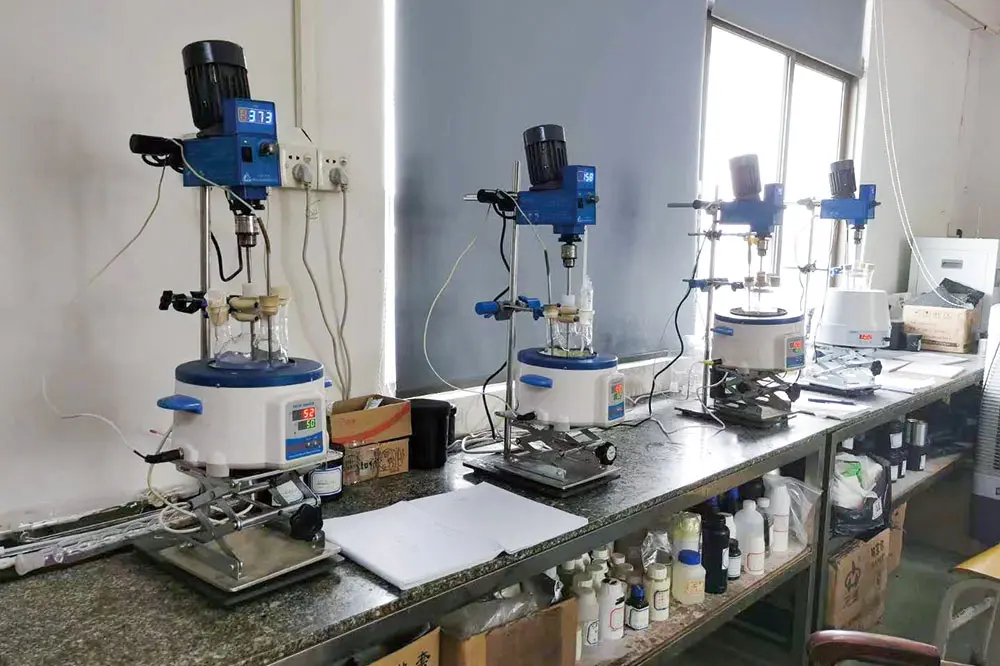
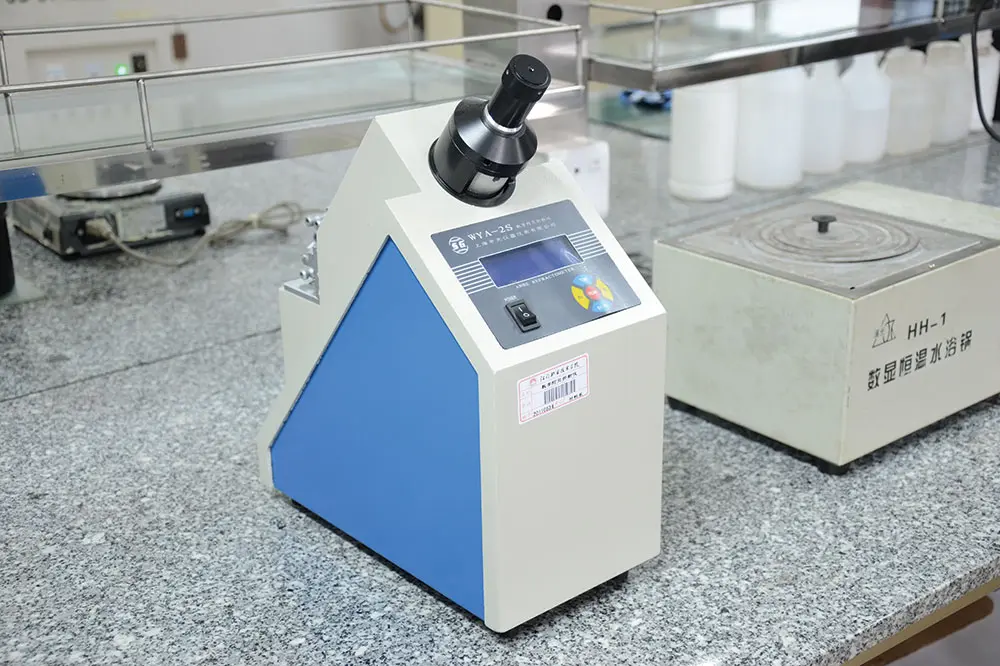
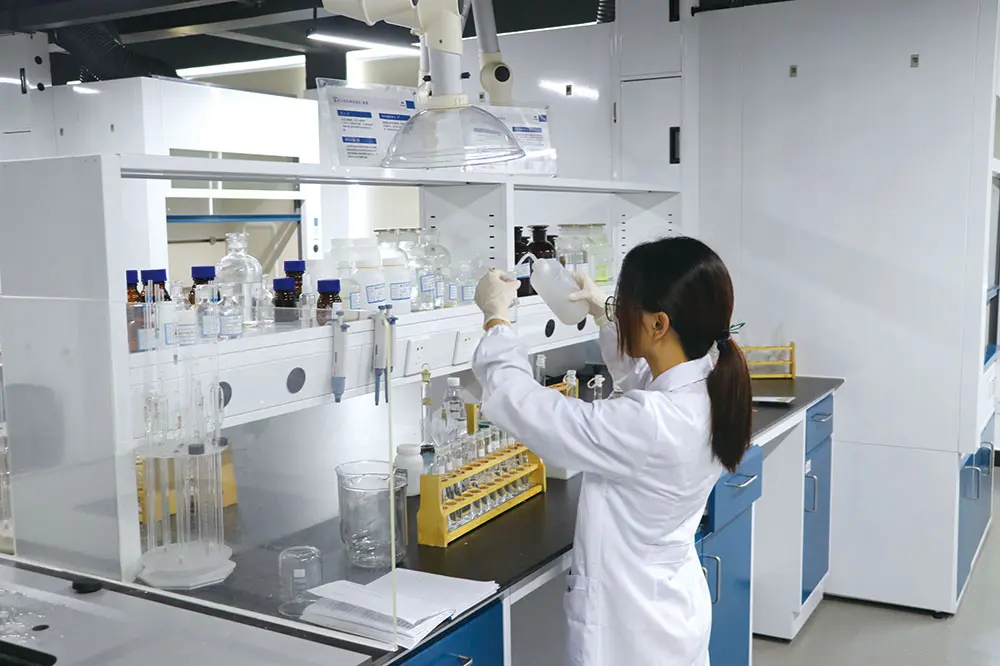
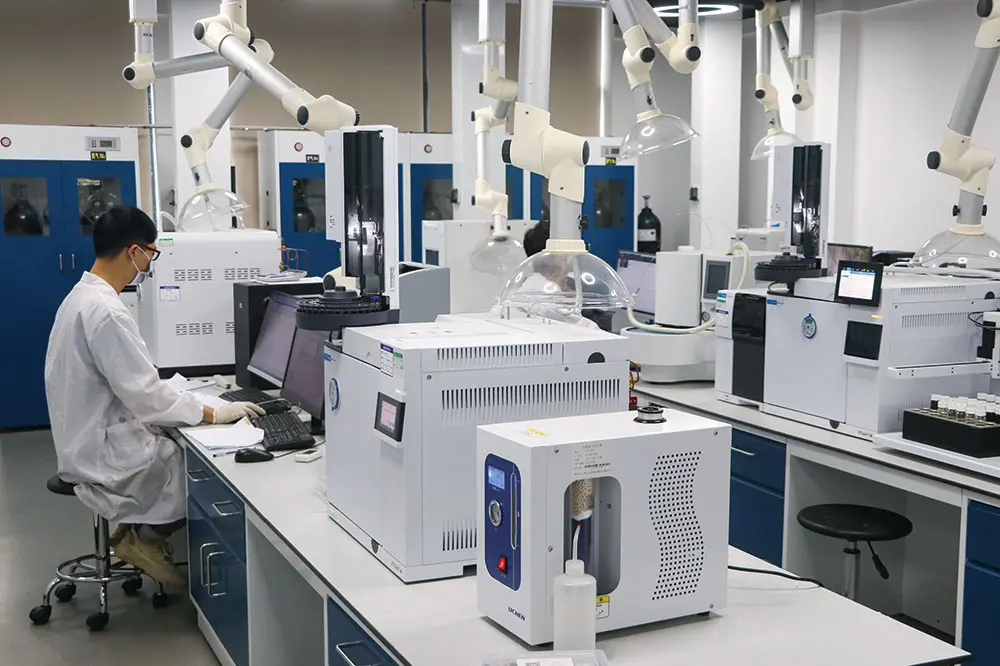
Our R&D team consists of more than 15 senior chemical synthesis technicians, material engineers, and polymer scientists. Guided by domestic and international UV curing experts, our laboratories are equipped with analytical instruments including Gel Permeation Chromatography (GPC), Fourier-Transform Infrared Spectroscopy (FTIR), and UV-rheometry.
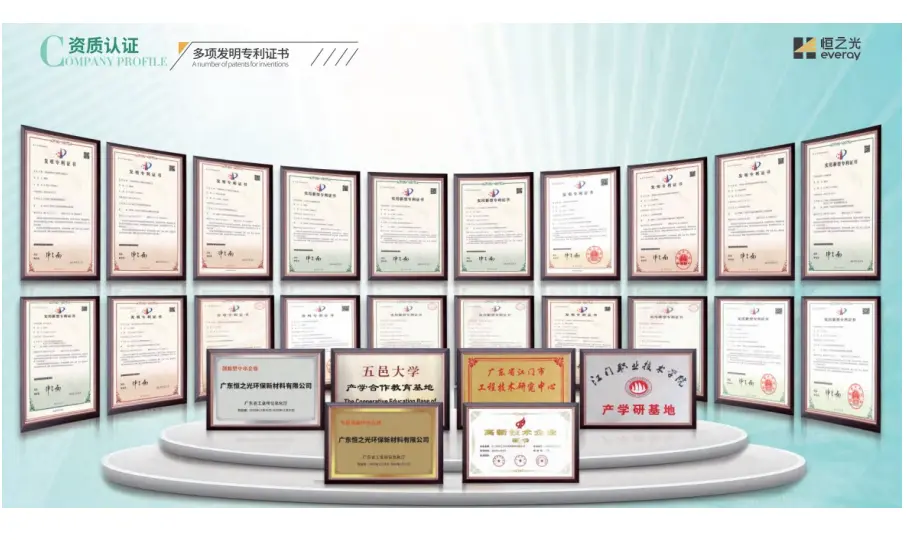
With over 10 proprietary invention and utility patents, we focus on performance-to-cost ratios. Rather than offering one-size-fits-all resins, we customize formulations to specific application requirements—modifying reactive speed, surface tension, chemical resistance profiles, and elongation parameters.
Targeted solutions designed for specific substrates, processing environments, and performance thresholds.
For wood and furniture, speed and low VOC content are critical. Oligomers such as Polyester Acrylate 5501 form the backbone of LED-UV and conventional UV wood coating primers and topcoats. They deliver excellent ink wettability, grain enhancement, and rapid drying characteristics. Because wood is an organic, reactive substrate, the high elasticity of our polyester acrylates balances the shrink tension of the UV crosslink, eliminating cracking, peeling, or warp in natural veneers or engineered MDF boards.
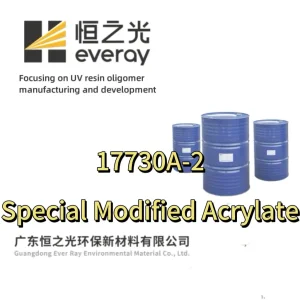
Coating glass requires chemical adhesion promoter systems that resist humidity, boiling water, and high-impact physical stress. Our 17730A-2 Special Modified Acrylate Resin is engineered with carboxyl functional groups that coordinate with silane coupling agents, anchoring the UV coating matrix directly to silicate surfaces. This chemical bond provides anti-yellowing and water resistance, crucial for cosmetic glass bottles and high-end automotive display covers.
Metals and plastics like ABS, PC, and PMMA have different surface energy values. The Aromatic Polyurethane Acrylate Oligomer series is designed to handle these differences. Used as basecoats or protective topcoats in UV vacuum metallizing processes, these resins offer the flexibility required to counter thermal contraction during aluminum deposition. They ensure cross-hatch adhesion and chemical resistance without dulling the reflective metallic finish.
For stereolithography (SLA) and digital light processing (DLP), conventional acrylic resins suffer from brittleness and excessive volumetric shrinkage. Ever Ray’s 72017 Photo-Thermal Dual-Curing Polyurethane Acrylate balances high toughness with low shrinkage. It enables rapid initial curing under laser or projection light, followed by a secondary thermal bake that completes the conversion. This achieves optimal tensile strength and impact resistance in complex, thin-walled engineered parts.
Explore specialized functional resins designed to optimize printability, substrate bonding, and weathering durability.
Expert technical answers regarding curing mechanisms, viscosity management, and formulation optimization.
Aliphatic polyurethane acrylates (such as our 72027 series) are synthesized using aliphatic diisocyanates (IPDI or HDI). Their linear saturated structures make them highly resistant to ultraviolet degradation, making them the standard choice for outdoor applications, protective tapes, and weatherable coatings. Aromatic polyurethane acrylates (such as our vacuum metallizing oligomers) utilize aromatic isocyanates like TDI or MDI. While they provide faster curing speeds, higher surface hardness, and superior cost efficiencies, they are prone to yellowing under prolonged UV exposure and are therefore reserved for interior basecoats, structural adhesives, or dark pigment systems.
Traditional epoxy acrylates based on Bisphenol-A (BPA) contain ether linkages and benzene rings that degrade and yellow when exposed to UV light. Ever Ray addresses this through chemical modification. In our 61163 High Solid Low Viscosity Anti-Yellowing Modified Epoxy Acrylate, we replace vulnerable aromatic groups with cycloaliphatic structures or cap the phenolic hydroxyl groups. This reduces free radical side reactions during UV exposure, maintaining high optical transparency and yellowing resistance while preserving the mechanical strength of the epoxy backbone.
Pure radiation-curable systems rely on line-of-sight exposure. If a part has complex internal channels (as in 3D printed objects) or is opaque, shadow zones remain uncured, leading to structural weak spots. A photo-thermal dual-cure oligomer (like the 72017) contains both acrylate double bonds and secondary curing groups (such as epoxies or blocked isocyanates). An initial UV light exposure gels the formulation to shape, after which a secondary thermal cycle activates the shadow-cure reaction. This ensures full crosslink density, reducing shrinkage stress and increasing overall toughness.
LED-UV curing lamps output light at a specific wavelength (typically 395nm), which lacks the short-wavelength energy needed for fast surface cure. Our Polyester Acrylate 5501 is structurally optimized with built-in amine co-initiators or high-functionality polymer branches. This configuration increases surface curing reactivity and minimizes oxygen inhibition. As a result, the resin cures tack-free under LED-UV setups at speeds that match traditional multi-lamp mercury systems, all while reducing heat stress on the wood.
 Ever Ray