High-Quality Epoxy Resin Manufacturing Suppliers & Products

Precision-Engineered UV-Curable Oligomers and Specialty Epoxy Acrylate Solutions for High-Performance Industrial Coatings, Electronic Potting, and Advanced Ink Systems.

Premium UV Resins & Specialty Oligomers

Explore our flagship configurations of high-efficiency UV curing resins, polyester acrylates, and specialty oligomers engineered to meet complex industrial specifications.
High-Quality Polyester Acrylate 5311A

High-Quality Polyester Acrylate 5311A – A High-Efficiency and Durable UV Resin Choice Suppliers, Factory

View Specifications
High-Quality A150 UV-resin

High-Quality A150 UV-resin for UV-ink and UV-coatings Product, Products

View Specifications
High-Quality 5450 UV resin

High-Quality 5450 UV resin for UV coating, paper varnish, screen creeping Manufacturer, Suppliers

View Specifications
High-Quality 6102 UV Resin

High-Quality 6102 UV Resin:Enhanced low shrinkage epoxy acrylate, perfect for UV wood coatings Manufacturers, Product

View Specifications
High-Quality Polyester Acrylate 5312

High-Quality Polyester Acrylate 5312–A High-Efficiency, Multi-Purpose UV Resin Solution Factories, Products

View Specifications
Buy 7901B UV-resin

Buy 7901B UV-resin for industrial coatings Factories, Products

View Specifications
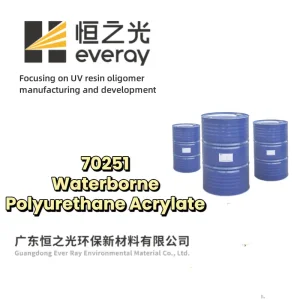
Waterborne 70251 UV-resin

Buy Waterborne 70251 UV-resin for 3D Printing,UV-ink and UV Wood-coatings Manufacturers, Factories

View Specifications
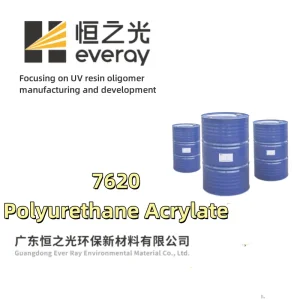
Buy 7620 UV-curing Resin

Buy 7620 UV-curing Resin applied in UV vacuum electroplating Factory, Product

View Specifications
Industry Whitepaper Insights

Global Commercial & Industrial Landscape of Specialty Resin Manufacturing

The global epoxy resin and UV-curable oligomer market is undergoing a seismic shift. Driven by rigorous regulatory frameworks such as REACH and the global push toward VOC elimination, industrial coating formulators are moving away from traditional solvent-borne thermal systems. The modern focus is squarely on radiation-cured technologies, specifically epoxy acrylates, polyurethane acrylates (PUA), and polyester acrylates.

These specialized materials serve as the primary binders in photopolymerization processes. The chemistry combines the robust mechanical qualities, chemical resistance, and high-gloss characteristics of traditional epoxy/polyurethane backbones with the instantaneous curing profiles of acrylate monomers under ultraviolet or electron-beam radiation. This evolution is reshaping heavy manufacturing lines—allowing assembly, packaging, and coating cycles to reduce cycle times from hours to fractions of a second.

As a key tier-one supplier, Guangdong Ever Ray Environmental Material Co., Ltd. has developed high-density, highly functional oligomers that address complex mechanical demands. Our formulations serve as foundational building blocks across regional hubs in North America, the EU, and East Asia, catering to aerospace, packaging, automotive refinishing, and microelectronics encapsulation.
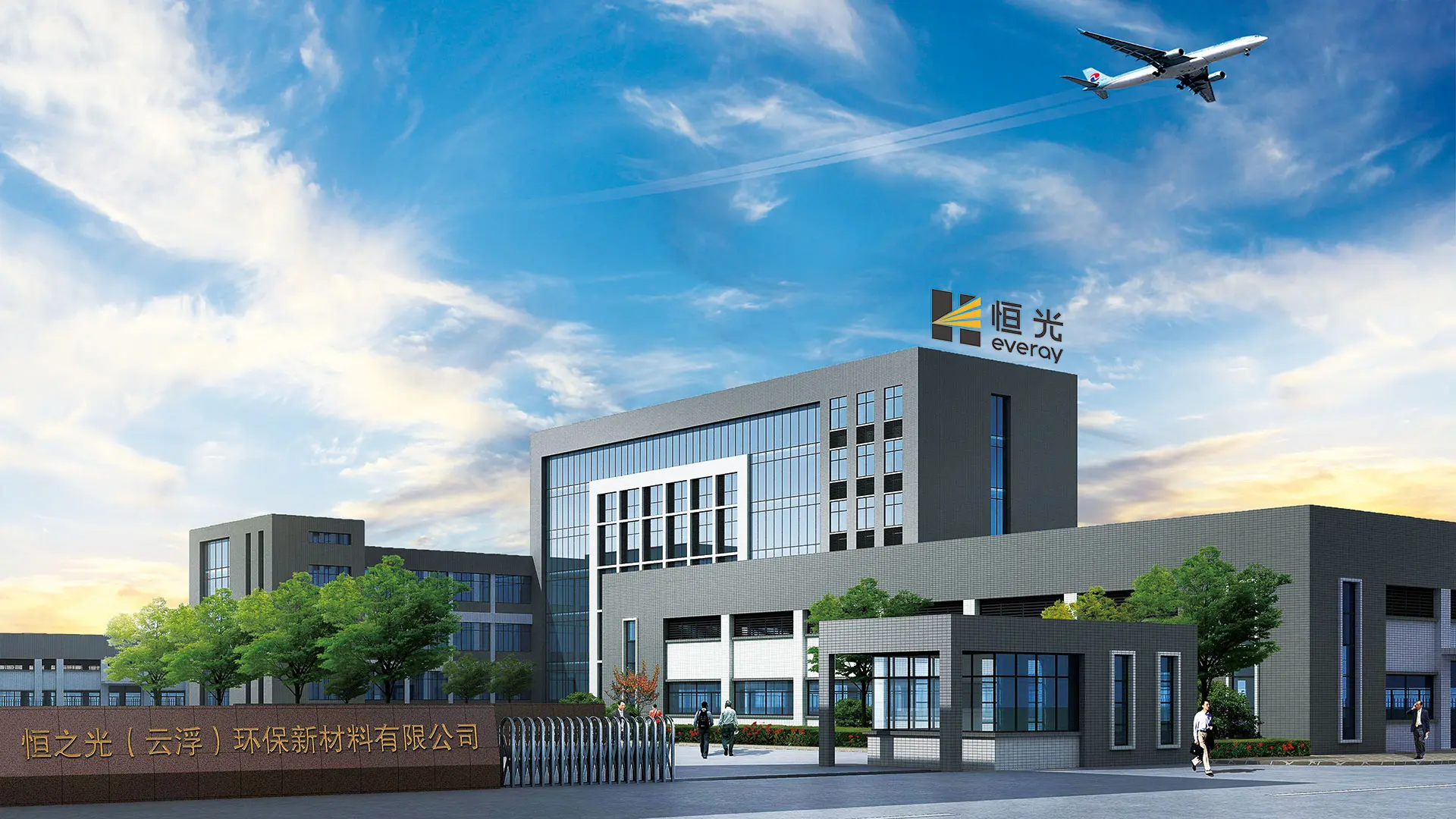
Ever Ray Environmental Material Co., Ltd. Facility

Guangdong Ever Ray Environmental Material Co., Ltd.

Established in 2006, Ever Ray is a premier high-tech enterprise focusing on the R&D and production of advanced oligomers for UV curable resin.

Advanced Manufacturing Infrastructure

To sustain strict consistency requirements for precision chemicals, we operate two state-of-the-art production bases. Our primary facility in Jiangmen, Guangdong spans over 10,000 square meters. To meet growing global volumes, our second facility in Yunfu, Guangdong operates a 40,000 square meter industrial complex.

Both chemical plants are monitored via a sophisticated, fully integrated DCS (Distributed Control System). This digital automation ensures tight management of reaction parameters—including temperature excursions, addition rates, and vacuum pressure profiles. As a result, batch-to-batch variations in acid values, molecular weight distribution, and viscosity are kept within narrow tolerances.

Our plants operate under internationally recognized frameworks, holding certifications for ISO 9001 Quality Management System and ISO 14001 Environmental Management System. By combining world-class material synthesis with sustainable manufacturing practices, we ensure safe supply chains for critical chemical formulations.

Proprietary Technology & R&D Depth

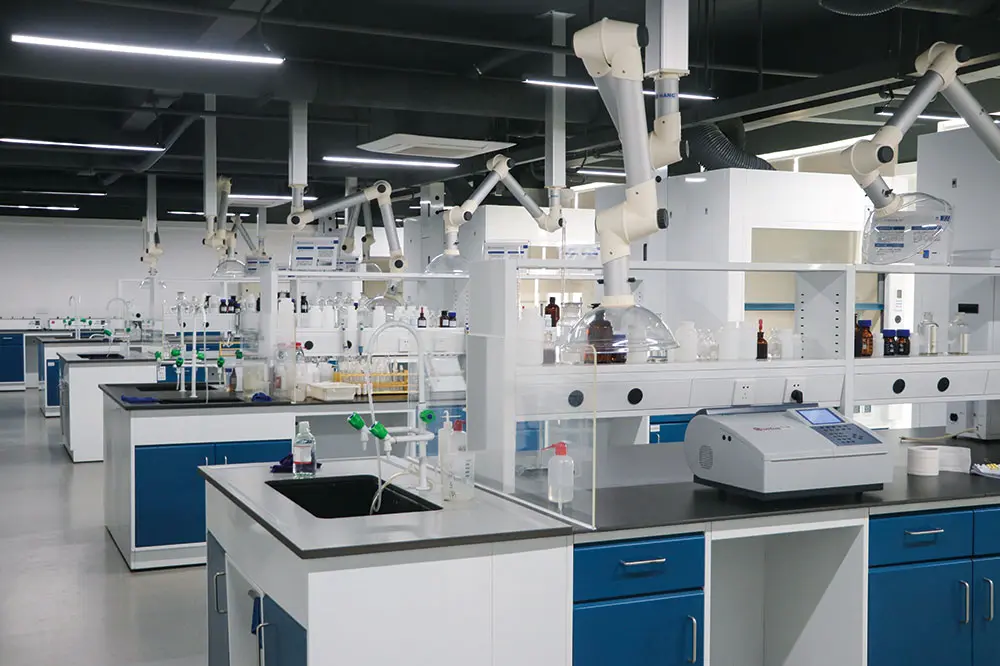
Ever Ray’s core competitiveness lies in our focus on intellectual property and synthetic capabilities. We hold more than 10 invention and practical patents, supported by an internal R&D department staffed by over 15 senior chemical technicians and formulation experts.

We synthesize a wide range of customized chemical structures, including:
  • Modified Epoxy Acrylates: Low-shrinkage systems providing chemical resistance and hard-coat features.
  • Polyurethane Acrylates: Ranging from aliphatic urethane acrylates for non-yellowing weathering resistance to aromatic urethane acrylates for fast curing and economic strength.
  • Polyester Acrylates: Waterborne options and multi-functional resins that balance viscosity control with high reactivity.
  • Specialty Monomers & Functionalized Oligomers: Customized for glass bonding, vacuum metallization, and peelable electronic adhesives.
20,000+
Annual Capacity (Tons)
10+
Advanced Production Lines
15+
R&D Research Experts
50,000
Total Factory Footprint (㎡)
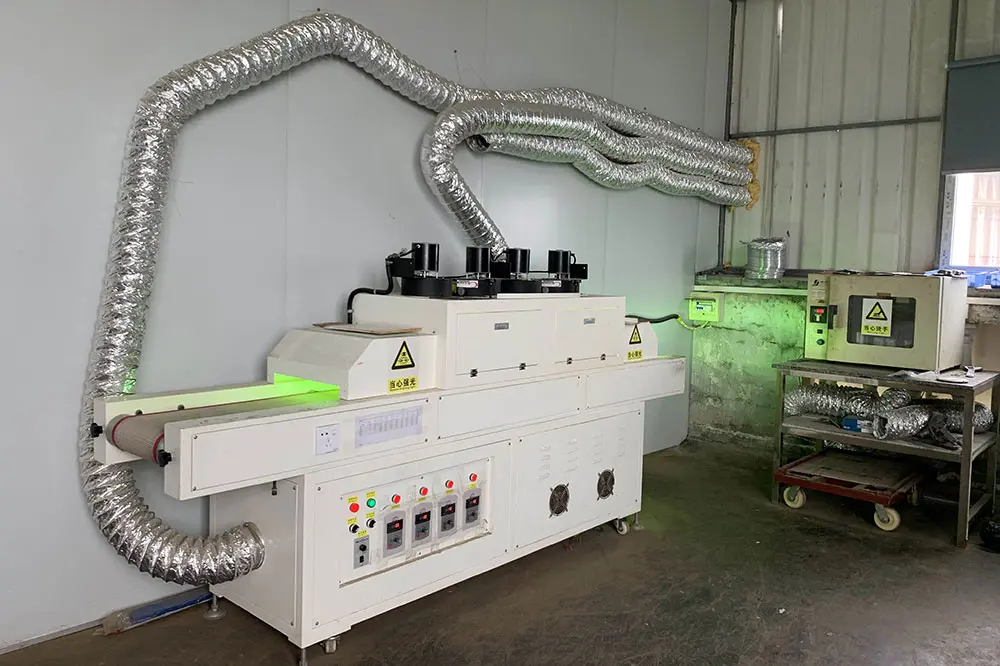
Ever Ray Production Floor
Precision Synthesis Reactors
DCS Control Room
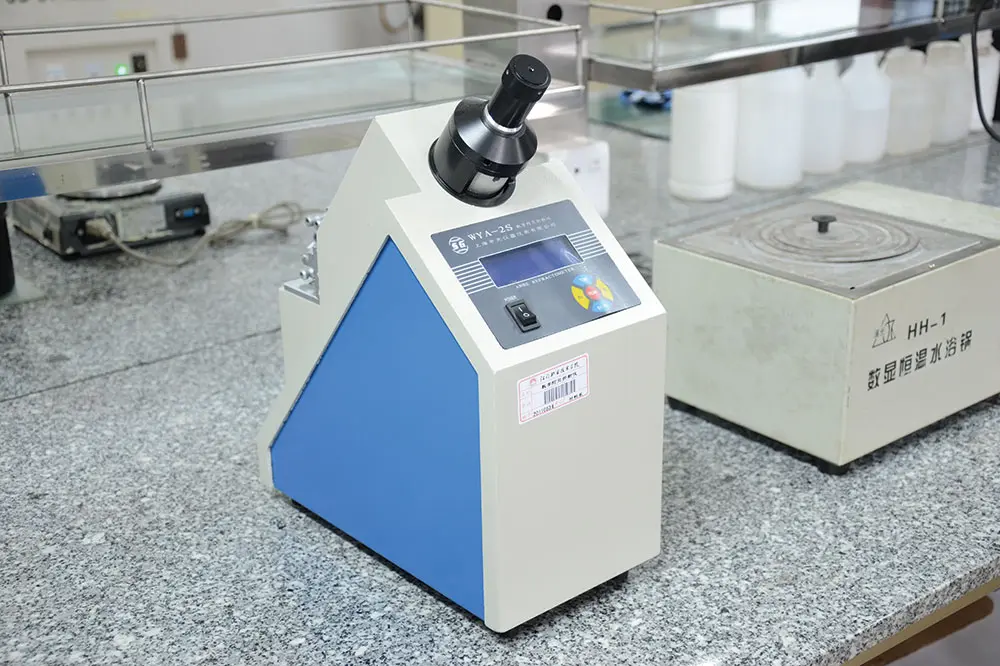
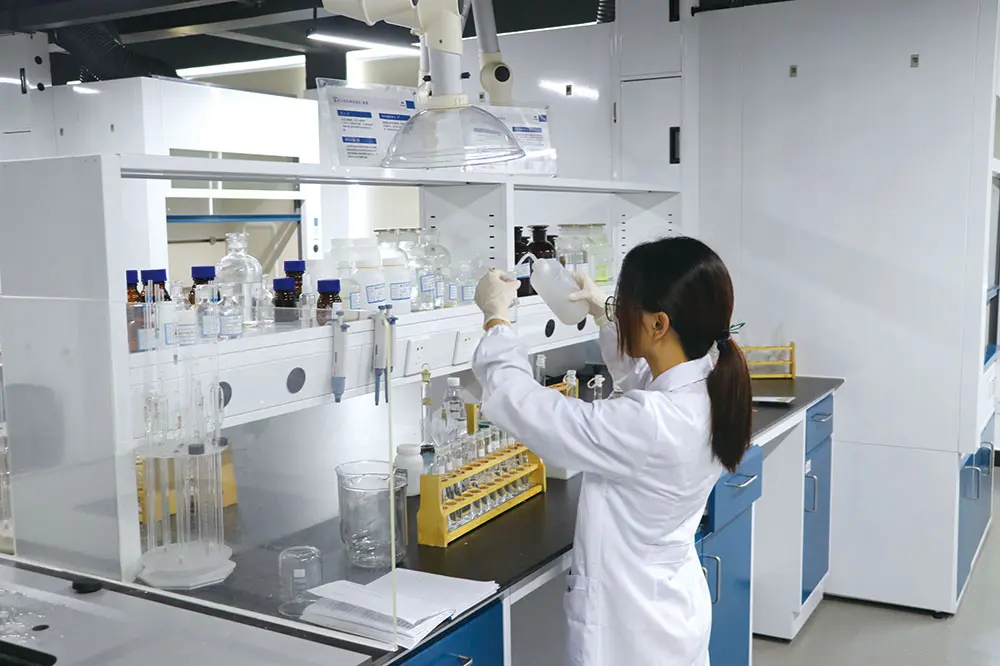
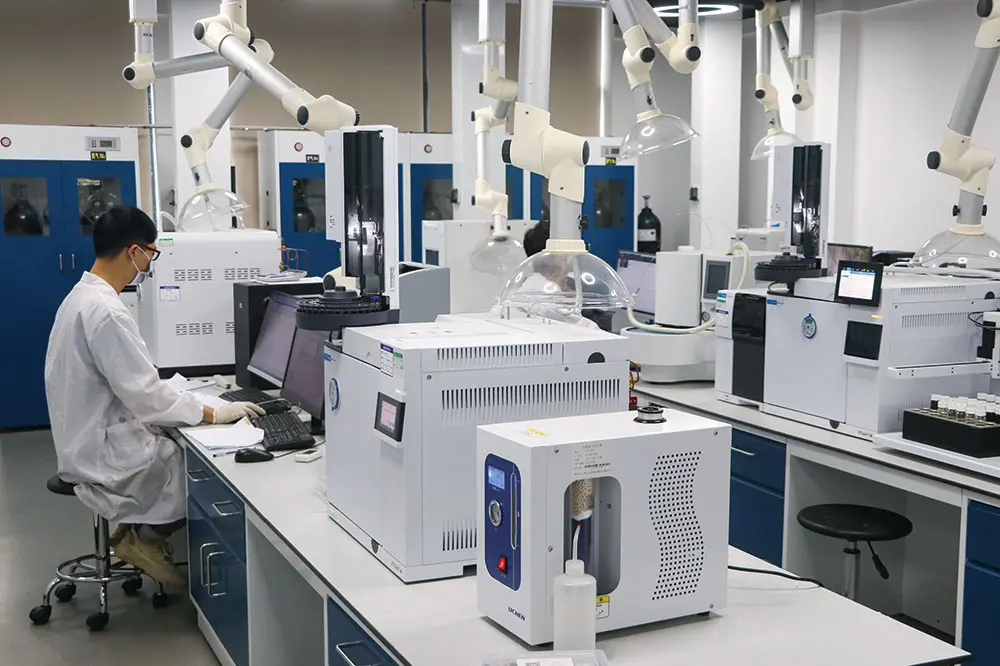
Quality Control Laboratory
Raw Material Storage Yard
Finished Product Warehouse
Logistics Center Operations

Technology Roadmap & Market Evolution

A deep look into the key market drivers, chemical shifts, and performance parameters shaping modern UV oligomer formulations.

UV-LED Wavelength Matching

The industry is transitioning from high-pressure mercury arc lamps to energy-efficient UV-LED curing (especially at 365nm and 395nm). This shift requires photo-curing systems with higher reactivity and tailored absorption properties to overcome surface tackiness and oxygen inhibition.

Low Shrinkage Chemistry

High cross-linking density in epoxy acrylates can lead to mechanical shrinkage, affecting adhesion to metal, glass, and plastic substrates. Our R&D addresses this by engineering flexible chains and polyurethane/polycarbonate segments to relieve internal stress.

Bio-Based & Sustainable Carbon

Environmental responsibility drives our long-term roadmap. We are continually researching the integration of bio-derived precursors into our polyester and polyurethane chains, helping formulation partners reduce their overall carbon footprint.
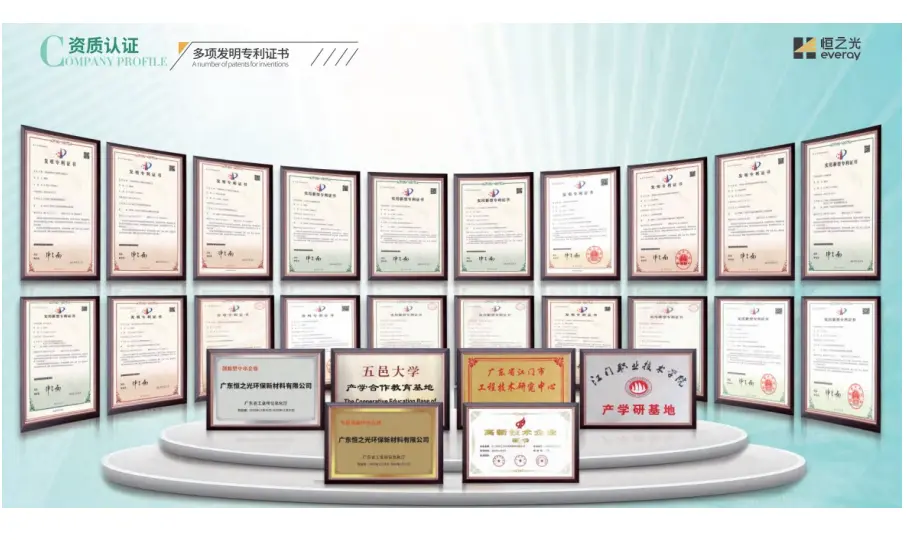
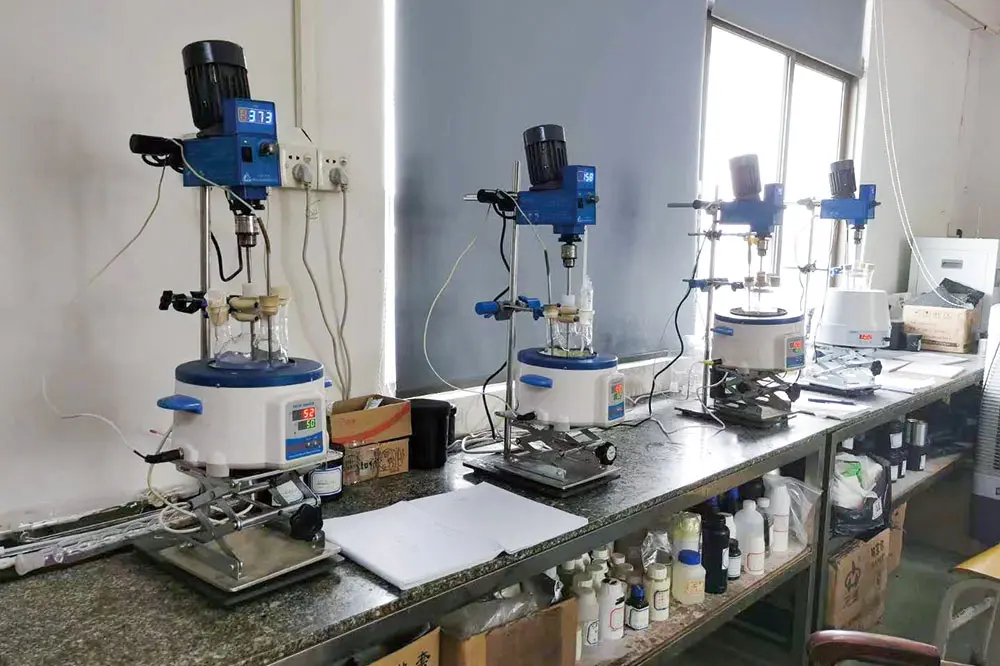
R&D Testing and Synthesis Laboratory

Macro-Industry Application Profiles

Our oligomer catalog is designed for versatile performance, addressing specific formulation challenges across various industrial sectors:

1. Industrial Coatings & High-End Wood Finishes

For wood flooring and furniture, coatings require high gloss, abrasion resistance, and fast processing speeds. Products like 6102 UV Resin are specifically designed to reduce cure shrinkage while protecting against micro-scratches and yellowing over time.

2. Packaging Inks & Paper Varnishes

High-speed printing demands low viscosity, fast cure response, and good pigment wetting. Our polyester acrylates provide the necessary stability to resist ink misting, showing good compatibility with various organic pigments and photopolymerization packages.

3. Consumer Electronics and Vacuum Metallization

Plastics and electroplated metals present challenging surface energies. Our polycarbonate and specialized polyurethane acrylates (such as 7620) offer adhesion on difficult-to-bond substrates, thermal stability, and resistance to hand oils, alcohol rubs, and mechanical wear.

4. Functional Electronic Adhesives and Potting

In electronic assembly, moisture barrier properties and electrical insulation are critical. Our low-shrinkage polyurethane resins provide thermal stability and low stress during cure, protecting delicate microcircuits and solder connections.

High-Performance Custom Solutions

Specialized chemical structures designed for high water resistance, fast curing profiles, and specialized industrial coatings.
Antifouling 1291B-1

Buy Enhance UV coating using the antifouling function of 1291B-1 Supplier, Suppliers

View Specifications
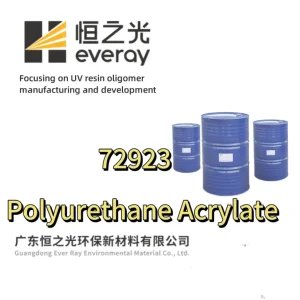
Polyurethane Acrylate 72923

Buy 72923 Fast-Cure Non-Yellowing Polyurethane Acrylate Resin for UV Peelable adhesive Supplier, Factories

View Specifications
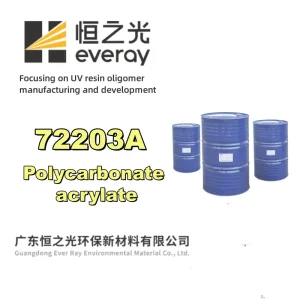
Polycarbonate Acrylate 72203A

Buy Polycarbonate Acrylate 72203A – Fast Curing UV Resin for Soft Touch Coatings, Clear Coats & UV Inks Factory, Products

View Specifications
UV Resin 61003A

Wholesale 61003A UV resin in UV plastic-film varnish and LED-UV Packaging Manufacturers, Factories

View Specifications
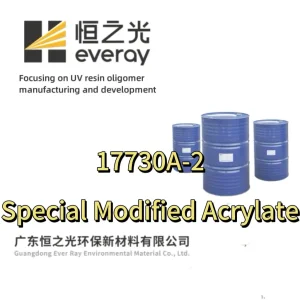
Modified Acrylate Resin 17730A-2

Wholesale 17730A-2 Special Modified Acrylate Resin High Water Resistance & Leveling Anti-Yellowing for Glass UV Coating & Ink Manufacturer, Product

View Specifications
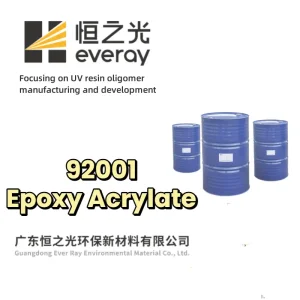
Epoxy Acrylate 92001

Buy A Versatile Solution for High-Efficiency Curing Applications: Epoxy Acrylate 92001 Factory, Products

View Specifications
Low-Shrinkage PUA Resin 73008

High-Quality 73008 Low-Shrinkage Polyurethane Acrylate Resin for Electronic Potting & Metal Coating | High Temp Anti-Yellowing UV Oligomer Manufacturers, Products

View Specifications
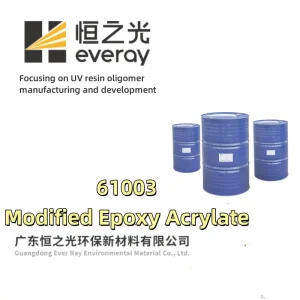
Modified Epoxy Acrylate Resin

High-Quality High Gloss Fast Curing Modified Epoxy Acrylate Resin (UV Oligomer) Supplier, Factory

View Specifications

Technical Q&A: Chemistry, Safety & Applications

Expert insights addressing key performance parameters, polymer mechanics, and application troubleshooting for industrial formulators.
How do modified epoxy acrylates differ from standard bisphenol-A based epoxy acrylates?

Standard Bisphenol-A epoxy acrylates provide excellent hardness, high gloss, and chemical resistance, but they can exhibit high shrinkage rates and brittleness upon curing. Modified epoxy acrylates incorporate modifiers—such as flexible segments, aliphatic chains, or urethane linkages—directly into the polymer backbone. This reduces shrinkage, improves adhesion to non-porous substrates (like metals and plastics), and enhances impact resistance without compromising curing speed.

What strategies resolve surface tackiness and oxygen inhibition in UV-LED curing?

Oxygen inhibition occurs when atmospheric oxygen reacts with free radicals in the formulation, forming unreactive peroxy radicals that prevent proper polymerization at the surface. To mitigate this:
  1. Incorporate amine synergists or amine-modified oligomers to scavenge oxygen.
  2. Increase the photoinitiator concentration, selecting profiles that match UV-LED output wavelengths (e.g., TPO or DETX for 395nm).
  3. Design high-functionality oligomers (such as multi-functional polyester or polyurethane acrylates) to speed up cross-linking and trap radicals before oxygen can diffuse into the film.

Why is waterborne UV-resin technology gaining market share?

Waterborne UV-curable resins, such as Waterborne 70251, combine the environmental advantages of waterborne coatings with the high performance of UV-curable systems. Traditional UV coatings require low-molecular-weight reactive diluent monomers to adjust application viscosity. These monomers can raise toxicity and skin irritation concerns. Waterborne systems use water as the carrier instead of reactive diluents, achieving low viscosity while maintaining safety, and allowing for ultra-thin coating weights on wood and 3D printing resins.

How does Ever Ray manage raw material purity and product stability?

Our quality control relies on rigorous procurement standards and in-house testing. We source high-grade raw materials from trusted domestic and international chemical suppliers. Each incoming shipment is tested for moisture, hydroxyl values, and monomer purity. In our production facilities, computerized DCS controls keep parameters within set tolerances. Finally, each production batch undergoes standard quality control testing—including viscosity index, color value, shelf stability, and molecular weight distribution profiles—before packaging.