Engineered for extreme performance, structural resilience, and rapid cross-linking kinetics.
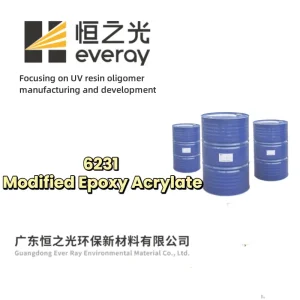
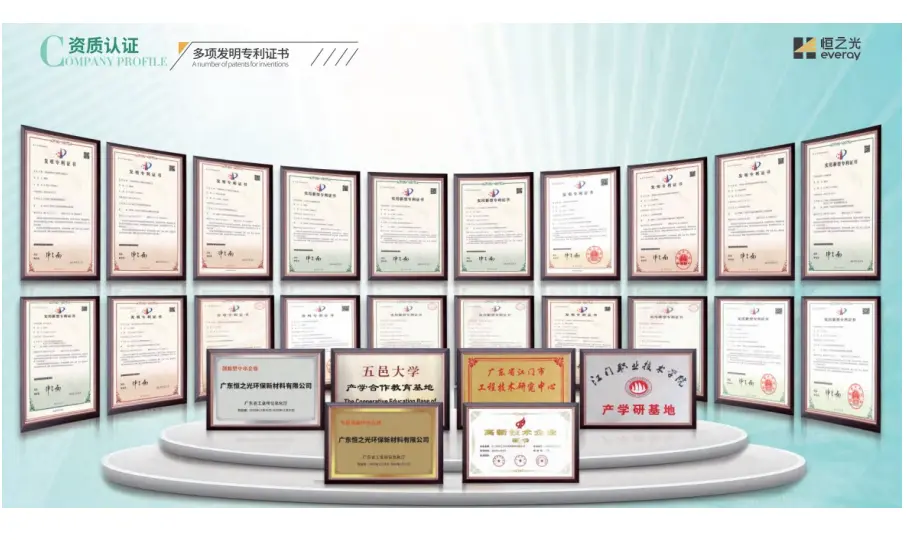
Established in 2006, Guangdong Ever Ray Environmental Material Co., Ltd. has stood at the forefront of chemical innovation as a leading high-tech enterprise. We specialize in the research, development, and high-volume synthesis of high-performance oligomers designed for UV-curable systems. Our diverse chemistry solutions include epoxy acrylate, polyurethane acrylate (waterborne, aliphatic, and aromatic urethane), polyester acrylate, pure acrylate, and specialized, custom-modified acrylate oligomers.
For nearly two decades, we have partnered with global manufacturers, technical formulators, and supply chain managers to deliver raw chemical structural materials that perform under demanding mechanical, thermal, and environmental conditions. Our focus is the intersection of sustainable development and cutting-edge polymer engineering.
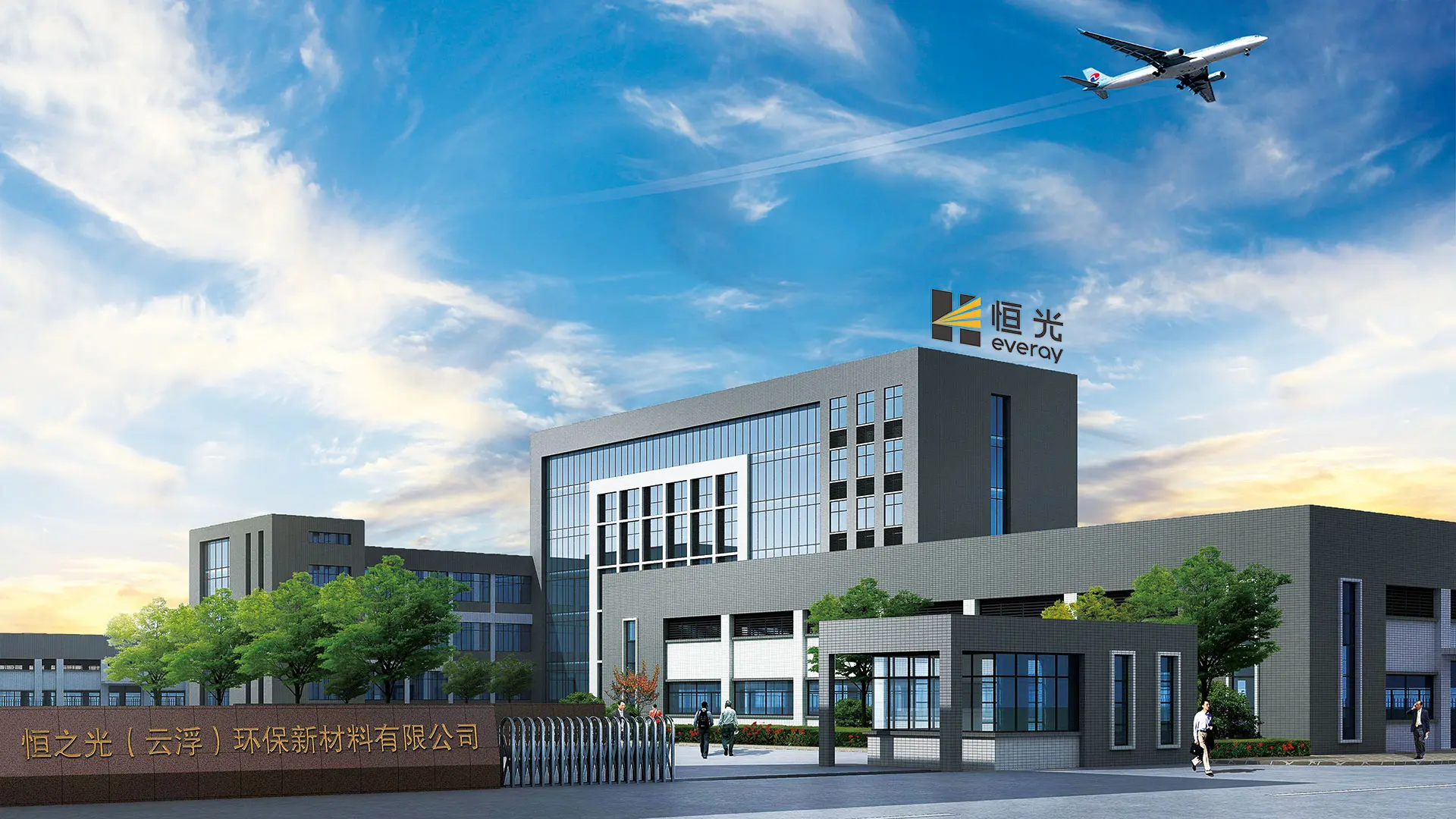
How our dual manufacturing facilities deliver continuous, high-volume chemical compliance.
To ensure consistent output and a resilient supply chain structure, Ever Ray operates two production bases in Guangdong province:
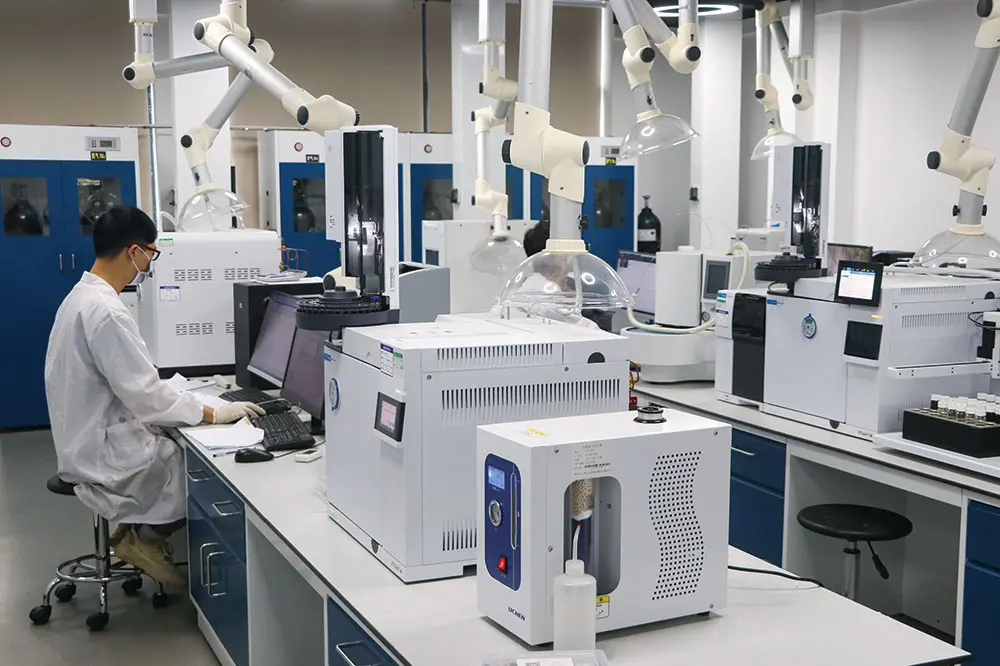
Operating combined, our annual production capacity exceeds 20,000 metric tons. Every operation strictly complies with the ISO9001 Quality Management System and the ISO14001 Environmental Management System. Fully automated DCS (Distributed Control Systems) guarantee precise reactant feed rates, temperature regulation, and safety compliance, mitigating batch-to-batch deviations and guaranteeing predictable cure kinetics for downstream applications.
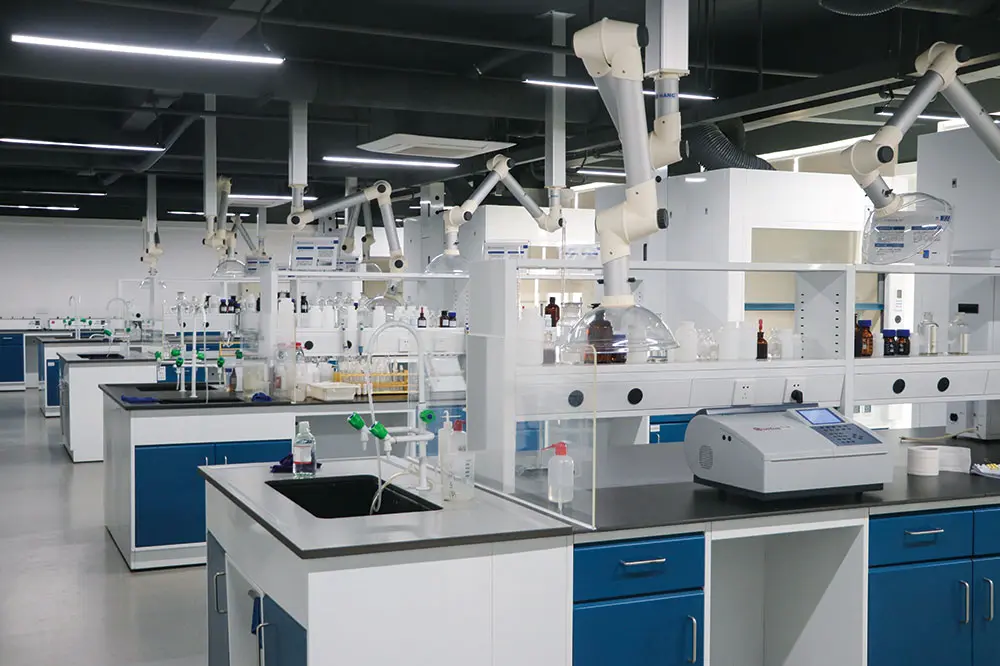
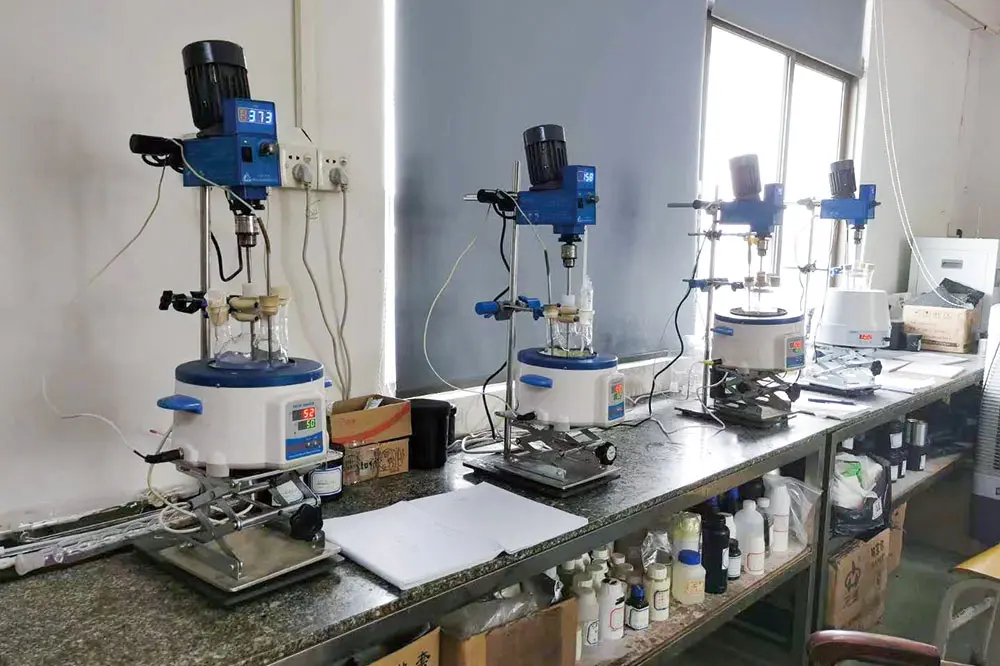
Understanding the molecular architecture that delivers superior adhesion, tensile integrity, and hardness.
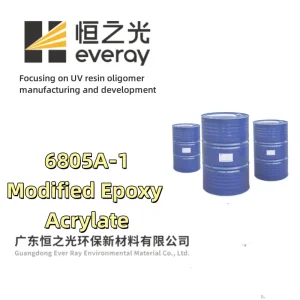
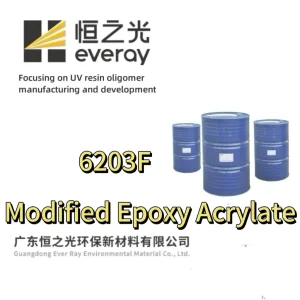
Characterized by rapid cure response rates, extreme surface hardness, and superior chemical resistance. Modified variants like 6231 and 6203F are engineered to overcome the natural brittleness of standard bisphenol-A epoxy acrylates, offering low-shrinkage performance ideal for rigid coatings and primers.
Aliphatic and aromatic urethane acrylates bridging the gap between toughness, flexibility, and weathering resistance. Used heavily in dual-curing structures for 3D printing and electronic encapsulation where dynamic mechanical stresses occur.
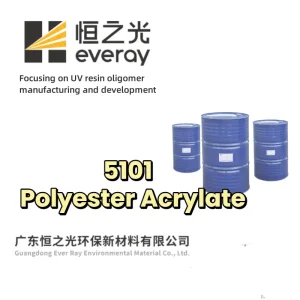
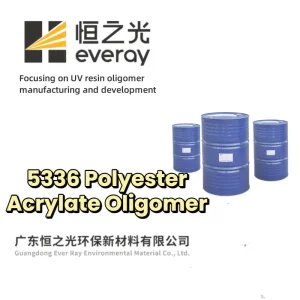
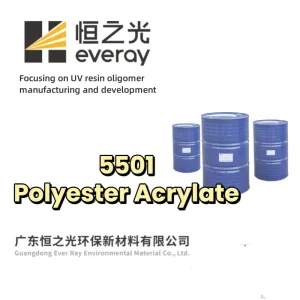
Our range includes multi-functional polyester acrylates such as 5501, 5101, and 5336, exhibiting fast curing cycles, low viscosity for effortless formulation diluent addition, and excellent pigment-wetting capabilities for offset and flexographic printing inks.
Evaluating the macro-economic and technical benefits of localizing raw chemical manufacturing with Ever Ray.
Purchasing raw UV curable oligomers from a verified Chinese chemical manufacturer like Ever Ray offers significant strategic advantages:
Operating in Guangdong puts us at the epicenter of global raw material petrochemical streams. This local sourcing buffer reduces raw feed costs, which translates directly to cost-savings for our international clients without compromising quality.
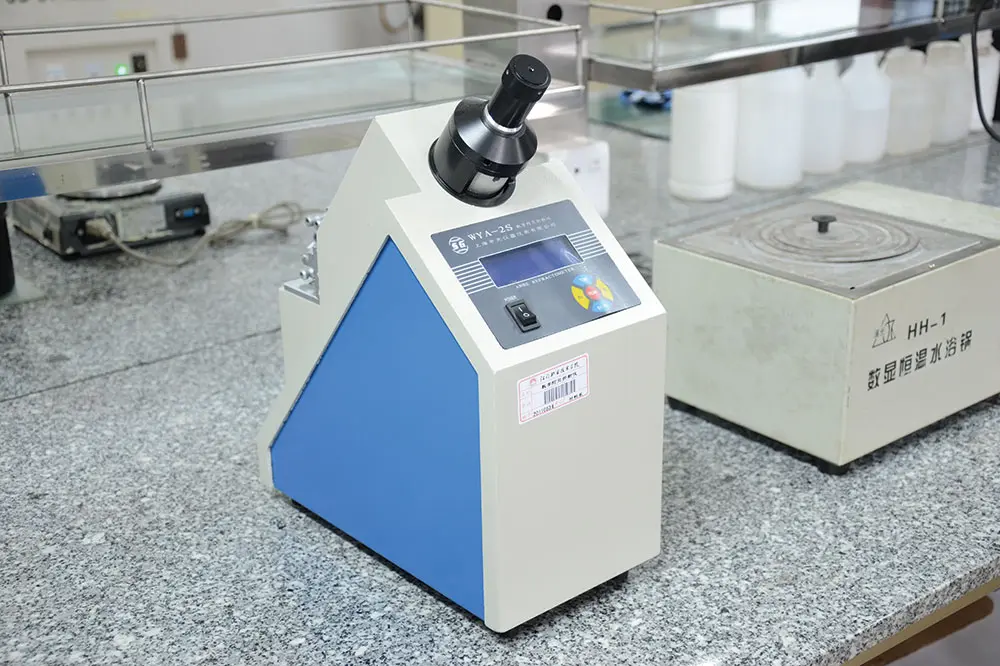
Our Yunfu production plant relies on computerized batch synthesis. Automated chemical reactors prevent the mechanical fluctuations common in manual operations, producing consistent product viscosities, molecular weights, and acid values.
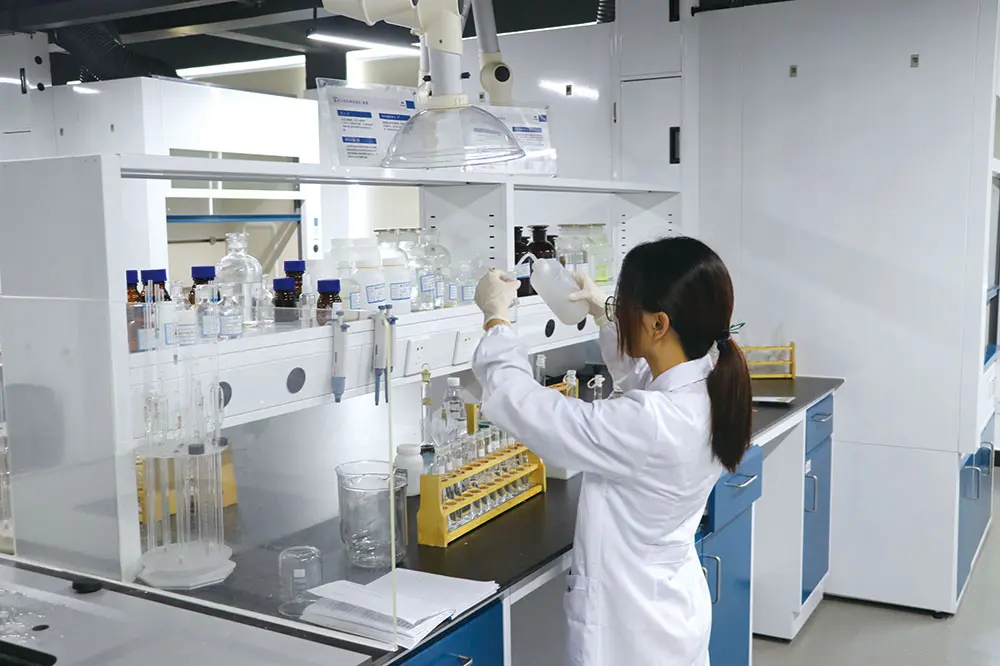
With more than 15 dedicated specialists in our R&D lab, we optimize formulations for specialized challenges—such as preventing yellowing, reducing odor, and minimizing volume shrinkage during photo-polymerization.
How our oligomers solve technical design challenges across diverse vertical industries.
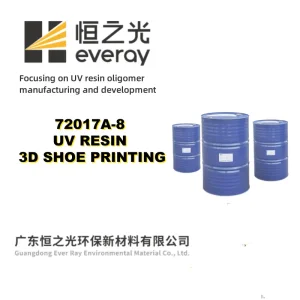
The footwear manufacturing industry is moving toward fast direct-to-shape digital light synthesis (DLS). Standard acrylic polymers crumble under mechanical wear. Using our 72017A-8 Dual-Curing UV Resin, developers synthesize midsoles with high tear-strength, remarkable shape rebound, and minimal shrink rates.
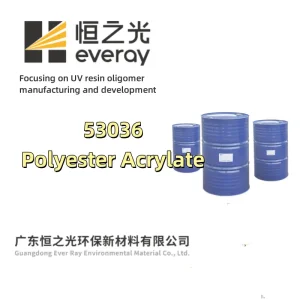
High-end furniture and automotive plastics demand fingerprint-resistant, matte finishes. Our 53036 Polyester Acrylate is optimized for 172nm excimer laser curing. When cured in nitrogen-inerted systems, it undergoes controlled surface micro-folding, producing an ultra-matte, soft-skin touch with superior scratch resistance.
Traditional UV lamps generate significant heat, causing wood substrates to warp and release resinous sap. The transition to cooler LED-UV wood curing requires photoinitiators and oligomers that react at longer wavelengths (e.g., 385–395nm). Ever Ray's 5501 Polyester Acrylate delivers high surface curing speed and deep cross-linking, overcoming oxygen inhibition under lower light intensity.
Adapting to evolving global environmental mandates and emerging chemical paradigms.
With tightening environmental regulations, the demand for bio-based acrylates derived from vegetable oils and natural polyols is growing. Ever Ray is actively engineering renewable-content oligomers that match fossil-derived equivalents in hardness, viscosity, and chemical resistance.
For applications with shadowed areas that UV light cannot reach (such as complex automotive parts or assembly adhesives), dual-curing resins (UV + thermal or UV + moisture) ensure reliable, deep curing across all surfaces.
In food packaging, trace chemical migrations pose significant health risks. We focus on developing high-molecular-weight, highly reactive oligomers that cure completely, ensuring zero migration of free monomer components.
Key parameters for sourcing high strength oligomers for industrial plants.
When selecting a chemical partner for high strength UV curable resins, technical managers should verify three primary factors:
Answering technical queries from formulators, coatings engineers, and procurement heads.
Volume shrinkage occurs during photo-polymerization when van der Waals forces are replaced by covalent bonds, pulling the polymer chains closer together. High-functionality monomers and oligomers generally suffer from higher shrinkage. To counter this, we formulate oligomers with bulky cycloaliphatic rings or modify epoxy backbones (such as in our 6203F modified epoxy acrylate) to reduce crosslink density while maintaining mechanical strength.
Non-porous substrates (PET, PMMA, metal plating) lack anchor points. Standard acrylates peel off easily under stress. Using our specialized 1730 UV resin, which features polar functional groups, creates hydrogen bonds and chemical adhesion at the interface. This ensures strong coating adhesion even after thermal aging tests.
Aromatic urethane acrylates utilize aromatic diisocyanates (such as TDI or MDI). They are cost-effective and provide high hardness and chemical resistance, but they yellow easily under UV light. Aliphatic urethane acrylates rely on aliphatic diisocyanates (such as IPDI or HDI), offering excellent flexibility, toughness, and long-term non-yellowing performance, making them ideal for outdoor protective clearcoats.
High odor is usually caused by low-molecular-weight monomers that fail to react completely. Formulating with high-molecular-weight oligomers like our 5017 Low Odor Resin keeps volatility low. Adding highly reactive, low-odor monomers also ensures high double-bond conversion, reducing residual odors.
Excimer lamps emit monochromatic light at 172nm, which penetrates only the top layer of the coating (a few nanometers deep). This causes the top layer to cure and shrink rapidly, creating micro-folds, while the lower layer remains liquid. A subsequent standard UV lamp cures the base, locking the micro-folds in place. This structure scatters light to create a natural matte effect with a soft-skin feel.
Select the right resin chemistry for your specific formulation requirements.
 Ever Ray