Premium UV Oligomers engineered for rapid curing, low shrinkage, and supreme chemical resistance.
An authoritative guide to the mechanical, physical, and chemical transformations of advanced oligomers.
The global specialty chemicals sector has undergone a paradigm shift driven by green chemistry frameworks, emissions regulations, and the demand for high-efficiency manufacturing pipelines. At the core of this transition are radiation-curable systems, specifically ultraviolet (UV) curable resins. These systems bypass traditional thermal drying mechanisms, utilising photopolymerisation to transition from a liquid monomeric/oligomeric state to a highly crosslinked, durable solid matrix in milliseconds.
As a premier manufacturer and supplier, Guangdong Ever Ray Environmental Material Co., Ltd. has developed a comprehensive catalog that addresses the fundamental challenges of modern formulation science. Selecting the correct oligomer is critical for balancing reactivity, crosslinking density, mechanical integrity, and interface adhesion. This whitepaper analyzes the structural differences, optimization vectors, and commercial applications of epoxy acrylates, polyurethane acrylates, and polyester acrylates within the global industrial landscape.
Recognized for their high reactivity, exceptional hardness, and superior chemical resistance. Epoxy acrylates are synthesized via the esterification of epoxy resins with acrylic acid. They represent the industry standard for rigid wood topcoats, overprint varnishes, and corrosion-resistant metal coatings.
Providing tailored flexibility and resilience, polyurethane acrylates (PUA) are produced by reacting polyisocyanates with polyols and hydroxyl-functional acrylates. Our aliphatic urethane acrylates deliver non-yellowing performance and weatherability, essential for automotive interiors and high-end outdoor finishes.
Characterized by low viscosity, excellent pigment wetting properties, and moderate flexibility. Synthesized by the esterification of polyester polyols, they are ideal for offset printing inks, pigment-stabilized coatings, and systems requiring high-speed press runs with minimal solvent diluent demands.
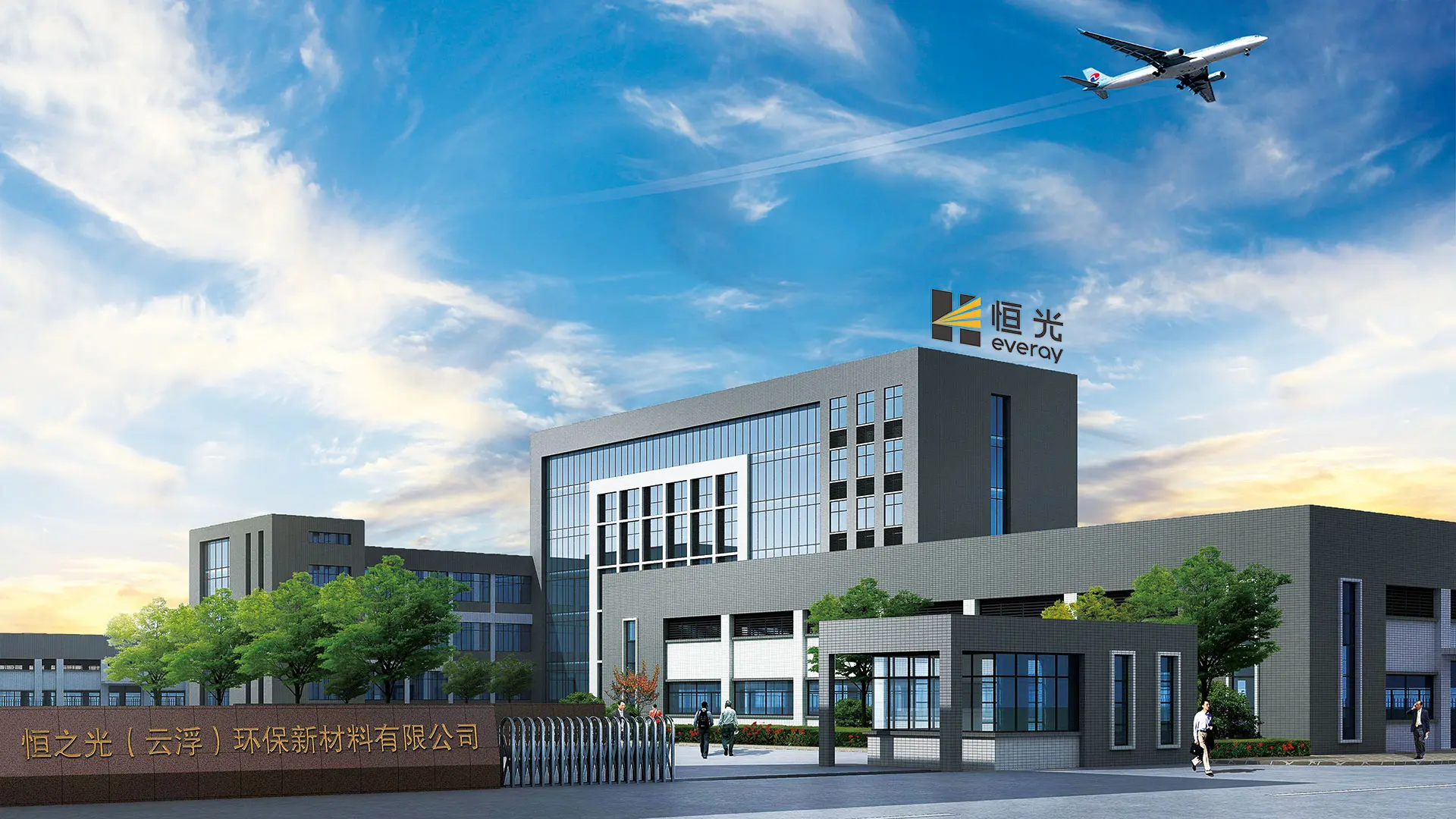
Established in 2006, Guangdong Ever Ray Environmental Material Co., Ltd. is a national high-tech enterprise dedicated to the research, development, and high-volume manufacture of advanced oligomers for UV-curable systems. Our chemical portfolio includes epoxy acrylates, polyurethane acrylates (waterborne, aliphatic, and aromatic), polyester acrylates, pure acrylates, and specialty modified functional oligomers.
By prioritizing technical innovation and sustainable development, we serve as a reliable partner to formulators and raw material distributors worldwide. We combine industrial-scale efficiency with bespoke R&D services to deliver custom formulations designed for specific physical, optical, and mechanical performance requirements.
To ensure reliability of supply and meet the growing global demand for UV-curable monomers and oligomers, we operate two modern chemical manufacturing plants in Guangdong Province, China:
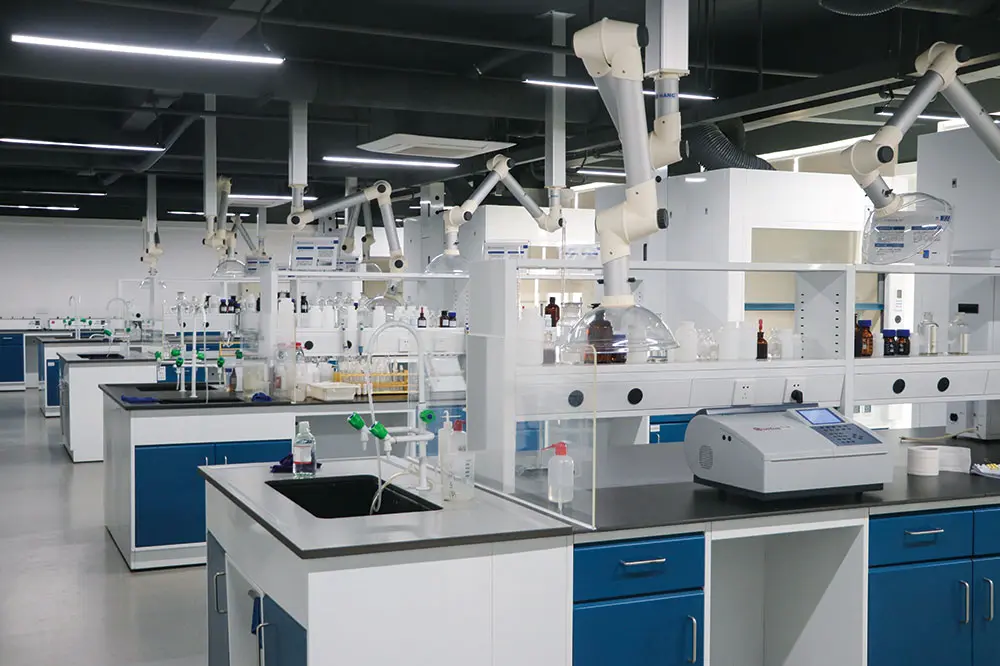
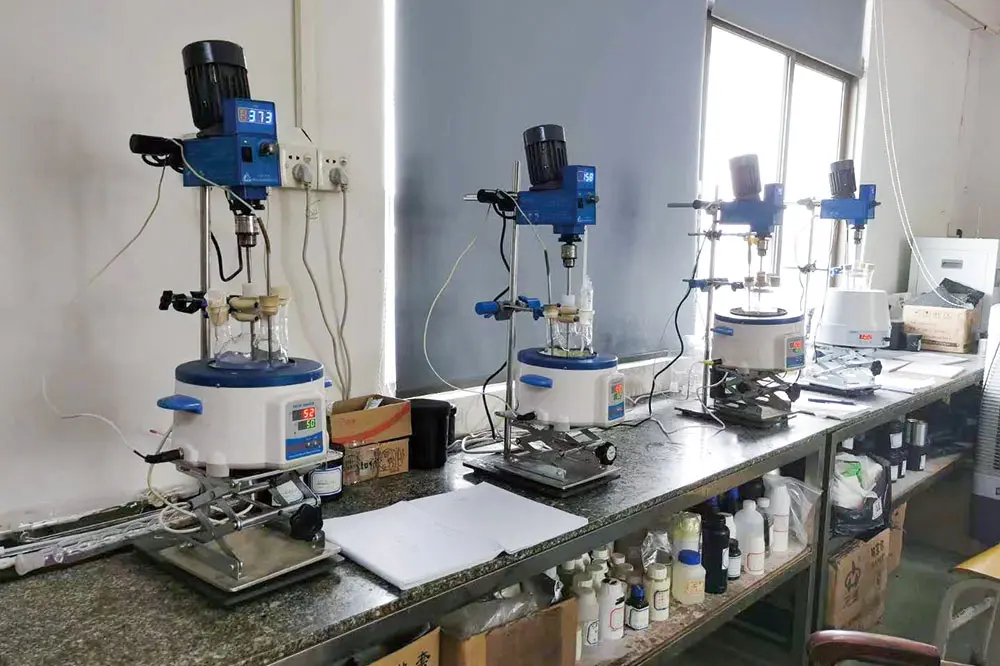
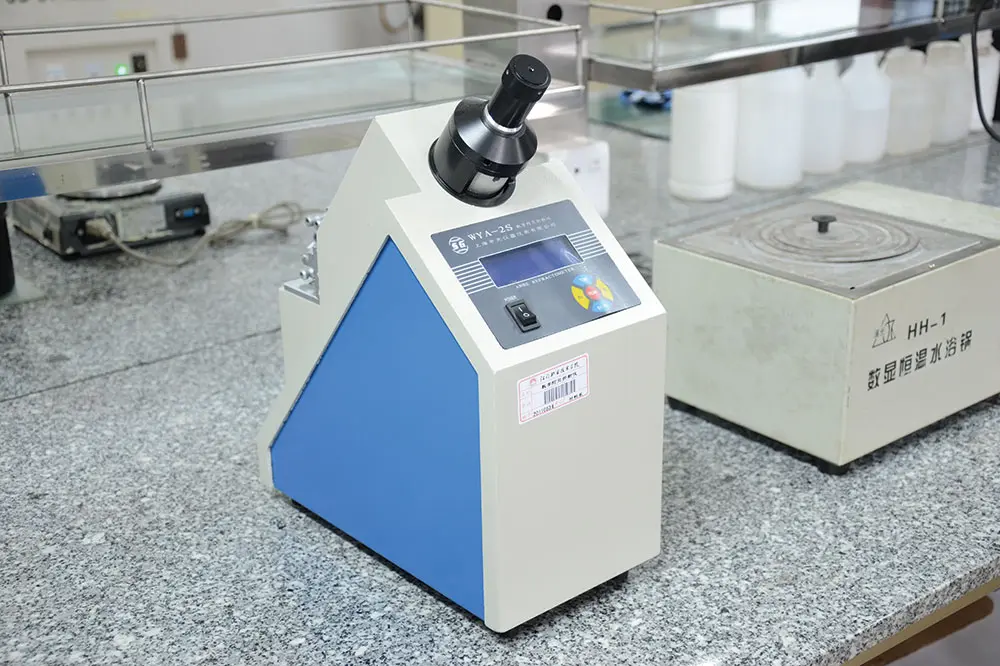
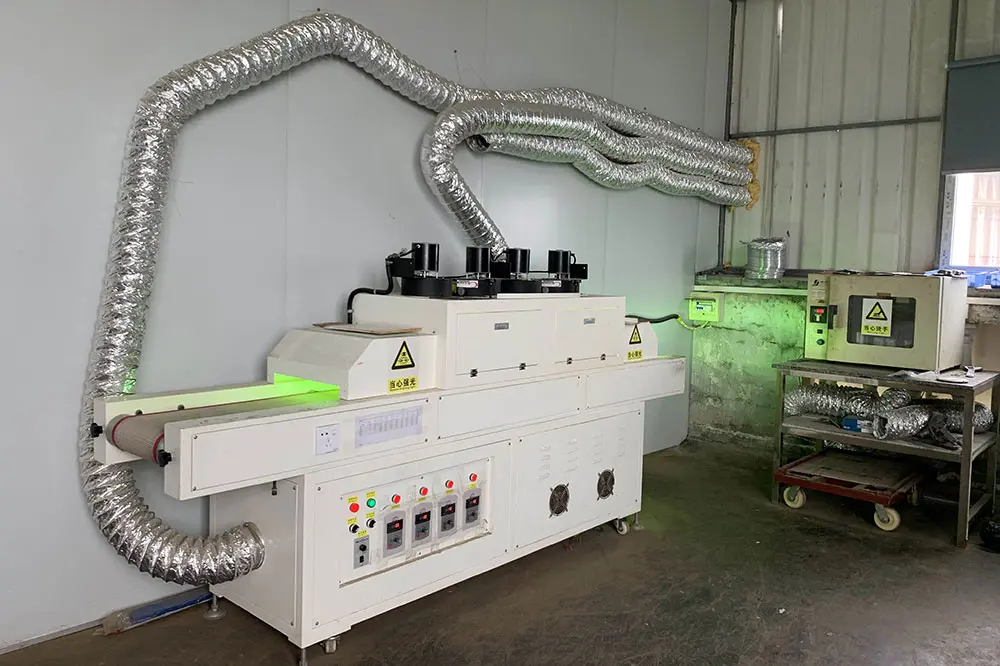
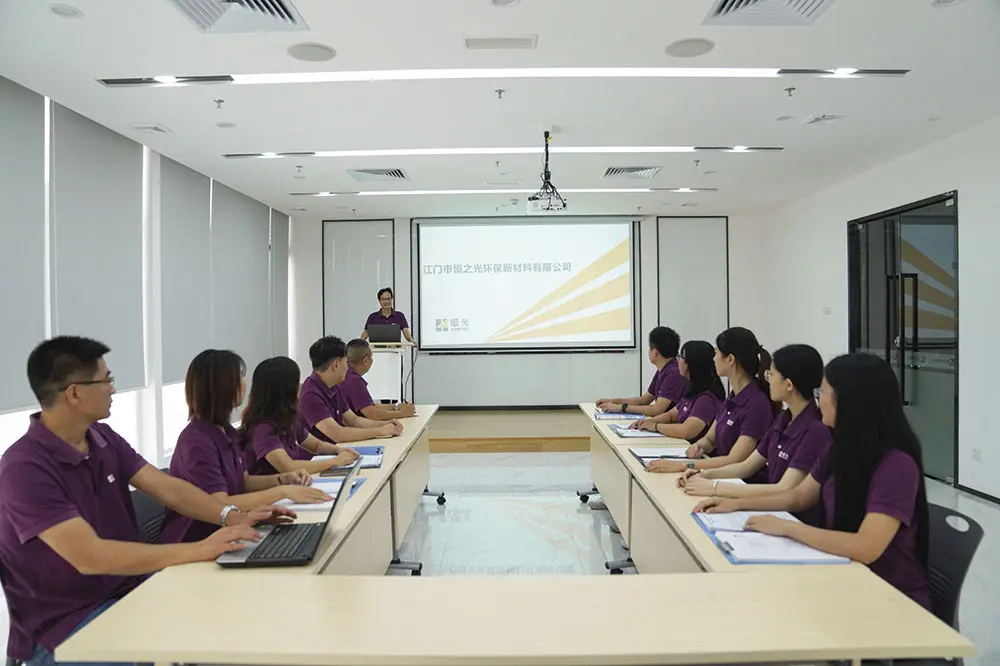
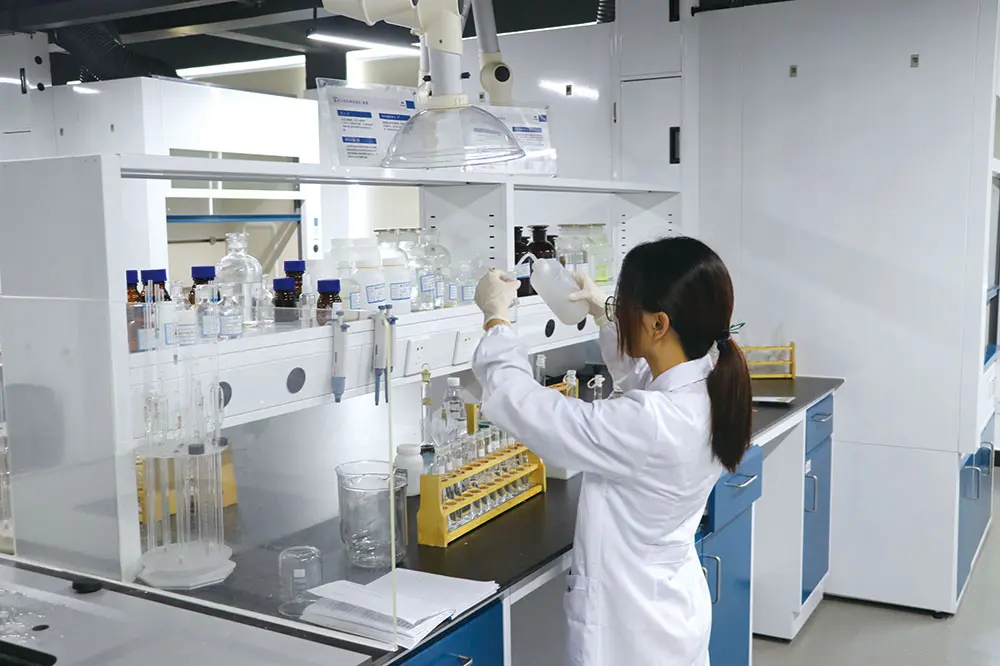
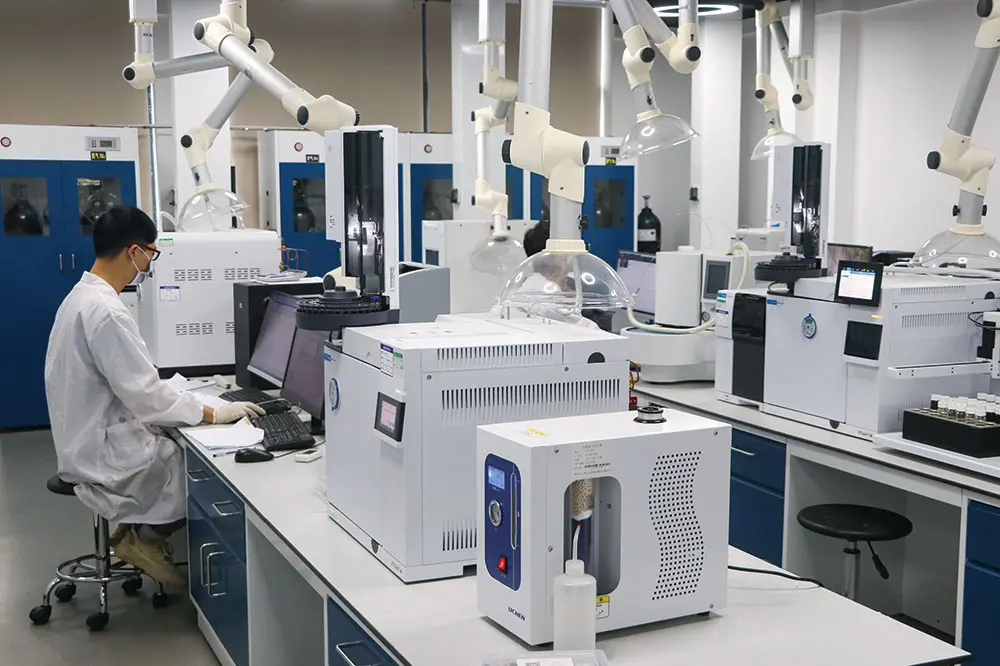
Leveraging domestic upstream integration, advanced chemical clusters, and dual-facility risk mitigation.
Operating from Guangdong’s industrial zones allows us to secure direct pipelines for critical precursors, including acrylic acid, bisphenol-A, diverse polyols, and isocyanates (TDI, IPDI, HDI). Our proximity to major domestic petrochemical hubs minimizes raw material transport times and mitigates price volatility, ensuring reliable lead times for our partners.
Our dual-base strategy (Jiangmen and Yunfu) ensures continuous operation in the event of local infrastructure maintenance or regulatory changes. Production can be dynamically reallocated between facilities to prevent supply bottlenecks. This operational redundancy minimizes production risks for our international clients.
Our plants are located near major international container ports, including Guangzhou (Nansha) and Shenzhen. We coordinate with shipping lines to manage multimodal transport networks, facilitating timely deliveries to regions across North America, Europe, Southeast Asia, and the Middle East.
How our specialty UV oligomers solve technical challenges across global industries.
Additive manufacturing in the consumer footwear and athletic gear sectors demands high elasticity, tear resistance, and minimal volume shrinkage during curing. Our 72017A-8 Dual-Curing UV Resin is engineered to meet these requirements. Combining radical photopolymerization with a secondary thermal cure, this hybrid formulation delivers high rebound, low compression set, and durability under mechanical load.
Consumer electronics, smart appliances, and automotive interiors require matte finishes with soft-touch haptics, scratch resistance, and yellowing resistance. Standard matte coatings often suffer from high viscosity, making application difficult. Our low-viscosity 7411B UV Resin and Polycarbonate Acrylate 72203A enable high-solids formulations that resist fingernail scuffing, chemical cleaners, and UV exposure.
In touchscreens, consumer electronics, and glass-to-metal bonding, maintaining optical clarity under thermal stress and UV radiation is critical. Standard epoxy acrylates can yellow over time. To address this, we developed the 6271 UV Resin, an oligomer that maintains optical transmission and adhesive strength under thermal-humid aging testing.
Our commitment to sustainable developments, bio-based feedstocks, and LED-UV curing.
The industry continues to transition from traditional mercury vapor lamps to energy-efficient LED-UV curing systems (typically emitting at 365nm, 385nm, or 395nm). Because LED systems emit a narrow band of light, photoinitiator packages and oligomer reactivity must be optimized. Our Polyester Acrylate 5501 is engineered to maximize surface cure speed and overcome oxygen inhibition when paired with LED light sources.
In response to global brands seeking to reduce scope 3 emissions, our R&D team is developing oligomers with high bio-based content. By incorporating renewable building blocks derived from seed oils, starch, and cardanol, we aim to reduce reliance on fossil-based raw materials while maintaining the technical performance of our polyurethane and polyester acrylates.
Waterborne UV-curable polyurethane dispersions (UV-PUDs) offer a zero-VOC formulation path with low viscosity. Our research focus includes improving the water-redispersibility, shear stability, and physical properties of dried, uncured films, which is critical for complex three-dimensional automotive and wood components.
Navigating international environmental regulations is key to maintaining a global supply chain. Guangdong Ever Ray operates under ISO 9001:2015 Quality Management and ISO 14001:2015 Environmental Management systems. We provide technical and documentation support to ensure compliance across regional markets.
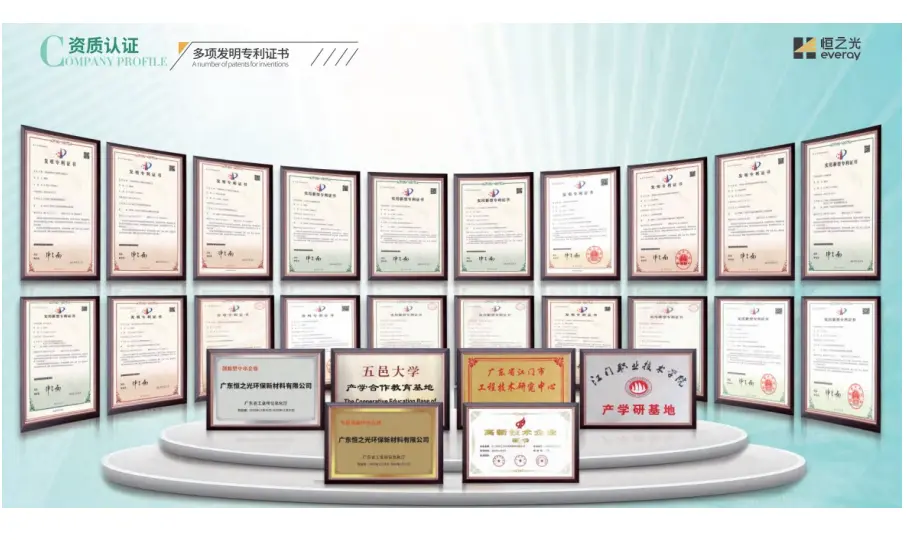
Expert solutions for common questions regarding UV-curable oligomers and application formulation.
Specialized monomers, oligomers, and dual-curing systems for high-performance applications.
 Ever Ray