Explore our top 8 industrial formulations certified for high-strength bonding, vacuum metallization, and protective coating coatings.
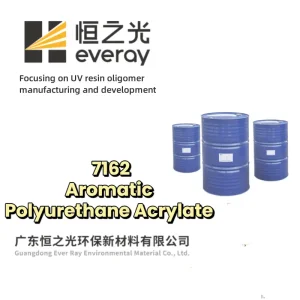
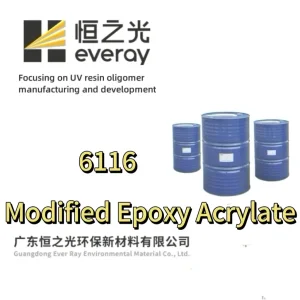
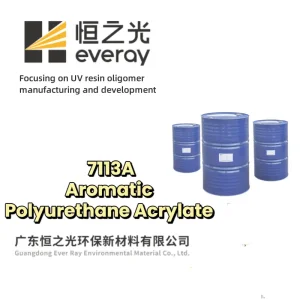
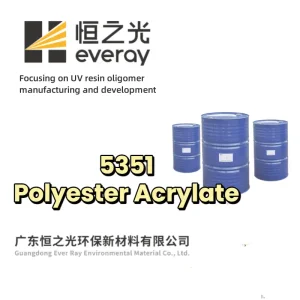
In modern structural and assembly engineering, bonding similar or dissimilar metals (such as aluminum, stainless steel, copper, and alloyed substrates) presents major chemical and mechanical challenges. Traditional solvent-based or slow-curing epoxies fail to meet the yield speed, process precision, and green guidelines of modern automated manufacturing. This is where UV curable resin technologies step in, offering rapid photo-polymerization within seconds.
As a premier high-quality metal metal adhesive supplier, Guangdong Ever Ray Environmental Material Co., Ltd. designs advanced oligomers that target high interfacial energy and chemical passivation on metal surfaces. Metal interfaces are naturally impermeable and highly conductive, dispersing UV thermal energy and preventing standard radiation reach. Our proprietary Polyurethane Acrylates (PUA) and modified Epoxy Acrylates are functionalized with polar anchors (such as carboxyl or phosphate groups) that form covalent bonds with the metal oxide layer. This ensures superior grip even under high mechanical stress.
By shifting from conventional cross-linkers to our high-viscosity oligomeric matrices, global businesses achieve resilient adhesive films. These formulations possess excellent cross-linking densities, high glass transition temperatures (Tg), and minimal shrinkage factors. These features prevent delamination caused by temperature shifts or internal curing strain.
Overcoming Coefficient of Thermal Expansion (CTE) mismatch, low surface energy, and chemical attack at the interface.
When selecting a metal-to-metal adhesive, engineering teams must evaluate physical properties beyond simple tensile strength. Factors like chemical resistance, thermal cycle tolerance, viscosity, and curing kinetics determine production viability and life cycle reliability.
| Performance Class | Core Chemical Basis | Lap Shear Strength (Al-Al) | Thermal Expansion Range | Primary Industrial Use Case |
|---|---|---|---|---|
| Ever Ray PUA Serie 7600 | Multifunctional Aliphatic Polyurethane Acrylate | ≥ 18 MPa | -40°C to 125°C | Structural metal assembly, electronics frame bonding |
| Ever Ray Epoxy Oligomer 6116 | Low Viscosity Curing Epoxy Acrylic Resin | ≥ 22 MPa | -30°C to 140°C | High hardness metal protection coatings, printed circuit inks |
| Ever Ray Aromatic PUA 7113A | Aromatic Polyurethane Acrylate Oligomer | ≥ 15 MPa | -40°C to 110°C | UV Vacuum-metallization basecoats & topcoats on plastics/metals |
| Ever Ray Special Polyester 5351 | High Performance Polyester Acrylate Matrix | ≥ 14 MPa | -50°C to 105°C | Flexible metal coil coatings, high-speed tinplate printing inks |
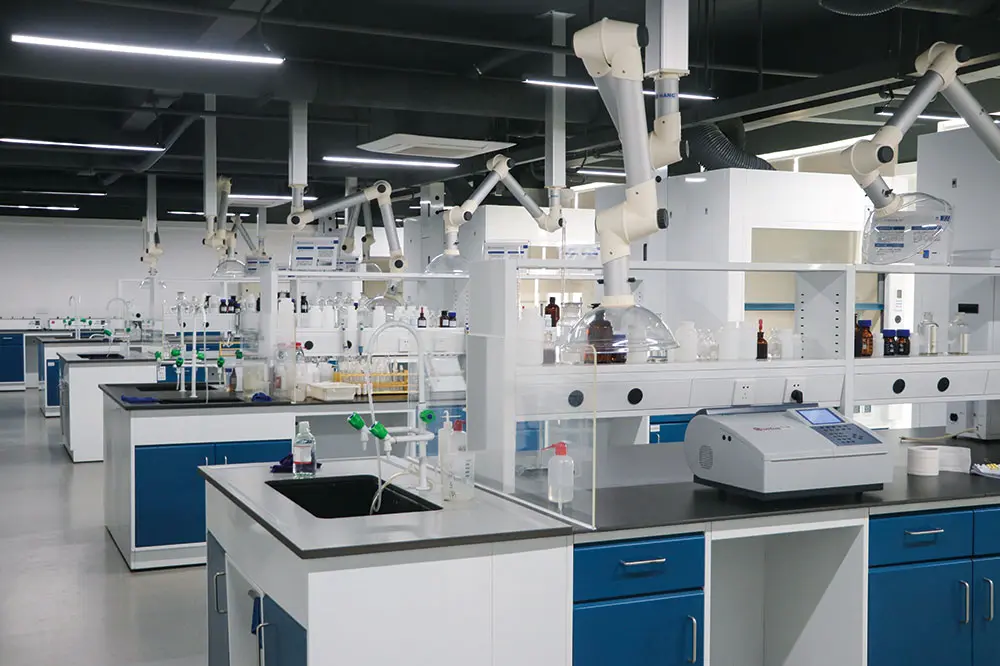
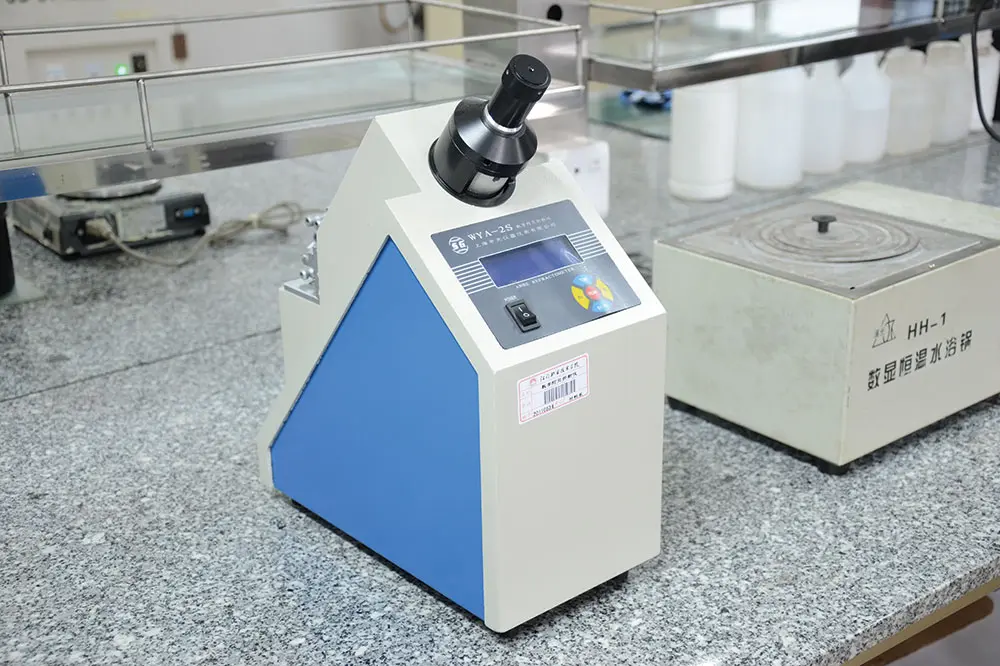
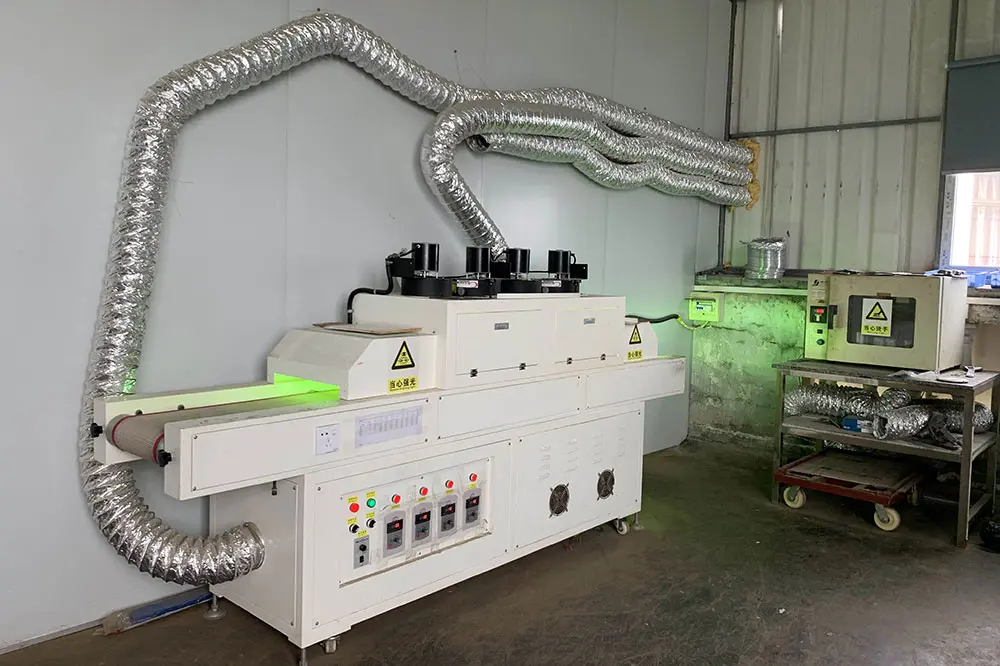
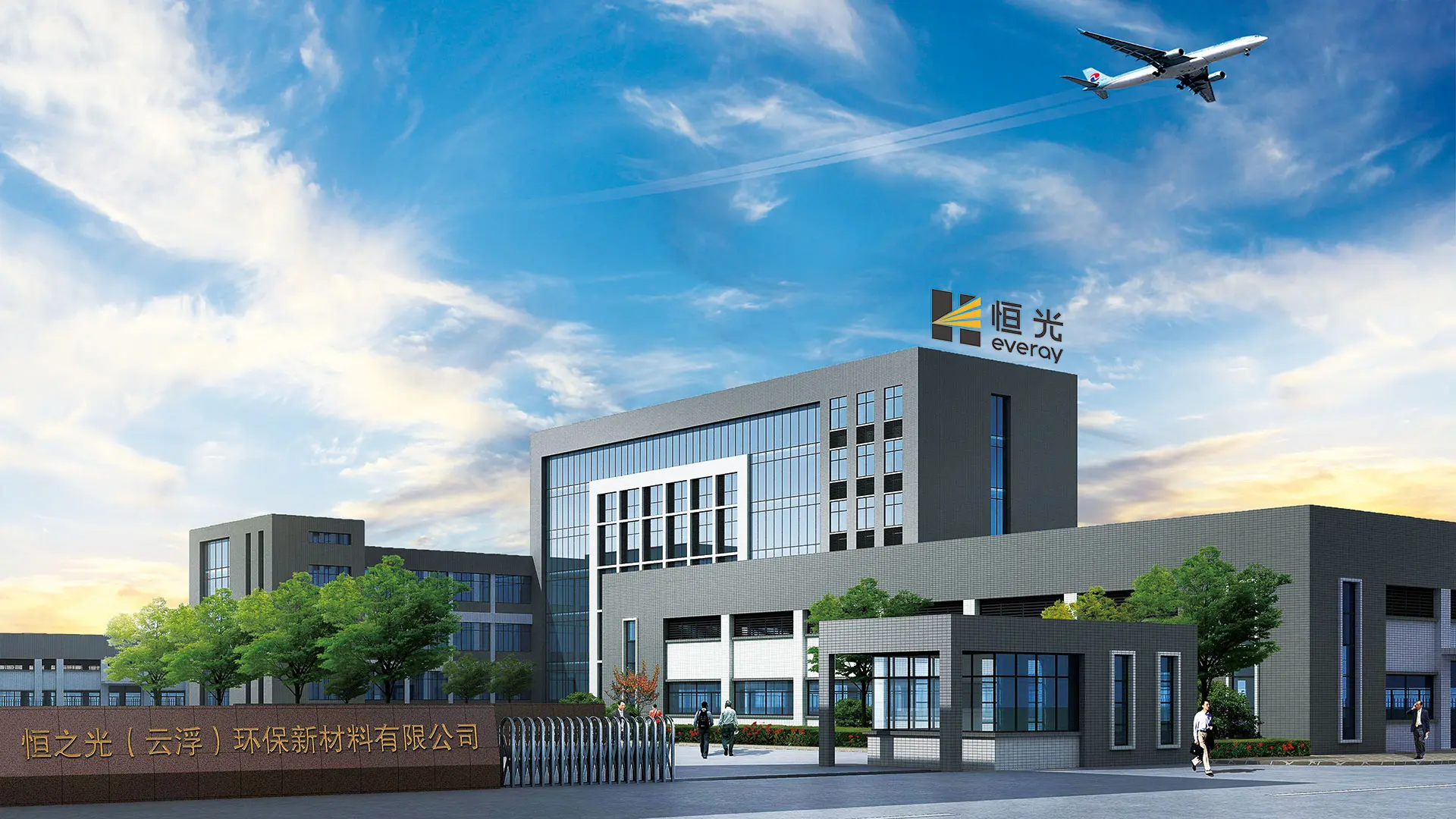
Inside our dual production bases in Guangdong: Jiangmen and Yunfu manufacturing facilities.
Operating from two facilities in Guangdong, China, Ever Ray is a powerhouse of UV-curable polymer synthesis. Our Jiangmen production base covers 10,000 square meters, while our flagship facility in Yunfu expands over 40,000 square meters. Together, they host more than 10 fully automated production lines managed by an advanced Distributed Control System (DCS).
This scale allows an annual production capacity exceeding 20,000 tons. With precise DCS systems, we eliminate human error during raw material feeding, heating cycles, polymerization pressure adjustments, and filtration. This gives our global clients consistent product properties from lot to lot.
Shipping industrial resins internationally requires compliance with environmental and safety regulations. As an experienced exporter, Ever Ray guarantees that all oligomers, monomers, and formulated adhesives meet strict global regulations, including REACH registration, RoHS directive compliance, and TSCA inventories.
We provide our global clients with comprehensive safety documentation, including SDS (Safety Data Sheets) in localized languages, hazardous classification details, and specific transport documentation. This makes customs clearance easy and simplifies downstream regulatory processes.
Our local support goes beyond delivery. Ever Ray works with international technical service networks. This allows our engineering team to provide remote or on-site troubleshooting for your curing setup, dosage optimization, and viscosity modifications. This ensures smooth operations directly on your manufacturing lines.
Analyzing the shift from heavy mechanical fasteners to lightweight, fast-curing polymer joints.
Manufacturing facilities are phasing out solvent-based adhesives to lower VOC emissions. Our solvent-free, 100% solid-content UV resins cure instantly under UV light, eliminating solvent recovery systems and thermal oven footprints.
With automation speed increasing, manufacturers need adhesive systems that cure in seconds. Ever Ray's photo-curable resins line up with conveyor systems, automated dispensing heads, and inline QC camera inspections.
Adhesives used in automotive parts and outdoor electronics must withstand humidity, boiling water, salt spray, and extreme thermal cycling. Our modified polyurethane and polyester acrylates prevent moisture intrusion.
Where Ever Ray resins provide high bond strength and chemical resistance.
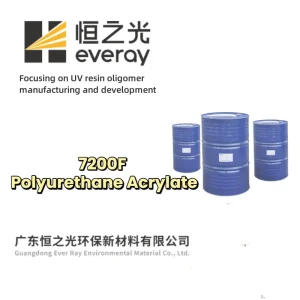
In modern mobile phone, tablet, and wearable technology manufacturing, bonding micro-metal frames to glass panels, plastic brackets, or magnesium-aluminum alloys is crucial. The adhesive layer must absorb impacts while maintaining excellent adhesion. Ever Ray's polyurethane acrylates (such as the 7600 and 7200F series) combine excellent flexibility, low curing shrinkage, and high impact resistance, passing strict drop and thermal shock tests.
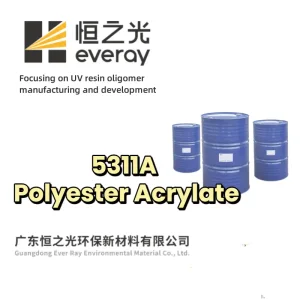
During high-speed rolling and processing of sheet metals for food cans, bottle caps, or home appliance panels, coatings must undergo extreme mechanical deformation without cracking. Ever Ray's polyester acrylates (including 5351 and 5311A) offer high elasticity and flexibility. This allows the cured coating to stretch and bend alongside the metal substrate during stamping and drawing.
Vacuum metallization deposits a thin metallic film onto plastics, glass, or metals to create a reflective, metallic finish. This requires primers with excellent adhesion to the base substrate and topcoats that protect the metal layer from oxidation and wear. Ever Ray's Aromatic PA UV resins (7113A and 7162) are formulated to provide high gloss, leveling, and excellent adhesion to metallic vapor coatings.
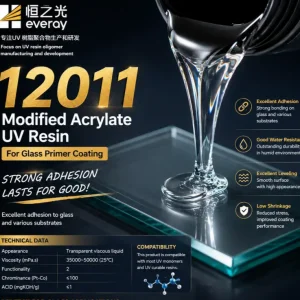
Bonding metal fixtures to glass panels is common in decorative glass, furniture, and optical instruments. These joints are often exposed to sunlight, temperature shifts, and humidity. Ever Ray's 12011 modified acrylate UV resin is designed for glass-to-metal interfaces, offering water-boiling resistance and long-term adhesive stability.
Common questions answered by our chemical formulation specialists.
Polished metals have low surface roughness and thin oxide layers, making mechanical interlocking difficult. Ever Ray addresses this by incorporating polar groups (like carboxyl or phosphoric acid groups) directly into our modified polyurethane and epoxy acrylate oligomers (such as the 1100UV and 12011 series). These polar groups form strong chemical bonds with the metal oxide layer. This chemical bonding ensures high adhesion even on smooth, non-porous metal surfaces.
Metals and plastics expand and contract at different rates during temperature shifts, which can strain and crack rigid adhesive lines. To solve this, Ever Ray designs polyurethane acrylates (like our 7200F and 7600) with a balanced block structure. These oligomers combine hard segments (for cohesive strength) with soft polyether or polyester segments (for flexibility). This structure absorbs thermal stress, preventing delamination during thermal cycling tests.
Yes. All our oligomers and active diluents are manufactured in ISO 9001 and ISO 14001 certified facilities. We select raw materials that comply with REACH, RoHS, EPA, and TSCA guidelines. Our formulations are solvent-free, allowing manufacturing plants to reduce VOC emissions and maintain safe workspaces.
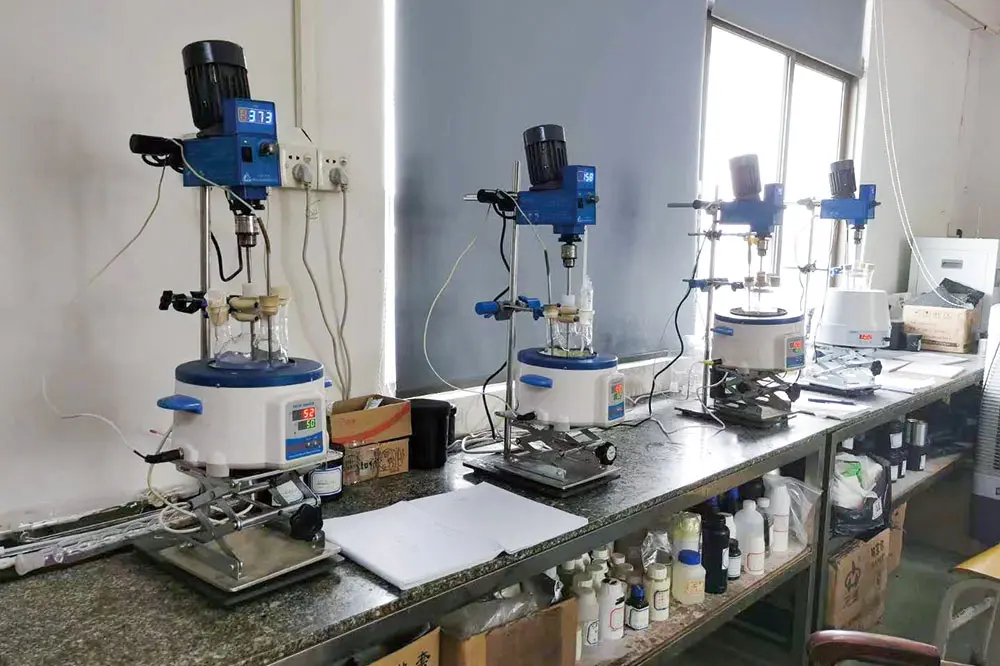
Yes. Our R&D team works closely with clients to meet specific application requirements. We can modify oligomer structures or blend them with reactive monomers (diluents) to adjust viscosity, cure speed, cross-linking density, and hard/soft segment ratios. This ensures the adhesive performs well with your automated dispensing systems and UV curing lines.
Under recommended storage conditions, our UV-curable resins have a shelf life of 6 to 12 months. Since they contain photo-polymerizable oligomers, they must be stored in original, sealed, opaque containers away from light, heat, and moisture. We recommend storing them in cool, dry warehouses between 5°C and 30°C.
Explore our additional formulations designed for vacuum metallizing, offset printing, and high-leveling protective coatings.
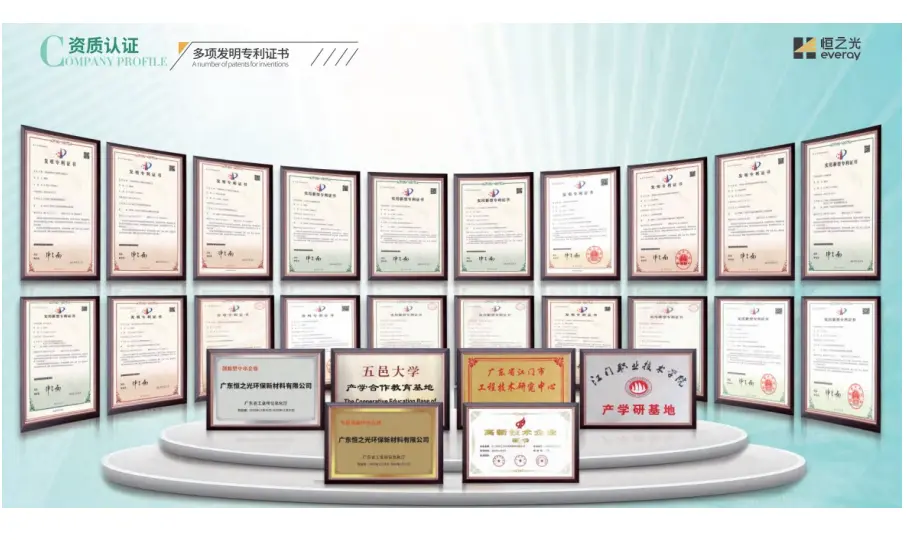
We hold over 10 invention patents and practical utility patents. Guided by environmental responsibility, Ever Ray continues to invest in technology that harmonizes industrial growth with green living.
 Ever Ray