Explore the primary selection of high-reactivity, low-shrinkage oligomers designed by Guangdong Ever Ray for specialized nail varnish, plastic varnishes, and optical clear coatings.
An in-depth chemical and economic analysis of ultraviolet (UV) curable systems, focusing on the mechanics of nail gel formulations and high-performance industrial clear coats.
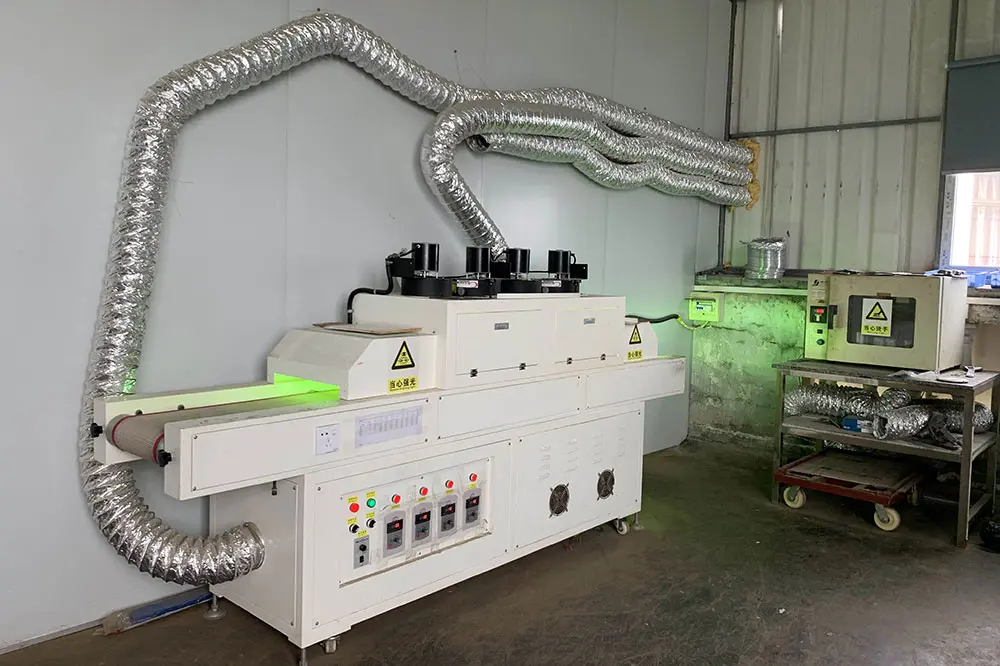
UV nail polishes rely on photopolymerization, where photoinitiators absorb specific wavelengths (usually UV-A or LED 365–405nm) to form free radicals. These radicals react with oligomer acrylic double bonds, establishing a highly cross-linked polymer network within seconds.
High double-bond density speeds up curing but increases volumetric shrinkage, leading to lifting from natural nails or plastic substrates. Incorporating high-quality polyester acrylates (such as 5319A-1) mitigates shrinkage while preserving substrate adhesion.
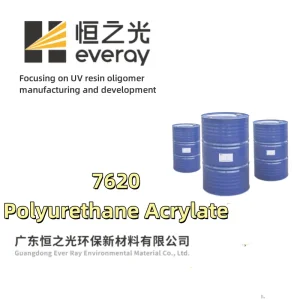
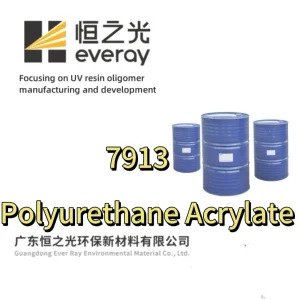
For topcoats, polyurethane acrylates (like PUA 7911 and 7913) deliver exceptional yellowing resistance and surface hardness. These characteristics shield nail varnish and packaging varnishes from daily wear, household chemicals, and solvents.
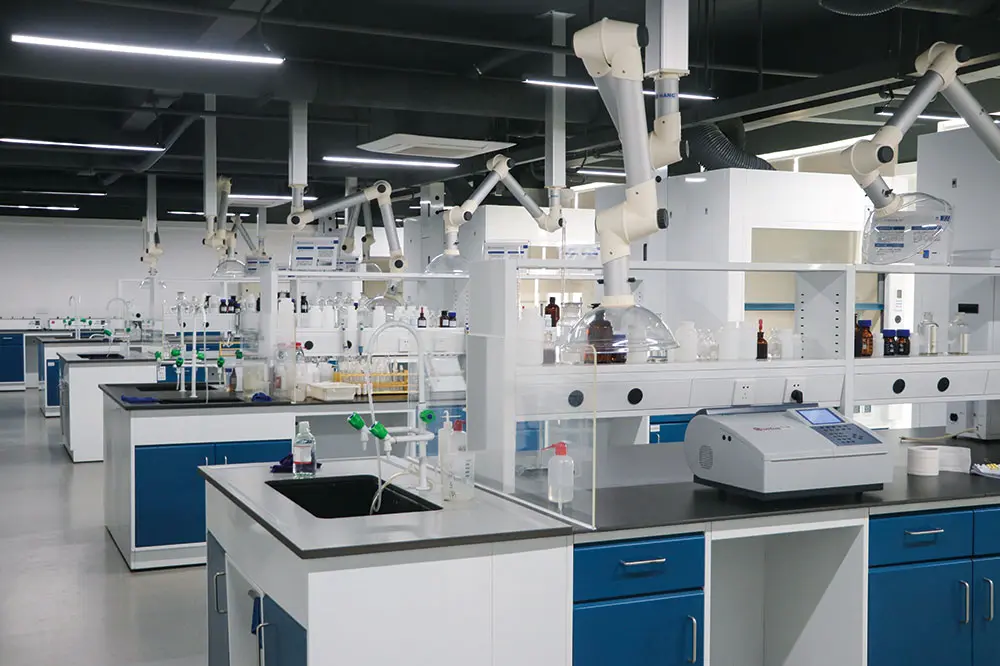
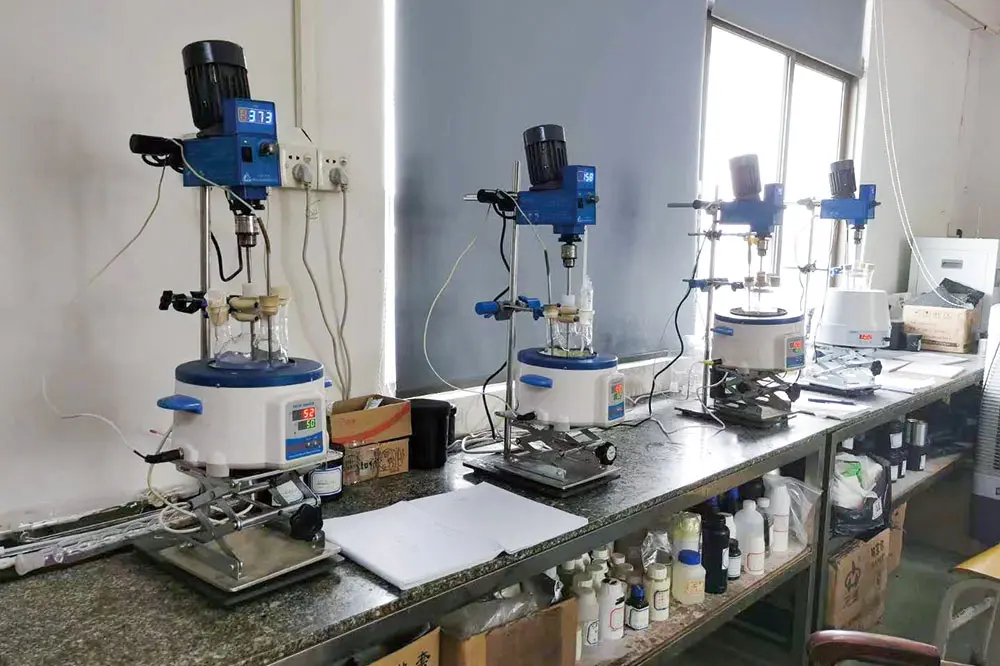
Guangdong Ever Ray Environmental Material Co., Ltd. is a high-tech enterprise focusing on the R&D and manufacturing of oligomers for UV curable resin. Our extensive product portfolio includes epoxy acrylate, polyurethane acrylate (waterborne, aliphatic urethane, aromatic urethane), polyester acrylate, pure acrylate, and other special functional modified acrylate oligomers.
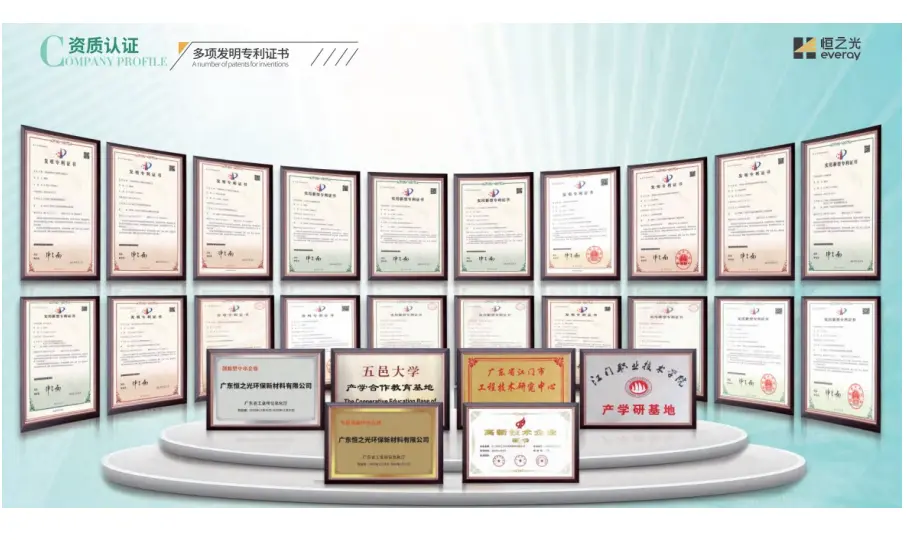
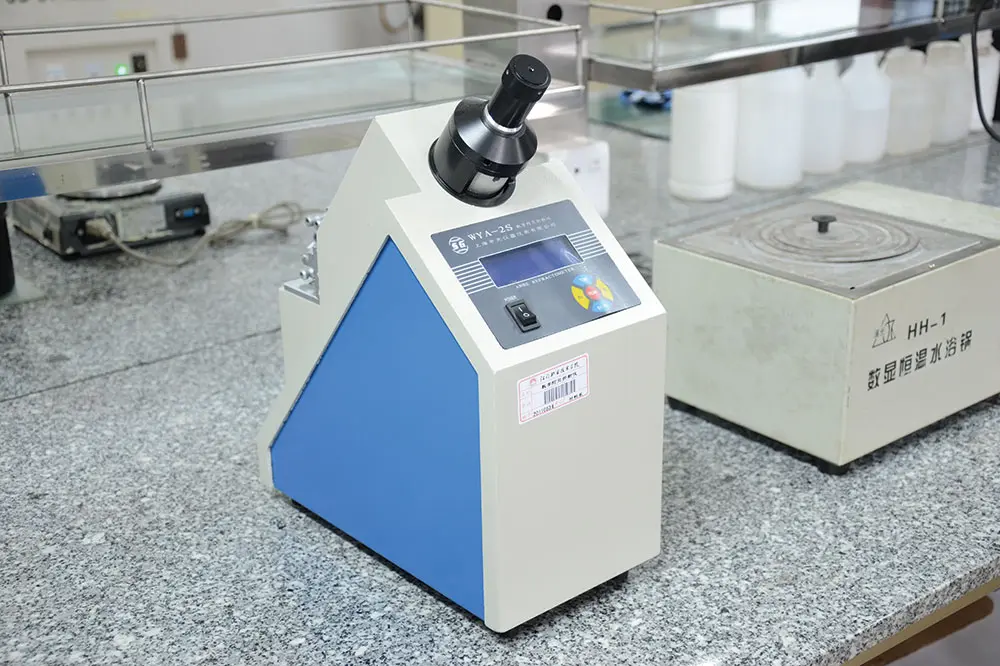
Equipped with over 10 invention and practical utility patents, our R&D division boasts 15+ specialized chemical technicians. We configure high-reactivity, chemically resilient, and high-gloss formulations tailored to client-specific application requirements, including wood coatings, plastic film varnishes, cosmetic packaging, inks, and adhesives. By combining technical excellence with green environmental standards, we consistently deliver high-performance solutions designed to reduce formulation costs.
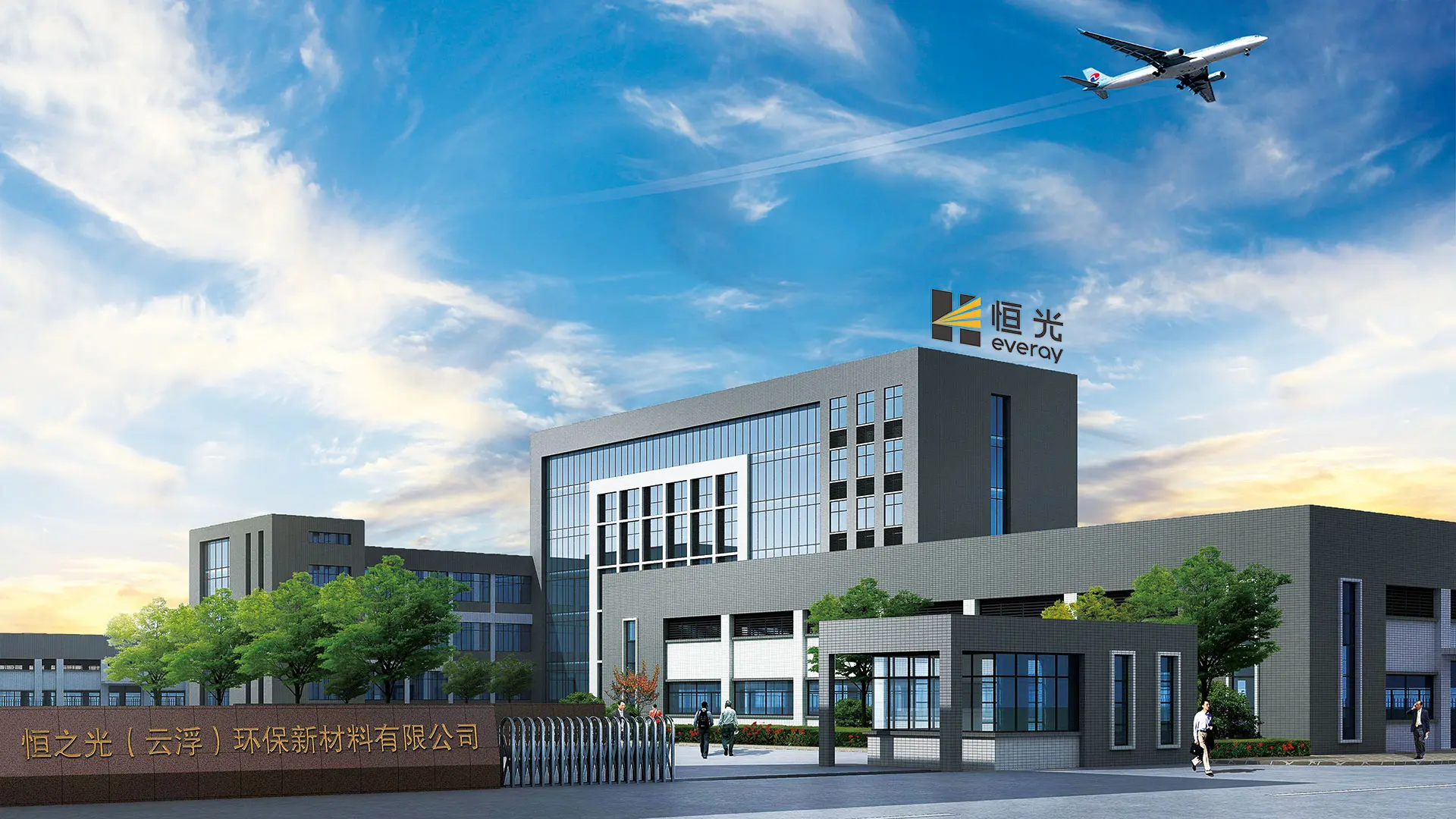
To support high-volume B2B orders and maintain consistent supply chains, we operate two production hubs in Guangdong Province. Our Jiangmen facility spans approximately 10,000 square meters, while our larger Yunfu plant extends across 40,000 square meters. Together, they provide a combined manufacturing area of 50,000 square meters, supported by advanced quality control, storage, and logistics facilities.
Our annual production capacity exceeds 20,000 tons across more than 10 dedicated manufacturing lines. Guided by fully computerized DCS control systems, our plants run under ISO9001 and ISO14001 certification frameworks, ensuring high product stability and batch-to-batch consistency.
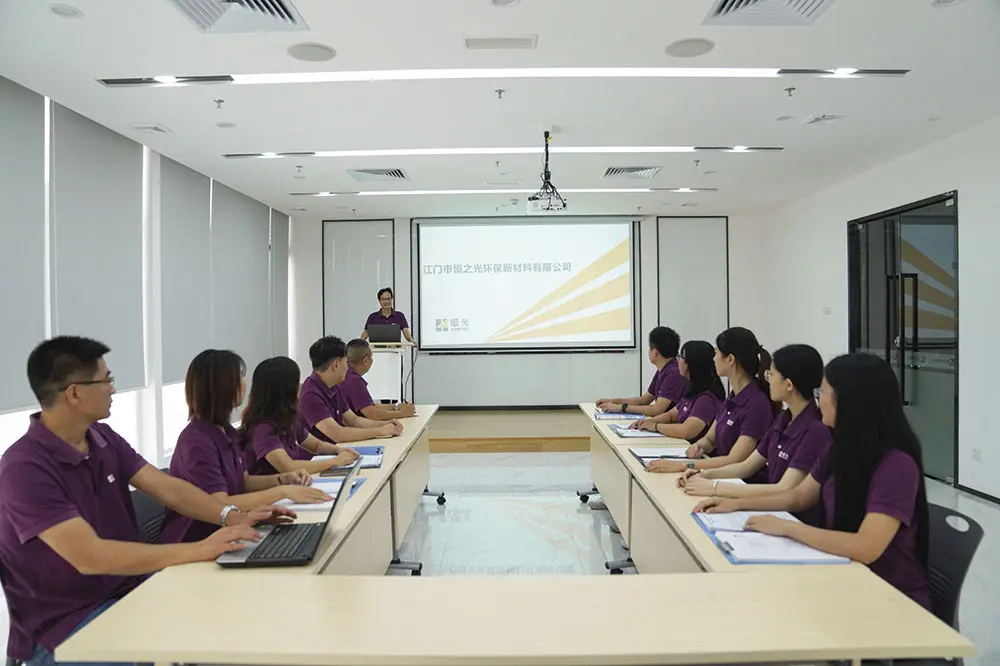
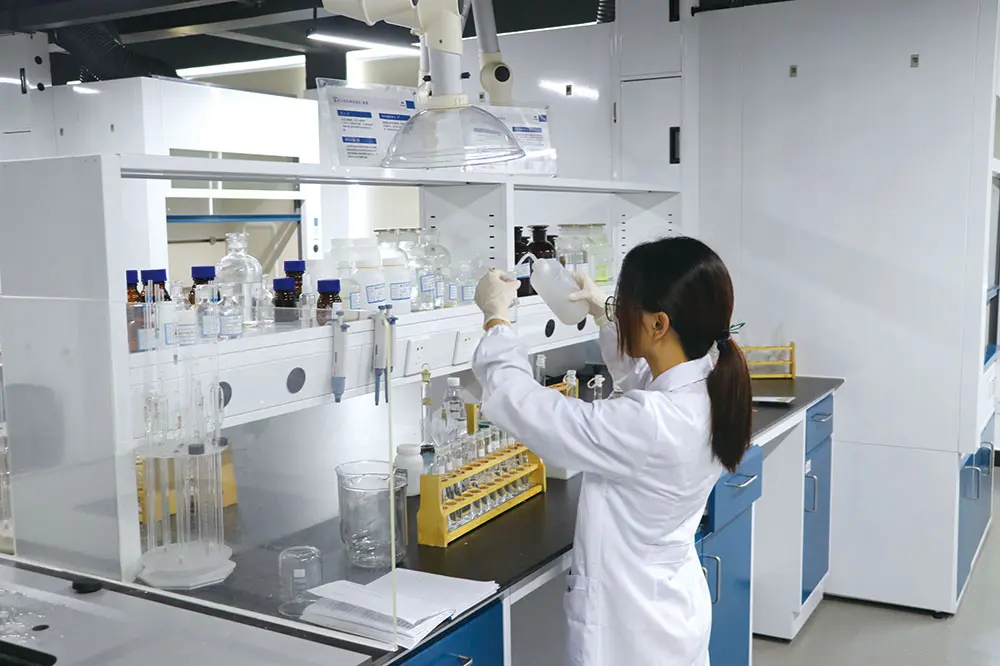
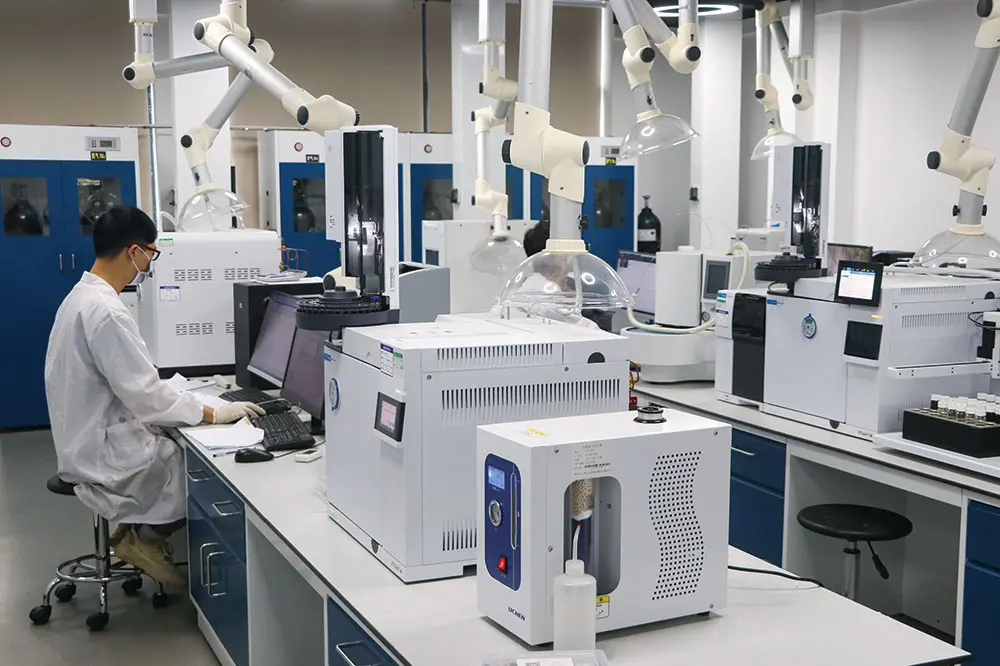
Analyzing the strategic role of South China’s chemical manufacturing clusters in securing cost-effective, high-quality material distribution across global markets.
Located in Guangdong, Ever Ray benefits from direct access to key petrochemical feedstocks, including acrylic acid, polyols, and diverse isocyanates. This localized supply chain minimizes international transport costs, shortens lead times, and stabilizes material prices during global market fluctuations.
Ever Ray's production lines utilize computerized Distributed Control Systems (DCS). By automating raw material feeds, temperature profiles, and reaction runtimes, we ensure consistent polymerization indices and prevent batch-to-batch variation, maintaining a reliable supply for critical industrial lines.
Unlike rigid suppliers, our 15-person technical team modifies parameters like viscosity, glass transition temperature (Tg), double bond density, and color value (APHA) to match specific cure rates, adhesion characteristics, and final gloss levels.
The table below illustrates how different classes of UV-curable oligomers meet varying industrial requirements, helping formulation chemists select appropriate bases:
| Oligomer Type | Key Representative Products | Primary Physical Advantages | Typical Industrial Applications | Curing Attributes |
|---|---|---|---|---|
| Modified Epoxy Acrylate | Resin 6231, 6160M-3, 6803A | Ultra-high gloss, rapid curing speed, excellent hardness | Overprint varnishes, high-gloss plastic coatings, wood finishes | Fast cure, high double-bond conversion |
| Polyurethane Acrylate (PUA) | Resin 7911, 7913 | High flexibility, scratch and abrasion resistance, non-yellowing | Nail gel polishes, automotive interiors, elastic coatings | Excellent weathering, minimal volume shrinkage |
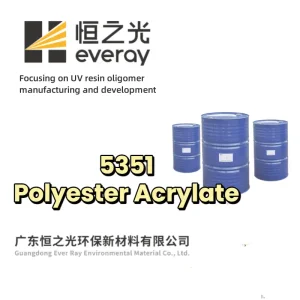
| Polyester Acrylate | Resin 5319A-1, 5351, 5312 | Excellent pigment wetting, low shrinkage, strong substrate adhesion | Offset UV printing inks, plastic film varnishes, basecoats | Good balance of curing speed and flexible adhesion |
| Special Modified Acrylate | Resin 7620, 1262B | Low viscosity, excellent vacuum metallization compatibility | UV vacuum electroplating, PVC flooring wear layers | High cross-linking density, strong adhesion to metal/glass |
How Ever Ray's chemical products translate into real-world manufacturing solutions across diverse consumer, commercial, and packaging sectors.
A key application of our aliphatic polyurethane acrylates (such as 7911) is in cosmetic UV nail gel systems. The raw resins must remain stable, resist yellowing under UV curing lamps, and show zero toxicity when in contact with human skin. Formulators rely on our oligomers for low-odor profiles, high pigment loading compatibility, and reliable adhesion to natural nails, ensuring gel coatings remain chip-resistant for 3 to 4 weeks.
Cosmetic packaging, luxury bottle caps, and consumer electronics rely on eye-catching metallic finishes. Our 7620 UV curing resin is optimized for vacuum electroplating processes. Applied as a primer, it levels base surfaces to ensure strong adhesion for vaporized metal layers; as a topcoat, it provides a high-gloss, scratch-resistant barrier that protects metallized layers from oxidation and wear.
With printing lines upgrading to eco-friendly LED-UV technology, resin formulations must cure effectively under narrow 385–395nm emission peaks. Our 61003A resin is designed specifically for LED-UV plastic-film varnishes, delivering rapid curing, excellent clarity, and reliable adhesion on PP, PET, and OPP films.
Complete your formulation matrix with our high-reactivity acrylates, targeted floor wear protection, and advanced glass/plastic water-transfer resins.
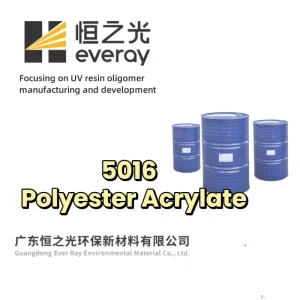
Key quality and technical indicators that procurement managers evaluate when purchasing UV resins and oligomers on an industrial scale.
Standardized viscosity (typically determined via rotational viscometer at 25°C or 60°C) is critical. Significant batch-to-batch variation can disrupt automated filling and packaging lines. Ever Ray maintains tight viscosity tolerances for every production batch.
In cosmetics and nail gel manufacturing, high purity levels are essential to prevent skin irritation. Gel polishes must be free from trace heavy metal contaminants, benzene residues, and high-irritation monomer fractions, keeping PII scores below 2.0.
Unsaturated acrylic double bonds are vulnerable to dark polymerization during ocean transport and warehousing. Ever Ray stabilizes our oligomers using high-grade, non-yellowing inhibitors, ensuring a shelf life of at least 12 months under standard storage conditions.
Expert answers addressing the chemical properties, compatibility, and application parameters of UV-curable oligomers.
 Ever Ray