Explore our high-performance industrial UV resins, epoxides, and acrylic oligomers engineered to optimize curing efficiency, durability, and chemical resistance across specialized applications.
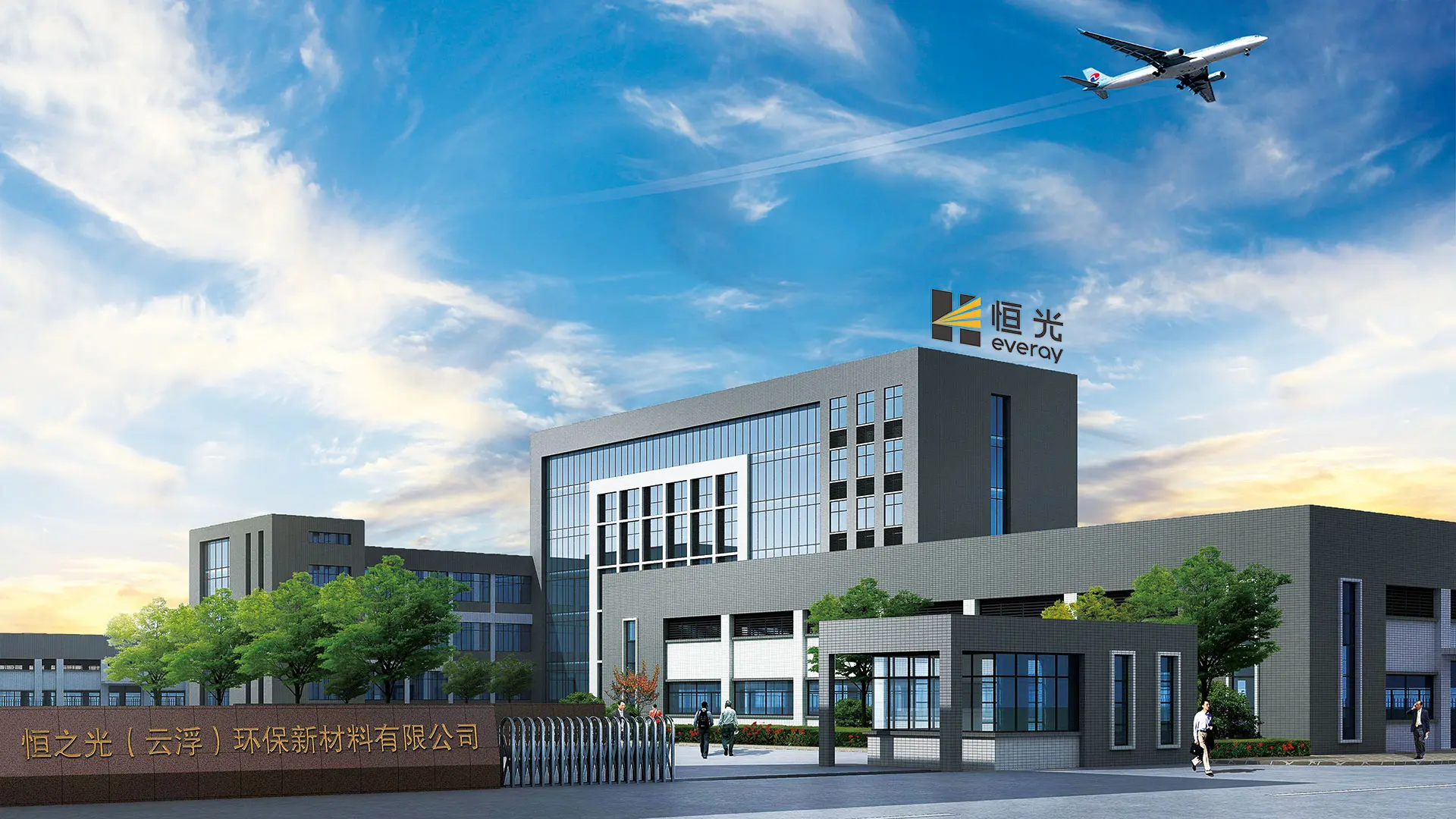
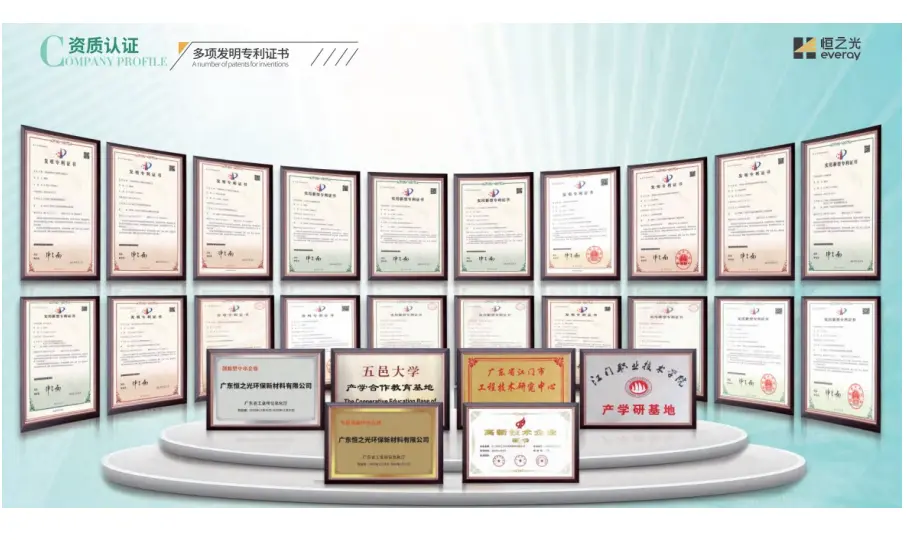
Established in 2006, Guangdong Ever Ray Environmental Material Co., Ltd. has developed into a premier national high-tech enterprise dedicated to the R&D, synthesis, and precision manufacturing of specialty UV-curable oligomers. Our molecular portfolio ranges from epoxy acrylates, polyurethane acrylates (waterborne, aliphatic, and aromatic variants), to polyester acrylates, pure acrylates, and custom-modified functional monomers.
For nearly two decades, we have focused on matching high-performance polymers with environmentally sustainable solutions, enabling international coatings, adhesives, and ink formulators to meet strict regulatory parameters without sacrificing mechanical properties.
Combining the extreme toughness, adhesion, and thermal profile of epoxy groups with the flexibility and rapid curing speeds of polyurethane structures.
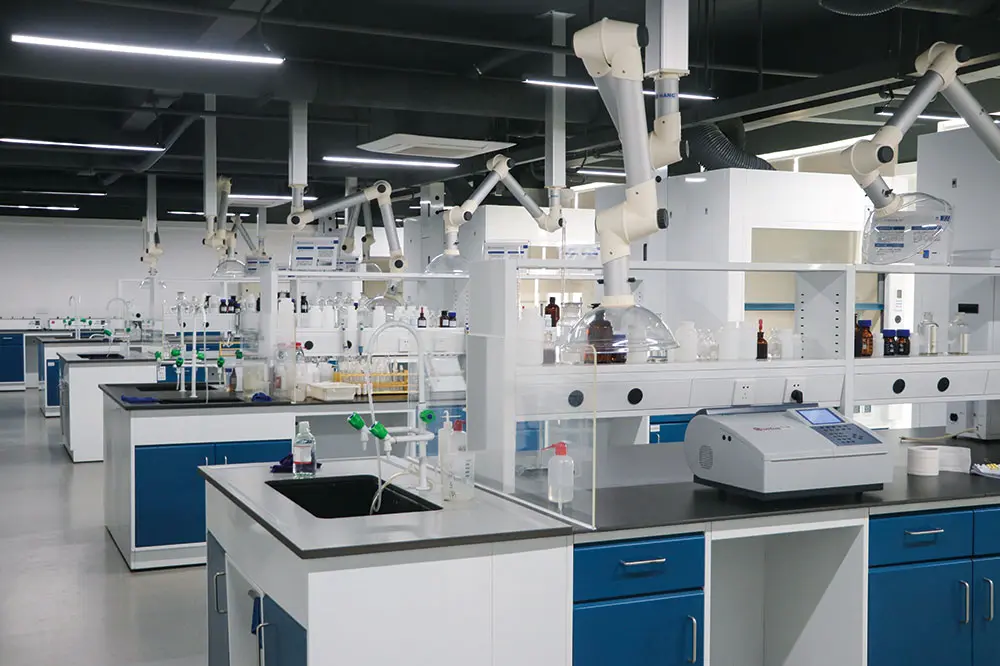
Fully integrated Distributed Control Systems control exact exothermic pathways, producing batch consistency within deviation limits <0.5%.
High molecular weight oligomers formulated to reduce VOC output, helping global manufacturers clear EPA, REACH, and domestic green regulations.
The industrial landscape of polymers is undergoing a fundamental structural transition. Traditionally, epoxy resins and polyurethane resins served distinct engineering niches. Epoxy resins provided unmatched cross-linking density, shear strength, and chemical barrier properties but suffered from brittleness and sluggish thermal cures. Conversely, polyurethanes provided elasticity, impact absorption, and excellent weathering resistance, though with lower overall hardness and solvent resistance.
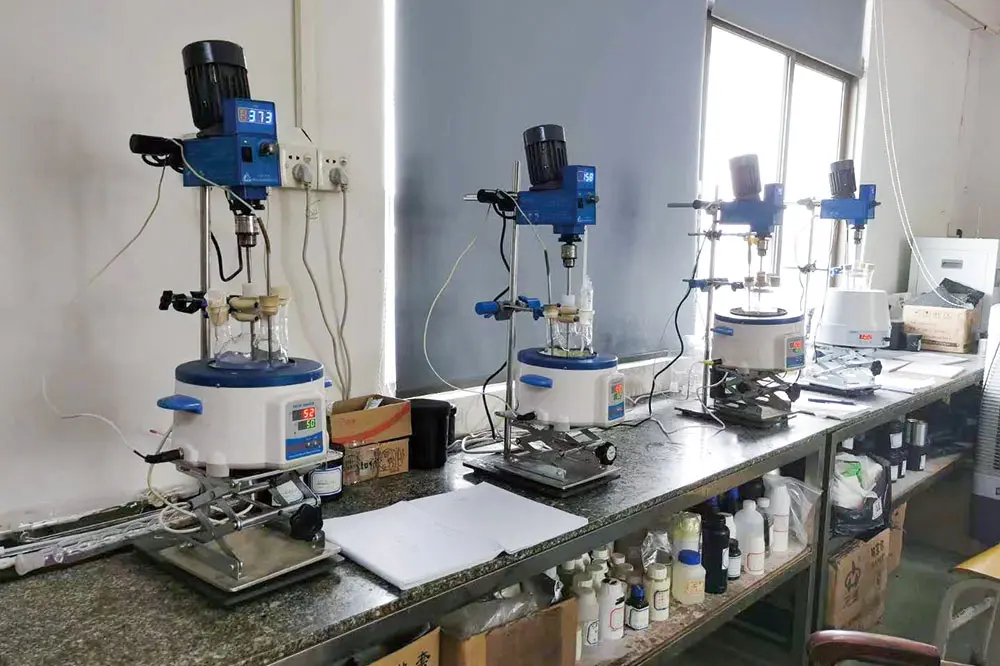
Modern macromolecular design bridges these properties through polyurethane epoxy resin hybrids and UV-curable oligomers. As a leading manufacturer, Guangdong Ever Ray utilizes precise addition reactions to grafting urethane links onto epoxy backbones, yielding polyurethane acrylate (PUA) and epoxy acrylate (EA) oligomers. This hybridization results in coatings with high tensile strength, rapid cure speeds, and exceptional flexibility.
Strategic Industry Trends:
To ensure complete reliability in supply chains, our infrastructure is divided into two distinct, specialized manufacturing bases within Guangdong province:
Jiangmen Production Base: Measuring approximately 10,000 square meters, this facility is highly optimized for agile batch manufacturing, customization runs, and pilot-scale chemical synthesis.
Yunfu Production Base: Spanning over 40,000 square meters, this massive chemical facility handles bulk synthesis. Equipped with modern warehouse facilities, automated packaging lines, and dedicated logistics access, this site processes high-volume production with absolute efficiency.
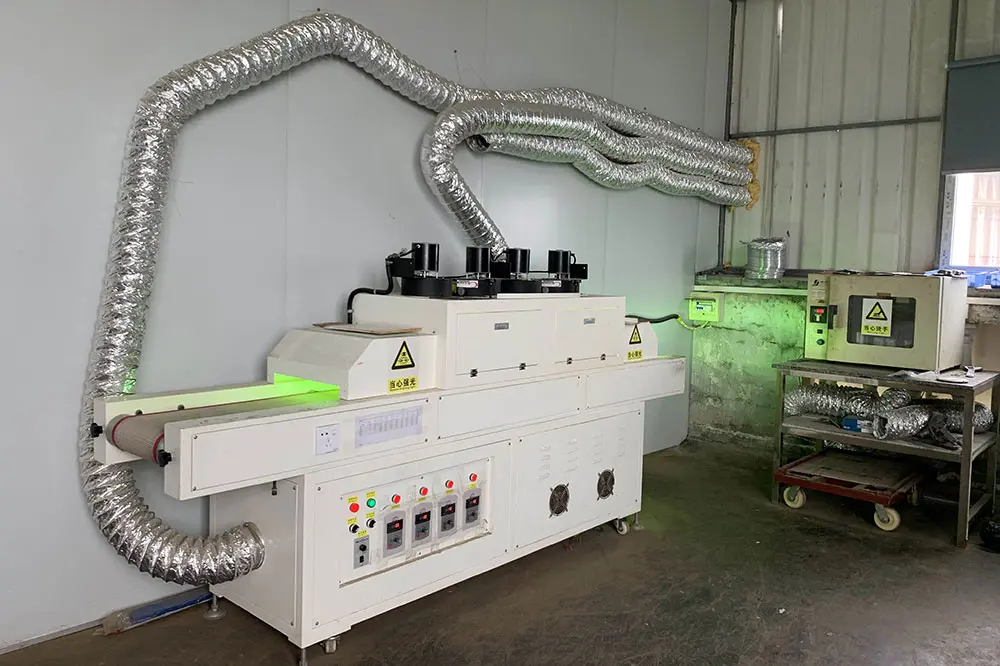
Equipped with over 10 modern synthesis lines running under a flexible DCS fully computerized control system, our cumulative annual production capacity exceeds 20,000 metric tons. Every stage conforms to ISO9001 and ISO14001 certification requirements.
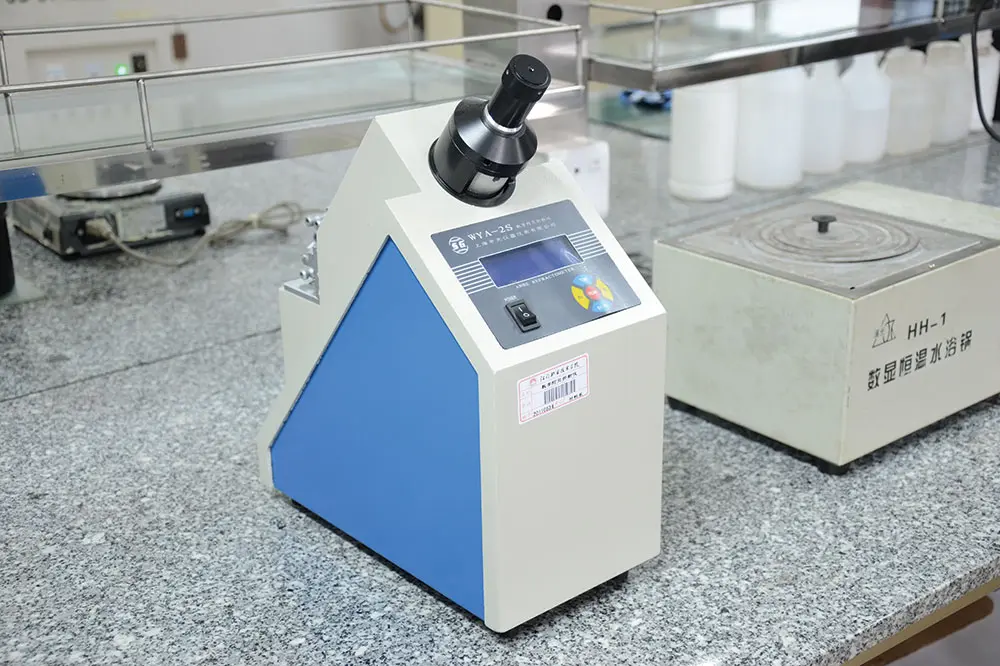
Global industrial procurement teams faced significant supply disruptions in recent years. Industrial chemical purchasers require suppliers that offer consistent technical parameters (such as acid values, viscosity, and refractive index) along with pricing stability and supply continuity.
By integrating domestic raw materials with advanced scientific management methodologies guided by UV-material experts, Ever Ray buffers procurement operations against supply chain shocks. We offer direct pricing models with factory-level consistency, supporting major projects in the EU, Americas, and across ASEAN markets.
Human error during high-temperature esterification or addition processes can lead to polymer chain inconsistency. Our Yunfu facility integrates Distributed Control Systems (DCS) to monitor reactor temperatures, feed pressures, flow velocities, and reaction times in real time.
This automated process prevents batch deviation, keeping chemical parameters within narrow margins. For our distributors and formulation partners, this consistency translates directly to reliable curing parameters and predictable performance on their production floors.
| Resin Classification | Curing Mechanism | Viscosity (mPa.s / 25°C) | Primary Performance Benefits | Core Industrial Application |
|---|---|---|---|---|
| 6116 Epoxy Oligomer | UV Curing | Low - Medium | Extreme flexibility, rapid crosslinking, low shrinkage | Matte wood coatings, high-definition offset inks |
| 7911 Polyurethane Acrylate | UV Curing | Medium - High | High gloss, outstanding abrasion and impact resistance | Automotive plastic components, consumer electronics coats |
| 72017A-8 UV Resin | Dual-Curing (UV + Thermal) | Low (Tailored for Jets) | Low shrinkage, high elastic memory, dynamic durability | 3D printed midsoles, footwear structural components |
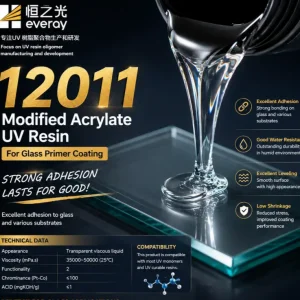
| 12011 Modified Acrylate | UV Curing / Thermal Bake | Medium | Excellent adhesion to glass, metal, boiling water resistance | Glass primers, industrial bottle decorations, metal coats |
| 5336B Polyester Acrylate | Ultra-Fast UV Cure | Low - Medium | High pigment wetting, ultra-fast curing speed, zero residue | High-speed UV offset and flexographic printing inks |
PVC flooring, parquet, and industrial wood require coatings that resist heavy foot traffic, UV exposure, and household chemicals. Using oligomers like our low-shrinkage 1290H provides surface toughness without causing warpage or delamination at the polymer-substrate interface.
Vacuum plating demands high levels of surface smoothness and interlayer adhesion. Our fast-curing, high-adhesion 1730 UV resin prevents silver outgassing, pinholes, or delamination, preserving reflective surfaces on plastics and metals.
Fast processing requires inks that cure in milliseconds on flexo and offset presses. Our 5336B Polyester Acrylate provides the necessary ink-water balance, pigment dispersion, and curing speeds to prevent offset ghosting at high run rates.
A: Epoxy Acrylates typically offer faster cure speeds, higher hardness, and exceptional chemical resistance at a lower price point. However, they can be brittle and prone to yellowing. Polyurethane Acrylates (PUA) provide high flexibility, impact resistance, and weatherability. By combining both or using modified polyurethanes, manufacturers can balance hardness, elasticity, and yellowing resistance.
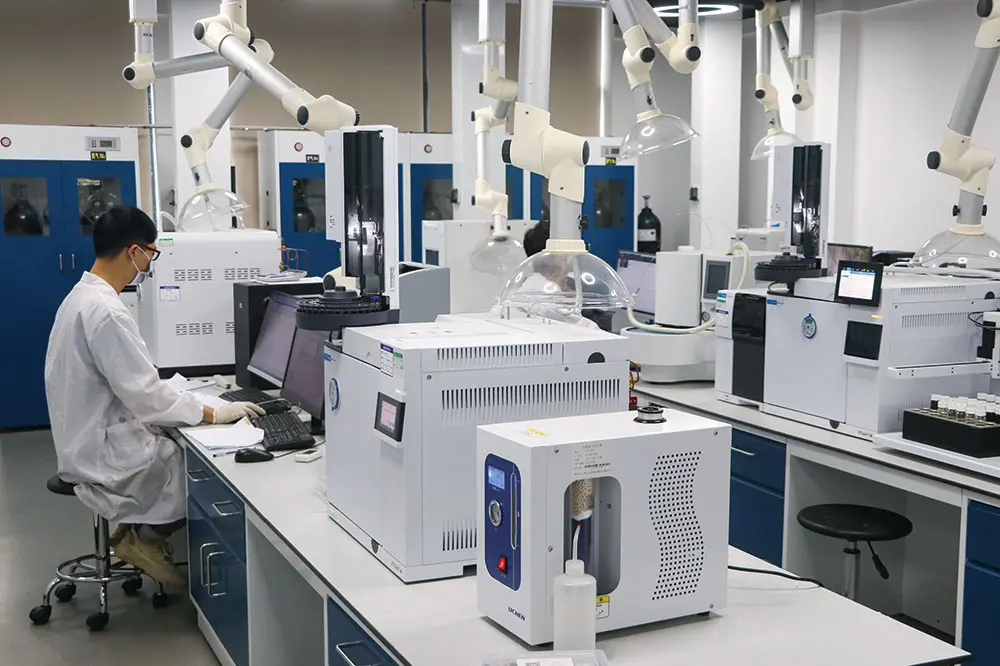
A: Our Yunfu production base uses automated Distributed Control Systems (DCS) to monitor critical variables like temperature, feed rate, and pressure. Each batch undergoes testing for viscosity, acid value, color density, and double-bond conversion via GPC and FTIR prior to drum-filling.
A: For substrates with high surface energy like glass and metal, we recommend our 12011 Modified Acrylate UV Resin and 1200A UV resin. These formulas include polar functional groups that bond with inorganic oxides, maintaining adhesion even after boiling water immersion.
A: Yes, all our raw material configurations and products comply with major global regulations including REACH, RoHS, and local EPA VOC limits. We also supply bio-derived materials such as 6710B Epoxidized Soybean Oil Acrylate to support green formulation goals.
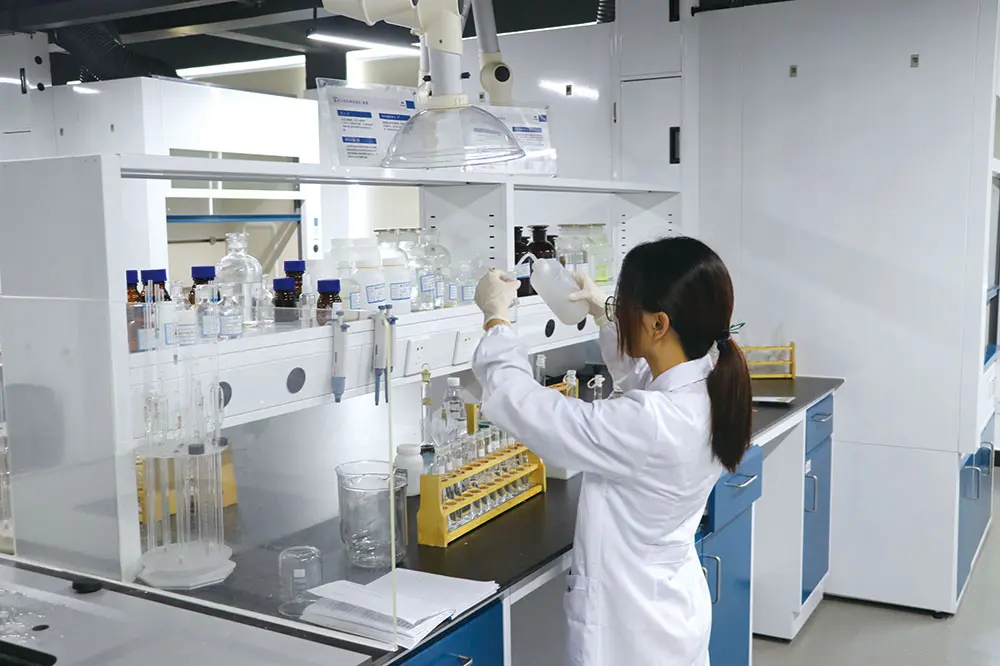
A: Yes. Our R&D department, with over 15 specialized technicians, routinely tailors the molecular weight distribution and monomer dilution of oligomers like 5403-3F and 5336B to meet specific viscosity, rheological, and pigment wetting needs.
Discover further high-performance options, containing eco-friendly natural oil acrylates, ultra-durable polyurethane acrylates, and specialty materials for advanced 3D printing and packaging.
 Ever Ray