Engineered for exceptional adhesion, optical clarity, durability, and rapid curing across diverse industrial substrates.
The modern resin adhesive and UV-curable oligomer sector is undergoing a massive paradigms shift. Historically reliant on thermal curing methods and solvent-based systems, global manufacturing has rapidly transitioned toward radiation-curing technology (UV/EB). This movement is propelled by stringent worldwide carbon neutrality mandates, volatile organic compound (VOC) emissions restrictions, and the absolute industrial requirement for instantaneous processing speeds.
Advanced oligomers like epoxy acrylates, polyurethane acrylates (PUA), and polyester acrylates represent the cutting edge of polymer engineering. By utilizing ultraviolet light to initiate cross-linking within milliseconds, modern industries drastically cut energy consumption—often by up to 80% compared to traditional thermal ovens—while achieving superior cross-linking density. This yields coatings and adhesives with unmatched mechanical properties, chemical resistance, and surface hardness.
Key global development trends indicate a surging demand for specialized functional properties, such as low volumetric shrinkage, extreme flexibility balanced with high tensile strength, and excellent weatherability. Innovations in hybrid UV/moisture-curing and LED-curing systems (utilizing longer wavelengths) are redefining what is possible in electronics packaging, high-speed printing, and heavy-duty protective finishes.
For procurement directors and technical formulators, sourcing UV-curable oligomers and resin adhesives requires balance across technical compliance, supply consistency, and raw material purity.
Industrial applications demand strict limits on parameters such as viscosity, acid value, functionality, and color index (Gardner scale). A deviation in viscosity can disrupt high-speed roller-coating lines or automated dispensing needles, causing line down-times.
Global markets require compliance with international chemical management regulations including EU REACH registry, RoHS directives, TSCA, and EPA standards. Products must be free of heavy metals and hazardous air pollutants (HAPs).
Standard off-the-shelf oligomers often fall short when applied to challenging substrates like treated PE, PP, or glass. Sourcing partners must have the R&D agility to modify backbone structures, adjust oligomer molecular weights, or alter functionalities.
| Oligomer Class | Primary Advantages | Primary Applications | Typical Functionality Range |
|---|---|---|---|
| Epoxy Acrylates | Rapid curing speed, high gloss, exceptional hardness, excellent chemical resistance | Overprint varnishes, wood coatings, paper coatings, lithographic inks | 2 - 4 |
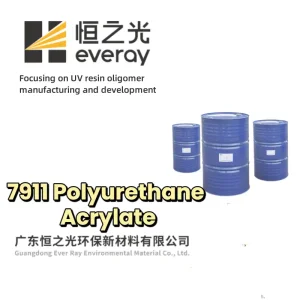
| Polyurethane Acrylates (PUA) | Superior flexibility, high impact strength, excellent adhesion to plastics/metals | 3C electronics coatings, automotive plastics, optical films, flexible packaging | 2 - 6+ |
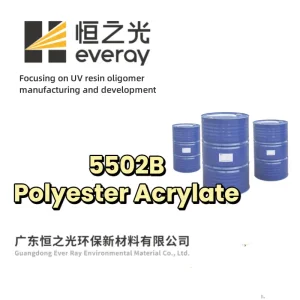
| Polyester Acrylates | Excellent pigment wetting, low viscosity, highly cost-effective, good dilution profile | UV screen printing inks, flexographic inks, wood furniture sealers | 2 - 4 |
| Specialty Acrylates | Ultra-low shrinkage, extreme weatherability, high refractive index properties | Optoelectronic adhesives, optical display bonding, advanced barrier coatings | 1 - 3 |
Established in 2006, Guangdong Ever Ray Environmental Material Co., Ltd. is a high-tech enterprise dedicated to the R&D, synthesis, and manufacturing of premium oligomers for UV-curable resin systems. Our chemical product portfolio includes epoxy acrylates, polyurethane acrylates (featuring waterborne, aliphatic urethane, and aromatic urethane varieties), polyester acrylates, pure acrylates, and custom-modified functional monomeric systems.
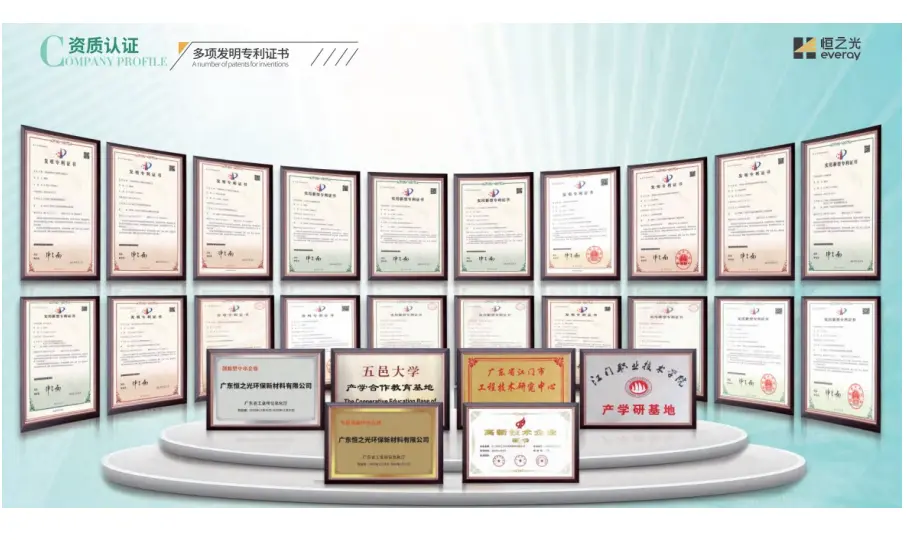
We operate with a commitment to technological progress and ecological sustainability. Backed by more than 10 national invention and practical utility patents, our experienced research team continually pushes the limits of polymer chemistry. We provide global formulators with resins that offer high reactivity, robust chemical resistance, and high gloss characteristics across a wide spectrum of industrial applications.
Operating two advanced manufacturing bases under strict quality control protocols to ensure scale, stability, and reliability for global supply chains.
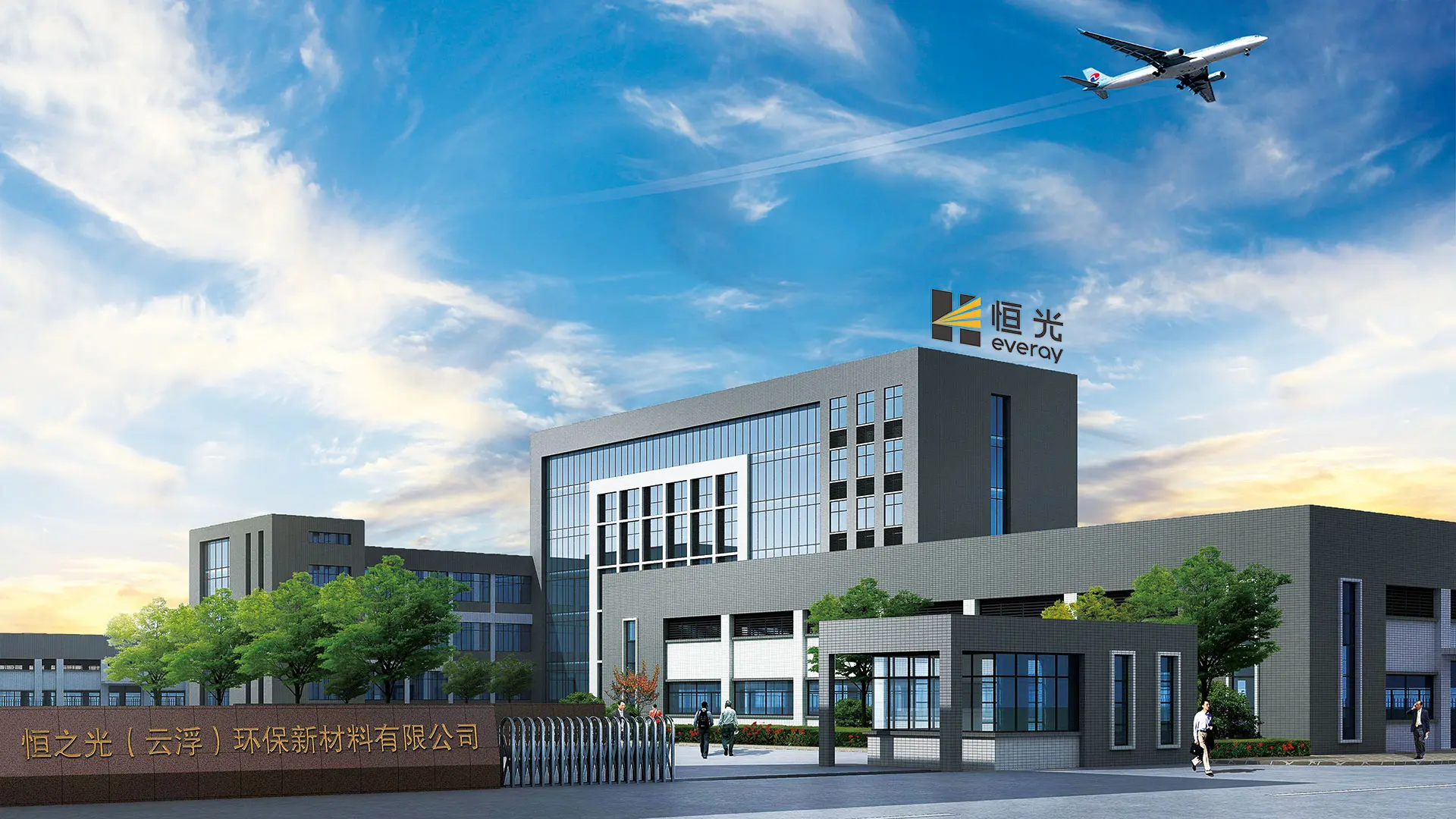
Our manufacturing network includes two chemical production bases strategically located in Guangdong province. The Jiangmen Facility spans approximately 10,000 square meters, serving as a dedicated center for high-value specialty batches and rapid customer prototyping. The large-scale Yunfu Facility covers roughly 40,000 square meters, acting as our primary high-volume manufacturing center with advanced logistics and large-scale bulk storage capabilities.
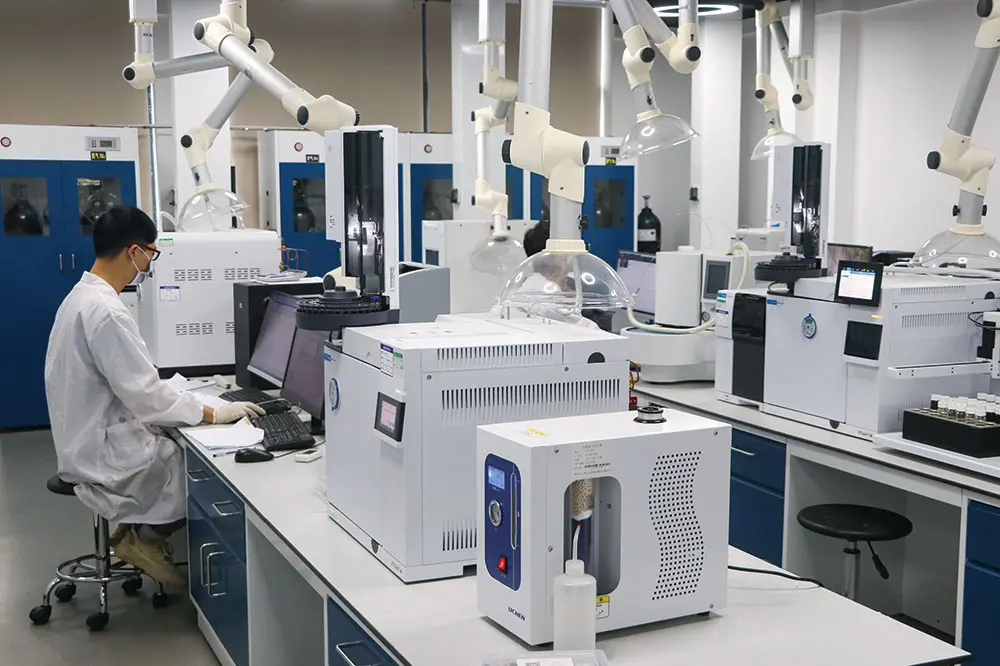
Both production sites are certified under the ISO9001 Quality Management System and ISO14001 Environmental Management System. We utilize a DCS (Distributed Control System) computerized control platform, automating the synthesis process from initial monomer charging to final reactor cooling. This digitalized process control minimizes human error, stabilizes batch-to-batch polymer dispersion, and maintains safe operating parameters.
By sourcing critical raw materials through stable long-term partnerships and utilizing automated mass-production lines, we maintain an annual production capacity exceeding 20,000 tons. This structural capacity ensures supply continuity even during volatile global logistics events.
Different industries require customized chemical structures. Below is how our oligomers perform in localized industrial ecosystems.
For high-traffic commercial flooring, our Low viscosity 1262B polymer provides scratch and wear resistance. Its low viscosity profile allows formulation without excessive dilution solvents, maintaining a low-VOC footprint while optimizing wetting behavior on PVC surfaces.
Protecting modern smartphones and automotive consoles demands high gloss, low volumetric shrinkage, and excellent impact absorption. Products like our 7600 Polyurethane Acrylate provide adhesion to treated polycarbonate (PC), ABS, and metallic surfaces.
High-speed paper, offset, and plastic packaging lines rely on instant UV curing. Our 7317 High Reactivity Oligomer is optimized for wrinkle and snowflake optical effects, while keeping film shrinkage low to prevent substrate curling.
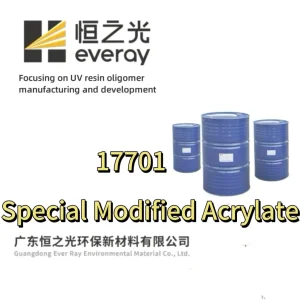
Explore our secondary line of high-performance chemical agents, designed for specialized cross-linking and extreme environment performance.
Find technical answers on UV-curable oligomers, chemical compatibility, and application parameters.
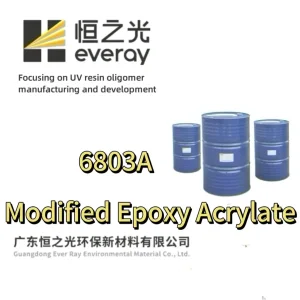
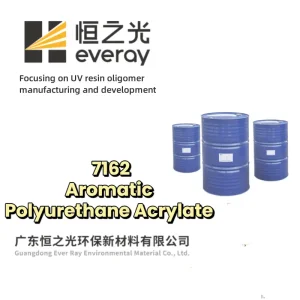
Epoxy Acrylates are characterized by very high curing speeds, superior surface hardness, high gloss levels, and excellent chemical resistance, but they exhibit higher shrinkage and lower flexibility. Polyurethane Acrylates (PUA) provide excellent toughness, flexibility, elasticity, and adhesion to difficult substrates (like plastics and glass), with lower shrinkage profiles, making them suitable for electronic and automotive coatings.
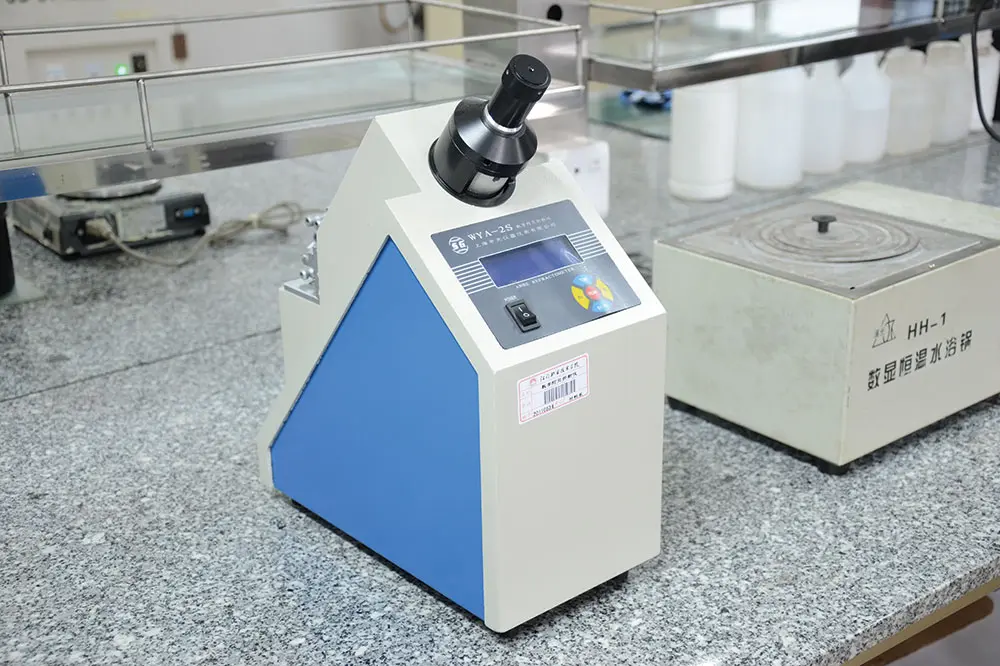
We implement a Distributed Control System (DCS) at our Yunfu and Jiangmen factories to automate chemical synthesis. This computerized monitoring tracks reactor temperatures, feeding speeds, and vacuum levels in real time. We audit raw materials and test every production batch using GPC (Gel Permeation Chromatography) and rheometer tests to confirm molecular weight distributions and viscosity values meet customer specifications.
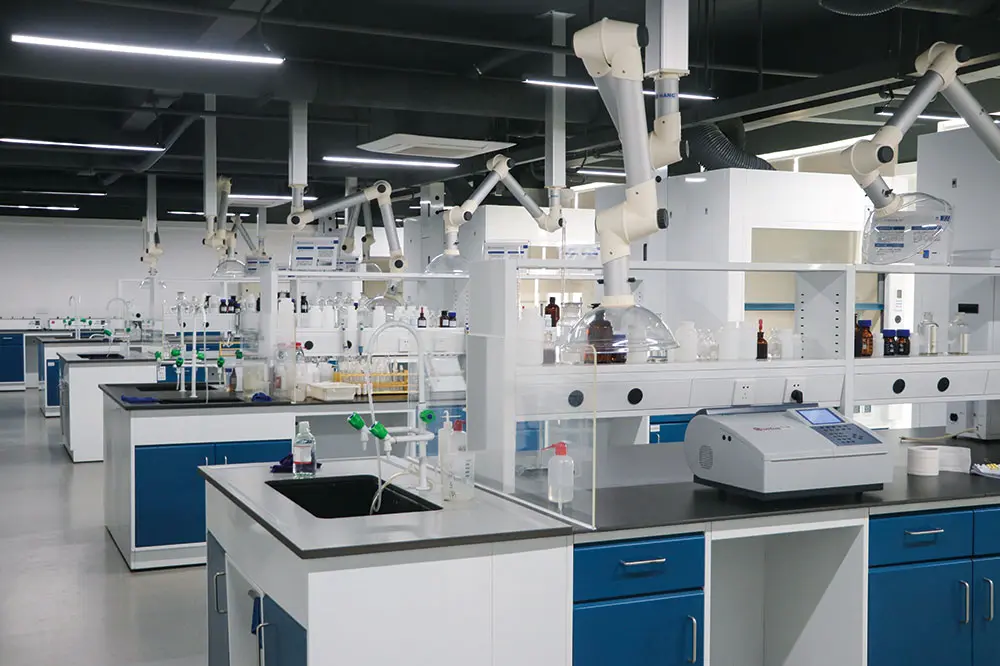
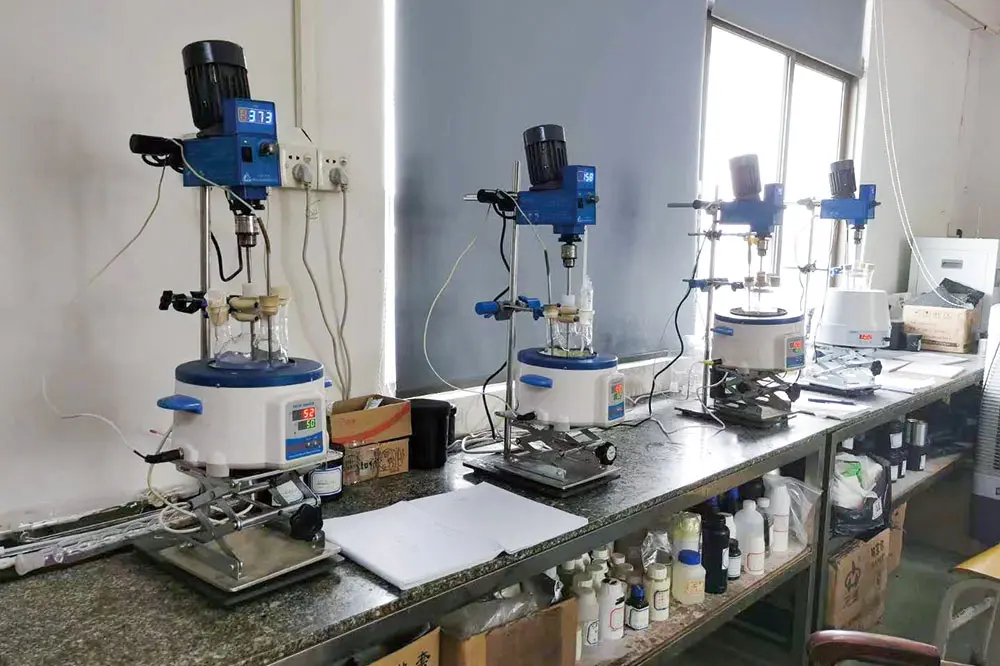
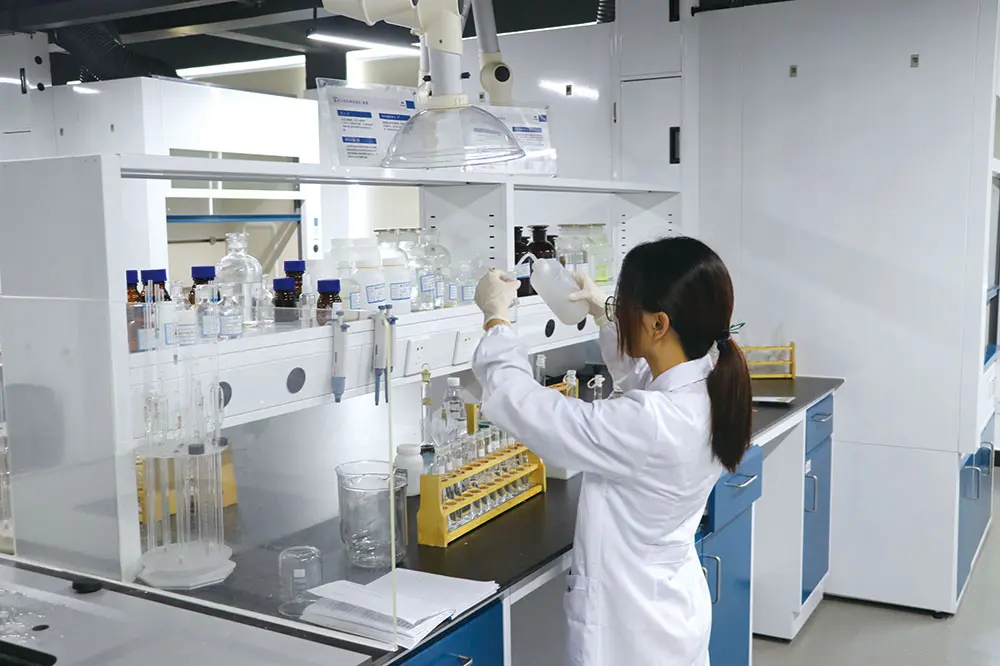
Yes. Our R&D department features more than 15 chemical technicians. We can modify the prepolymer backbones to adapt oligomers for specific formulations—such as adjusting viscosity for inkjet application without adding excess monomer, or modifying the acrylic group functionality to optimize cross-link density, shrinkage, or glass transition temperatures (Tg).
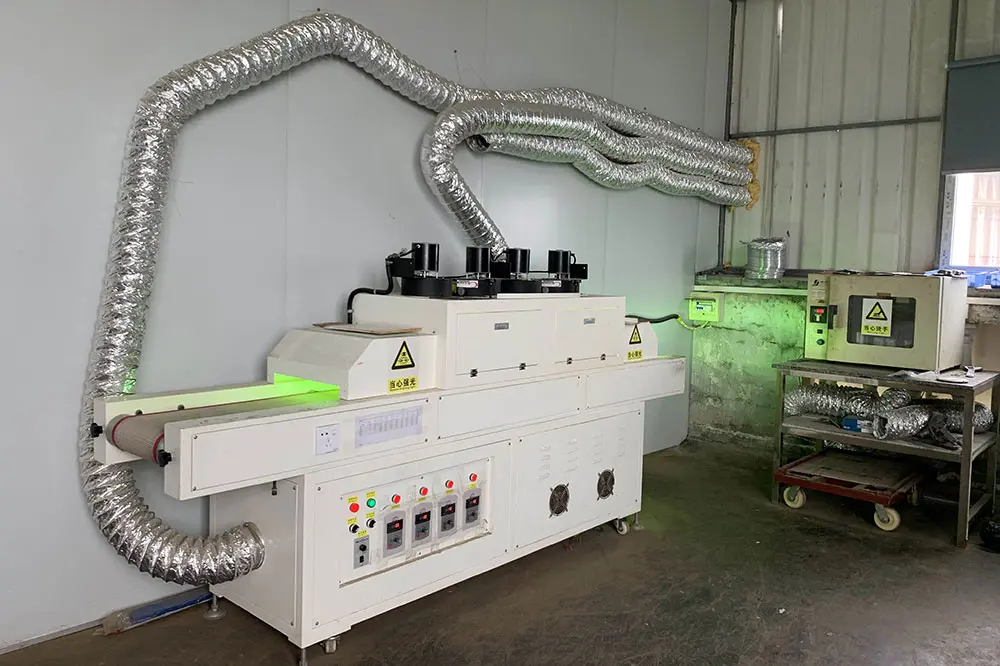
UV-curing systems are 100% reactive solids systems, meaning they contain virtually no organic solvents (VOCs). This eliminates hazardous air emissions during drying. Additionally, UV curing requires seconds rather than the minutes or hours needed for thermal curing, resulting in energy savings of up to 80% and a smaller equipment footprint.
Most of our acrylated oligomers have a shelf life of 6 to 12 months when stored in their original, unopened containers. Because they are light-sensitive, they must be stored in cool, dry, ventilated areas away from direct sunlight, UV light sources, and temperatures exceeding 40°C to prevent premature polymerization.
 Ever Ray