Engineered for extreme reactivity, enhanced adhesion profiles, and superior durability across specialized coating and printing lines.
Leading the Photocure Polymer Industry Since 2006
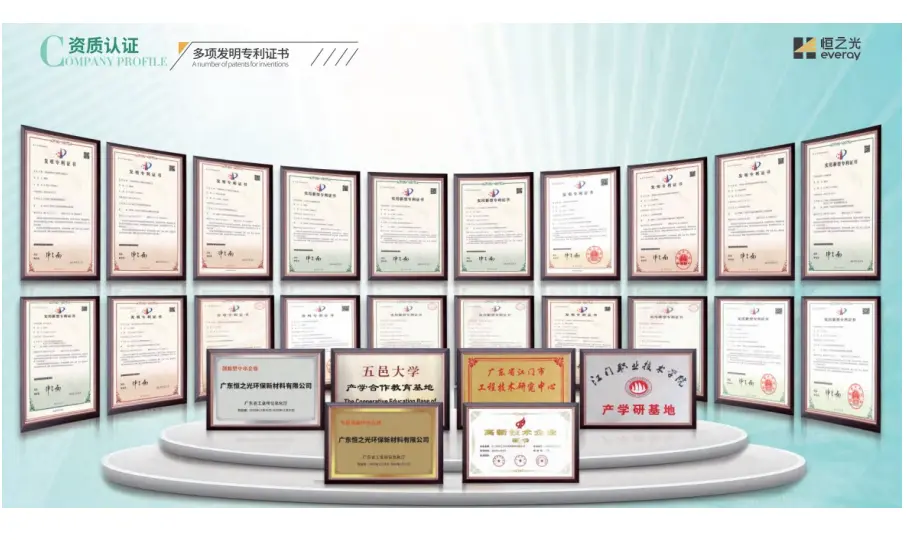
Established in 2006, Guangdong Ever Ray Environmental Material Co., Ltd. is a nationally certified high-tech enterprise dedicated entirely to the research, development, and high-capacity manufacturing of high-performance oligomers for UV-curable resin solutions. We synthesize a comprehensive range of oligomers including epoxy acrylates, polyurethane acrylates (waterborne UV, aliphatic urethanes, and aromatic urethanes), polyester acrylates, pure acrylates, and special functional modified acrylate oligomers designed to meet the toughest technical requirements in the surface finishing sector.
Through continuous technological iterations, our specialized oligomers are engineered to balance double bond conversion, minimize volumetric shrinkage, and suppress oxygen inhibition, ensuring optimal mechanical performance, chemical resistance, and rapid cure times under varied UV and LED light sources.
Over 18 years of manufacturing consistency and continuous R&D refinements in UV curing science.
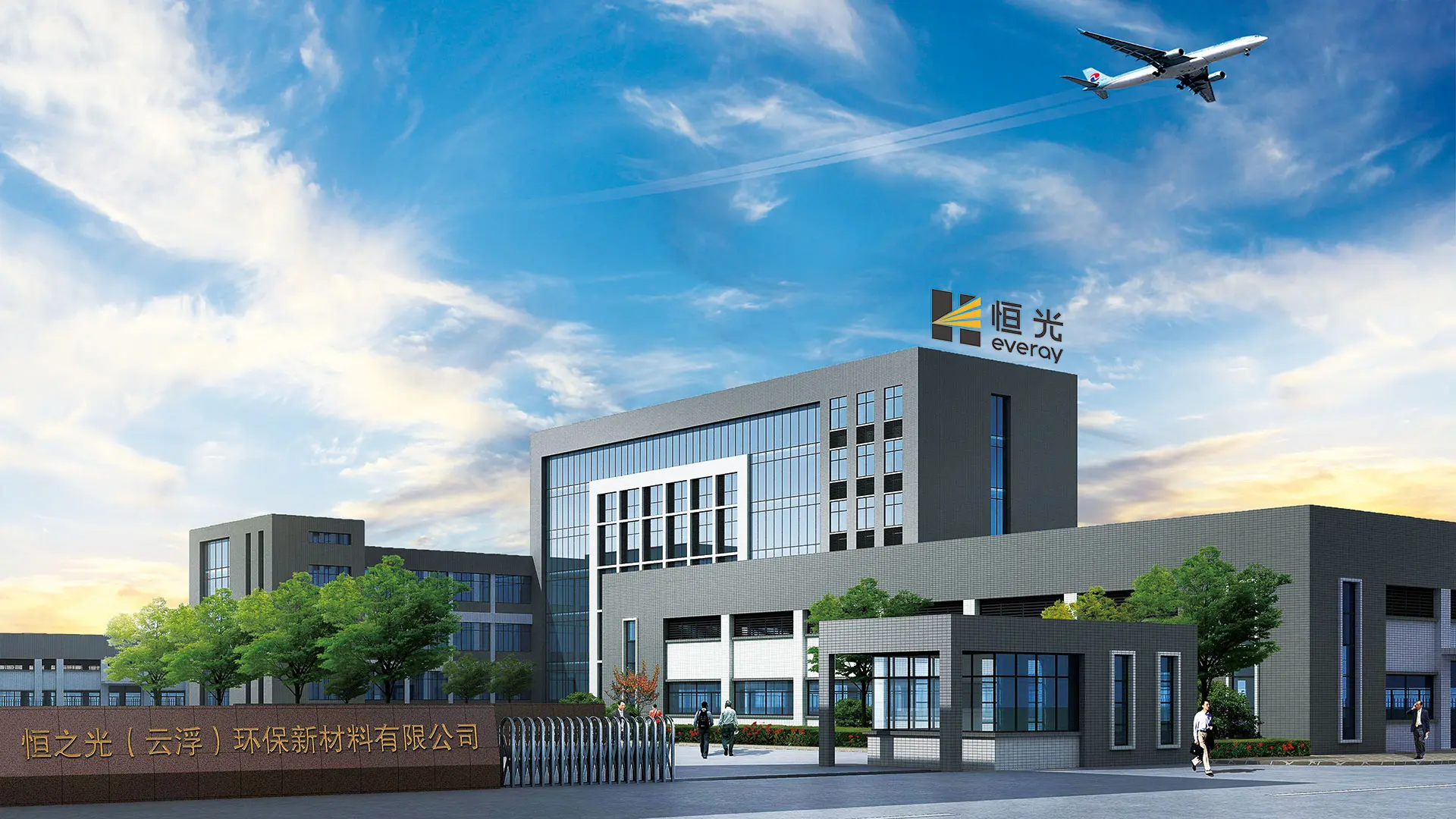
Highly automated facilities, DCS computerized production loops, and multi-facility resilience built to serve large global enterprises.
We operate two strategically located, modern production bases in Guangdong province. The Jiangmen base spans 10,000 square meters, serving as our agility and fast-turnaround production unit. The Yunfu base covers 40,000 square meters, designed as a highly scaled, smart chemical factory equipped with advanced quality control labs, modern warehouses, and robust logistics infrastructure.
Both facilities run under the strict guidance of the ISO9001 Quality Management System and ISO14001 Environmental Management System. By implementing fully computerized DCS (Distributed Control Systems) across our manufacturing stages, we eliminate human variability in polymer reaction kinetics, temperature control, and feeding rates. This ensures extreme batch-to-batch consistency and stability across our entire UV oligomer output.
To guarantee security of supply and standard compliance, we select premium local and international raw materials, follow strict scientific management practices, and cooperate with seasoned domestic UV curing experts. This structure allows us to offer tailored solutions that satisfy both functional demands and direct cost-saving goals.
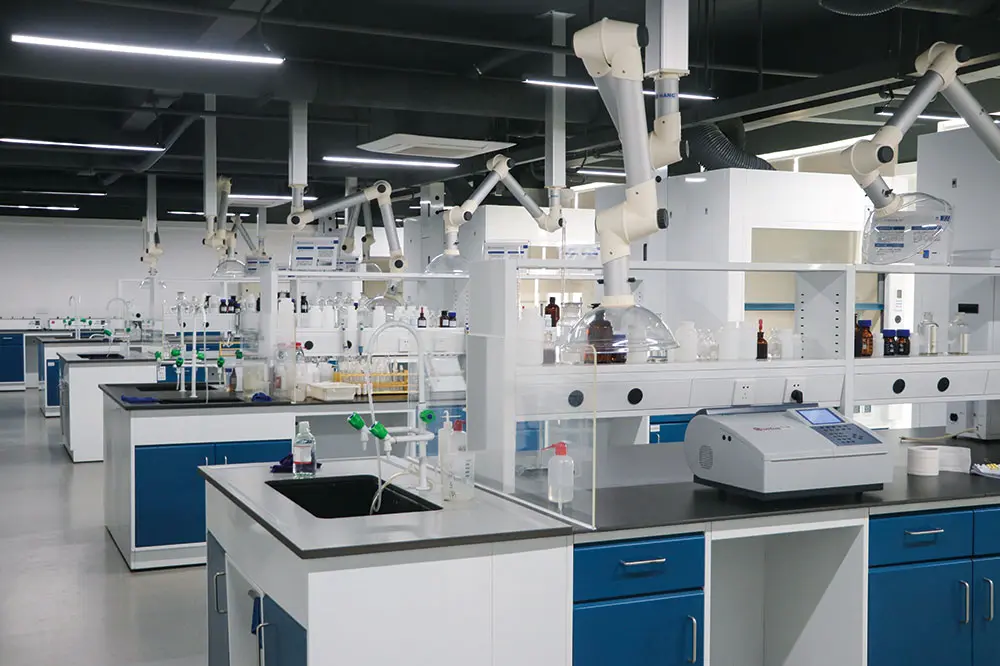
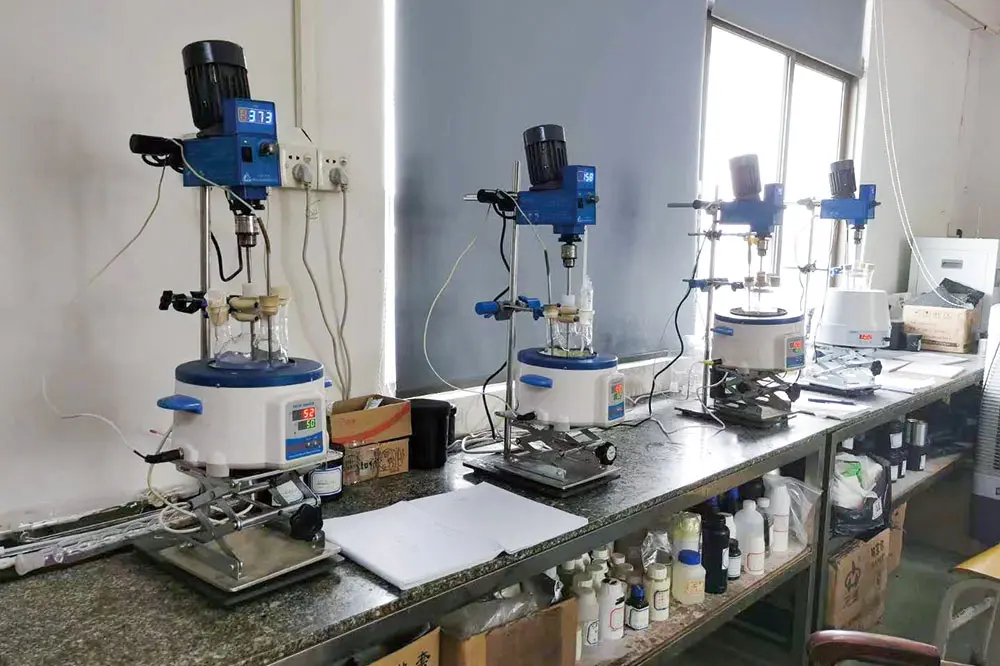
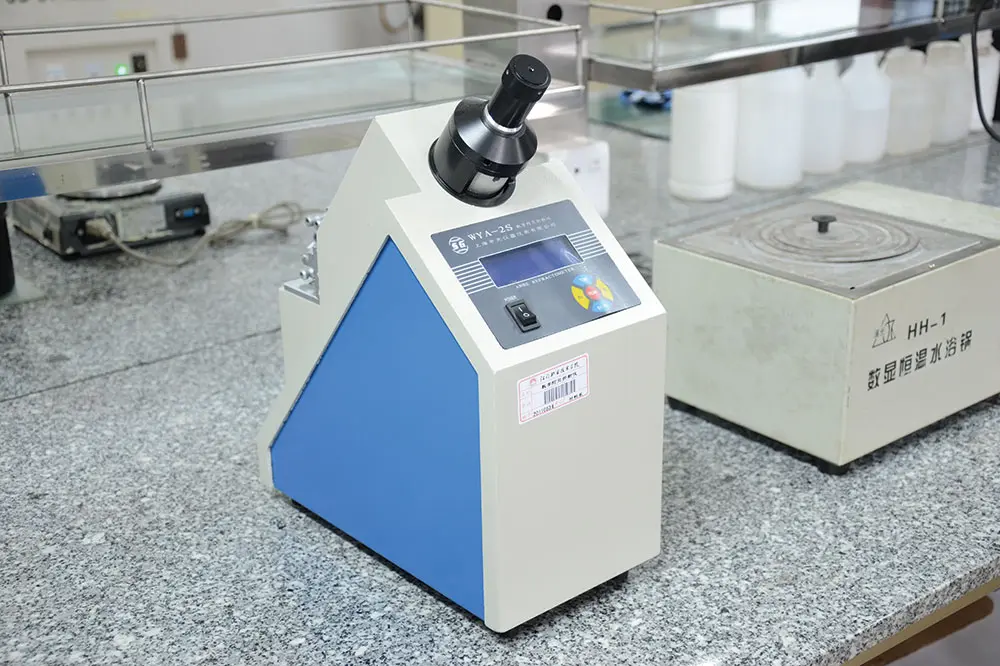
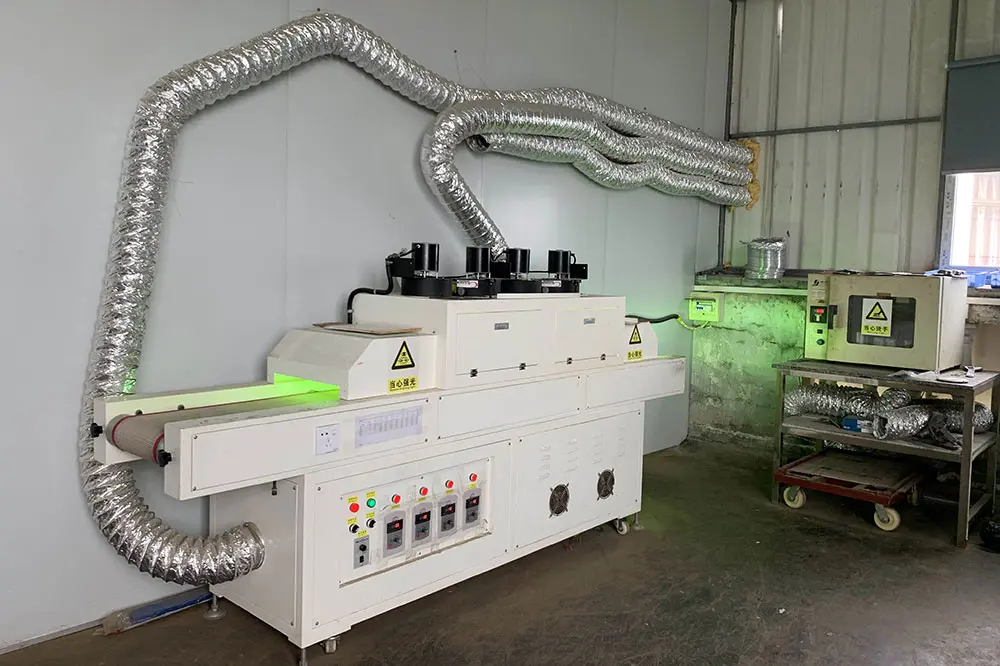
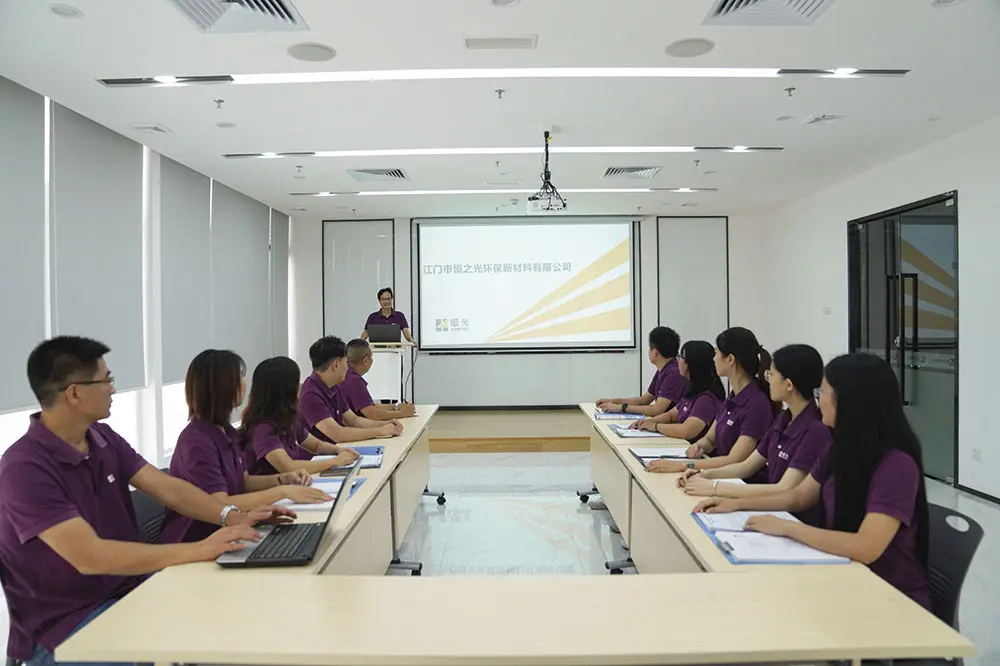
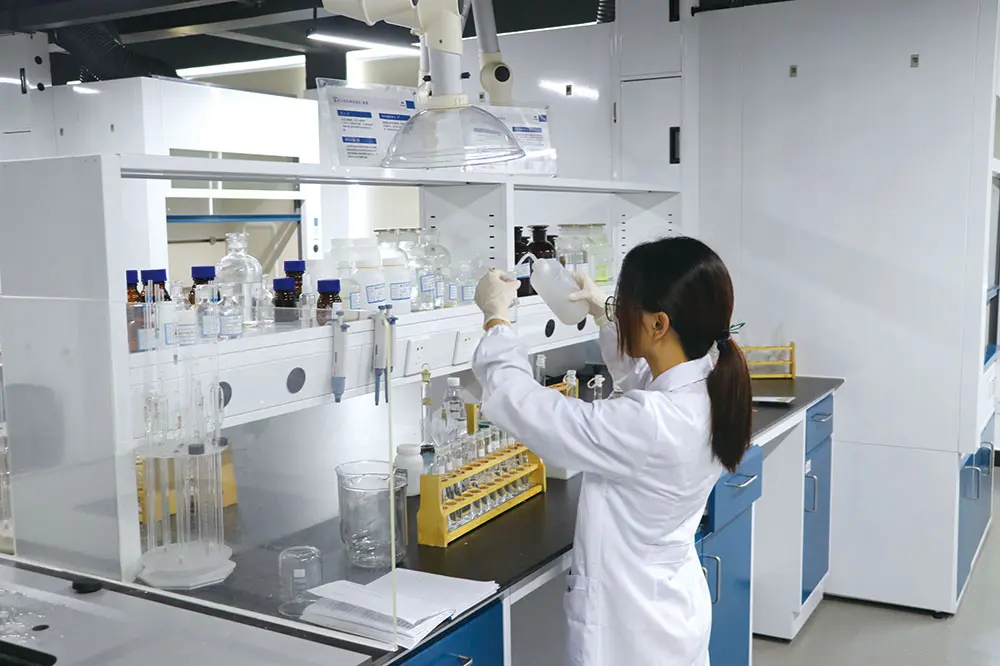
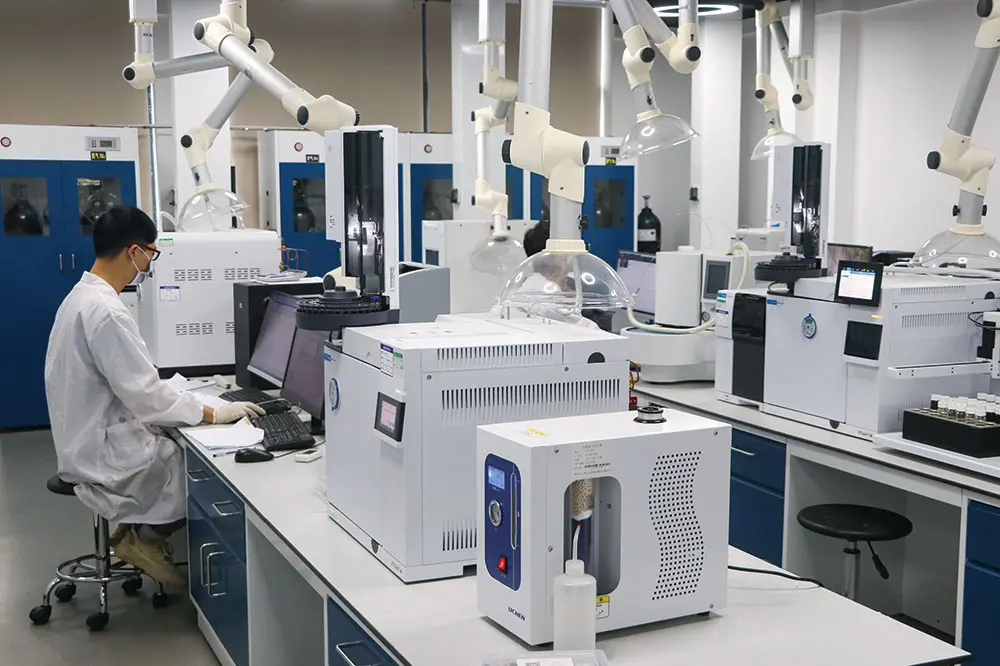
Over 15 R&D specialists continuously engineering advanced oligomers to meet the changing global trends in photopolymerization.
Developing oligomers with increased surface-cure efficiency under LED lighting. Modifying backbone structures to minimize oxygen inhibition without relying on heavy photoinitiator concentrations.
Designing specialized polyester and polyurethane acrylates that react to 172nm excimer laser irradiation, creating super-matte, soft-touch, scratch-resistant, and self-healing smart surfaces.
Substituting petrochemical polyols with bio-derived alternatives. Introducing waterborne UV resin types that exhibit superior mechanical properties while reducing volatile organic compound (VOC) emissions.
| Oligomer Type | Key Attributes | Target Applications | Highlight Performance Index |
|---|---|---|---|
| Modified Epoxy Acrylate (e.g. 6231) | High reactivity, high gloss, robust chemical resistance | Wood varnish, overprint varnishes, offset inks | Reactivity: Fast, Pencil Hardness: >2H |
| Polyester Acrylate (e.g. 53036) | Compatible with 172nm Excimer, ultra-matte, soft skin feel | Premium furniture, automotive interiors, soft-touch laminates | Gloss Level: <5GU, Micro-scratch self-healing |
| Polyurethane Acrylate (e.g. 7200F) | Excellent thermal resistance, high flexibility, impact strength | Plastic coating, electronic casing, vacuum plating basecoat | Elongation at Break: up to 120%, Tg: >75℃ |
| Waterborne UV Resin (e.g. 70251) | Water dispersible, low VOC, clean sprayability, fast physical drying | 3D Printing, green wood finishes, high-end paper coatings | Solid Content: 40±2%, Solvent-free formulation base |
How our chemistry addresses complex mechanical, physical, and environmental challenges across industries.
Modern printing presses demand rapid curing and excellent pigment wetting. Our polyester acrylates (such as 5332F and 5336) deliver low viscosity profiles, high color saturation, and excellent lithographic properties, optimizing ink performance for packaging lines.
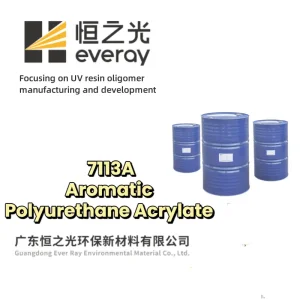
Creating mirror-like finishes on plastics (ABS, PC, PMMA) requires basecoats with low shrinkage and superior adhesion. Oligomers like 7113A and 1730 protect substrates, prevent cracking during metallization, and maintain high clarity.
Wood surfaces require high wear resistance and flexibility. Our polyurethane acrylates (including 7296C) are engineered to prevent micro-cracking due to seasonal humidity changes while providing excellent resistance to household cleaning agents.
Applying thin-film patterns to complex, curved substrates requires a flexible coating with high adhesion. Our specialized modified acrylates are designed to prevent edge curling, ensuring uniform adhesion to glass, ceramics, and metal surfaces.
Meeting international environmental, chemical registry, and supply chain continuity standards.
Global manufacturers require chemical suppliers to comply with international regulations. Guangdong Ever Ray ensures that its products comply with major chemical management policies:
We understand that off-the-shelf resins may not always fit specific viscosity, curing, or adhesion profiles. Our R&D team specializes in modifying oligomer backbones to meet target specifications:
Answers to common chemical formulation, curing, and substrate adhesion challenges.
Volumetric shrinkage is caused by the transition of intermolecular van der Waals distances to covalent bonds during radical photopolymerization. To resolve this, we pre-polymerize acrylates into oligomers with controlled molecular weights. By incorporating bulky cycloaliphatic groups or flexible long-chain polyols into the resin backbone, we reduce double bond density per unit volume, which lowers shrinkage and improves adhesion to glass and metal.
Aliphatic polyurethane acrylates utilize non-aromatic diisocyanates (such as IPDI or HDI), which resist UV degradation and yellowing, making them ideal for outdoor wood finishes, automotive topcoats, and nail polishes. Aromatic polyurethane acrylates are synthesized with aromatic diisocyanates (such as TDI or MDI), which provide higher curing speeds and scratch resistance at a lower cost, though they tend to yellow under direct sunlight. This makes them better suited for indoor coatings, primers, and industrial packaging inks.
Excimer laser curing operates at a short, highly absorbed wavelength (172nm) that cures only the top thin layer (sub-micron scale) of the coating. This creates surface micro-folds due to local shrinkage, yielding a matte finish without chemical matting agents. Polyester acrylates like 53036 are designed with a flexible polymer backbone that allows these micro-folds to form easily, resulting in low-gloss surfaces that offer excellent touch feeling, scratch resistance, and self-healing properties.
Waterborne UV oligomers (such as 70251) are dispersed in water. When applied, water evaporates during an initial thermal flash-off step, causing the resin particles to coalesce into a tack-free film. The film is then exposed to UV radiation, initiating crosslinking of the acrylate double bonds to form a fully cured network. This dual-stage drying process makes them ideal for complex shapes, such as 3D-printed parts and wood furniture coatings.
Optimized for specialized offset inks, metal finishing, vacuum metallization, and waterborne industrial coating applications.
 Ever Ray