Engineered for maximum reactivity, adhesion toughness, chemical resistance, and superb dilution profile across diverse substrate matrices.
Unlocking Industrial Performance at the Molecular Level
As a leading high-tech manufacturer, Guangdong Ever Ray Environmental Material Co., Ltd. has pioneered the development of high-performance oligomers since 2006. Industrial screen printing demands inks that run cleanly at high speeds without drying on the mesh, yet cure instantaneously under UV or LED radiation. Our range of acrylates directly addresses these critical process dynamics.
By adjusting oligomer structures—from aliphatic polyurethane acrylates to highly crosslinked epoxy and polyester acrylates—we enable ink formulators to precisely control viscosity, surface tension, cure speed, and adhesion profiles. Whether printing on PET, polycarbonate, glass, or pre-treated metals, our chemistry provides the foundational mechanics for modern print systems.
Select the optimal oligomer architecture based on your target performance criteria and curing specifications.
| Oligomer Class | Core Chemical Features | Viscosity Profile | Primary Screen Printing Uses | Key Strengths |
|---|---|---|---|---|
| Epoxy Acrylate (e.g. 6803A, 6805A-1) |
Bisphenol-A or modified epoxy base | High to Medium-High | High-gloss paper varnishes, UV rigid plastic inks, glass primers | Fast cure speed, high surface hardness, superior chemical resistance |
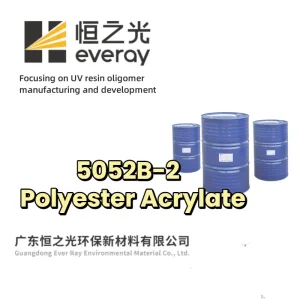
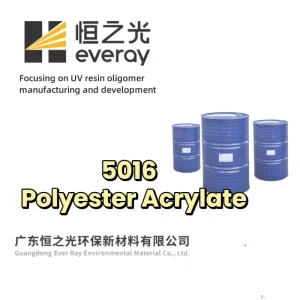
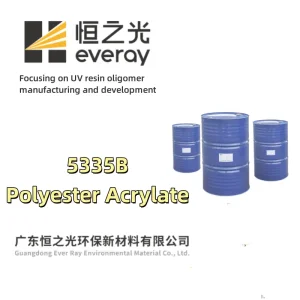
| Polyester Acrylate (e.g. 5335F, 5016, 5335B) |
Linear or branched polyester backbone | Low to Medium | Lithographic & offset inks, screen printing varnishes, pigment dispersion | Exceptional dilution, great pigment wetting, balanced elasticity |
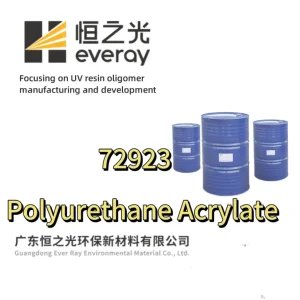
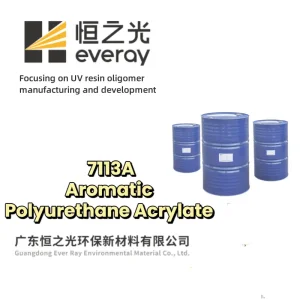
| Polyurethane Acrylate (e.g. 72923, 7113A) |
Aliphatic or aromatic urethane links | Medium to High | In-Mold Decoration (IMD), automotive dials, high-flexibility plastic inks | Anti-yellowing (aliphatic), superior flexibility, high impact toughness |
| Polycarbonate Acrylate (e.g. 72203A) |
Polycarbonate backbone modification | High | Soft-touch tactile coatings, premium clear coats, high-end electronics | Extreme weatherability, chemical resistance, luxurious haptic feedback |
Navigating the transition toward green chemistry and ultra-efficient curing mechanisms.
Modern screen printing is moving from high-temperature mercury lamps to energy-efficient LED curing systems (365nm, 395nm). Our research focus centers on designing high-reactivity acrylates that overcome oxygen inhibition, ensuring smooth, tack-free surface cures at lower energy outputs.
To meet global environmental mandates, our chemistry roadmap includes integrating renewable feedstocks (corn, soy, and castor oil-derived intermediates) to manufacture bio-based polyester and polyurethane acrylates, reducing carbon footprints without sacrificing mechanical performance.
With regulatory tightening in food and cosmetics packaging, our R&D team is developing high-molecular-weight multi-functional acrylates that lock completely into the polymer matrix upon UV exposure, eliminating trace chemical migration and odor issues.
Custom-formulated resin strategies designed to solve complex industrial print and coating challenges.
Screen-printed electronics—such as membrane switches, touch sensors, and In-Mold Electronics (IME)—require resins that withstand immense mechanical deformation. Our aliphatic polyurethane acrylates provide the required elongation (often exceeding 150%) combined with high thermal resistance during the molding process, ensuring zero micro-cracking of the conductive pathways.
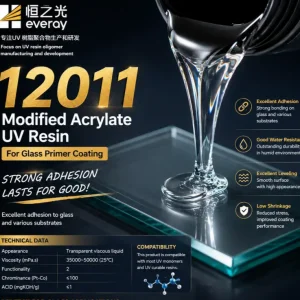
Glass is notoriously difficult for ink adhesion due to its hydrophilic nature and lack of organic bonding sites. Ever Ray's modified acrylates, like the 12011 and 17730A-2, offer remarkable water resistance and silane-coupling compatibility. Formulations utilizing these resins can pass rigorous boiling water and dishwasher tests, making them the industry standard for cosmetic jars and appliance control panels.
From instrument clusters to dashboard displays, automotive components require materials that survive heavy UV exposure, thermal cycling, and high-frequency friction. Utilizing polycarbonate and high-performance aliphatic urethane acrylates ensures absolute yellowing resistance and exceptional chemical durability against household cleaners and hand creams.
For cosmetic boxes, liquor cartons, and promotional collateral, high visual impact is critical. Our low-viscosity polyester acrylates yield exceptional leveling, high gloss, and excellent pigment dispersion, facilitating thick-film screen printing of tactile structures, textured finishes, and relief effects.
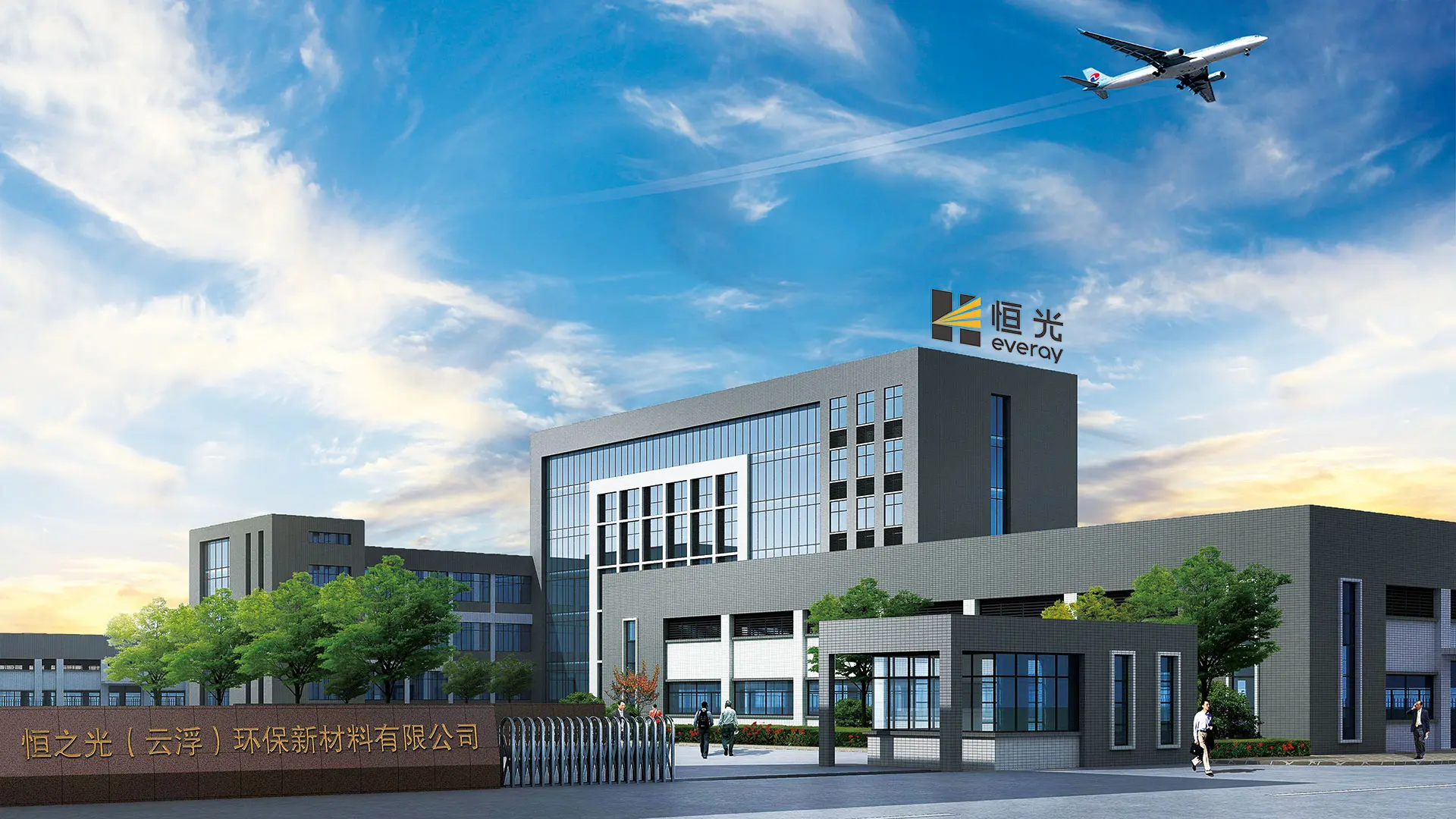
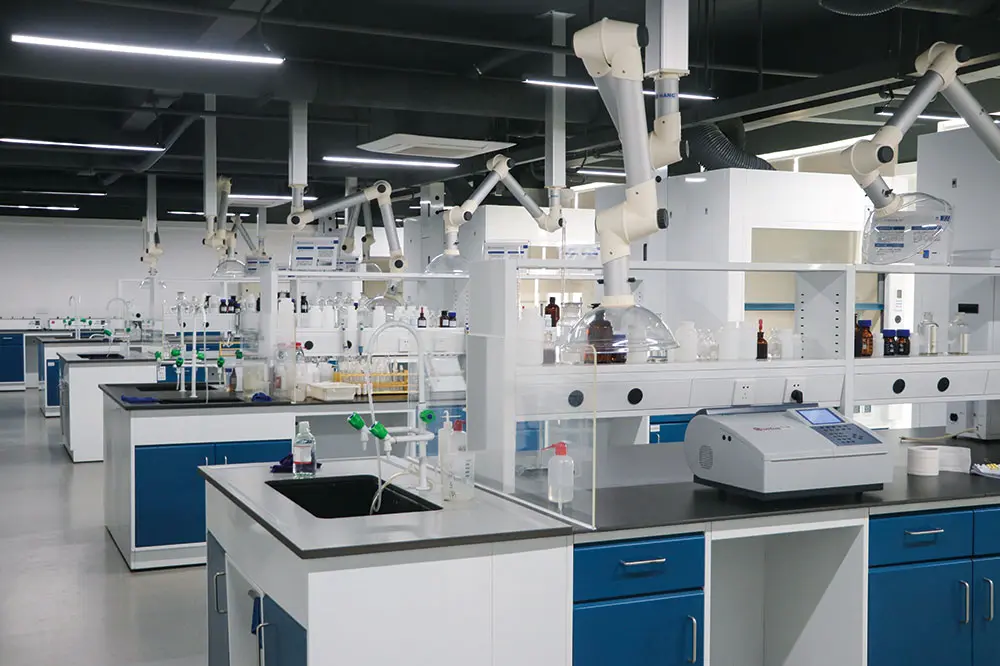
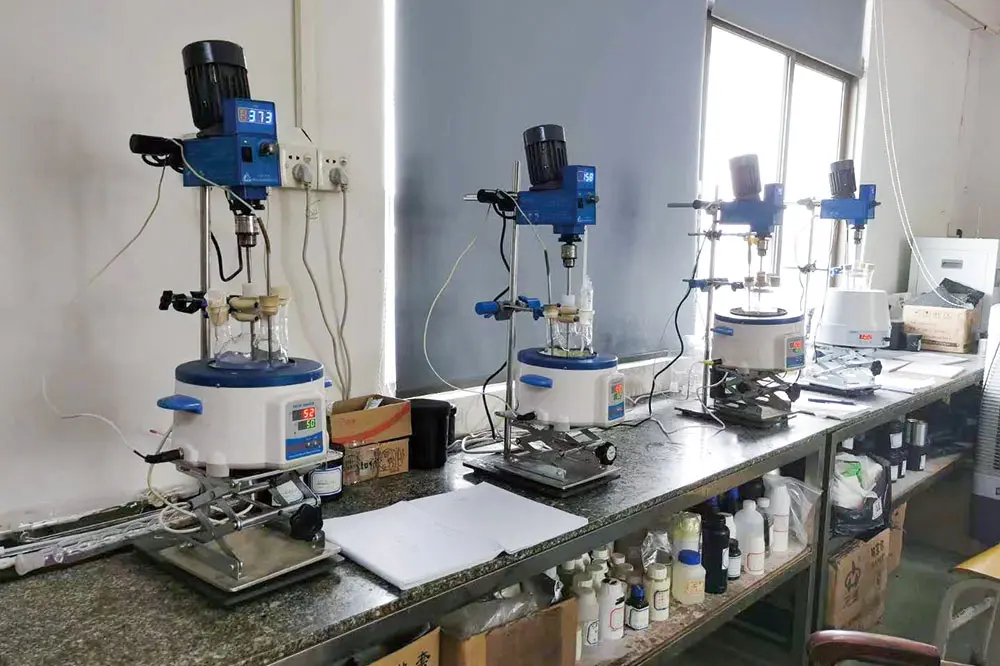
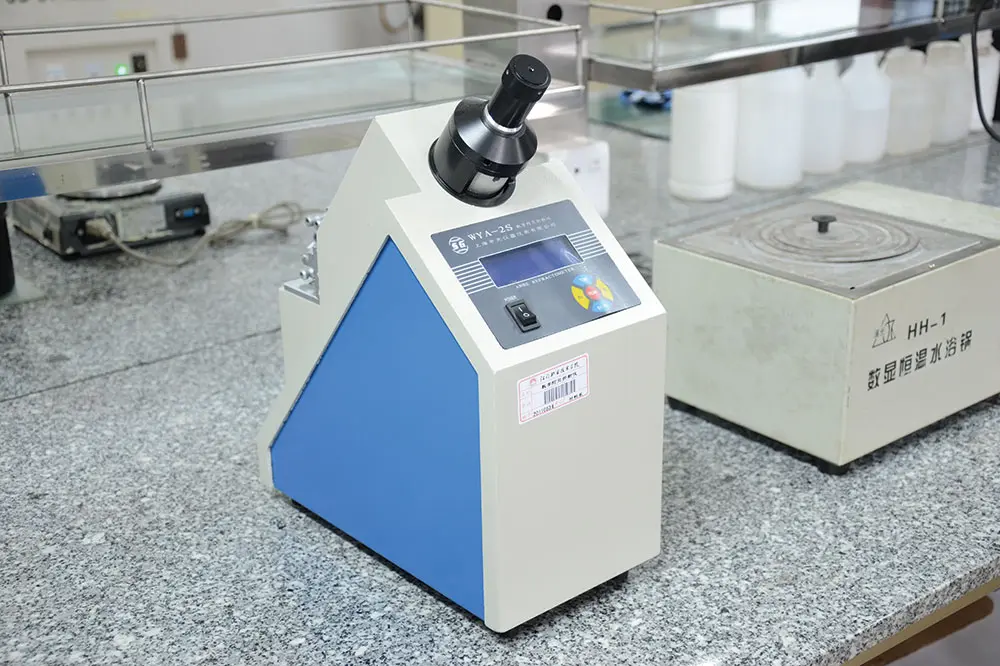
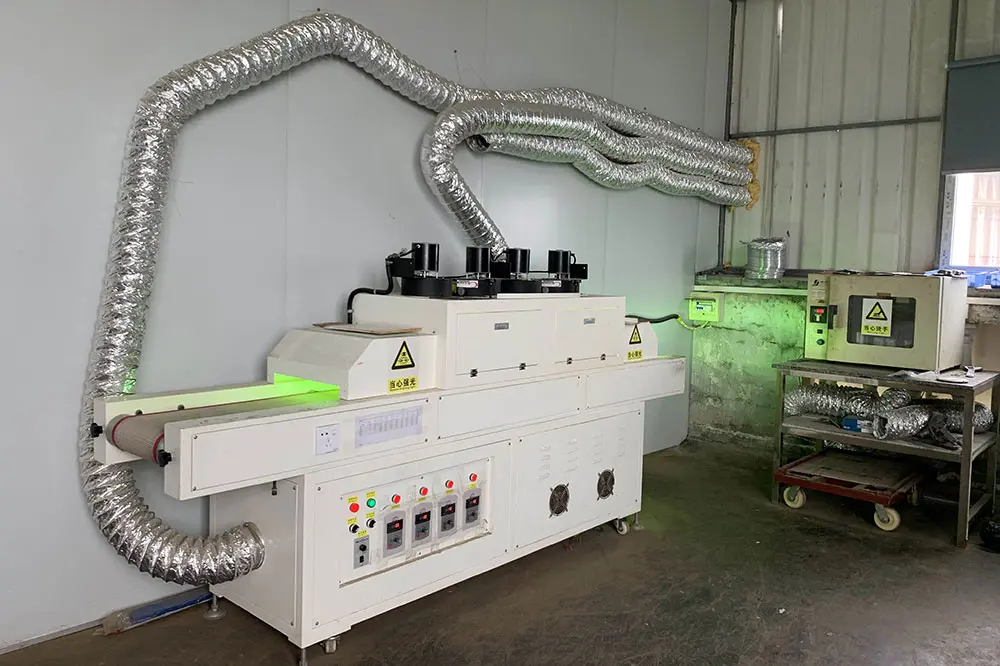
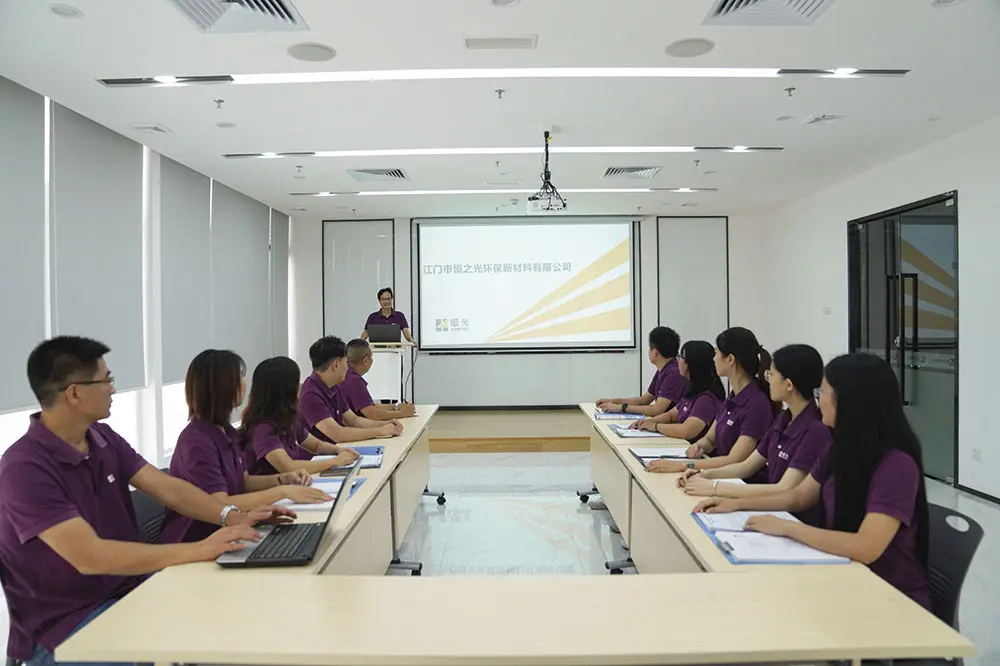
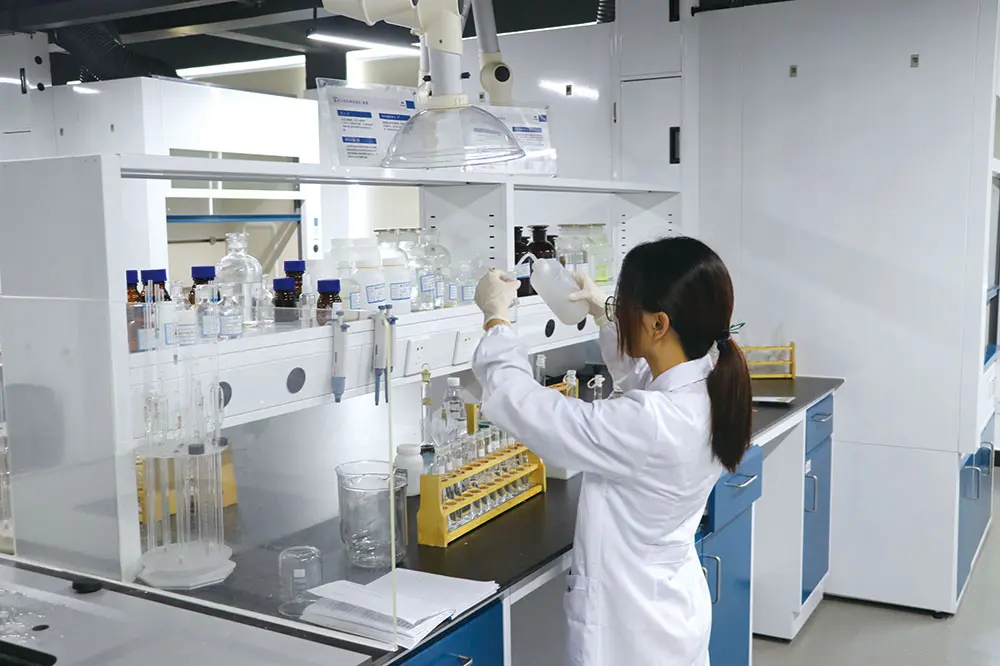
Guangdong Ever Ray Environmental Material Co., Ltd. established in 2006, is a high-tech enterprise focusing on the R&D and manufacturing of oligomers for UV curable resin such as epoxy acrylate, polyurethane acrylate (water borne, aliphatic urethane, aromatic urethane), polyester acrylate, pure acrylate and other special functional modify acrylate oligomers.
We have two production bases, one is in Jiangmen, Guangdong, production area is about 10,000 square meters, while the other is in Yunfu, Guangdong, which production area is around 40,000 square meters, complete with quality control, storage, and logistics supporting facilities. The annual production capacity is more than 20,000 tons with more than 10 production lines.
To ensure quality control, our factory is managed under the ISO9001 quality management system and ISO14001 environmental management system, together with a flexible and advanced DCS fully computerized control system. Moreover, we select high-quality domestic and foreign raw materials, adopt advanced scientific management methods, and hire domestic UV material experts for guidance to ensure production safety and product quality stability.
We have more than 10 invention patents and practical patents, with more than 15 technicians in our R&D department. We are providing high reactivity, chemical resistance, and high gloss to formulations for a wide variety of applications, including wood coatings, plastic, inks, adhesives, etc.
We are supplying different formulations for customers to meet their requests, not only from the products' functional capability but also from the cost-saving aspect. We focus on technology and environmental protection coexisting in harmony, firmly taking science and technology as our driving force in our future development, and continuing to pursue excellence and keep a sustainable green living environment in our daily lives.
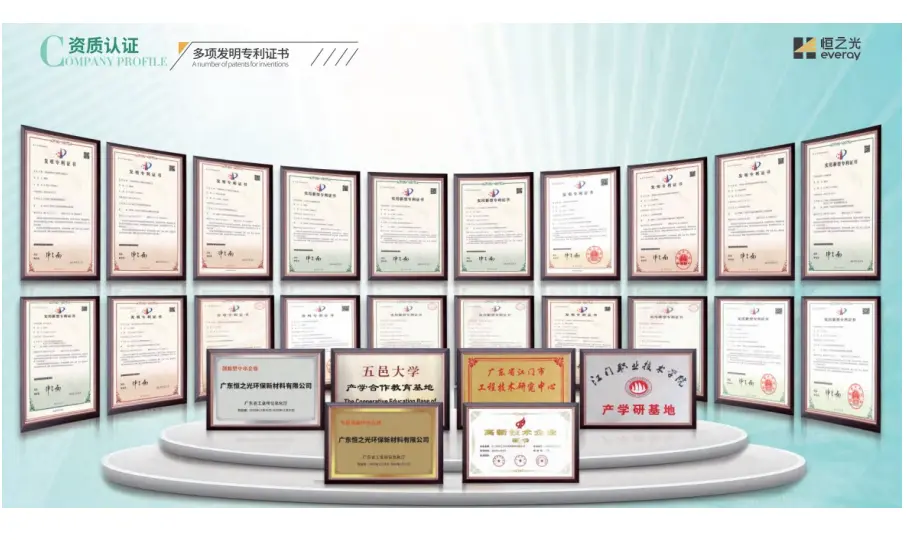
Leveraging digitalization, raw material integration, and high automation for consistent international delivery.
Our manufacturing bases operate under a fully integrated Distributed Control System (DCS). This ensures polymerization processes are monitored in real time, maintaining temperature tolerances within ±0.5°C. This level of control reduces batch-to-batch variation to virtually zero.
Located within South China's chemical industry cluster, we have direct pipelines to key monomer and raw material feeds. This structural advantage limits transportation lag and buffers our production lines against macro supply bottlenecks and raw material volatility.
With two independent sites operating in Jiangmen and Yunfu, we offer dual-site manufacturing redundancy. In the event of local maintenance cycles or regulatory environmental pauses, orders can be dynamically reassigned to prevent customer supply interruptions.
Delivering peace of mind alongside cutting-edge material science.
Navigating global regulatory landscapes is critical for ink manufacturers exporting to Europe, North America, and standard-heavy Asian regions. Guangdong Ever Ray ensures all supplied raw materials are registered and compliant with regional frameworks:
We offer comprehensive lab testing services, simulating various customer printing configurations (such as screen mesh counts from 100T to 165T, UV curing light path intensities, and curing speeds). This allows us to deliver pre-tested formulation components that slide seamlessly into existing manufacturing lines, significantly shortening your time-to-market.
Expert insights on troubleshooting and optimizing UV screen printing ink formulations.
A broad portfolio of modified acrylates, epoxy oligomers, and special functional coatings.
 Ever Ray