Explore our industrial-grade formulations engineered for high elasticity, structural integrity, and superior bonding strength in midsole production.
The evolution of athletic and performance footwear hinges on polymeric innovations within the shoe midsole. As high-speed manufacturing calls for decreased cycle times and zero volatile organic compounds (VOCs), photopolymerization chemistry is replacing legacy thermal foaming procedures.
Modern shoe midsoles demand a precise balance of mechanical performance characteristics: excellent rebound resilience to return kinetic energy to the runner, structural fatigue resistance to withstand millions of compression cycles, and low density to reduce the overall payload of the shoe. While traditional expanded Ethylene-Vinyl Acetate (EVA) and Polyurethane (PU) foams dominate legacy lines, UV-curable polyurethane acrylates and modified epoxy acrylates are revolutionizing 3D-printed lattice structures and high-performance casting systems.
By tailoring molecular weight distributions, crosslink density, and segment soft-to-hard ratios, our technical R&D department synthesizes specialized oligomers that address these exact physical demands. This ensures that footwear manufacturers achieve maximum throughput while delivering shoes that retain dimensional stability in extreme climates.
Established
Sqm Production
Tons Capacity / Year
R&D Technicians
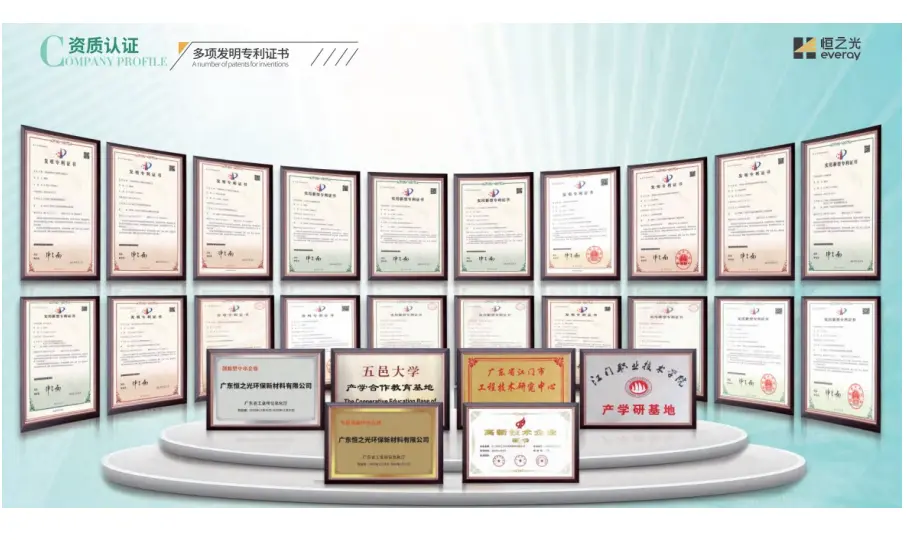
Guangdong Ever Ray Environmental Material Co., Ltd., established in 2006, is a high-tech enterprise focusing on the R&D and manufacturing of oligomers for UV curable resin. Our extensive product portfolio comprises epoxy acrylate, polyurethane acrylate (including waterborne, aliphatic urethane, and aromatic urethane), polyester acrylate, pure acrylate, and other special functional modified acrylate oligomers designed for rigorous industrial applications.
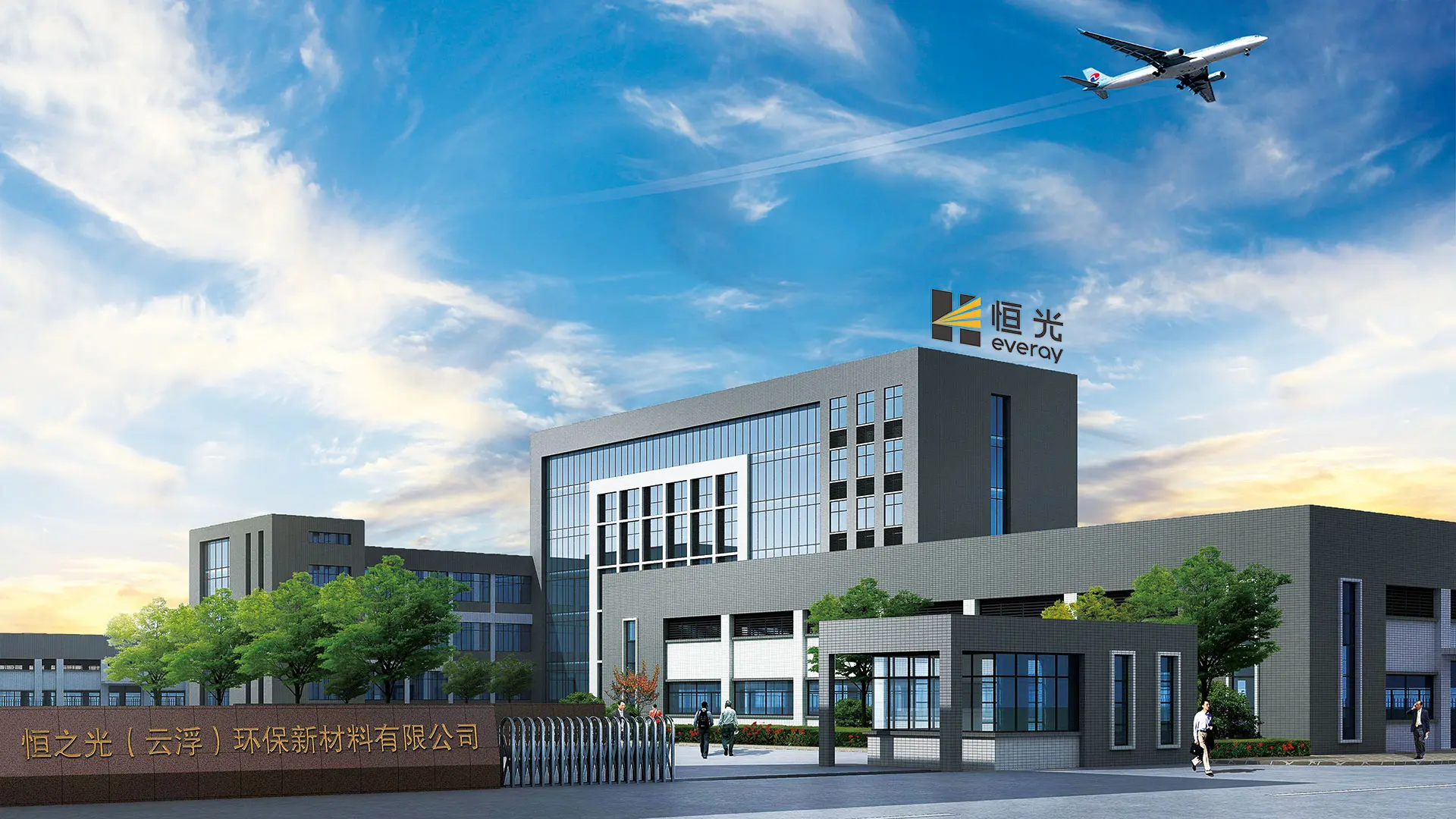
We operate two state-of-the-art production bases to guarantee continuous supply and commercial scaling. Our first facility is located in Jiangmen, Guangdong, covering an area of approximately 10,000 square meters. Our primary industrial plant in Yunfu, Guangdong, encompasses 40,000 square meters, fully optimized with quality control, advanced storage, and integrated logistics infrastructure.
With an annual manufacturing capacity exceeding 20,000 tons operating across more than 10 dedicated production lines, we support large-scale industrial demands. To maintain pristine chemical stability and batch-to-batch repeatability, our facilities operate under the ISO 9001 Quality Management System and ISO 14001 Environmental Management System. The entire synthesis cycle is managed via a flexible DCS fully computerized control system, minimizing human error and thermal variation during high-temperature esterification and polymer synthesis.
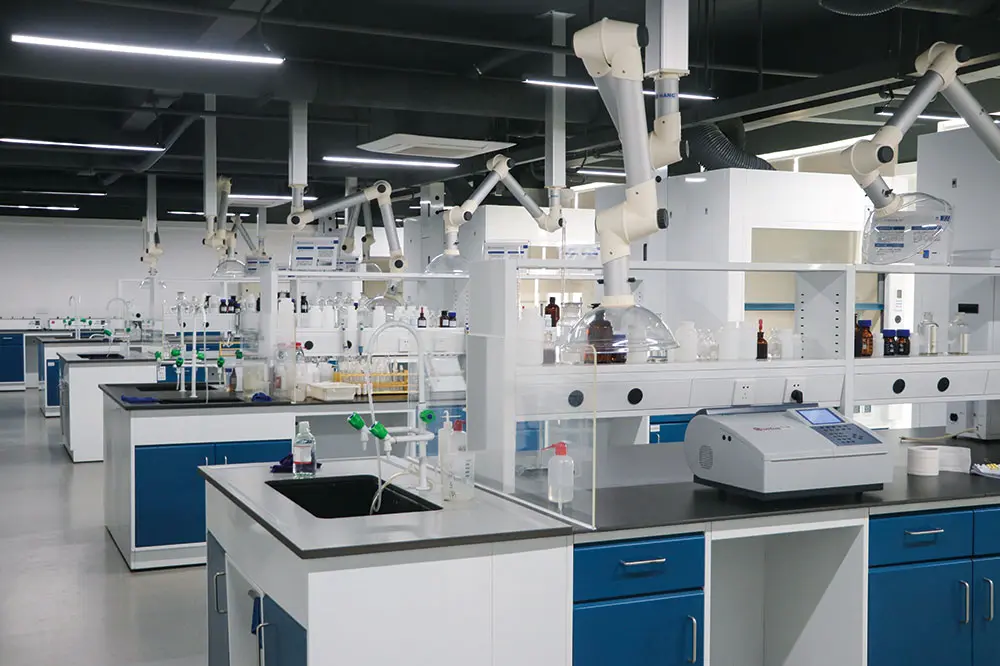
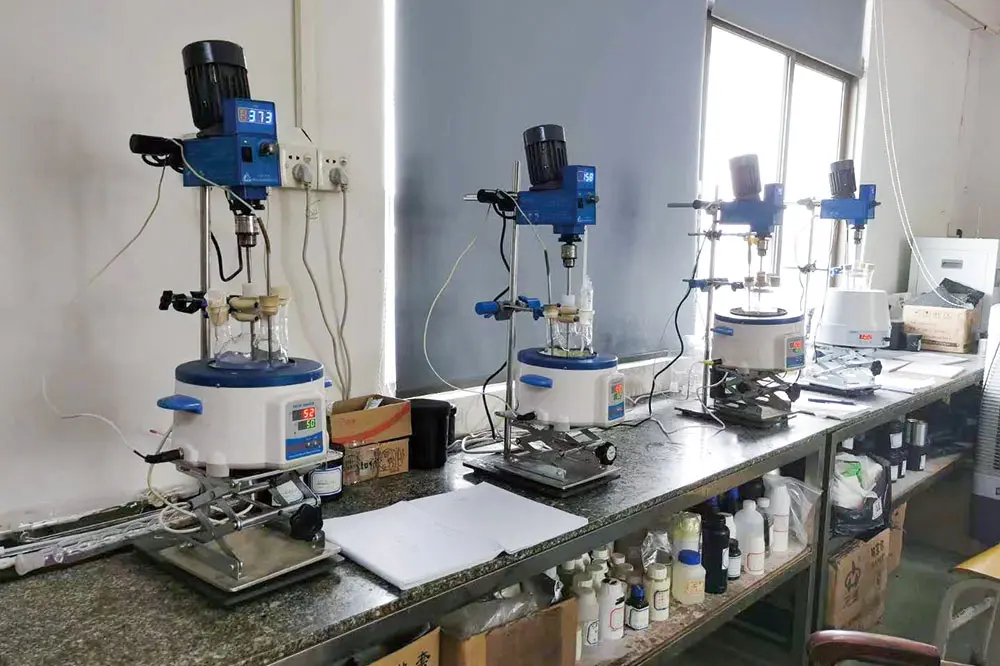
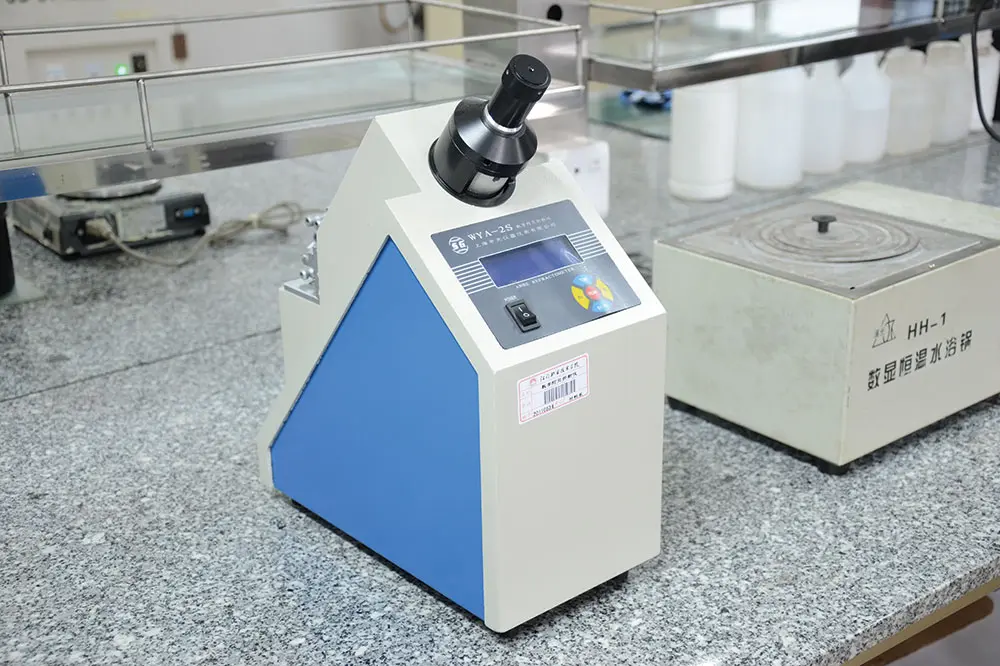
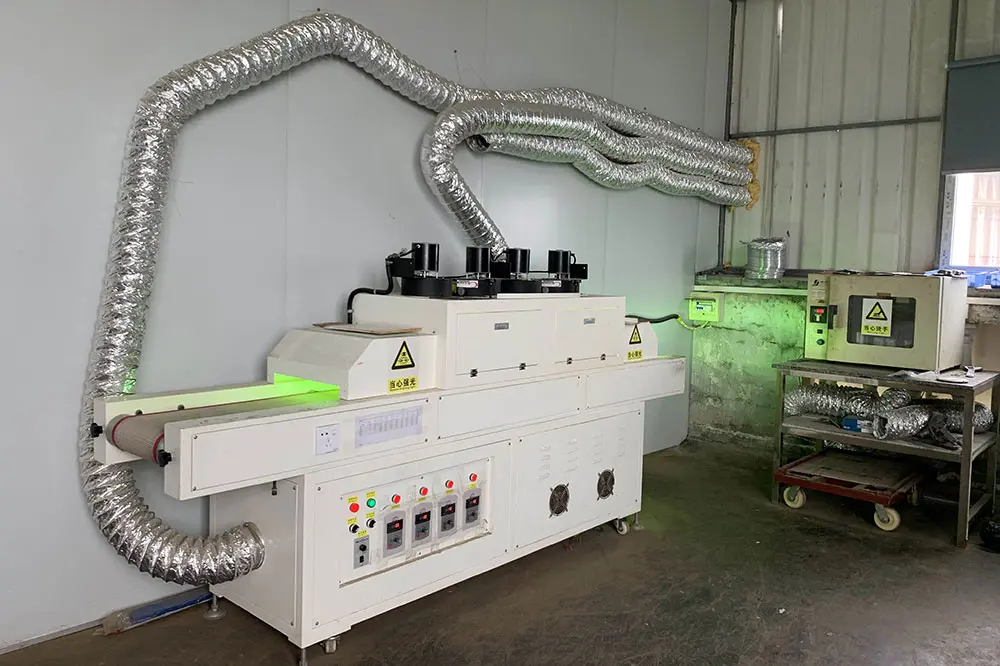
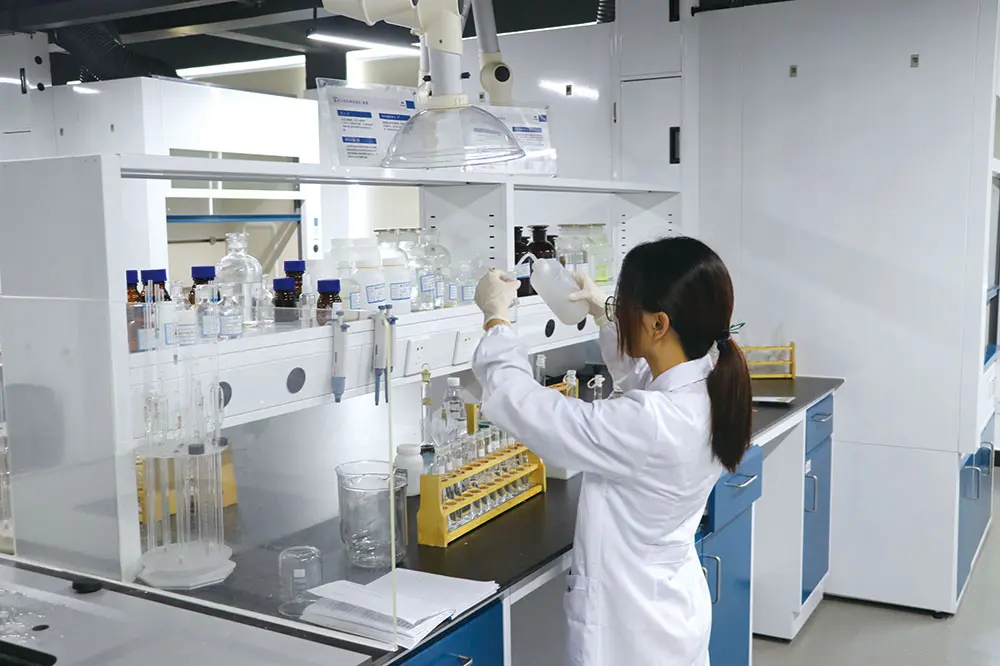
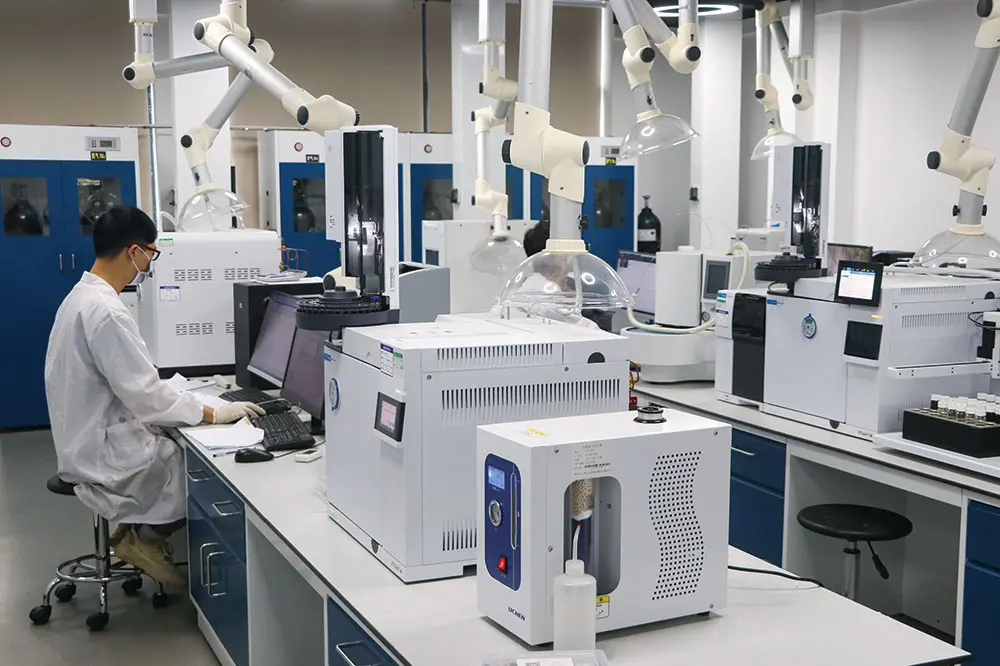
Our production facilities are equipped with automated reactor vessels, gas chromatographs, and mechanical testing equipment to verify the chemical integrity of every batch.
The global footwear supply chain is under pressure to pivot from subtractive CNC milling and standard injection molding to agile, digital manufacturing frameworks. Midsoles are the most critical component determining user comfort, biomechanical health, and athletic endurance. The international shift towards high-performance thermoplastic polyurethane (TPU) and specialized UV-curable elastomer resins is accelerating due to the following structural trends:
By transitioning to UV curing, manufacturers cut power costs associated with thermal curing ovens. Photopolymerization occurs in seconds rather than hours, decreasing floor space requirements and in-process inventory.
Additive manufacturing using liquid UV resins allows the creation of variable density lattices. This enables zonal cushioning—firmer under the arch, softer under the heel—which is impossible with standard EVA injection foam.
Global environmental regulatory frameworks (such as EU REACH and EPA guidelines) strictly limit VOC emissions in shoe assembly factories. Our VOC-free, low-odor, low-shrinkage oligomers provide a plug-and-play regulatory compliant solution.
In high-performance footwear application engineering, selecting the correct oligomeric chemistry determines the product's ultimate life cycle. Our laboratory conducts synthesis testing to isolate the optimal backbone structures for shoe midsoles, concentrating on curing kinetics, structural shrinkage, and environmental degradation resistance.
| Oligomer Chemistry Type | Hardness Range (Shore A) | Rebound Resilience (%) | Hydrolysis Resistance | Yellowing Resistance (UV-A) | Primary Technical Advantage |
|---|---|---|---|---|---|
| Aliphatic Urethane Acrylate | 50 - 85 | 60% - 72% | Excellent | Exceptional (Delta E < 1.5) | Ultimate dynamic flexibility, zero yellowing under sunlight. |
| Aromatic Urethane Acrylate | 65 - 95 | 50% - 60% | Good | Moderate (Prone to ambering) | High tensile strength and tear resistance at lower raw material costs. |
| Polyester Acrylate (Low Viscosity) | 70 - 90 | 40% - 55% | Moderate | Good | Exceptional surface wetting, low viscosity allows high filler loading. |
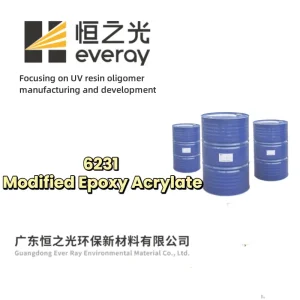
| Epoxy Acrylate (Modified) | 80 - 98 | 30% - 45% | Excellent | Poor to Fair | Unmatched surface hardness, adhesion, and fast cure kinetics. |
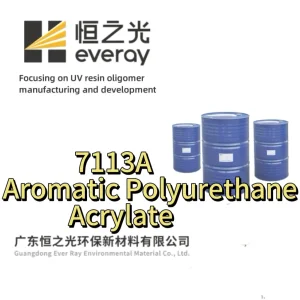
For applications where white or translucent midsoles are designed, aliphatic polyurethane acrylates are mandatory. Aromatic urethane backbones contain benzene rings that form quinoid chromophores under exposure to UV light, leading to significant yellowing (ambering). However, for dark-colored trail shoes or safety boots, aromatic urethanes (such as our aromatic polyurethane acrylate oligomers) provide a highly cost-efficient structure with exceptional load-bearing parameters.
Footwear manufacturing hubs are heavily concentrated across Southeast Asia, Central America, and Southern Europe. Each territory demands specialized logistics, humidity-tolerant formulations, and localized compliance certifications. As a globally integrated supplier, Ever Ray provides tailored solutions for these localized manufacturing realities:
High ambient humidity and temperature in factories situated in tropical zones can lead to condensation on raw material containers, resulting in hydrolysis of unstable ester linkages. Our low-viscosity, hydrophobic oligomers are engineered to resist moisture-induced micro-phase separation during the coating and curing cycles.
Our custom waterborne polyurethane acrylates and solvent-free reactive oligomers comply with the strict environmental laws governing major global consumer markets. This enables brands to secure green certifications (such as BlueSign and OEKO-TEX) for the final consumer products.
Our raw material resins are integrated into multiple phases of footwear production:
Deep-dive queries answered by Ever Ray's Senior Formulation Chemists
In VAT photopolymerization technologies like DLS or SLA, the liquid resin must quickly flow back and level over the cured layer during the print cycle. High viscosity causes flow resistance, leading to voids, delamination, and print failures. Using low-viscosity monomers and low-viscosity polyester or epoxy acrylate resins (like 5052B-2 or 6300) ensures rapid self-leveling without the need to add volatile solvents that would evaporate and compromise dimensional accuracy.
Complex 3D-printed lattice structures create shaded areas where direct UV light cannot easily penetrate. To solve this, our R&D department designs dual-cure systems. The initial structural geometry is fixed using UV photopolymerization, followed by a secondary thermal cure step. This secondary mechanism triggers polymerization in shadowed regions through latent thermal catalysts, ensuring uniform mechanical properties across the entire midsole volume.
Fatigue resistance is controlled by the crosslink density and the spacing between crosslinks (molecular weight between crosslinks, Mc). High-functionality oligomers produce rigid, brittle networks. For midsoles, we synthesize oligomers with flexible polyether or aliphatic polyester chains terminated with ductile acrylate groups. This allows the polymer structure to dissipate stress through chain slippage and micro-deformation, avoiding macro-cracking under repetitive impacts.
Standard acrylate monomers can shrink up to 15-20% during radical polymerization due to the conversion of van der Waals distances to covalent bonds. This causes warping, curling, and internal stress in molded components. Our modified low-shrinkage oligomers are pre-polymerized structures with a high molecular weight per double bond. This structure reduces volumetric shrinkage to under 2-4%, preserving the exact CAD dimensions of the shoe midsole design.
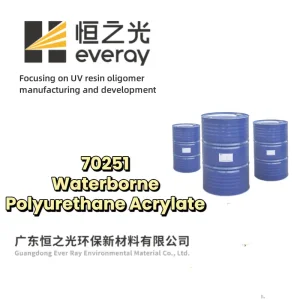
Yes. Our waterborne 70251 UV resin is designed for eco-friendly coating and adhesive formulations. It uses water as the dispersing medium, eliminating VOCs. Upon drying to remove water, it undergoes quick UV curing to form a crosslinked network with high green strength. This makes it ideal for bond lines between the midsole and the shoe upper.
We combine ISO 9001 quality protocols with a fully automated DCS (Distributed Control System) throughout our Yunfu and Jiangmen factories. Real-time computerized monitoring controls reaction temperature, feed rate, and vacuum levels. Every production batch undergoes gas chromatography (GC), gel permeation chromatography (GPC), and viscosity testing to verify physical properties before shipping.
Complete your design requirements with our advanced, functional chemical resins optimized for adhesion, anti-fouling, and mechanical strength.
 Ever Ray