Explore our industrial-grade UV-curing oligomer catalog engineered for superior adhesion, flexibility, and anti-yellowing capabilities.
An expert technical overview analyzing chemical formulations, manufacturing processes, supply chain dynamics, and regulatory compliance standards.
The global chemical landscape is undergoing a structural transition from thermal-curing solvent-borne systems to high-performance, low-emission UV/EB (Ultraviolet/Electron Beam) radiation curing systems. At the core of this transition are urethane acrylates (also referred to as polyurethane acrylates or PUA). Known for their high durability, aliphatic or aromatic structure versatility, and fast crosslinking density, these oligomers define the mechanical capabilities of modern coatings, adhesives, and inks.
As regulatory frameworks like REACH, EPA, and China’s national VOC emission caps tighten, manufacturers worldwide are pressured to eliminate VOCs (Volatile Organic Compounds) entirely. High-quality urethane acrylates serve as the ideal resin matrix because they can be formulated with zero or extremely low monomer contents, bypassing traditional solvent evaporation phases.
From a macromolecular engineering standpoint, the backbone structure of a urethane acrylate oligomer dictates its final physical and mechanical properties. Choosing the right structural class is critical for commercial industrial application:
Industrial buyers and chemical formulation engineers often struggle with balancing contradictory properties: low viscosity vs. high molecular weight, and fast cure speed vs. minimal shrinkage. High-quality urethane acrylate manufacturers must employ precise molecular weight distribution controls to mitigate these classic constraints.
Highly viscous oligomers demand excessive reactive monomer diluent addition, which can compromise safety and shrink resistance. Ever Ray's modified oligomers optimize viscosity without losing performance.
Securing cross-link integrity on low surface energy substrates like ABS, polycarbonate (PC), glass, or metallic films is a notorious pain point. Special functional modifications overcome adhesion failure.
For applications such as nail extension gels or electronics potting, exothermic reactions during UV curing can cause discomfort or thermal stress. Low-heat-release formulations are required.
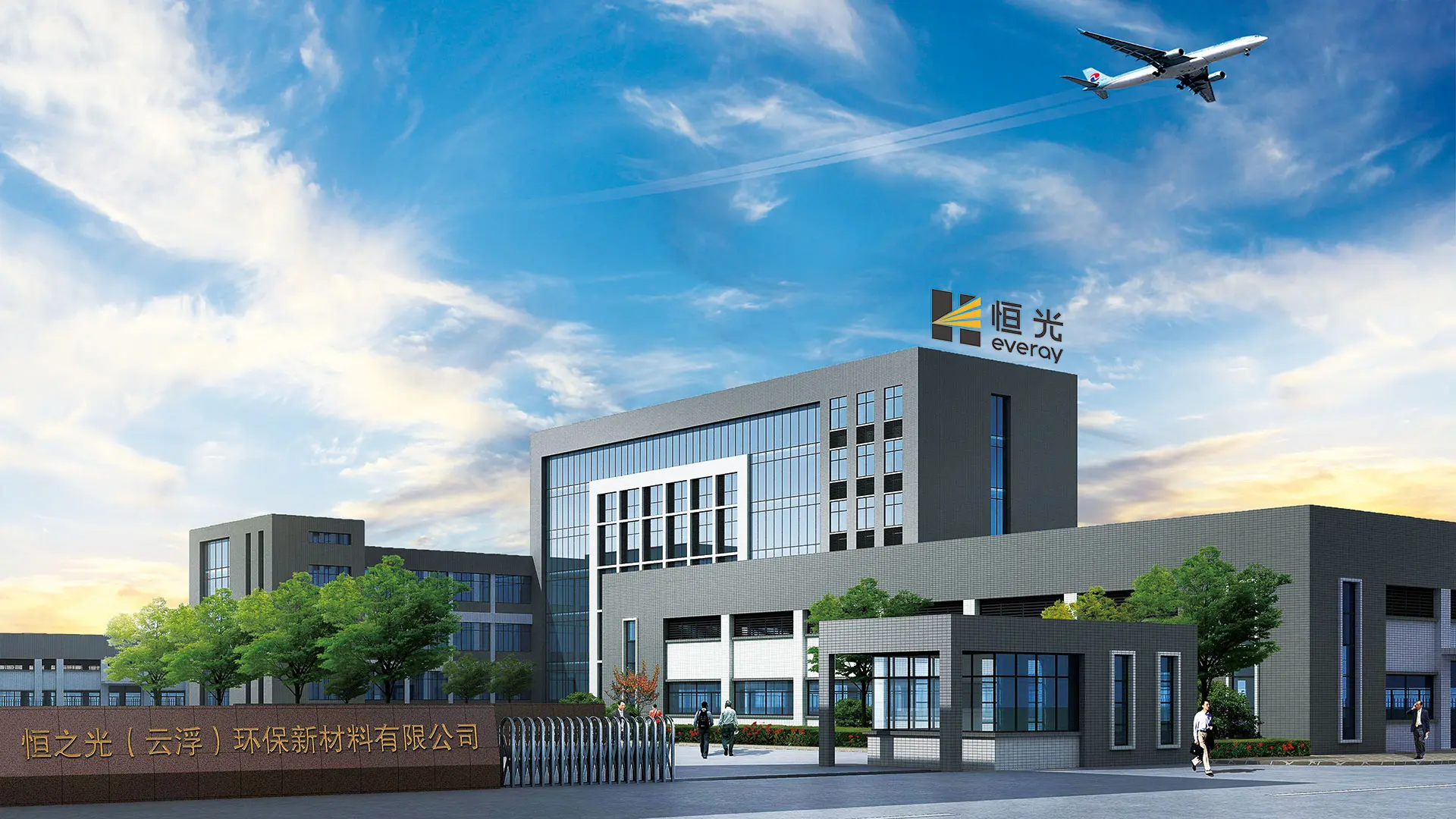
As localized regulatory challenges and supply chain disruptions shift the market, global purchasers look to Chinese manufacturers operating with Factory 4.0 smart infrastructure. Our Yunfu and Jiangmen factories leverage highly automated, computer-controlled DCS (Distributed Control Systems) to monitor reactant flow, reaction temperatures, and pressure levels in real-time.
This continuous digital oversight translates to absolute batch-to-batch consistency. Operating under ISO 9001 and ISO 14001, our logistics and warehousing systems ensure that global transport routes are continuously supplied with reliable chemical volumes, avoiding the raw material shortages that halt manufacturing lines in the West.
Year of Establishment
Dual Production Bases
Annual Production Capacity
Invention Patents
Established in 2006, Guangdong Ever Ray Environmental Material Co., Ltd. is a premier high-tech enterprise dedicated to the R&D, chemical synthesis, and large-scale manufacturing of high-performance oligomers for UV curable systems. Our product portfolio spans across epoxy acrylates, aliphatic/aromatic polyurethane acrylates (including waterborne and solvent-free versions), polyester acrylates, and special functional modified acrylic resins.
We operate two production bases: our 10,000-square-meter facility in Jiangmen and our 40,000-square-meter facility in Yunfu, Guangdong. Equipped with DCS fully computerized control technology and more than 10 advanced automated production lines, we comfortably achieve an annual production capacity exceeding 20,000 tons.
Our dedicated R&D division consists of over 15 senior technicians and chemical engineers holding more than 10 invention patents. We provide customized solutions to align with our customers' technical parameters while maintaining competitive pricing structures.
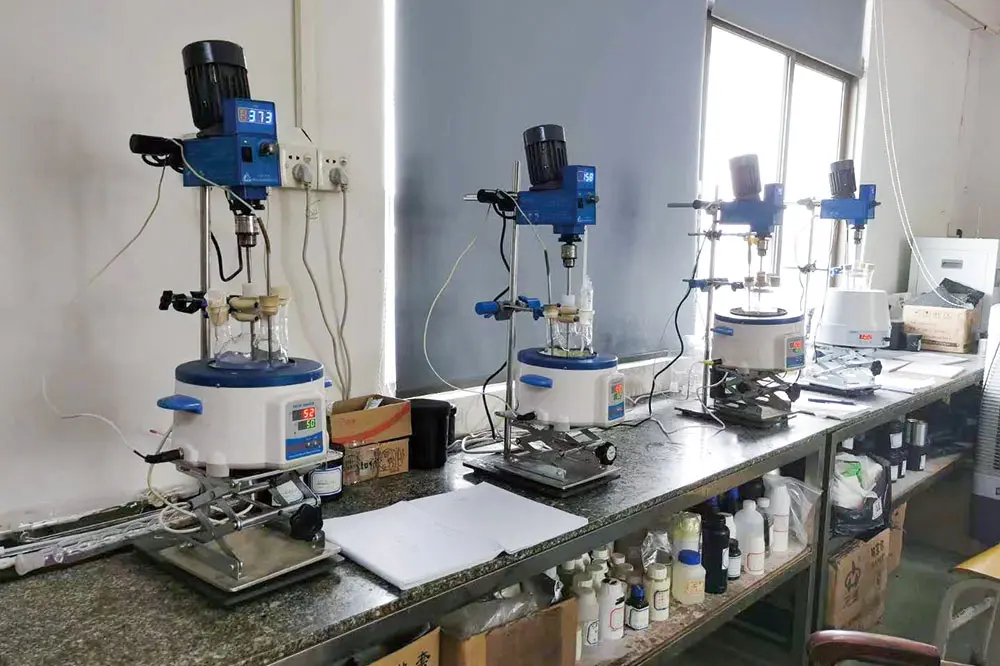
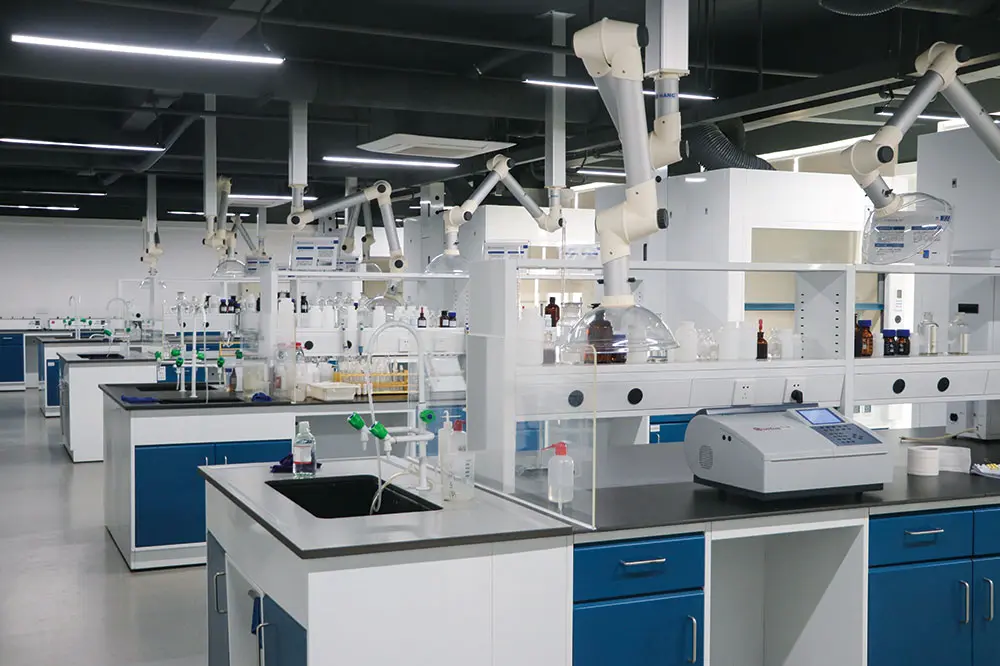
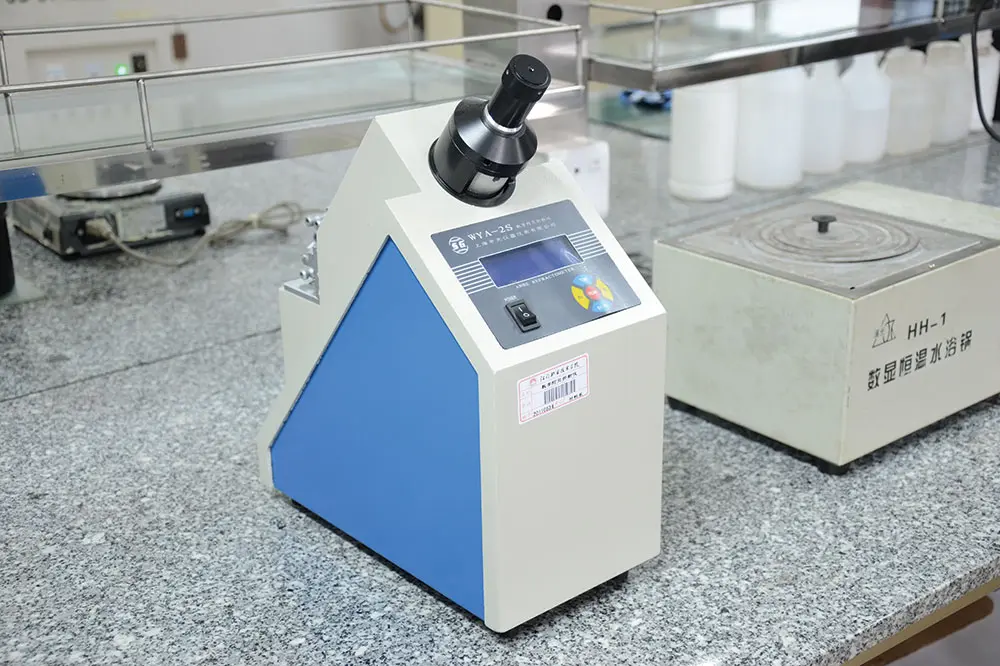
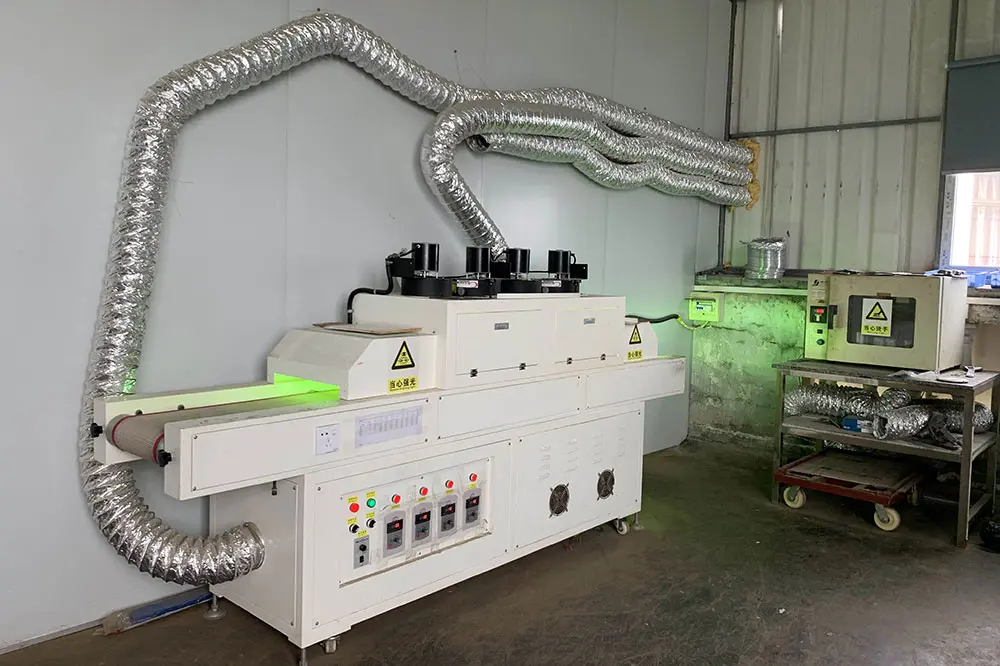
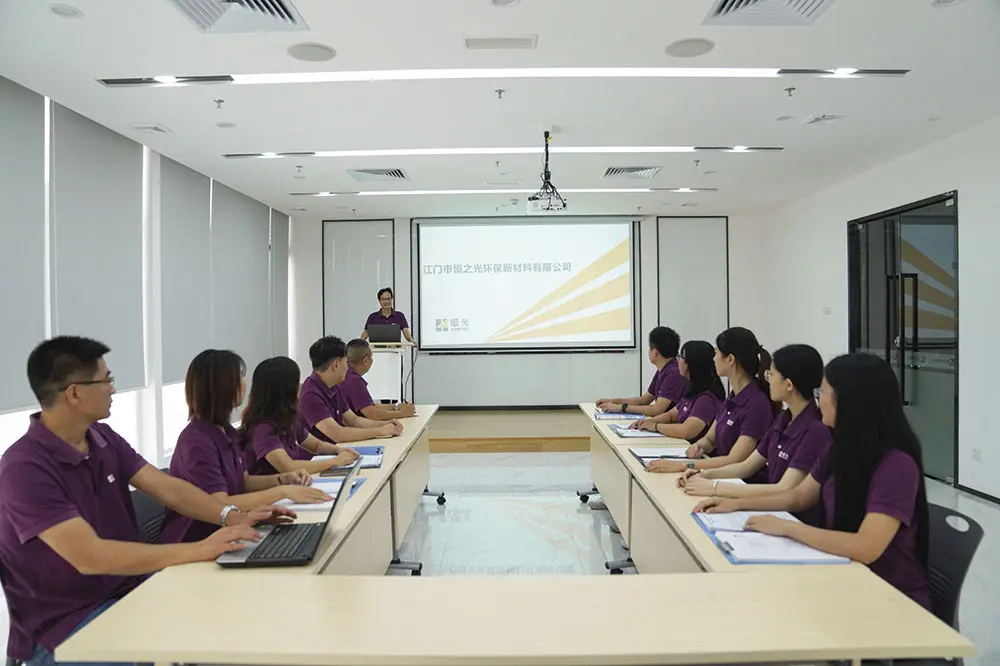
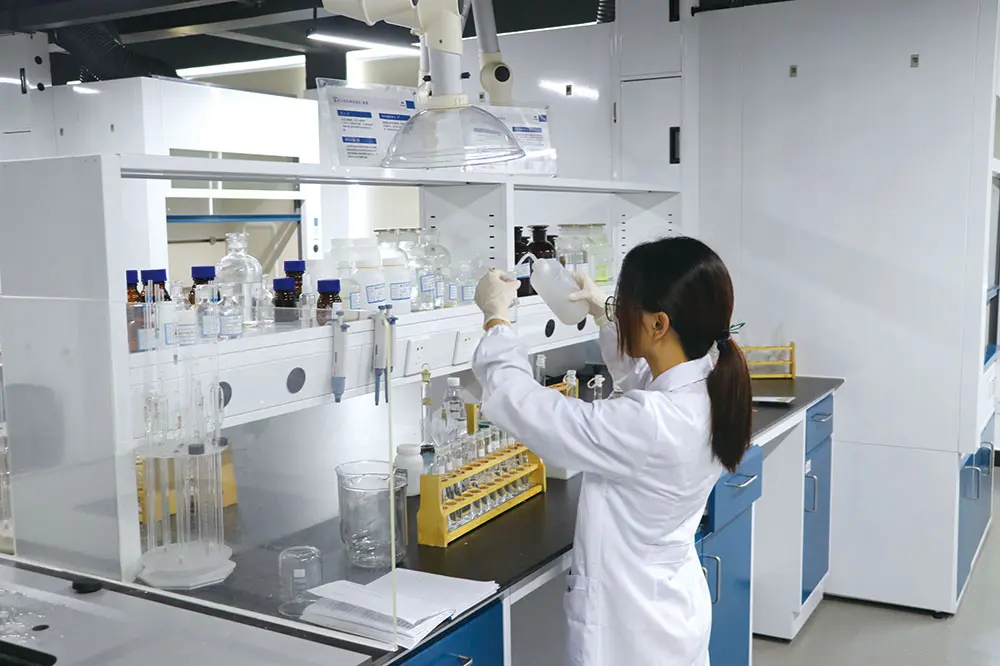
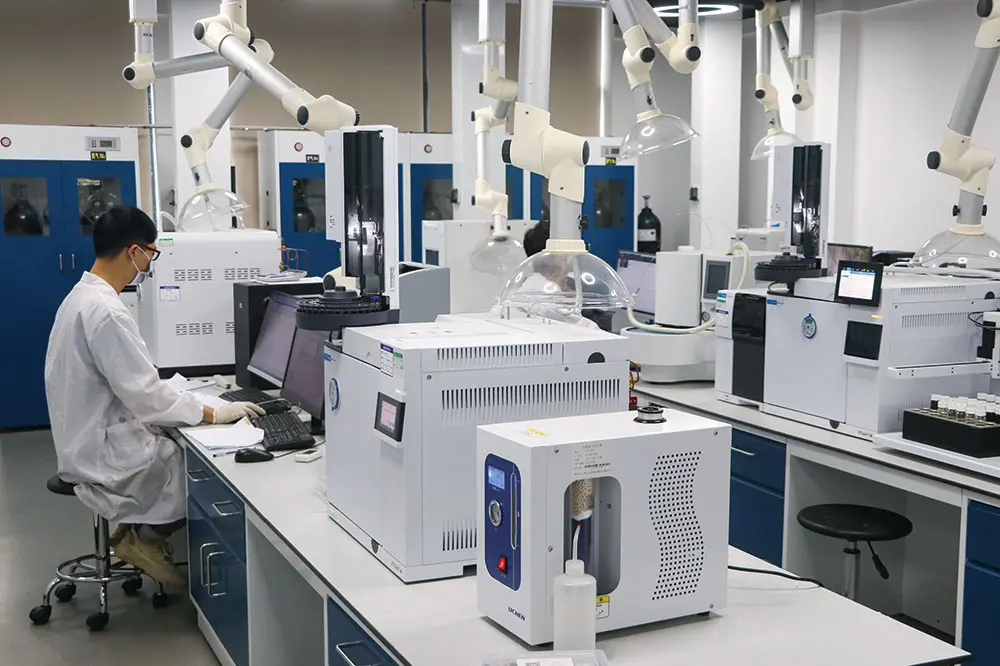
Different global market sectors demand highly specialized oligomer traits. Guangdong Ever Ray engineers custom products tailored to these niche industrial workflows:
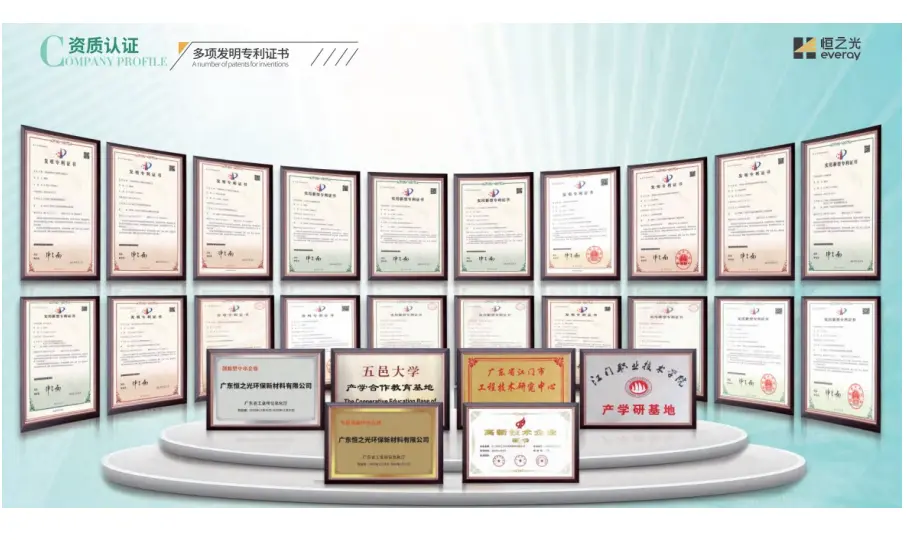
Comprehensive technical answers to critical questions commonly raised by chemical procurers, formulation scientists, and manufacturing engineers.
Browse our selection of specialized polyester, aromatic, and performance-modified acrylate resins.
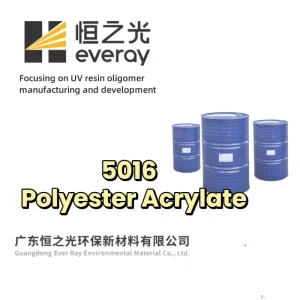
 Ever Ray