In the domain of high-speed additive manufacturing and industrial coatings, the performance of UV-curable formulations depends fundamentally on the structural integrity of the oligomers used. As a specialized high-tech enterprise, Guangdong Ever Ray Environmental Material Co., Ltd. (established in 2006) operates at the molecular level, designing and synthesizing custom oligomers for UV curable resin. Our production spans critical chemical families including epoxy acrylates, polyurethane acrylates (including advanced waterborne, aliphatic urethane, and aromatic urethane), polyester acrylates, pure acrylates, and special functional modified acrylate oligomers.
Selecting the correct UV cure resin for 3D printing requires understanding how these oligomers function under UV wavelengths (typically 365nm to 405nm):
By modulating molecular weight, double-bond density, and chemical backbones, our R&D division achieves optimal compromises between cure speed, mechanical properties, and substrate adhesion.
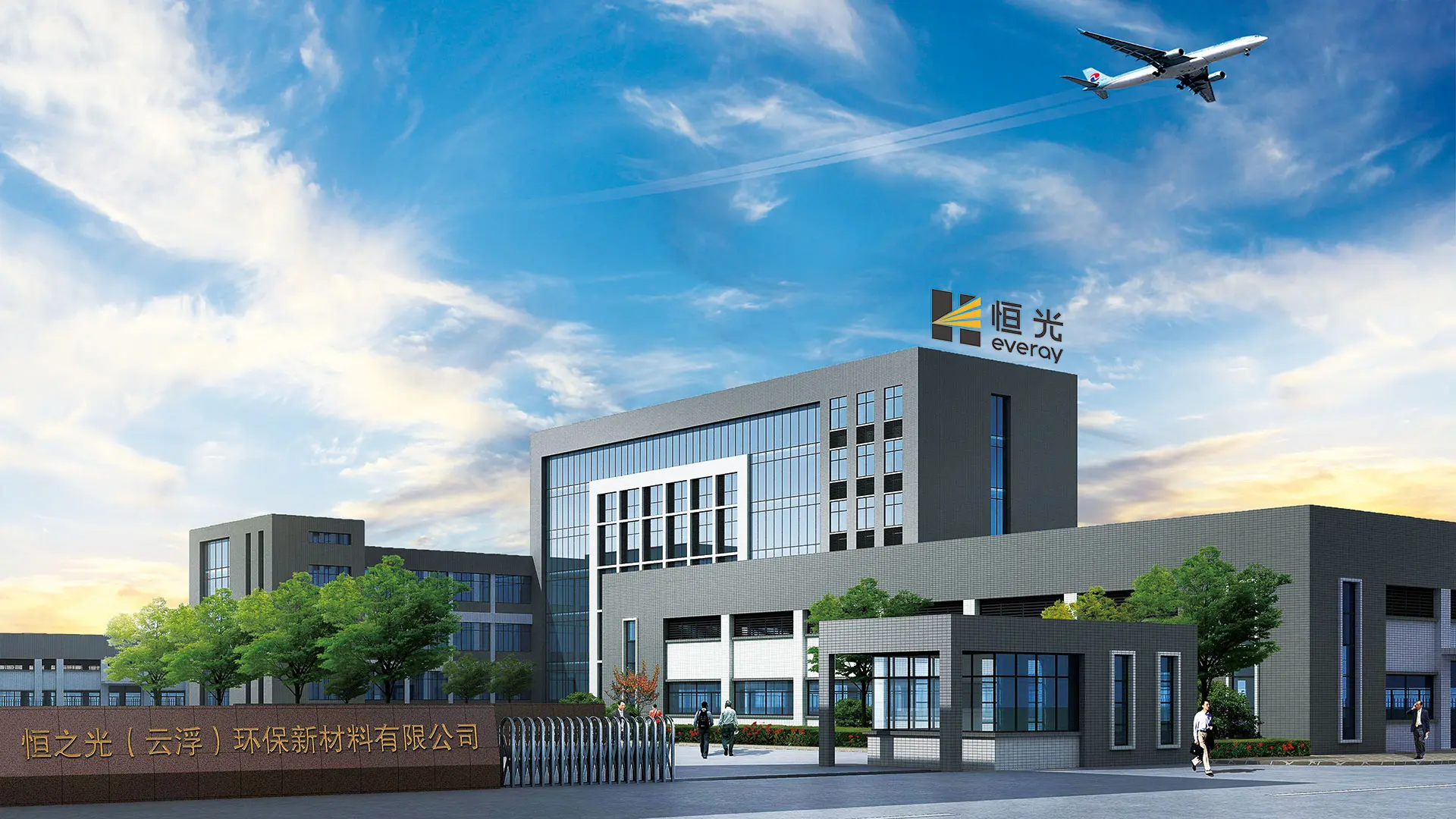
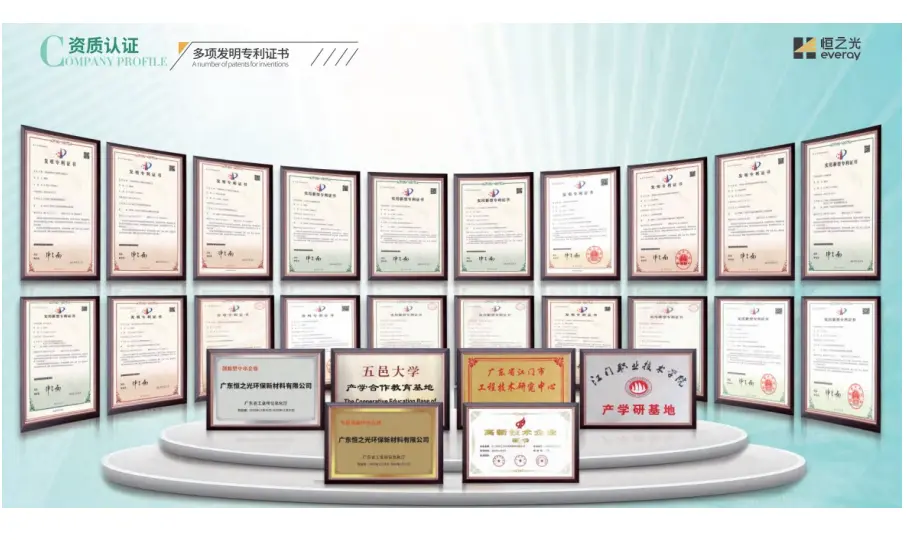
Guangdong Ever Ray Environmental Material Co., Ltd. established in 2006, is a high-tech enterprise focusing on the R&D and manufacturing of oligomers for UV curable resin such as epoxy acrylate, polyurethane acrylate (water-borne, aliphatic urethane, aromatic urethane), polyester acrylate, pure acrylate and other special functional modify acrylate oligomers.
Our commitment is centered on technology and environmental harmony. We use advanced materials and modern manufacturing processes to deliver sustainable chemistry to formulation partners worldwide, helping reduce VOC emissions while enhancing curing efficiency.
Total Production Area (sqm)
Annual Capacity (Tons)
Senior R&D Engineers
Invention & Utility Patents
To support global supply chain requirements, Guangdong Ever Ray operates two specialized production facilities in Guangdong province:
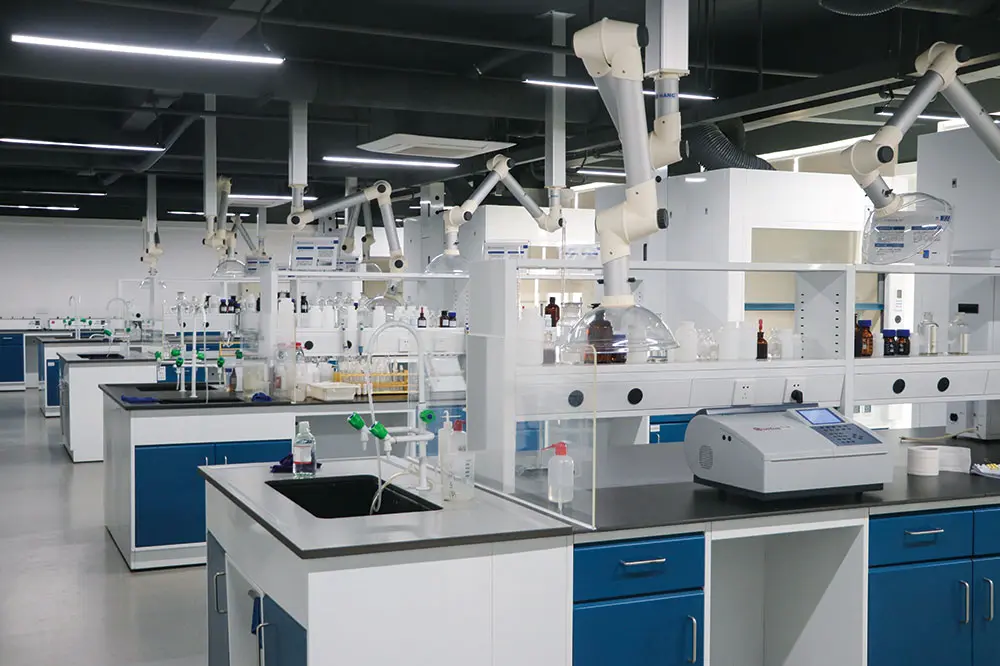
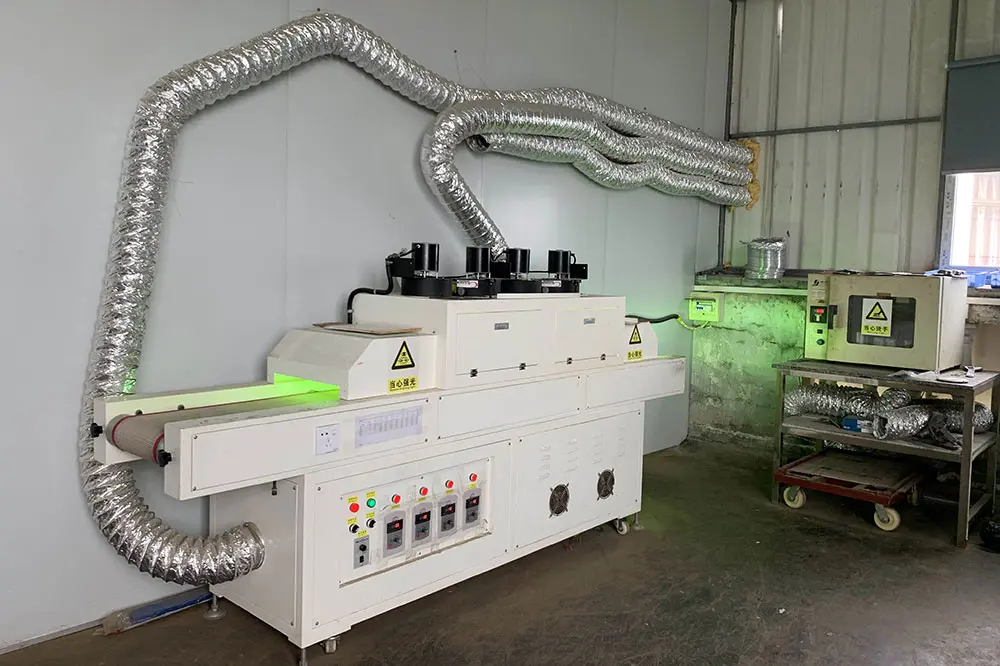
The total annual manufacturing capacity exceeds 20,000 tons across more than 10 dedicated, highly automated production lines. Operating under the ISO9001 Quality Management System and the ISO14001 Environmental Management System, both plants utilize a fully computerized DCS (Distributed Control System). This automated control system monitors pressure, temperature, feed rate, and polymerization time in real time, minimizing batch-to-batch variation.
We source raw materials from vetted, tier-one global suppliers. Under the guidance of domestic UV material industry specialists, our manufacturing workflows guarantee consistent chemical kinetics, low residual monomer concentrations, and long-term shelf stability for all supplied products.
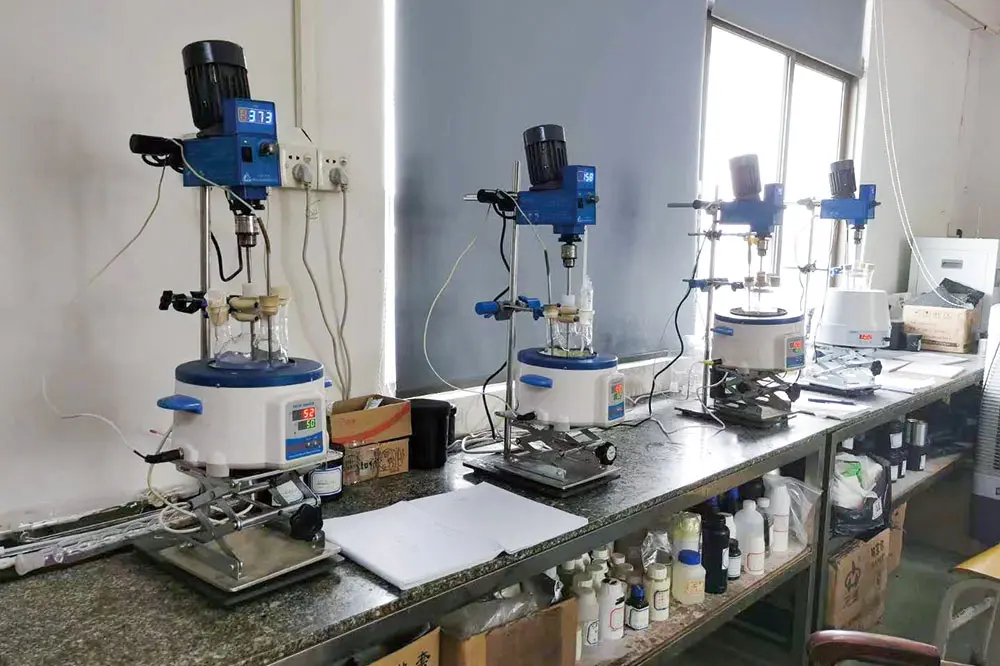
Traditional UV curing relies entirely on light path accessibility, which can limit the printing of complex, under-cut, or highly filled geometries. To address this, Ever Ray developed the 72017 Photo-Thermal Dual-Curing Polyurethane Acrylate Resin. This hybrid system cures primarily under UV light, while a secondary thermal initiation step ensures complete cure depth in shaded sections, resulting in uniform isotropic properties.
Volume shrinkage during polymerization causes residual stress and structural warping. Ever Ray is addressing this via molecular design, using bulky alicyclic structures and ring-opening co-monomers to reduce shrinkage down to 1.5% - 3%, maintaining clean crisp edges for industrial components.
Regulatory frameworks such as REACH and TSCA demand lower carbon footprints. Ever Ray is shifting toward bio-derived renewable sources (like modified seed oils and starches) and waterborne polyurethane acrylates. These waterborne systems eliminate VOC solvents in wood and automotive coatings while retaining rapid cure speeds.
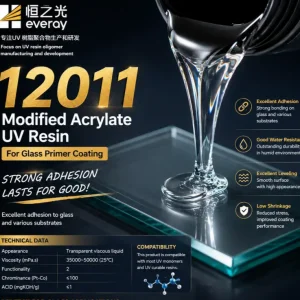
Our R&D focuses on surface energy modification. The 5320 polyester acrylate provides excellent wetting characteristics and high gloss, resolving standard pin-holing issues in high-speed offset inks. For glass primings, our 12011 Modified Acrylate delivers long-term adhesion to smooth surfaces under wet conditions.
Ever Ray's customized formulations target several demanding industrial applications:
For functional prototyping, dental models, and industrial components, resins must combine rapid reactivity with balanced mechanical properties. Resins such as 71209A-1 ABS-Like Engineering Resin balance high impact resistance and tensile modulus, ensuring parts can be drilled, tapped, and assembly-tested without cracking.
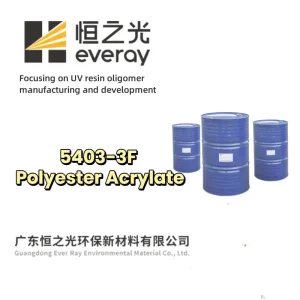
Food-contact and consumer packaging requires inks that cure instantly under UV lamps and adhere tightly to diverse plastic substrates. Polyester acrylates like 5336 and 5336B provide rapid polymerization and pigment wetting, ensuring reliable adhesion on polyolefin and metalized films.
Flooring and wood finishes require high scratch and chemical resistance. Product 1290H is designed for PVC and vinyl flooring coatings, providing a crosslinked barrier that resists heavy foot traffic, household chemicals, and UV degradation.
Purchasing raw chemicals globally requires reliable quality, stable supply chains, and regulatory compliance. Guangdong Ever Ray supports global buyers through:
A: Our PUAs are synthesized using controlled polymerization to ensure narrow molecular weight distributions. Our aliphatic lines use high-purity non-yellowing polyisocyanates, providing superior color stability and weatherability compared to standard industrial grades.
A: The 72017 resin features a dual-activation mechanism. The primary UV exposure cures exposed sections, while a secondary low-temperature thermal cycle (typically 80°C - 120°C) cures deep or shaded areas, ensuring uniform curing throughout complex geometries.
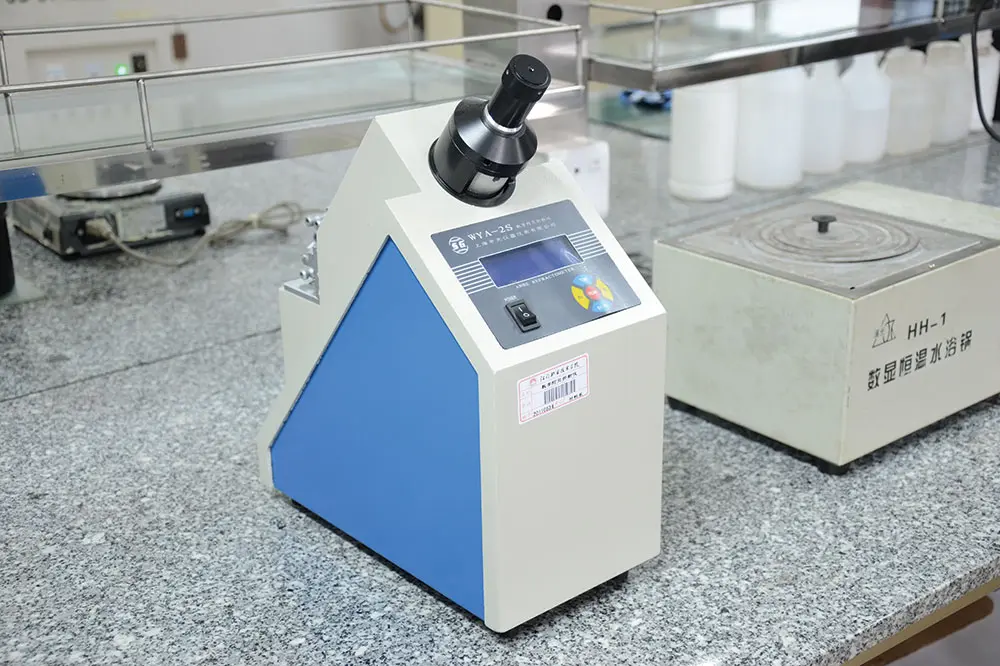
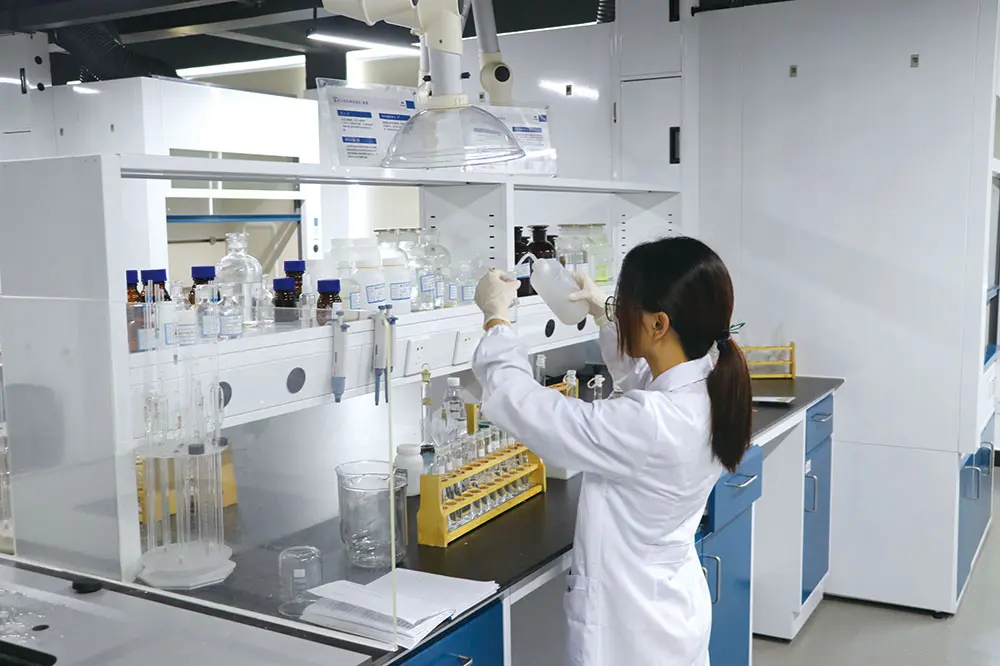
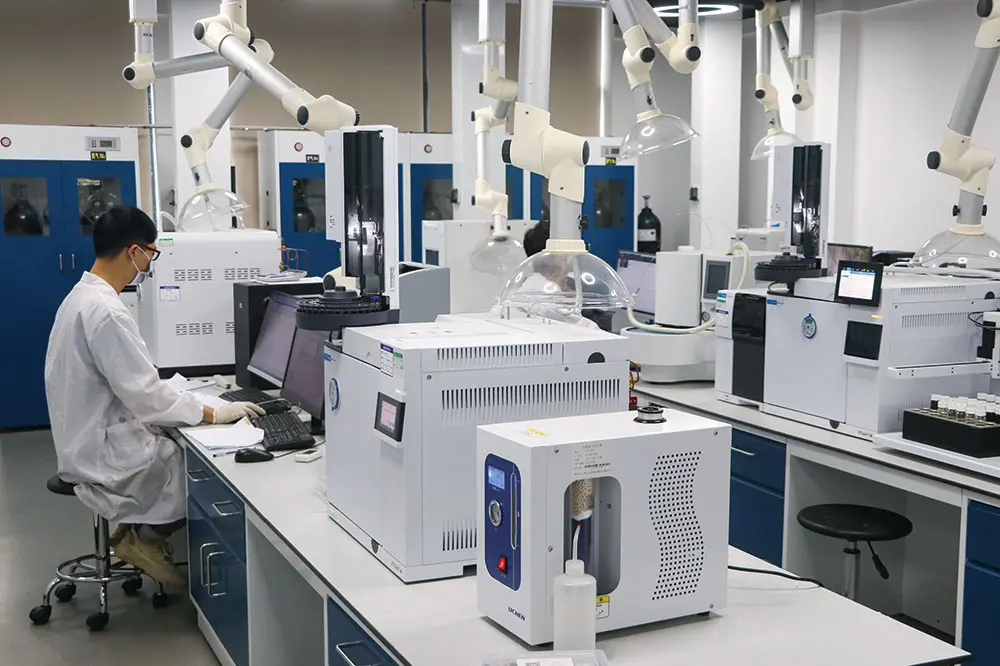
A: Our Yunfu and Jiangmen bases are equipped with DCS computerized control networks that monitor chemical feed rates, temperatures, and pressure curves. Every batch undergoes validation via GPC (Gel Permeation Chromatography), FTIR fingerprinting, and viscosity validation before release.
A: Yes. We can modify viscosity, reactivity, and monomer dilution ratios to match your application, whether you are formulating high-viscosity screen inks or low-viscosity inkjet systems.
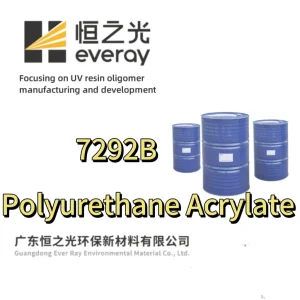
A: We ship in standard 200kg steel drums and 1000kg IBC containers, packed and secured for ocean transit under strict ISO guidelines.
A: Products should be stored in dry, cool (below 35°C), and well-ventilated warehouses, away from direct sunlight, heat sources, and strong oxidizers. Properly sealed containers have a shelf life of 12 months.
 Ever Ray