Explore our core collection of high-performance epoxy acrylates, aliphatic/aromatic polyurethane acrylates, and specialty functional resins engineered for superior chemical resistance and optimal curing profiles.
Transitioning global industrial sectors toward eco-friendly photopolymer chemistry with high throughput speed, zero VOC emissions, and low energy curing profiles.
Modern automated wooden furniture lines demand instant drying capabilities to optimize processing speed and reduce packaging delays. Our polyurethane acrylate oligomers like the 7200-1 Aliphatic PUA provide exceptional scratch resistance, flexibility, and non-yellowing characteristics. This makes them ideal for natural veneers, high-gloss kitchen panels, and industrial parquet floors exposed to high mechanical wear.
The flexographic and gravure printing industries are shifting away from solvent-based inks to meet tight regulatory standards for food-contact items. By integrating low-viscosity resins such as the 5377A Polyester Acrylate and 56031, formulators achieve excellent pigment wetting, micro-level rheological stability, and rapid polymerization, even on non-porous film substrates.
Industrial electronics require high-purity UV adhesives that maintain structural integrity under thermal stress and humidity. Epoxy acrylates such as 9105A-80 deliver high crosslinking density, minimal shrinkage, and robust adhesion profiles to glass, metals, and polycarbonate housings, protecting delicate circuitry from vibration, moisture, and chemical exposure.
Navigating global supply chains with high-volume manufacturing capacities, consistent quality management, and strict compliance with international standards.
The global photopolymer market is undergoing rapid evolution. Key drivers include rigorous carbon neutrality directives, regional restrictions on hazardous air pollutants (HAPs), and the mass adoption of energy-efficient UV-LED curing units operating at 365nm to 395nm. Under this shifting paradigm, manufacturers face the challenge of sourcing raw materials that match traditional thermal coatings in toughness while maintaining fast curing dynamics.
At Guangdong Ever Ray Environmental Material Co., Ltd., we resolve this through vertically integrated chemical processing. Leveraging advanced synthetic technology, our industrial epoxy and polyurethane acrylates minimize dependency on high-dilution monomer matrices, resolving issues related to residual odor, volume shrinkage, and substrate delamination.
"We bridge the gap between lab-scale chemical synthesis and global industrial manufacturing, ensuring every batch of epoxy acrylate and polyurethane oligomer meets rigid performance criteria before dispatch."
Established in 2006, Guangdong Ever Ray Environmental Material Co., Ltd. is a leading high-tech enterprise focusing on the R&D and manufacturing of oligomers for UV curable resins. Our diverse chemical catalog includes epoxy acrylate, polyurethane acrylate (waterborne, aliphatic urethane, aromatic urethane), polyester acrylate, pure acrylate, and other specialty functional modified acrylate oligomers designed to optimize industrial processing speed and reduce carbon footprints.
We are firmly guided by the principle of technology coexisting in harmony with environmental protection. By establishing science and technology as our core driving force, we continue to pursue excellence while fostering a sustainable green living environment in our daily manufacturing operations.
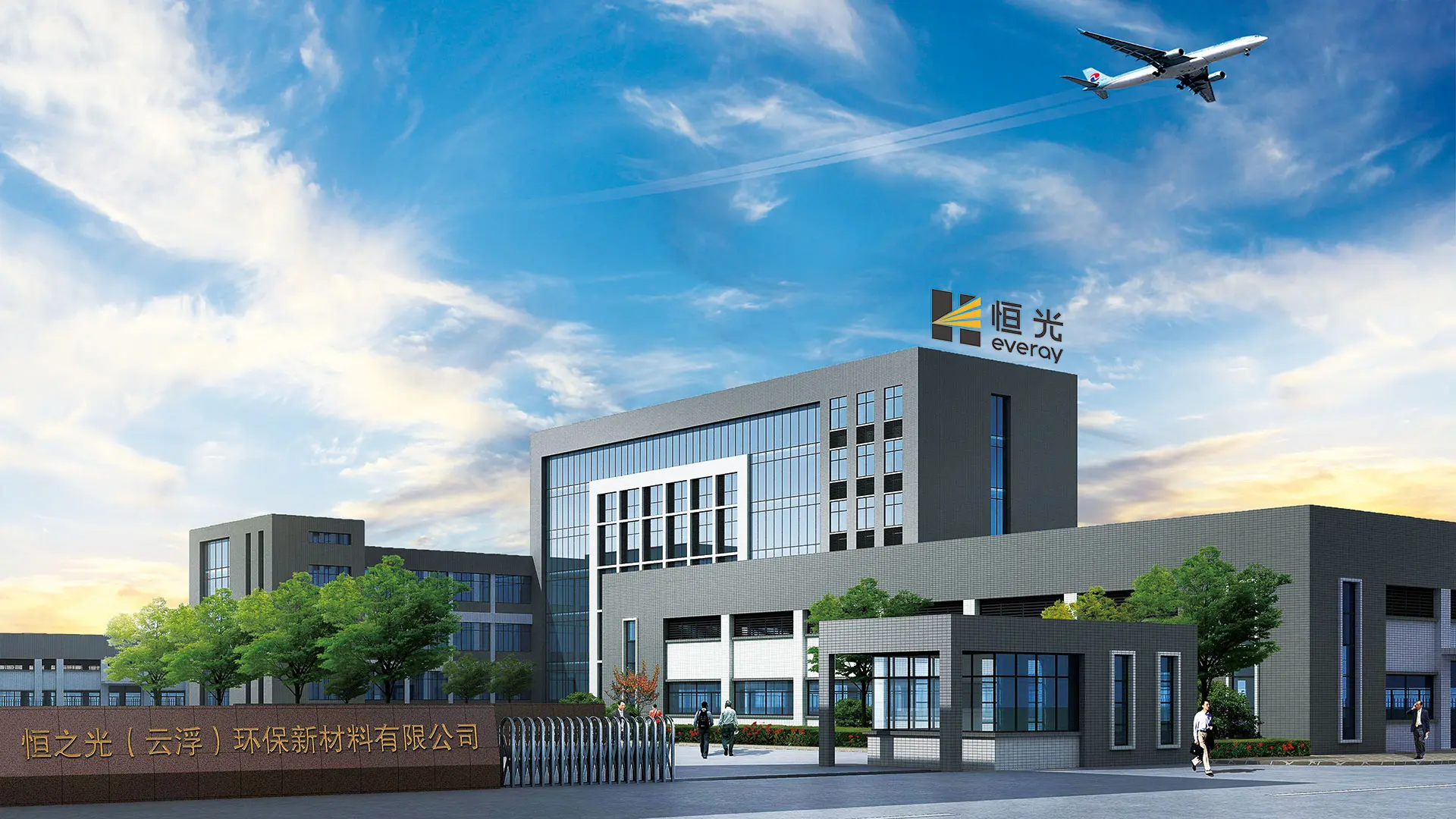
To ensure high quality control and seamless distribution, we run two specialized production bases in Guangdong Province:
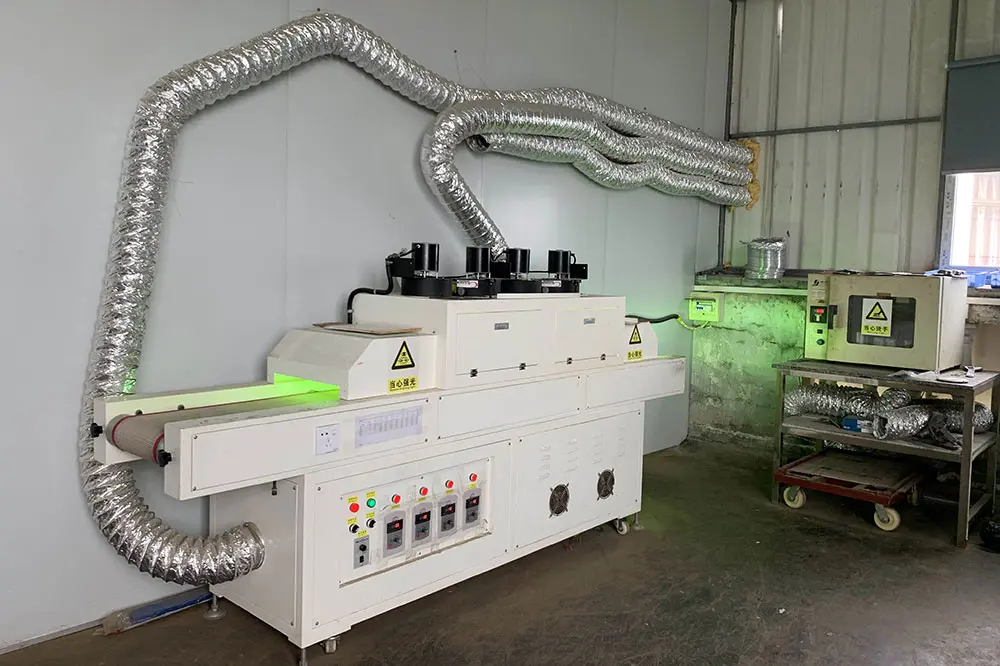
With an annual capacity exceeding 20,000 tons operating across 10+ active production lines, our factories operate strictly under the ISO9001 Quality Management System and ISO14001 Environmental Management System. Production is managed via a state-of-the-art, fully computerized DCS (Distributed Control System). This advanced control system enables real-time process monitoring, temperature regulation, and feed-ratio control, guaranteeing exceptional chemical stability and safety from batch to batch.
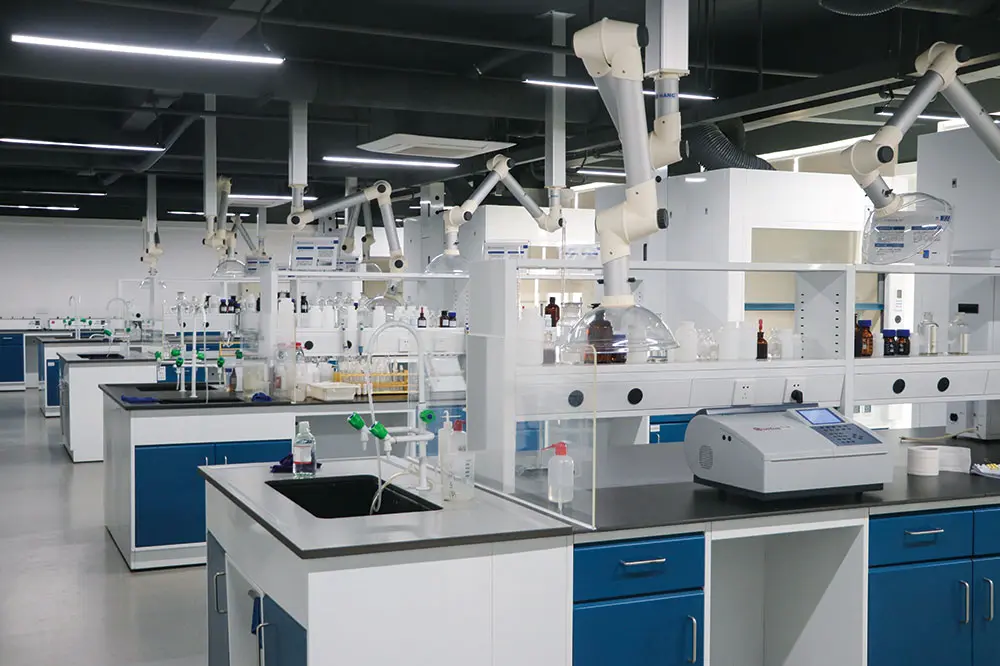
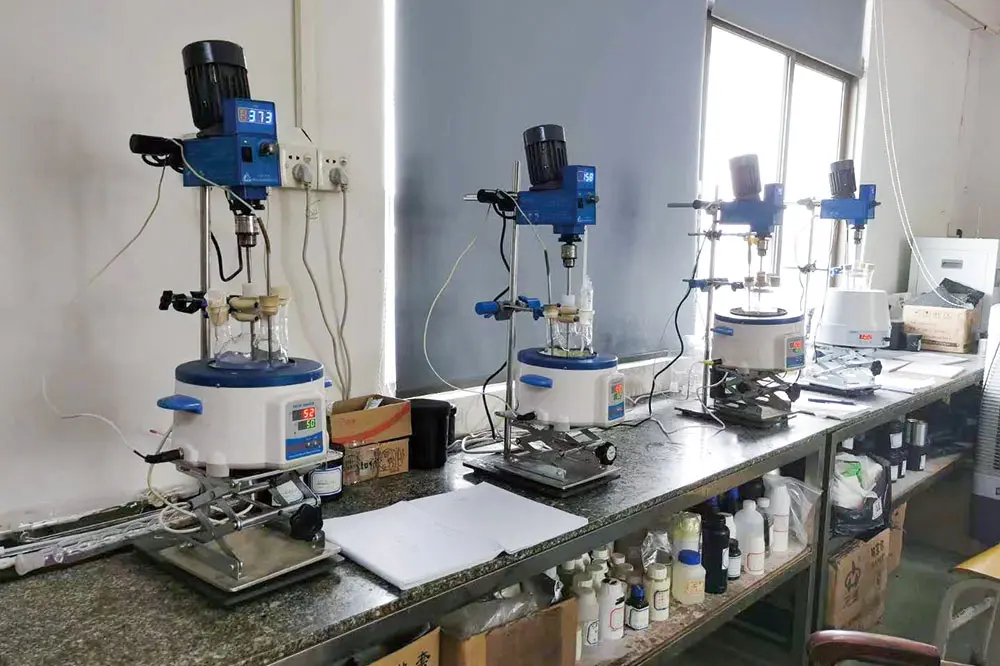
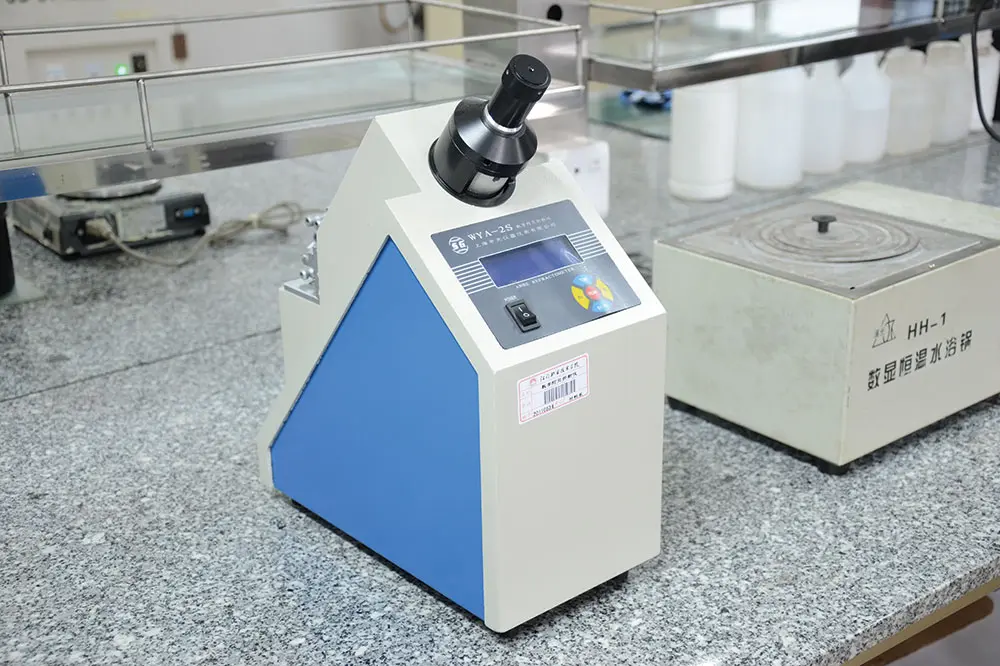
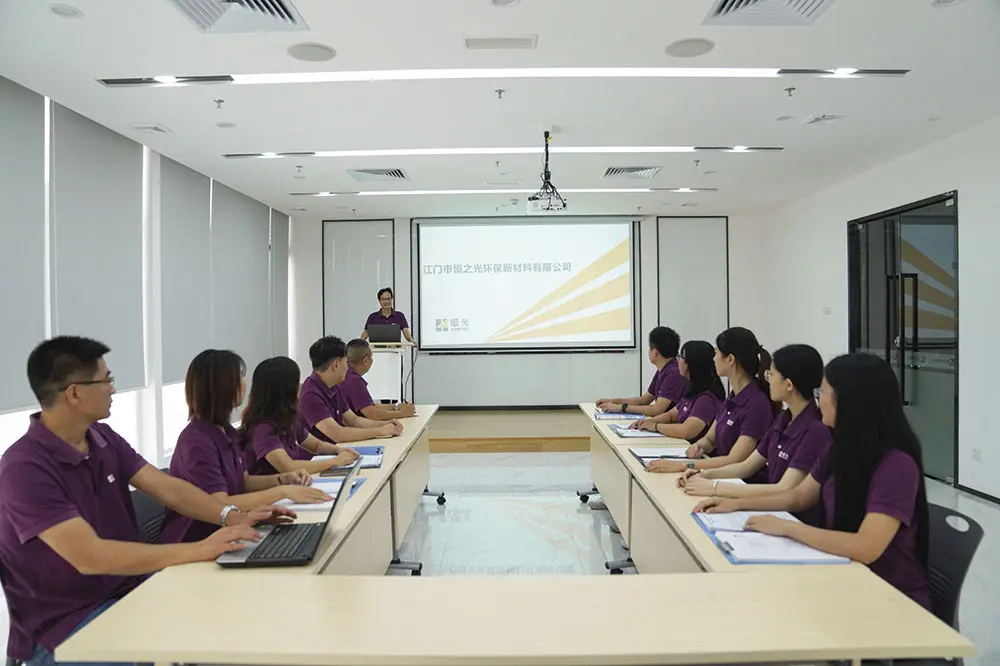
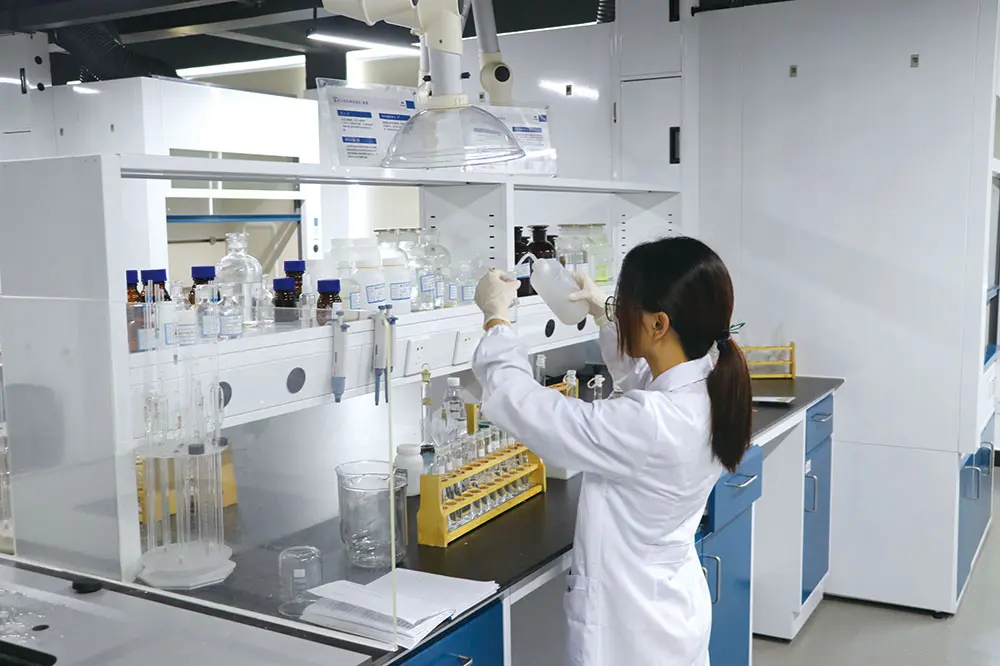
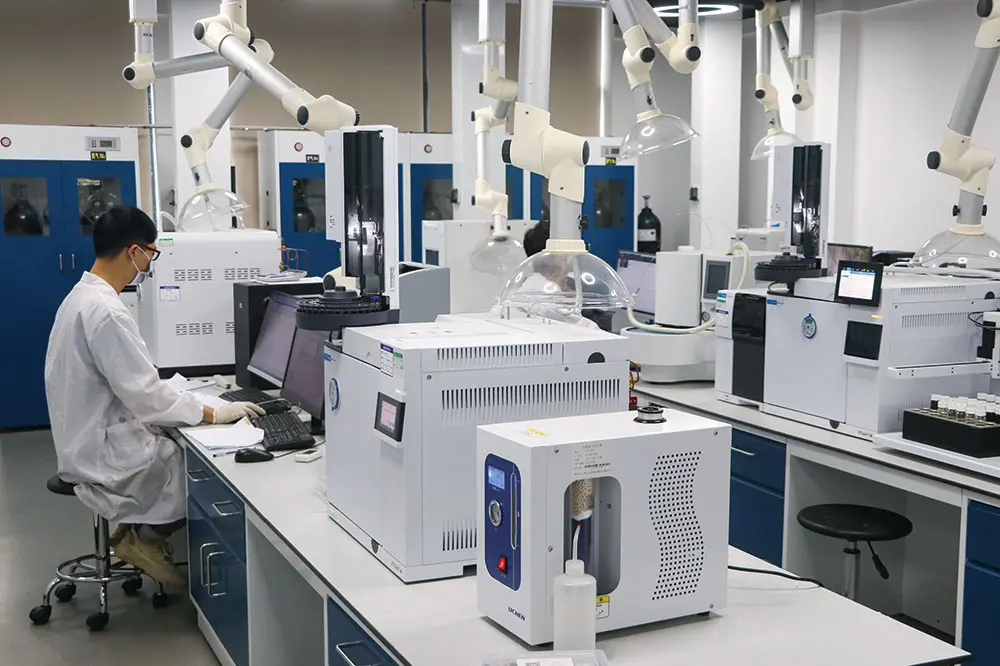
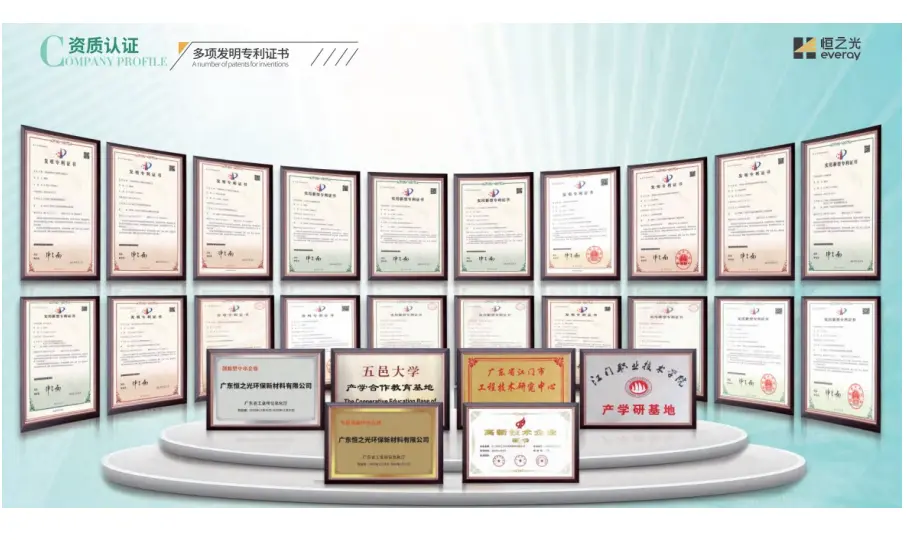
Our dedicated R&D department houses over 15 senior technicians and holds more than 10 invention patents and practical utility patents. Working alongside respected external UV material experts and academic consultants, our team tailors formulation chemistry to match specific application demands, balancing functional capability (flexibility, adhesion, hardness, gloss) with cost savings.
Managing regulatory compliance and technical service support across key industrial zones worldwide.
Our complete range of epoxy acrylates, polyester acrylates, and polyurethane oligomers complies with international chemical standards, including REACH, RoHS, TSCA, and EPA regulations. We ensure our materials are free of restricted heavy metals and plasticizers, supporting clean downstream exports.
We recognize that ambient application temperatures vary. Our technical team works directly with formulators to optimize resin viscosity, cure rates, and substrate wetting, providing tailored performance for unique regional coating lines.
Backed by our DCS computerized control and quality tracking system, every container shipped is assigned a unique batch number. Liquid samples are archived in our QC library for 24 months, enabling immediate inspection and absolute quality security.
Practical scenarios showing how our resins meet specific regional application demands.
Wood processing plants in Southeast Asia and Southern China operate under high-humidity conditions. Using our solvent-free 7200-1 Aliphatic PUA alongside 6118 Epoxy Acrylate enables rapid cure times and minimizes moisture trapping, preventing hazing or micro-cracks in high-gloss topcoats.
Strict VOC and energy limits in North America and Europe encourage the use of low-energy UV-LED lamps (395nm wavelength). Our 5052B-2 Low Viscosity Polyester Acrylate is optimized for high surface reactivity under LED exposure, avoiding sticky surfaces without requiring nitrogen inerting.
Our commitment to sustainable R&D: bio-based carbon matrices, hybrid curing systems, and excimer laser-activated formulations.
We are expanding research into oligomers derived from renewable agricultural feedstocks, including modified vegetable oils and plant-derived polyols. This aims to reduce fossil-fuel reliance while maintaining performance.
To support demand for deep-matte, soft-touch coatings, we are modifying polyester acrylates like 53036 for use with 172nm excimer laser systems, producing textured surfaces with high scratch resistance.
For complex 3D shapes with shadow zones, our R&D team is developing dual-cure oligomers, such as the 72017 dual-cure PUA, combining UV exposure and secondary thermal curing for complete polymerization.
Answers to common formulation queries, chemical characteristics, and processing optimizations.
Explore additional specialized acrylates and dual-cure resins formulated for wood coatings, nail polish, 3D printing, and high-gloss inks.
 Ever Ray