Explore our top-tier photopolymer resins engineered to maximize reaction kinetics, mechanical durability, and surface curing properties.
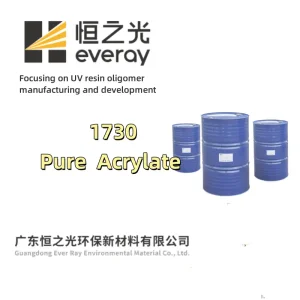
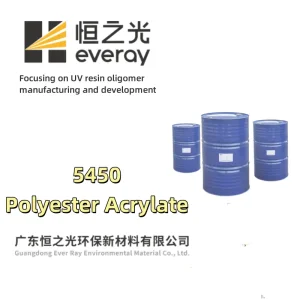
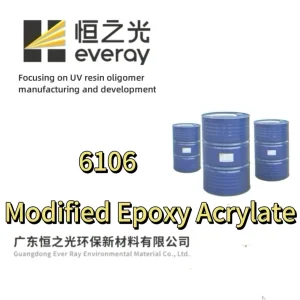
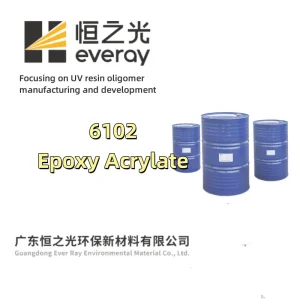
Analyzing procurement dynamics, regional compliance protocols, and technical transformations in the global light-curing chemical industry.
In the contemporary specialty chemical market, the transition from solvent-borne formulations to radiation-curable systems is accelerating rapidly. Industrial manufacturers across Europe, North America, and the Asia-Pacific region are prioritizing UV-curable resins (oligomers) to fulfill ambitious Net-Zero environmental goals and adhere to stringent clean air regulations. Globally, the procurement of UV polymers is no longer merely a cost-driven decision; it is a critical strategic component linked directly to operational productivity and regulatory safety.
Procurement teams within Tier-1 automotive coatings, consumer electronics, and high-speed packaging industries are searching for manufacturers who offer chemical consistency, robust supply chain resilience, and innovative material properties. Factors such as double-bond density, shrinkage rate control, and VOC elimination determine the performance profile of the finished coatings. Consequently, sourcing high-efficiency oligomers—such as modified epoxy acrylates, aliphatic urethane acrylates, and bio-based reactive diluents—forms the foundation of modern chemical manufacturing.
To assist procurement directors and formulation chemists in selecting optimal resin batches, the table below outlines the core parameters evaluated during laboratory characterization and quality gates:
| Oligomer Category | Standard Viscosity (mPa.s / 25°C) | Curing Mechanism & Speed | Primary Performance Metric | Typical Application Industry |
|---|---|---|---|---|
| Epoxy Acrylate | 15,000 - 80,000 | Radical, Ultra-Fast | Exceptional Hardness & Gloss | Overprint Varnishes, Wood Primers |
| Aliphatic Urethane Acrylate | 5,000 - 45,000 | Radical / Dual Cure | Extreme Weatherability & Flexibility | Automotive Plastics, Outer Coatings |
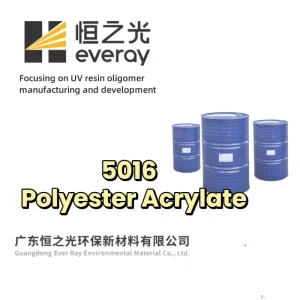
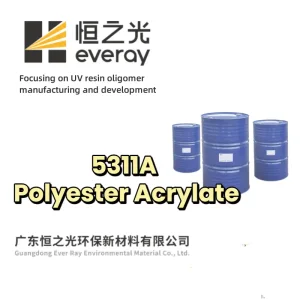
| Polyester Acrylate | 500 - 15,000 | Radical, Fast | Superb Pigment Wetting & Low Odor | Lithographic Inks, Screen Printing |
| Water-Borne UV Resin | 200 - 1,500 | Evaporation + UV Cure | Ultra-low Viscosity without Diluent | Sprayable Plastic & Furniture Coats |
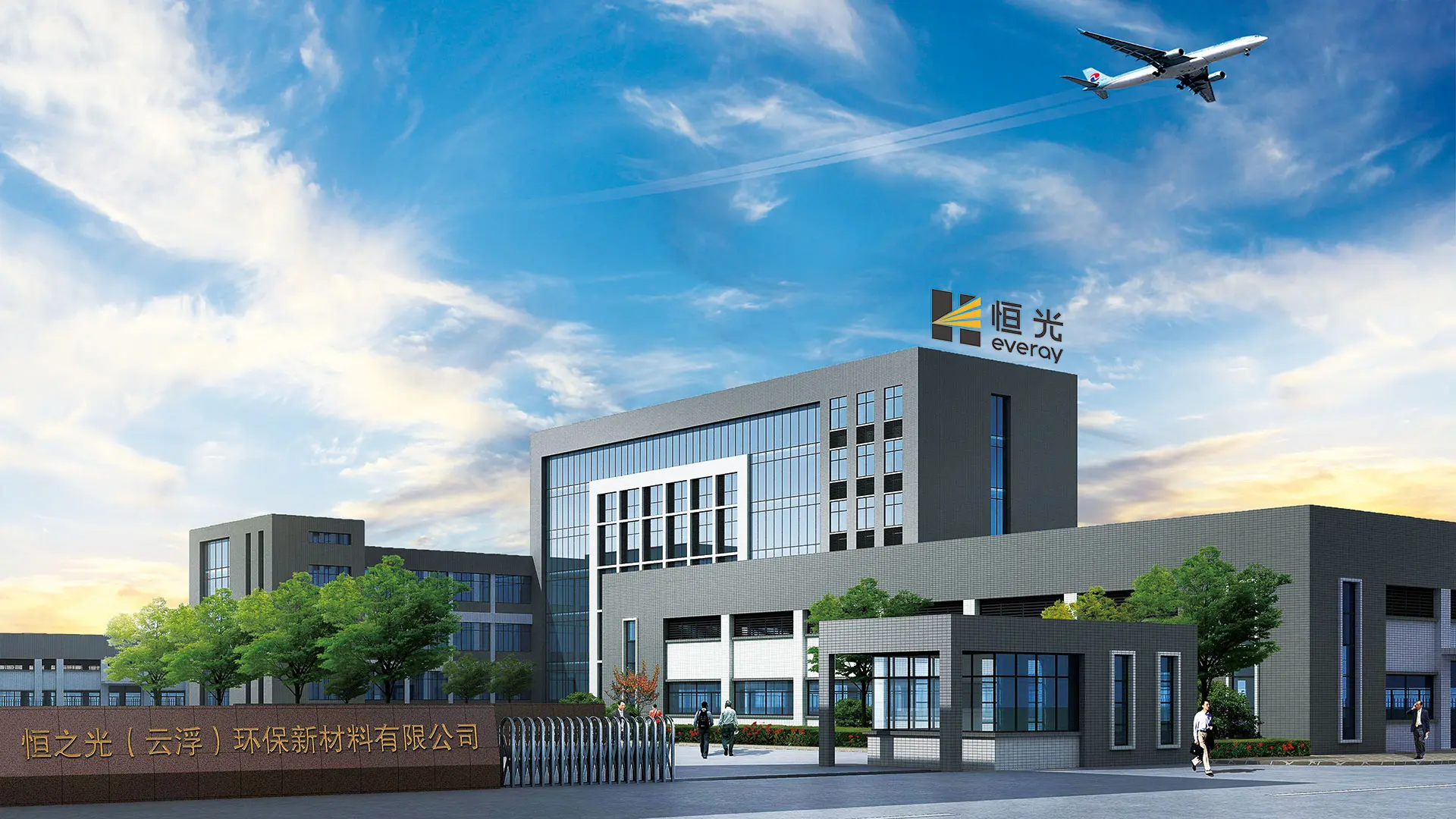
Guangdong Ever Ray Environmental Material Co., Ltd., established in 2006, is a high-tech enterprise focusing on the R&D and manufacturing of oligomers for UV curable resin such as epoxy acrylate, polyurethane acrylate (water borne, aliphatic urethane, aromatic urethane), polyester acrylate, pure acrylate, and other special functional modified acrylate oligomers.
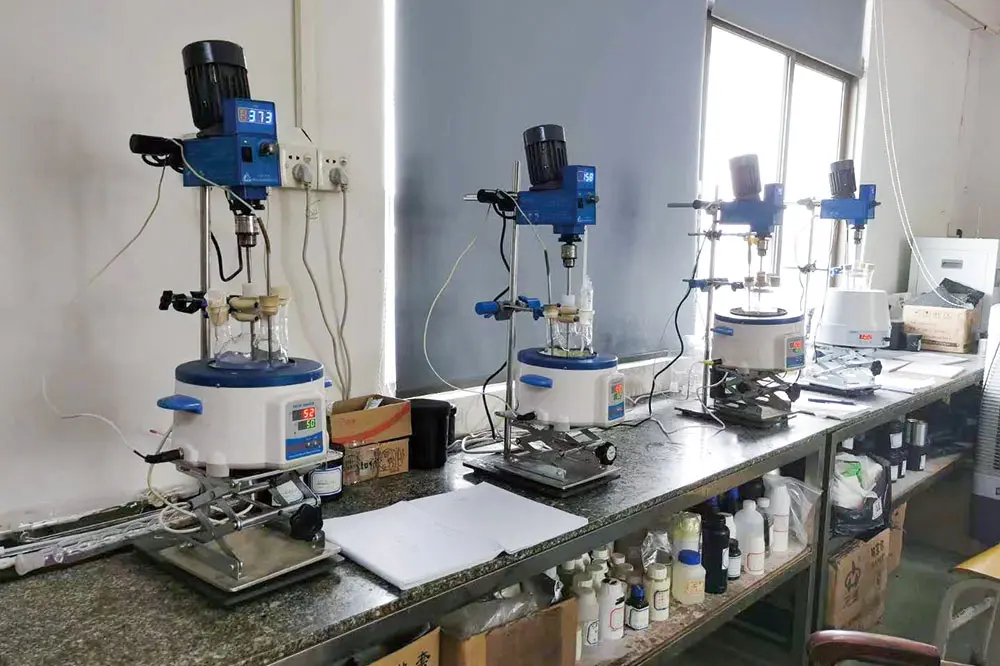
We operate two highly advanced production bases to guarantee continuous supply for global partners. Our Jiangmen facility, spanning 10,000 square meters in Guangdong, works in tandem with our Yunfu base, which occupies approximately 40,000 square meters. Together, they form an automated, safety-engineered chemical synthesis complex capable of exceeding 20,000 tons of annual output across more than 10 dedicated production lines.
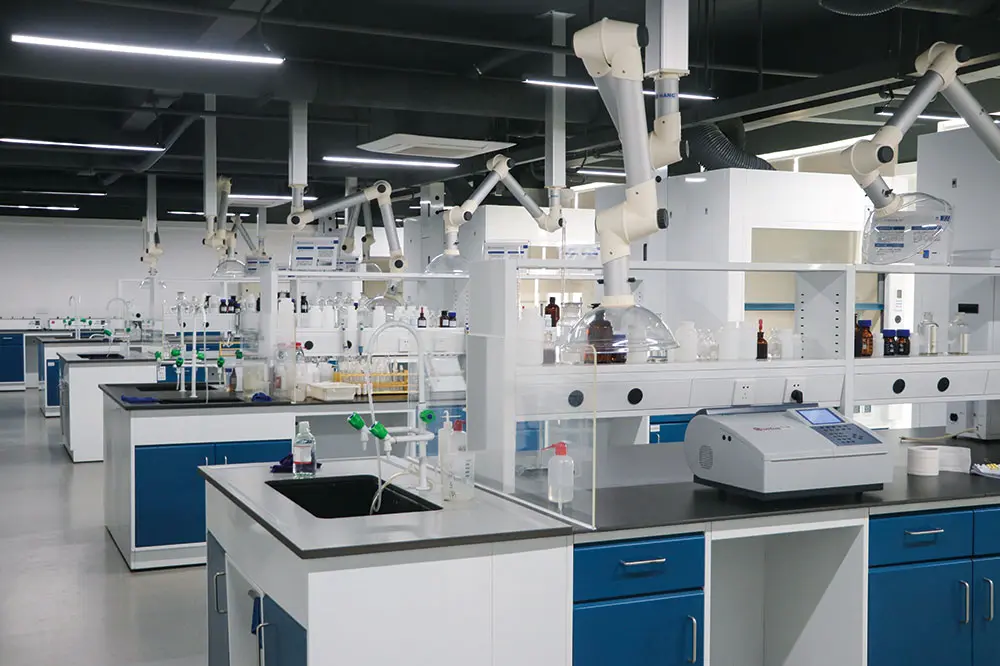
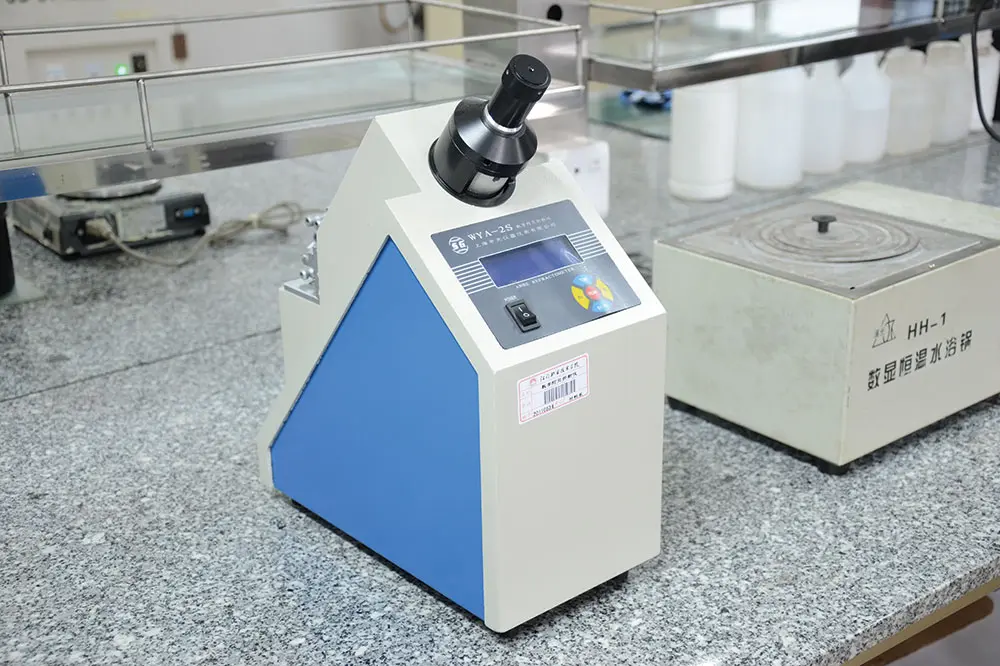
To ensure rigorous quality control, both factories operate under the ISO9001 Quality Management System and ISO14001 Environmental Management System. The integration of a flexible and advanced DCS (Distributed Control System) allows for fully computerized control over critical chemical processes, assuring batch-to-batch consistency and minimizing human error during polymer synthesis.
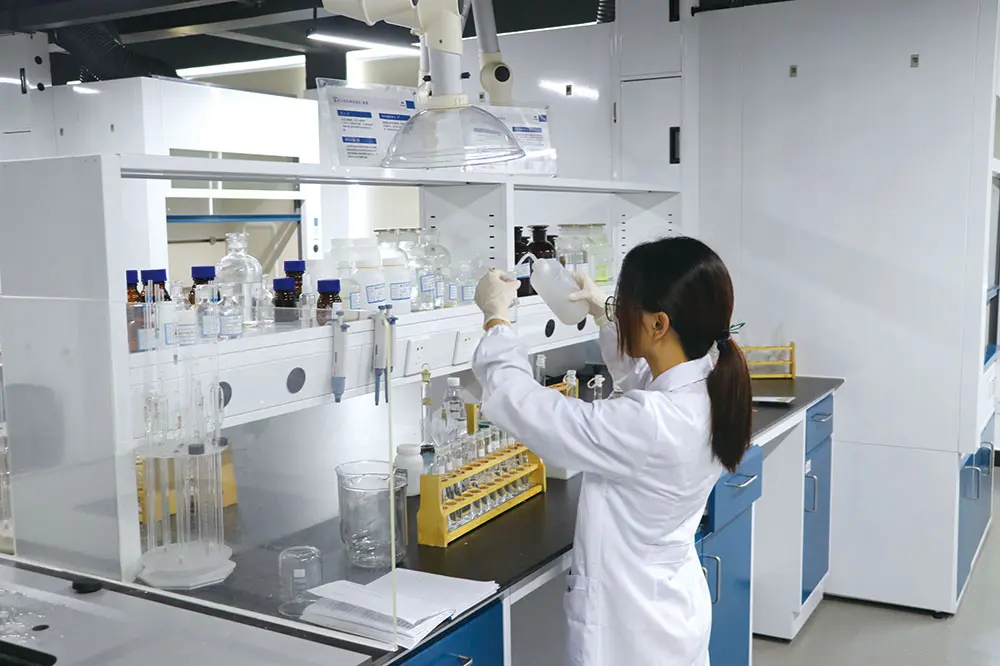
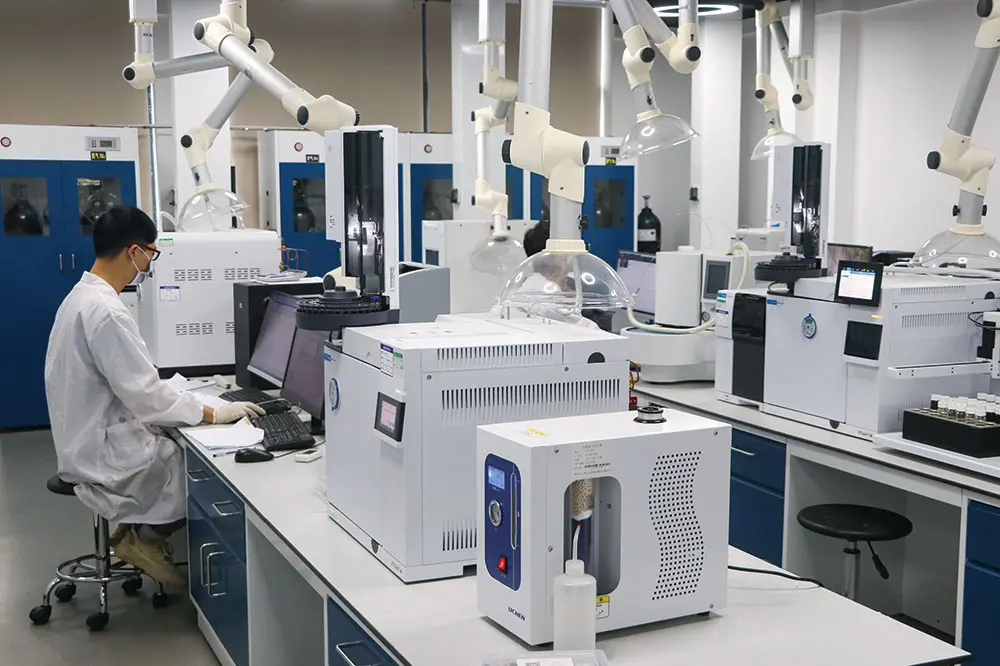
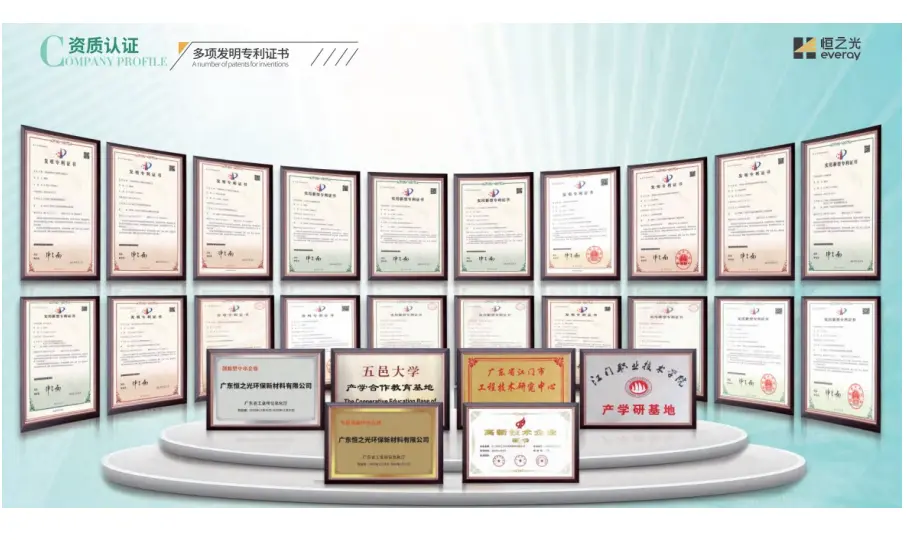
How Ever Ray's UV resins resolve complex manufacturing challenges in coating thickness, surface adhesion, and environmental aging.
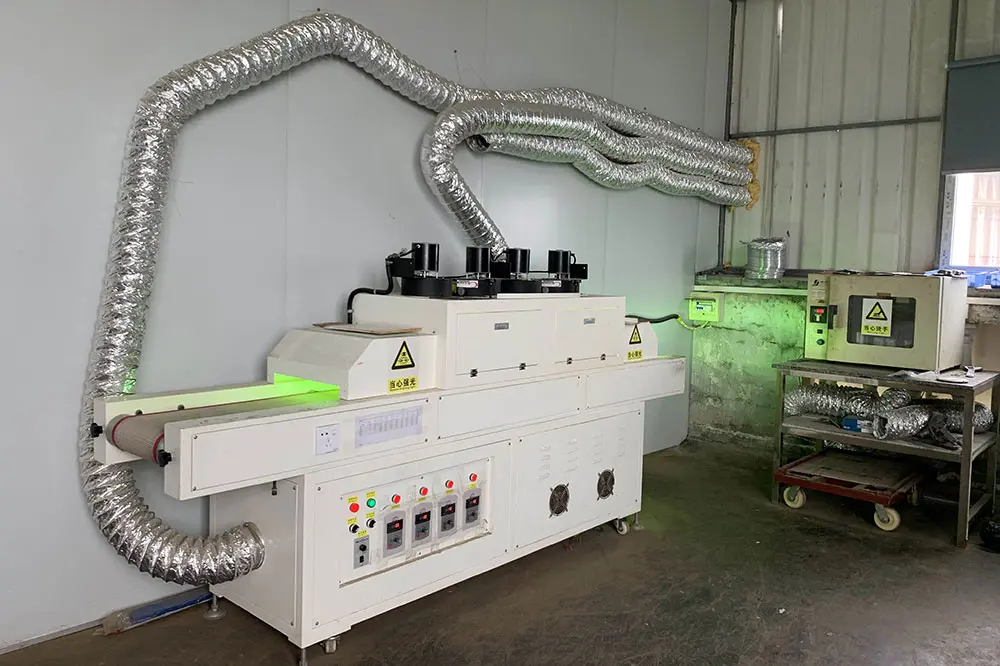
Across diverse sectors, light-curing technology continues to replace thermal ovens because of its compact footprint, rapid processing speed, and energy conservation. Ever Ray delivers targeted solutions for these highly demanding fields:
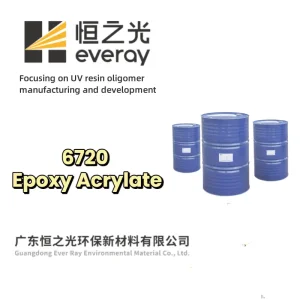
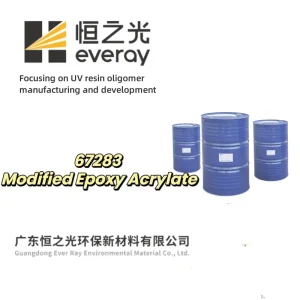
Traditional wood finishing processes rely heavily on organic solvent carriers, releasing large amounts of VOCs during curing. Our low-shrinkage epoxy acrylates, such as Ever Ray 6102 and Epoxidized Soybean Oil Acrylate 6720, are engineered specifically to provide superior gloss retention and scratch resistance on natural wood veneer and engineered panels. By preventing wood warp and optimizing grain definition, these resins enable high-speed roller coating lines to package finished panels immediately upon exiting the UV curing lamp tunnel.
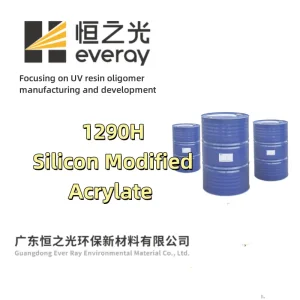
Plastics like PVC, polycarbonate, and PMMA present severe adhesion challenges due to their non-polar surface characteristics. For instance, PVC floorings require coatings with extreme durability against foot traffic and zero curl. The implementation of our 1290H Low Shrinkage Resin addresses these concerns, presenting excellent crosslink density that resists delamination and keeps flooring panels perfectly flat over decades of high-traffic exposure.
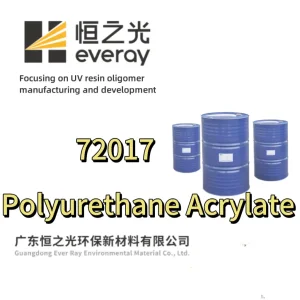
In electronic assembly and optoelectronics, shadow zones often prevent traditional UV light from reaching hidden areas. Ever Ray’s specialized dual-curing oligomers (such as 72017 Photo-Thermal Polyurethane Acrylate) combine radical polymerization with thermal curing to ensure full cure profiles even in shaded configurations. This technology is crucial for 3D printing applications, microelectronics packaging, and structural bonding, where minimal shrinkage and high dimensional accuracy are critical.
Overprint varnishes (OPV) and screen inks demand binders that exhibit exceptional pigment dispersion and immediate curing under standard mercury or gallium lamps. Oligomers like 5320 Polyester Acrylate offer optimized rheological properties, fast pigment wetting, and high surface energy, preventing common ink transfer defects while ensuring vibrant, high-gloss finishes on packaging substrates.
Developing photo-initiator-free oligomers optimized for longer-wavelength 365nm and 395nm LED-UV cure systems, yielding significant energy savings.
Increasing the renewable carbon content in oligomers by incorporating plant-based fatty acids, reducing dependency on fossil-based petrochemical inputs.
Synthesizing novel dendritic polymers to achieve exceptionally low viscosities without using reactive diluents, minimizing skin irritation risks.
Advanced UV binders developed for extreme adhesion, non-yellowing characteristics, and specialized ink applications.
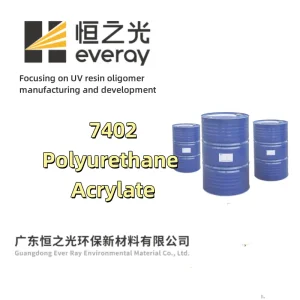
Detailed chemical answers regarding curing speeds, shrinkage control, yellowing, and environmental regulations.
 Ever Ray