Explore our industrial-grade acrylic monomers and customized oligomers optimized for speed, durability, and processing flexibility.
The global specialty chemicals sector is experiencing a paradigm shift. Traditional solvent-borne systems are being rapidly replaced by high-performance UV-curable acrylic resin materials due to increasingly stringent environmental regulations, carbon neutrality initiatives, and the economic mandate for ultra-fast processing speeds. Acrylic resins, particularly oligomers such as epoxy acrylates, polyurethane acrylates, and polyester acrylates, form the technological backbone of radiation-cured coatings, inks, adhesives, and 3D printing polymers.
These materials rely on radical or cationic photo-polymerization mechanisms. Upon exposure to UV radiation (200 to 400 nm wavelength), photoinitiators absorb energy to generate free radicals, driving near-instant cross-linking of the acrylic oligomers and monomers. The resulting three-dimensional network delivers unparalleled mechanical strength, wear resistance, and surface finish.
"The shift toward high-solids and 100% reactive UV-curable systems is no longer just an environmental goal; it is a vital strategy for industrial lines seeking to eliminate VOC footprint and dramatically shrink thermal curing footprint."
Specialty epoxy and polyester backbones modified to yield optimum viscosity, high flexibility, and substrate-specific adhesion profiles.
Waterborne UV oligomers engineered to meet RoHS, REACH, and environmental air quality metrics across Europe, the US, and Asia-Pacific.
Achieve complete curing in milliseconds under standard UV-LED systems to match modern high-speed industrial printing lines.
How technical buyers navigate raw material performance metrics, cost optimization, and regional compliance factors.
In modern industrial applications, chemical procurement is no longer simply about sourcing low-cost raw materials. Strategic purchasing decisions are guided by strict quality metrics and functional compatibility. In markets like automotive coatings, high-end electronics packaging, and flexible packaging films, buyers require verified specifications for shrinkage rate, glass transition temperature (Tg), double-bond conversion rates, and yellowing indexes.
1. Viscosity Optimization & Reactive Diluent Minimization: Historically, manufacturers added monomer diluents to reduce oligomer viscosity, which often resulted in high volume shrinkage and skin irritation issues. Today's R&D efforts are focused on developing low-viscosity epoxy and polyurethane acrylates that require minimal diluents while maintaining excellent wetting and leveling parameters.
2. Transition to UV-LED Compatibility: LED-curing systems (typically operating at 365nm, 385nm, or 395nm wavelengths) consume up to 80% less energy than conventional medium-pressure mercury lamps. Resins must be custom-modified to achieve surface tack-free curing in these longer wavelengths, overcoming oxygen inhibition pathways without requiring expensive nitrogen inerting setups.
| Resin Category | Primary Advantages | Key Performance Indicator (KPI) | Typical Industrial Application |
|---|---|---|---|
| Epoxy Acrylates (e.g., 6805A-1, 6102) | High curing speed, high hardness, excellent chemical resistance | Pencil Hardness: 3H - 5H | UV Wood Coatings, Paper Overprint Varnishes, Screen Printing Inks |
| Polyester Acrylates (e.g., 5218, 5336, 5101) | Good pigment wetting, excellent substrate adhesion, low viscosity | Shrinkage rate < 5% | Lithographic/Offset UV Inks, Plastic Base Primers |
| Polyurethane Acrylates (Waterborne/Aliphatic) | Excellent flexibility, impact strength, non-yellowing characteristics | Elongation at break: up to 150% | Automotive Interior Coatings, Flexible Film Inks, 3D Printing (SLA/DLP) |
| ABS-Like Engineering Resins (e.g., 71209A-1) | High tensile strength, toughness, low shrinkage, precise definition | Tensile Modulus: > 2.2 GPa | Functional Prototyping, Rapid Tooling, Custom Engineering Parts |
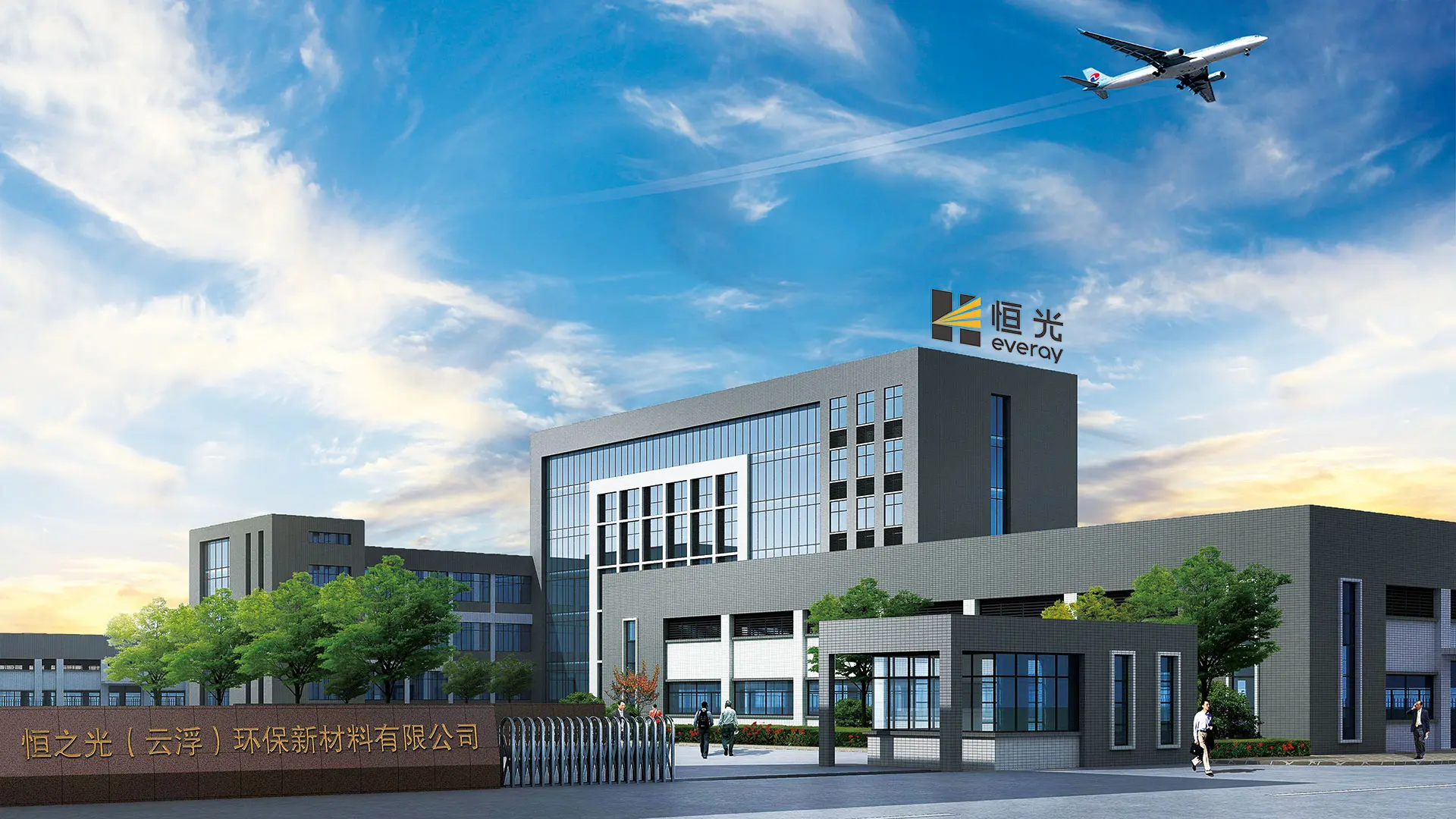
As a premier domestic manufacturer of UV oligomers, Guangdong Ever Ray Environmental Material Co., Ltd. has integrated the concepts of Factory 4.0 into its production model. Operating from two dedicated manufacturing complexes in Guangdong (Jiangmen and Yunfu), our combined footprint spans over 50,000 square meters. The Yunfu facility features a fully automated Distributed Control System (DCS), ensuring precise process management and safety controls.
This high-tech infrastructure allows us to stabilize reaction parameters, including reaction temperature profiles and monomer addition rates, with extreme precision. The result is batch-to-batch molecular weight distribution consistency—a critical metric for high-speed automated coating and printing lines.
Exploring how our specialized acrylic oligomers solve complex manufacturing challenges across various industries.
Lithographic, flexographic, and screen-printing systems require inks that cure instantly under high-speed line setups. Resins like Polyester Acrylate 5336 and Epoxy Acrylate 6805A-1 provide excellent pigment dispersion, wetting properties, and high-gloss transfer characteristics. This ensures bold color rendering and sharp print definitions on both paper and polymer substrates without plate misting.
High-end wood processing demands coatings that feature robust scratch, impact, and chemical resistance. Using 6100D-85 Epoxy Acrylate combined with 6102 Low Shrinkage Epoxy Acrylate allows wood coaters to achieve deep grain clarity and excellent adhesion to natural timber, MDF, and veneers, while resisting warping from shrinkage stress.
The rapid rise of SLA, DLP, and LCD 3D printing requires specialized resins like Waterborne 70251 UV Resin and 70250 UV Resin. These materials balance low shrinkage with fast radical conversion. This allows makers to print highly detailed, mechanically stable parts with clean surface finishes and excellent tensile performance.
Complete your formulations with our specialty modified resin systems designed for demanding industrial environments.
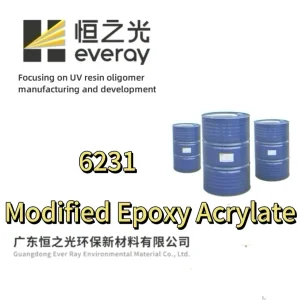
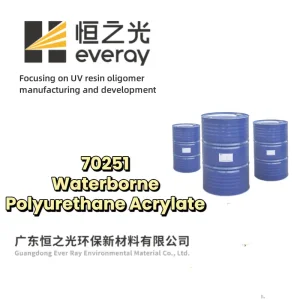
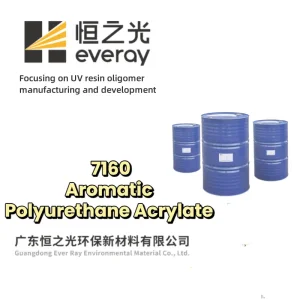
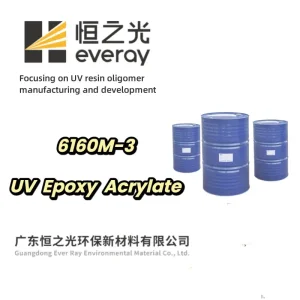
Established in 2006, Guangdong Ever Ray Environmental Material Co., Ltd. is a verified high-tech chemical manufacturing enterprise specializing in the research, development, and scaling of premium oligomers for UV-curable systems. Our product portfolio includes advanced epoxy acrylates, polyurethane acrylates (waterborne, aliphatic, aromatic), polyester acrylates, pure acrylates, and specialty modified functional oligomers.
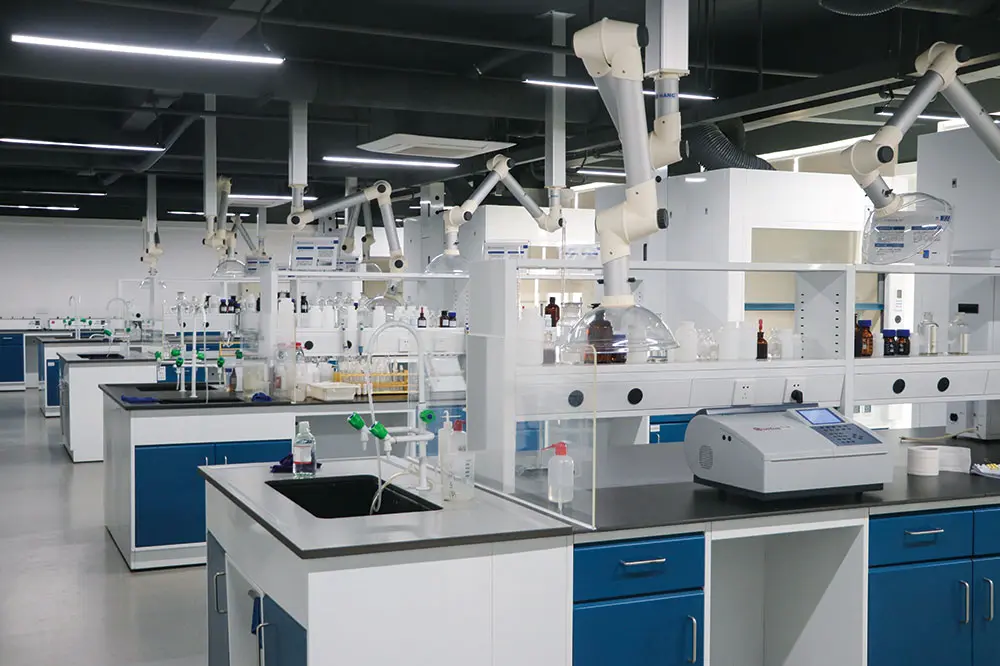
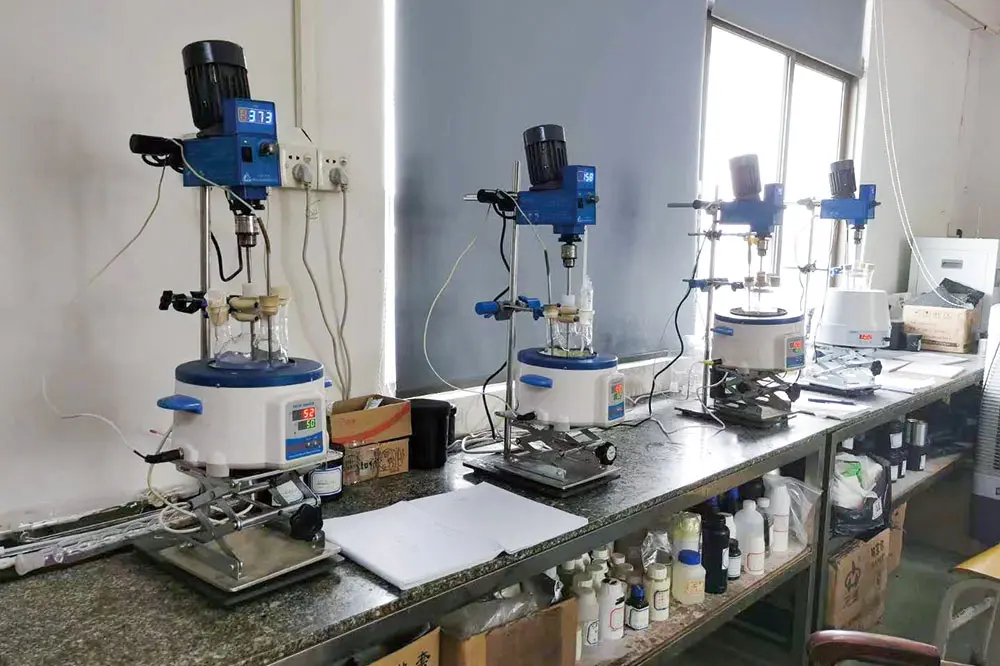
Driven by tech innovation and environmental sustainability, our company operates dedicated research laboratories. With 15+ in-house R&D technicians and over 10 utility patents, we engineer customized solutions that deliver high reactivity, excellent chemical resistance, and superb mechanical gloss. We help industrial clients optimize curing speeds while lowering their volatile chemical emissions and overall unit costs.
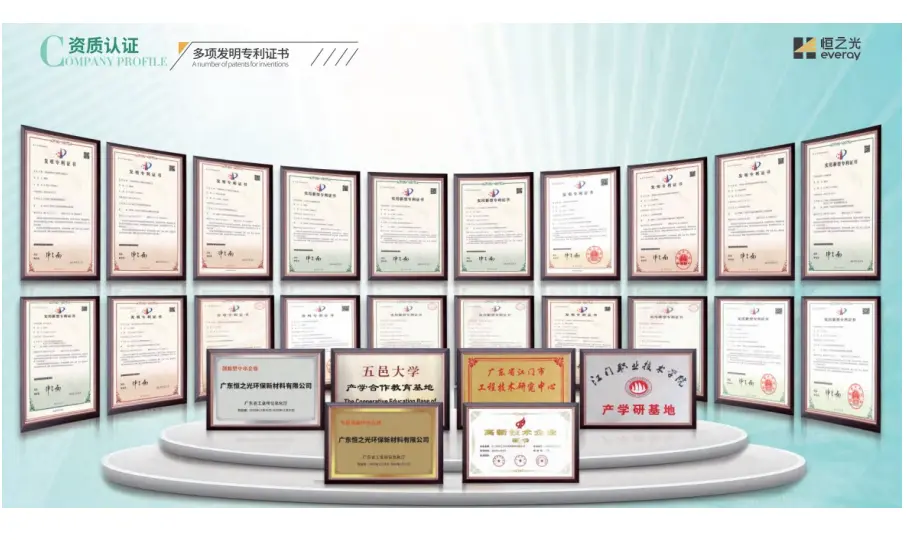
To support global supply chains, we operate two chemical production bases in southern China:
Spanning 10,000 square meters, this facility is optimized for high-mix, custom-batch oligomer runs and specialty chemical modifications.
Covering 40,000 square meters, this facility houses our bulk automated synthesis reactors. It is equipped with DCS computer control systems, specialized quality labs, and large-scale bulk storage infrastructure.
Addressing the common questions raised by polymer formulations chemists, paint engineers, and global procurement departments.
Volume shrinkage occurs when liquid monomers and oligomers cross-link into a solid polymer network. The distance between the reactive molecules decreases as van der Waals forces are replaced by tight covalent bonds. This shrinkage can build up internal stress, leading to adhesion failure on metal or plastic substrates. To resolve this, formulators should use high-molecular-weight oligomers with low double-bond density, incorporate low-shrinkage resins (such as 6102 Epoxy Acrylate or specialized polyester acrylates), and reduce the level of high-functionality monomer diluents like TMPTA.
Waterborne UV resins, such as our Waterborne 70601, use water as a non-reactive diluent to reduce viscosity instead of monomer diluents. After applying the coating, the water is flashed off in a short thermal step, leaving a dry, un-cured film that is then cross-linked under UV light. This approach allows formulators to achieve very low viscosities without the skin irritation risks and odor associated with monomer diluents. It is especially useful for thin-film applications on porous wood surfaces and thermal-sensitive plastic films.
Standard bisphenol-A epoxy acrylates cure very quickly and produce hard, chemically resistant coatings, but they are often highly viscous and brittle, with poor adhesion to metals and plastics. By modifying the chemical structure—such as inserting polyether, polyester, or fatty acid chains—we can balance these properties. This modification reduces the resin's viscosity, improves flexibility and impact resistance, and enhances substrate wetting, all while maintaining fast UV curing times.
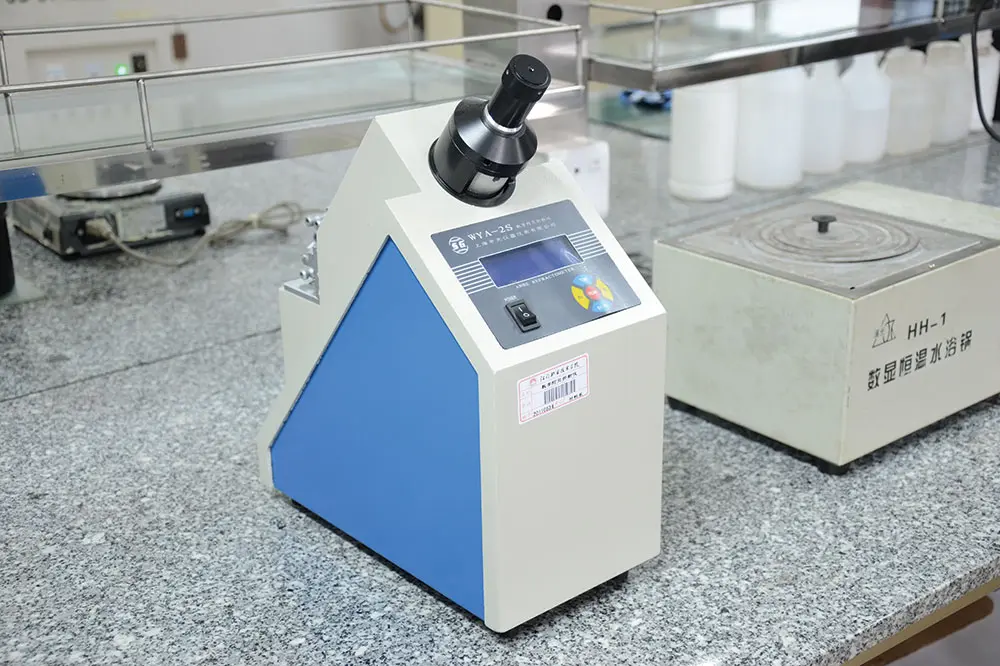
We ensure consistency by using automated chemical synthesis systems (DCS control) at our Yunfu plant, which monitors reaction temperature, pressure, feed rates, and reflux cycles in real-time. In addition, we analyze every batch using Gel Permeation Chromatography (GPC) to check molecular weight distribution and run standard testing for acid value, viscosity, and color index. This strict process ensures our materials perform reliably when integrated into high-speed industrial printing lines.
 Ever Ray