High-performance specialty prepolymers formulated for advanced coating, printing ink, and engineering adhesive formulations.
An authoritative breakdown of regulatory shifts, material mechanics, and supply chain strategies driving modern photocurable industries.
The global industrial adhesives and coatings market is undergoing a structural transition. Driving this change is the rapid replacement of solvent-borne systems with energy-curable chemistries. Polyurethane acrylates, epoxy acrylates, and polyester acrylates have transitioned from specialized compounds to foundational components in massive vertical sectors—ranging from consumer electronics packaging and automotive coatings to eco-conscious wood finishes and high-speed graphic inks.
“Regulatory initiatives like REACH in Europe and Clean Air Act amendments globally are driving volatile organic compounds (VOCs) to near-zero tolerance thresholds. In response, solvent-free radiation-curable systems (UV/EB) are now the primary engineering pathways for OEMs and compounders aiming for environmental compliance alongside superior throughput speeds.”
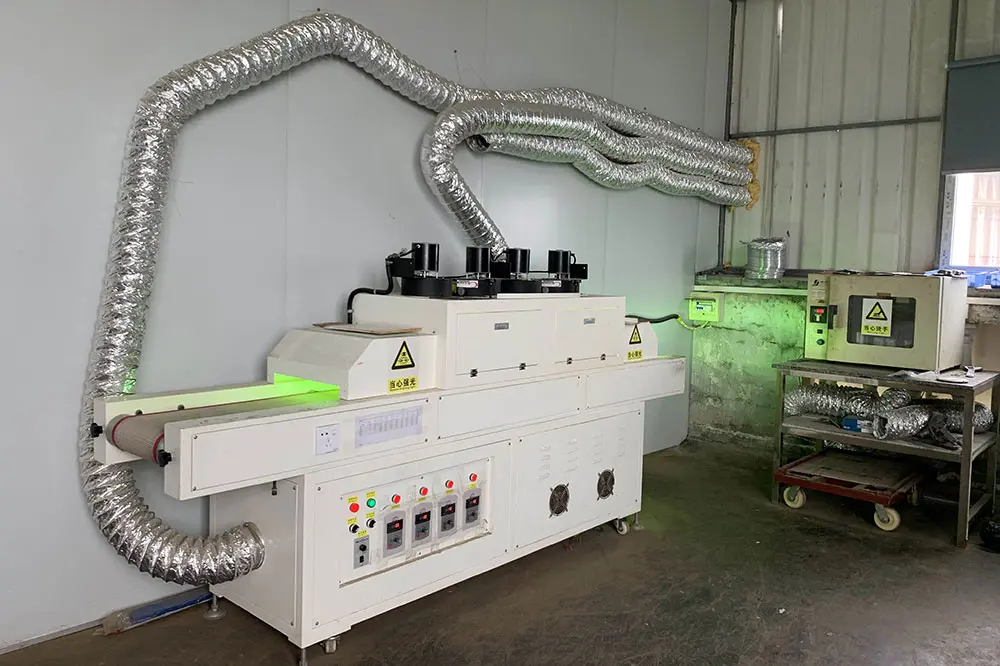
Modern assembly lines operate on cycle times measured in seconds. Traditional thermal-curing adhesives, which require significant oven footprints and prolonged cooling cycles, are no longer viable for high-volume automated manufacturing. UV-curable oligomers overcome this bottleneck through instant cross-linking upon exposure to specific ultraviolet wavelengths.
The chemical structural design of the prepolymer dictates the final physical characteristics of the adhesive layer. For instance, modified epoxy acrylates offer high hardness and chemical resistance but typically suffer from polymerization shrinkage. Polyurethane acrylates (PUAs), whether aliphatic or aromatic, introduce elastomeric segments that buffer curing stresses, ensuring high adhesion to challenging non-porous substrates such as treated plastics, metals, and glass composites. Advanced research focuses on controlling molecular weight distribution to lower viscosity without sacrificing mechanical performance or relying excessively on toxic monomer diluents.
China has transformed from a low-cost manufacturing hub into the world's most sophisticated and integrated chemical supply chain. For global sourcing managers, Chinese factories offer unparalleled production efficiency and technical compliance due to key structural advantages:
Understanding localized requirements is essential for specifying the correct prepolymer chemistries. Here are typical high-performance application zones:
High-precision touchscreens and displays demand scratch-resistant, non-yellowing coatings. Hyperbranched acrylates (such as 4600) provide high cross-linking density, maintaining surface integrity without causing display warpage due to shrinkage stress.
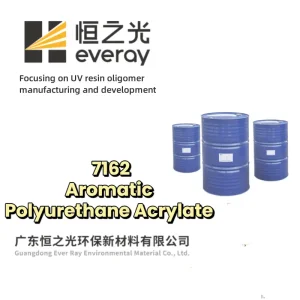
Polycarbonate and ABS substrates require excellent adhesion and flexibility to survive thermal expansion. Using specialized aromatic and aliphatic polyurethane acrylates (e.g., 7162, 7600) prevents micro-cracking and maintains weatherability.
UV offset and flexographic printing require low-odor, low-migration binders with rapid cure profiles. High-efficiency polyester acrylates (such as 5336B) optimize ink transfer, pigment wetting, and run speeds on dynamic web presses.
When evaluation of industrial adhesive and UV prepolymer suppliers is conducted, technical alignment is as critical as price per metric ton. Sourcing teams must audit key capabilities:
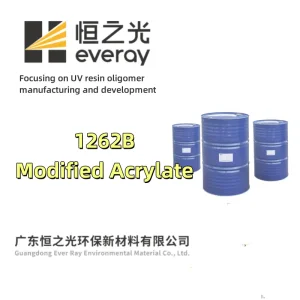
Guangdong Ever Ray Environmental Material Co., Ltd. is a high-tech enterprise focusing on the R&D and manufacturing of oligomers for UV-curable resin, including epoxy acrylate, polyurethane acrylate (water-borne, aliphatic urethane, aromatic urethane), polyester acrylate, pure acrylate, and other specialized functional modified acrylate oligomers.
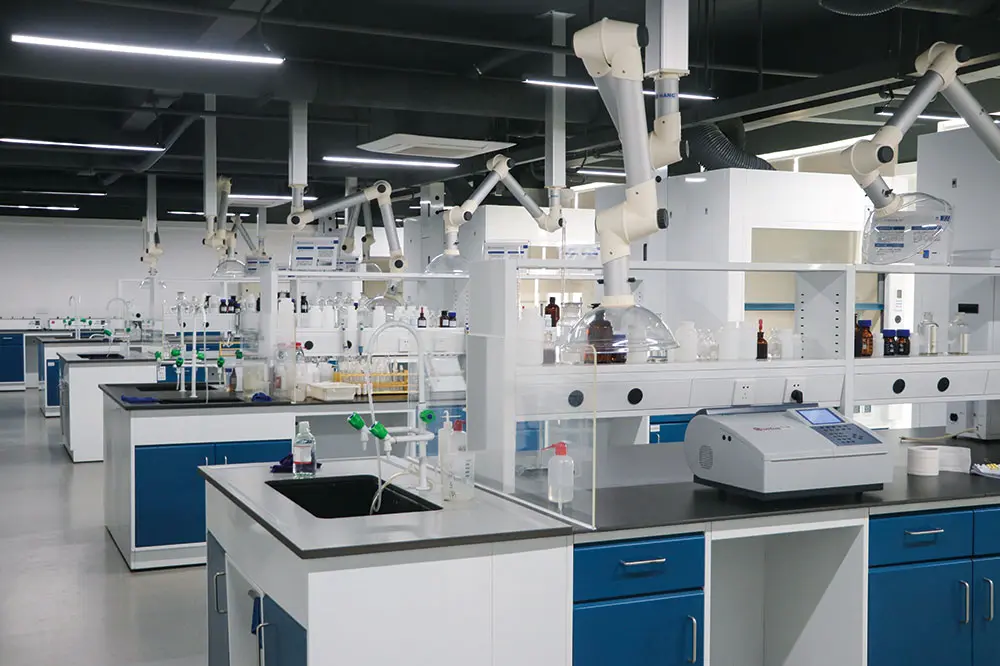
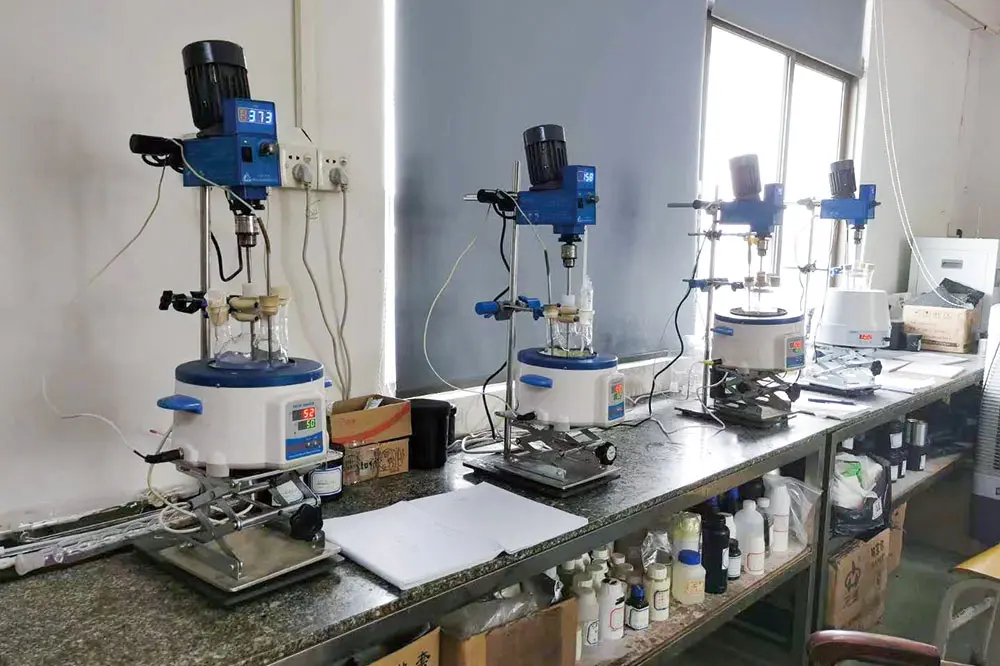
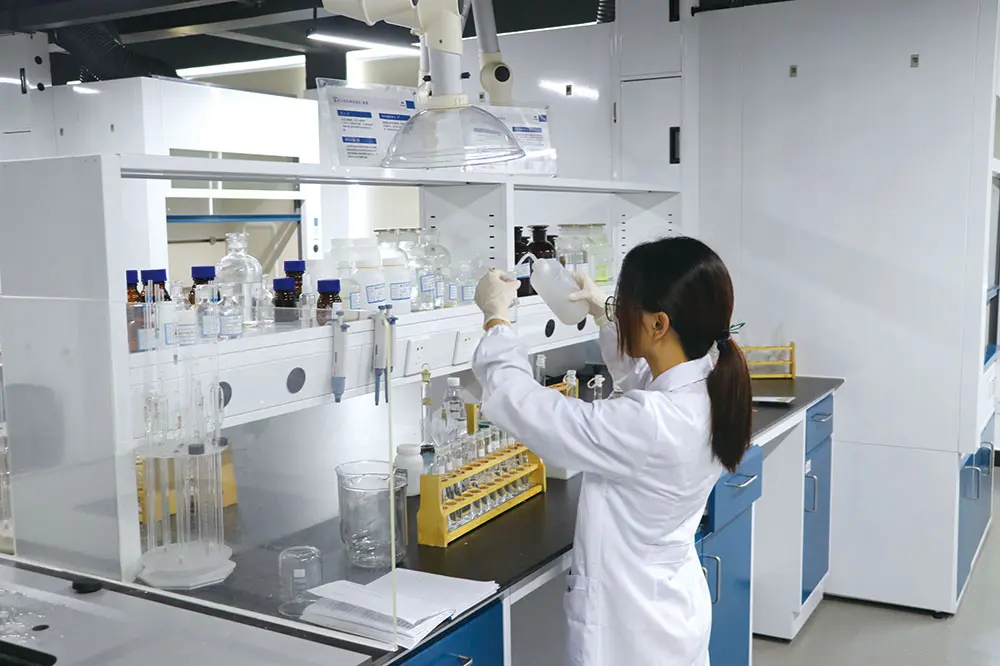
With a robust technical department employing over 15 dedicated R&D chemists, we focus on balancing chemical performance with cost efficiency. We provide high reactivity, chemical resistance, and high gloss to formulations across diverse sectors, including wood coatings, plastics, graphic inks, and adhesives.
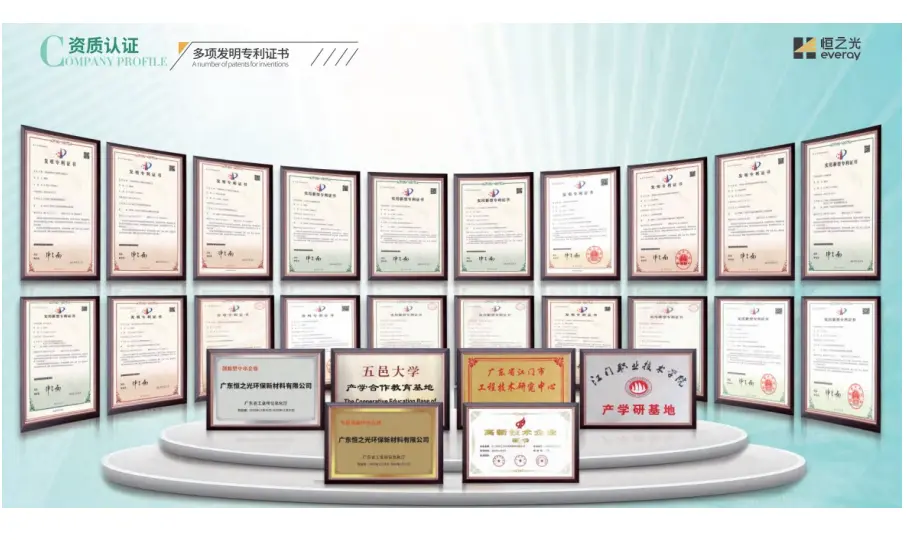
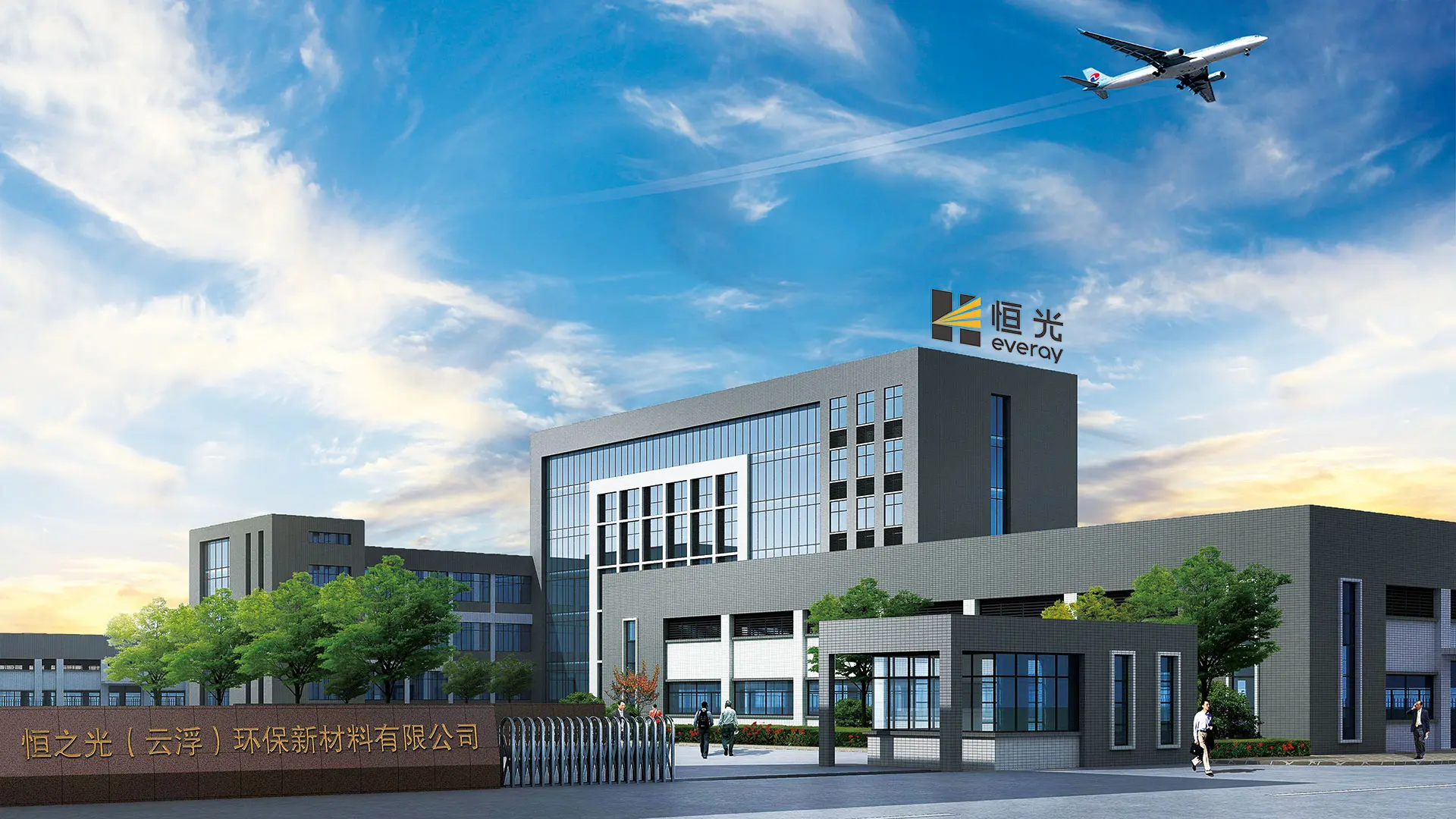
We operate two chemical synthesis bases. The Jiangmen facility in Guangdong covers approximately 10,000 square meters. The Yunfu facility in Guangdong spans 40,000 square meters, featuring modern quality control systems, storage, and logistics facilities.
Both production facilities operate under ISO9001 quality management and ISO14001 environmental management frameworks. Integrated DCS computerized process controls ensure consistent batch reactions, safety, and stable output quality.
Answers to complex queries regarding UV oligomer performance, formulation adjustments, and supply parameters.
Curing shrinkage occurs when liquid monomers and oligomers polymerize, bringing molecules closer together via covalent bonds. This reduction in free volume causes internal stress, often resulting in substrate warpage or adhesion failure. By incorporating bulkier cyclic structures, hyperbranched networks, or elastomeric urethane components (as seen in modified epoxy acrylate 6203F), the density of cross-linking is balanced. This allows molecular relaxation during curing, significantly reducing shrinkage and protecting substrate adhesion.
Aliphatic polyurethane acrylates contain linear or cyclic carbon chains without benzene rings. Aromatic systems feature benzene rings that absorb UV light, leading to photodegradation, yellowing, and loss of gloss. For exterior automotive coatings, outdoor signage, and protective varnishes, aliphatic PUAs are preferred for long-term weatherability and UV stability.
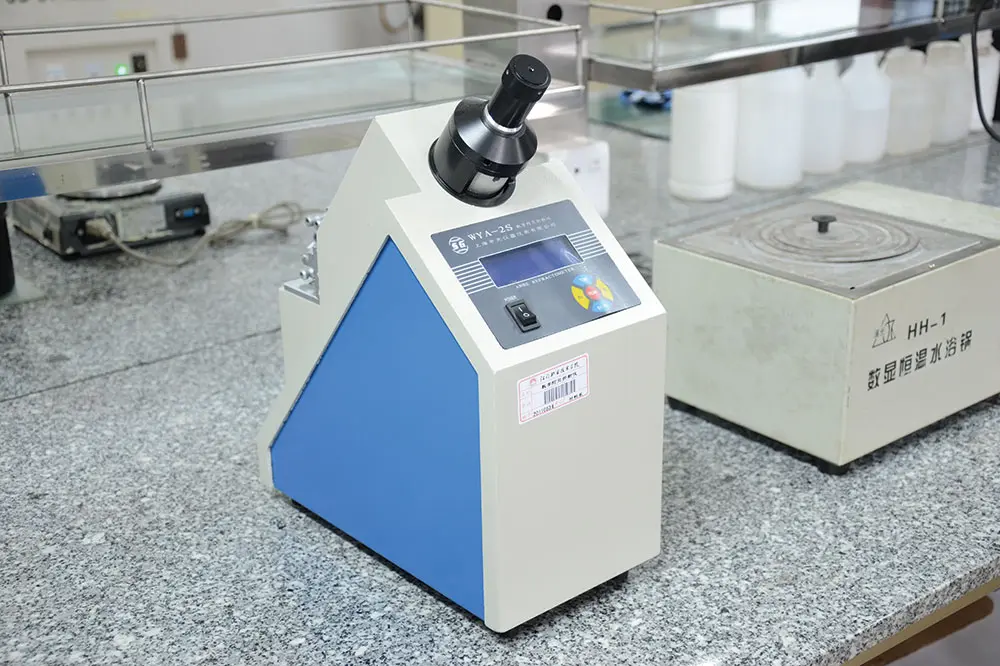
We maintain viscosity consistency through computerized process monitoring. The DCS controls temperature parameters, catalyst addition rates, and raw material feed ratios during esterification and addition reactions. Every batch undergoes rheological testing (viscosity, acid value, hydroxyl value) to verify compliance before packaging.
To minimize odor, we focus on oligomers synthesized with low levels of free monomer residue and low-volatility prepolymer structures, such as UV resin 5017. These compounds maintain low vapor pressure during curing, preventing the release of volatile odorants, which is critical for indoor applications like PVC flooring or wood finishes.
Explore our specialized resins designed for wood finishes, PVC flooring, and high-performance plastic coatings.
 Ever Ray