In the highly demanding landscape of industrial UV-curable coatings, aliphatic urethane acrylate resins represent the pinnacle of chemistry design. Unlike aromatic resins, which feature conjugated benzene rings that easily degrade under solar radiation, aliphatic resins are built on stable carbon-chain structures such as IPDI (isophorone diisocyanate) or HDI (hexamethylene diisocyanate). This basic chemical distinction grants aliphatic resins their industry-standard non-yellowing capability, high weatherability, and chemical stability.
Global procurement teams and coating formulators rely heavily on aliphatic polyurethane acrylates to satisfy rigorous environmental and mechanical standards. These materials offer a precise balance of crosslinking density, tensile strength, and impact resistance. By engineering these polymers, manufacturers are able to address challenges related to substrate adhesion, cure rates, and long-term durability in outdoor applications.
At Guangdong Ever Ray Environmental Material Co., Ltd., we combine chemical innovation with precision manufacturing. Established in 2006, our research is dedicated to resolving issues with yellowing, thermal degradation, and adhesion failure across various challenging substrates, including plastics, metals, wood, and glass.
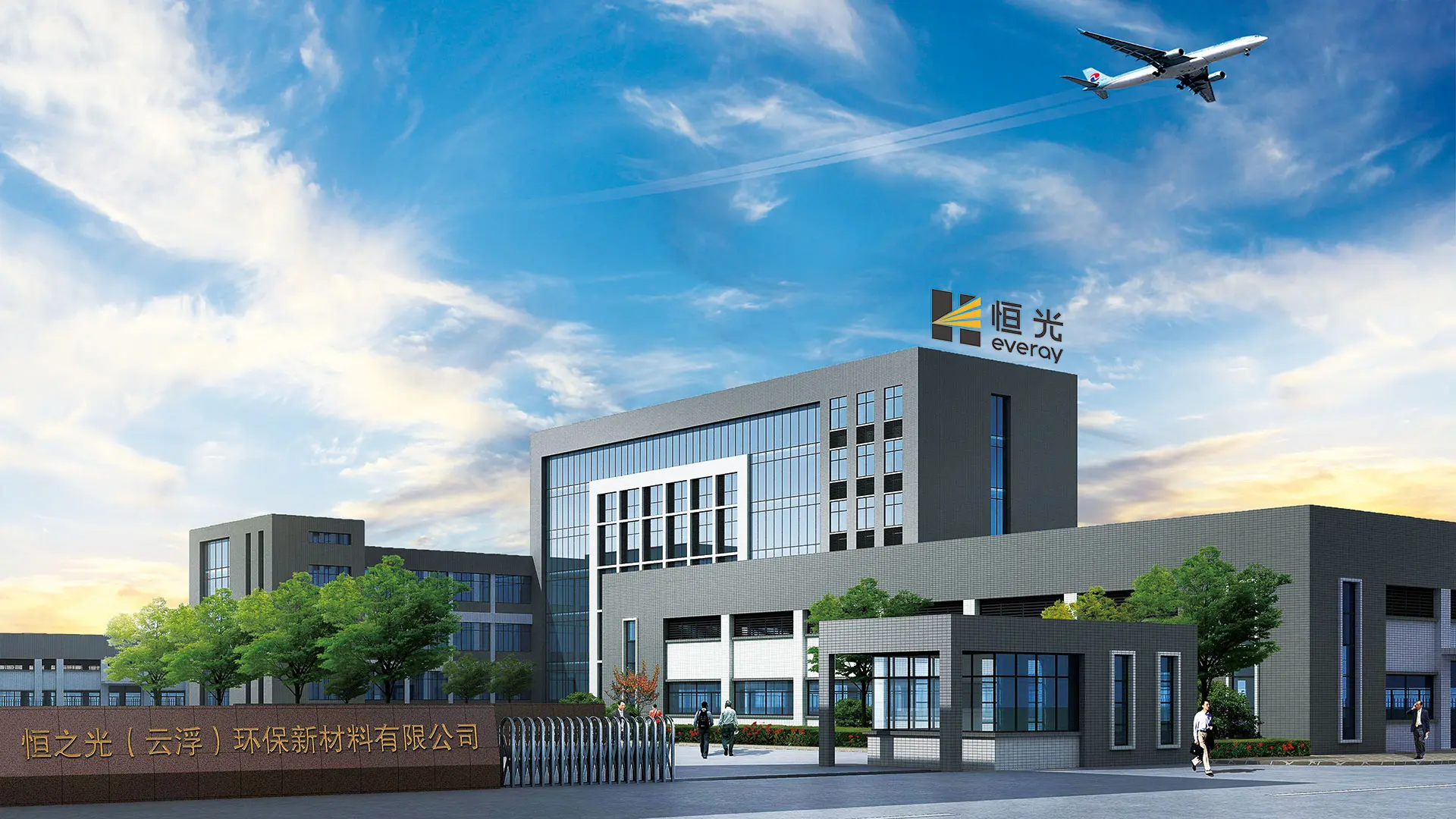
Guangdong Ever Ray Environmental Material Co., Ltd. established in 2006, is a high-tech enterprise focusing on the R&D and manufacturing of oligomers for UV curable resin such as epoxy acrylate, polyurethane acrylate (waterborne, aliphatic urethane, aromatic urethane), polyester acrylate, pure acrylate, and other special functional modified acrylate oligomers. Over the years, we have positioned ourselves as a key strategic partner for international and domestic chemical companies searching for reliable, scale-focused manufacturing partners.
We operate two state-of-the-art production bases in Guangdong province. The Jiangmen base spans approximately 10,000 square meters, serving as our agility and fast-turnaround hub. The larger Yunfu base covers 40,000 square meters, designed specifically for high-capacity runs, large-scale storage, and integrated logistics. This dual-base strategy allows us to maintain an annual production capacity exceeding 20,000 metric tons across more than 10 dedicated production lines.
Both factories operate under strict compliance with the ISO9001 Quality Management System and the ISO14001 Environmental Management System. Production is managed via a Distributed Control System (DCS), which utilizes fully computerized controls to monitor temperature, pressure, feed rates, and raw material addition. This limits batch-to-batch variation, ensuring consistent viscosity, acid value, and curing performance. We source raw materials from globally verified suppliers and work alongside domestic UV material researchers to maintain safety and consistency.
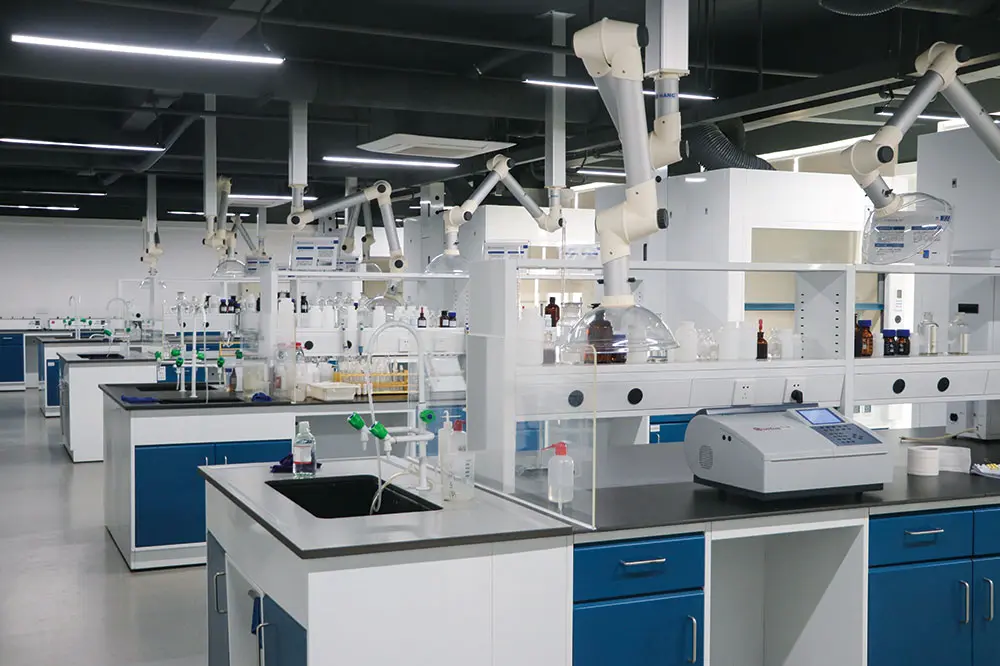
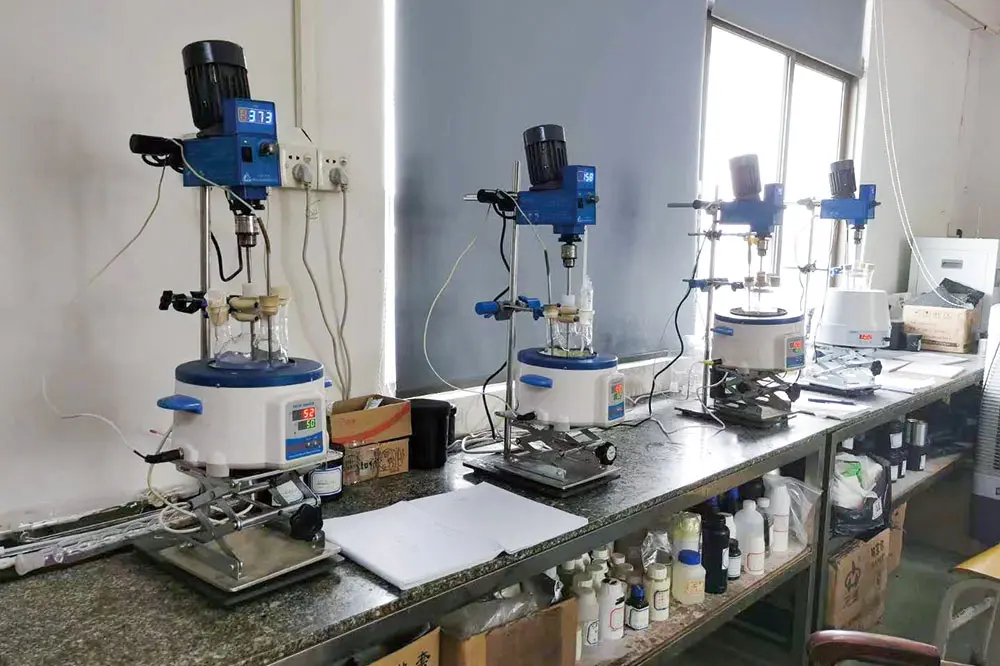
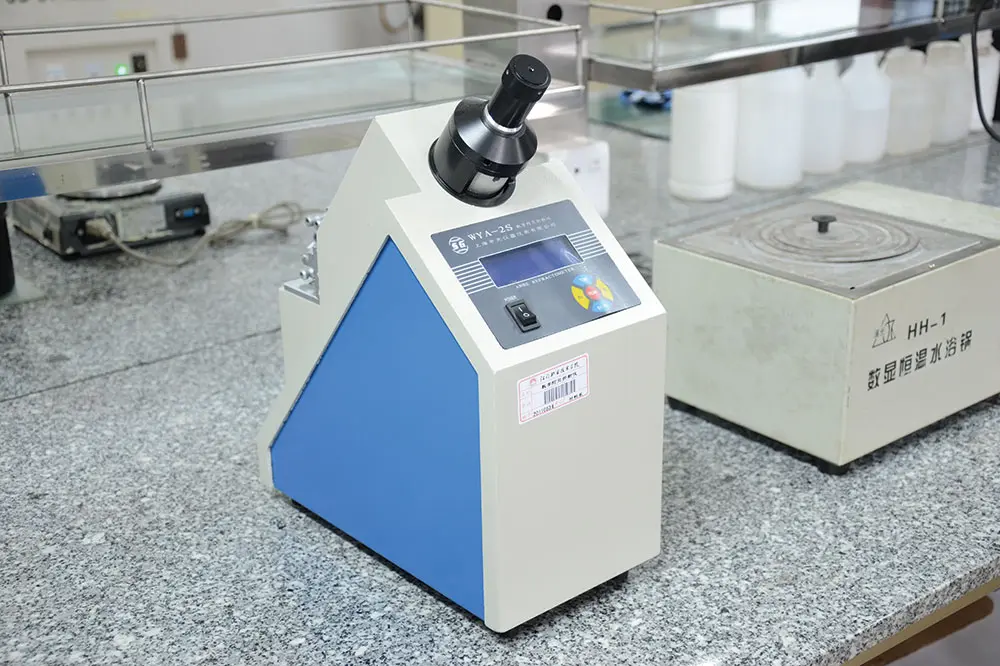
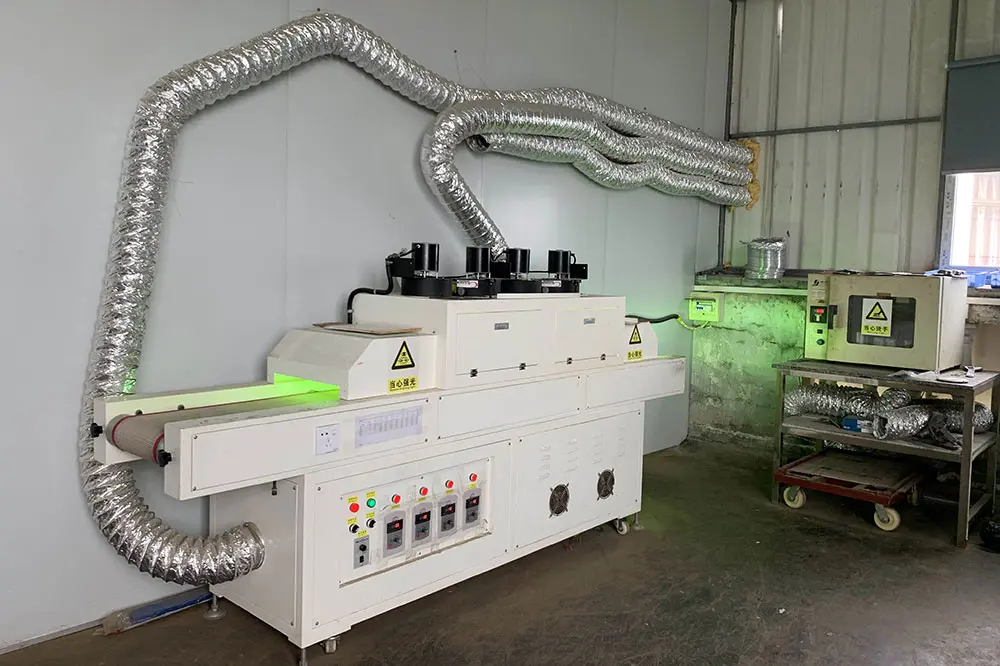
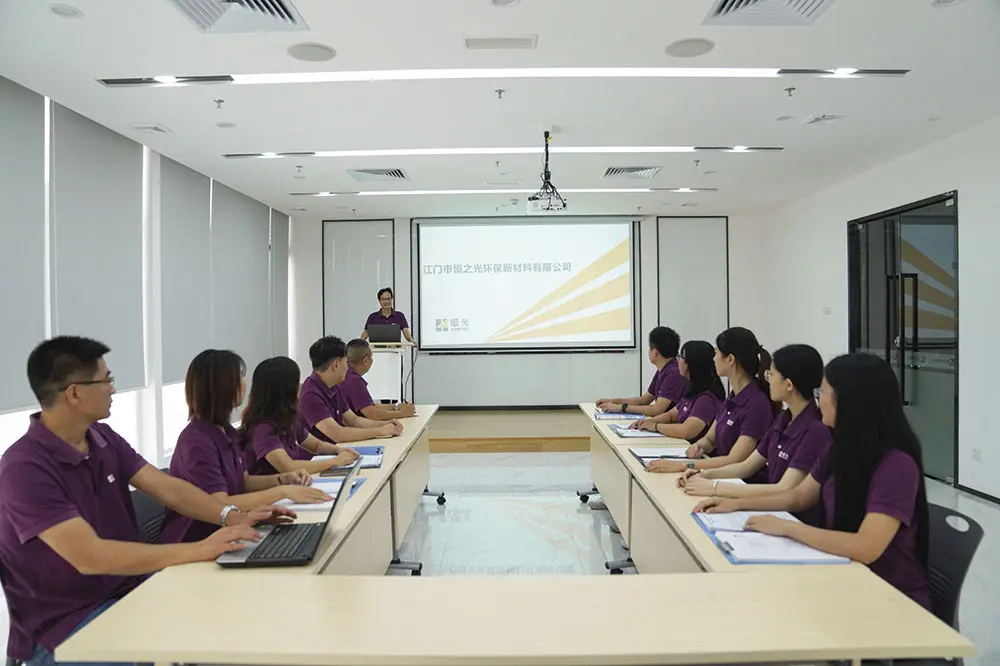
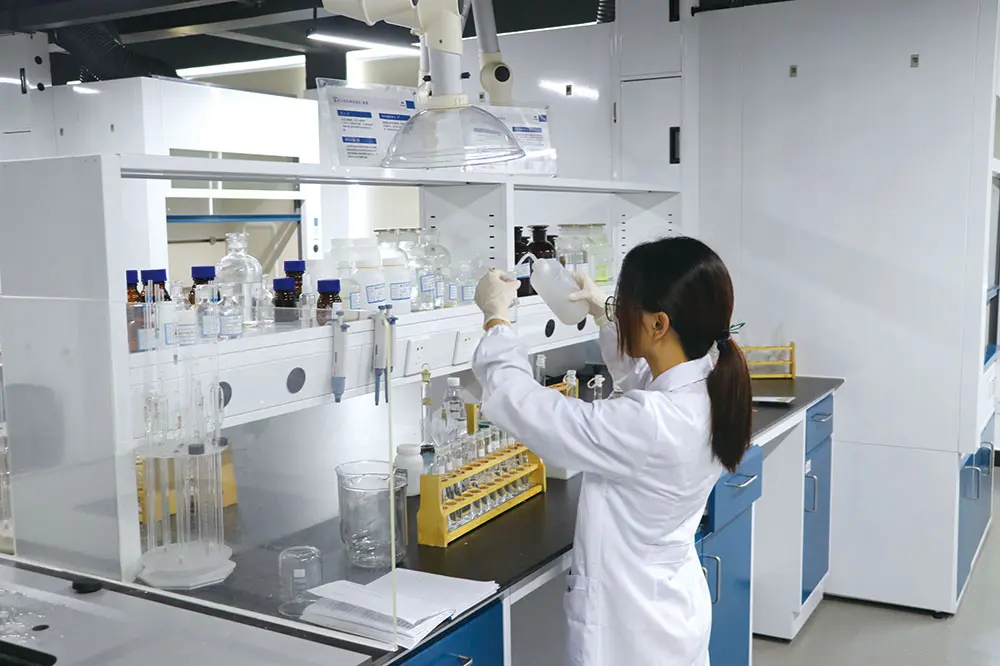
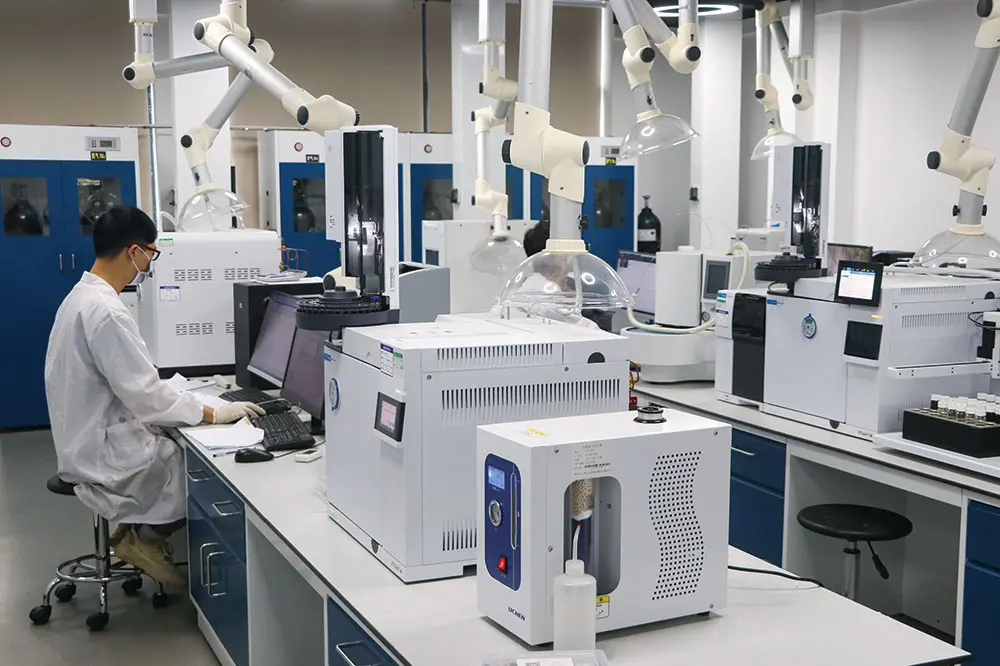
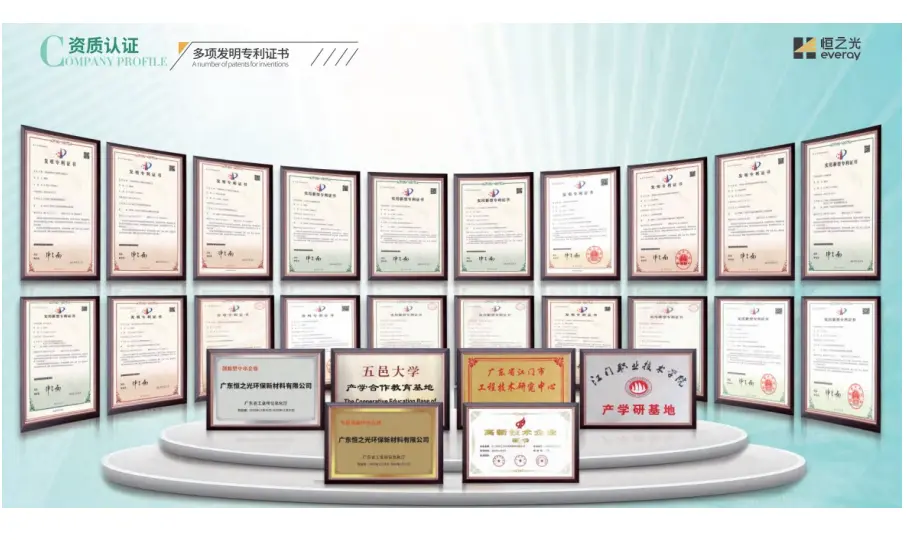
With more than 10 invention patents and practical utility patents, and a specialized team of over 15 technicians in our R&D department, we focus on engineering high reactivity, strong chemical resistance, and high gloss properties into formulations for a wide variety of industrial coatings.
We supply customized formulations to help clients balance functional specifications with production costs. Our development process prioritizes both performance and environmental responsibility. We use technology to support sustainable product lifecycles, developing solutions that contribute to a cleaner, greener environment.
Sourcing aliphatic urethane acrylates directly from a manufacturer in China provides distinct strategic and commercial advantages for global distributors and chemical brands.
Southern China has a highly integrated chemical supply chain. We procure primary inputs, such as isocyanates (IPDI/HDI) and acrylic acid, locally. This close proximity reduces domestic transport time, decreases inventory costs, and limits supply chain disruptions.
By using fully computerized DCS control across 10 production lines, we reduce manual steps and control product quality. This level of automation keeps unit costs competitive even for complex, multi-stage aliphatic urethane formulations.
With an experienced local team of 15+ technicians, we can adjust molecular weights, viscosity ranges, and functional backbones quickly. This flexibility allows us to adapt formulations to specific customer requests faster than many Western competitors.
The radiation curing market is shifting rapidly due to new environmental regulations, equipment updates, and end-user performance demands. Key technical trends include:
Industrial lines are moving away from traditional medium-pressure mercury lamps and adopting LED-UV systems (typically emitting at 365nm, 385nm, or 395nm). LED lamps consume less energy, generate less heat, and are ozone-free. Formulators require resins with high reactivity, like our Polyester Acrylate 5501, to cure efficiently under the narrower output bands of LED lights.
Air quality mandates are driving manufacturers to limit volatile organic compound (VOC) emissions. This has increased demand for waterborne UV resins, low-odor monomers, and reactive oligomers like the Waterborne 70601 UV-resin, which provides high hardness and adhesion without relying on large amounts of volatile solvents.
Stereolithography (SLA) and Digital Light Processing (DLP) require oligomers that cure quickly while exhibiting low shrinkage and high toughness. Resins like our 72017 Photo-Thermal Dual-Curing Polyurethane Acrylate are engineered to limit volumetric shrinkage, helping to prevent warp and distortion in high-precision printed parts.
Guangdong Ever Ray’s aliphatic resins are formulated for a range of demanding end-use applications, providing specific solutions for common coating and adhesive challenges.
For delicate surfaces such as optical glass, silicon wafers, and electronic screens, temporary protection is essential during dicing or assembly. Our 72923 Fast-Cure Non-Yellowing Polyurethane Acrylate Resin is designed for UV peelable adhesives. It cures quickly under UV radiation and can be peeled away without leaving adhesive residue or staining the substrate.
High-speed furniture and flooring lines require rapid cure speeds and good scratch resistance. The Polyester Acrylate 5501 serves as a core resin for LED-UV wood coatings, providing strong adhesion to natural wood fibers, wood veneers, and MDF, while maintaining high gloss and chemical resistance.
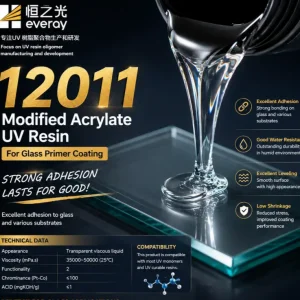
Glass surfaces are non-porous and hydrophilic, which often presents adhesion challenges. The 12011 Modified Acrylate UV Resin is engineered as a glass primer. It provides direct chemical bonding to the silicate surface, ensuring good water-boiling resistance and long-term adhesion stability.
Industrial flooring experiences heavy foot traffic, mechanical wear, and chemical exposure. By utilizing low-shrinkage oligomers like our 1290H and low-viscosity diluent resins like the 1262B, flooring manufacturers can produce coatings with high wear resistance, low curl, and good leveling properties.
Paper, cardboard, and flexible film packaging require inks and overprint varnishes that combine high cure speeds, low odor, and low migration. The Epoxidized Soybean Oil Acrylate 6720 and UV Resin 5017 provide formulators with a path to low-odor, low-shrinkage varnishes that comply with packaging and environmental requirements.
Automotive components and outdoor electronics housing are exposed to harsh weathering and solar radiation. Our aliphatic polyurethane acrylate line is formulated to prevent photo-oxidation, preserving the base polymer and preventing cracking, chalking, or yellowing over extended outdoor use.
Managing international chemical procurement requires attention to regulatory compliance, transport safety, and supply chain consistency. When partnering with Guangdong Ever Ray, we assist with:
 Ever Ray