Engineered for rapid curing speed, optimal adhesion, chemical resistance, and surface durability across diverse substrates.
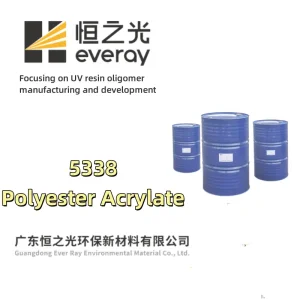
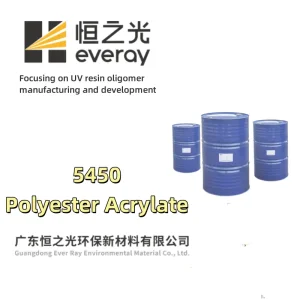
Guangdong Ever Ray Environmental Material Co., Ltd., established in 2006, is a premier high-tech enterprise dedicated to the research, development, synthesis, and high-volume manufacturing of photocurable polymers. We specialize in producing key raw oligomers for UV-curable systems, including epoxy acrylate, polyurethane acrylate (waterborne, aliphatic, and aromatic urethane), polyester acrylate, pure acrylate, and custom functionalized monomeric modifiers.
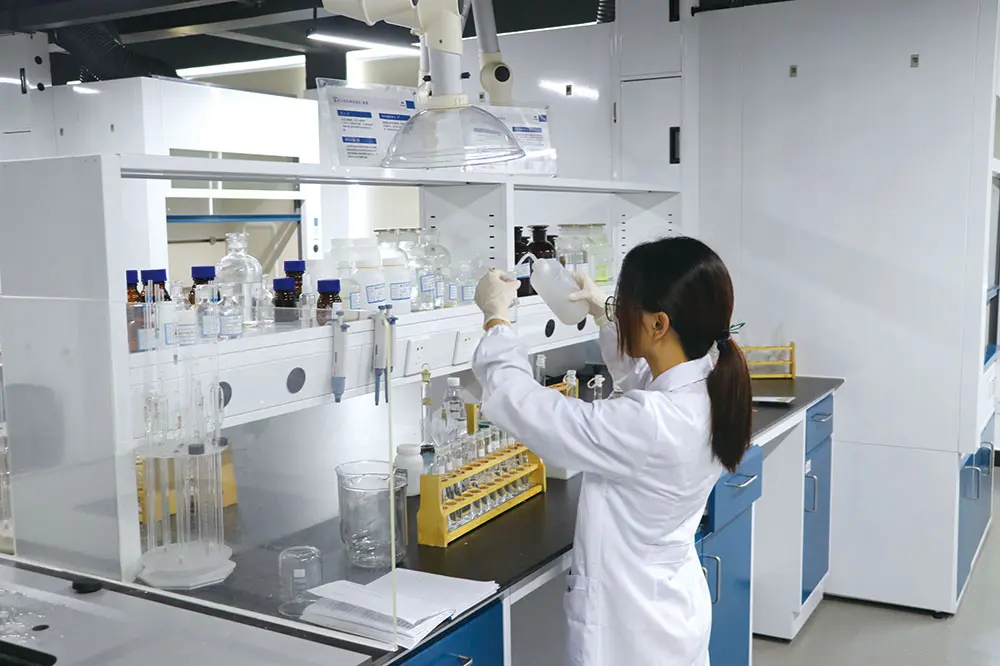
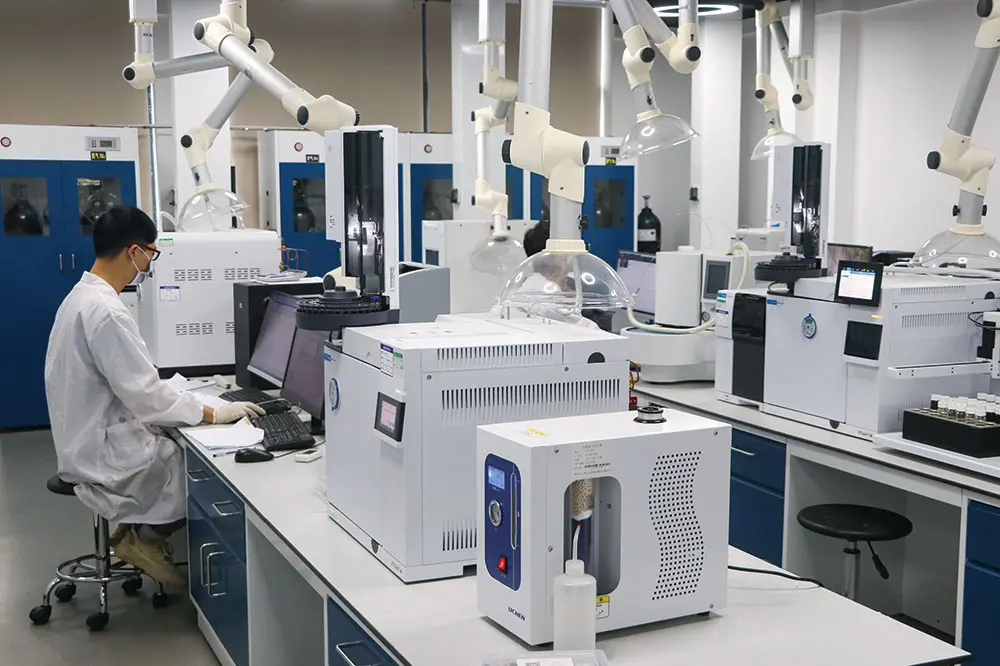
Our focus bridges chemical engineering excellence with environmental sustainability. Guided by senior industry experts and state-of-the-art laboratory testing, our solutions provide international formulators with superior physical performance, fast conversion rates, and optimized raw material cost control.
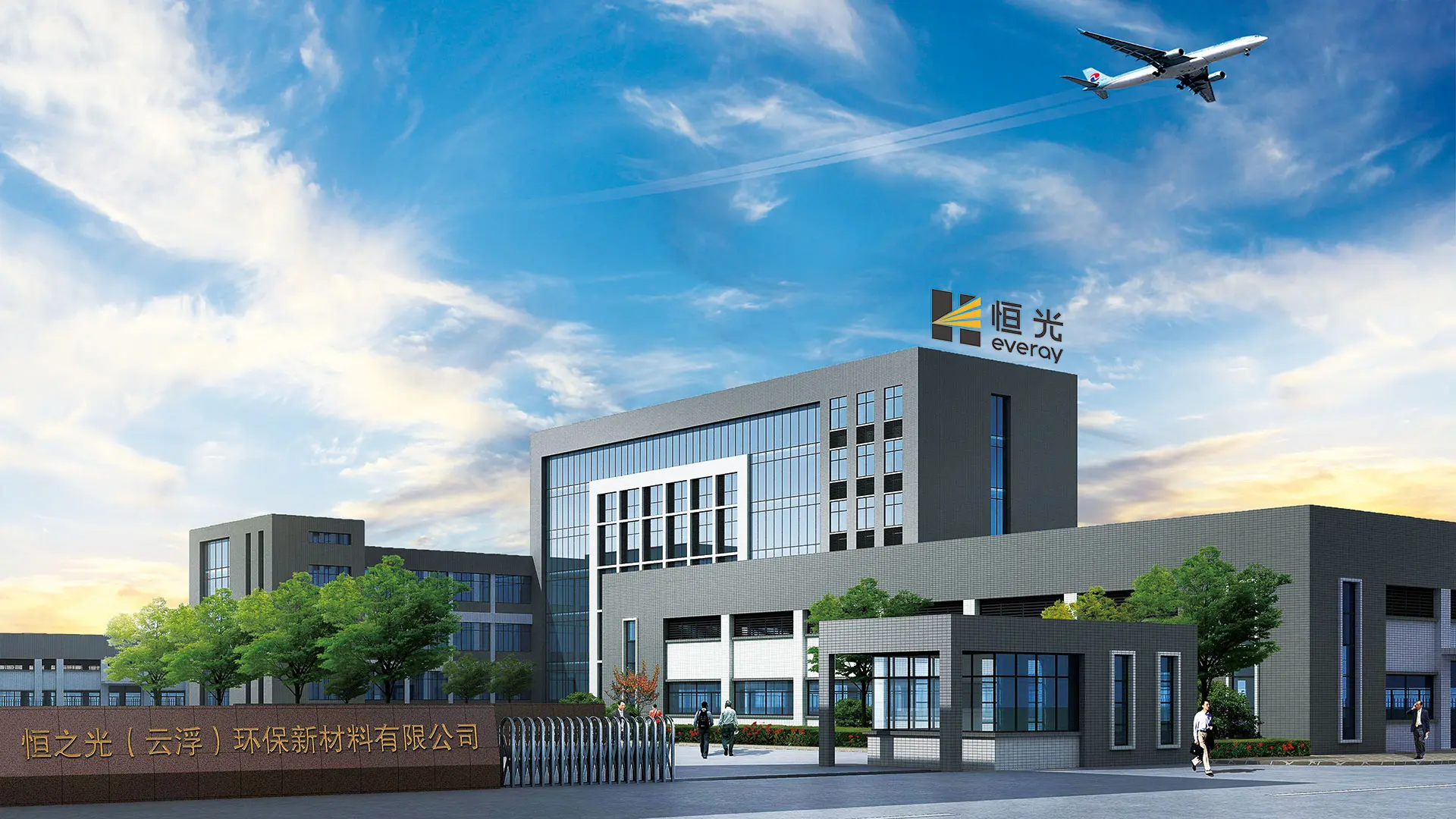
Ever Ray operates two key domestic production bases designed to meet growing domestic and international volume requirements:
By implementing a fully computerized DCS (Distributed Control System), we guarantee precise control over reaction kinetics, temperature control, and feed rates. This setup achieves an annual production output exceeding 20,000 metric tons across 10 independent manufacturing lines, ensuring batch-to-batch consistency and a reliable supply chain.
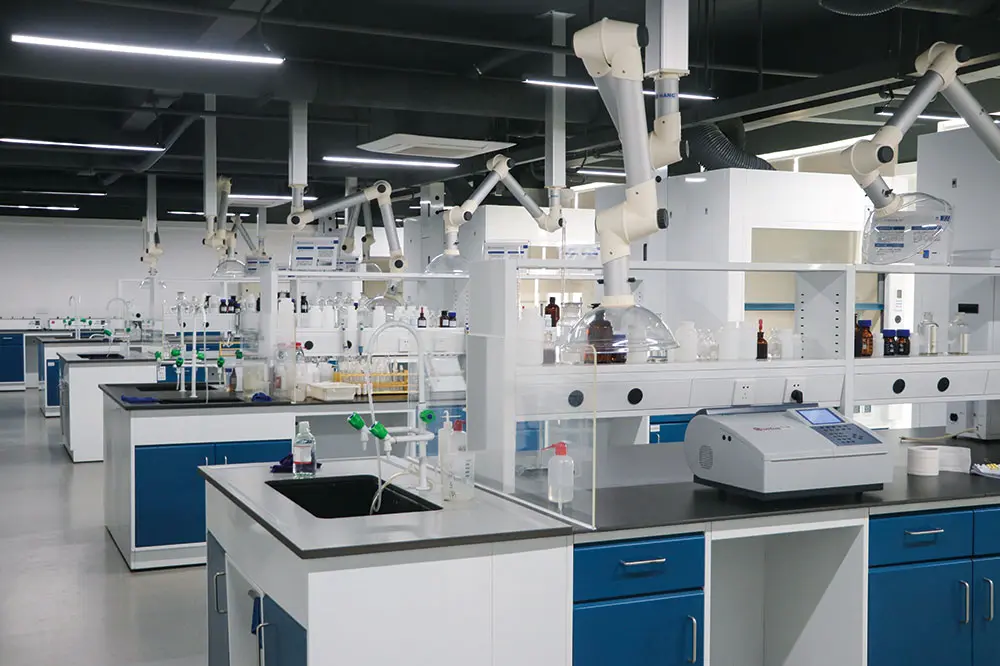
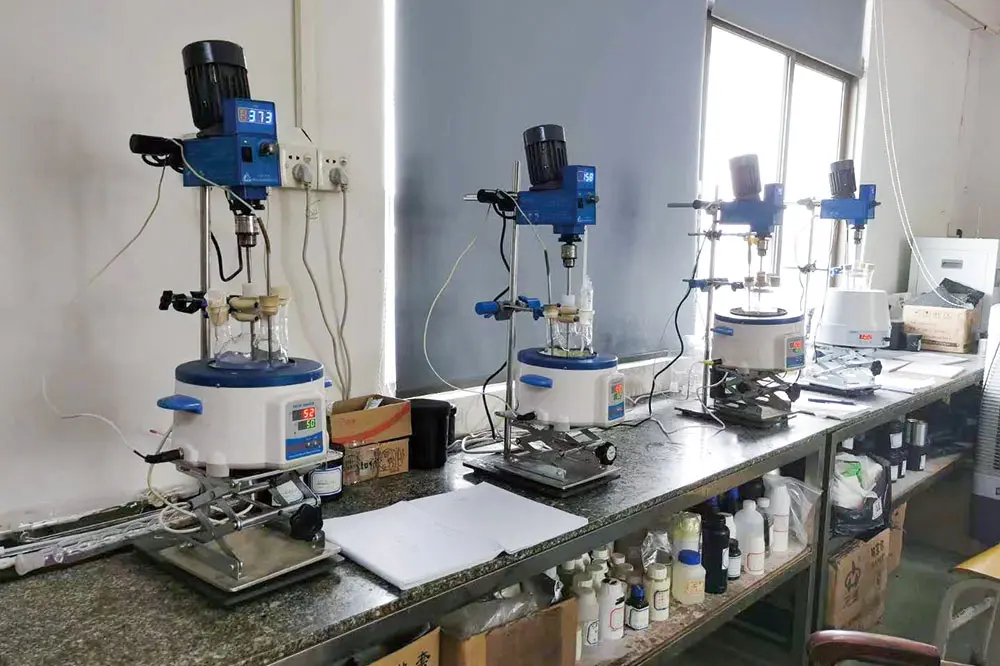
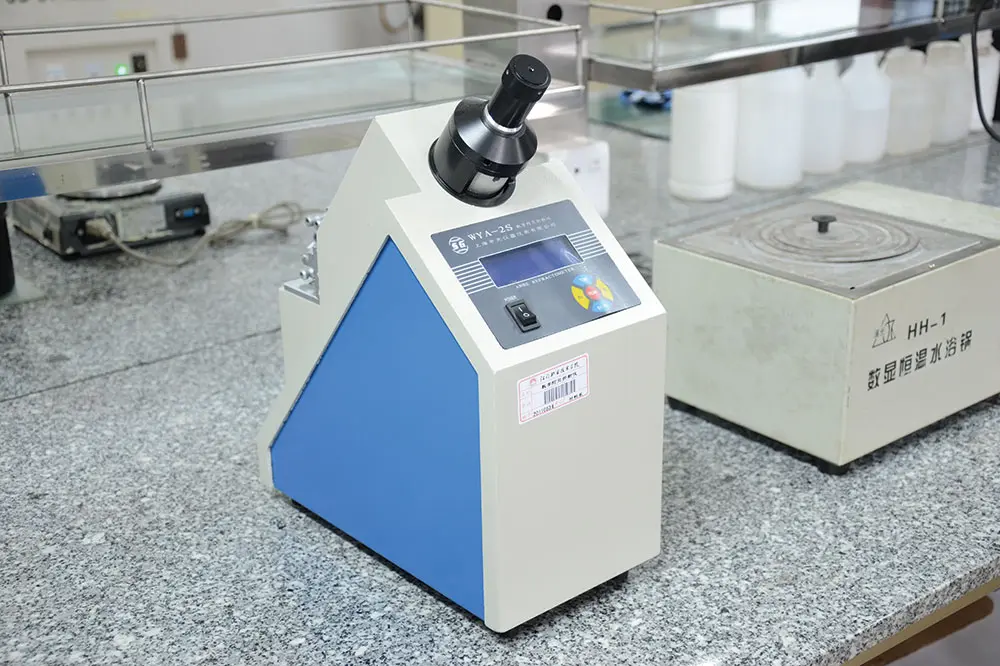
The chemical mechanisms behind epoxy acrylates and polyurethane acrylates dictate their industrial performance. Below is a structural engineering comparison.
| Oligomer Class | Core Mechanical Strengths | Primary Limitations | Key Industry Applications |
|---|---|---|---|
| Epoxy Acrylate (e.g., Bisphenol A) | Excellent tensile strength, fast cure speeds, high surface hardness, strong chemical resistance. | High volumetric shrinkage, poor flexibility, prone to yellowing when exposed to UV light. | Overprint varnishes, high-speed offset lithographic inks, wood primers, metal coatings. |
| Aliphatic Urethane Acrylate | High elasticity, excellent weathering properties, yellowing resistance, high impact toughness. | Higher production cost, moderate cure speed, lower glass transition temperatures (Tg). | Automotive clearcoats, outdoor vinyl film coatings, flexible packaging adhesives. |
| Polyester Acrylate | Low viscosity, good pigment wetting, balanced flexibility, cost-effective formulations. | Lower chemical resistance, moderate shrinkage, potential sensitivity to hydrolysis. | Industrial wood coatings, screen inks, flexographic inks, excimer laser applications. |
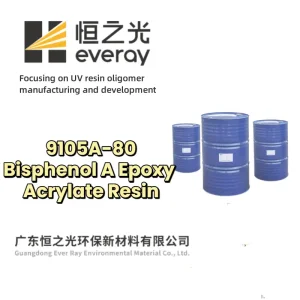
By blending the fast cure kinetics of Bisphenol A Epoxy Acrylates with the flexibility of Polyurethane Acrylates, formulators can design versatile "all-purpose" coatings. Modern industrial requirements demand balanced performance: high hardness and scratch resistance must not lead to brittleness or adhesion failure on metal or plastic substrates.
How our smart production bases ensure consistent delivery and pricing stability for international manufacturers.
Our Yunfu production plant operates via a fully integrated DCS computer system, which monitors heating profiles, monomer feeds, and synthesis steps in real time. This minimizes human error, resulting in stable viscosity profiles and batch-to-batch color stability.
Through strategic partnerships with leading petrochemical manufacturers worldwide, Ever Ray secures reliable, low-cost access to acrylic acid, epichlorohydrin, and polyols. This buffers our international clients against raw material cost fluctuations.
Operating under ISO 14001 certification, our facilities utilize advanced emission controls, wastewater treatment, and closed-loop monomer recovery. This alignment with global environmental regulations protects your supply chain from regulatory disruptions.
How our custom-formulated UV-curable resins meet the performance requirements of major manufacturing sectors.
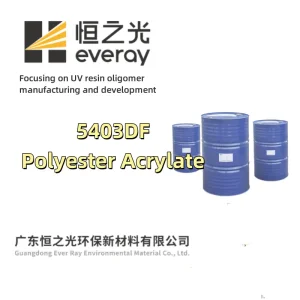
Our oligomers, including 5403DF polyester acrylic UV resin and 61003A UV resin, are optimized for low-migration, fast-cure packaging applications. They show high shear stability and pigment wetting, making them ideal for high-speed flexographic and offset printing on paper and plastic films.
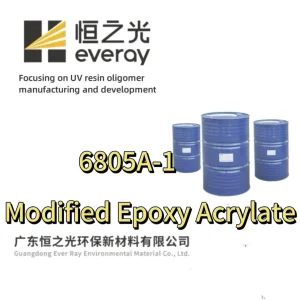
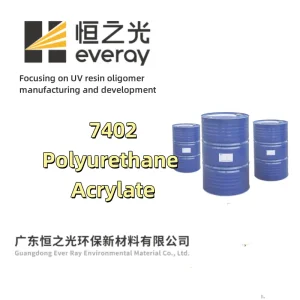
Industrial wood finishes require balanced hardness and scratch resistance. Oligomers like 6805A-1 modified epoxy acrylate and 7402 polyurethane acrylate create clear, non-yellowing topcoats that protect substrates from household chemicals, water, and mechanical abrasion.
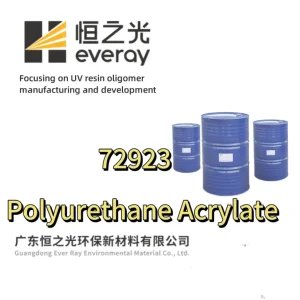
In electronic assemblies, managing curing stress is critical. Our low-shrinkage urethane acrylates, such as the 72923 fast-cure peelable adhesive resin, provide strong temporary or permanent bonding, excellent dielectric properties, and clean peel characteristics without leaving residue.
Ensuring hassle-free international importing through strict compliance and comprehensive safety data documentation.
Importing industrial chemical formulations requires meeting complex, region-specific chemical regulations. Guangdong Ever Ray provides full compliance documentation to ensure smooth regulatory clearance and high product safety:
Our logistical network supports flexible shipping terms (FOB, CIF, DDP) to North America, Europe, Southeast Asia, and South America, coordinating direct delivery from our Yunfu chemical docks to your receiving facility.
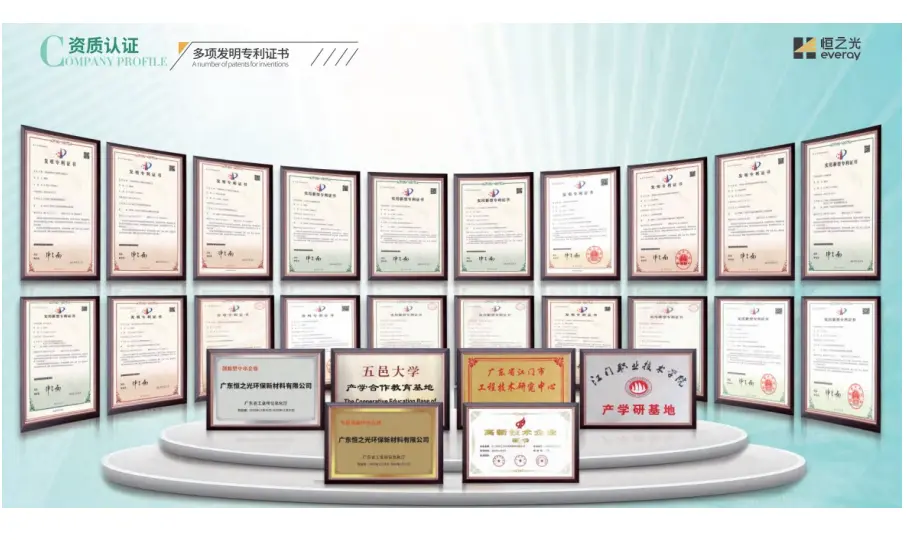
How our R&D team addresses the next generation of eco-friendly and high-efficiency photo-polymerization technologies.
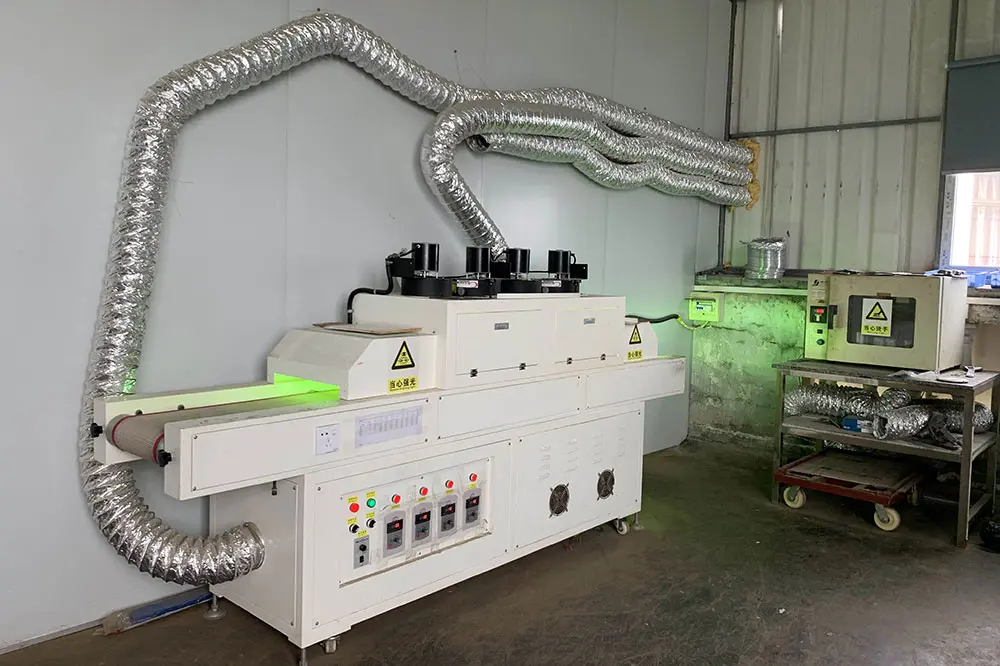
Standard mercury arc lamps generate high heat and ozone emissions. Ever Ray is optimizing oligomer reactivity profiles to match the 365nm and 395nm emission peaks of energy-efficient LED-UV curing systems, lowering energy consumption for converters.
To reduce dependence on fossil-fuel feedstocks, our lab is engineering bio-based epoxy and urethane acrylates derived from vegetable oils and starch resources. This provides eco-friendly alternatives without sacrificing cure speed or hardness.
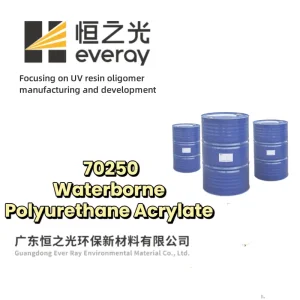
Waterborne polyurethane acrylates (WPUAs) eliminate VOC emissions while allowing low-viscosity application without monomer dilution. This technology is ideal for spray-applied coatings on complex 3D wood and plastic substrates.
Explore our specialized monomeric active diluents, high-reactivity acrylates, and specialty oligomers for advanced inks and coatings.
Technical answers to help buyers evaluate our manufacturing process, product chemistry, and global delivery standards.
 Ever Ray