Explore our primary chemical systems designed to maximize reaction kinetics, crosslink density, and mechanical toughness for industrial formulations.
The global industrial coatings market is experiencing a profound paradigm shift. Transitioning from traditional solvent-borne systems to radiation-cured technologies is no longer just an environmental goal—it is a functional necessity. Regulatory frameworks such as REACH and strict national VOC (Volatile Organic Compounds) emission targets have accelerated the demand for high-solid and UV-curable monomers and oligomers.
Guangdong Ever Ray Environmental Material Co., Ltd. stands at the forefront of this industrial transformation. Since 2006, our technical engineering departments have focused on designing customized molecular structures of epoxy and polyurethane acrylates that resolve performance challenges, such as adhesion on low-surface-energy substrates, curing speed versus shrinkage trade-offs, and yellowing in harsh outdoor applications.
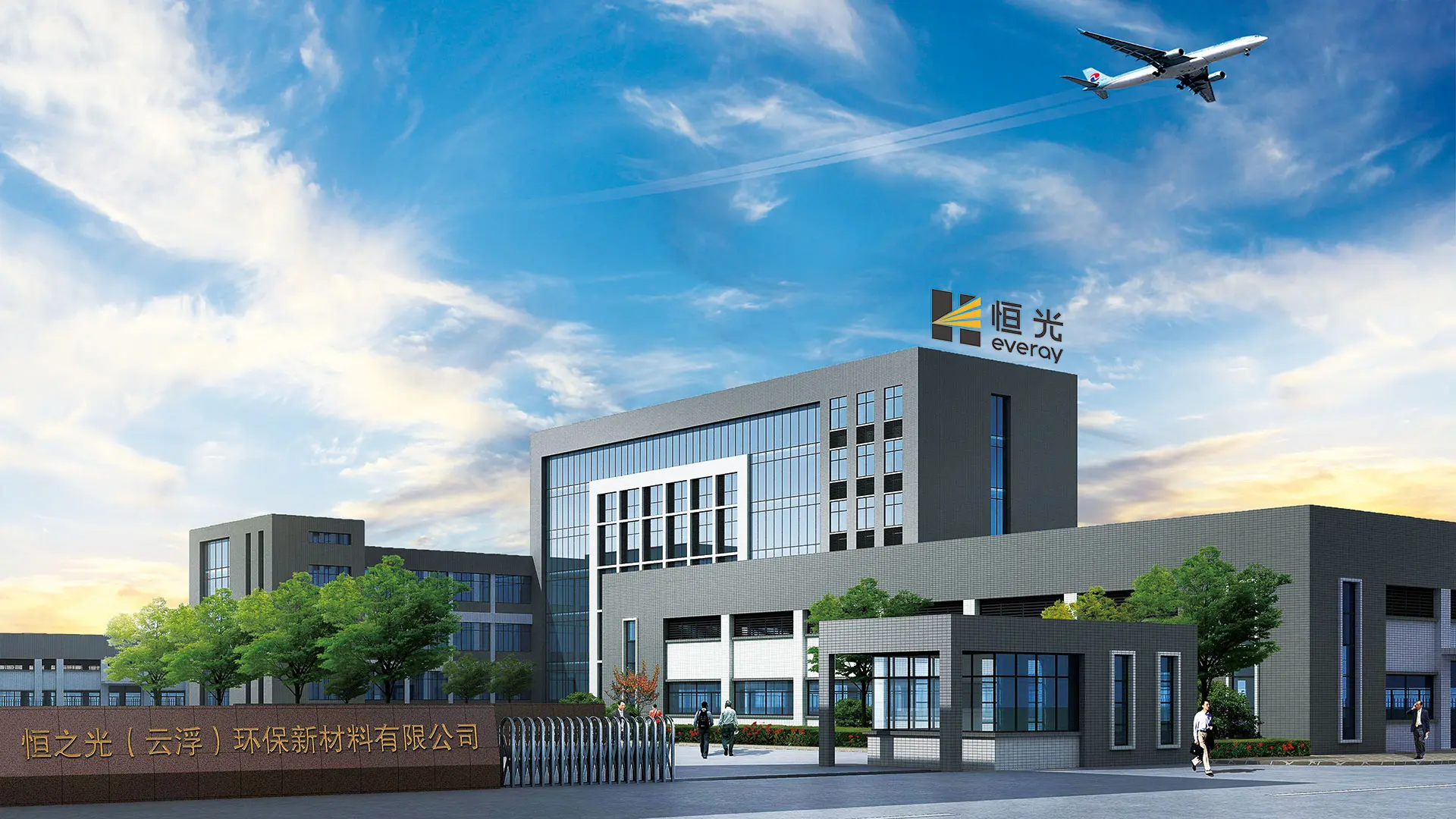
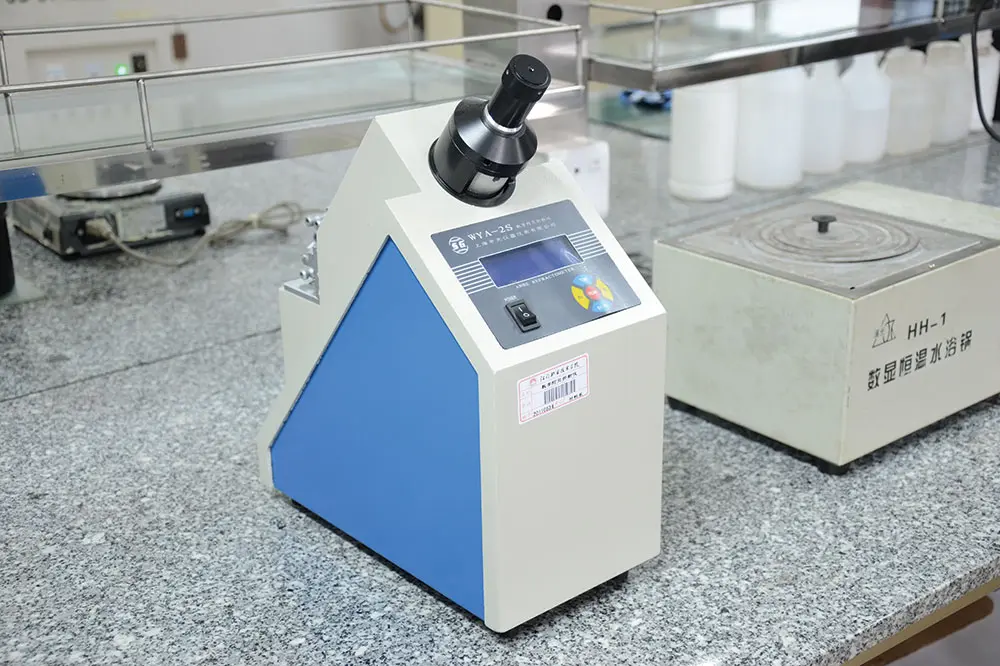
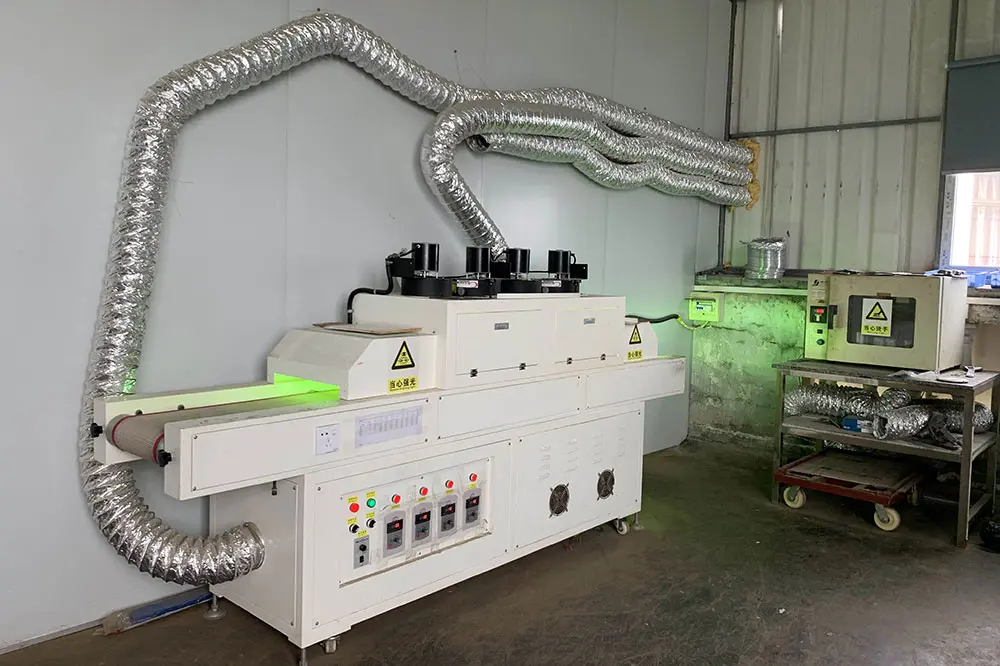
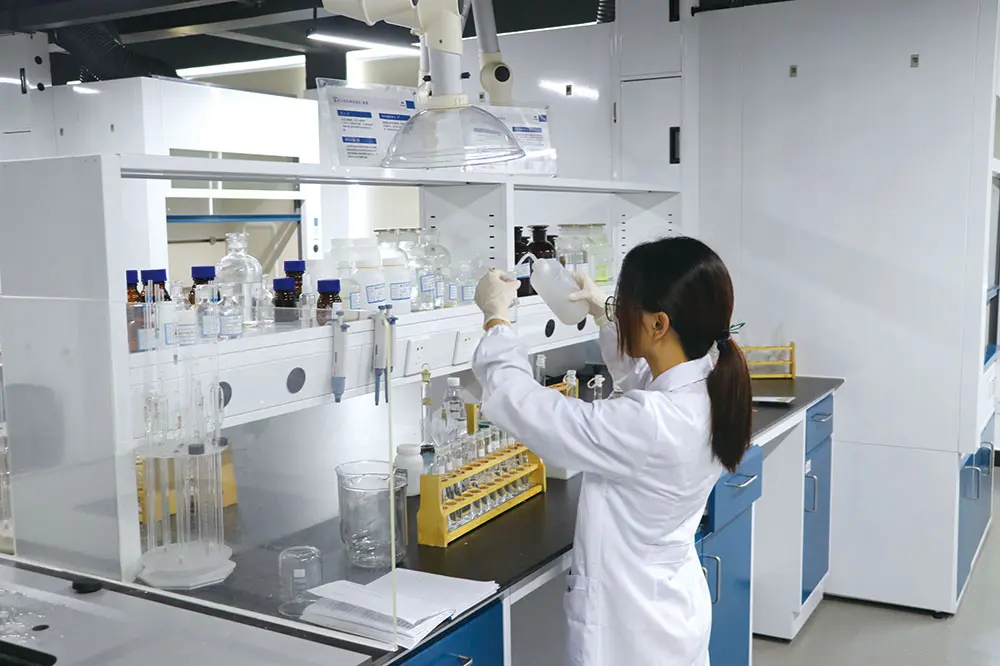
Our modern chemical manufacturing sites are engineered for safety, absolute batch-to-batch consistency, and sustainable environmental output.
Operating since 2006, Ever Ray has built a formidable production infrastructure. We split production across two advanced manufacturing bases in Guangdong province:
With more than 10 modern production lines running concurrently, we sustain an annual production volume exceeding 20,000 tons. The entire logistics, quality management, and waste treatment systems conform strictly to ISO9001:2015 Quality Management System and ISO14001:2015 Environmental Management System parameters.
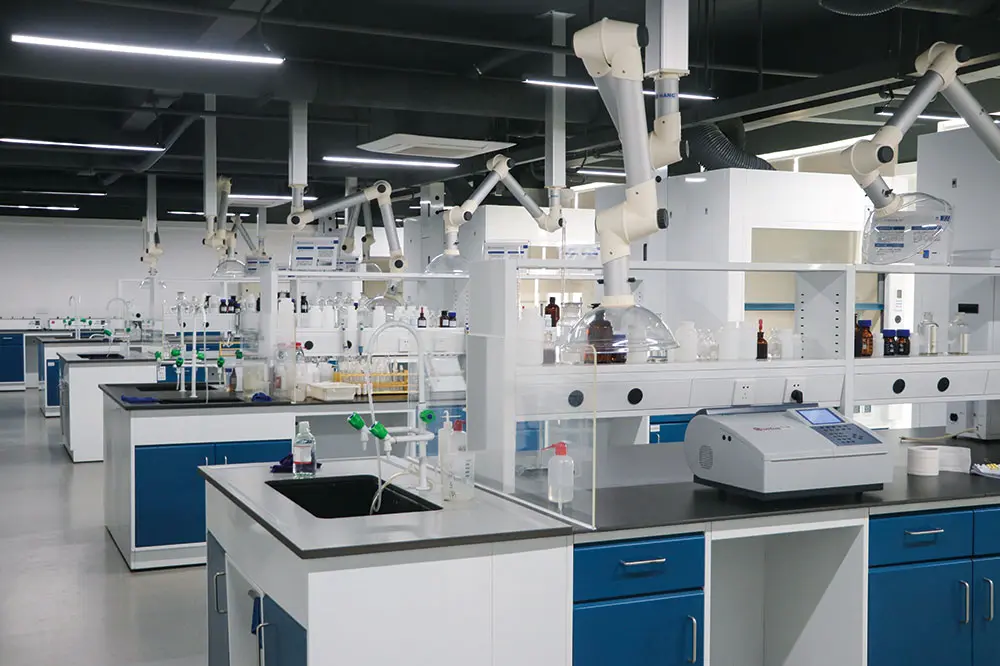
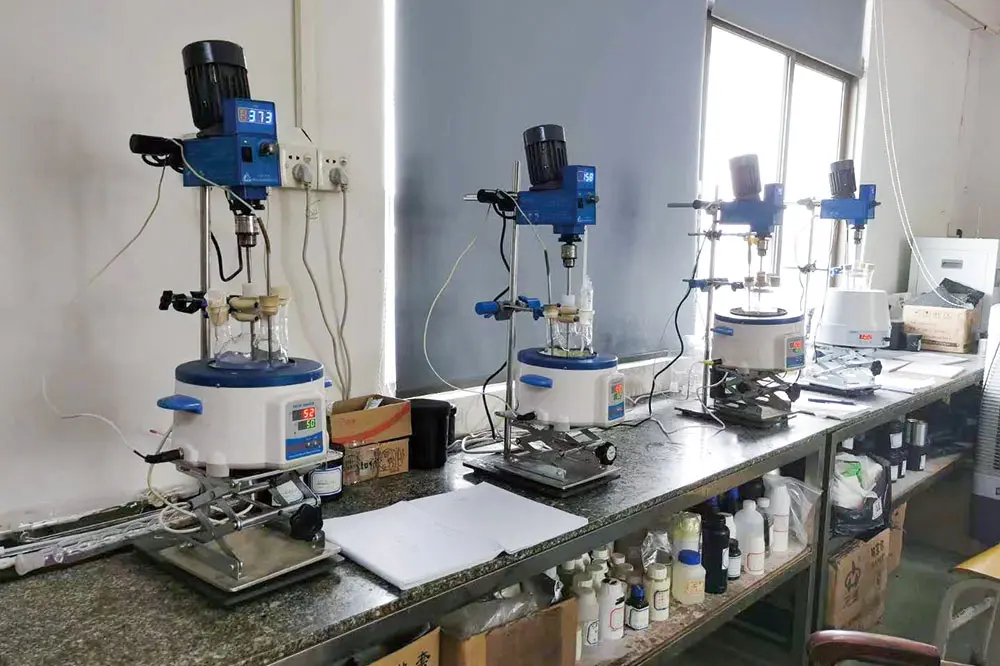
Understanding how specific oligomeric classes affect final crosslinked paint networks.
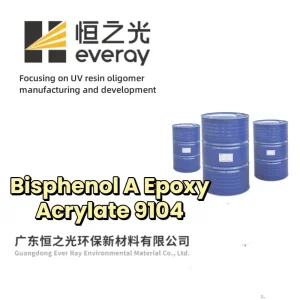
Synthesized via the reaction of acrylic acid with bisphenol-A diglycidyl ether or modified epoxies. Epoxy acrylates are recognized for their exceptionally fast radical curing kinetics, high tensile modulus, and excellent chemical resistance. They form the foundational matrix for UV wood primers, paper overprint varnishes, and packaging ink formulas.
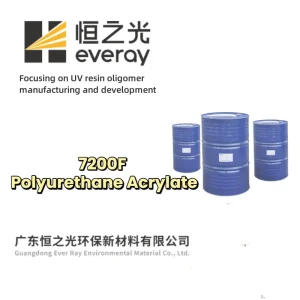
Aliphatic and aromatic urethane acrylates provide premium flexibility, impact strength, and high weathering performance. By adjusting the soft-segment polyols and diisocyanates, we tailor our resins to perform under extreme temperature shifts, preventing micro-cracking on metallic or polymeric substrates.
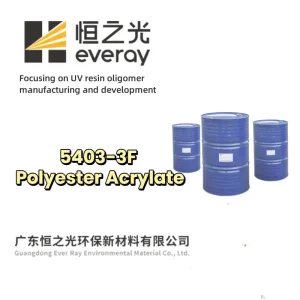
Providing low-viscosity application options, polyester acrylates represent the ideal compromise between processing characteristics, fast curing speed, and economic viability. They are widely utilized in lithographic ink applications where rheology control and ink-water balance are crucial.
Our R&D division has developed dedicated chemical formulations targeted at key industrial verticals.
High solid modified resins (like the 6118) yield maximum chemical resilience against coffee, household cleansers, and alcohol, ensuring scratch-resistant finishes on premium solid woods and MDF.
Polyester acrylates (such as 5336B) resolve the complex offset balancing challenges, offering pigments excellent wetting properties while guaranteeing instant cure cycles on fast printing presses.
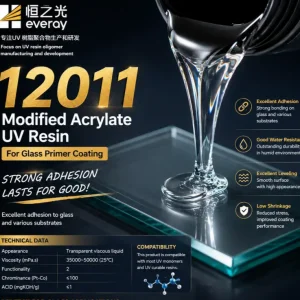
Overcoming plastic shrinkage stress: our modified acrylates balance high crosslink density with elastic soft segments, optimizing adhesion on PET, PVC, and polycarbonate films.
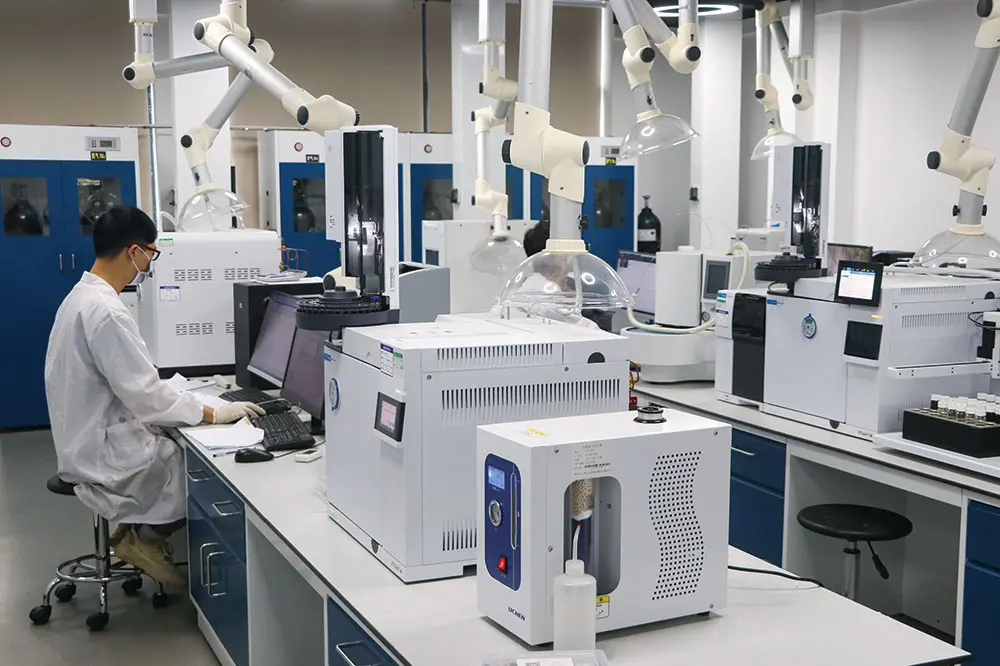
High purity, low skin irritancy, and outstanding anti-yellowing performance are verified through dedicated chromatography testing, supporting reliable, salon-grade nail gel formulation.
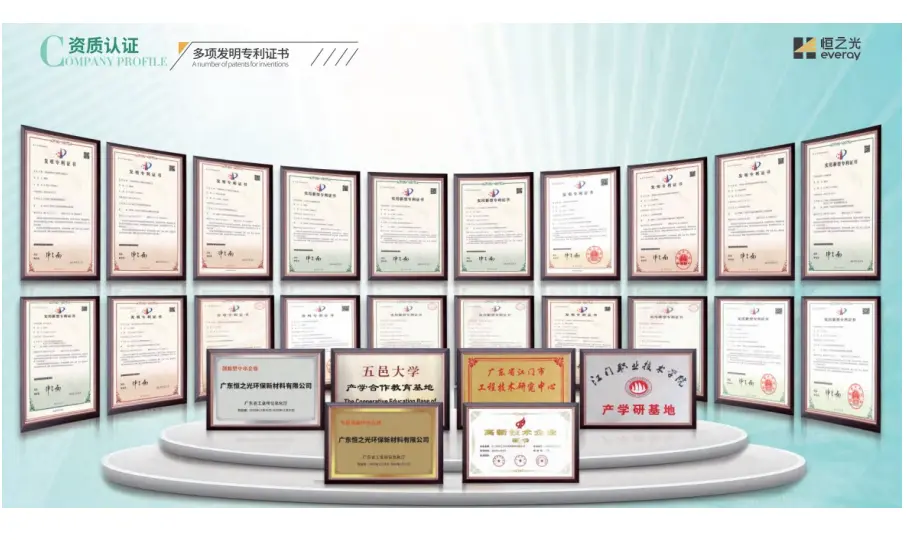
Modern manufacturing requires absolute compliance with local and international environmental frameworks. Our strategic investments in advanced eco-friendly solutions align directly with global initiatives to transition away from high-hazard petrochemical systems.
At Ever Ray, environmental stewardship is built into the molecular level of our designs. We choose bio-based or low-environmental-impact raw materials, reducing dependence on petroleum-derived intermediates.
Our R&D pathway focuses on solving critical emerging challenges in the global industrial coatings market.
Integrating hydrophilic chain segments into polyurethane matrices (such as 70251) to eliminate VOCs entirely, while preserving the rapid physical cure and durability of classic UV formulations.
Designing oligomers that react at longer UV-A wavelengths (365–395nm). LED lamps consume significantly less energy than mercury lamps, and generate less heat on delicate plastic substrates.
Developing high-performance oligomers containing more than 30% renewable biological feedstocks (like seed oils and wood rosins) without sacrificing chemical or mechanical properties.
Expert insight into solving challenges during UV-curable coating design and industrial scale-up.
Explore our remaining functional resins developed to improve scratch resistance, curing speed, and adhesion profiles across specialized applications.
 Ever Ray