Explore our industrial-grade, high-purity prepolymers engineered for exceptional adhesion, chemical resistance, and curing velocity.
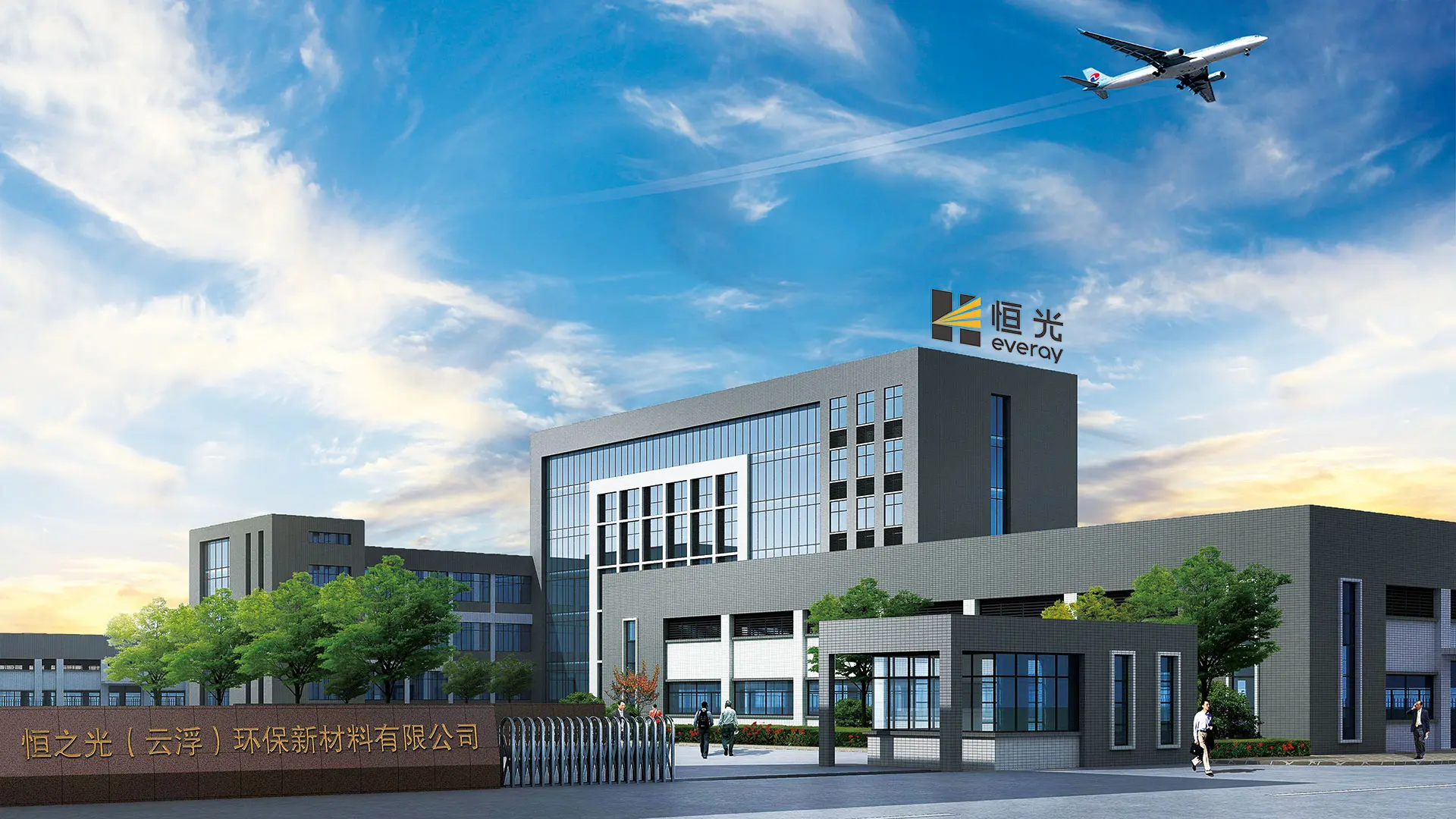
Established in 2006, Guangdong Ever Ray Environmental Material Co., Ltd. is a premier high-tech enterprise focusing on the R&D and manufacturing of oligomers for UV curable resin. Our comprehensive product portfolio includes high-performance epoxy acrylate, polyurethane acrylate (water-borne, aliphatic urethane, and aromatic urethane), polyester acrylate, pure acrylate, and other special functional modified acrylate oligomers.
We are dedicated to providing global industrial markets with reliable, highly reactive, chemical-resistant, and high-gloss prepolymers. By leveraging advanced polymerization techniques and strict quality control, we support critical application fields such as wood coatings, consumer electronics, printing inks, functional packaging, adhesives, and rapid-prototyping 3D manufacturing systems.
Core Technical Focus: Combining environmental compatibility with cutting-edge chemical engineering. Ever Ray's materials are engineered to lower VOC footprints while maximizing crosslinking efficiency and curing speeds, keeping our global clients ahead of strict international environmental regulations.
Scale, precision, and safety are the structural pillars supporting Ever Ray's position as a reliable global wholesale supplier.
To ensure supply chain resilience, Ever Ray operates two state-of-the-art chemical manufacturing facilities in Guangdong, China:
Our facilities are operated under strict compliance with the ISO9001 Quality Management System and ISO14001 Environmental Management System. The entire manufacturing environment is integrated with a DCS (Distributed Control System) computerized automation controller, ensuring batch-to-batch consistency and high safety standards.
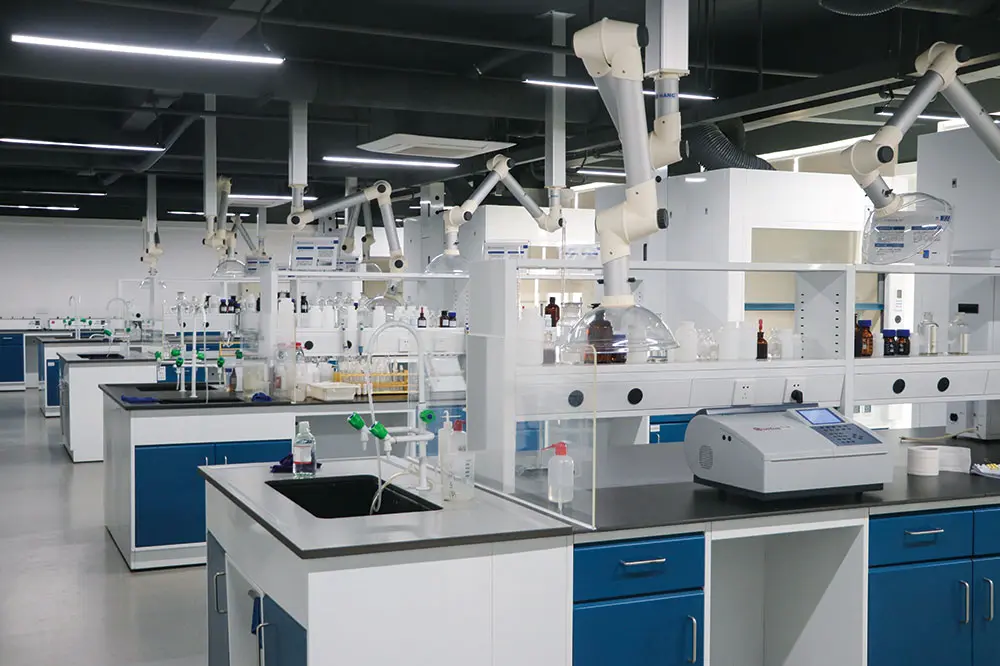
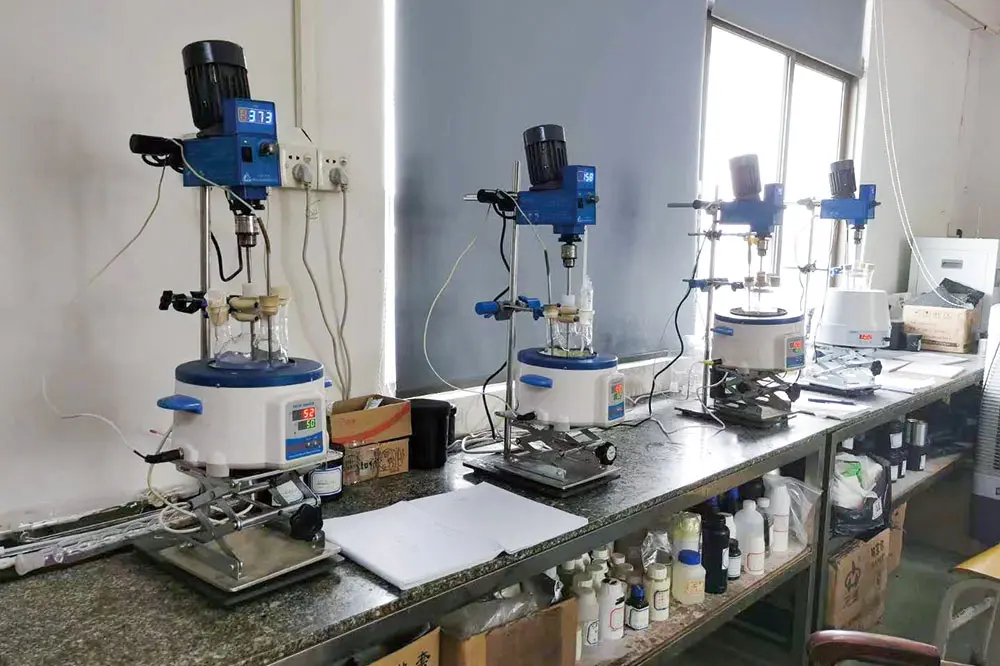
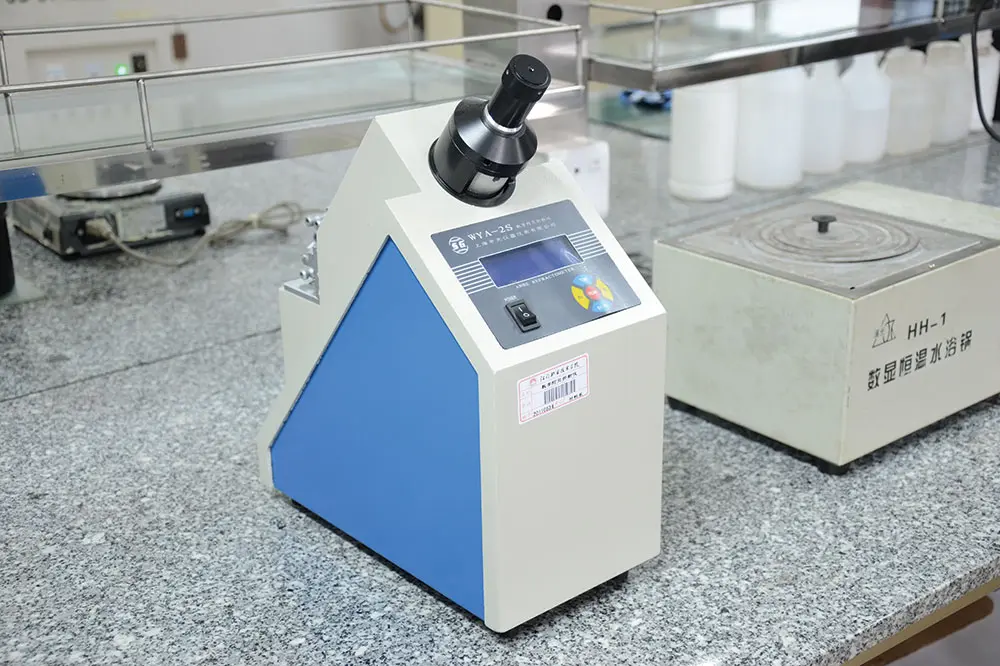
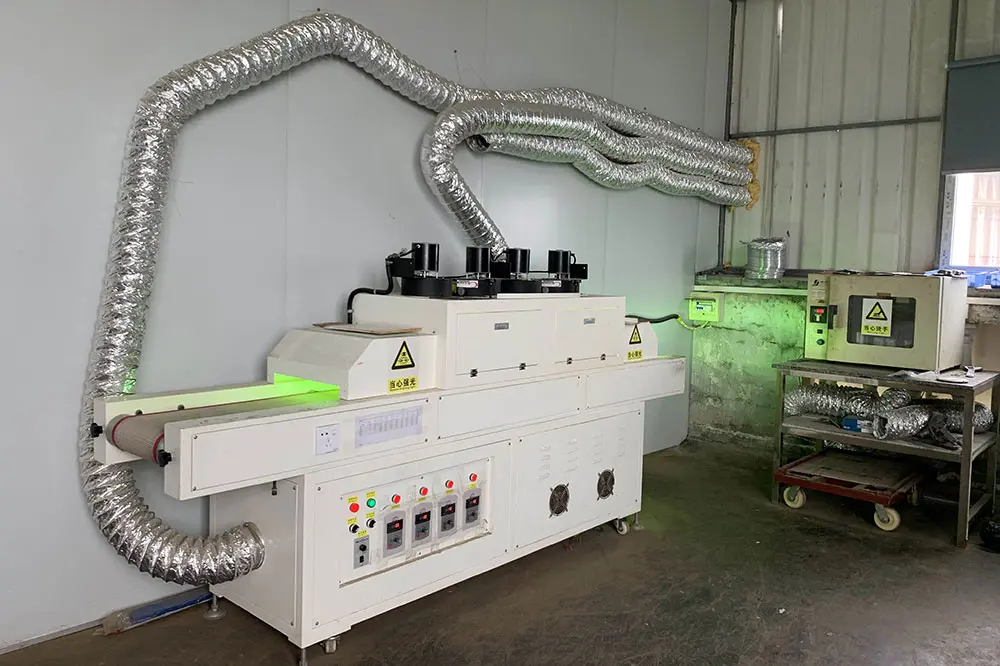
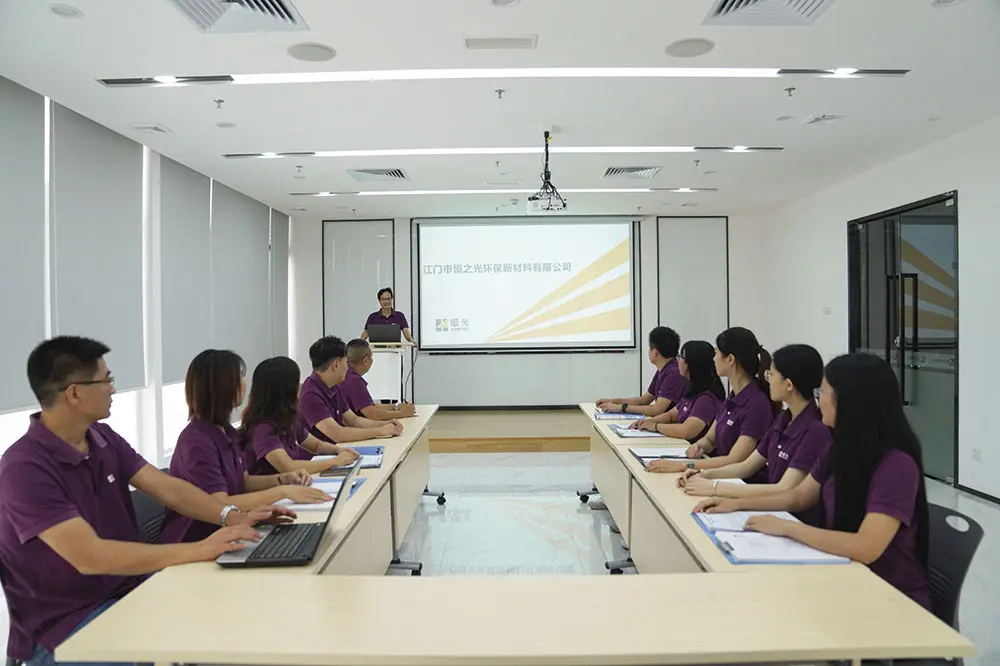
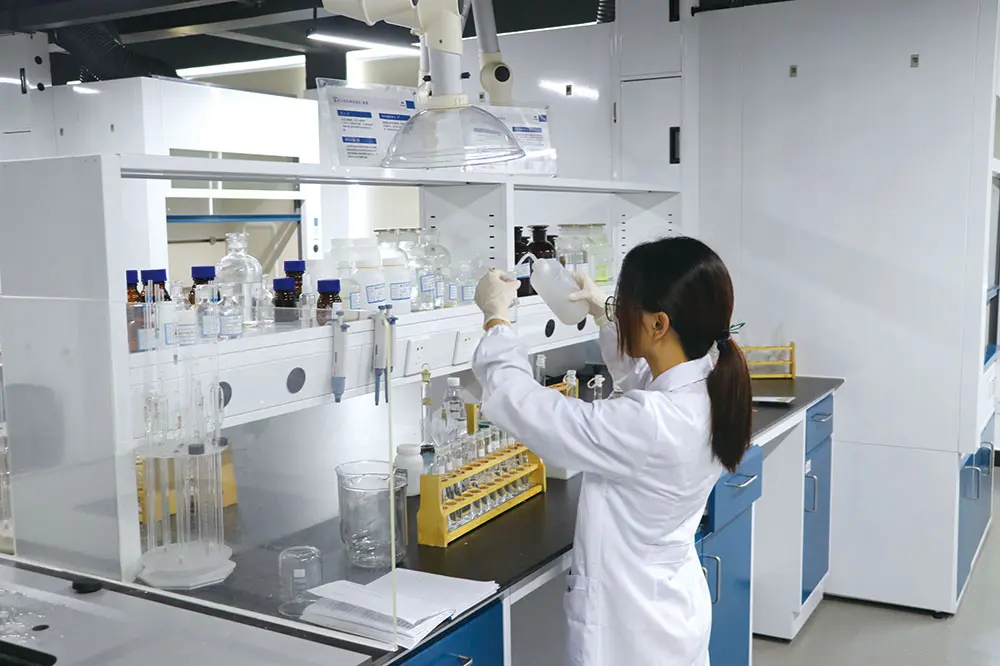
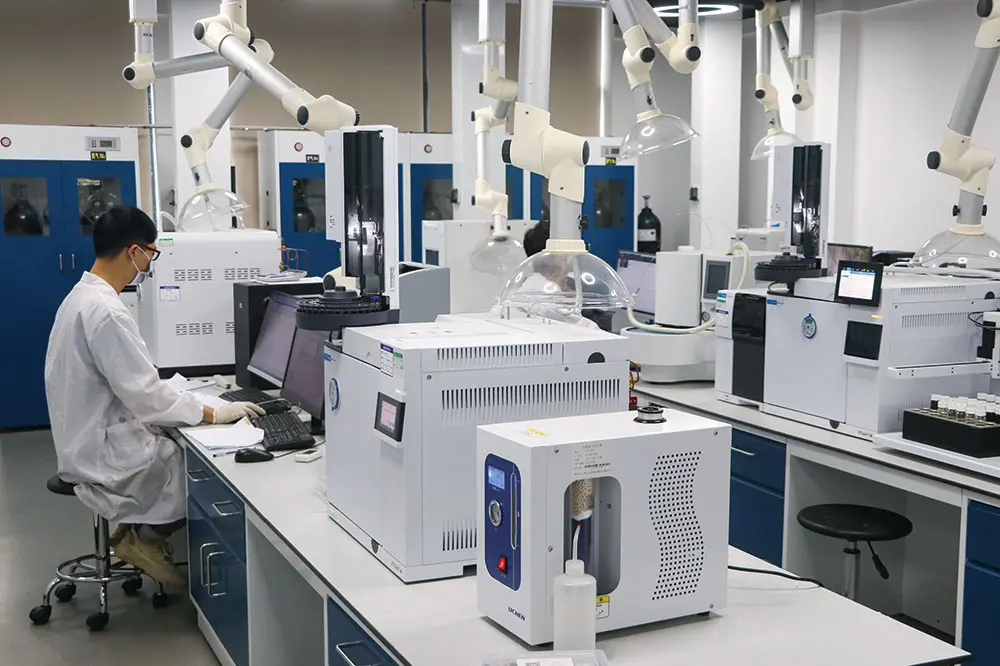
Inside our DCS-controlled chemical synthesis reactors and testing labs.
Why Tier-1 industrial buyers partner with Ever Ray for raw material procurement.
Operating from Guangdong places Ever Ray at the epicenter of the global chemical supply chain. We source high-grade raw materials directly, minimizing internal logistics lag. This operational layout, paired with optimized synthesis pathways, translates to stable pricing and reliable delivery schedules for international partners.
With over 15 full-time technicians and 10+ utility and invention patents, we focus heavily on application testing. Our engineering team designs custom prepolymers to match client-specific metrics for curing speed, yellowing prevention, shrinkage control, and viscosity adjustment.
We ensure that global shipments conform to safety parameters, providing comprehensive Safety Data Sheets (SDS), Technical Data Sheets (TDS), and product compliance profiles (such as REACH alignment and low-VOC classifications) for seamless customs entry.
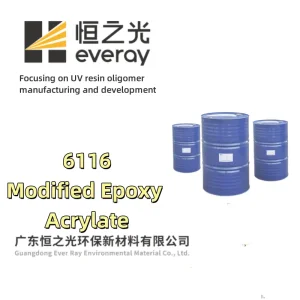
UV curing technology relies on rapid polymerization initiated by ultraviolet light. In this chemistry, the choice of oligomer defines the core properties of the cured film. Epoxy acrylates are widely recognized for their fast cure rate, high hardness, excellent chemical resistance, and high gloss. However, unmodified bisphenol-A epoxy acrylates can sometimes exhibit high shrinkage and low flexibility. To address these characteristics, Ever Ray synthesizes modified structures—such as our low-shrinkage modifications—to optimize toughness without sacrificing adhesion.
Selecting the correct oligomer class depends on your mechanical and environmental specifications. The table below highlights the relative performance profiles across our primary chemistry groups:
| Oligomer Class | Cure Rate | Adhesion Profile | Hardness / Wear | Flexibility / Elongation | Principal Applications |
|---|---|---|---|---|---|
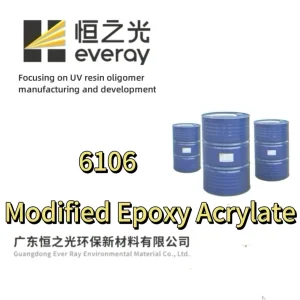
| Modified Epoxy Acrylate (e.g., 6203F, 6106) | Excellent | High (Improved) | Very High | Moderate | Paper varnishes, wood topcoats, plastic coatings, screen inks |
| Polyurethane Acrylate (UA) (e.g., 7296-1) | High | Excellent | High | Very High | 3D shoe elastomers, vacuum metallization, scratch-resistant coatings |
| Polyester Acrylate (e.g., 5501, 5052B-2) | Moderate to High | Good | Moderate | Good | LED-UV wood coatings, flexo packaging inks, dilution adjusters |
| Hyperbranched Acrylates (e.g., 4600) | Ultra-Fast | Good | Extremely High | Low (High Tg) | High-hardness protective varnishes, low-viscosity optical inks |
Our product portfolio is engineered to address key technical demands across multiple industries:
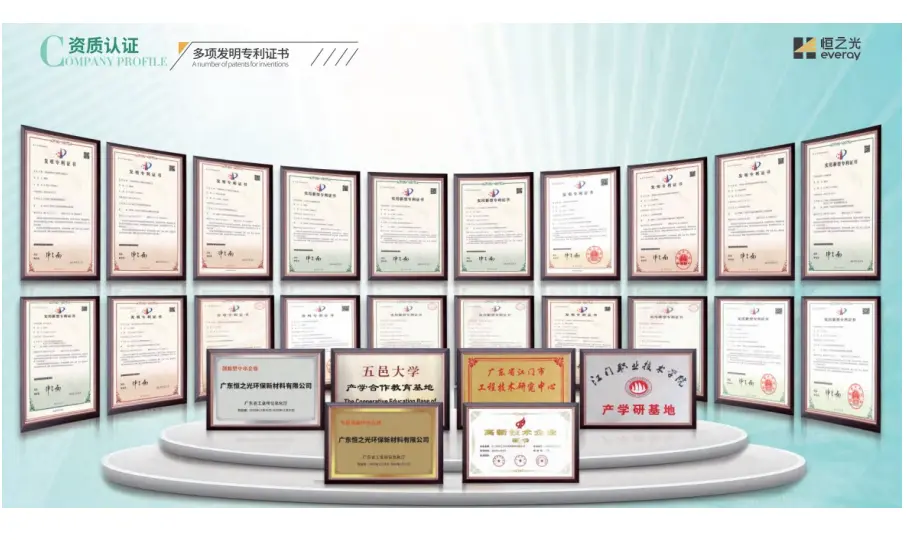
In-depth insights into polymerization, processing, and application engineering.
Explore our additional range of oligomers designed for high-performance coatings, packaging, and printing applications.
 Ever Ray