High-performance solutions designed for PCB coatings, solder resists, 3D printing substrates, and robust structural adhesives.
Decoding material requirements, micro-chemical specifications, and industrial value chains in high-density electronics manufacturing.
Executive Summary: The printed circuit board (PCB) sector is undergoing a rapid evolution driven by high-frequency signals, high-density interconnect (HDI) structures, and electric vehicle power systems. At the center of this transition lies the chemistry of the base polymer. High-performance epoxy acrylates, polyurethane acrylates, and specialty oligomers form the foundation of solder resists, dielectric layers, and vacuum metallization primers. Achieving zero defect manufacturing and long-term chemical durability in severe working environments requires careful balance of mechanical toughness, thermal stability (Tg), low shrinkage, and high purity.
Globally, PCB manufacturers demand materials that can survive multiple lead-free reflow cycles exceeding 260°C. Raw epoxy resin substrates must exhibit high glass transition temperatures (Tg) and low coefficients of thermal expansion (CTE). From a chemical synthesis perspective, modifying standard epoxy matrices with acrylate groups (producing epoxy acrylates) combines the mechanical toughness, high adhesion, and chemical resistance of epoxies with the ultra-fast reaction times of radical UV curing. Consequently, modern PCB factories look to wholesale chemical synthesis partners who can supply reliable, high-purity oligomers that can be integrated directly into liquid photoimageable (LPI) solder mask formulations and dielectric build-up systems.
In addition to electrical performance, environmental regulations are restructuring supply chains. Regulatory bodies globally are pushing for halogen-free, RoHS-compliant raw materials. As a result, the chemical components utilized must be developed from advanced, low-toxicity chemical synthesis routes. For example, modified epoxy acrylates are increasingly tailored to exhibit higher water solubility/water dispersibility to support waterborne developer processing, reducing the release of volatile organic compounds (VOCs) during factory coatings.
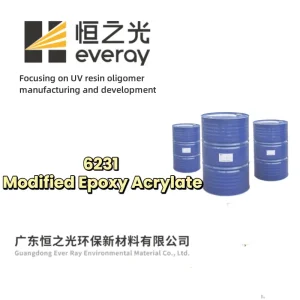
The performance of solder masks—often the final coating line on a PCB board—depends entirely on the crosslink density of the oligomer structure. Suppliers must control oligomer parameters such as molecular weight distribution, acrylic acid conversion rates, and overall functionality. For instance, high-purity epoxy acrylates like our Model 6231 are optimized for rapid photo-polymerization under standard high-pressure mercury lamps or modern UV-LED direct imaging (DI) lines, providing high acid, base, and plating chemical resistance.
Optimized multi-functional acrylates ensure high chemical defense during electroless nickel immersion gold (ENIG) processing.
Superior adhesion on copper, glass fiber laminates, and polyimide bases prevents delamination at temperatures over 260°C.
Slight modifications to oligomer chains mitigate internal stress, ensuring minimal warp in ultra-thin circuit boards.
Moreover, the integration of 3D printing into custom PCB prototyping requires dual-curing photothermal resin systems (such as our 72017 Photo-Thermal Dual-Curing Polyurethane Acrylate). This allows components to achieve rapid UV-assisted shaping, followed by an oven-based thermal step to complete deep polymerization in shadow regions beneath tracks and copper layers.
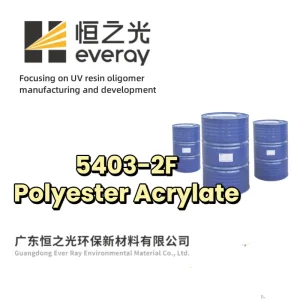
Established in 2006, Guangdong Ever Ray Environmental Material Co., Ltd. is a specialized high-tech enterprise focused on the R&D and large-scale manufacturing of oligomers for UV curable systems. Our core catalog includes epoxy acrylates, polyurethane acrylates (waterborne, aliphatic urethane, and aromatic urethane variants), polyester acrylates, pure acrylates, and special functional modified acrylate oligomers designed to optimize demanding industrial formulations.
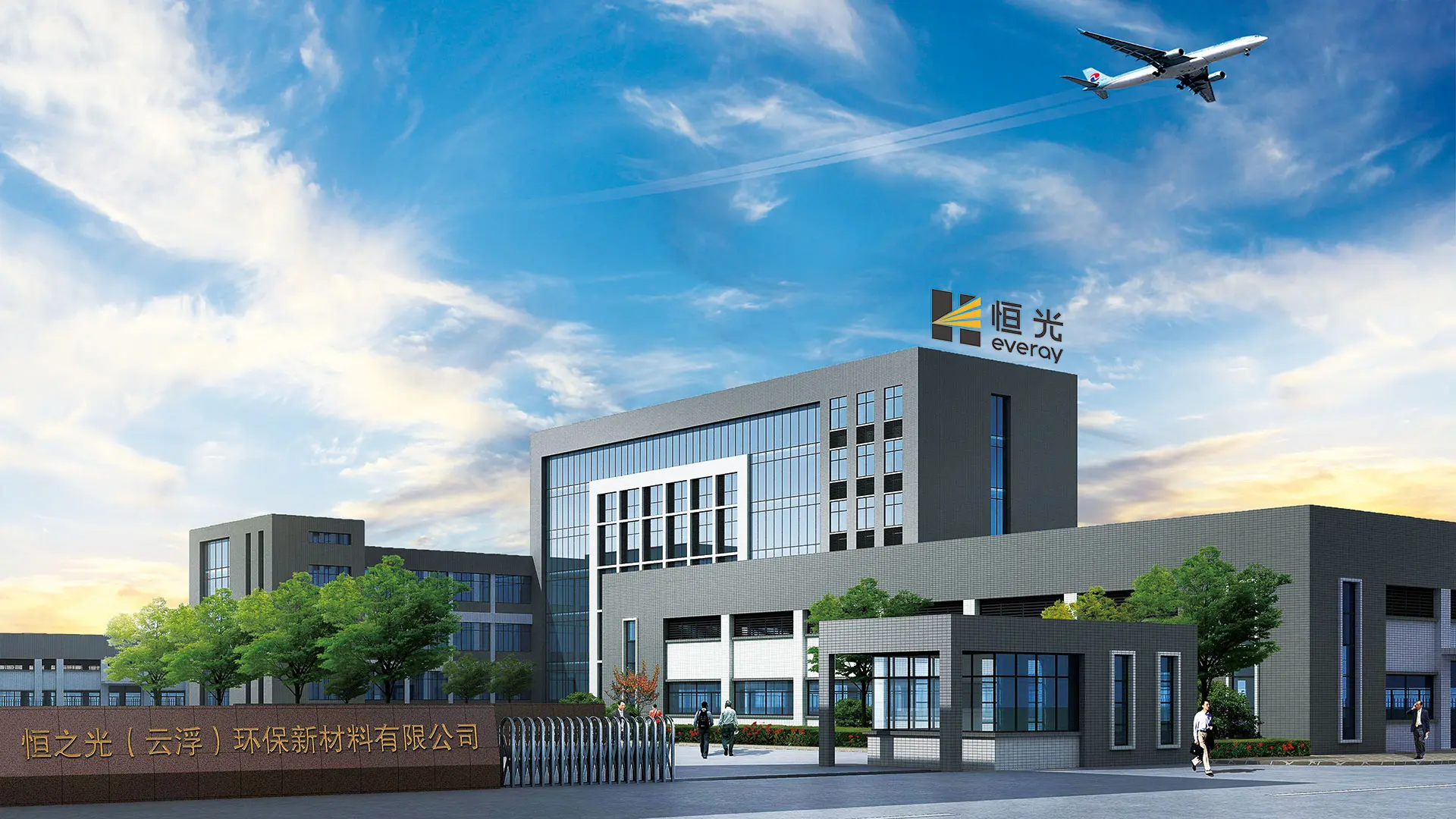
Ever Ray operates two modern manufacturing bases to guarantee supply stability to our global partners:
Equipped with more than 10 advanced automated lines driven by DCS fully computerized control, our combined annual production capacity exceeds 20,000 tons. Our production sites operate under the rigorous dual guidance of ISO9001 Quality Management Systems and ISO14001 Environmental Management Systems. We source premium local and imported chemical raw materials, ensuring that every batch meets the exact purity standards demanded by PCB solder resist and electronic coating formulators.
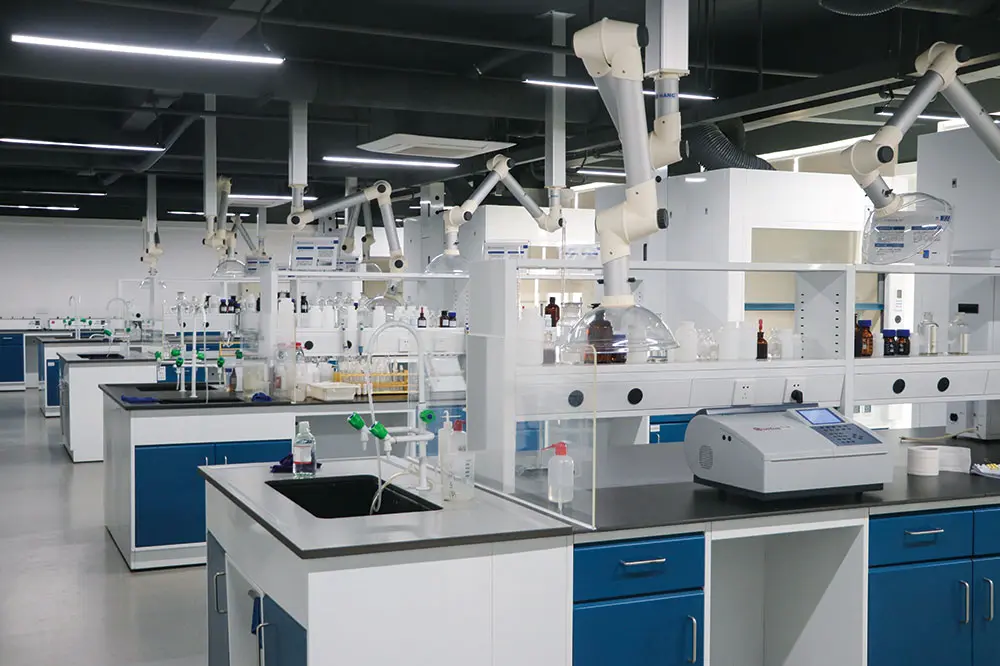
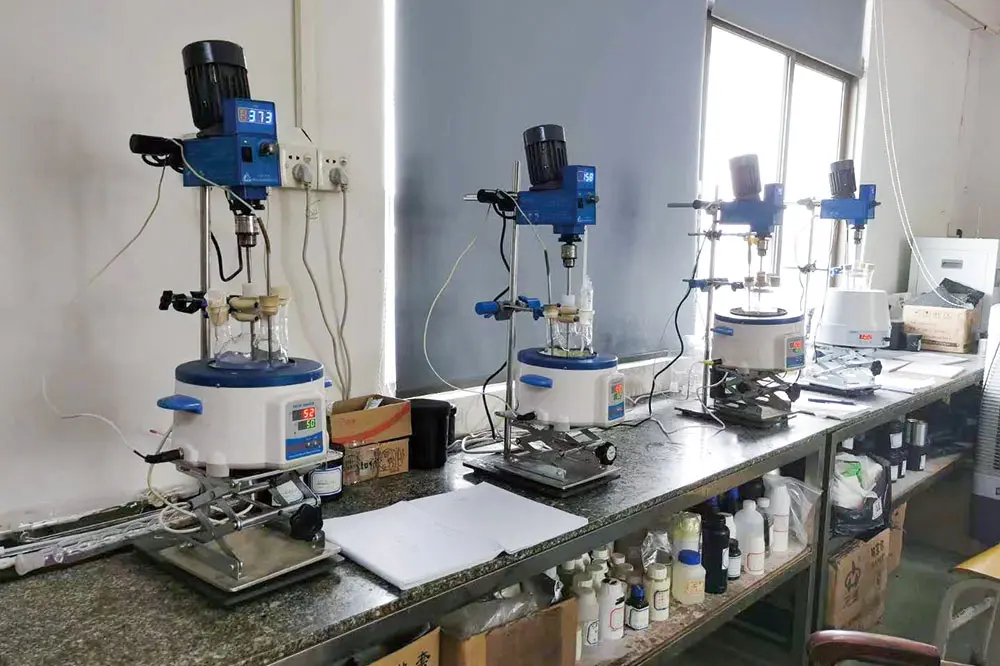
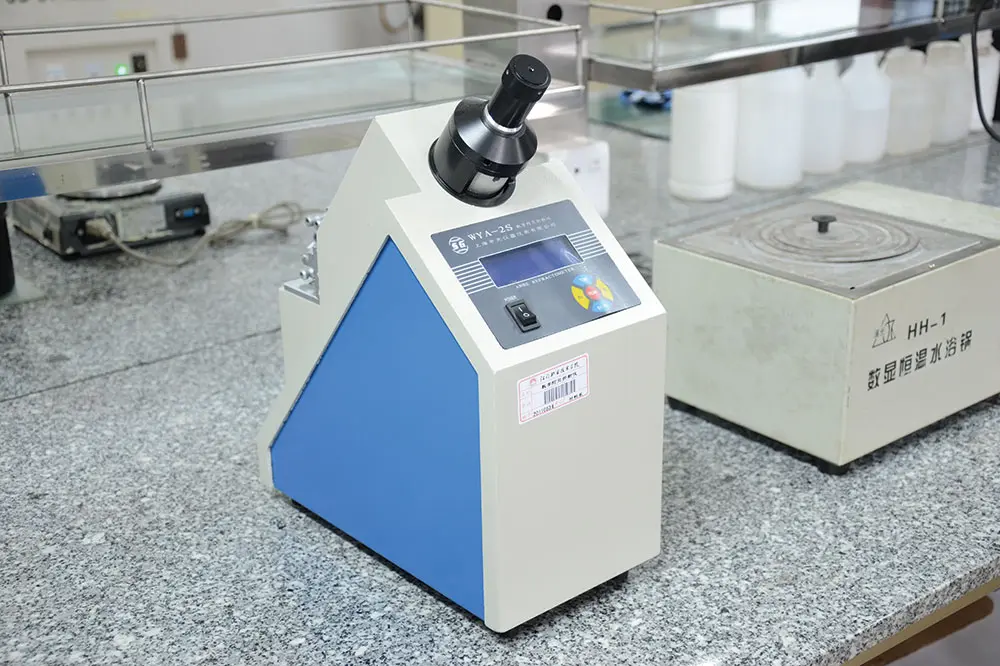
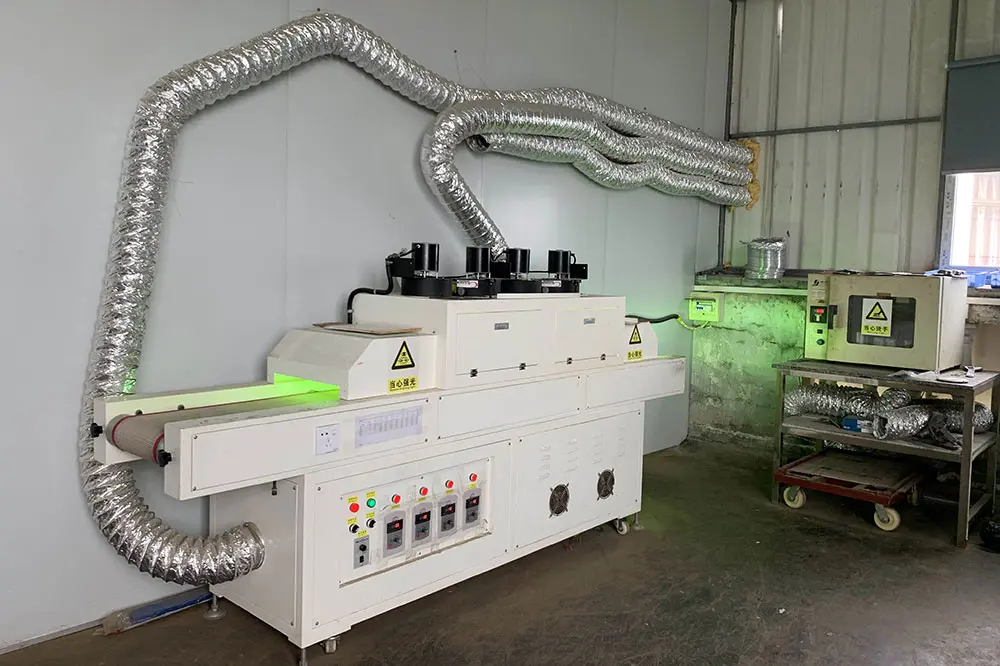
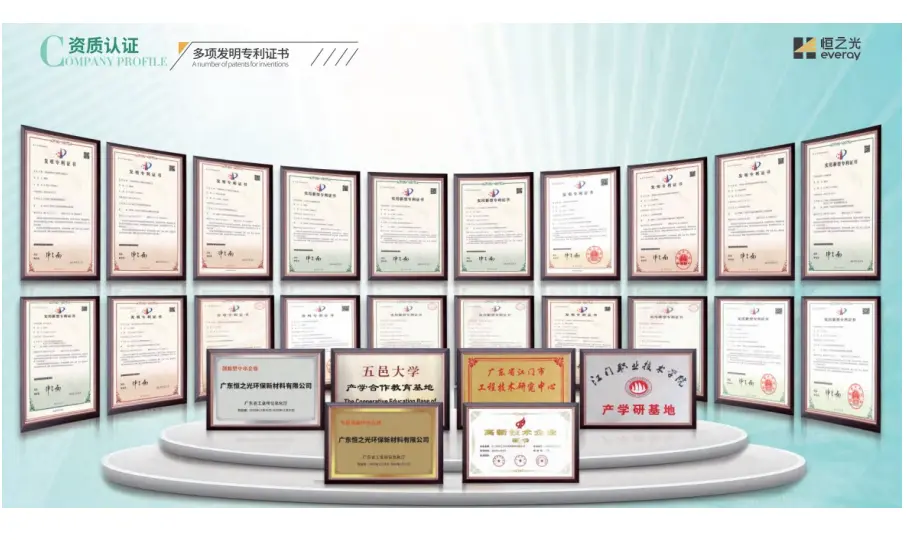
Guided by our dedicated R&D department consisting of over 15 professional chemists and technicians, we hold more than 10 invention patents and practical patents. We deliver oligomer materials that exhibit high reactivity, chemical resistance, low yellowing, and superior gloss profile modifications for wood coatings, plastics, electronics, industrial inks, and adhesives. By balancing technical performance with cost optimization, Ever Ray provides the tailored formulations necessary to help global businesses run more efficient operations while complying with green, sustainable manufacturing standards.
The chemical evolution toward green, low-shrinkage, and high-frequency compatible electronic resin matrix design.
Standard bisphenol-A type epoxy acrylates can sometimes display brittle behaviors and high curing shrinkage when highly crosslinked. To overcome these performance ceilings, Ever Ray's R&D team designs modified variations. By introducing aliphatic urethane chains or polyester structures into the chemical backbone, we produce hybrid oligomers that present the mechanical flexibility of polyurethane acrylates and the raw chemical defense of epoxy acrylates. This molecular structure reduces the shrinkage stress on thin copper foils, preventing substrate warp in flexible PCB (FPC) applications.
Our technical development focuses heavily on the balance between curing velocity and deep conversion. In ultra-fine line solder mask applications, curing energy must be minimized to protect heat-sensitive materials. By optimizing the acrylate functionality of our oligomers, we allow formulating chemists to achieve full curing profiles with lower UV radiation levels, reducing cost and thermal load on the production line.
Traditional PCB ink production requires large fractions of volatile monomers or organic solvents to reduce viscosity to levels suitable for screen printing or curtain coating. Environmental policies have initiated a push toward waterborne UV-curable systems. Ever Ray meets this challenge with products like our High-Quality Waterborne 70601 UV-resin. By grafting hydrophilic groups onto the polyurethane or polyester acrylate polymer skeleton, these resins disperse stably in water. Following coating and water evaporation, they undergo standard UV curing to produce high-density crosslinked networks with excellent resistance to plating baths and solder wave temperatures.
Raw Material Sourcing Strategy: Long-term supply security depends on vertical integration and batch consistency. Using automated DCS computerized control systems in our 40,000 square meter Yunfu facility, Ever Ray controls heat dissipation, chemical addition rates, and reactor temperatures. This keeps batch-to-batch variations below 2%, allowing our international buyers to maintain stable quality profiles across their manufacturing lines.
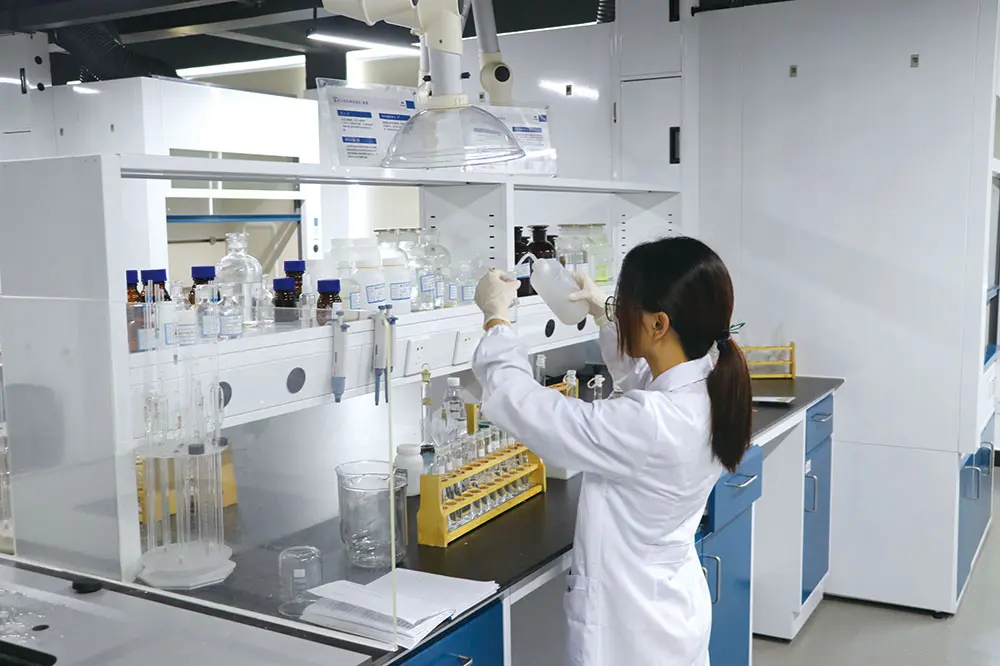
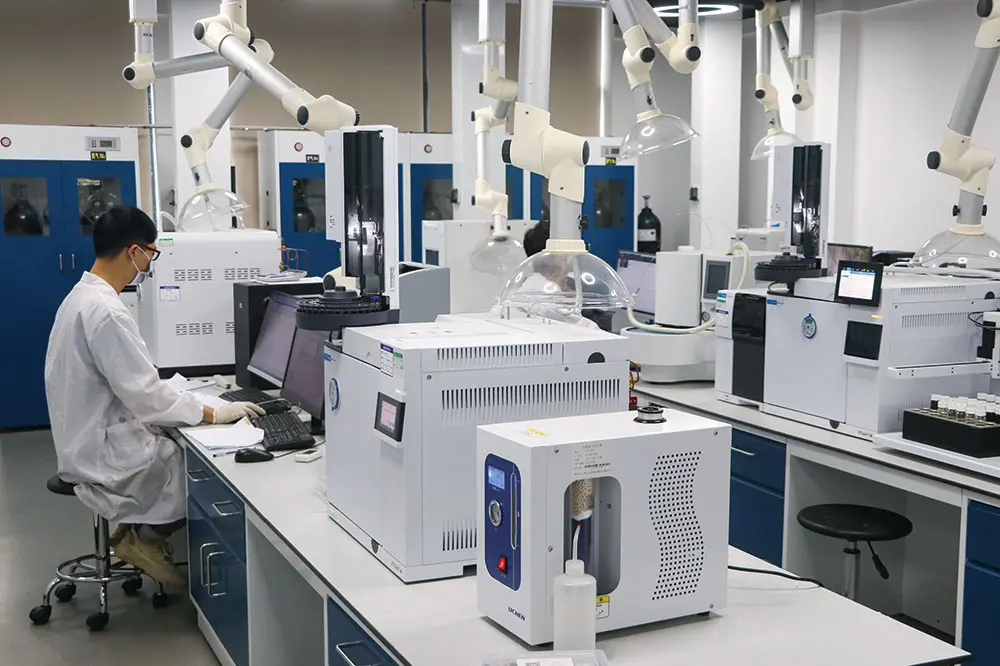
Navigating international regulatory frameworks requires strict transparency. All Ever Ray oligomers are analyzed in our analytical testing center using gel permeation chromatography (GPC) to verify molecular weight distribution, Fourier-transform infrared spectroscopy (FTIR) to verify reaction conversion, and rheometers to monitor viscosity characteristics. Our manufacturing practices align with:
Explore our technical range of epoxidized soybean oil acrylates, waterborne resins, and modified epoxy resins.
Technical answers to help process engineers and purchasing managers make informed material selections.
 Ever Ray