Explore our premium grade UV-curable monomers, oligomers, and specialty acrylates engineered at our dual chemical production bases to optimize adhesion, hardness, and curing efficiency across global industrial lines.
The global surface treatment and protection sector is undergoing a massive, structurally driven shift. As traditional solvent-borne systems face heavy environmental regulations worldwide, industrial segments are rapidly adopting high-solid and ultra-fast curing UV technologies. Within this landscape, Epoxy Resin Topcoats and specialty UV acrylates serve as the foundational bedrock for highly resistant industrial flooring, consumer electronic housings, high-speed food-safe packaging inks, and heavy-duty automotive components.
Modern epoxy topcoats must balance rigid glass-transition temperatures (Tg) with flexibility to prevent cracking during stress deformation. Our chemically synthesized oligomers resolve this trade-off directly at the molecular level, leveraging highly engineered poly-functional chains.
By drastically minimizing volatile organic compounds (VOCs) and tailoring the reactivity speed of our resins, our products easily adapt to various environmental systems, providing long-term structural integrity in harsh climates.
Operating out of highly centralized shipping corridors in Southern China, Ever Ray guarantees strategic product distribution networks, delivering consistent raw materials directly to global coating blenders and ink manufacturers.
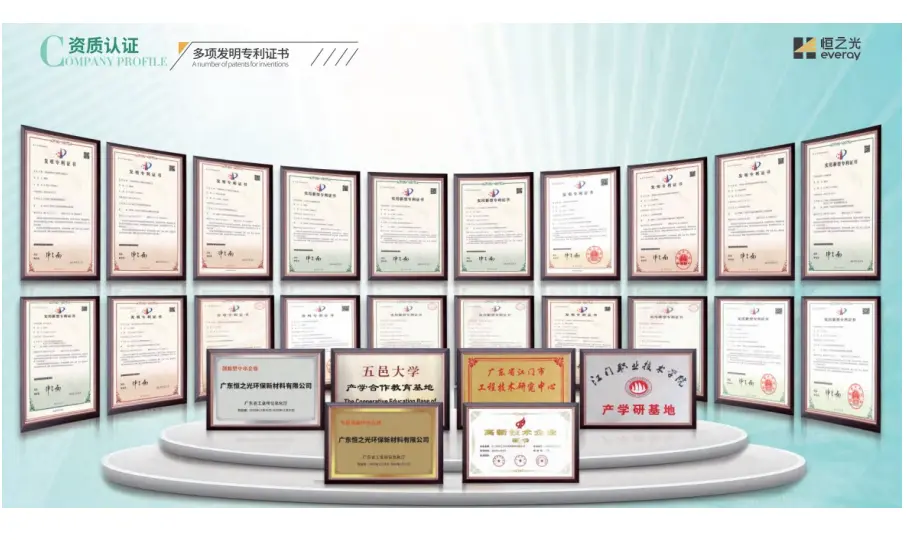
Established in 2006, Guangdong Ever Ray Environmental Material Co., Ltd. is a premier high-tech enterprise dedicated to the research, development, and high-volume synthesis of high-performance oligomers designed for UV-curable systems.
Our expansive, targeted product portfolio includes epoxy acrylates, polyurethane acrylates (ranging from waterborne, aliphatic urethane, to aromatic urethane systems), polyester acrylates, pure acrylates, and a dynamic collection of specialized functional modify acrylate oligomers customized for next-generation industrial demands.
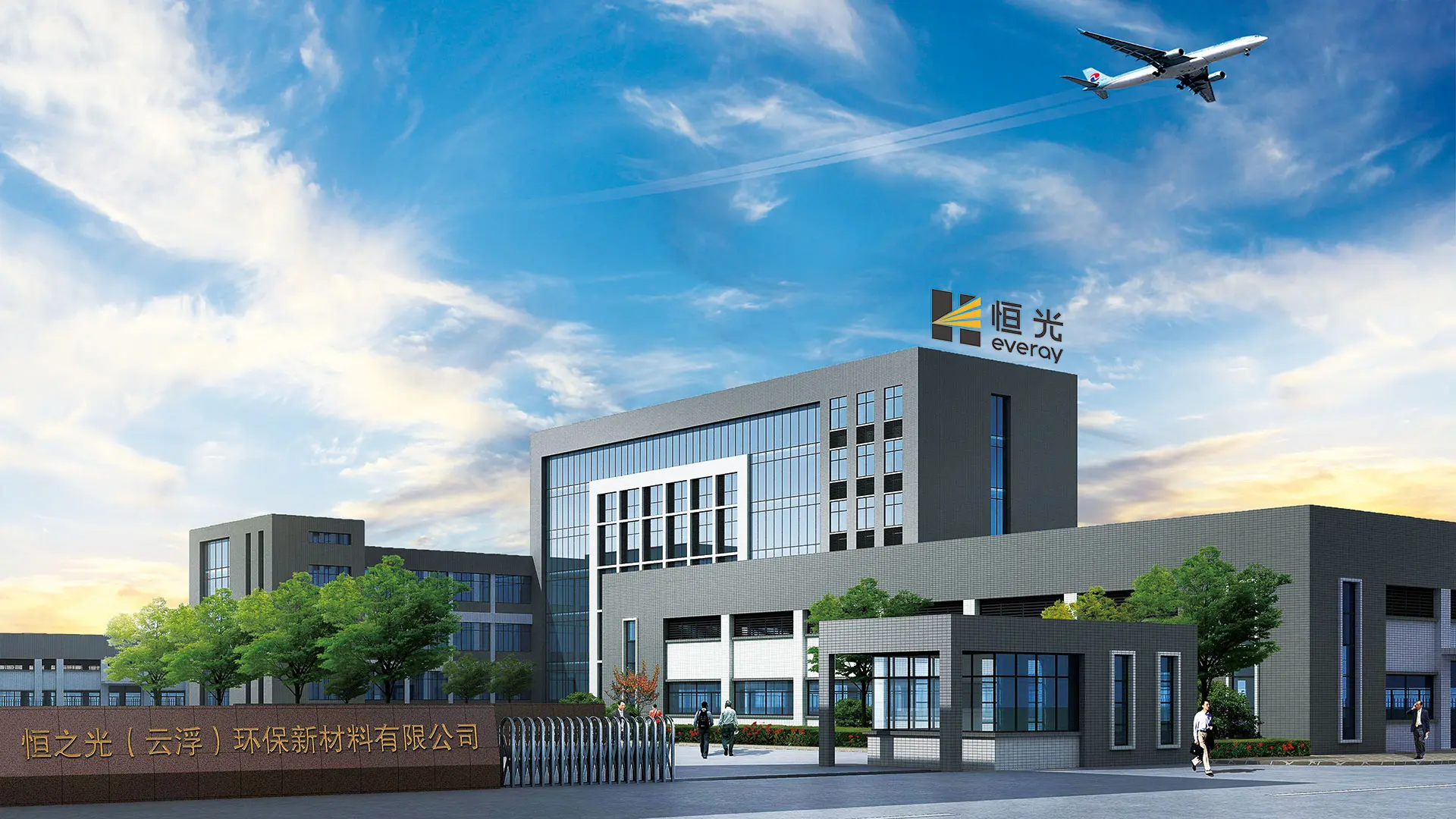
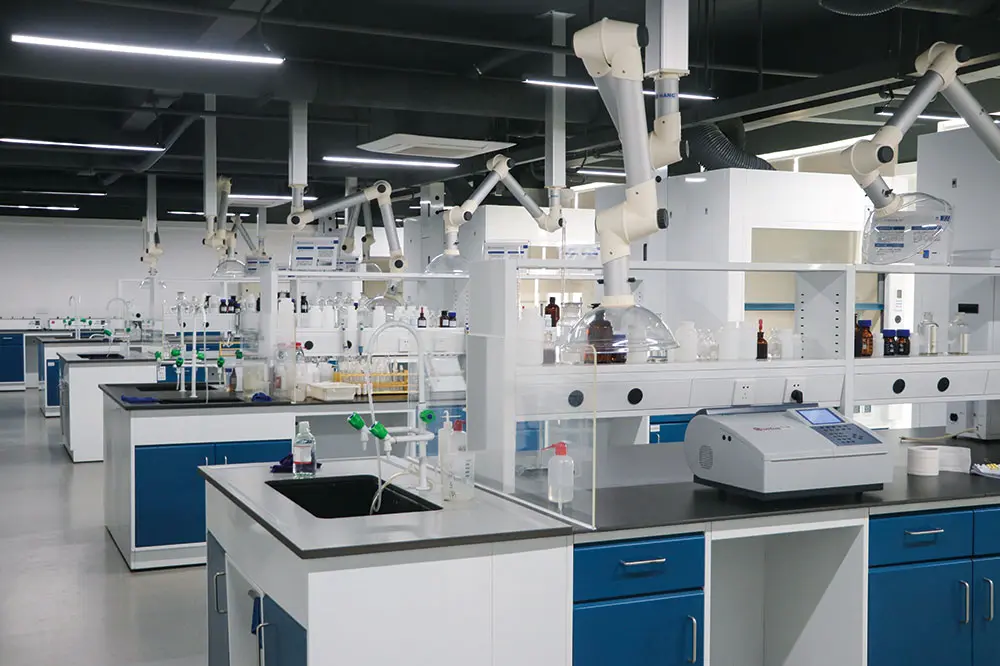
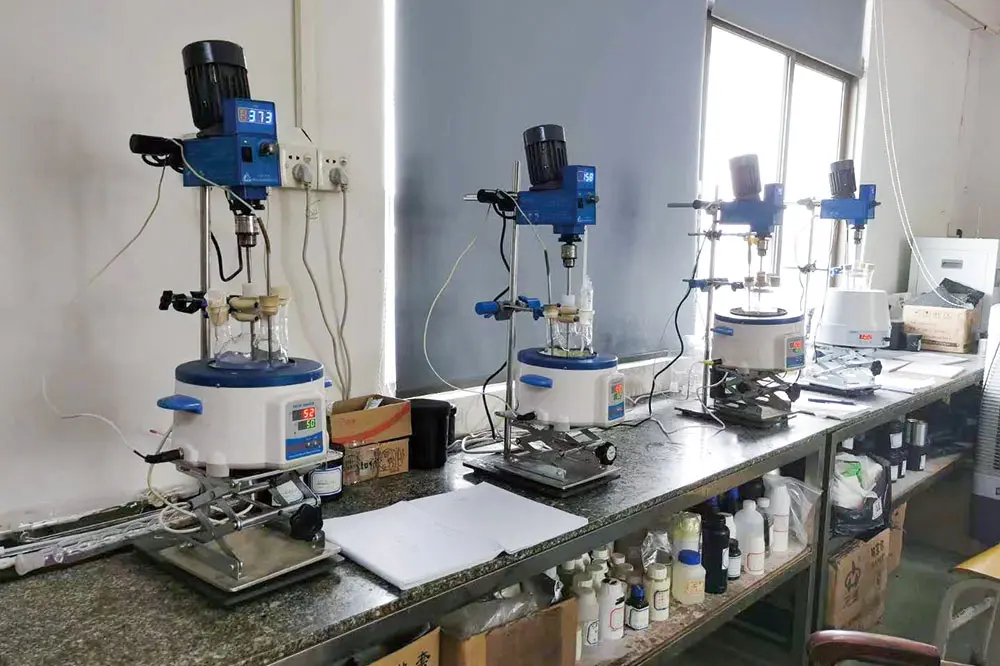
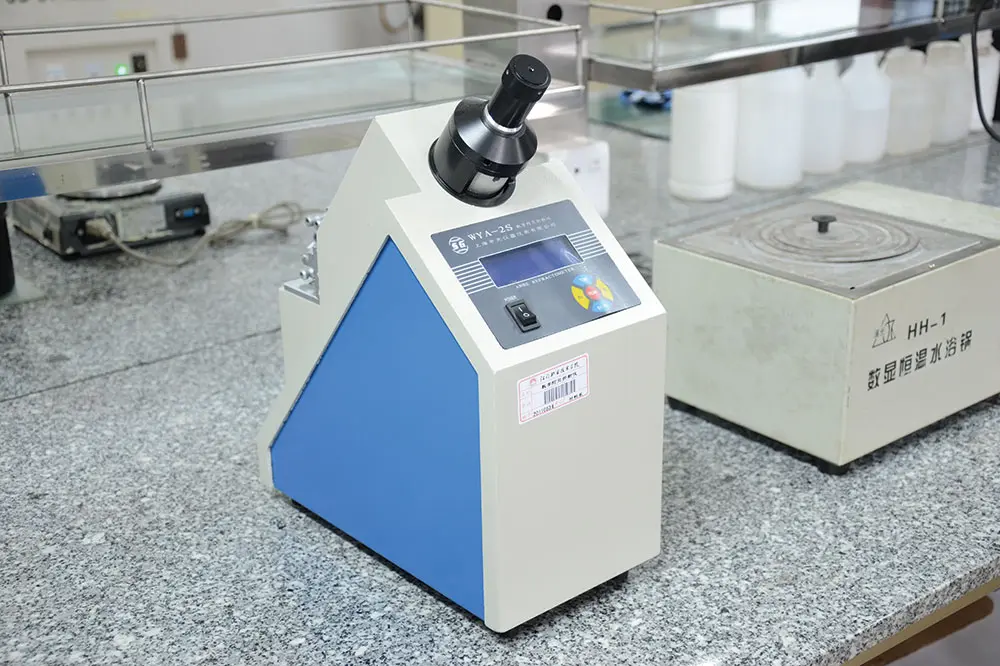
To secure a reliable supply chain for domestic and international distributors, Ever Ray operates two chemical manufacturing bases equipped with modern high-capacity infrastructure:
Both facilities operate strictly under the ISO9001 Quality Management System and the ISO14001 Environmental Management System. Our processes are driven by a centralized DCS (Distributed Control System) which ensures exact safety management, reaction heat control, consistency across batches, and absolute minimal variance in resin viscosity.
Understanding the fundamental chemistry of UV curable oligomers is essential for selecting the correct epoxy resin topcoat or binder. At Guangdong Ever Ray, we synthetically modify our oligomers to achieve customized properties for industrial formulations.
Typically synthesized through the reaction of epoxy resins (such as Bisphenol A) with acrylic acid. They are widely recognized for their exceptionally rapid curing speed, outstanding hardness, high gloss levels, and strong chemical resistance. These properties make them the definitive standard for industrial paper varnishes and premium wooden topcoats.
Combining the tough characteristics of polyurethanes with the fast radical polymerization of acrylates. Aliphatic PUA oligomers offer exceptional weatherability and anti-yellowing performance, while aromatic PUA options deliver superior economics and adhesion to tricky substrates, making them ideal for automotive finishes and vacuum metallization basecoats.
Synthesized to promote wet ink performance and maintain a critical water-ink balance. These systems exhibit low shrinkage characteristics, excellent pigment wetting properties, and high flexibility. They are highly sought after by ink manufacturers seeking superior offset printing stability.
To assist chemical formulators, coating engineers, and R&D personnel in matching product characteristics to application demands, our engineering department has mapped out our primary class behaviors:
| Oligomer Type | Curing Speed | Chemical Resistance | Anti-Yellowing | Flexibility | Key Target Application |
|---|---|---|---|---|---|
| Epoxy Acrylate | Excellent | Outstanding | Moderate | Low | Overprint Varnishes, Wood Primers |
| Aliphatic PUA | Moderate to High | Excellent | Outstanding | Excellent | Automotive parts, Outdoor topcoats |
| Aromatic PUA | High | Good | Poor | Good | Vacuum Plating, Plastic Topcoats |
| Polyester Acrylate | Moderate | Moderate to Good | Good | Very Good | UV Offset & Flexo Printing Inks |
Industrial processing parameters vary substantially by region due to localized equipment setups, environmental conditions, and material specifications. We support regional manufacturers by supplying highly adaptable formulations engineered to overcome these challenges.
With aggressive global regulations on migration and trace odor in consumer packaging, printers are turning to low-odor varnishes (e.g., our 2406 UV Resin). We provide high cure efficiency under energy-efficient LED UV lamps, ensuring low volatile residues and meeting strict food-contact safety standards.
Large-scale furniture manufacturing plants utilize automatic roller coating lines that demand stable viscosity under high shear. Our modified epoxy acrylate resins feature excellent leveling and strong wood pore penetration, sealing substrates to protect against humidity and preventing finish checking.
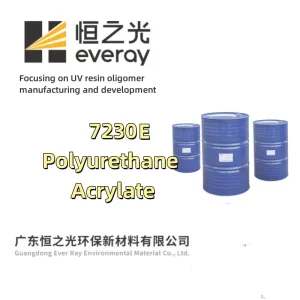
Mobile casings, cosmetics, and automotive parts depend on vacuum metallization to achieve a brilliant chrome finish. Our polyurethane acrylates (e.g., 7230E) establish strong mechanical adhesion on plastic substrates (ABS, PC, PMMA), preventing delamination under thermal stress and heavy wear.
As the international manufacturing community drives toward carbon neutrality and minimized petrochemical reliance, the R&D department at Guangdong Ever Ray is actively executing a sustainable chemical roadmap focused on three pillars:
We are currently synthesizing oligomeric backbones sourced from renewable plant oils, reducing dependence on petroleum-based acrylates. Our bio-derived resins aim to achieve comparable UV reactivity and film properties, helping clients transition to eco-friendly formulations.
Combining the zero-VOC advantages of water-soluble systems with the high-performance curing speeds of UV coatings. Waterborne UV polyurethane dispersions (UV-PUDs) allow formulators to coat complex three-dimensional objects, achieving clean finishes on textured or irregular surfaces.
For complex assemblies with hard-to-reach shadow zones, we are engineering dual-cure systems (UV/thermal or UV/moisture-curable). This technology ensures complete cross-linking and robust chemical resistance, even in areas unexposed to direct UV light.
Our technical service engineers have compiled this comprehensive list of responses to frequent inquiries from chemical blenders, formulation scientists, and industrial plant managers:
Yellowing is primarily triggered by the degradation of bisphenol A benzene rings under UV light exposure and the thermal oxidation of photoinitiators. To prevent yellowing, we synthesize modified epoxy acrylates, such as our 61163 High Solid Low Viscosity Anti-Yellowing Modified Epoxy Acrylate. Adding hindered amine light stabilizers (HALS), utilizing aliphatic urethane co-binders, and selecting photoinitiators designed for low yellowing (such as Omnirad 184 or TPO) significantly improves color stability in clear topcoats.
Untreated PP/PE substrates have very low surface tension, preventing proper wetting by UV coatings. Formulators must employ flame, corona, or chemical primer treatments. From an oligomer design perspective, incorporating highly flexible monomers, utilizing specialty modified acrylates with acidic or polar groups (such as our 17730A-2 resin), or blending aliphatic urethane acrylates with low volume shrinkage can significantly enhance physical adhesion.
Our Distributed Control System (DCS) continuously monitors temperature, reactant feed rates, agitation speed, and pressure profiles in our chemical reactors. Because polymerization is highly exothermic, maintaining strict thermal parameters prevents gelation and limits viscosity variance to single-digit percentages. This automation ensures that every batch dispatched from our Jiangmen and Yunfu sites remains highly consistent.
In offset lithographic printing, the ink must interact cleanly with dampening solutions without emulsifying. Our 5403-3F Polyester Acrylate is specifically engineered to provide an optimal water-ink balance, preventing common issues like tinting, misting, or dynamic viscosity loss on high-speed industrial printing presses.
Radical curing causes rapid double-bond consumption, leading to 5% to 15% volume shrinkage that can stress coatings and cause delamination. To mitigate this, formulators should decrease overall cross-linking density, blend in high molecular weight polyester acrylates or polyurethane acrylates (such as our 7200-1), and incorporate inert physical fillers or low-shrinkage monofunctional diluent monomers.
Discover our complete selection of performance-tested resins. From glass-adhesion promoters to scratch-resistant clear coat finishes, our products are engineered to meet global compliance standards.
 Ever Ray