High-reactivity formulations engineered for optimal surface tension, chemical resistance, and high-gloss aesthetics.
The industrial demand for high-gloss, ultra-durable coatings has shifted significantly toward ultraviolet (UV) curable systems. As global regulatory bodies impose stringent limits on Volatile Organic Compounds (VOCs), traditional solvent-based resin formulations are rapidly being phased out. Modern coating architectures demand not only extreme glossiness but also instantaneous curing speeds, high scratch resistance, and exceptional adhesion to non-porous substrates.
Today, high gloss resin chemistry relies heavily on oligomer engineering. From automotive clear coats and premium wood lacquers to advanced electronic potting compounds, the chemistry of the oligomer dictates the final performance of the crosslinked matrix. The global market is characterized by a push toward multi-functional materials that offer a dual balance of mechanical hardness and structural flexibility.
According to current market intelligence, the UV oligomer sector is growing at a CAGR of 6.2% through 2030, driven by the expansion of the electronics manufacturing hubs in the APAC region and the high-end packaging demand in Europe and North America.
Deciphering the molecular pathways that dictate the performance of high gloss polymer coatings.
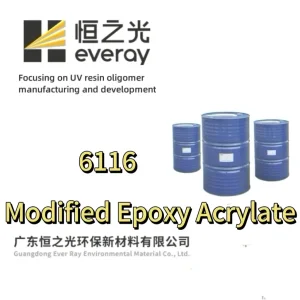
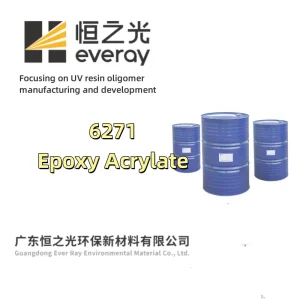
Epoxy acrylates serve as the foundational backbone for high hardness, fast cure rates, and superior chemical resistance. Characterized by high density crosslinking, they yield unparalleled gloss values and mechanical strength, making them ideal for high-speed offset inks and overprint varnishes (OPVs).
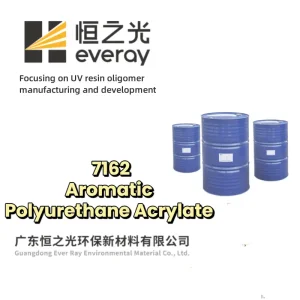
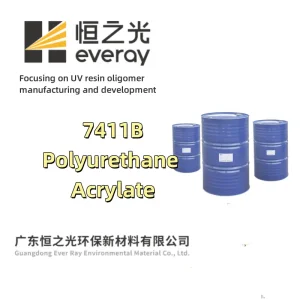
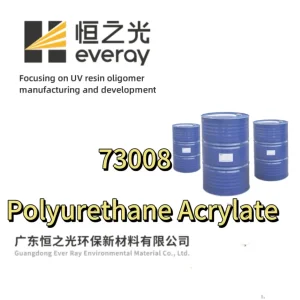
Divided into aliphatic and aromatic subclasses. Aliphatic PUAs offer phenomenal weatherability, elasticity, and non-yellowing characteristics suitable for outdoor automotive coatings. Aromatic PUAs deliver cost-efficient, tough coatings optimized for interior wooden furniture and spray-coated plastics.
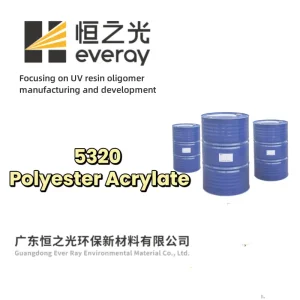
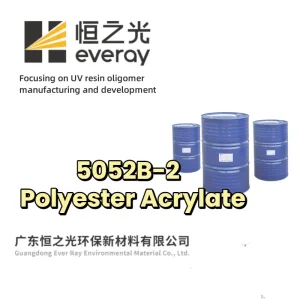
Well-regarded for their exceptionally low viscosity and optimized pigment-wetting capabilities. Polyester acrylates are frequently utilized as high-affinity vehicle binders in lithographic and flexographic inks, allowing high-solids formulations to maintain high gloss despite heavy pigment loading.
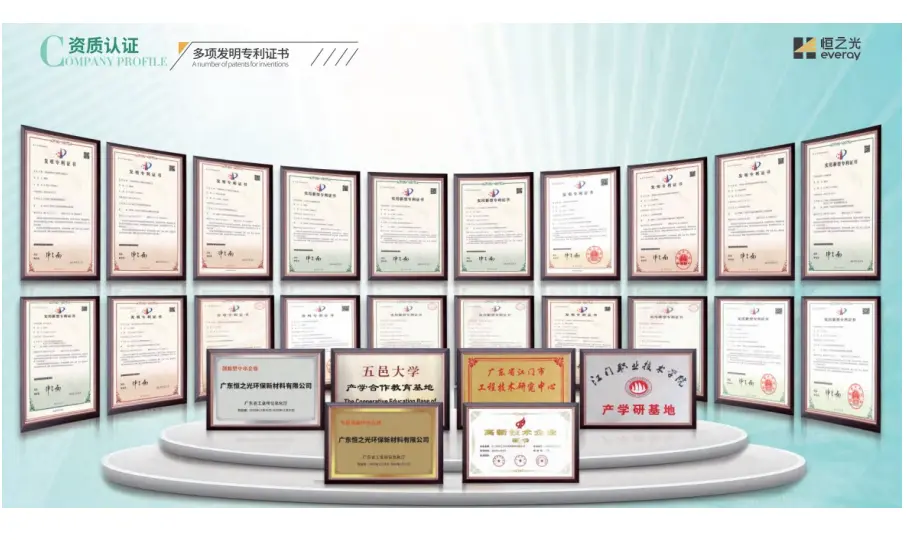
Guangdong Ever Ray Environmental Material Co., Ltd. – Leading R&D and Manufacturing of UV-Curable Materials Since 2006.
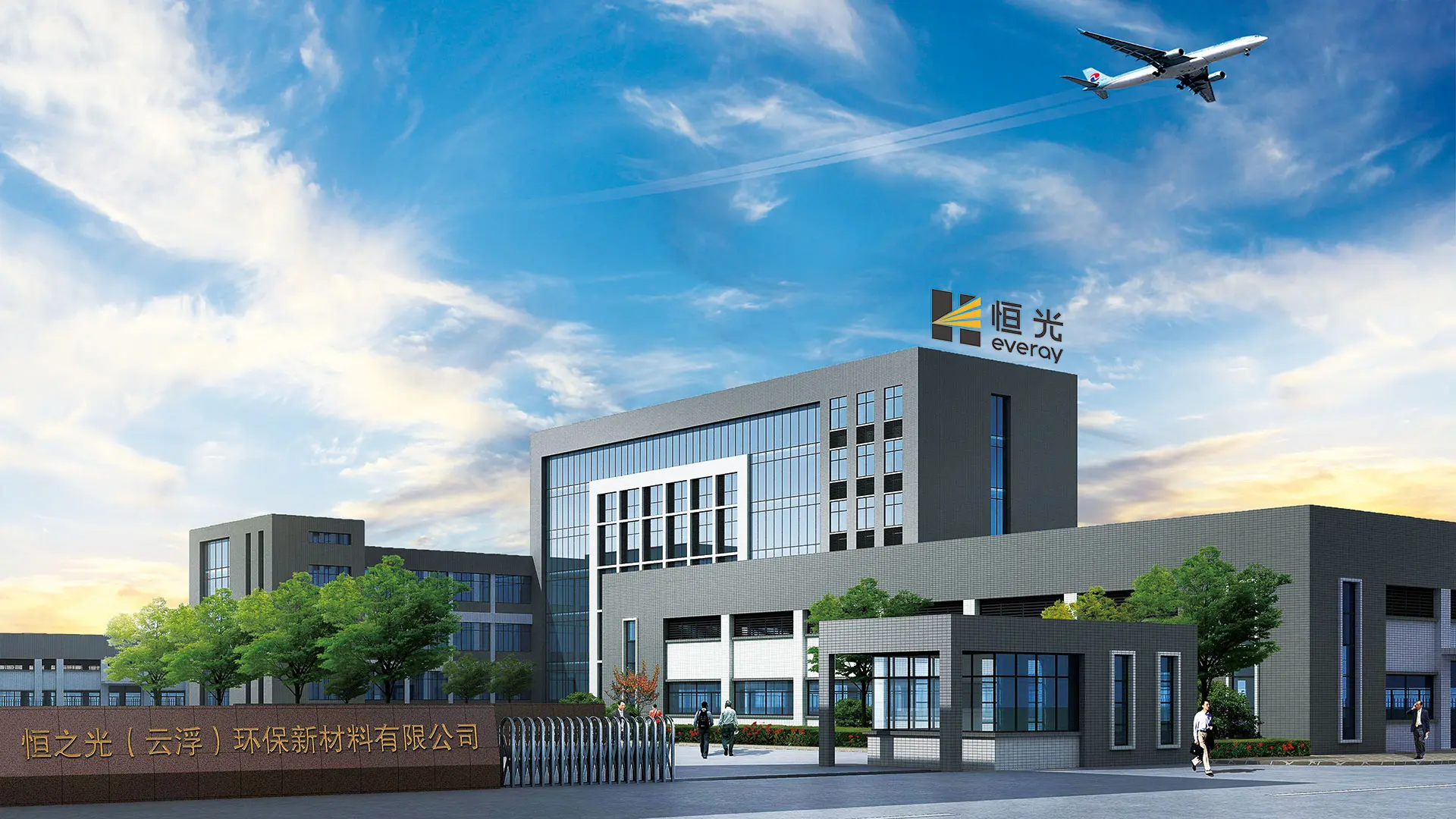
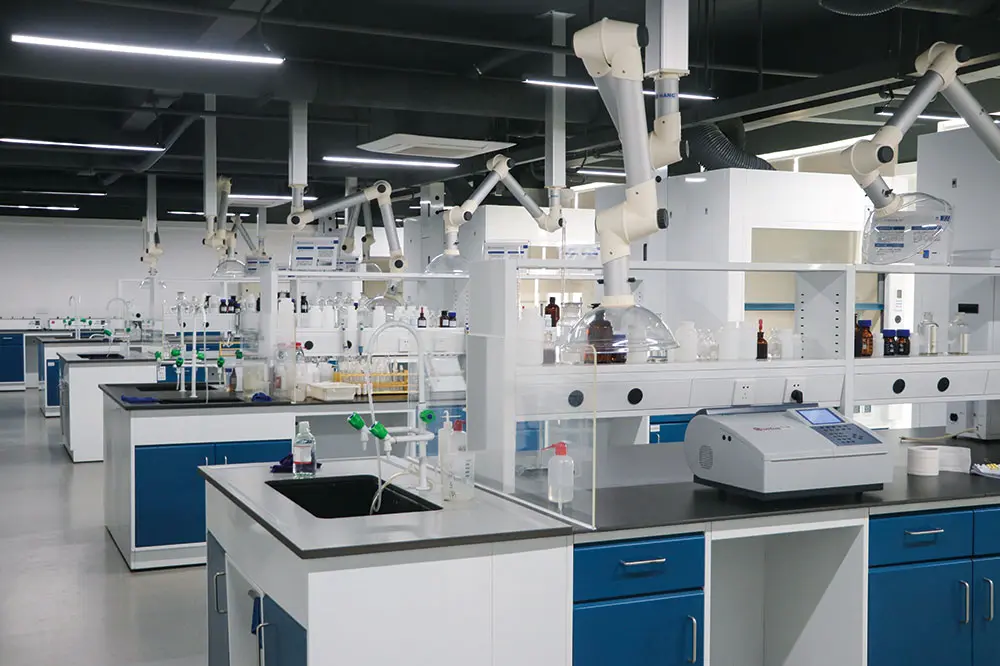
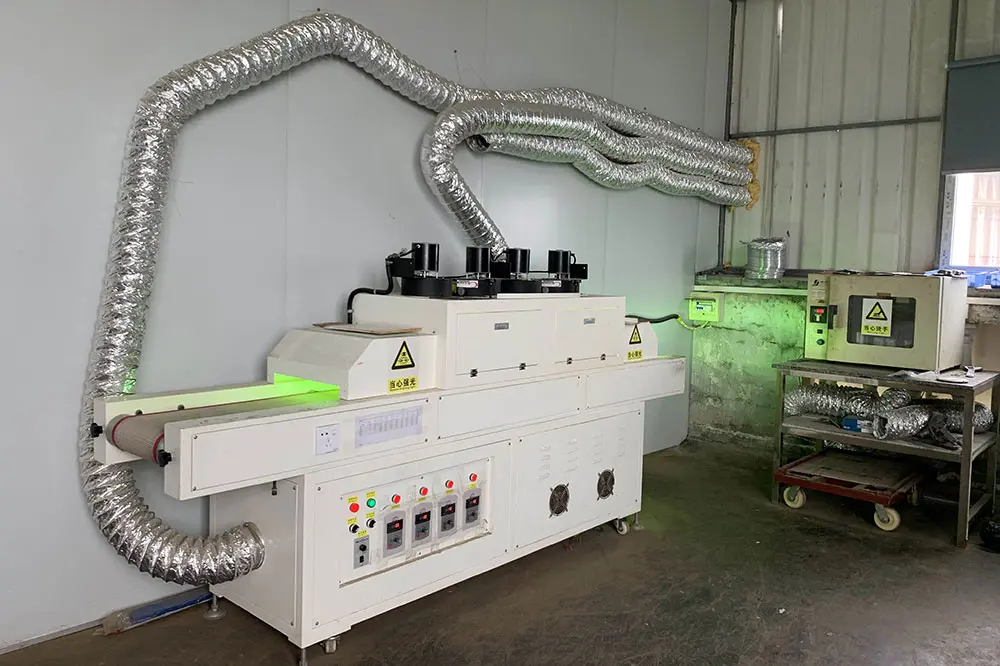
We operate two highly computerized manufacturing plants located strategically in Guangdong Province. Our primary plant in Jiangmen covers a production area of approximately 10,000 square meters, housing dedicated refinement and specialty packaging divisions. To accommodate growing global demands, our second production facility in Yunfu spans 40,000 square meters, integrated with state-of-the-art warehousing, high-security bulk storage, and modern logistics terminals.
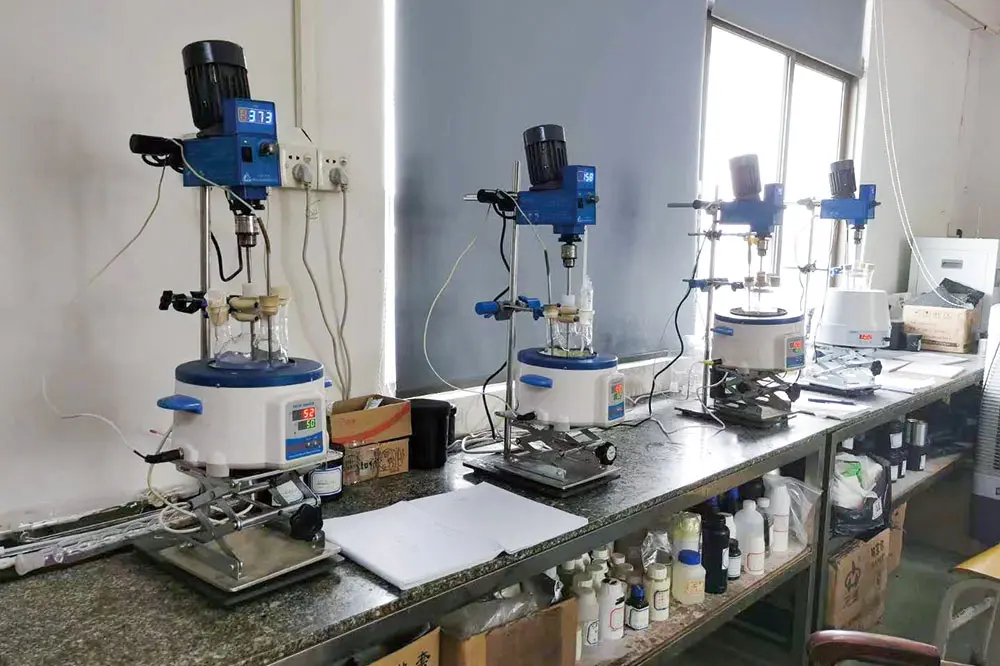
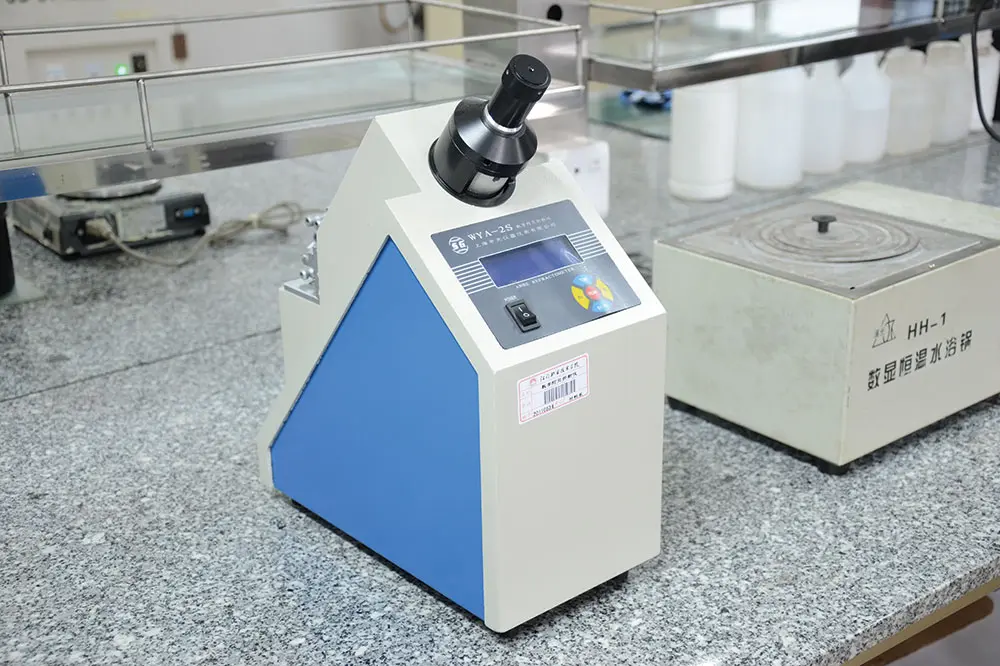
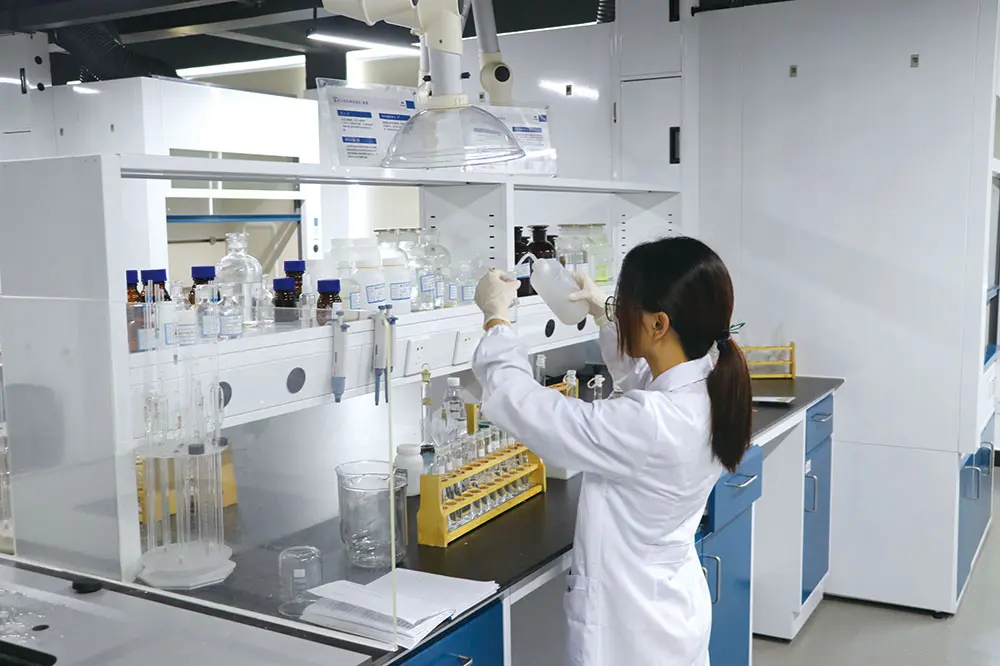
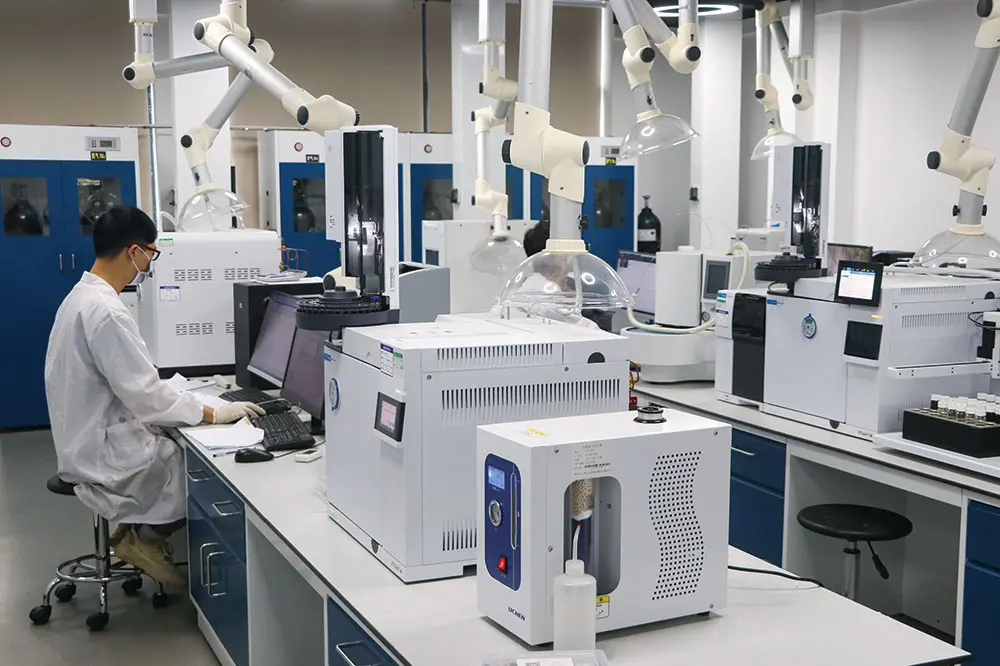
Both facilities utilize a Distributed Control System (DCS) fully computerized management setup to maintain precise processing conditions, ensuring minimal batch-to-batch deviation. Our factories are certified under the ISO9001 Quality Management System and ISO14001 Environmental Management System, validating our commitment to quality stability and clean manufacturing paradigms.
Aligning high-gloss polymer structures with regional compliance and application engineering needs.
For smartphones, laptops, and automotive screens, optical-grade acrylics and urethanes (like our low-shrinkage 73008 PUA) provide clear protective encapsulations. These materials resist abrasion, sweat, acid, and maintain clarity without discoloration or delamination over extended life cycles.
Food packaging and luxury paperboard require materials with exceptional gloss, fast cure times, and minimal migration properties. Oligomers such as polyester acrylate 5403-2F provide excellent ink wettability and flexibility on diverse printing presses, including offset and flexo systems.
For matte and gloss furniture finishes, UV curable epoxy oligomers and aromatic urethanes offer protective barrier properties against household chemicals, mechanical impact, and micro-scratching, providing long-lasting aesthetic appeal.
Anticipating the technological transitions in oligomer chemistry from 2025 to 2030.
Developing bio-renewable raw materials like Epoxidized Soybean Oil Acrylates (6710B) to decrease carbon footprint without compromising chemical reactivity or final coat performance.
Optimizing oligomer backbones to trigger rapid surface cure under 365nm-395nm LED spectrums, addressing oxygen inhibition in high-speed manufacturing environments.
Engineering moisture-curable, heat-curable, and UV shadow-curable systems to coat three-dimensional assemblies with complex shadow areas.
Synthesizing ultra-low viscosity oligomers with high acrylic functionality, reducing monomer usage and VOC emissions in low-viscosity applications.
Resolving common mechanical and visual challenges in UV-curing operations.
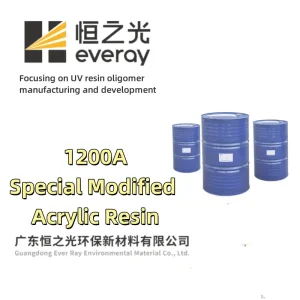
Plastics (PET, ABS, polycarbonate) and metal substrates present adhesion challenges due to their smooth, inert surfaces. The integration of high-performance adhesion-promoting oligomers, such as Ever Ray 1200A, helps establish robust interfaces. By blending acid-functional monomers and high-bonding oligomers, formulators can minimize shrinkage stress and prevent peeling.
High crosslinking densities often cause volume shrinkage (up to 15%), resulting in warping or micro-fracturing. By incorporating long-chain aliphatic polyurethane acrylates (such as Model 72027 or Model 73008), the structural matrix maintains elasticity. Aliphatic backbones resist thermal and photolytic degradation, keeping coatings clear and yellow-free under direct outdoor sunlight exposure.
Free radical polymerization is often hindered by atmospheric oxygen, leaving a tacky surface layer. Formulators can address this by using amine-modified polyether/polyester acrylates or amine synergists, which consume dissolved oxygen. Applying a nitrogen inerting blanket or choosing high-functionality oligomers also helps improve conversion rates at the coating surface.
To eliminate solvent addition, formulators rely on reactive diluents. However, high diluent content can negatively affect mechanical properties. Utilizing low-viscosity oligomers, such as polyester acrylate 5052B-2, allows formulators to control viscosity without degrading the film's final flexibility and gloss.
Technical explanations for procurement managers, chemical engineers, and material specifiers.
High-performance binders, offset ink resins, and specialty engineering oligomers.
 Ever Ray