Direct from factory sourcing of our primary high-performance prepolymers and acrylate oligomers.
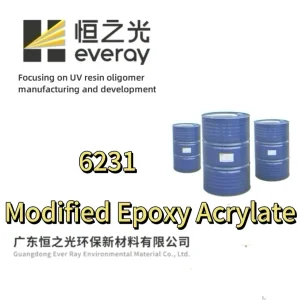
Polyurethane resins and their reactive oligomers form the backbone of modern industrial materials. Across sectors like automotive, consumer electronics, construction, packaging, and high-performance woodwork, polyurethane chemistry provides unmatched structural properties. The global market is transitioning rapidly from traditional solvent-borne formulations to eco-friendly, energy-efficient UV-curable polyurethane acrylates (PUA), waterborne dispersions, and 100% solid systems.
Aliphatic polyurethane acrylates provide exceptional weathering resistance, yellowing prevention, and optical clarity, making them indispensable for exterior automotive coatings, aerospace materials, and consumer device interfaces. Aromatic variants deliver cost-effective performance with outstanding hardness, chemical resistance, and toughness, suited for structural adhesives and interior finishes.
Increasingly stringent environmental limits worldwide—such as REACH in Europe, EPA standards in North America, and environmental inspection protocols in China—are driving the shift toward low-VOC and zero-VOC technologies. Waterborne UV polyurethane dispersions and high-solid low-viscosity oligomers play a vital role in meeting modern sustainability targets without sacrificing physical performance.
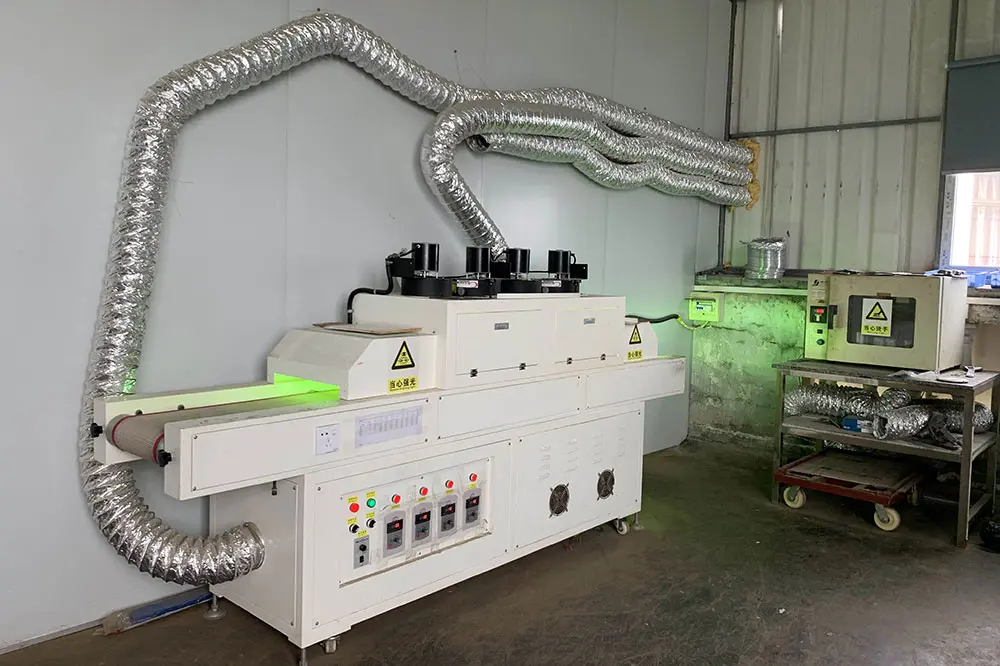
Modern assembly lines require instant curing to maximize throughput. Photopolymerization using UV radiation, LED systems, and electron beams (EB) relies heavily on the reactive double bonds of polyurethane acrylate oligomers. These components crosslink within milliseconds, showing superb chemical resistance, flexural recovery, and substrate adhesion.
Established in 2006, Guangdong Ever Ray Environmental Material Co., Ltd. is a leading high-tech enterprise specializing in the R&D and synthesis of high-quality oligomers for UV-curable applications. Our chemical catalog includes epoxy acrylates, polyurethane acrylates (waterborne, aliphatic urethane, and aromatic urethane), polyester acrylates, pure acrylates, and specialty functional modified acrylate oligomers.
Over nearly two decades, we have integrated advanced chemical synthesis with digital production management, ensuring our products deliver high reactivity, excellent chemical resistance, and high gloss to formulations globally.
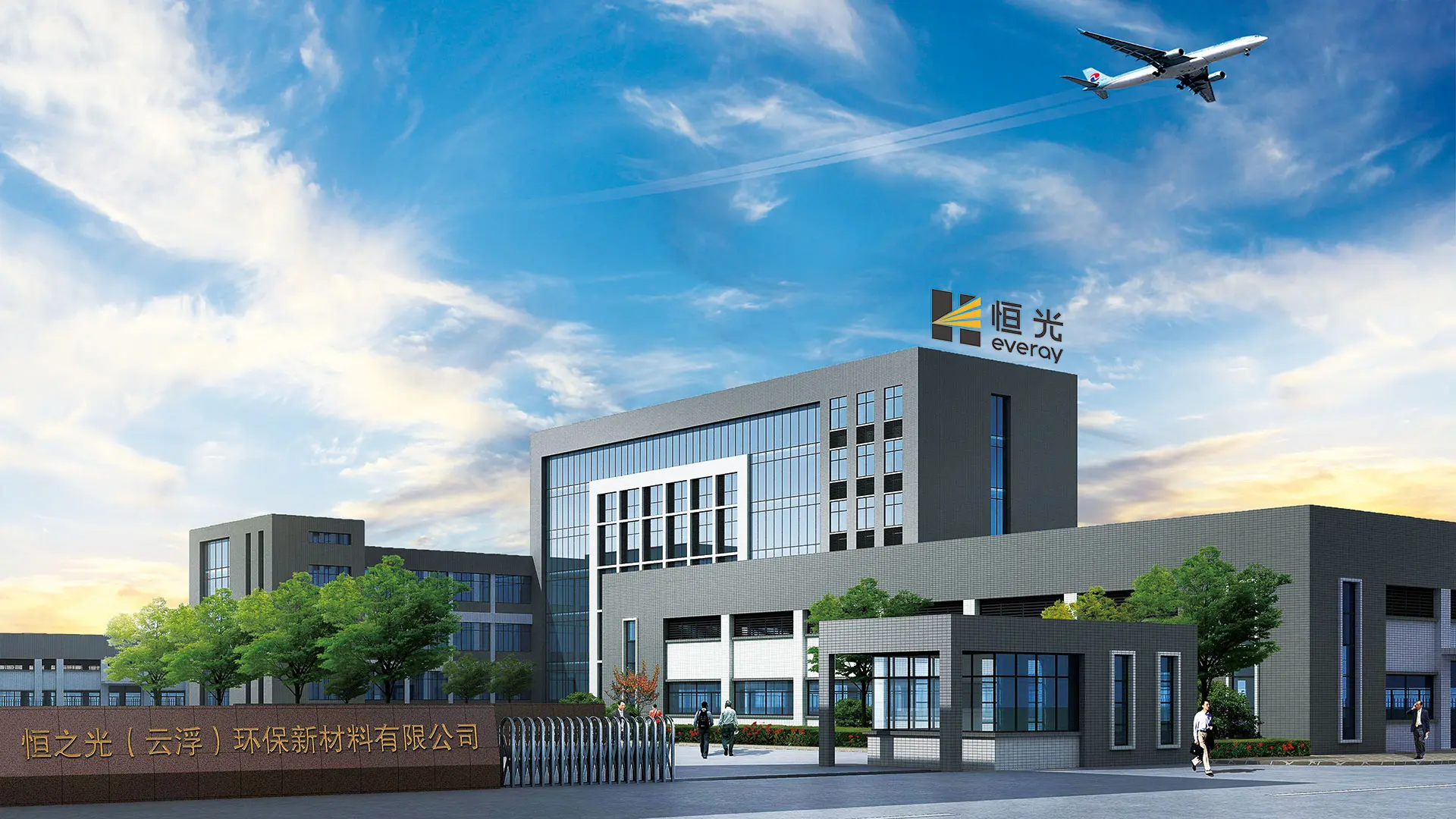
Guangdong Ever Ray utilizes industrial clusters, advanced automation, and systematic quality controls to supply competitive, high-performance materials on a global scale.
We operate two modern manufacturing plants in Guangdong Province. The Jiangmen base spans 10,000 square meters, optimized for precision pilot trials and functional polymer production. The Yunfu base covers 40,000 square meters, designed for bulk chemical synthesis, warehousing, and large-scale shipping logistics.
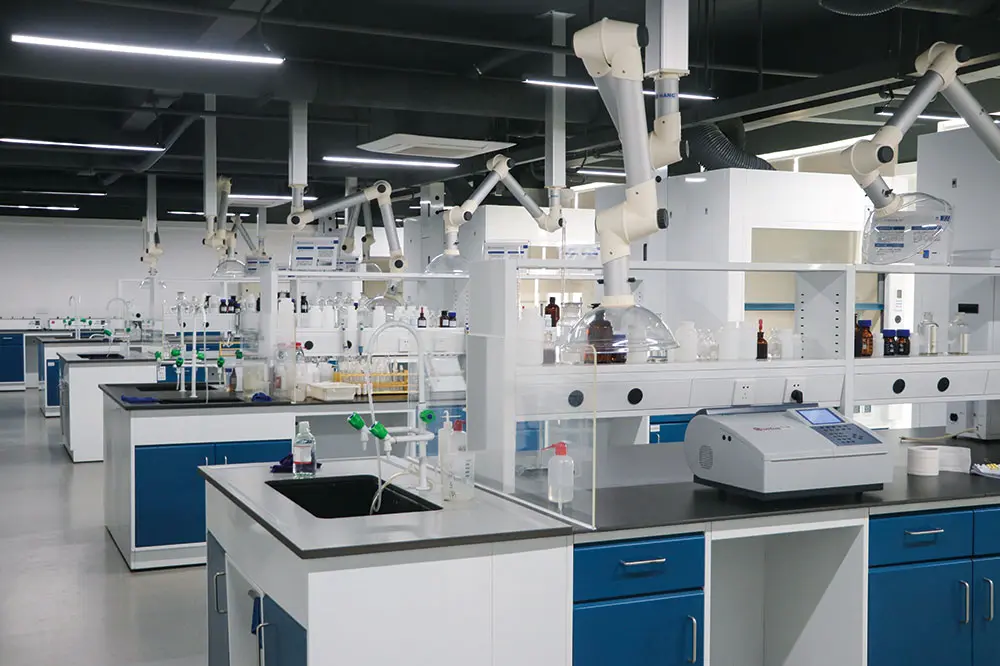
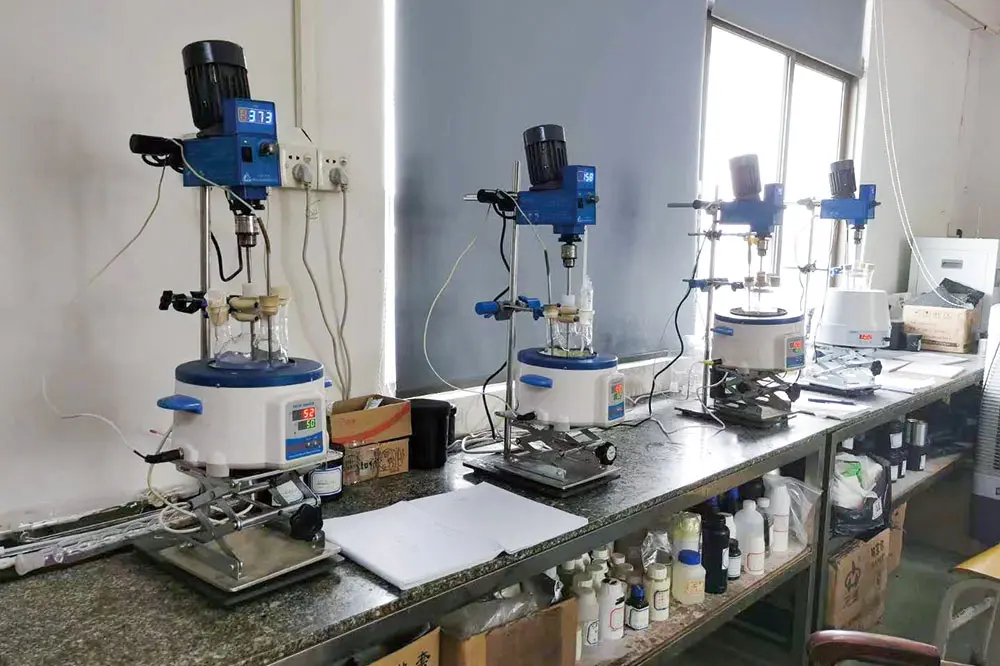
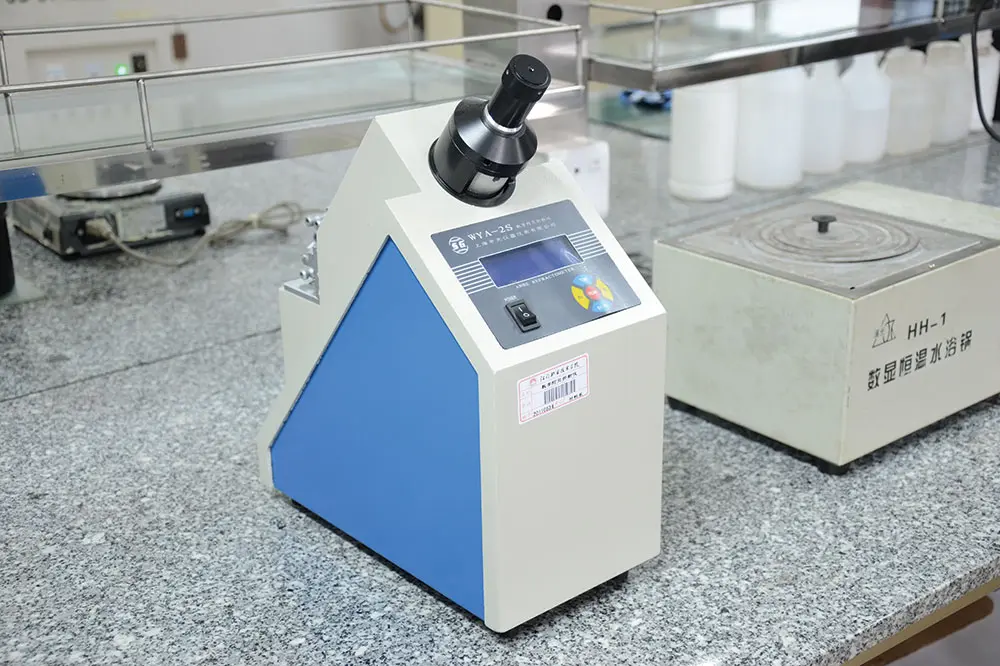
To guarantee batch-to-batch consistency and process control, our synthesis plants utilize a fully computerized Distributed Control System (DCS). This system closely monitors thermodynamic and reactant additions, minimizing manual error and improving molecular weight consistency.
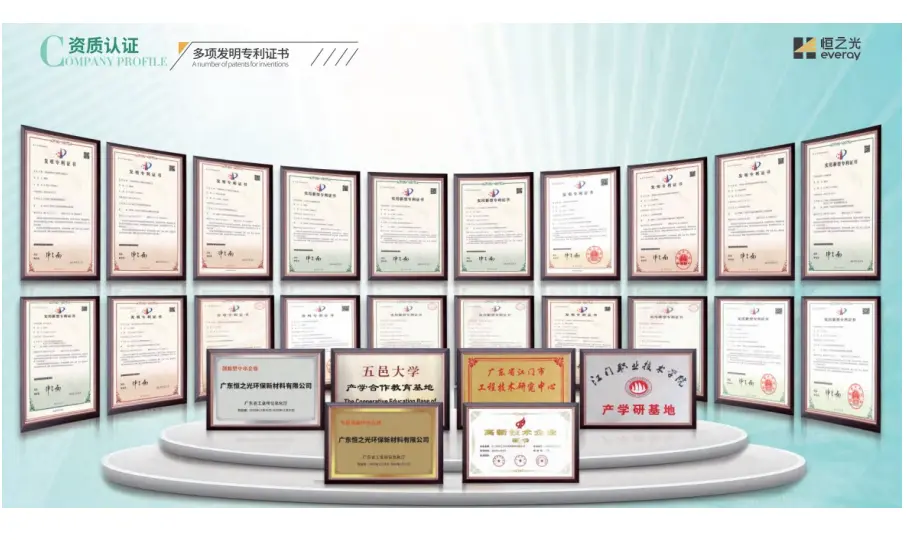
Our operations comply with ISO9001 Quality Management and ISO14001 Environmental Management Systems. By selecting premium raw materials and consulting with domestic UV-curing specialists, we ensure reliable, high-performance chemistry across every product line.
Polyurethane acrylates and modified oligomers are highly versatile. The exact choice of prepolymer depends on the substrate and curing mechanism:
For consumer electronics, cosmetic packaging, and automotive trim, vacuum metallization yields high-gloss finish. Products like our 7620 UV-Curing Resin offer excellent adhesion to ABS, PC, and PMMA base coats, securing the vapor-deposited metal layer while resisting thermal shock and moisture.
Industrial wood finishing demands quick stackability, chemical resistance to household stains, and scratch resistance. Using low-viscosity epoxy acrylates and flexible polyester acrylates like our 6116 Low Viscosity Oligomer helps formulate low-sheen primers and high-gloss topcoats that resist cracking on solid wood and MDF.
High-speed printing lines require low odor, fast curing, and chemical inertness. Oligomers like our 2406 UV Resin are optimized for paper and plastic varnishes, providing rapid curing and low migration risk for commercial packaging.
Coating difficult substrates like carbon fiber, aluminum, and untreated steel requires strong interface bonding. Polyester acrylates and modified epoxy acrylates (such as our 1200A UV Resin) utilize acidic functional groups to form covalent and hydrogen bonds with metal and plastic surfaces.
Procuring raw materials for industrial chemical manufacturing requires balancing cost, technical fit, and supply chain reliability. For international procurement managers, securing a reliable polyurethane resin supplier involves several key criteria:
Purchasing teams require detailed documentation on chemical properties: viscosity profiles (Brookfield, at specific temperatures), density, acid values, theoretical functionality, and monomer dilution efficiency. Finding suppliers that offer custom formulations and technical assistance is key to success.
Unplanned line stops can cost thousands of dollars per hour. Large-scale global buyers prioritize factories with deep raw material integration, high storage capacities, and strong shipping infrastructure. With our 20,000-ton annual capacity, Ever Ray ensures stable product availability and timely deliveries.
Global shipping relies on clear documentation. Supplying standard SDS (Safety Data Sheets) with proper GHS classifications, VOC certifications, and TSCA/REACH compliance allows buyers to import and clear materials efficiently.
As green chemistry and sustainability drive new industry standards, chemical manufacturers continue to evolve. Future developments focus on balancing high-performance properties with ecological design:
To reduce dependence on petroleum products, chemical synthesis is incorporating renewable plant resources (such as soybean oil, castor oil, and cardanol) into the backbone of polyurethane acrylates and polyester acrylates. This transition lowers the carbon footprint while maintaining product hardness and chemical resistance.
Waterborne UV dispersions combine the eco-friendly profile of waterborne systems with the rapid curing of photopolymerization. They form tack-free films after physical water evaporation, allowing for easy handling of complex 3D parts before final UV curing.
The transition from mercury vapor lamps to energy-efficient UV-LED curing systems requires oligomers that cure at specific, narrow wavelengths (like 365nm and 395nm). Developing high-sensitivity, low-oxygen-inhibition prepolymers is essential to support high-speed curing.
Common questions from formulation chemists and procurement managers regarding polyurethane acrylates and UV oligomers:
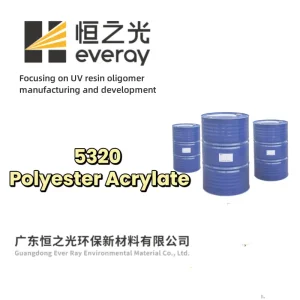
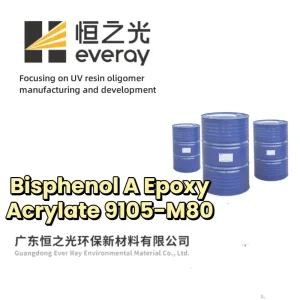
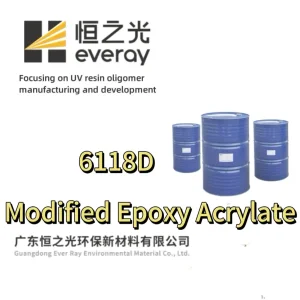
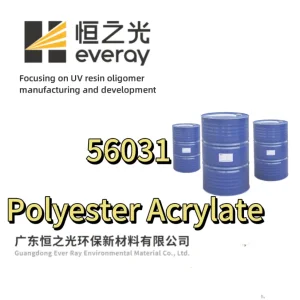
Browse our selection of specialized reactive resins and low-viscosity acrylate oligomers.
 Ever Ray