Explore our highly engineered UV-curable polyurethane and acrylate oligomers, designed for unparalleled adhesion, chemical resistance, and tensile strength.
The global market for polyurethane (PU) resins has entered a phase of high-performance maturation, driven by intense demand in automotive coatings, electronics encapsulation, structural adhesives, and architectural varnishes. Modern manufacturing requires materials that provide extreme durability, surface protection, and fast cycle times. As regulatory bodies enforce strict volatile organic compound (VOC) limits, the industry is transitioning rapidly from conventional solvent-borne polyurethane systems to UV-curable polyurethane acrylates (PUA) and waterborne alternatives.
Today, polyurethane resins serve as the backbone for high-demand consumer electronics coatings (offering soft-touch feel and scratch resistance), industrial wood coatings (providing superior chemical protection), and heavy machinery finishes. The capability to tailor PU chemical backbones—balancing hard and soft segments—makes it the polymer of choice for polymer engineers designing high-toughness, impact-resistant industrial matrices.
Several key macroeconomic trends are reshaping how wholesale polyurethane resin suppliers innovate and formulate:
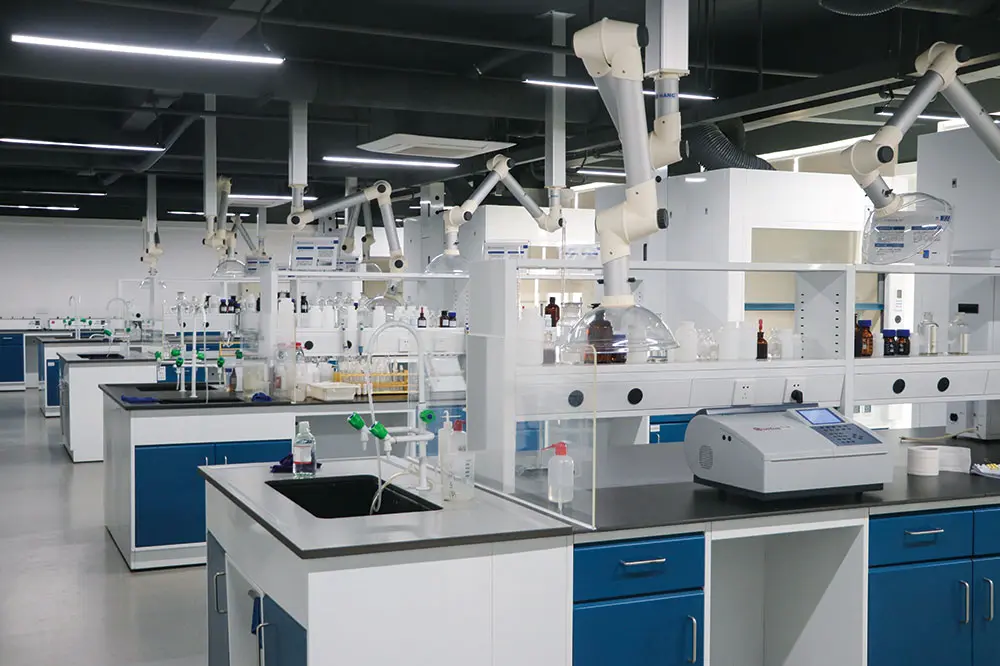
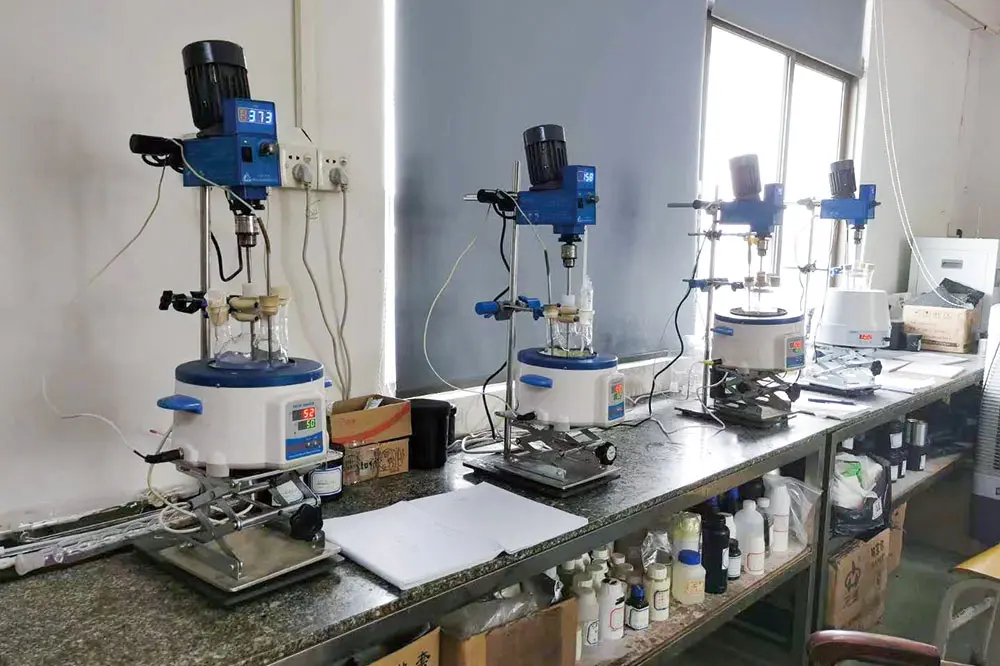
Our long-term R&D framework is focused on precision molecular architecture, structural optimization, and eco-friendly curing methods.
Designing urethane acrylates with controlled molecular weight distribution. This minimizes viscosity while preserving cross-linking efficiency.
Replacing traditional isocyanates and polyols with bio-based building blocks, targeting a bio-content percentage above 35% by 2026.
Optimizing combined moisture-cure and UV-cure chemical networks to guarantee complete curing in shadow zones of complex geometries.
Formulating oligomers with self-healing capabilities, anti-fouling surfaces, and high refractive indices for optical applications.
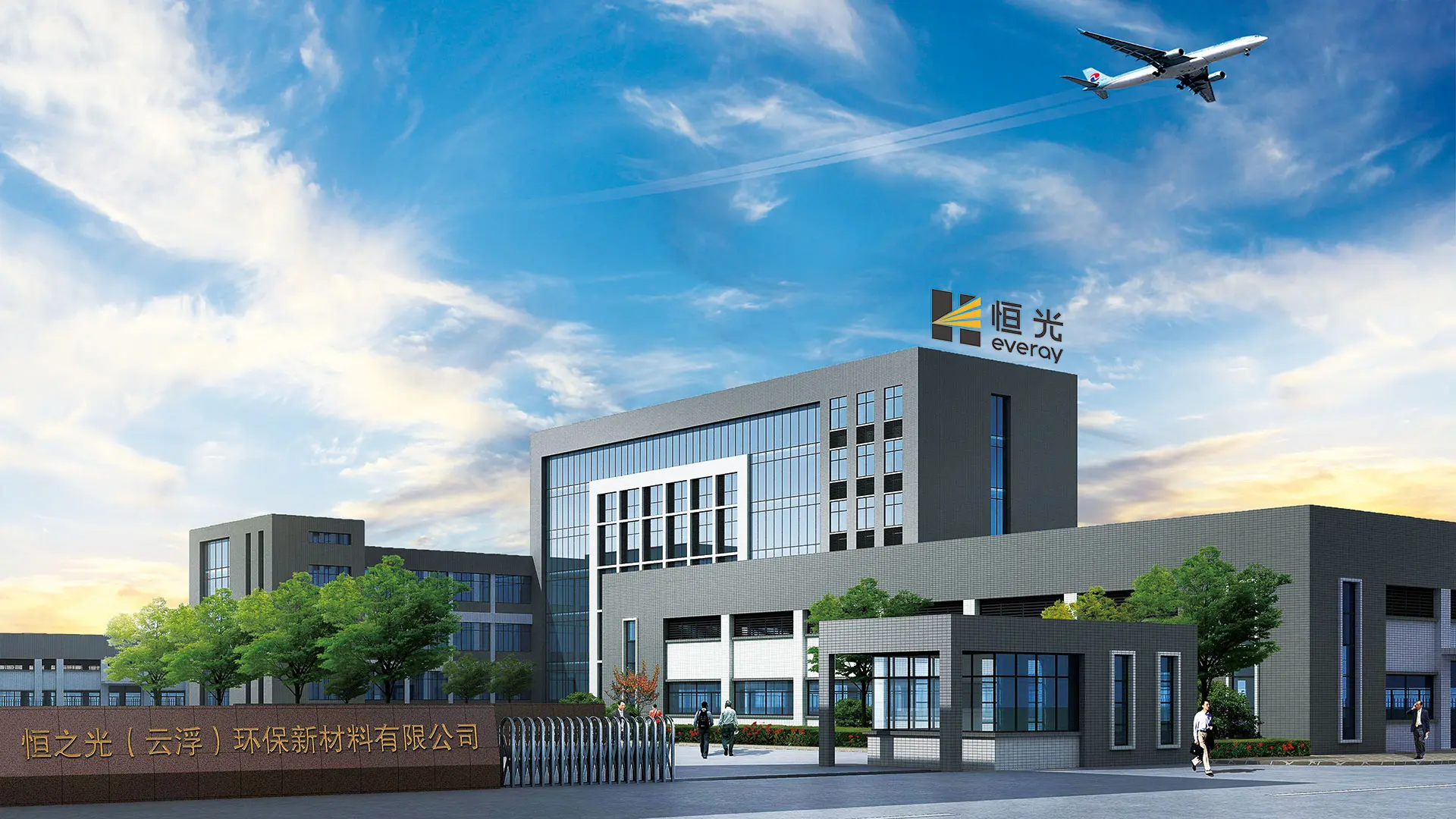
Our production operations span across two modern bases in Guangdong province:
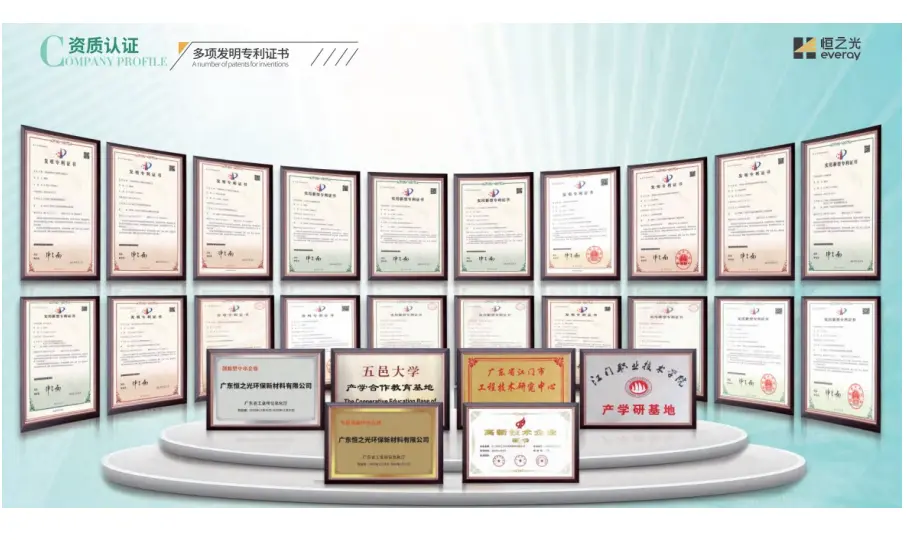
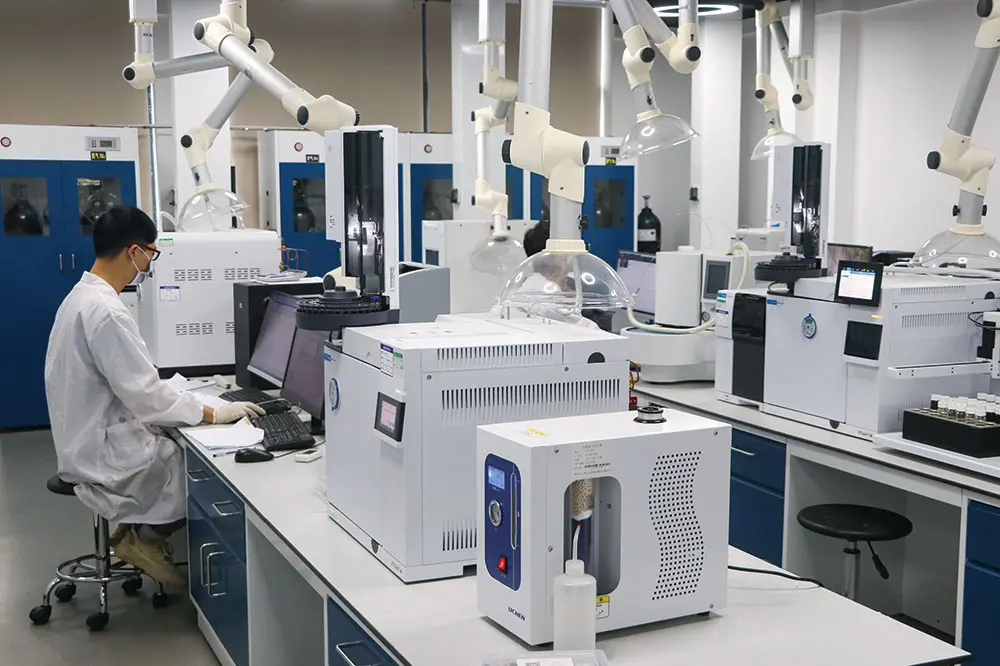
Both plants operate under ISO9001 Quality Management and ISO14001 Environmental Management Systems, utilizing DCS fully computerized control networks to ensure batch consistency.
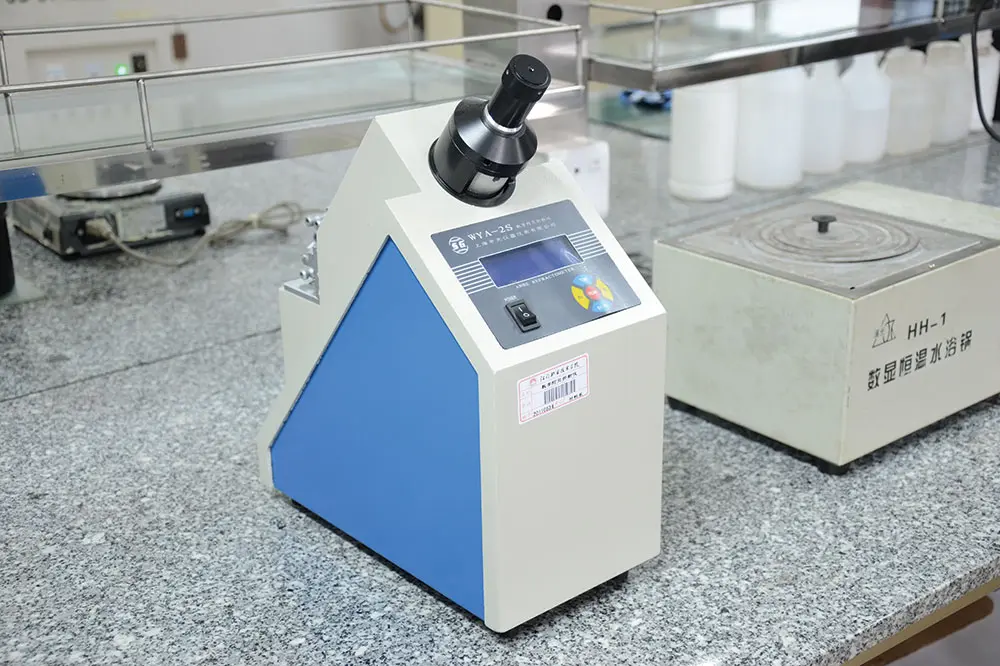
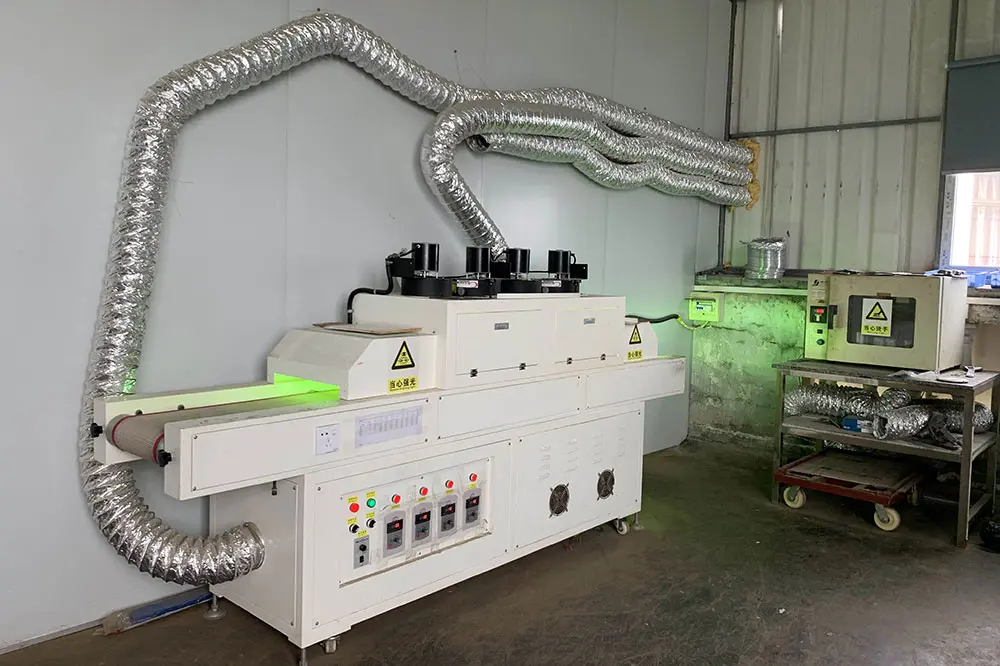
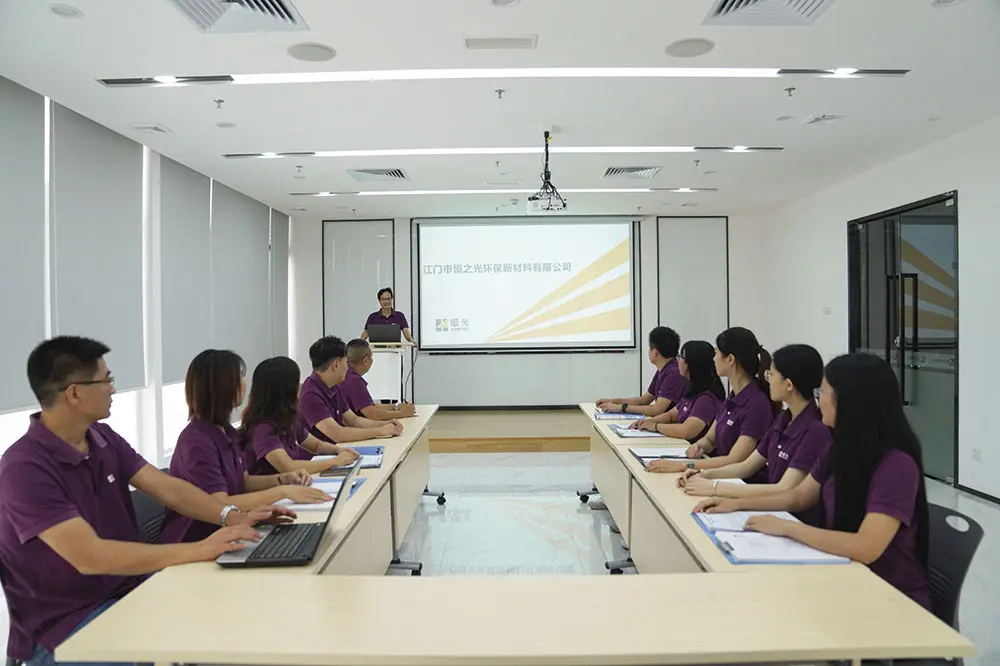
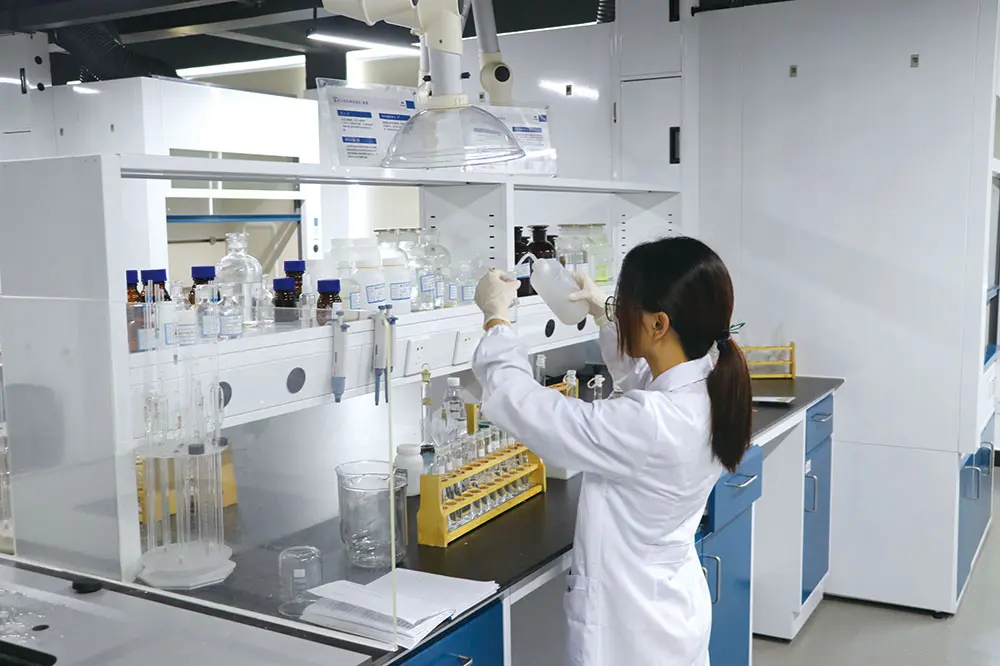
Adapting high-performance oligomers to distinct environmental conditions, substrates, and localized processing standards.
Formulating scratch-resistant, weatherable aliphatic polyurethane acrylates (PUA) that protect plastics against stone chipping and prolonged solar UV radiation.
Applying low-shrinkage oligomers like 73008 for electronic potting to insulate sensitive components, prevent moisture ingress, and absorb mechanical vibrations.
Achieving stable water-ink balance and fast curing rates in offset packaging inks using specialized polyester acrylates like the 5403-3F oligomer.
Utilizing high-flexibility, fast-drying oligomers to replace traditional PU lacquers, minimizing emissions on industrial coating lines.
Environmental conditions significantly impact curing dynamics and mechanical properties in different regions. For instance, manufacturers in hot, humid regions (such as Southeast Asia) require oligomers that resist hydrolytic degradation and prevent surface tackiness under high humidity. In contrast, applications in northern industrial centers (such as Northern Europe and North America) demand high thermal stability to withstand extreme cold-warm cycles without cracking.
Our R&D team addresses these challenges by developing tailored products like 7253A-5 and 7200F. These polyurethane acrylates are engineered to perform reliably across a wide temperature range, ensuring stable adhesion and mechanical properties for global supply chains.
Answers to complex formulation challenges, chemical selection, and processing inquiries from our engineering desk.
Aliphatic polyurethane acrylates are formulated with aliphatic diisocyanates, providing excellent outdoor weatherability and resistance to yellowing. They are ideal for automotive finishes and outdoor protective coatings. Aromatic polyurethane acrylates, based on aromatic diisocyanates like TDI or MDI, offer higher tensile strength and cost efficiency, but are prone to yellowing when exposed to UV light, making them better suited for indoor applications or dark pigmented inks.
Low-shrinkage oligomers, such as our 73008 series, utilize high molecular weight backbones or specialized structures that reduce the volume change during cross-linking. Minimizing the density of double bonds relative to molecular weight limits shrinkage, reducing stress on the substrate and preventing warping or curling in thin film applications.
Polyester acrylates provide an optimal balance of pigment wetting, fast cure rates, and ink-water balance. In UV offset printing, oligomers like 5403-3F help maintain stable emulsification under high shear forces, ensuring clean printing runs, good adhesion, and high gloss on paper and cardboard substrates.
We maintain consistency by operating under ISO9001 and ISO14001 management systems, utilizing DCS computerized control at our Jiangmen and Yunfu plants. This system monitors temperature, feed rates, and pressure during synthesis, while our quality control lab tests viscosity, acid value, and double-bond conversion for every batch.
Yes. By incorporating functional monomers (such as acidic acrylates) or using specially modified polyurethane acrylates like 73008, you can achieve strong adhesion to metal substrates. These functional groups form polar bonds with the metal oxide layer, maintaining adhesion even under thermal cycling and moisture exposure.
Explore our targeted industrial resins, including high-impact ABS-like formulations, low-odor monomers, and electronics-grade potting compounds.
 Ever Ray