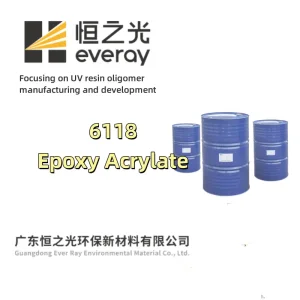
The global market for wood coatings is undergoing a massive paradigm shift. Traditional solvent-based finishes, such as nitrocellulose and acid-curing varnishes, are increasingly phased out due to strict environmental mandates targeting Volatile Organic Compound (VOC) emissions. In this regulatory environment, modern industrial operations rely on high-performance polyurethane wood varnishes, specifically UV-curable and waterborne polyurethane acrylate (PUA) systems, to meet durability and environmental standards.
Industries in Europe, North America, and the Asia-Pacific region are prioritizing energy-efficient UV curing lines. By transitioning to photo-polymerizable polyurethane oligomers, commercial manufacturers can complete curing cycles in seconds rather than hours. This transition optimizes floor space and energy costs, and delivers scratch, chemical, and yellowing resistance suitable for high-end furniture, flooring, and consumer electronics.
Characterized by linear or cyclic carbon chains without benzene rings, aliphatic urethanes offer extreme weatherability. They resist photodegradation, meaning coatings like our Model 72027 maintain clarity under intense solar radiation, preventing color shifts in exterior applications.
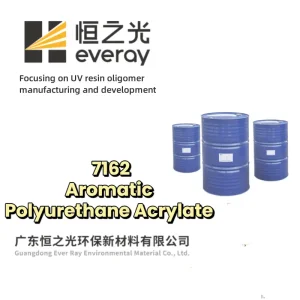
Synthesized with aromatic structures, these oligomers (such as 7162) provide exceptional cost-to-performance efficiency, high hardness, and rapid curing speeds. They are ideal for interior wood sealers, basecoats, and dark-stained furniture where UV yellowing is not a critical factor.
By adjusting the oligomer's functionality (di-functional, tri-functional, or hexa-functional), formulators balance hardness with elasticity. Higher crosslinking increases scratch and chemical resistance, whereas lower density ensures wood substrates can expand and contract without cracking the finish.
Representing the cutting edge of green chemistry, waterborne polyurethane acrylates emulsify in water to eliminate organic diluents. They provide the application ease of waterborne coatings alongside the performance of 100% solid UV systems.
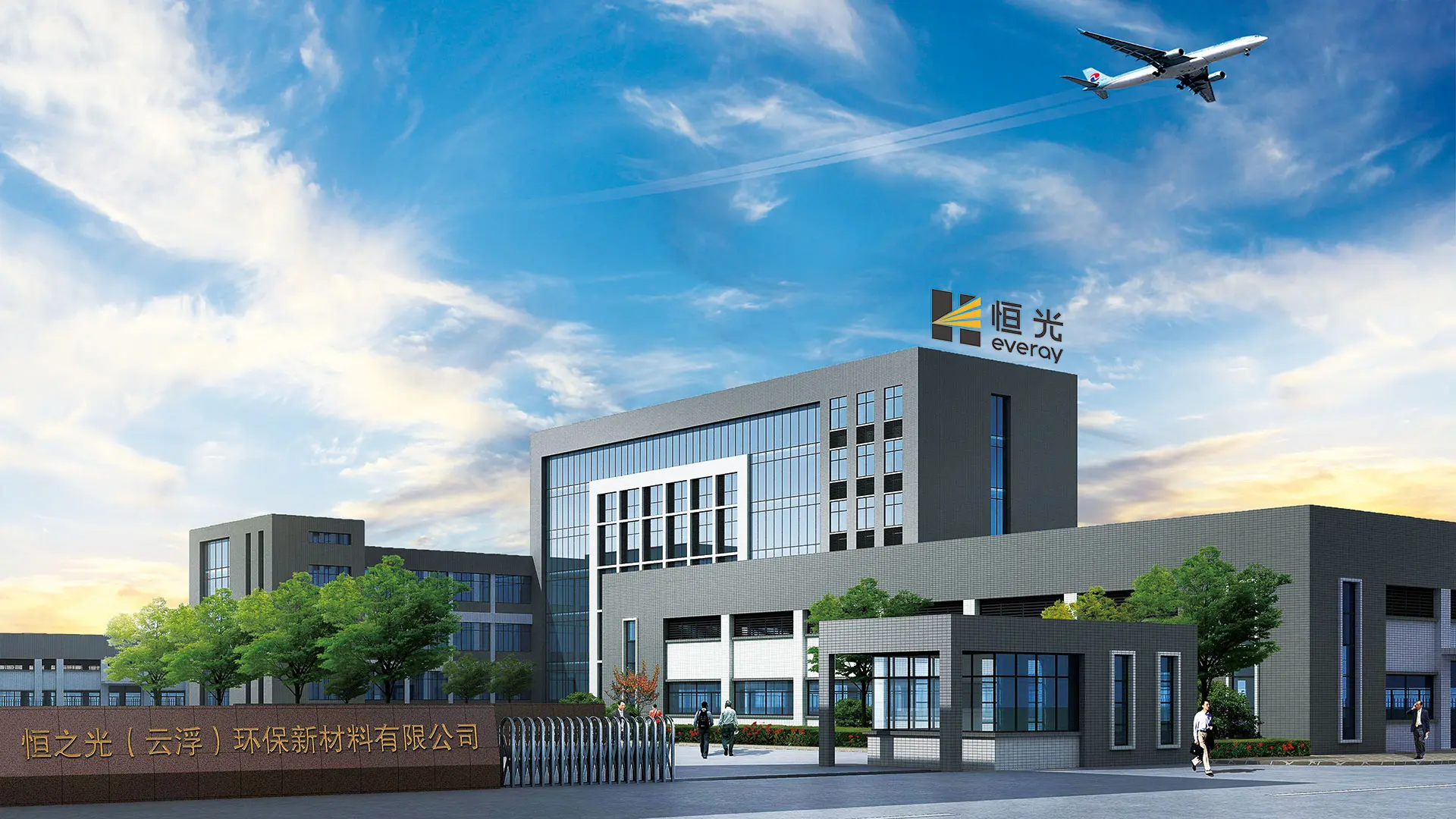
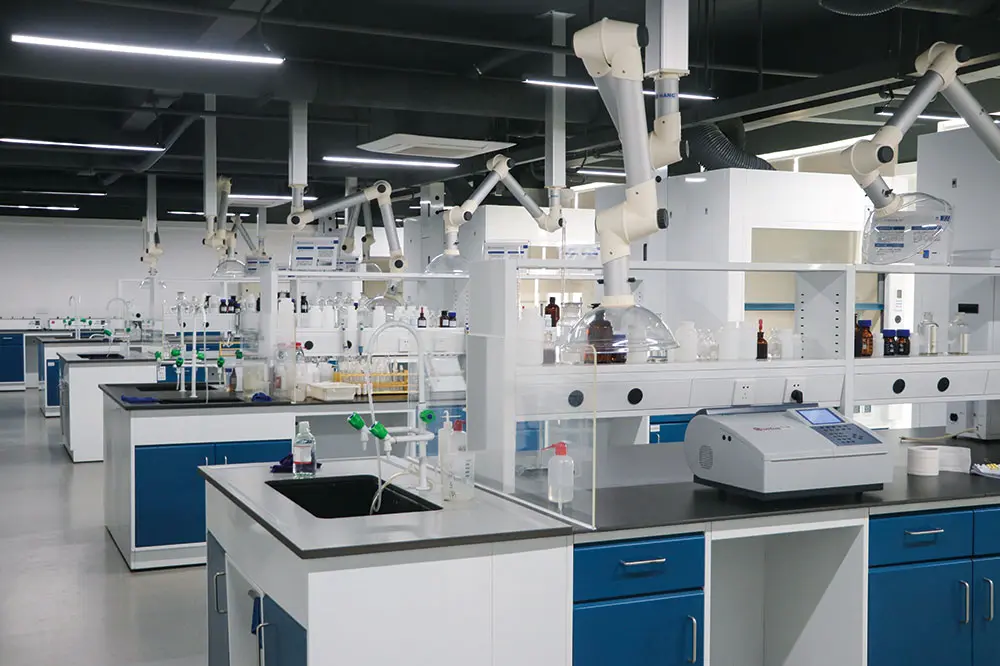
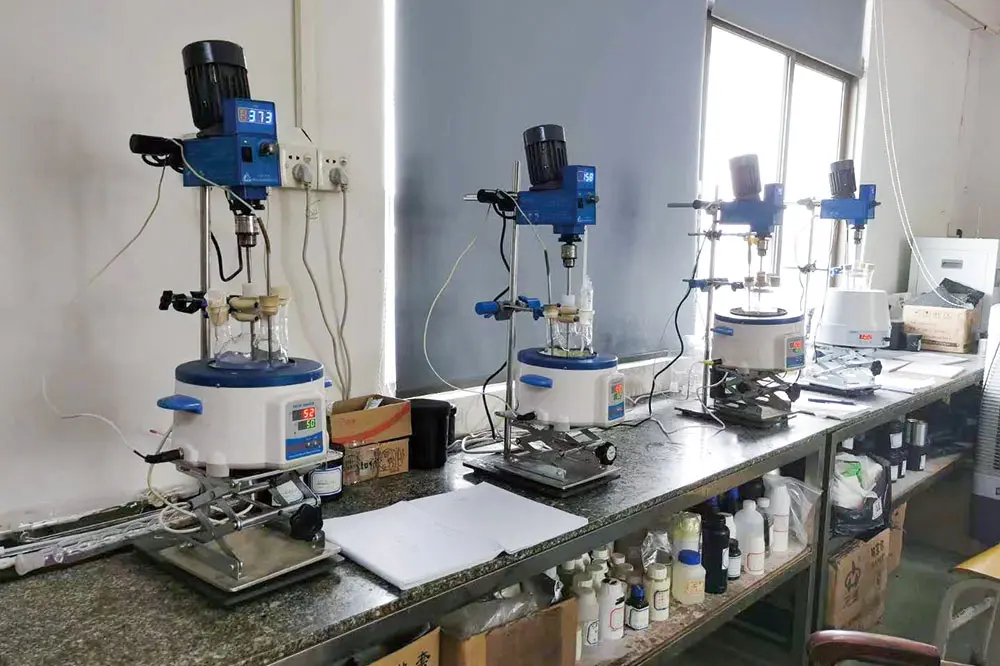
Established in 2006, Guangdong Ever Ray Environmental Material Co., Ltd. is a high-tech enterprise focusing on the R&D and manufacturing of oligomers for UV curable resin. Our production setup consists of two specialized facilities in Guangdong province:
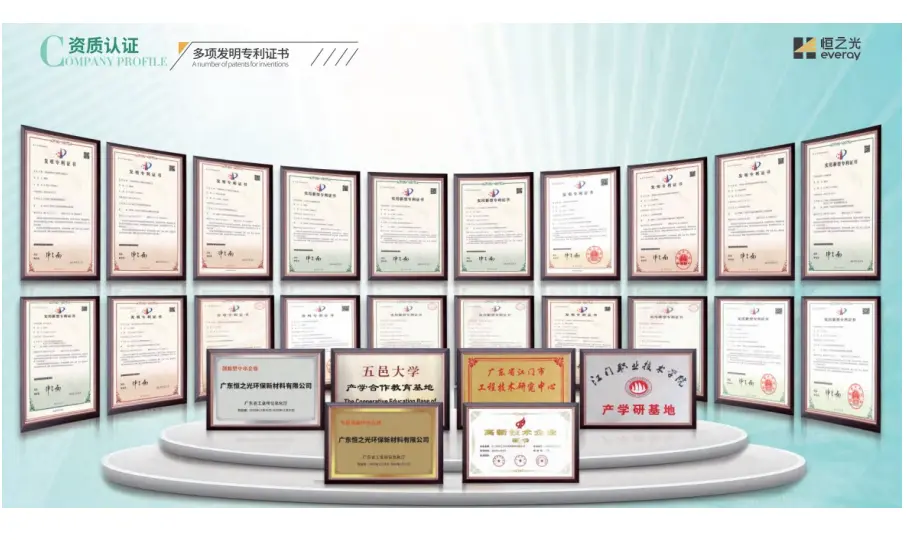
Operating under both ISO9001 Quality Management System and ISO14001 Environmental Management System, we produce high-performance, stable resins. We source high-grade raw materials globally and work with domestic UV expert advisors to ensure our product chemistry remains at the forefront of the coatings industry.
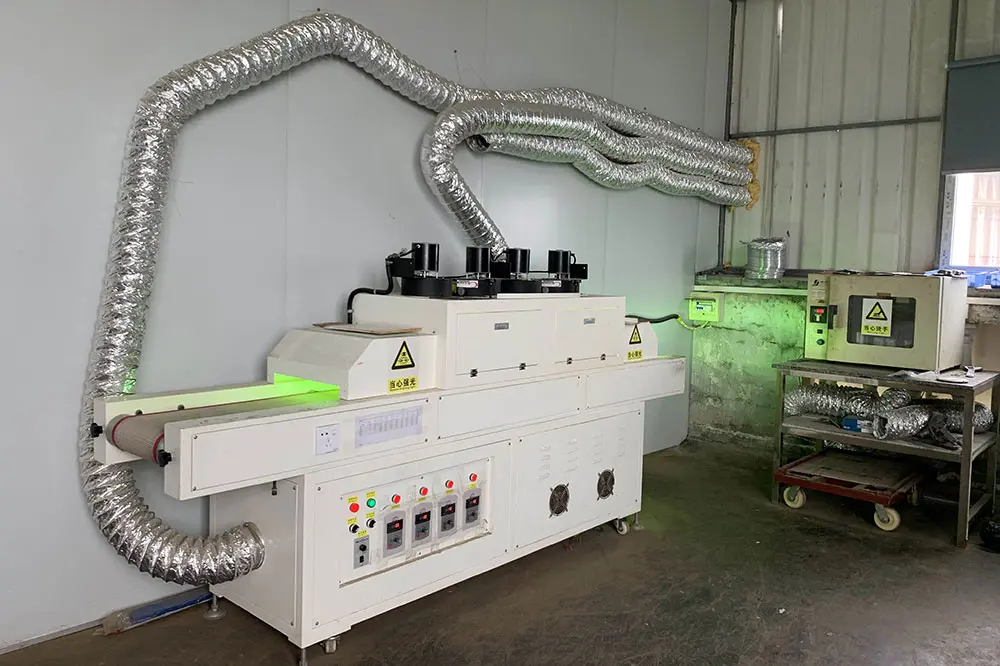
For luxury cabinetry, visual clarity, scratch resistance, and chemical durability are essential. Our epoxy and polyester acrylates, when combined with aliphatic urethane acrylates, provide a durable, non-yellowing topcoat that resists water stains, hot coffee spills, and cleaning agents.
Automotive interior trims and consumer electronics require coatings that can endure thermal cycling and high physical impact. Using low-heat release polyurethane resins like 72583 allows factories to coat heat-sensitive plastics without thermal deformation during the UV curing cycle.
Our modified acrylate resins designed for water transfer printing processes combine high adhesion with low volumetric shrinkage. This helps avoid substrate warping and ensures clean adhesion on glass, ceramics, and treated plastics.
The global UV curable resin industry is shifting toward greener materials and improved process efficiency. Key technological trends driving research and development include:
Procuring chemical resins at scale requires careful quality assessment to prevent production downtime. Industrial B2B buyers look for specific technical metrics to ensure batch-to-batch consistency:
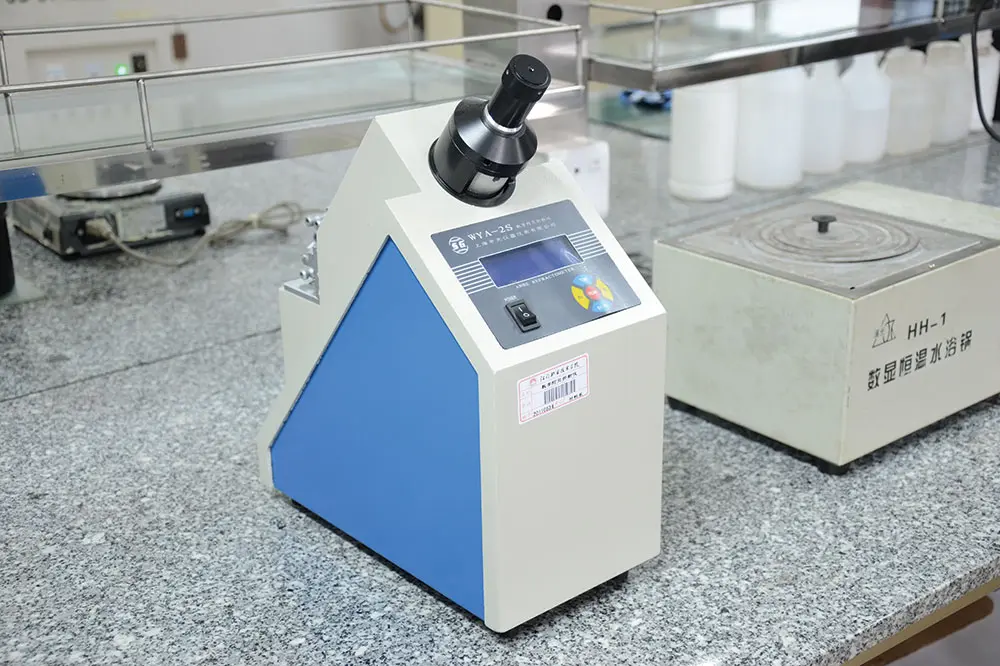
Viscosity stability is essential for maintaining uniform application thickness. We test all batches using Brookfield viscometers at controlled temperatures to ensure stable viscosity profiles.
Cure speed is verified by measuring double-bond conversion via FTIR spectroscopy. This ensures the resin reaches target performance metrics at standard line speeds.
Maintaining low levels of unreacted monomers reduces odor and enhances product safety. Our post-treatment and purification steps keep residual monomer levels minimal.
We monitor color values on the Gardner and APHA scales. Maintaining low values prevents yellowing and preserves the natural color of coated wood substrates.
Because UV-curable monomers and oligomers are photopolymerizable, maintaining appropriate handling and storage conditions is critical to prevent premature gelation. Industrial users should implement the following guidelines:
Resins should be stored in cool, well-ventilated areas away from direct sunlight. We recommend keeping storage temperatures below 35°C (95°F) and avoiding exposure to ambient light to prevent polymerization.
Store resins in their original black or opaque HDPE drums. Metal containers must be lined with UV-stable coatings to prevent metal-catalyzed reactions, and headspace should contain oxygen to support radical stabilizers.
Operators should wear chemical-resistant nitrile gloves, safety goggles, and protective clothing. Local exhaust ventilation is recommended at mixing stations to keep exposure levels minimal.
 Ever Ray