Explore our curated selection of high-performance monomers, specialized acrylates, and engineering polymers. Rigorously engineered to yield superior adhesion, rapid curing speeds, and robust wear resistance.
Polyester acrylates are synthesized via the esterification of acrylic acid with saturated or unsaturated polyester polyols. The resulting chemical backbone possesses a dense arrangement of ester groups, which imparts excellent flexural strength, moderate-to-high hardness, and outstanding compatibility with pigments and dye structures.
Industrial resin manufacturers modify these oligomers to address specific performance goals. For instance, the insertion of aliphatic chain segments enhances elongation and minimizes curing shrinkage, which prevents warping in films and substrates. Alternatively, the inclusion of aromatic compounds improves chemical resistance and raises the glass transition temperature ($T_g$). This molecular flexibility makes polyester acrylates suitable for applications ranging from flexible packaging to durable wooden panel coatings.
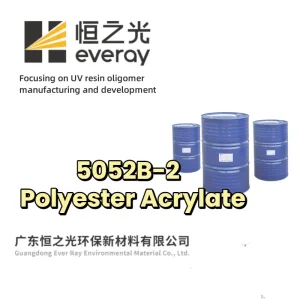
Traditional high-molecular-weight resins often require substantial dilution using monomers (reactive diluents) to reach workable viscosities. This can sometimes lead to excessive shrinkage. Advanced low-viscosity polyester acrylates, like the 5052B-2 series, are engineered to deliver low viscosity without sacrificing oligomeric properties, reducing the need for high monomer levels.
Shrinkage during radical polymerization can weaken adhesion to metallic, glass, and plastic substrates. Using modified acrylates like 17701 and 1100UV, formulators can minimize internal stresses and preserve interface integrity, ensuring high peel strength on smooth surfaces.
Ink applications require oligomers with low surface energy and high wetting capabilities. Polyester acrylates like 5332F and 5016 exhibit excellent wetting dynamics for organic pigments, enabling stable dispersion in high-speed offset printing presses without phase separation.
UV-curable polyester acrylates and engineering resins are key components in modern industrial workflows. Their fast polymerization rate and low-temperature processing requirements make them suitable for a wide range of substrates.
In automotive interior trims and exterior metallized elements, substrates must withstand thermal changes, UV exposure, and moisture. Curing resins such as 7620 provide the base and topcoat chemistry for vacuum electroplating. This process deposits aluminum or chromium vapor onto polymer substrates under high vacuum. The UV-curing layer locks the metal atoms in place, preventing micro-cracking and degradation.
Modern printing lines run at speeds exceeding 300 meters per minute, demanding instantaneous curing. Polyester acrylates like 5332F are designed for offset ink formulations. They exhibit rapid curing when exposed to UV/LED radiation and possess high water-ink balance stability, preventing ink emulsification and maintaining sharp halftone dots.
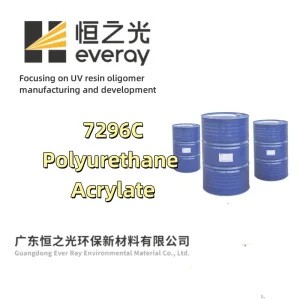
Wood and industrial flooring require coatings that resist physical wear and household chemicals. Monomer-diluted polyurethane and polyester acrylates, such as the 7296C series, form highly cross-linked networks upon curing. These networks act as a barrier against water, organic solvents, and physical abrasion.
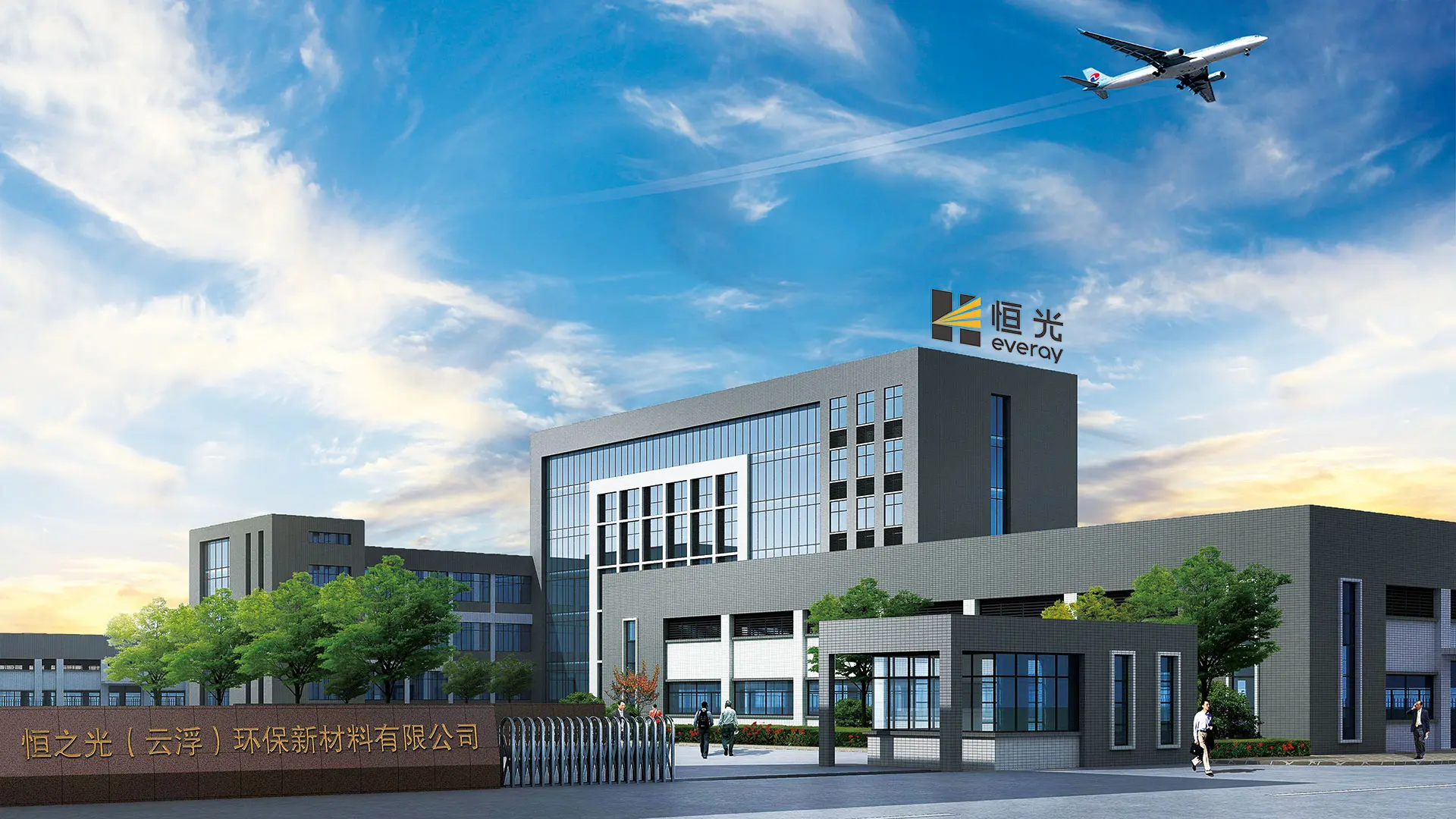
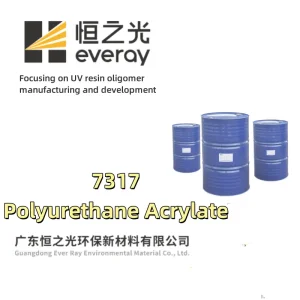
Established in 2006, Guangdong Ever Ray Environmental Material Co., Ltd. is a high-tech enterprise focused on the research, development, and manufacture of oligomers for UV-curable resins. Our product portfolio includes epoxy acrylates, polyurethane acrylates (waterborne, aliphatic, aromatic), polyester acrylates, pure acrylates, and custom-modified acrylate oligomers.
We operate two production bases in Guangdong province: a 10,000-square-meter facility in Jiangmen and a larger 40,000-square-meter facility in Yunfu. Supported by integrated quality control, storage, and logistics, our dual-base setup maintains an annual capacity exceeding 20,000 metric tons across 10 active production lines.
To ensure batch-to-batch consistency, our facilities operate under ISO9001 and ISO14001 management standards. Production is controlled using a DCS fully computerized system. We source high-grade raw materials internationally and domestically, employing advanced scientific management and consulting with industry experts to maintain safety and quality.
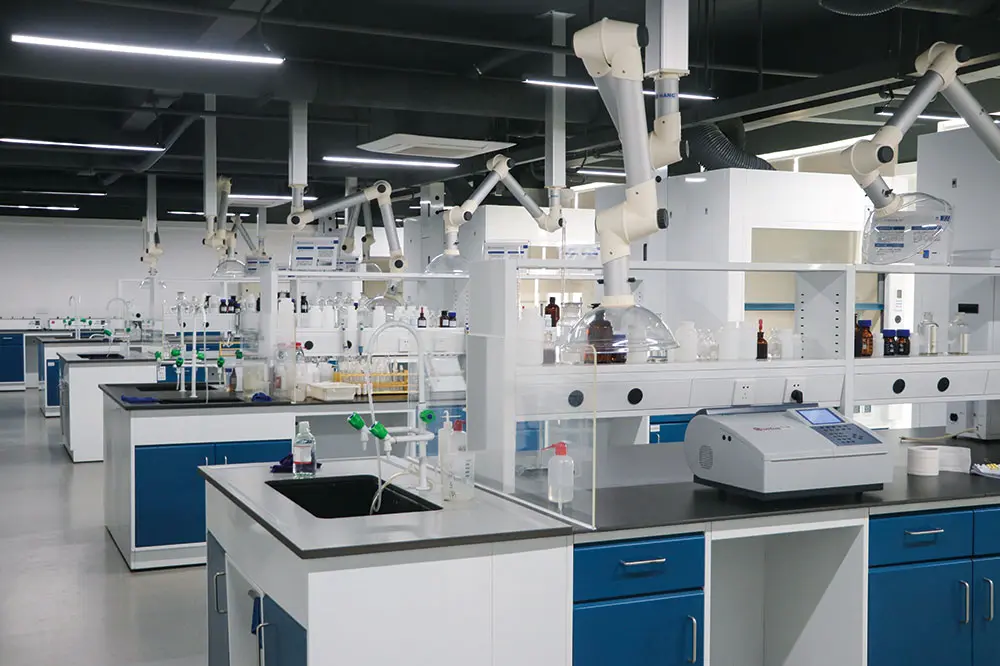
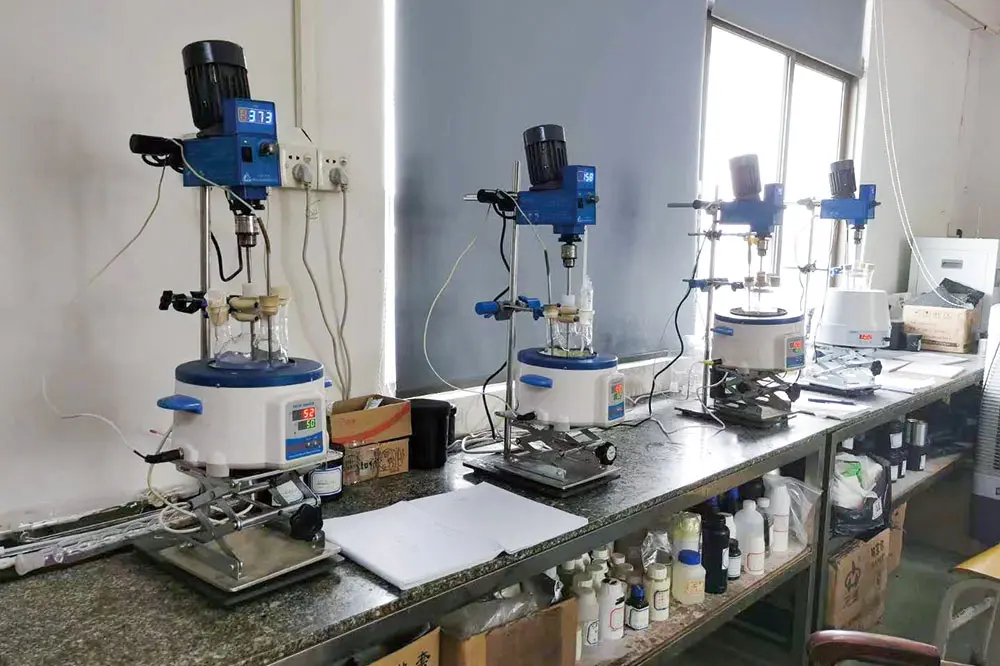
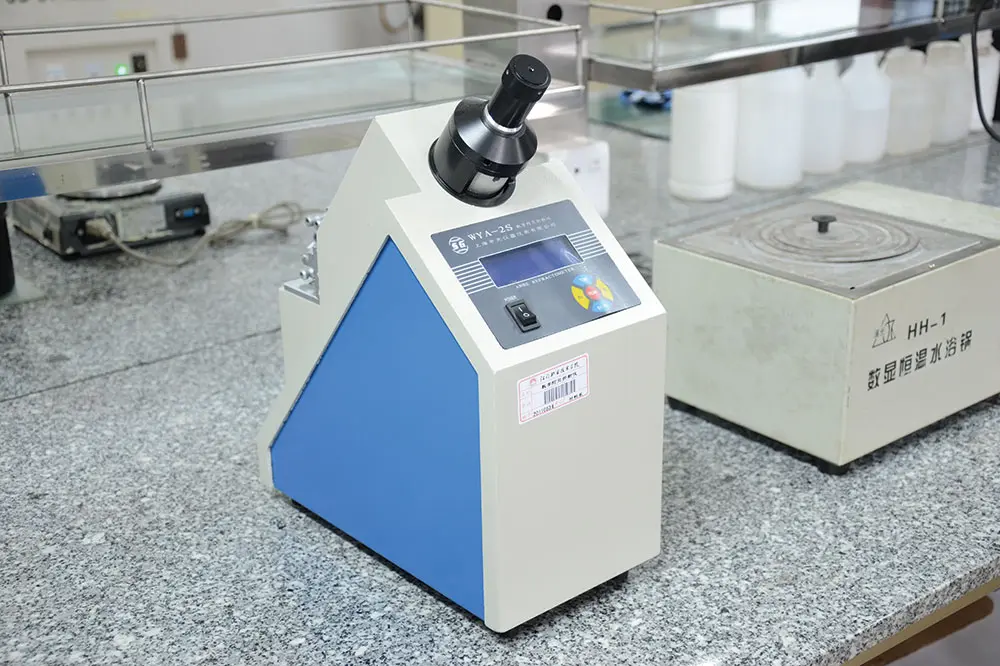
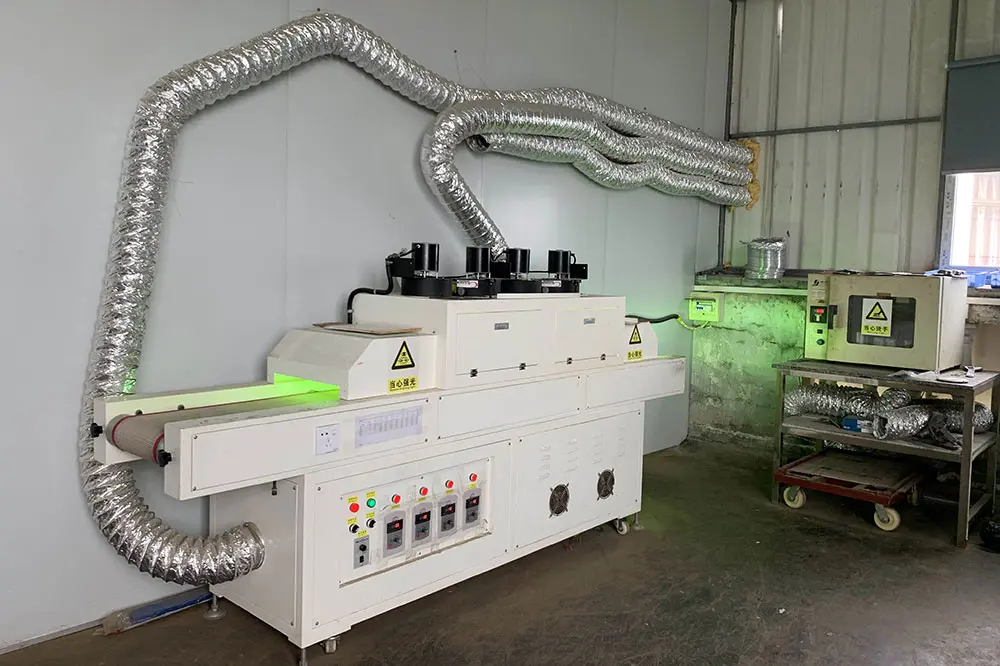
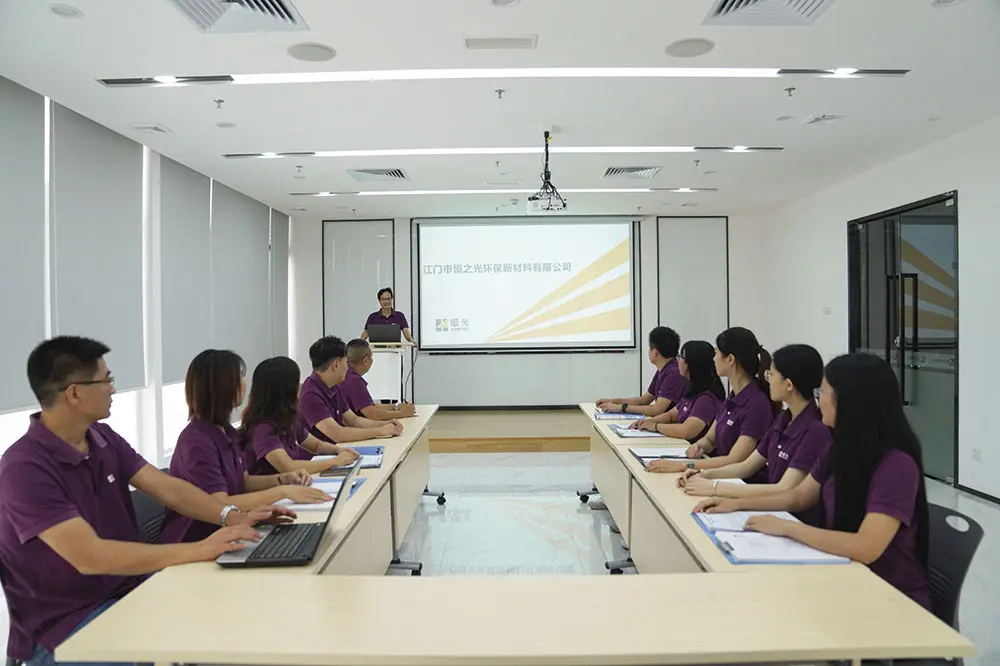
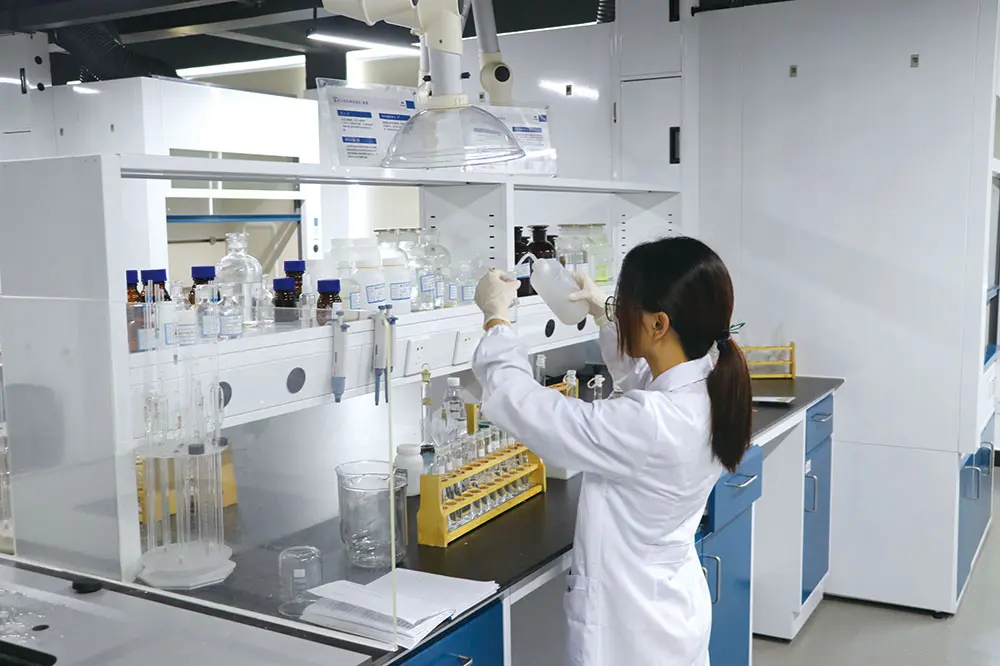
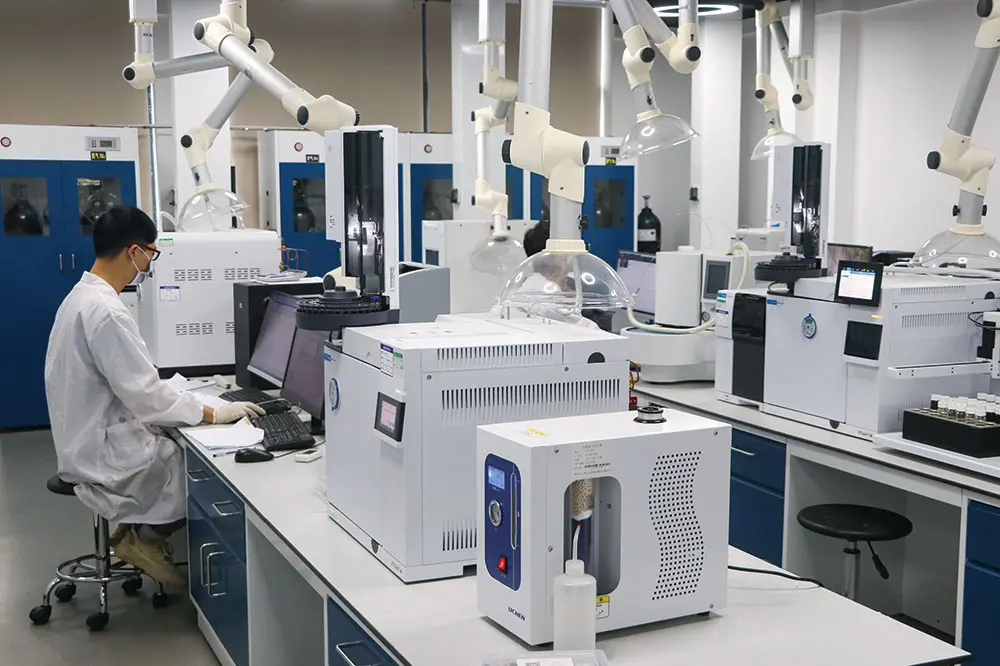
Environmental compatibility and technological innovation are key priorities in Ever Ray's development strategy. Our R&D team holds over 10 invention and utility patents. We focus on developing high-reactivity, chemical-resistant, and high-gloss formulations that align with global green initiatives.
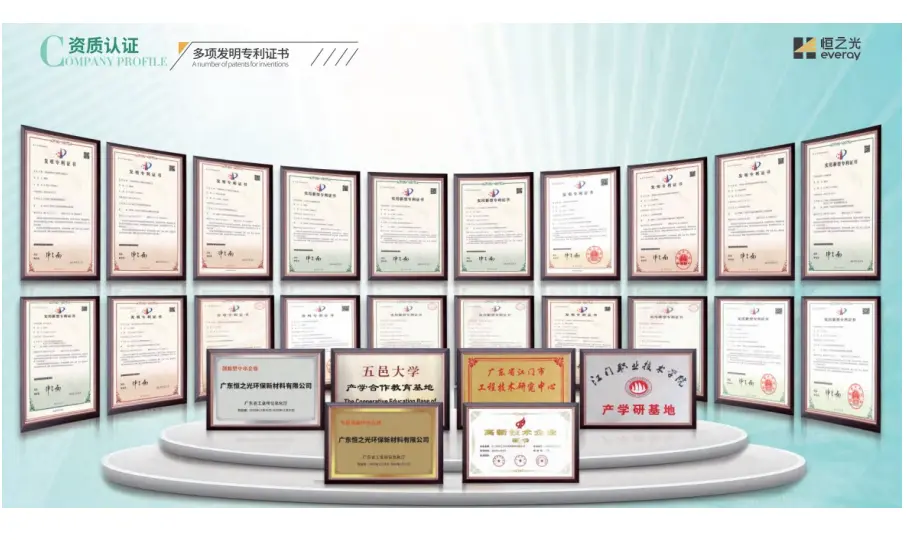
Our laboratory helps customers balance physical properties with formulation costs. By adjusting the monomer ratio and oligomer backbone structures, we create custom formulations for wood, plastic, ink, and adhesive applications.
As regulatory frameworks push to lower VOC emissions, Ever Ray is developing bio-based raw materials and waterborne UV-curable systems. Our goal is to reduce carbon footprints while maintaining high curing rates and mechanical performance.
Navigating international regulations is essential for chemical distribution. Our UV-curable materials comply with global chemical regulatory frameworks, ensuring safety and compliance across different regions.
All our primary export oligomers comply with EU REACH requirements, allowing smooth integration into European industrial supply chains.
Our UV curable formulations contain zero solvents, helping businesses comply with strict clean air regulations and local VOC rules.
Our products include comprehensive SDS documentation and standard industrial packaging, ensuring safe transport by sea, rail, or air.
Review our full line of industrial UV resins, including shadowless adhesives, modified acrylates, varnishes, and coating agents.
 Ever Ray