Established in 2006, Guangdong Ever Ray Environmental Material Co., Ltd. is a premier high-tech enterprise focusing extensively on the R&D, formulation optimization, and manufacturing of oligomers for UV curable resin. Our comprehensive synthesis capabilities encompass epoxy acrylate, polyurethane acrylate (including waterborne, aliphatic urethane, and aromatic urethane), polyester acrylate, pure acrylate, and other special functional modified acrylate oligomers designed to withstand harsh industrial stress.
Our commitment to material science is driven by harmonious ecological progress. We take scientific breakthroughs as our key developmental catalyst, continuously optimizing the crosslinking densities and structural integrity of our oligomers to assist downstream formulators in achieving unmatched durability at reduced operational costs.
"We are focusing on technology and environmental protection coexisting in harmony, firmly taking science and technology as our driving force in our future development, and continuing to pursue excellence."
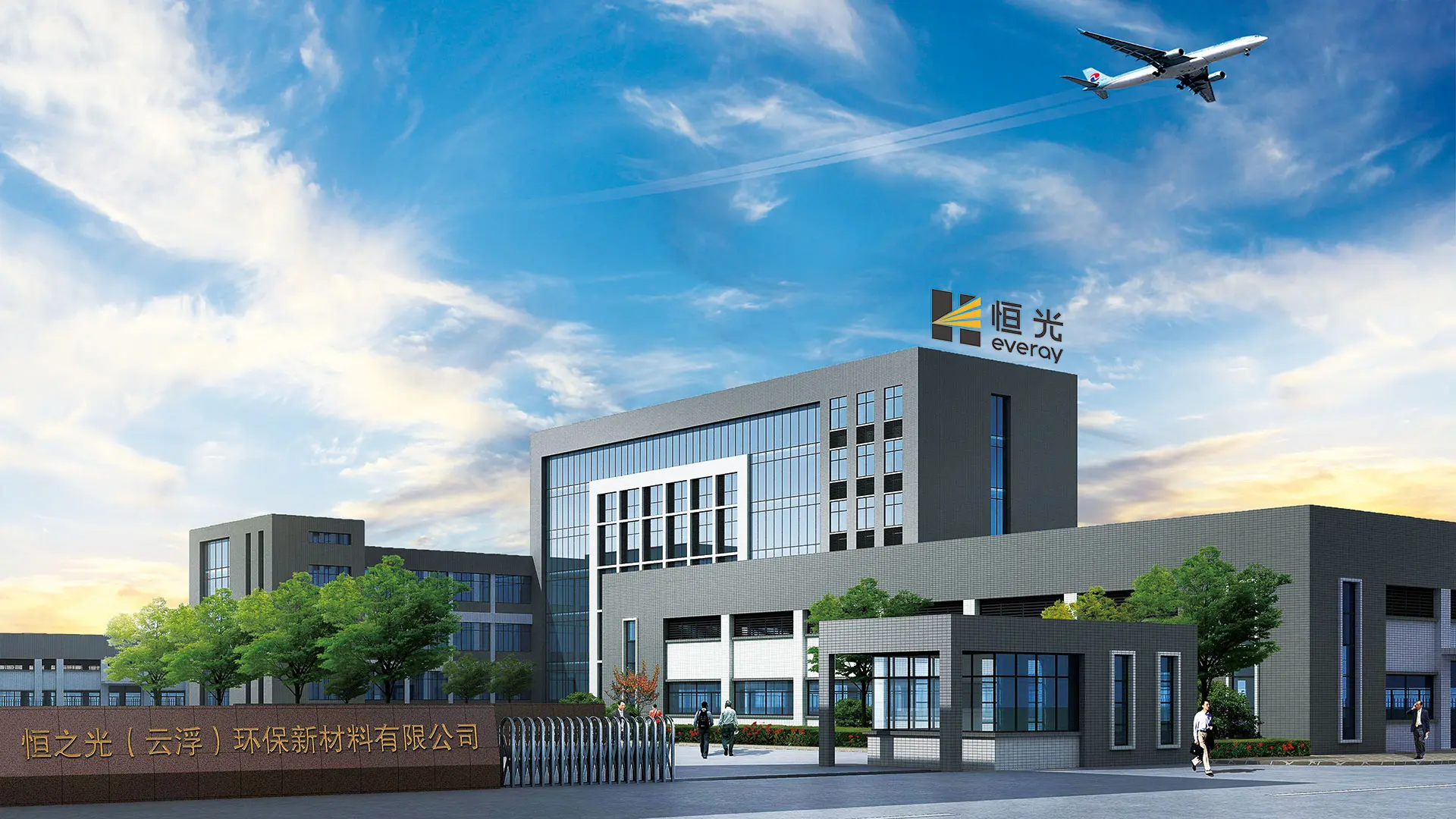
Our operational framework spans two modern manufacturing bases situated strategically in Southern China:
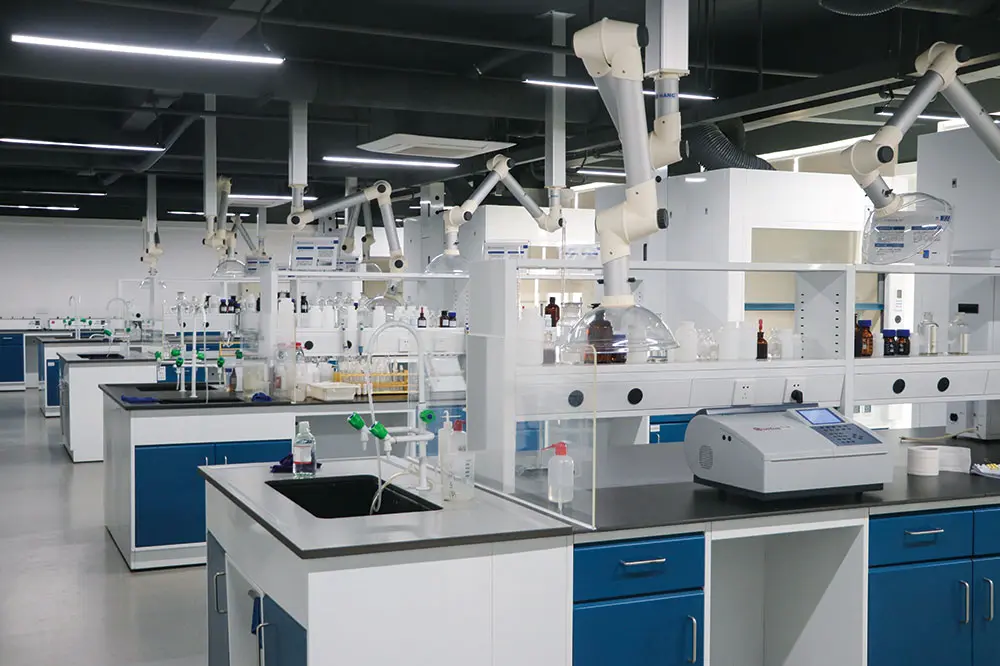
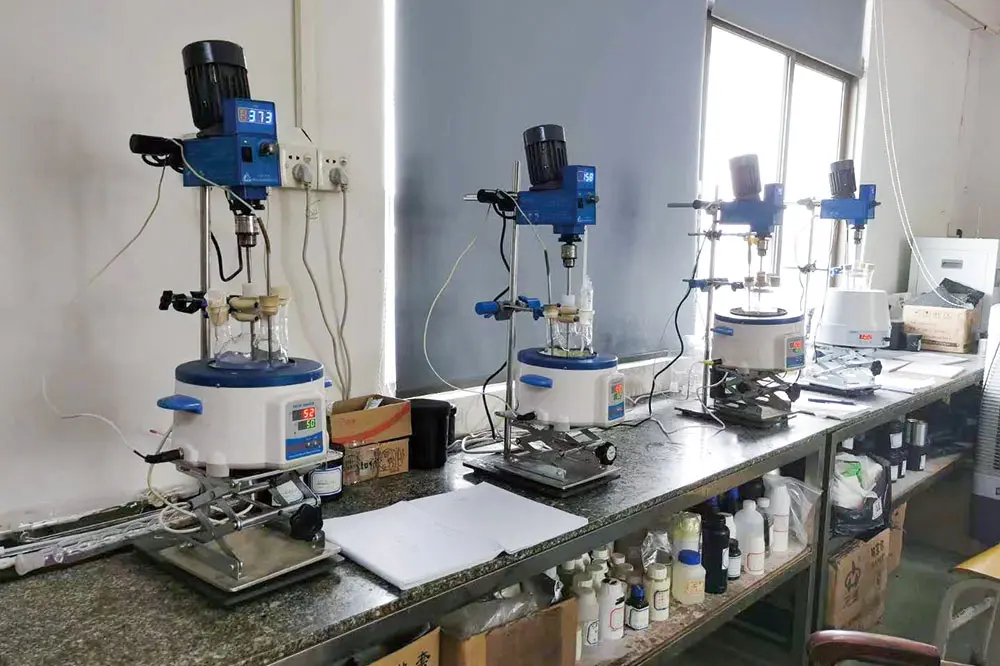
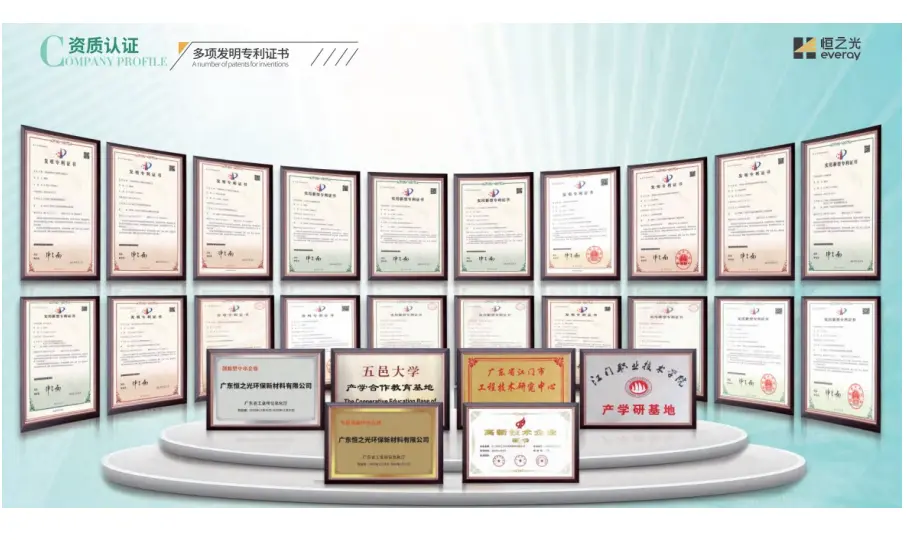
With more than 10 dedicated, highly automated production lines, Ever Ray achieves an annual manufacturing capacity exceeding 20,000 tons. To guarantee absolute consistency across batches, our entire operational environment runs under strict ISO9001 Quality Management Systems and ISO14001 Environmental Management Systems. Synthesis processes are monitored live via a centralized DCS fully computerized control system, preventing thermal excursions or raw material dosing deviations.
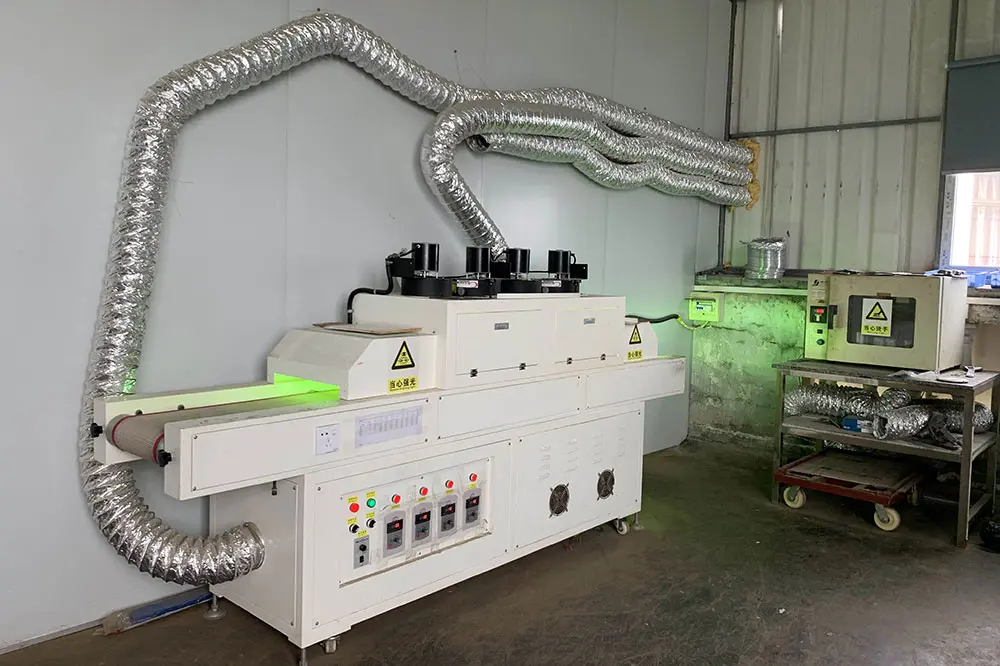
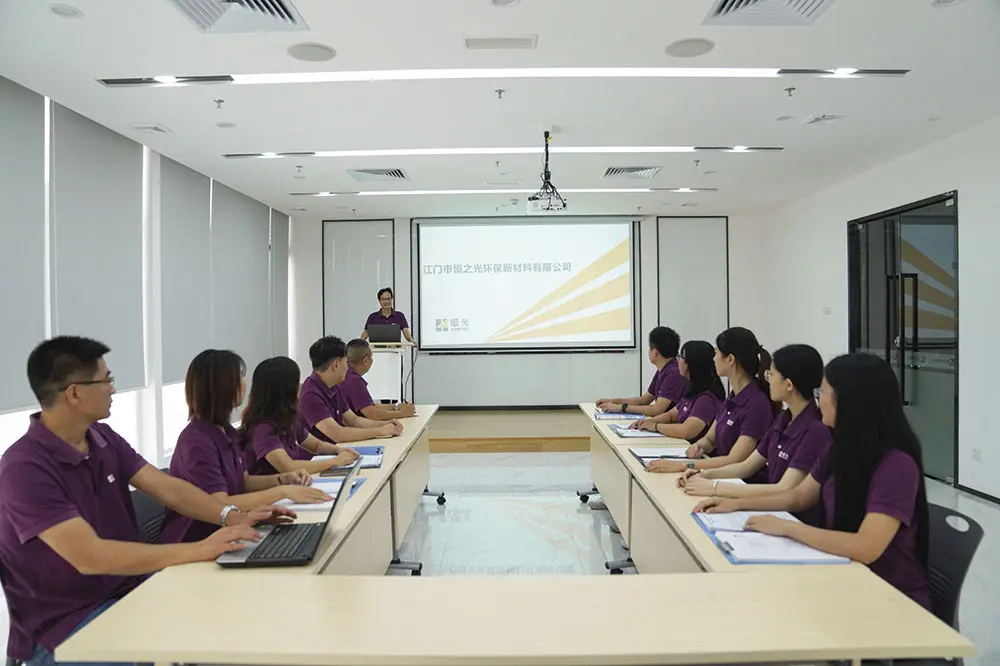
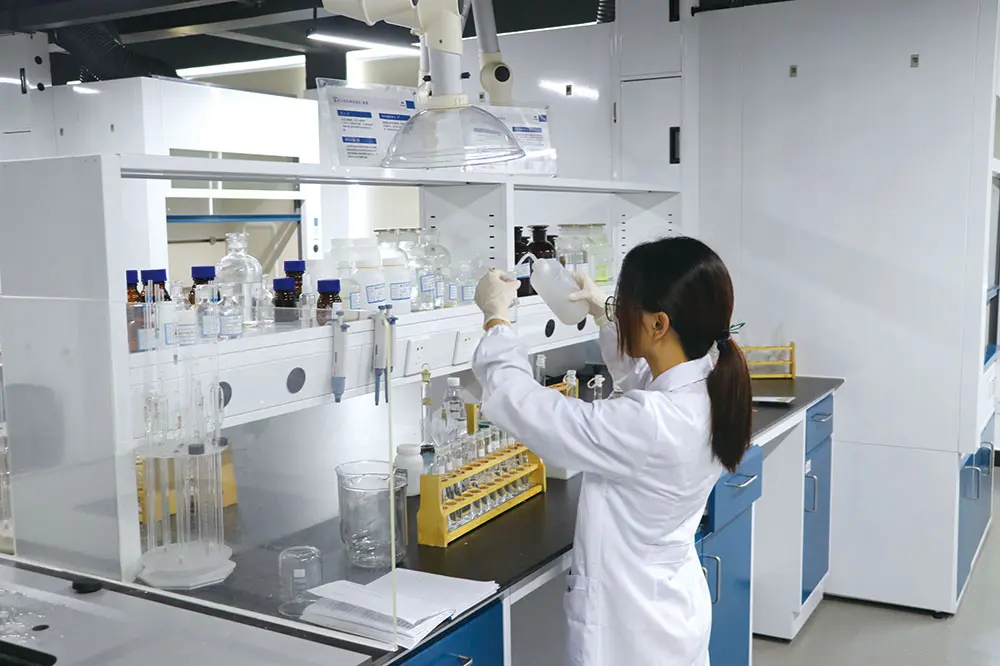
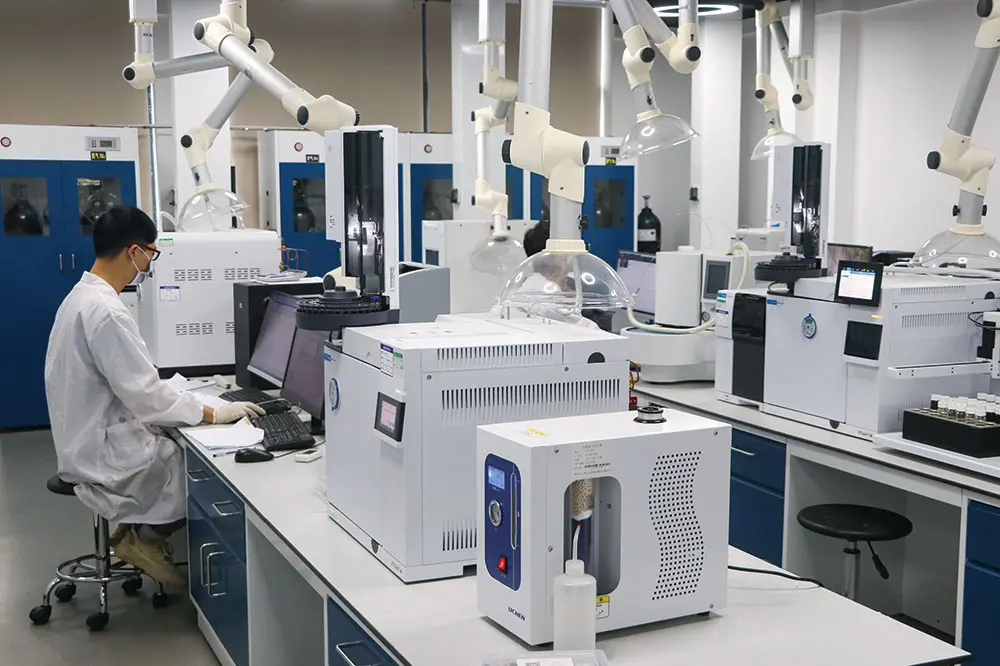
Historically, UV-curable resins faced severe criticisms regarding their mechanical longevity. Formulations built upon standard epoxy acrylates were notoriously brittle, suffering from catastrophic failures under tensile load or sudden impacts. As additive manufacturing (SLA, DLP, LCD) and specialized industrial coatings transitioned from simple visualization prototypes to functional end-use components, the global market demand forced a paradigm shift toward Tough Resins.
Tough resins achieve their high performance through a precise balance of high tensile strength and significant elongation-at-break. In chemical design, this is achieved by introducing flexible segment chains—primarily aliphatic polyurethanes—into the backbone of the oligomer. These polyurethanes act as energy-absorbing segments that deform elastically under mechanical stress before transferring energy to the crosslinked covalent grid, preventing micro-fracture propagation.
Modern trends demonstrate an accelerating reliance on multi-functional oligomer systems. Formulators are blending low-viscosity, low-odor monomers with highly customized polyurethane acrylates to construct resins featuring Izod impact strengths exceeding 50 J/m and tensile moduli in the range of 1.5 to 2.5 GPa. These advancements allow manufacturers to replace conventional injection-molded ABS plastics with printed or coated parts of equivalent mechanical characteristics.
Industrial procurement officers selecting a wholesale tough resin manufacturer must evaluate factors far beyond basic per-kilogram pricing. When sourcing polymers globally, three main risk factors emerge: batch-to-batch chemical consistency, shipping stability, and strict environmental compliance.
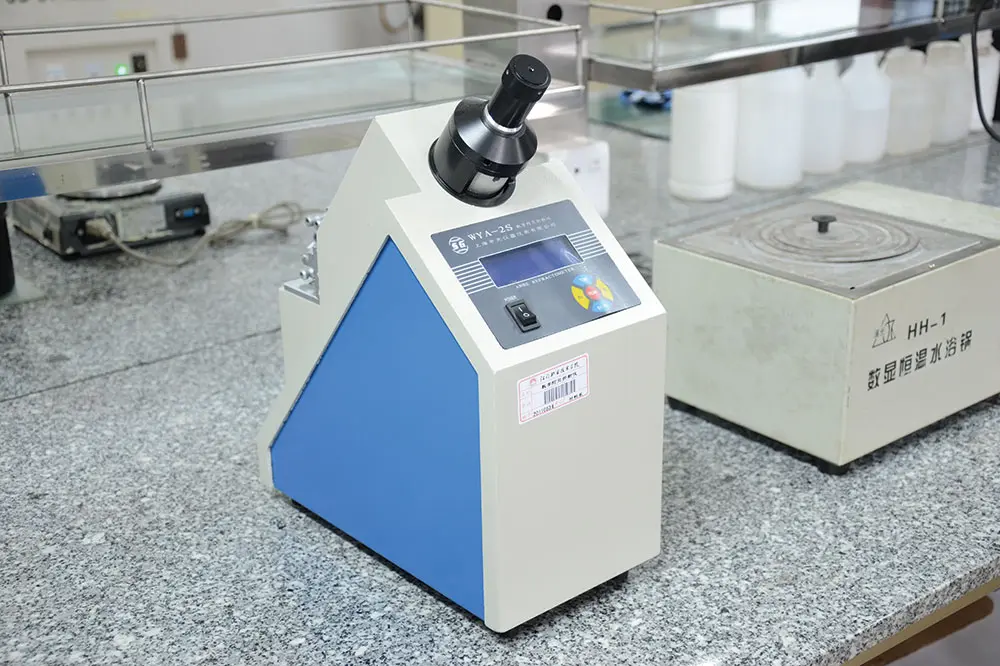
1. Batch-to-Batch Consistency: Small variations in raw materials or polymerization temperatures can shift the glass transition temperature (Tg) of the cured material, leading to unexpected failures in the field. Procurement teams should require manufacturers to present detailed Gel Permeation Chromatography (GPC) and Fourier Transform Infrared Spectroscopy (FTIR) profiles for every delivered batch to confirm molecular weight distribution and double-bond conversion metrics.
2. Thermal and Transport Stability: UV-curable oligomers can be highly sensitive to sustained heat during shipping across tropical regions. If not properly stabilized with custom polymerization inhibitors, premature gelation or viscosity drift can occur in transit. Ensuring your manufacturer utilizes premium stabilizers and provides insulated, airtight packaging is crucial for long-distance ocean shipping.
3. Regulatory Compliance: Sourced materials must align with regional chemical inventories such as REACH (European Union), TSCA (United States), and IECSC (China). Sourcing from an ISO-certified enterprise like Ever Ray guarantees that the chemistry complies with the environmental and safety standards required for cross-border clearance.
Utilizing high-elongation polyurethane acrylates to produce dashboard components, structural mounts, and snap-fit housings that withstand continuous vibration and thermal variations inside the engine compartment.
Designing hyperbranched acrylic UV resins for scratch-resistant coatings and shock-absorbing structural elements. These formulations shield delicate circuitry from drop damages and environmental exposure.
Replacing traditional aluminum or steel components with heavy-duty tough resins for manufacturing jigs, fixtures, and mold inserts. This reduces component weight and accelerates lead times on production lines.
A true manufacturing partner offers more than just high-quality chemical raw materials. At Ever Ray, we support our global distributors and formulation labs with comprehensive local application assistance. Our R&D team, consisting of 15+ senior technicians, regularly assists clients with custom formulation adaptations, addressing challenges such as humidity-induced curing inhibition, yellowing under prolonged UV exposure, and substrate adhesion difficulties.
Our raw material sourcing relies on selected domestic and international suppliers to maintain chemical purity. By employing domestic UV experts for long-term technical consultation, we keep our production methodologies at the cutting edge of global material science. Our compliance documentation—including customized SDS, TDS, and Certificate of Analysis (COA)—is fully localized for international markets, facilitating seamless integration into your facility's ERP system.
Looking to the future, Ever Ray's chemical development focuses on three primary technological pillars:
 Ever Ray