Premium curable resins engineered for industrial wood finishes, plastics, offset inks, and high-performance electronics potting.
A comprehensive analysis of oligomer structures, photopolymerization kinetics, and industrial value chain mechanics.
The global industrial sector is undergoing a rapid transition toward energy-efficient, environmentally compliant, and high-throughput coating technologies. At the center of this revolution lies Ultraviolet (UV) Curing Resin technology, a photopolymerization process that transforms liquid formulations into cross-linked solids within seconds under UV radiation. Unlike thermal drying, which relies on volatile organic compound (VOC) evaporation, UV curing features near-zero VOC emissions, reduced carbon footprints, and exceptional curing speeds. This makes it an essential technology for modern automotive, electronic, packaging, and woodworking industries.
As a leading Wholesale Ultraviolet Curing Resin Supplier & Factory, we understand that selecting the appropriate oligomer is critical to achieving specific film properties. UV curable oligomers—primarily consisting of epoxy acrylates, polyurethane acrylates, polyester acrylates, and specialty modified acrylates—form the structural backbone of the cured polymer network. Their chemistry dictates the final product's chemical resistance, thermal stability, adhesion, elasticity, and mechanical durability.
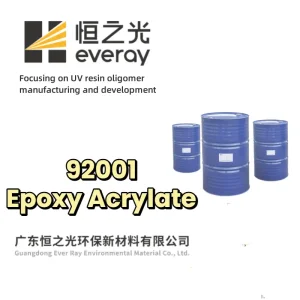
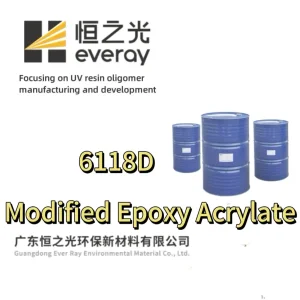
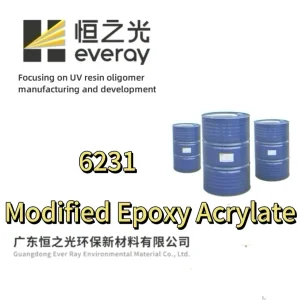
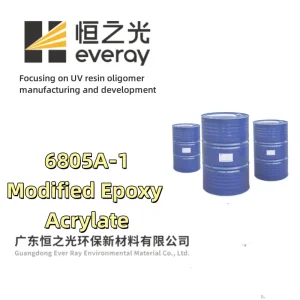
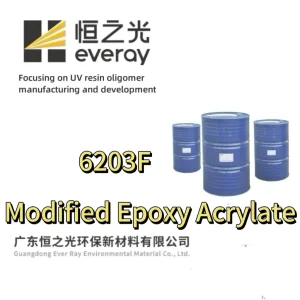
Representing the workhorse of the radiation-curable industry, modified epoxy acrylates deliver unmatched curing speed, high surface hardness, and superior chemical resistance. They are widely utilized in paper coatings, overprint varnishes, and industrial metal finishes where durability is paramount.
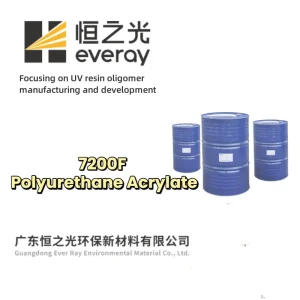
Engineered for premium performance, aliphatic and aromatic polyurethane acrylates provide an optimal balance of hardness and elasticity. Aliphatic PUAs offer excellent yellowing resistance and weatherability, making them ideal for outdoor automotive applications, plastic coatings, and screen inks.
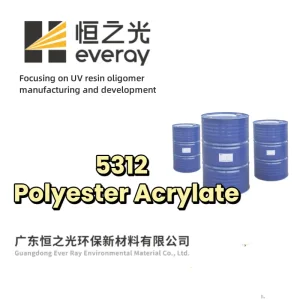
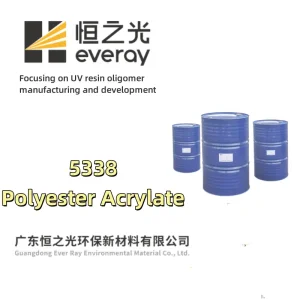
Known for their low viscosity and high pigment wetting capability, polyester acrylates serve as cost-effective, versatile binders in UV curable inks. They enable clean color dispersion and reliable rheological stability for flexo and gravure printing systems.
Established in 2006, Guangdong Ever Ray Environmental Material Co., Ltd. is a high-tech enterprise focusing on the R&D and manufacturing of oligomers for UV curable resins. Our core competencies lie in synthesizing advanced prepolymers, including epoxy acrylate, polyurethane acrylate (waterborne, aliphatic urethane, aromatic urethane), polyester acrylate, pure acrylate, and custom functional modified acrylate oligomers.
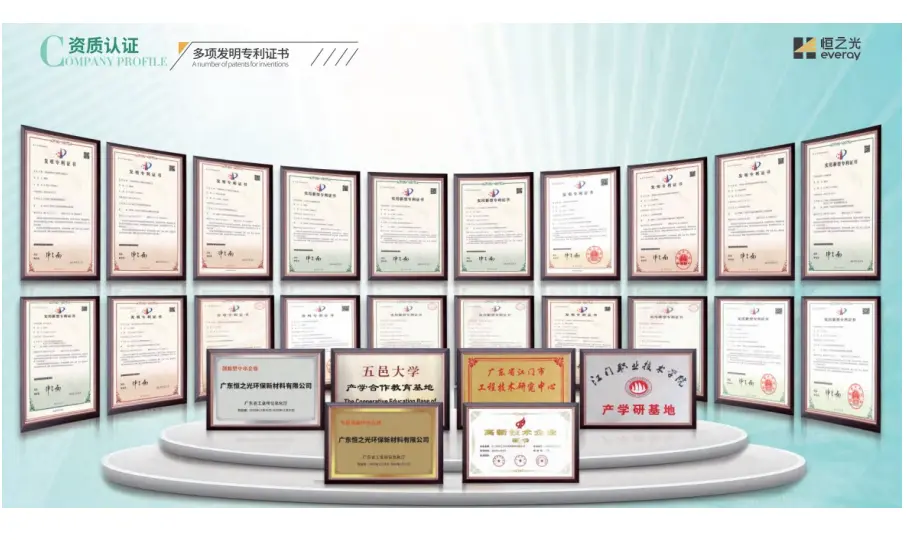
Over nearly two decades, we have integrated raw material synthesis, chemical engineering, and customer application support. We have secured more than 10 invention and utility patents, driven by a dedicated R&D department staffed by over 15 professional technicians. Our formulations deliver high reactivity, chemical resistance, and high gloss, serving industries such as wood coatings, plastics, screen printing inks, industrial adhesives, and electronic sealants.
We are dedicated to the harmony of technology and environmental stewardship. By leveraging science and technology as our core driving forces, we continue to pursue engineering excellence, aiming to support a sustainable, green living environment for future generations.
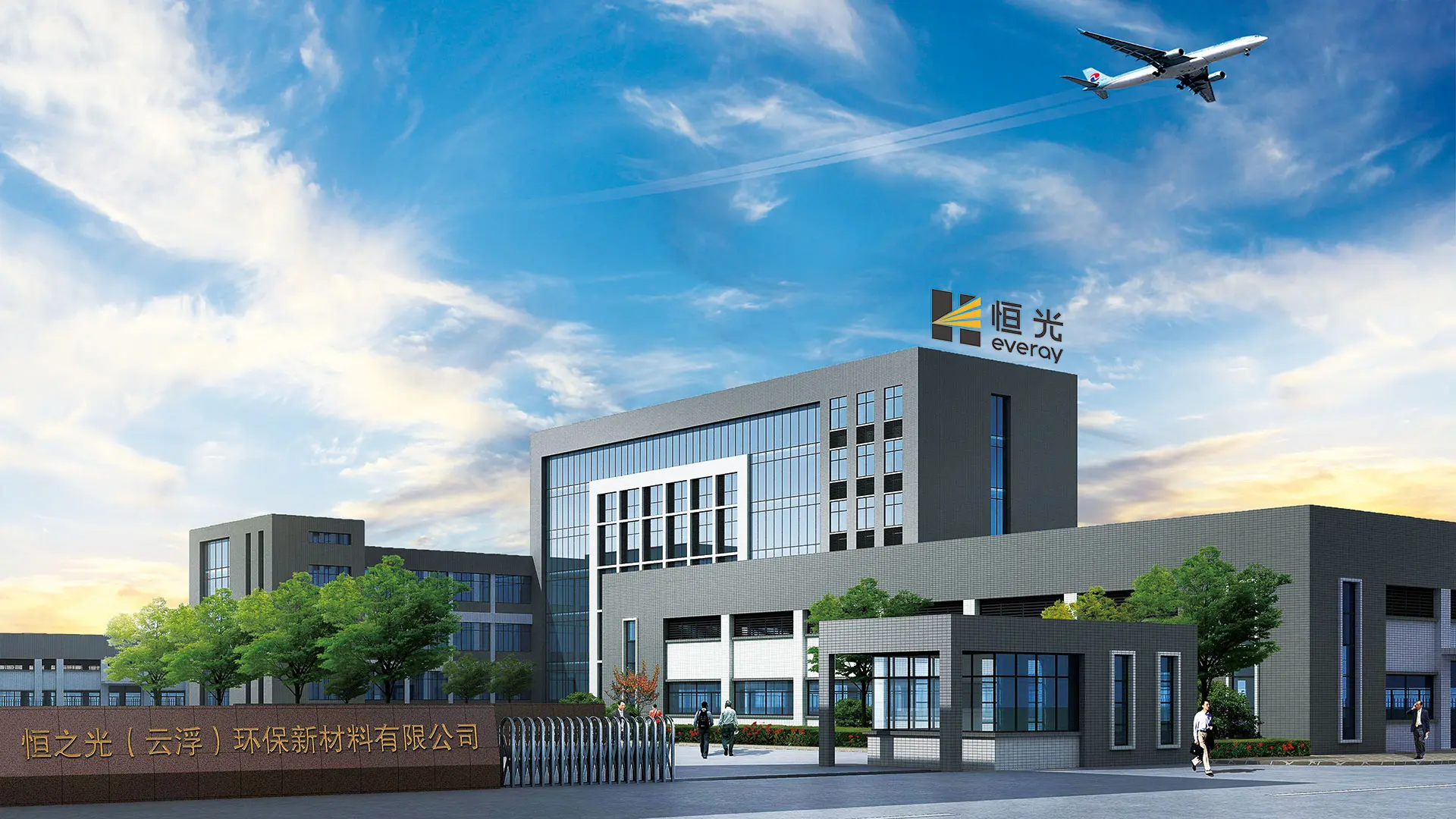
Guangdong Ever Ray operates two modern manufacturing sites to support steady global supply chains:
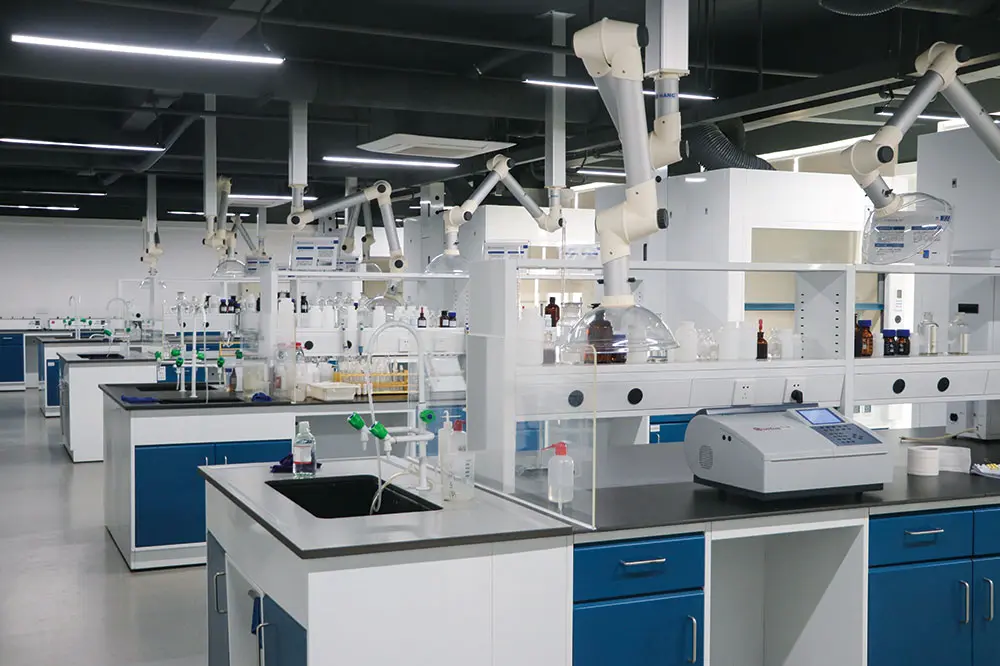
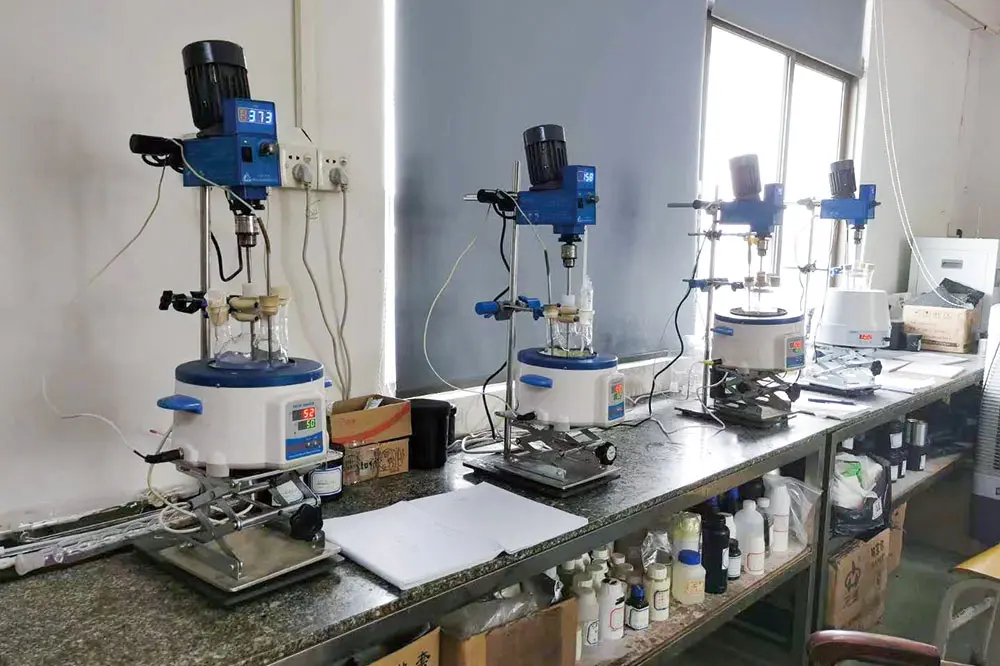
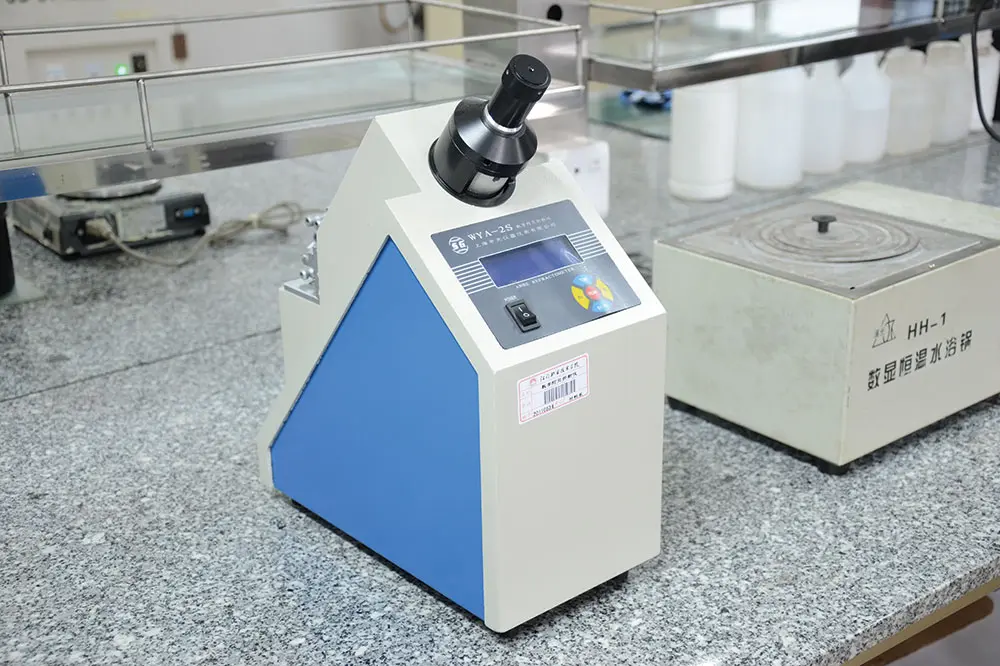
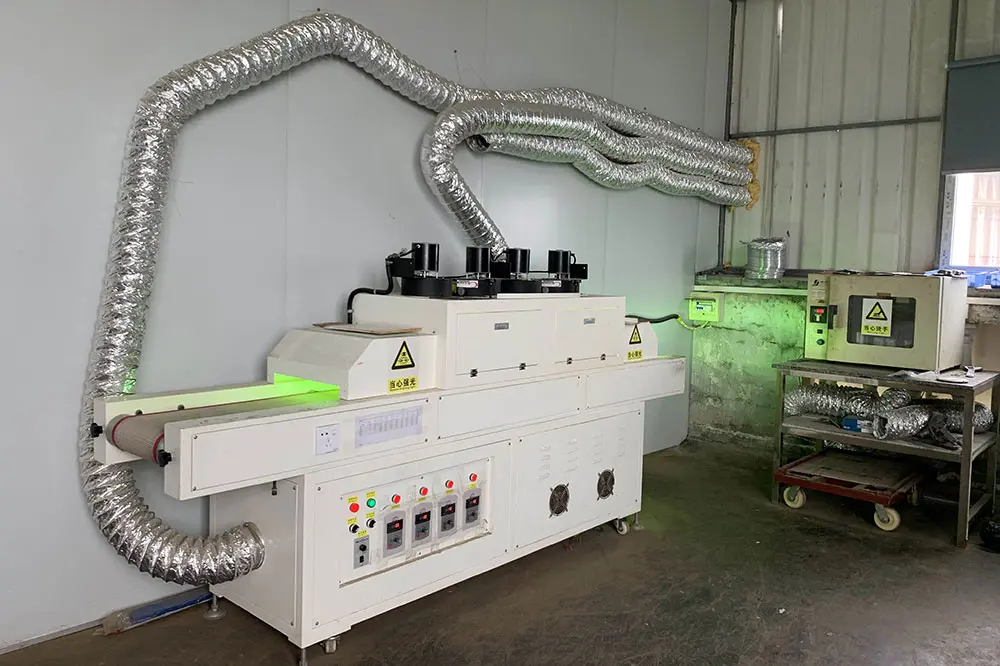
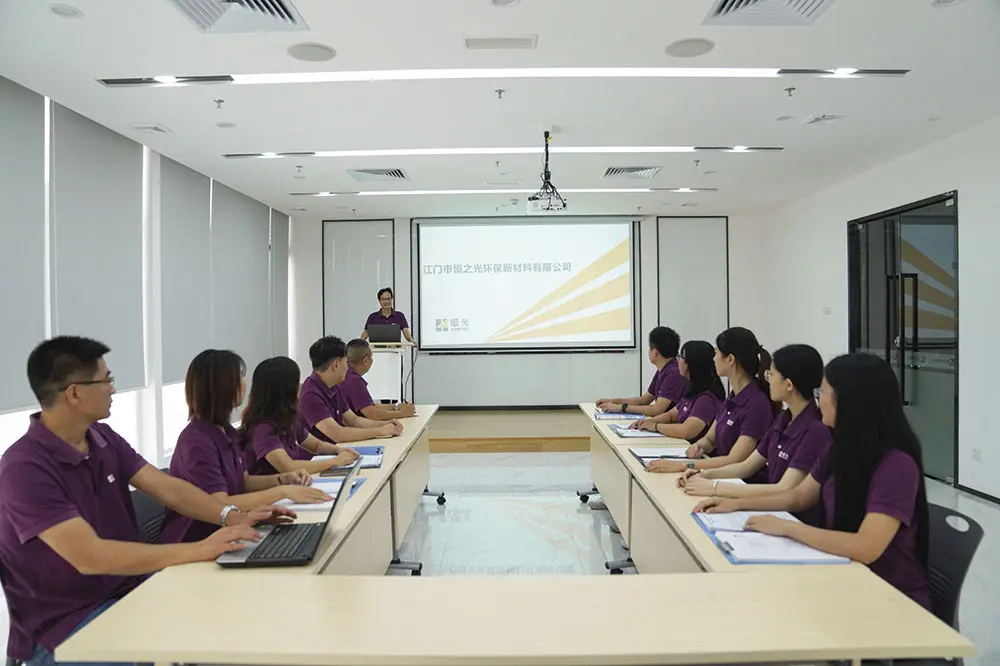
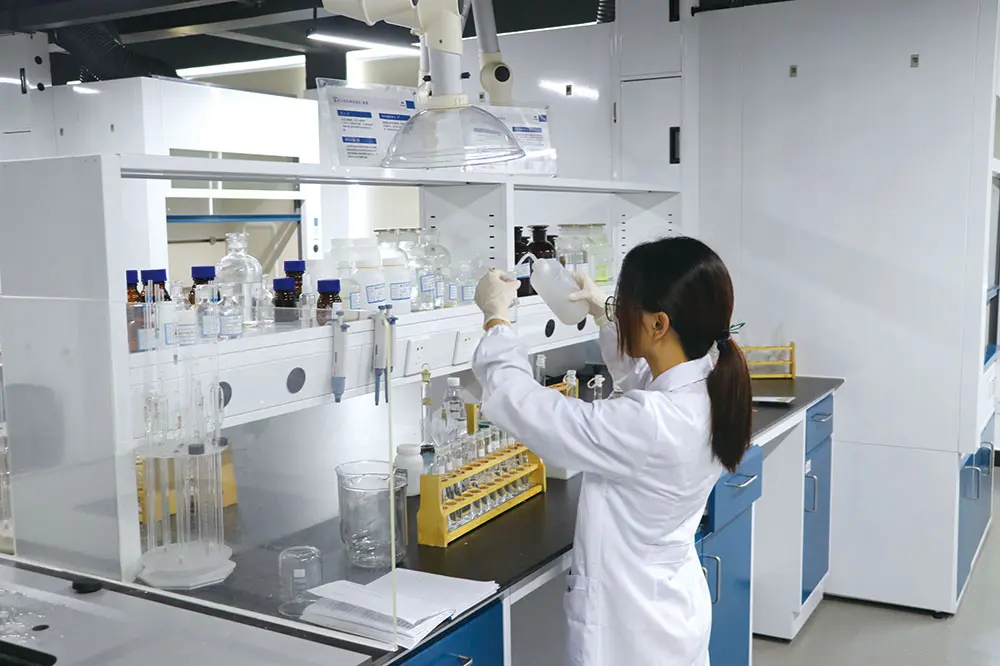
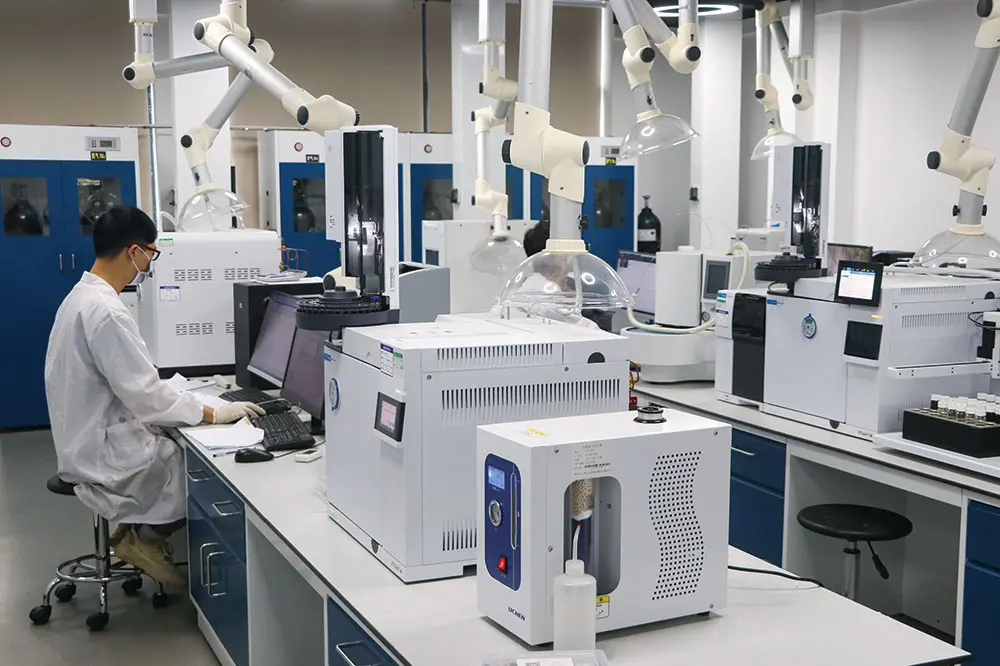
We partner with industrial formulators worldwide, providing tailormade solutions designed to meet stringent engineering standards.
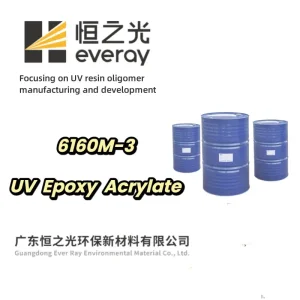
Modern automated UV roller coating lines require rapid curing speeds and high wear resistance. Our modified polyester and epoxy acrylate oligomers (such as 5312 and 6160M-3) provide excellent scratch resistance, high surface hardness, and low shrinkage, minimizing substrate deformation in panel furniture and parquet flooring production.
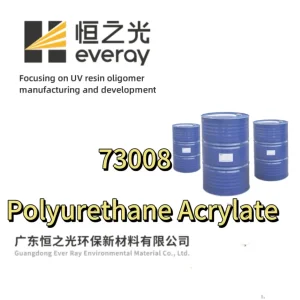
Mobile phones, automotive consoles, and consumer electronics rely on protective coatings with strong adhesion to ABS, PC, and PMMA substrates. Our low-shrinkage polyurethane acrylates (such as 73008 and 7200F) offer excellent flexibility, weatherability, and chemical resistance, protecting components from thermal stress and daily wear.
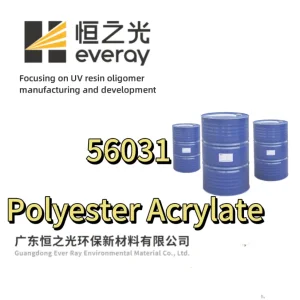
For high-speed lithographic, flexo, and gravure printing, ink binders must provide rapid curing under low-energy LED-UV lamps and offer good pigment wetting. Products like our 5650F and 56031 polyester acrylate resins enable stable ink transfer, high gloss, and chemical resistance on paper, cardboard, and flexible film packaging.
R&D and engineering directions shaping the next generation of photopolymer technology.
Traditional medium-pressure mercury arc lamps generate ozone and high heat, limiting their use on heat-sensitive substrates. The industry is rapidly shifting toward LED-UV curing systems (typically emitting at 365nm, 385nm, or 395nm). Our R&D team has designed oligomers like the 61003A to exhibit high reactivity and oxygen inhibition resistance, ensuring robust surface curing when paired with LED light sources.
Waterborne UV polyurethane acrylates (WPUAs) combine the environmental benefits of water-based coatings with the high performance of UV curing. WPUAs allow for easy viscosity adjustment using water, reducing or eliminating the need for active monomer diluents. This approach is well-suited for interior wood finishes, spray-coated plastics, and packaging inks where low odor and minimal skin irritation are required.
In line with global decarbonization efforts, we are actively incorporating bio-based resources (such as modified plant oils and renewable polyols) into our oligomer backbone designs. This helps lower the product's carbon footprint while maintaining the performance standards of petroleum-derived alternatives.
Dual-cure systems—combining UV photopolymerization with secondary thermal or moisture curing mechanisms—help resolve line-of-sight shading issues in complex 3D parts. Our modified acrylate oligomers can be tailored to include secondary reactive groups, ensuring complete curing in shadowed areas of electronic assemblies and complex automotive trim parts.
Ensuring supply chain reliability, quality consistency, and global regulatory compliance.
Navigating global regulatory landscapes is critical for international supply chains. We ensure our materials comply with key standards, including EU REACH, RoHS, TSCA, and various national chemical inventories. Safety Data Sheets (SDS) and technical data sheets are provided to support customer compliance requirements.
Operating two production bases in Yunfu and Jiangmen allows us to maintain reliable supply lines. We offer flexible packaging options—ranging from 20kg pails and 200kg steel drums to 1000kg IBC totes—to suit different manufacturing scales. Our close proximity to major South China shipping ports helps streamline international ocean freight and logistics.
Every coating line has unique processing conditions. Our technical team works closely with customers to adjust key parameters like viscosity, reactivity, adhesion, and film hardness. This collaborative process helps clients optimize formulation costs while achieving the necessary material performance.
Technical insights to help you optimize your UV curing formulations and raw material selection.
Epoxy acrylates are typically selected for applications requiring rapid curing, high surface hardness, gloss, and strong chemical resistance, though they are somewhat rigid. Polyurethane acrylates (PUAs) offer superior toughness, elasticity, and flexibility. Aliphatic PUAs also provide excellent weatherability and yellowing resistance, making them preferred for outdoor applications and plastic coatings.
We utilize DCS computerized control systems across our production lines in Jiangmen and Yunfu. These systems automatically monitor reaction temperatures, pressure, feed rates, and process parameters. Every production batch undergoes strict quality control testing (checking viscosity, acid value, color, and curing speed) under our ISO9001 and ISO14001 certified protocols before shipment.
Yes. With over 15 R&D technicians, we regularly modify oligomer architectures to meet specific customer requirements. We can adjust molecular weight, functional group density, and monomer dilution to modify viscosity, cure speeds, and film flexibility, helping customers optimize their processes and material costs.
Yes, many of our oligomers, such as the 61003A and 92001, are formulated for LED-UV applications. Their high reactivity helps counter the oxygen inhibition that can occur under the lower energy wavelengths of LED lamps, ensuring good surface curing.
We provide standard industrial packaging options, including 20kg plastic/metal pails, 200kg steel drums, and 1000kg IBC containers. We also work with customers to accommodate custom labeling and packaging needs for international shipments.
High-performance resins engineered to meet demanding technical specifications for industrial applications.
 Ever Ray