Explore our cutting-edge formulations engineered for high reactivity, high-gloss finishes, and extreme substrate adhesion.
We are a state-level high-tech enterprise focusing comprehensively on the research, development, and advanced synthesis of oligomers for UV-curable systems. Our products serve as primary raw materials in various high-performance coatings, structural adhesives, and functional graphic inks globally.
Our deep technology pipeline centers on modified epoxy acrylate, aliphatic & aromatic polyurethane acrylates (including advanced waterborne PUA systems), polyester acrylates, pure acrylates, and specialty functional monomers configured for bespoke curing applications.
A rigorous engineering guide to selecting oligomers based on physical-chemical requirements, processing parameters, and curing speeds.
Characterized by exceptionally high reactivity, surface hardness, and superior chemical resistance. Primarily utilized in wood primers, overprint varnishes, and metal-substrate primers. They offer rapid cures but require chemical modifications (e.g., polyurethane modifications) to mitigate shrinkage and improve flexibility.
Available in aliphatic and aromatic configurations. Aliphatic PUAs offer outstanding exterior durability, yellowing resistance, and toughness, perfect for automotive refinish and electronics. Waterborne PUAs combine high environmental compatibility with excellent tactile profiles (skin feel) for premium consumer packaging.
Known for balancing low viscosity and high reactivity. Excellent pigment wetting profiles make them the default choice for gravure, flexographic, and offset printing inks. Advanced modifications facilitate micro-crinkle matte finishes under excimer laser curing systems.
| Oligomer Type | Curing Speed | Yellowing Resistance | Shrinkage Control | Adhesion Strength | Typical Applications |
|---|---|---|---|---|---|
| Modified Epoxy Acrylate | Extreme (Fastest) | Moderate | Moderate (3-6%) | High (Metals, Wood) | UV Paper Varnishes, Rigid Metal Coatings |
| Aliphatic Urethane Acrylate | Moderate to High | Excellent (Non-yellowing) | Excellent (Low) | Exceptional (Plastics, Alloys) | 3D Footwear, Exterior Auto Topcoats |
| Polyester Acrylate | High | Moderate | Moderate | Good | Flexographic Inks, Excimer Laser Coatings |
| Hyperbranched Acrylic Resin | High | High | Exceptional (Very Low) | Exceptional | Scratch-resistant Overprint Varnishes |
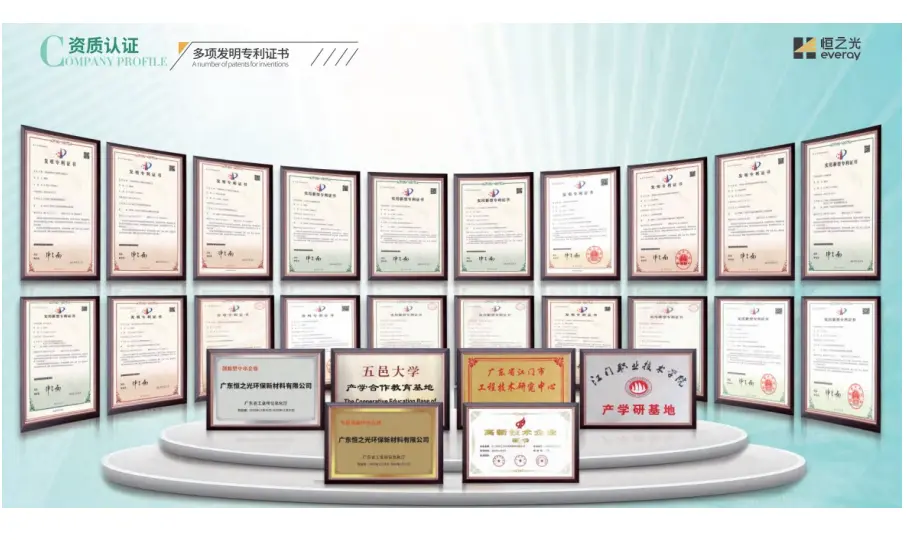
Our dual manufacturing model is designed to withstand macro-economic supply shocks while maintaining ultra-consistent chemical batches. Through ISO9001 and ISO14001 certified sites, we apply modern production technologies to all operations:
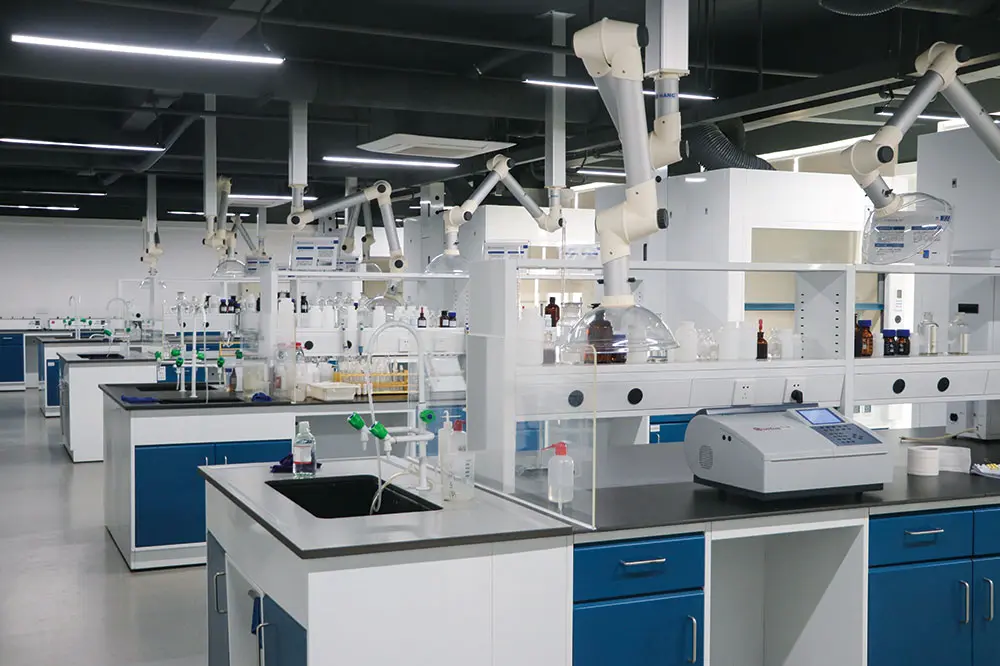
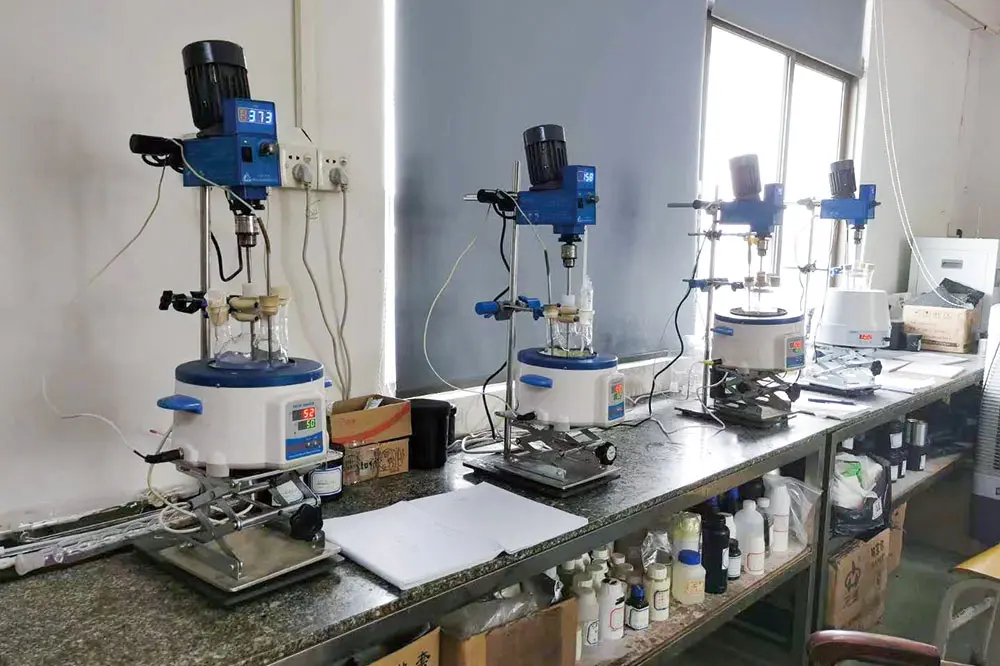
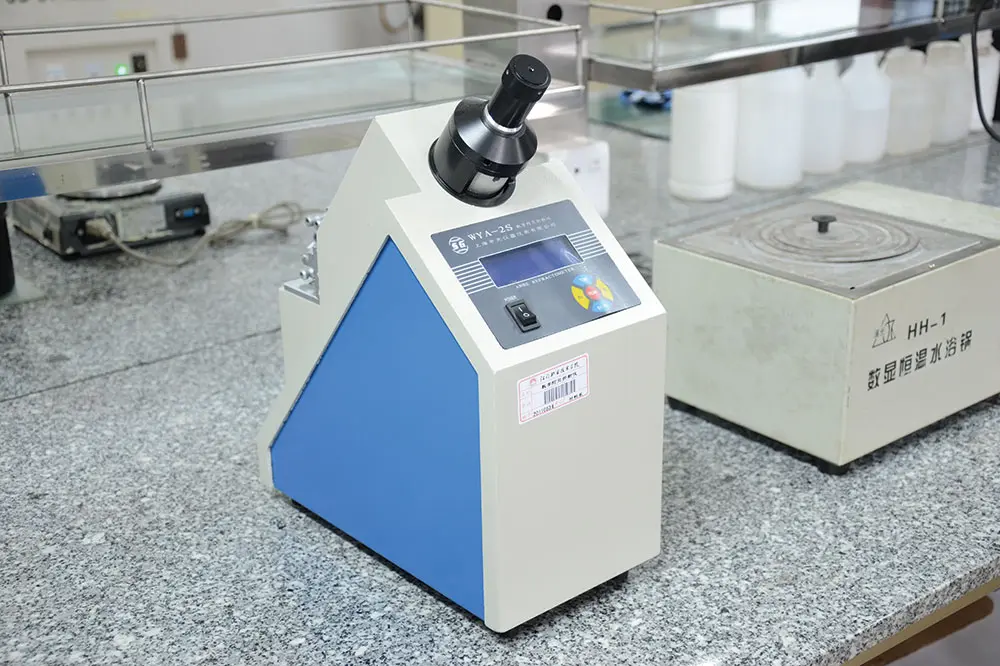
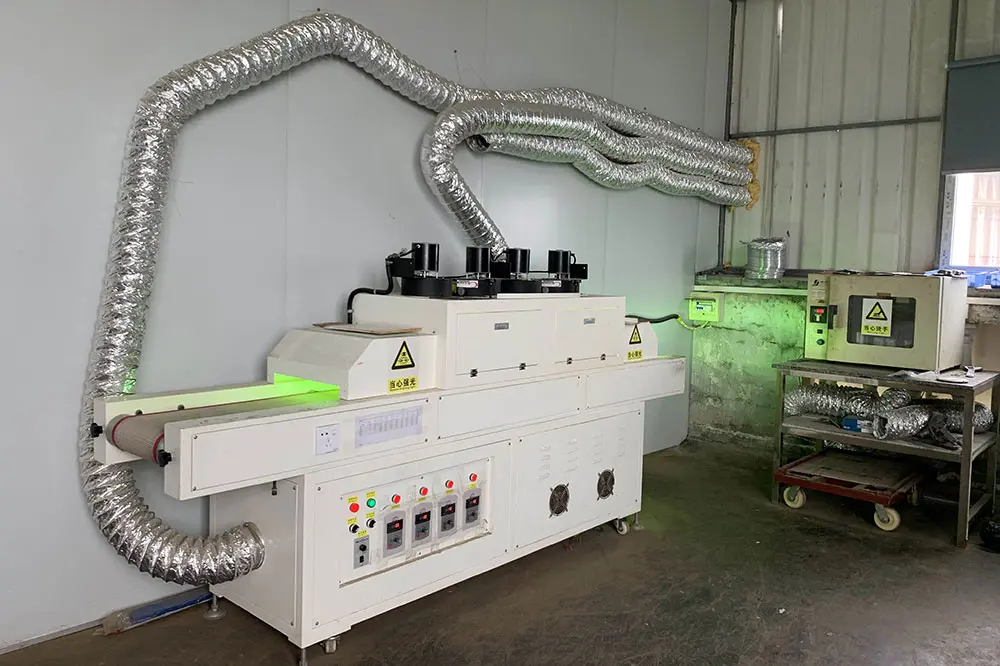
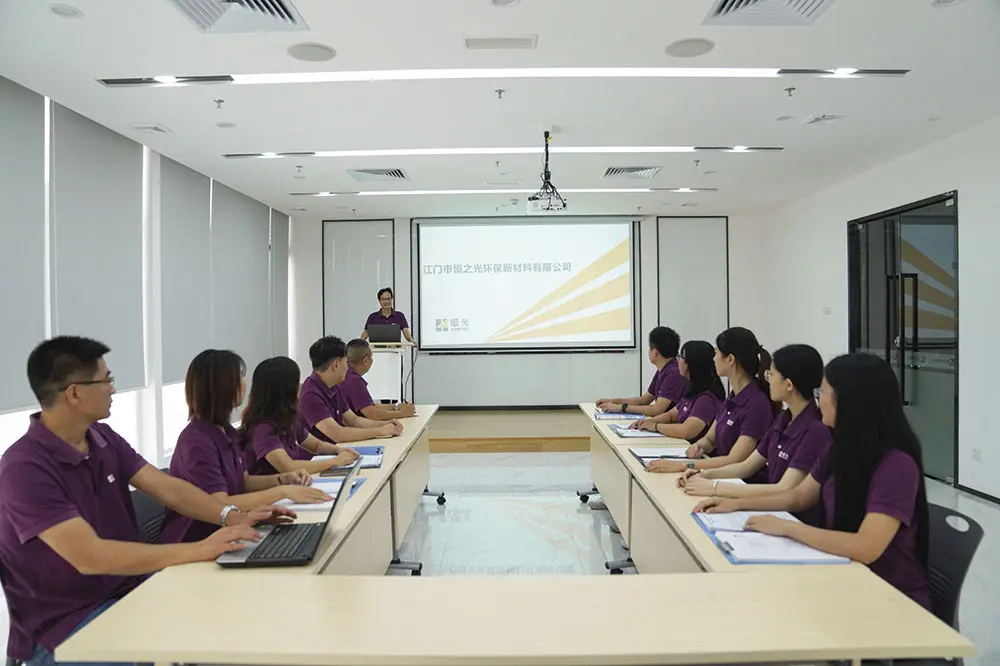
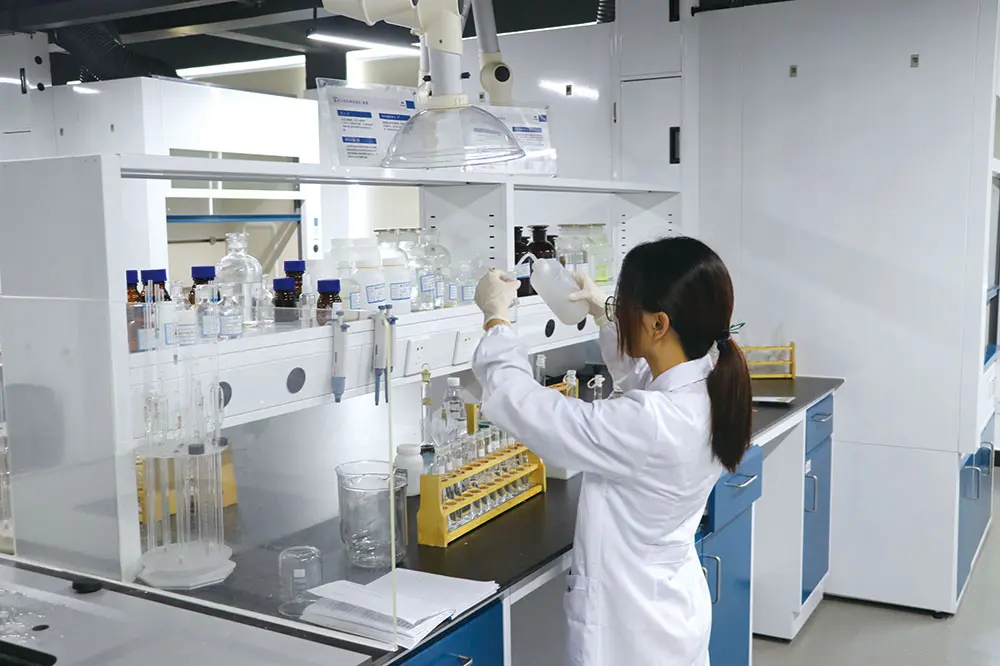
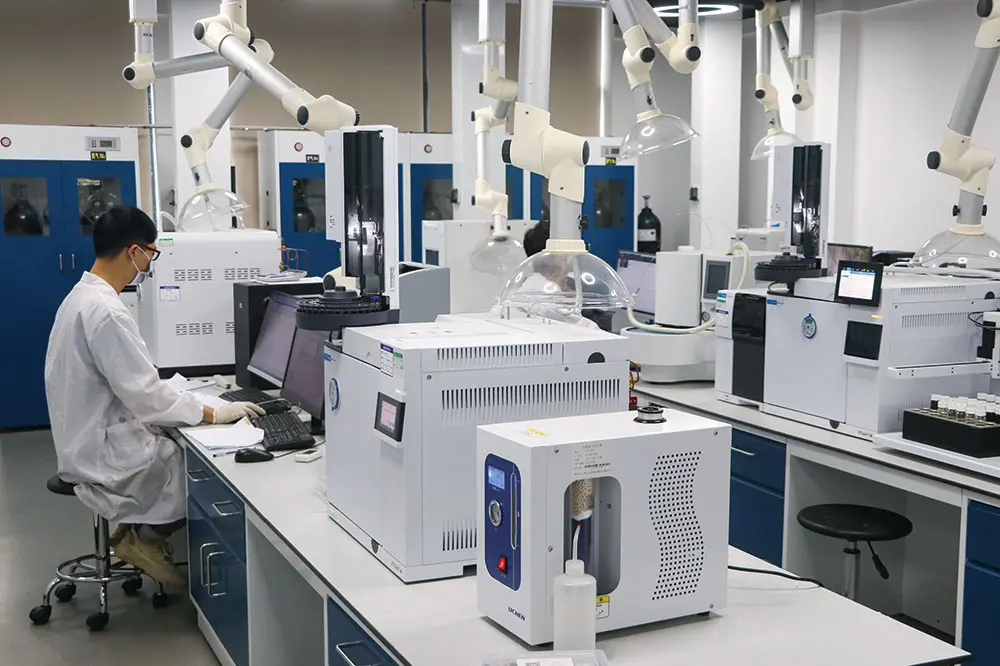
Explore our highly-specialized range including low-shrinkage acrylates, excimer laser components, and dual-curing systems.
The UV curing industry is transitioning toward eco-compatibility, high energy-efficiency curing sources (UV LED & Excimer Laser), and hyper-functional coatings.
Traditional mercury vapor lamps generate significant heat and ozone. We are redesigning the molecular structure of our epoxy acrylates and polyester acrylates (e.g., 56031 and 6203F) to optimize long-wavelength UV-A absorption. This ensures rapid surface dry and cross-linking under 365nm and 395nm UV LED sources.
For complex 3D shapes or opaque layers (like 3D printed footwear soles 72017A-8), light cannot reach shadowed regions. Our dual-cure systems utilize photo-curing for initial green-strength structures, followed by secondary thermal or moisture curing. This achieves total cure stability throughout the geometric structure.
Specialty polyester acrylates like our 53036 are optimized for 172nm excimer laser curing. When the wet coating is exposed to 172nm light under nitrogen, polymerisation occurs selectively on the top skin layer, creating microscopic crinkles. This creates a durable matte finish with a luxurious soft-touch feel.
Procuring raw materials for international coatings formulation requires alignment with strict regulatory systems. Guangdong Ever Ray Environmental Material Co., Ltd. ensures that wholesale exports comply with global chemical standards:
| Compliance Standard | Ever Ray Fulfillment Status | Impact on International Importers |
|---|---|---|
| REACH (EU Regulation) | Registered / Compatible Monomer Tracking | Guarantees barrier-free imports into EU member states for varnish & ink manufacturers. |
| RoHS & WEEE | 100% Compliant (Heavy-Metal & Halogen Free) | Essential for electronic components, protective coatings, and UV inks on consumer hardware. |
| TSCA (United States) | Active List Checked / Pre-manufacturing Compliance | Supports US chemical compound compliance, reducing import friction. |
| VOC Regulations | Zero-VOC & Waterborne Oligomer Series Available | Assists industrial paint manufacturers in meeting regional environmental limits. |
Additionally, we supply custom packaging options, from 200kg drums to 1000kg IBC totes, alongside complete safety documentation (SDS), Certificate of Analysis (CoA) reports per batch, and chromatography verification data (GPC molecular weight distribution graphs).
Expert answers addressing the selection, handling, and application of UV oligomers and modified epoxy acrylate resins.
 Ever Ray