The industrial coatings landscape has undergone a seismic shift from conventional solvent-based thermal curing systems to highly efficient, eco-friendly UV (Ultraviolet) curable coatings. Driven by stringent global environmental regulations, particularly regarding Volatile Organic Compound (VOC) emissions, and the relentless pursuit of manufacturing throughput, UV curing technology has emerged as the gold standard for modern assembly lines.
By utilizing photochemical polymerization, UV curable systems transition from a liquid monomeric/oligomeric state to a fully crosslinked solid network in milliseconds. This instantaneous cure cycle reduces production footprint, minimizes energy expenditure, and enables the finishing of heat-sensitive substrates such as plastic, wood, paper, and advanced electronics. As global supply chains prioritize resilience and cost-efficiency, partner-focused manufacturing factories like Guangdong Ever Ray Environmental Material Co., Ltd. deliver the vital chemical building blocks that power this clean-tech revolution.
Increases line cycle efficiency exponentially, enabling parts handling and packaging immediately after radiation exposure without drying ovens.
Eliminates hazardous air pollutants (HAPs), aiding compliance with EPA, REACH, and environmental directives while creating a safer workspace.
Delivers hard, highly crosslinked finishes that withstand abrasion, aggressive chemical solvents, thermal shocks, and solar yellowing.
Established in 2006, Guangdong Ever Ray Environmental Material Co., Ltd. is a premier, high-tech enterprise dedicated to the R&D and precision manufacturing of oligomers for UV curable resins. Our chemical portfolio forms the bedrock of modern radiation-cured inks, industrial coatings, vacuum metallization, and technical adhesives.
We specialize in synthesizing high-performance epoxy acrylates, polyurethane acrylates (waterborne, aliphatic, and aromatic urethane), polyester acrylates, pure acrylates, and a spectrum of specialized functional modified acrylate oligomers designed to optimize reactivity, gloss, and adhesion profiles across multiple industrial fronts.
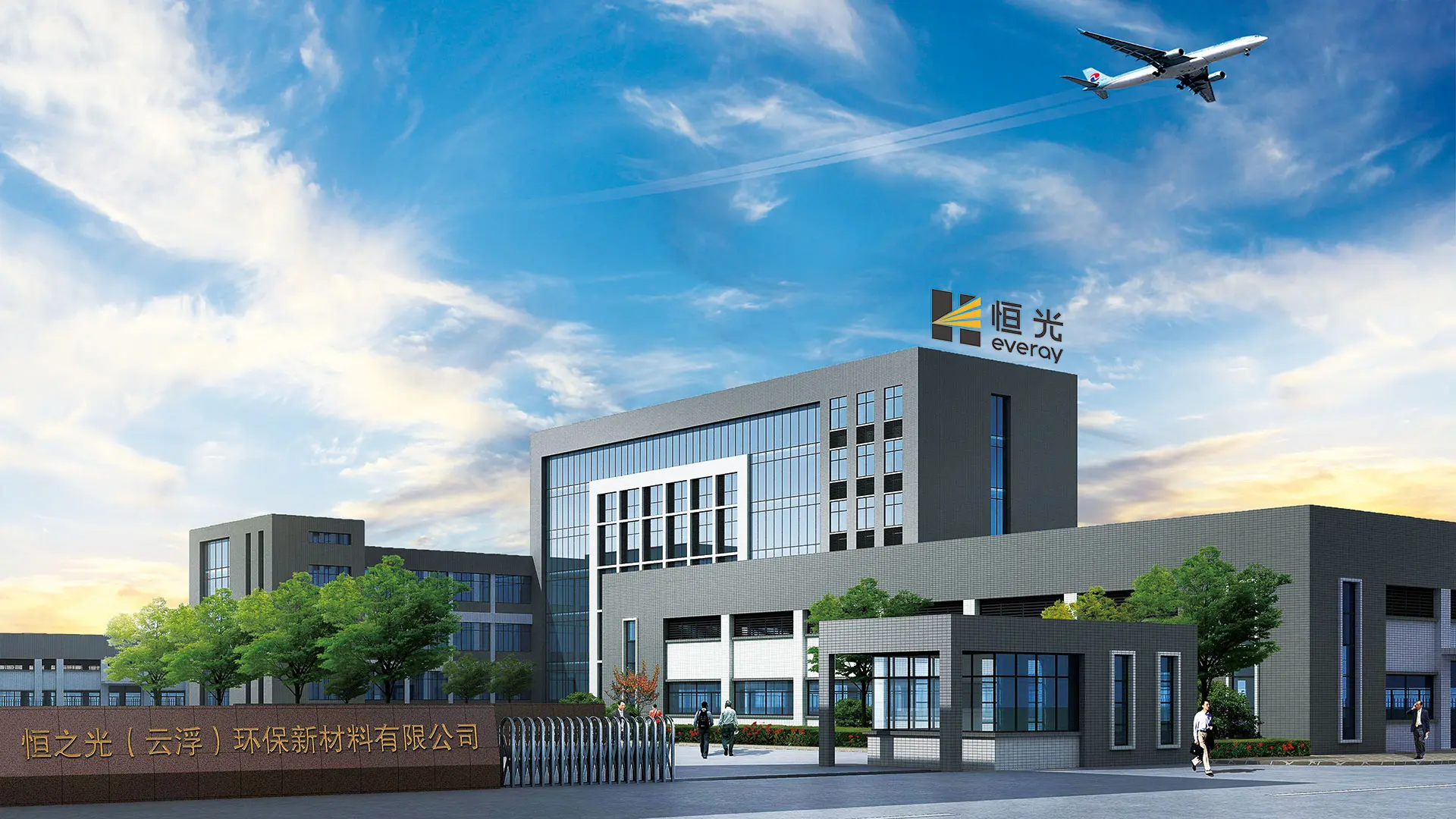
Operational footprint and capacity stability are critical for global supply programs. Ever Ray anchors its production stability across two massive facilities located in Guangdong province, running continuous computerized processes and ISO-certified quality checkpoints.
| Production Facility Location | Operational Area (sqm) | Technological Core & Systems | Logistical Integration |
|---|---|---|---|
| Jiangmen Base (Guangdong) | 10,000 m² | DCS Computerized Synthesis Control | Rapid southern China supply chain hub |
| Yunfu Base (Guangdong) | 40,000 m² | DCS fully automated reaction loops | Large-scale raw storage, global bulk container freight |
Combined, these sites support an annual production capacity exceeding 20,000 metric tons across 10+ active automated lines. Our factories operate under the rigorous guidelines of the ISO9001 Quality Management System and ISO14001 Environmental Management System. The integration of flexible, automated DCS (Distributed Control System) technology guarantees precise reaction temp control, raw feedstock introduction schedules, and consistent product chemistry metrics, minimizing batch-to-batch deviations.
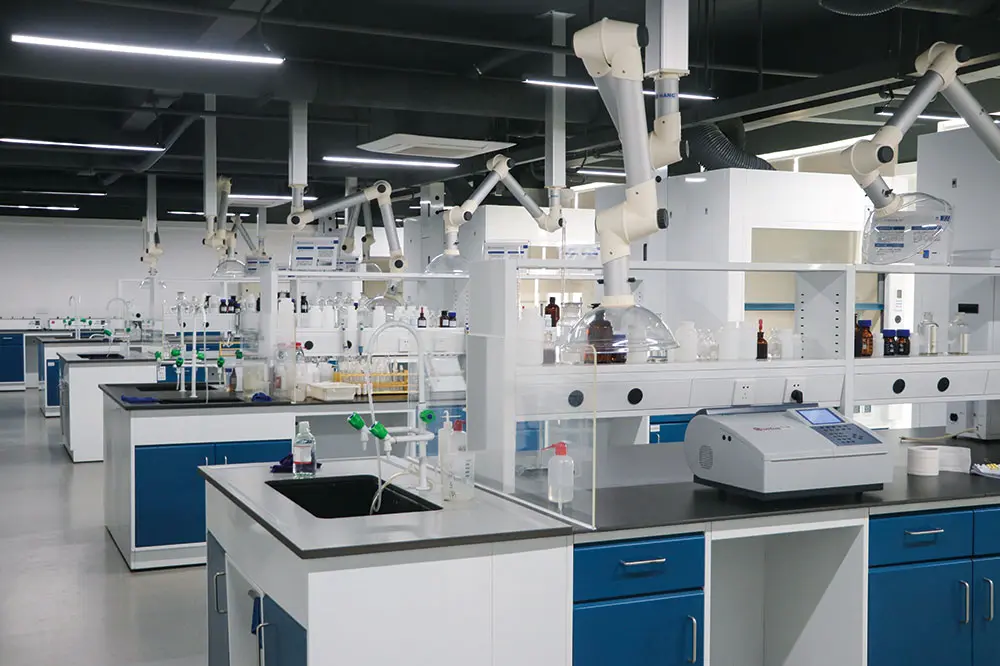
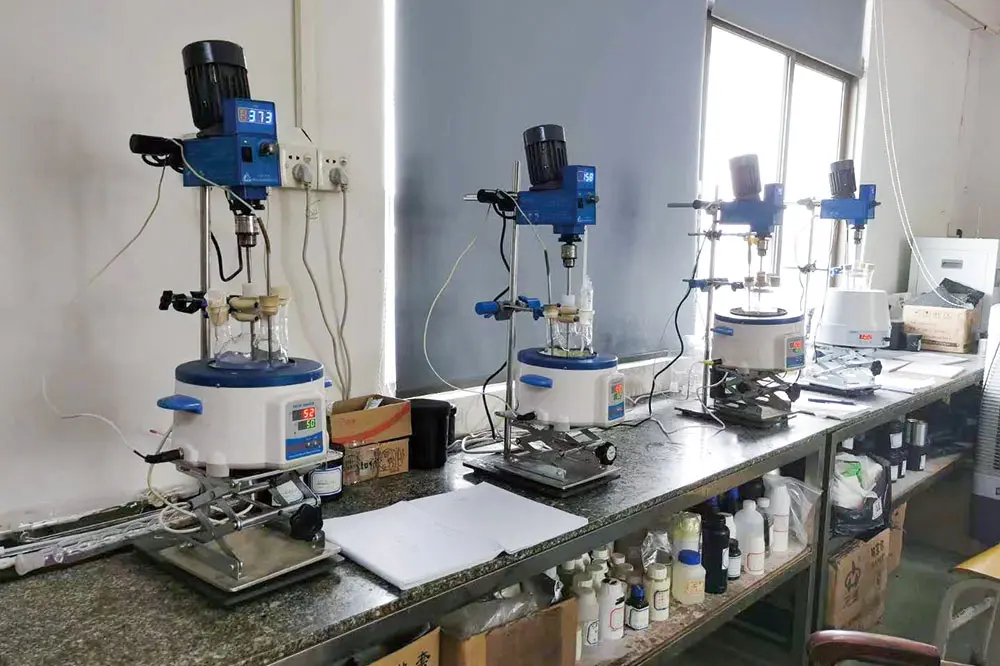
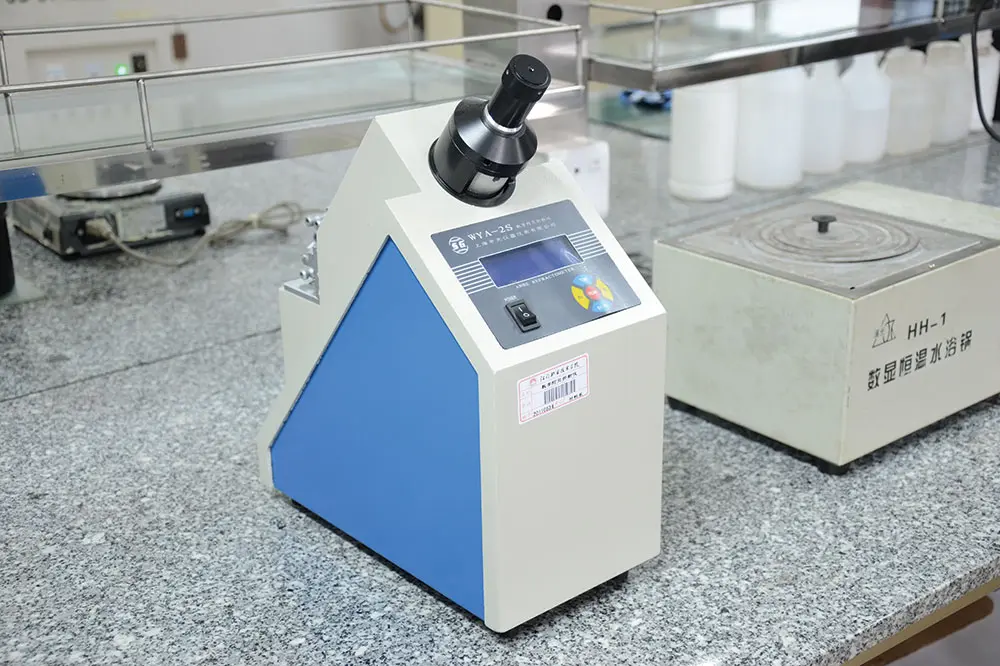
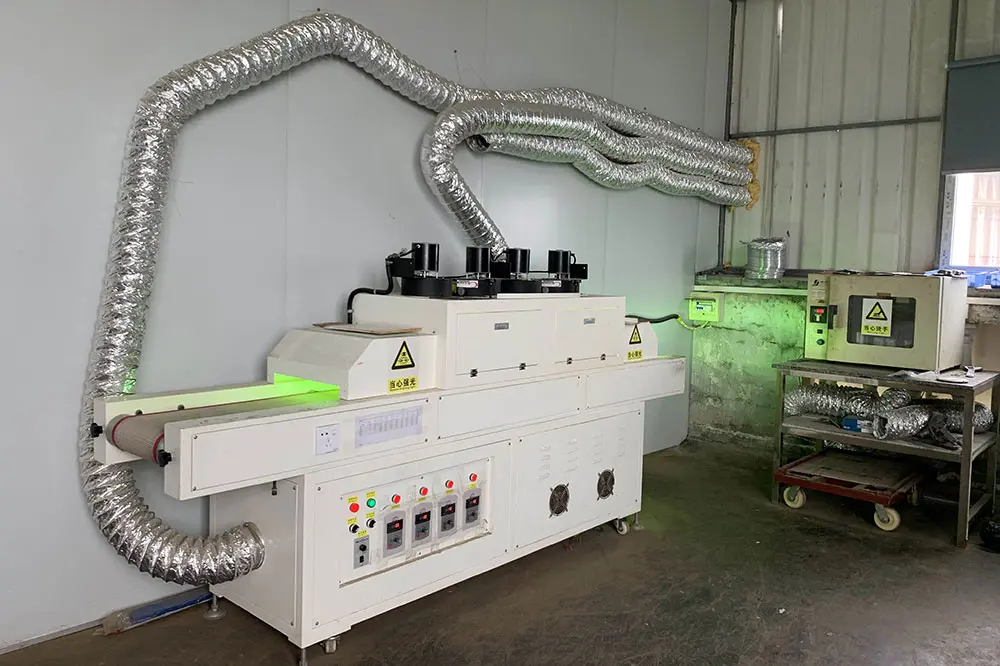
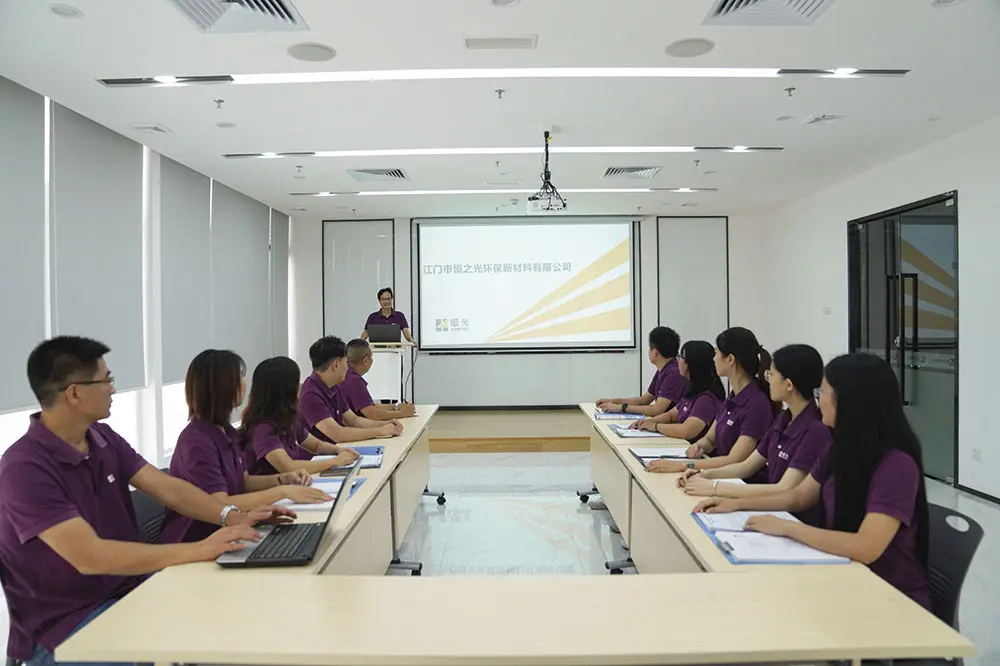
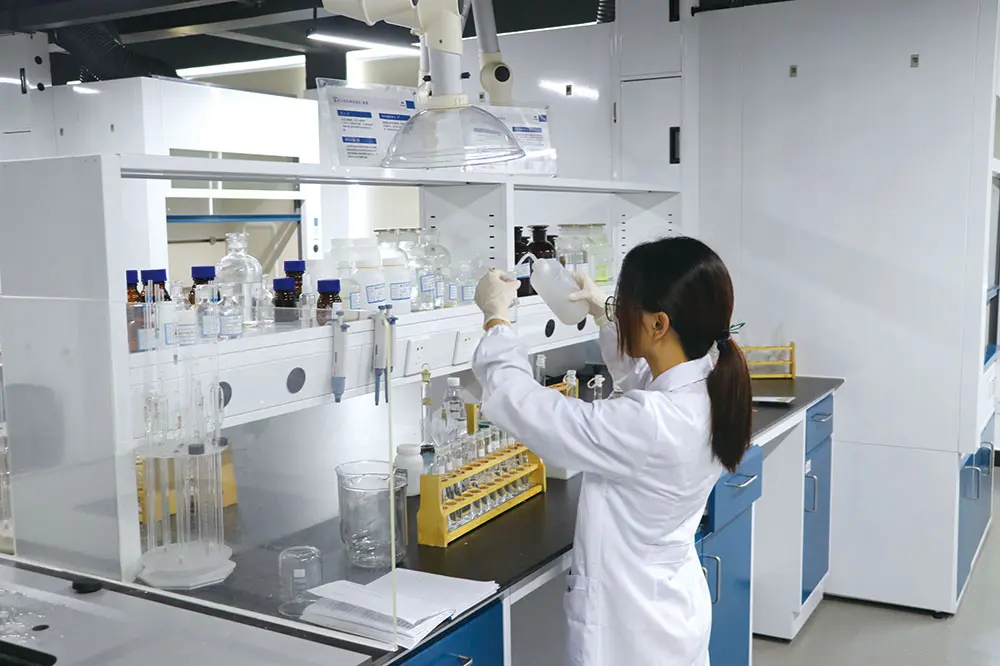
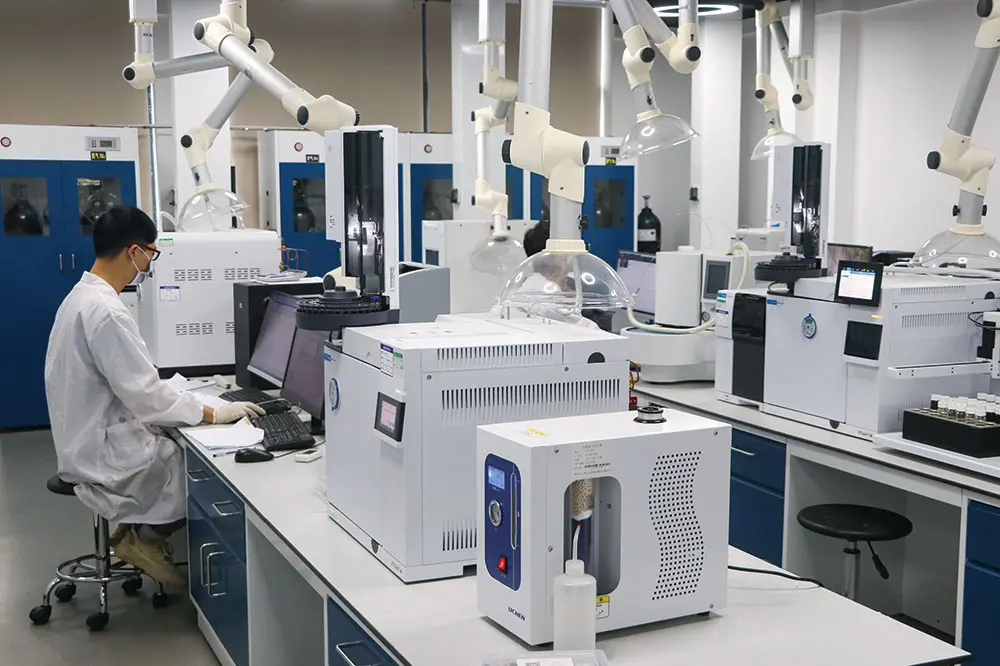
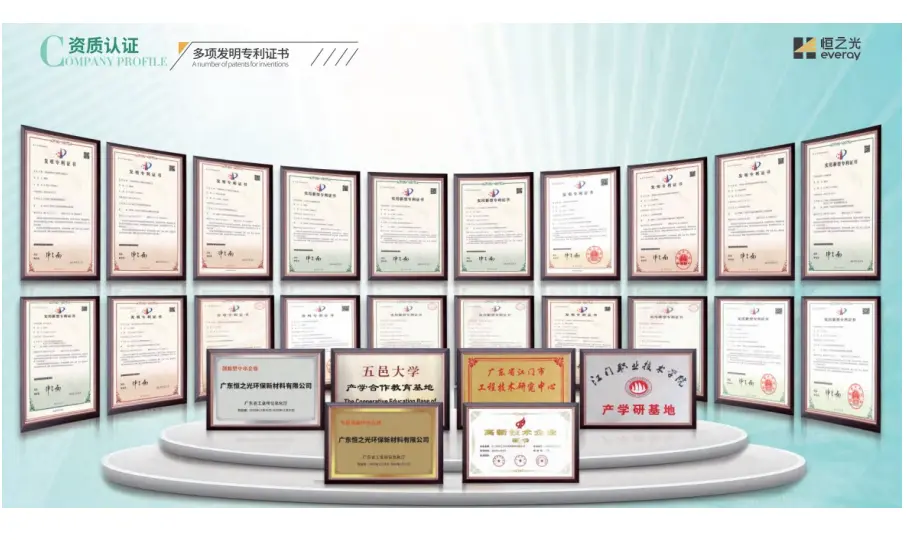
Our commitment to intellectual property and performance research is backed by more than 10 invention and utility patents. Over 15 specialized chemical engineering technicians run our in-house R&D division. Through advanced synthesis and formulation adjustments, we optimize UV curing profiles to offer properties like high reactivity, chemical resistance, surface slip, anti-scratch finishes, and high gloss. We aim to help customers balance technical performance with production cost savings.
Year of Establishment
Total Production Area (m²)
Annual Capacity (Tons)
Invention Patents
China's chemical manufacturing ecosystem offers significant advantages in vertical integration and logistical agility. For global buyers looking to secure wholesale suppliers, working with a Chinese manufacturer like Ever Ray offers key operational benefits:
Aliphatic polyurethane acrylates are used as protective clearcoats on exterior trims, headlight lenses, and dashboard components, providing weathering resistance, non-yellowing stability, and chemical resistance.
Resins like 7230E provide strong adhesion on metalized layers and plastic cases. They offer high gloss and protect vacuum-plated surfaces from oils, sweat, and physical impact.
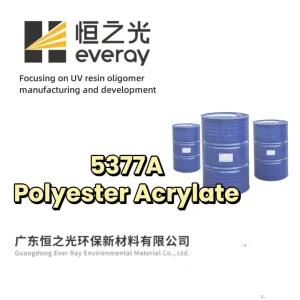
Low-odor resins like 2406 and polyester acrylates like 5377A enable fast printing speeds. They help optimize water-ink balance on food-grade packaging sleeves and paper varnishes.
For high-throughput panel coating lines, our aliphatic polyurethane acrylates (e.g., 7200-1) and epoxidized soybean oil acrylates (e.g., 6720) offer fast curing and high surface hardness for flat-line roller coating setups.
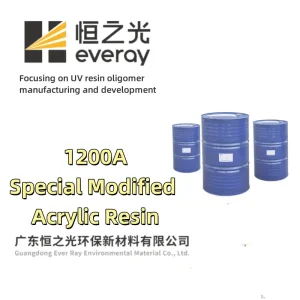
Designed for difficult substrates, our modified acrylates and 1200A resin counter polymerization shrinkage. They provide strong chemical bonding and adhesion on glass and metal surfaces.
The UV curable industry continues to evolve through new technological developments:
Traditional medium-pressure mercury arc lamps are being replaced by solid-state LED-UV curing systems (operating at 365nm, 385nm, and 395nm). LED lamps consume less power, emit less heat, and contain no mercury. Our R&D focuses on designing photo-reactive oligomers tailored to match the emission spectrum of LED light sources, preventing surface tackiness caused by oxygen inhibition.
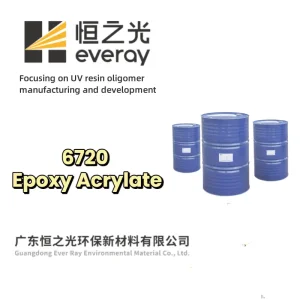
Industrial demand is shifting toward renewable carbon sources. Ever Ray is expanding its bio-based range with products like 6720 Epoxidized Soybean Oil Acrylate. These resins incorporate renewable feedstocks, helping downstream formulators reduce their carbon footprint without sacrificing mechanical performance.
For complex 3D profiles with shadowed areas where UV light cannot reach, dual-cure systems are essential. By combining UV photopolymerization with thermal or moisture-curing chemistry, we ensure full cure performance across complex assemblies, opening new opportunities in automotive electronics and structural bonding.
We support our international clients with dedicated service and compliance frameworks:
Oxygen inhibition occurs when atmospheric oxygen reacts with free radicals, creating a tacky surface layer. To counter this, we recommend formulating with amines or amine-modified polyether/polyester acrylates, which act as oxygen scavengers. Alternatively, using high-intensity UV-LED sources, applying an inert nitrogen blanket, or utilizing high-reactivity oligomers like our 7913 resin will improve surface crosslinking.
Aliphatic polyurethane acrylates (such as our 7200-1) are synthesized using aliphatic isocyanates. They provide excellent outdoor weatherability, long-term UV resistance, and do not yellow over time. Aromatic polyurethane acrylates utilize aromatic isocyanates, which offer faster cure rates, high hardness, and lower production costs, but are susceptible to yellowing, making them best suited for indoor industrial applications.
We utilize automated DCS computerized control systems at both our Jiangmen and Yunfu plants. This setup manages all process variables, including raw material feeds, temperature profiles, and reaction times. Additionally, every batch undergoes QC inspection testing viscosity, color index, acid values, and cure response to ensure it meets our technical specifications.
 Ever Ray