Explore our fast-curing, high-adhesion raw materials engineered specifically for industrial coatings, offset inks, and protective varnishes.
The global manufacturing ecosystem is undergoing an unprecedented transition driven by environmental regulation, energy cost spikes, and the imperative for hyper-efficiency. Within this landscape, UV-curing technology has emerged not merely as an alternative, but as the benchmark standard for high-throughput coating, printing, and bonding workflows. Unlike conventional thermal-curing paint systems that rely on the evaporation of volatile organic compounds (VOCs), UV-curable paints achieve instantaneous cross-linking when exposed to electromagnetic radiation, transforming a liquid precursor into a fully polymerized solid in fractions of a second.
For procurement officers and process engineers, sourcing wholesale UV-curable paint and raw materials from a verified, vertically integrated factory is critical. Key considerations extend beyond raw cost per kilogram to encompass viscosity consistency, batch-to-batch polymer density stability, and supply chain continuity. By bypassing localized middlemen and establishing direct partnerships with specialized manufacturers, global entities secure predictable production metrics and access customized formulations tailored to specific mechanical, chemical, and optical constraints.
SEO Insight & Information Gain: Real-world testing reveals that switching from solvent-based systems to UV-cured formulations can reduce energy consumption by up to 60% and footprint overhead by over 70%, thanks to the elimination of expansive drying ovens.
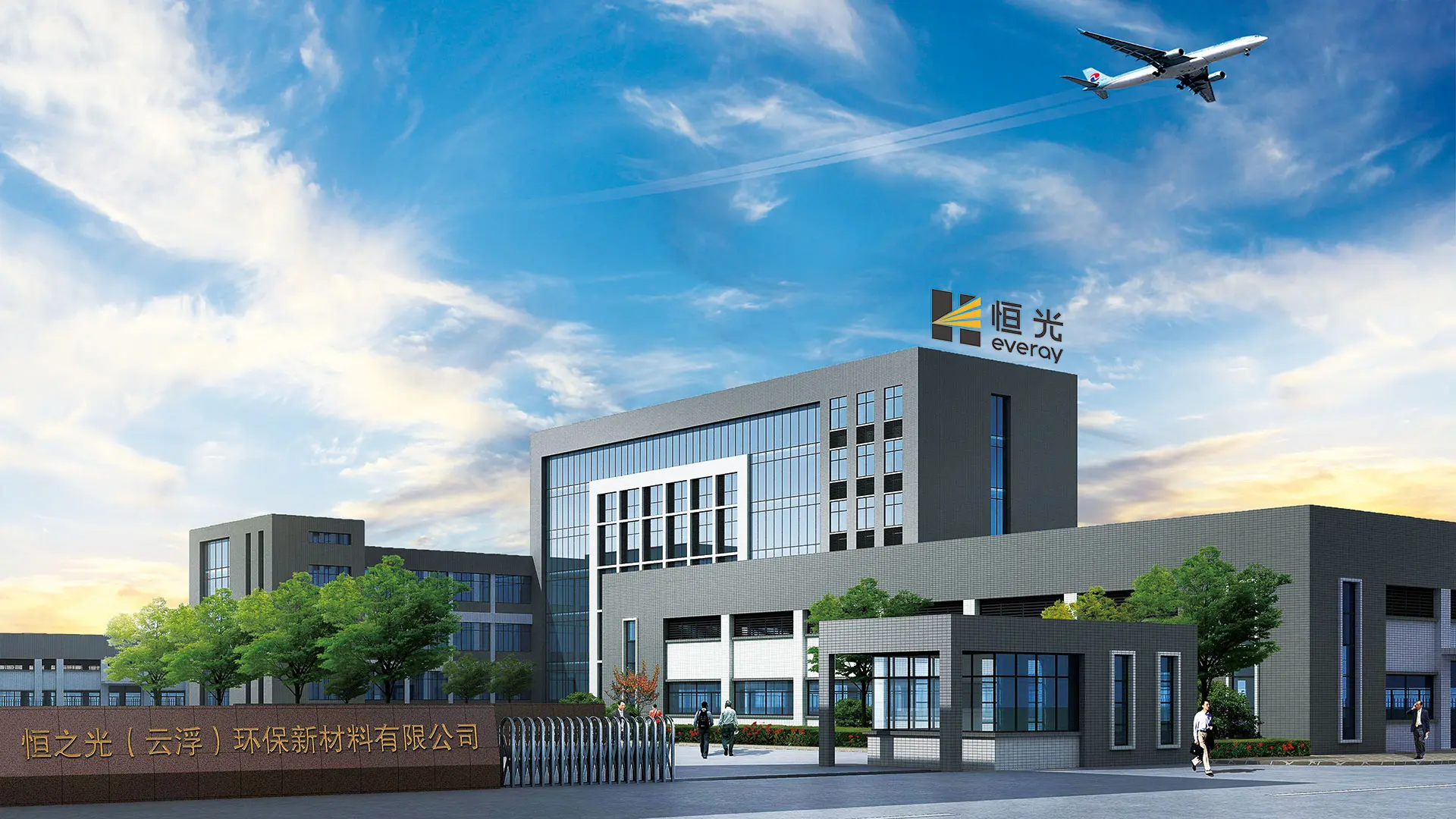
A High-Tech Enterprise Redefining Global UV Oligomer Manufacturing Standards since 2006.
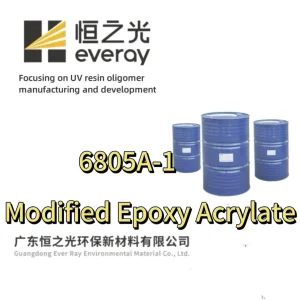
Industrial demand for UV-curing paints and oligomers is split among three major geopolitical zones, each characterized by distinct operational requirements and compliance regimes. In Europe, REACH regulations push manufacturers to develop products free from monomers of concern (e.g., HDDA/TMPTA restrictions), driving demand for high-molecular-weight polyester acrylates and epoxidized soybean oil alternatives. In North America, structural efficiency and high line-speeds are primary concerns, resulting in high demand for modified epoxy acrylates with high reactivity and excellent mechanical properties.
Modern automotive interiors and consumer electronic housings require exceptional scratch, chemical, and weather resistance. Formulators utilize custom aliphatic urethane acrylates to meet these specifications. These resins are highly resistant to yellowing, maintain adhesion to challenging plastic substrates (such as polycarbonate and ABS), and withstand harsh chemical agents like cleaning products, sunscreen, and sweat.
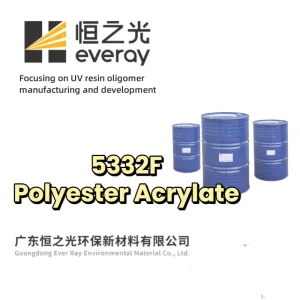
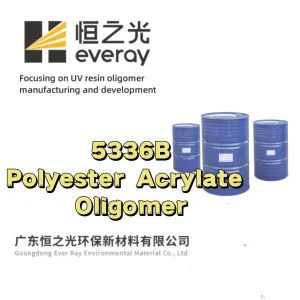
In the printing sector, offset and flexographic printing inks require rapid curing speeds to operate at speeds exceeding 400 meters per minute. Our high-efficiency polyester acrylates (such as the 5332F and 5336B) are designed to provide rapid curing and low misting properties. These products enable clean ink transfer and prevent transfer to the backside of the substrate during processing.
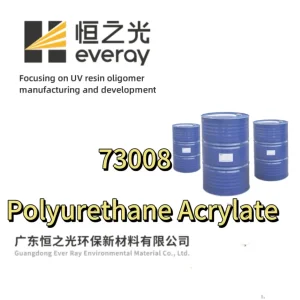
In the electronics sector, low volume shrinkage is critical to prevent delamination and protect internal components. High-precision polyurethane acrylates (such as the 73008 series) provide strong adhesion to glass, metals, and composite substrates while maintaining structural integrity during thermal cycling. These resins are key materials for display assembly and component encapsulation.
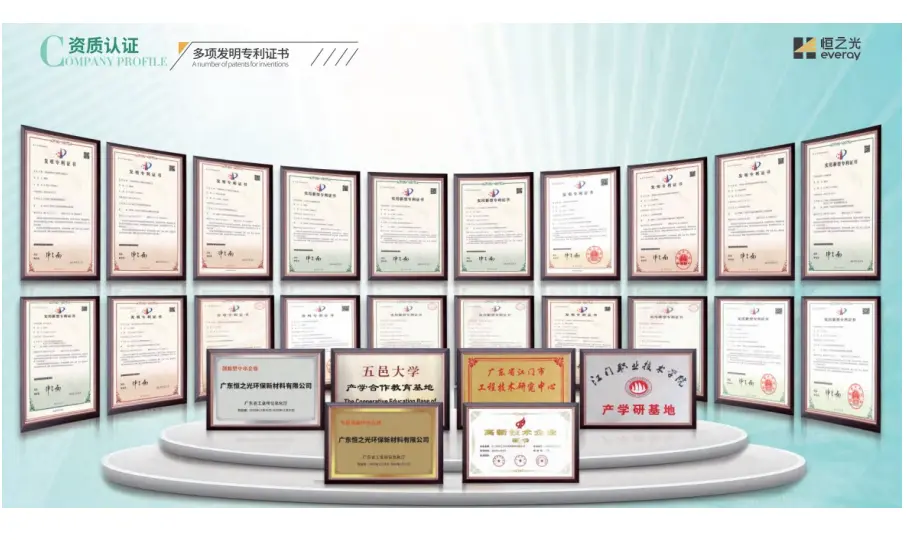
Guangdong Ever Ray Environmental Material Co., Ltd., established in 2006, is a high-tech enterprise focusing on the R&D and manufacturing of oligomers for UV curable resin. Our portfolio includes epoxy acrylate, polyurethane acrylate (waterborne, aliphatic, and aromatic urethane), polyester acrylate, pure acrylate, and other specialized, functionalized modified acrylate oligomers.
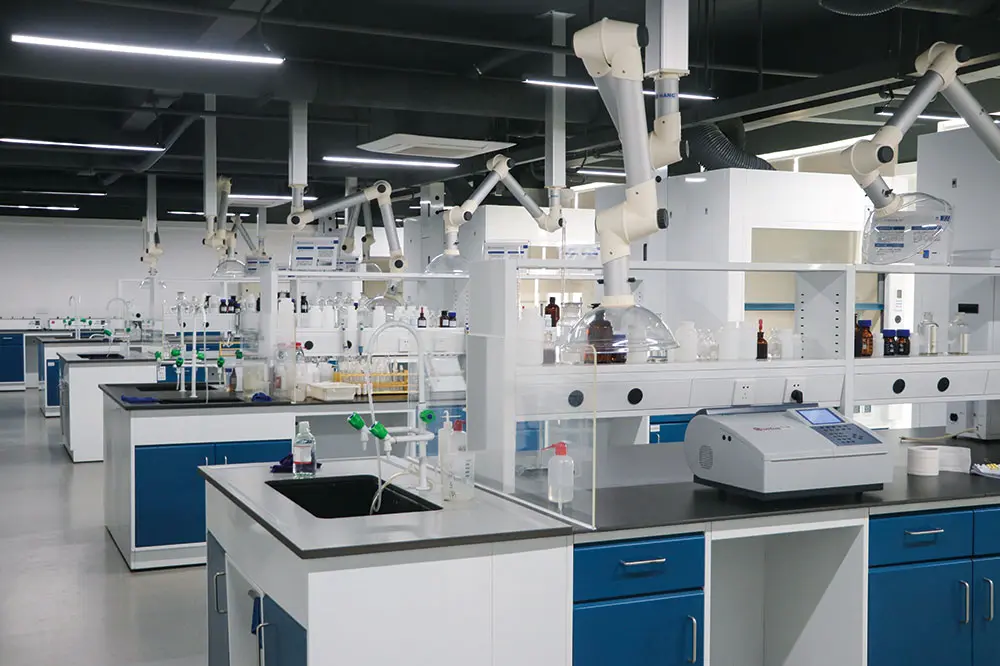
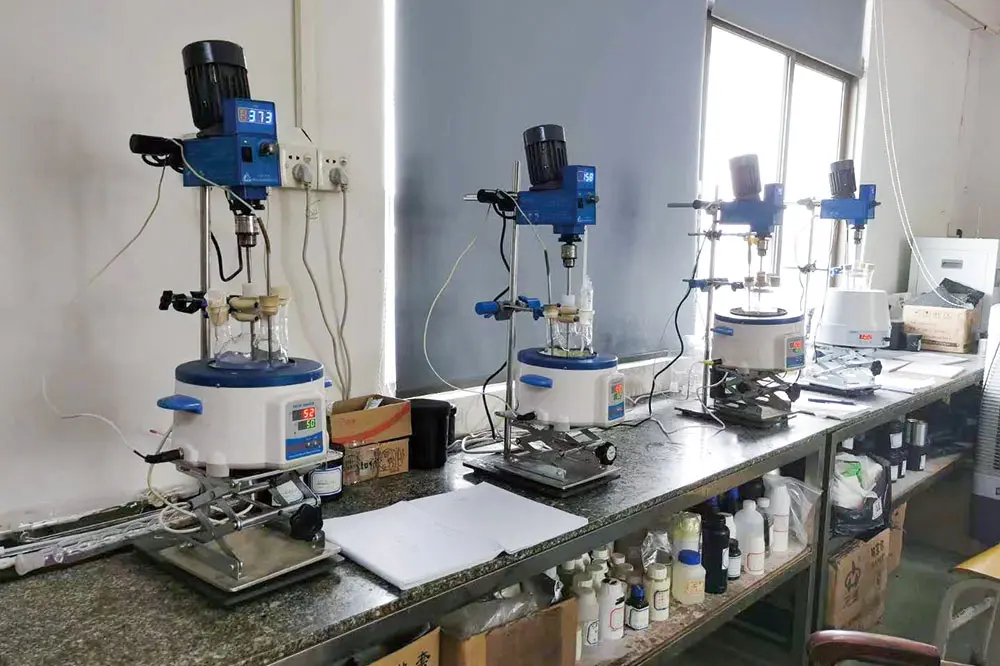
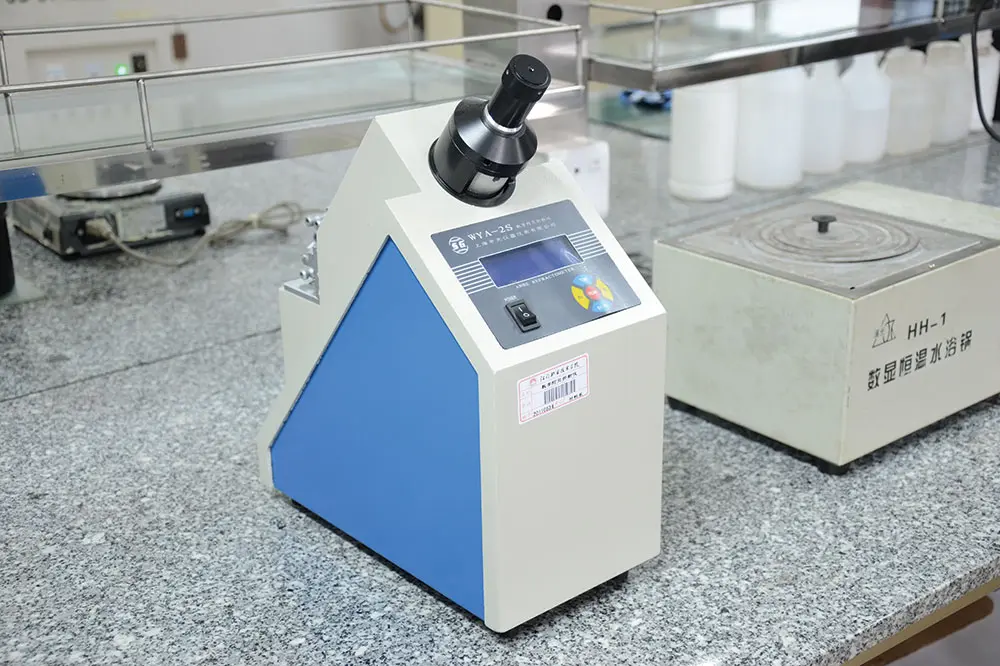
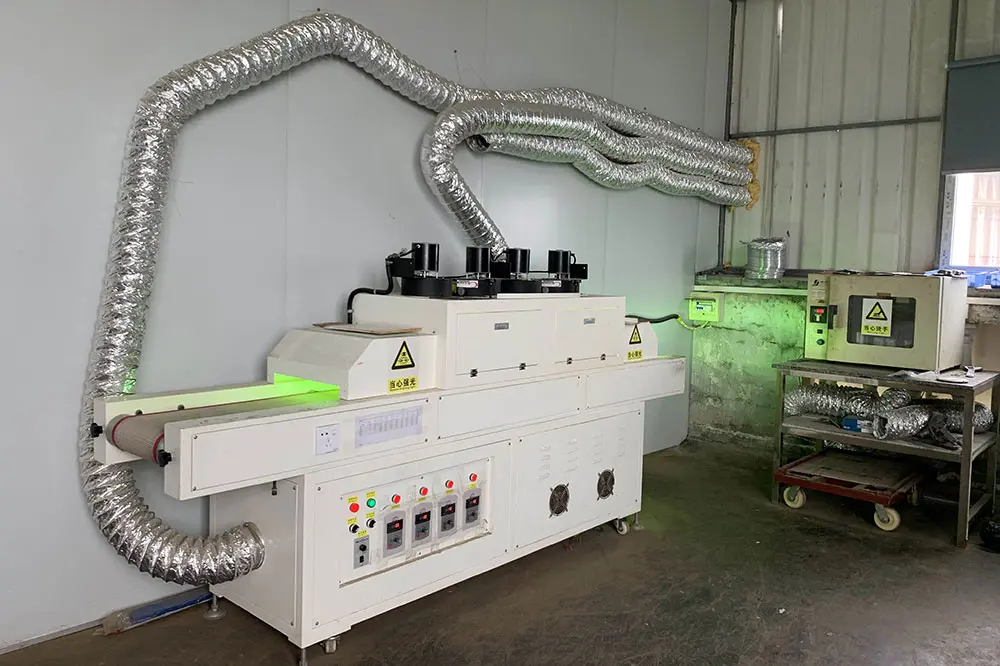
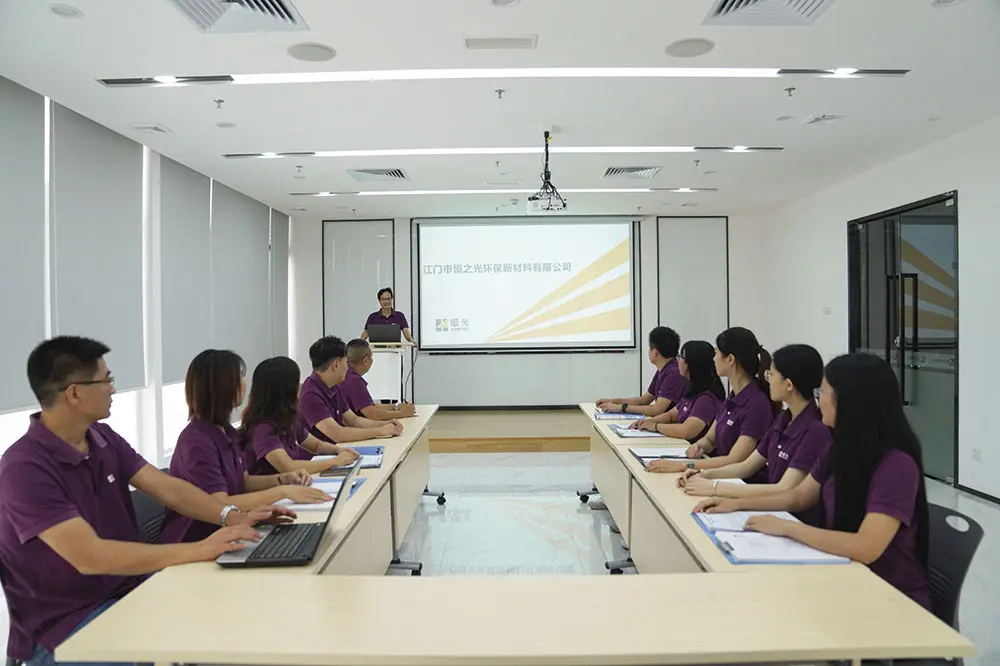
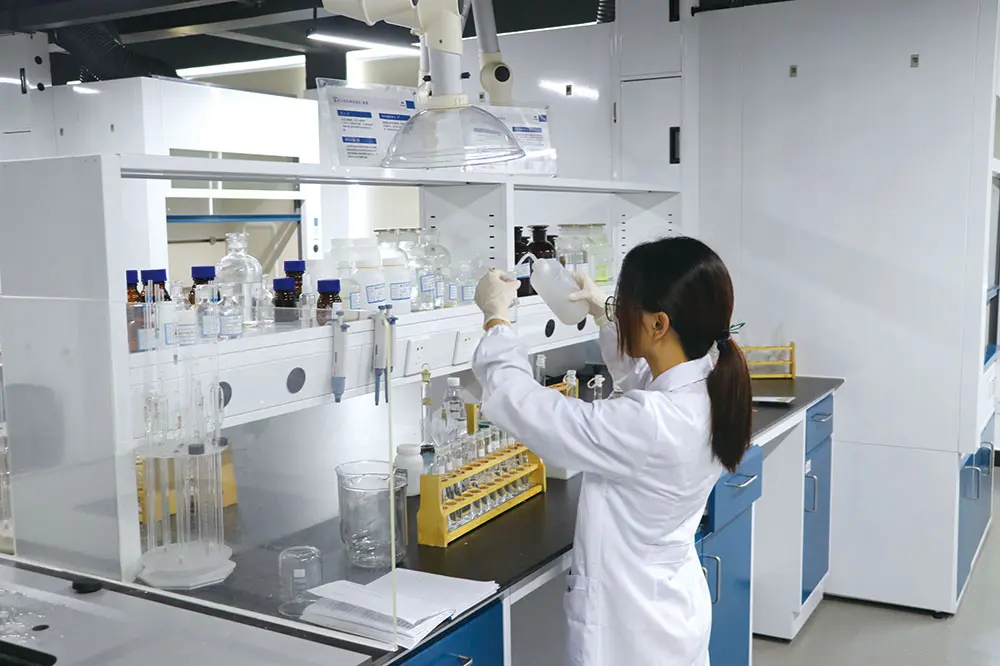
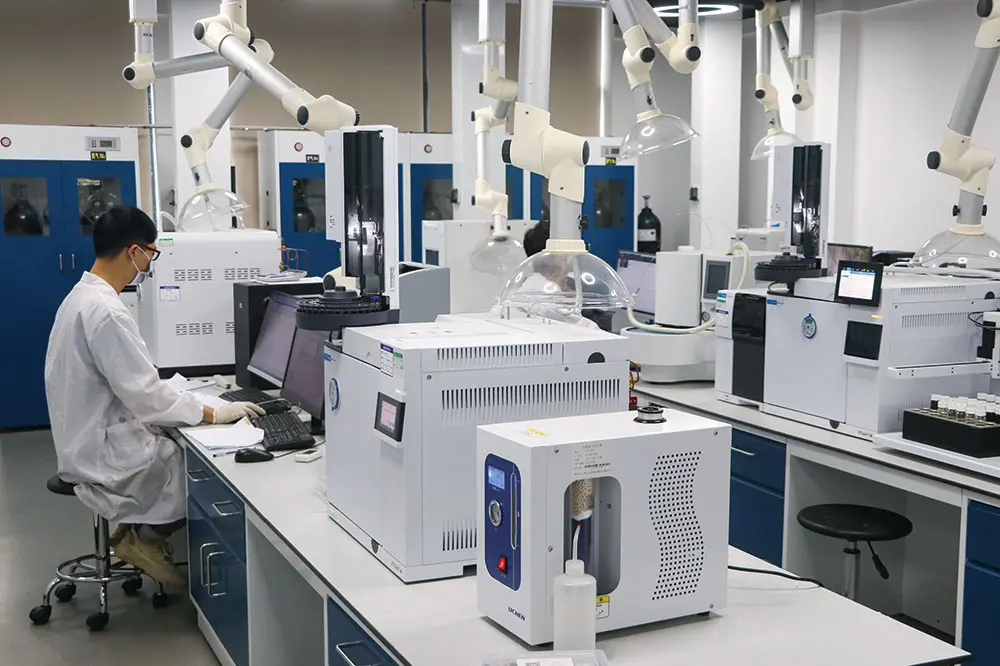
The UV curing industry is moving toward sustainable raw materials, low-toxicity monomers, and energy-efficient light sources. Below are the key technological trends shaping product development at Ever Ray:
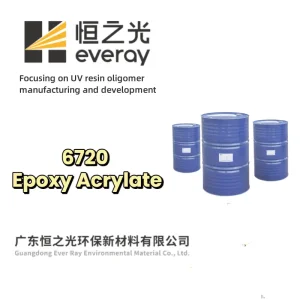
Developing products from renewable resources, such as Epoxidized Soybean Oil Acrylate 6720, to reduce carbon footprint while maintaining performance in wood and paper coatings.
Optimizing products for the narrower emission spectra of UV-LED lamps (typically 365nm, 385nm, or 395nm) to enable energy savings and heat-sensitive substrate curing.
Combining waterborne coatings with UV curing to allow viscosity adjustment with water rather than VOC monomers, suitable for low-odor wood and plastic coatings.
We are actively optimizing the balance between cost-efficiency and product functionality. By selecting high-quality domestic and international raw materials and employing expert consultation, our factory ensures raw material stability. This stability enables global manufacturers to formulate coatings that deliver consistent mechanical and visual performance.
Direct answers from our R&D department to common formulation, sourcing, and application challenges.
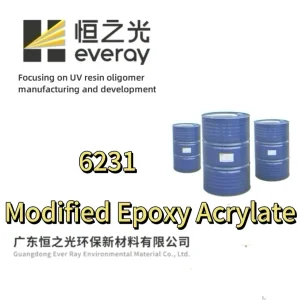
Oxygen inhibition occurs when atmospheric oxygen reacts with initiating free radicals, forming stable peroxy radicals that slow the polymerization rate and can leave a tacky surface layer. Mitigating this issue involves using nitrogen inerting during curing, adding amine-modified acrylates (which act as oxygen scavengers), or formulating with high-reactivity oligomers like our Polyester Acrylate 5336B and Epoxy Acrylate 6231, which cure quickly enough to limit oxygen diffusion.
Consistency is managed through our DCS (Distributed Control System) automation, which monitors feed rates, reaction temperatures, and pressure levels in real time. Every batch of UV oligomer undergoes quality control testing for key specifications, including acid value, viscosity, color (Gardner scale), and functional double-bond density before leaving our Jiangmen and Yunfu plants.
High-shrinkage can cause adhesion failure and warp delicate substrates. For applications requiring low shrinkage, we recommend our specialized polyurethane acrylates (such as the 73008 series) and modified oligomers (like the 17701). These resins provide low volumetric contraction during cross-linking, protecting delicate components and maintaining adhesion to glass, metal, and plastic substrates.
Yes. All oligomers manufactured at our facility comply with standard environmental requirements, including RoHS and REACH regulations. We also focus on green chemistry, developing bio-based resins like the Epoxidized Soybean Oil Acrylate 6720. This allows customers to formulate low-VOC, high-performance coatings that align with global sustainability standards.
Browse our selection of high-durability resins, anti-yellowing oligomers, and specialty UV agents designed for demanding industrial requirements.
 Ever Ray