Explore high-performance monomers, oligomers, and customized resins engineered for speed, durability, and specialized surface effects.
UV radiation curing technology has revolutionized industrial manufacturing, transitioning surface protection and adhesives from volatile solvent-based systems to environmentally sustainable, high-efficiency chemical networks. At the core of every UV-curable formulation is the oligomer, which defines the fundamental mechanical, optical, and chemical resistance parameters of the cured film. As a premier wholesale UV epoxy resin manufacturer, Guangdong Ever Ray Environmental Material Co., Ltd. customizes the backbone architecture of oligomers to solve real-world industrial application challenges.
Did you know? Traditional solvent-based systems emit high levels of volatile organic compounds (VOCs). Transitioning to UV-curable acrylic formulations allows manufacturers to achieve 100% solid conversions, virtually eliminating VOC emissions and reducing energy requirements by up to 60% compared to thermal drying tunnels.
Choosing the correct oligomer requires analyzing the molecular structures and functional requirements of the target application:
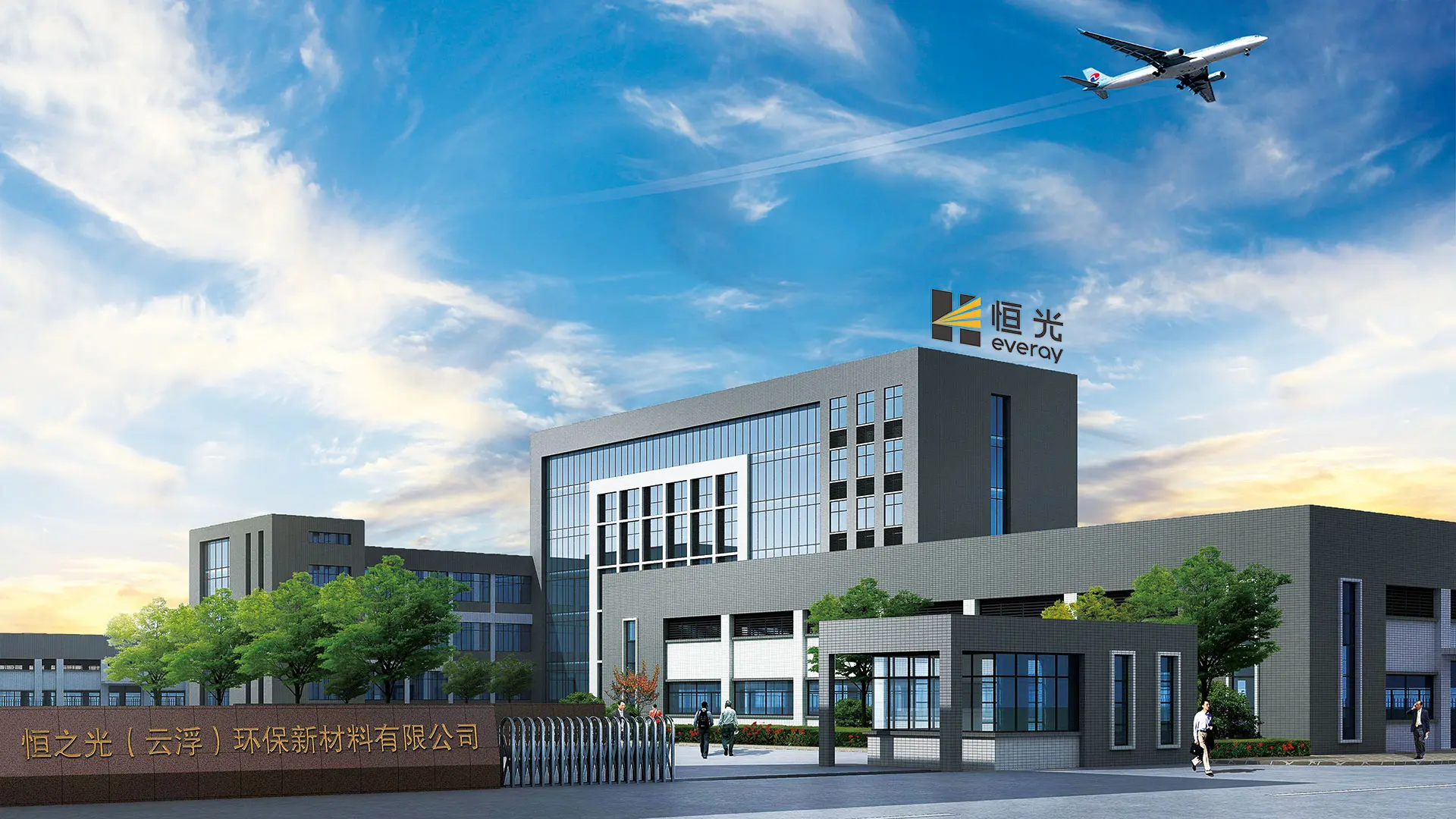
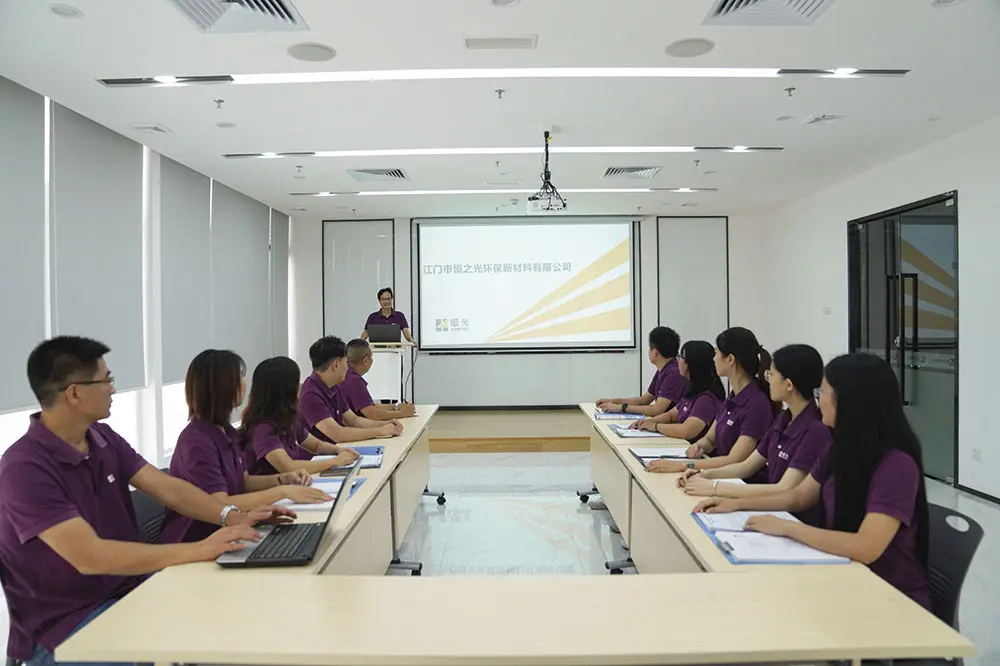
Established in 2006, Guangdong Ever Ray Environmental Material Co., Ltd. is a high-tech enterprise focused on the R&D and manufacturing of oligomers for UV curable resin. Our comprehensive portfolio includes epoxy acrylates, polyurethane acrylates (waterborne, aliphatic, and aromatic), polyester acrylates, pure acrylates, and specialty modified functional oligomers designed to meet strict performance metrics.
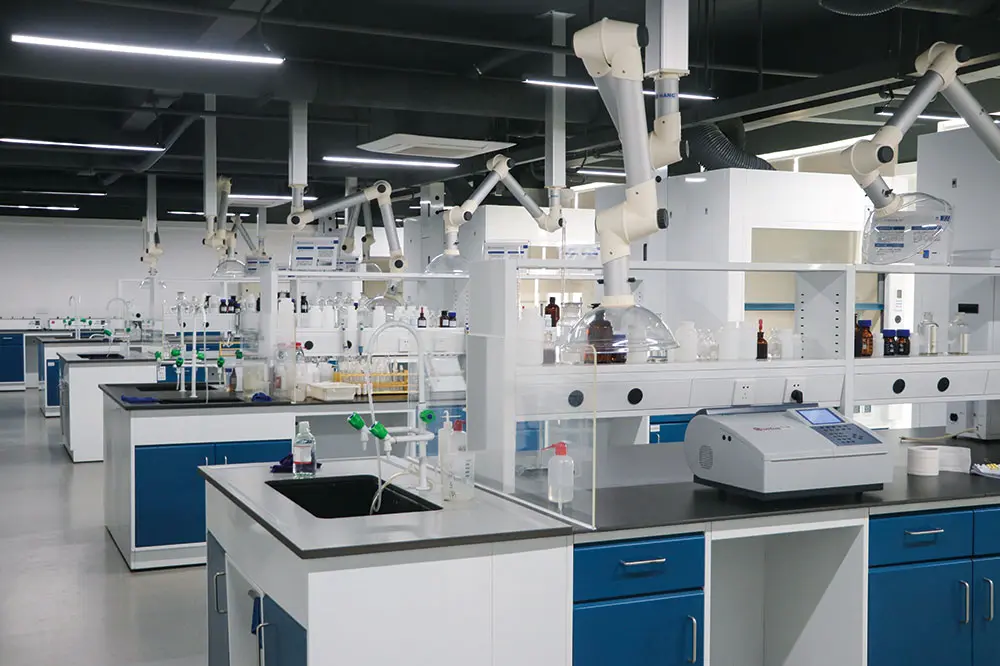
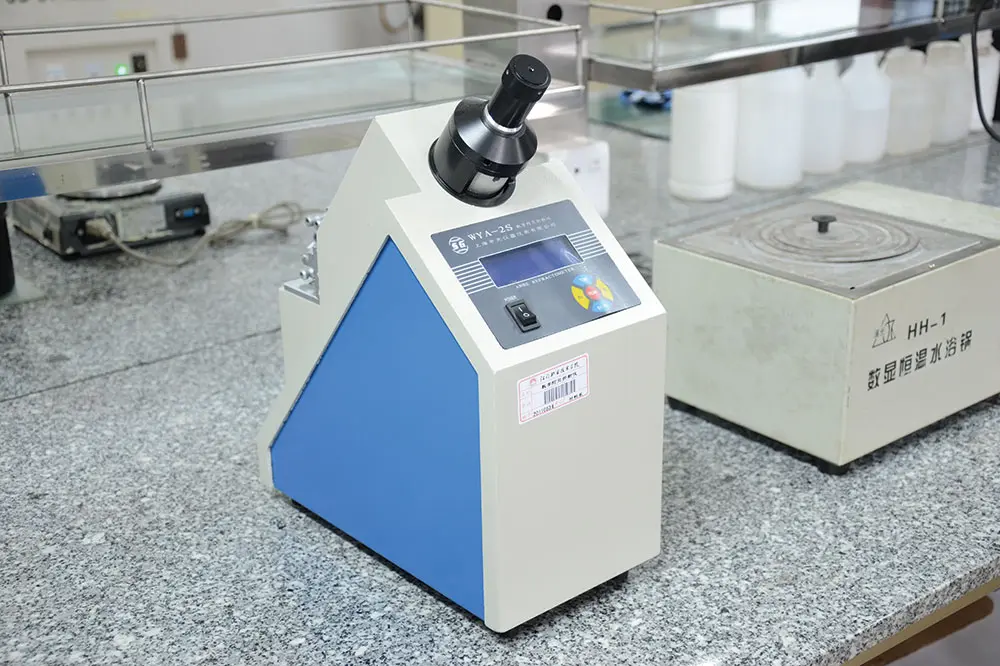
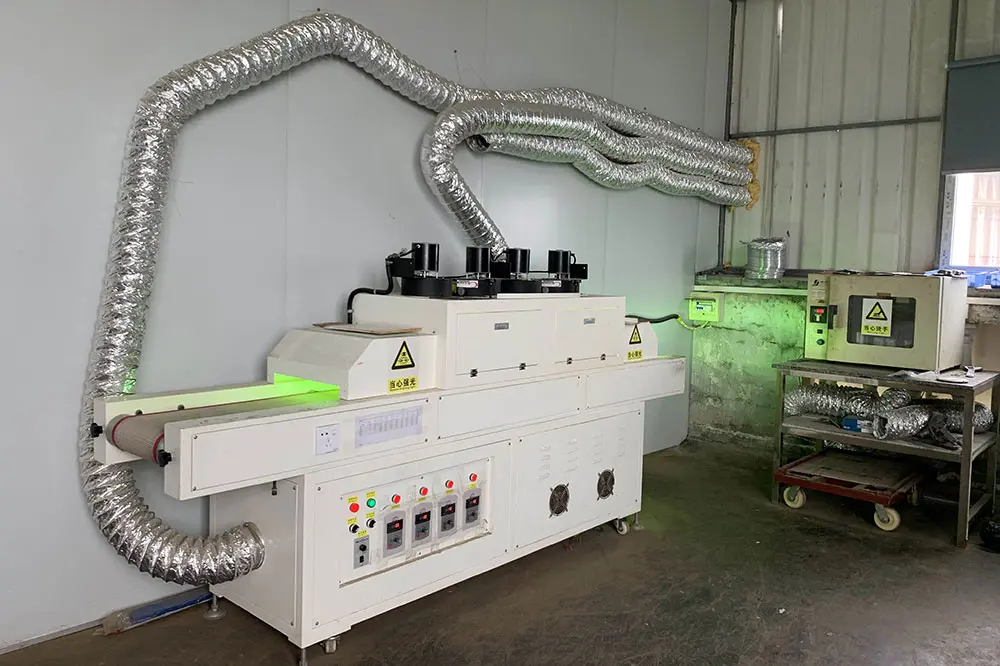
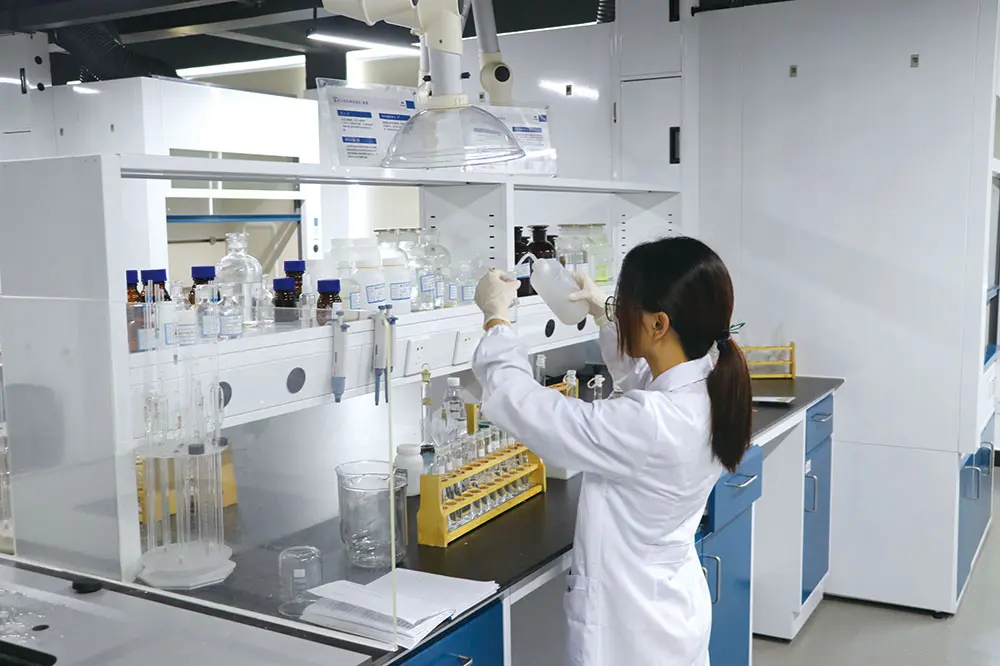
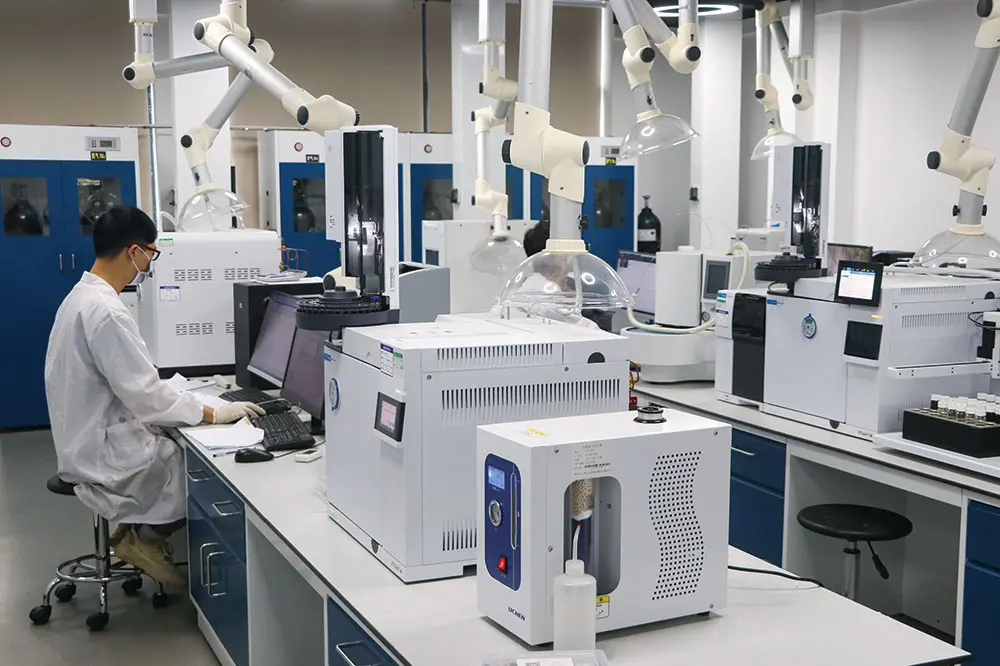
Our operation spans two modern production facilities. Our Jiangmen, Guangdong base covers an area of approximately 10,000 square meters. To meet increasing global industrial demand, we expanded production with our second base in Yunfu, Guangdong, which covers 40,000 square meters. The Yunfu facility is equipped with automated DCS computerized control systems, integrated quality control laboratories, and safety and environmental protection infrastructure.
The demand for high-performance UV-curable resins is growing rapidly, driven by the global transition towards solvent-free formulations and low-energy curing technologies. Industries such as automotive manufacturing, consumer electronics, flexible packaging, and furniture coatings require specialized solutions to address diverse performance challenges.
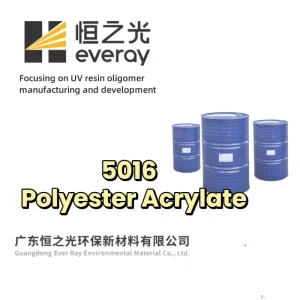
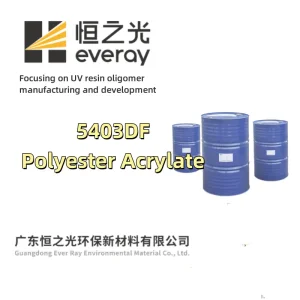
High-speed print lines need UV-curing varnishes and inks that dry instantly. Our polyester acrylates provide excellent pigment dispersion, minimal yellowing, and reliable adhesion to substrates like paper, polyethylene, and metal foil.
Wood coatings require hard, scratch-resistant finishes that can handle household cleaners. Our modified epoxy acrylates deliver high hardness and rapid cure speeds, helping furniture producers increase line throughput.
Protecting plastic casings (ABS, Polycarbonate, PMMA) requires resins with low shrinkage to prevent cracking. Polycarbonate Acrylate 72203A and related products provide strong adhesion, scratch resistance, and haptic feedback.
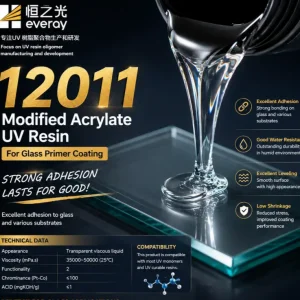
Modern automotive components require high weatherability, UV durability, and mechanical toughness. By incorporating aliphatic polyurethane acrylates (such as the 7200-1 series), manufacturers produce clear coats that resist environmental damage, bird droppings, acid rain, and light abrasions. These materials are also widely used in glass primer coatings, where our 12011 series provides strong moisture barrier performance, adhesion, and boiling water resistance.
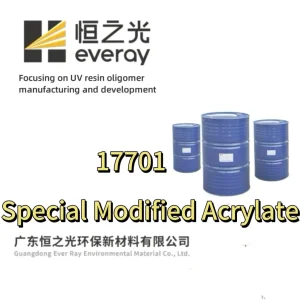
A key challenge in formulation design is balancing fast curing speeds with low volume shrinkage. Acrylic polymerization is often accompanied by volumetric shrinkage ranging from 5% to 15%, which can cause internal stresses and adhesion failure on non-porous surfaces like glass or metals. To address this, Ever Ray developed low-shrinkage oligomers, such as the 17701 modified acrylate oligomer. By optimizing the distance between reactive double bonds and introducing bulkier alicyclic structures, we mitigate shrinkage and preserve substrate adhesion.
Formulation Tip: When formulating UV glass coatings, combine acid-modified or silane-modified oligomers with monomer diluents like IBOA (isobornyl acrylate) to reduce viscosity while maintaining adhesion and water resistance.
Specialty coatings are increasingly used to create unique visual and tactile finishes on packaging and consumer goods:
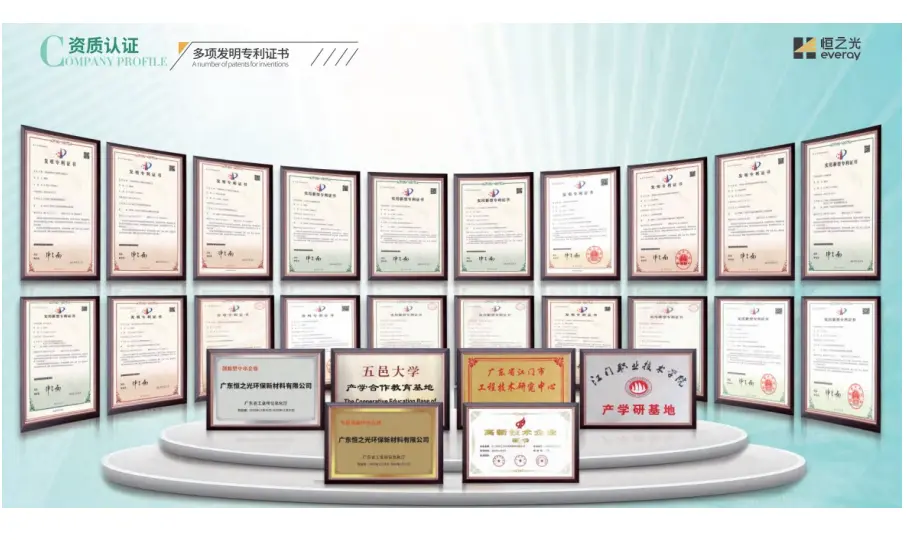
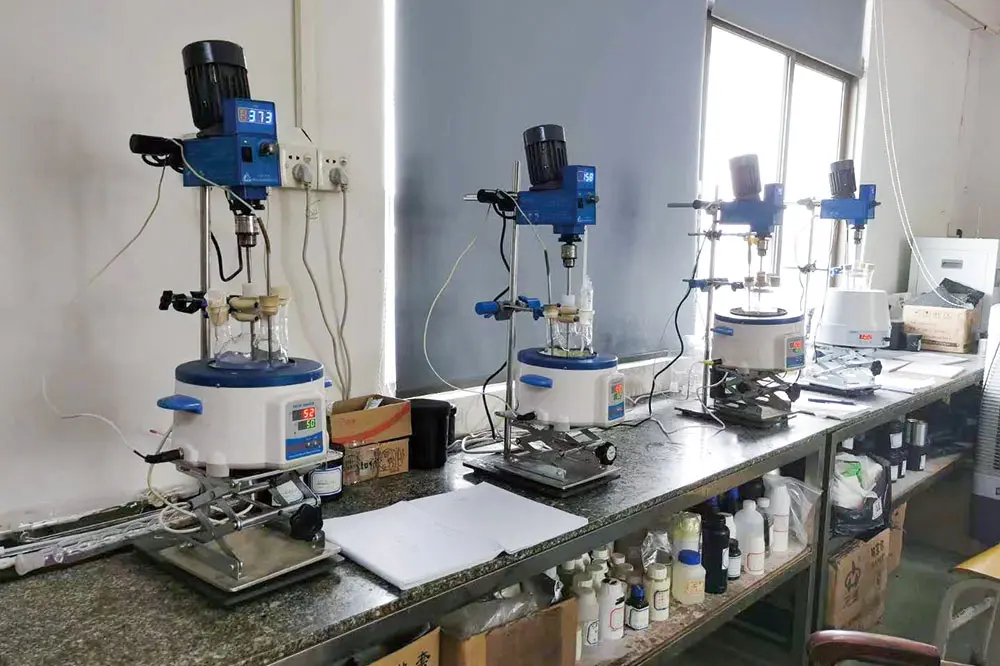
International environmental regulations are placing stricter limits on chemical emissions. The phase-out of traditional photoinitiators (such as benzophenone) and restrictions on volatile monomers require formulation adjustments. Our R&D department, staffed by 15+ experienced technicians, works directly with customers to adapt formulations for local compliance, including EU REACH regulations, TSCA requirements in North America, and environmental standards in Asia-Pacific.
Our production facilities operate under ISO9001 Quality Management and ISO14001 Environmental Management Systems. Automated DCS computerized control processes manage critical parameters like reaction temperature, agitation speed, feed rates, and polymer viscosity. This continuous monitoring ensures high batch-to-batch consistency and reliable performance on automated packaging and assembly lines.
Ever Ray is continuously investing in the next generation of photocuring materials, focusing on three primary R&D directions:
Developing high-reactivity oligomers optimized for longer wavelengths (365nm to 395nm) to support energy-efficient LED-UV curing.
Utilizing renewable agricultural feedstocks to produce bio-based UV resins, reducing dependence on petroleum-based chemistry.
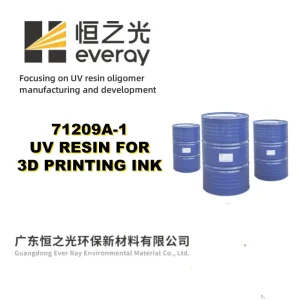
Combining UV-moisture or UV-thermal curing mechanisms to ensure complete curing in shadowed areas of complex 3D parts.
Technical answers to common questions about UV oligomers and resin formulations.
Explore our complete range of specialized UV resins designed for industrial printing, coatings, and adhesives.
 Ever Ray